Life, with the garden
Location: Bagarmossen, Sweden • • • Visit: I barely went anywhere else, all of April to December 2020
April 1
Living in this bubble, now. Self-(semi-)quarantine, shared with the rest of the world, but also my very own, PhD-stage-imposed. In the in-between space of finishing writing a paper and getting a new study started, my days are spent in a mental tennis match of ideas. Those of others, through the scientific papers I read, and my own. I feel inspired. And stuck. All while spring has started to unfold. I see it in the rising and opening of wood anemones along the forest path where I conduct my daily exercise. The contrasts are shattering. I have to do something, find a common chord, an anchor, a semblance of sense. I choose to do this: Editing my chronicles of my life with botanic gardens.

April 2
It was during one of those other surreal moments in time, when (forgive me the big word) the Anthropocene came crashing into my life, wrenching emotions out of the rational awareness I’ve had for years: We are in an age of great uncertainty. And things are happening to the biosphere. Stranded in the drought and ranging wildfires of the summer of 2018, not knowing what to do with all the tangents and unclosed parentheses left by my one-year-seminar and the yellow grass, the heat, and the fires, fires, fires. I needed another outlet then too, something to balance the budding Academic. I thought: Dress what I feel in something simple and familiar. I had an idea. And then, I never found the time. Now is the time.

April 5
Botanic gardens. I collect them. Since 2012, I have visited, photographed and written travel journal entries about thirty-three. This is what I will start doing on my Covid-19 bubble: Select photographs from the botanic gardens and write about them, about what they mean to me, about what they make me feel. Literally, and in a more loosely connected, associative sense. In search for that common chord that drives my research, fuels my obsession with botanic gardens, and forces me to sing for the wood anemones and the old mighty olive tree.

April 10
I’m amplified. I submit a revised manuscript, a paper I’ve been working on for years, I feel like I’ve finally figured out how to untie the knot in its argument and the exhilaration when submitting it threatens to dissolve my cells into the little particles dancing in the light coming in through my dusty kitchen window.
But then, miss-communication in virtual socializing, words that don’t make it out right without the help of a hand, a shifting of the head. Unease over the difficulty to understand the misunderstandings. No other’s breathing to pace my racing heart. I never realized how balancing another person’s physical presence could be. So, I take to the woods. I look at the spring flowers, how their colors shift. It gives pause. And I remember: Watching an orchid. My school of meditation.

April 13
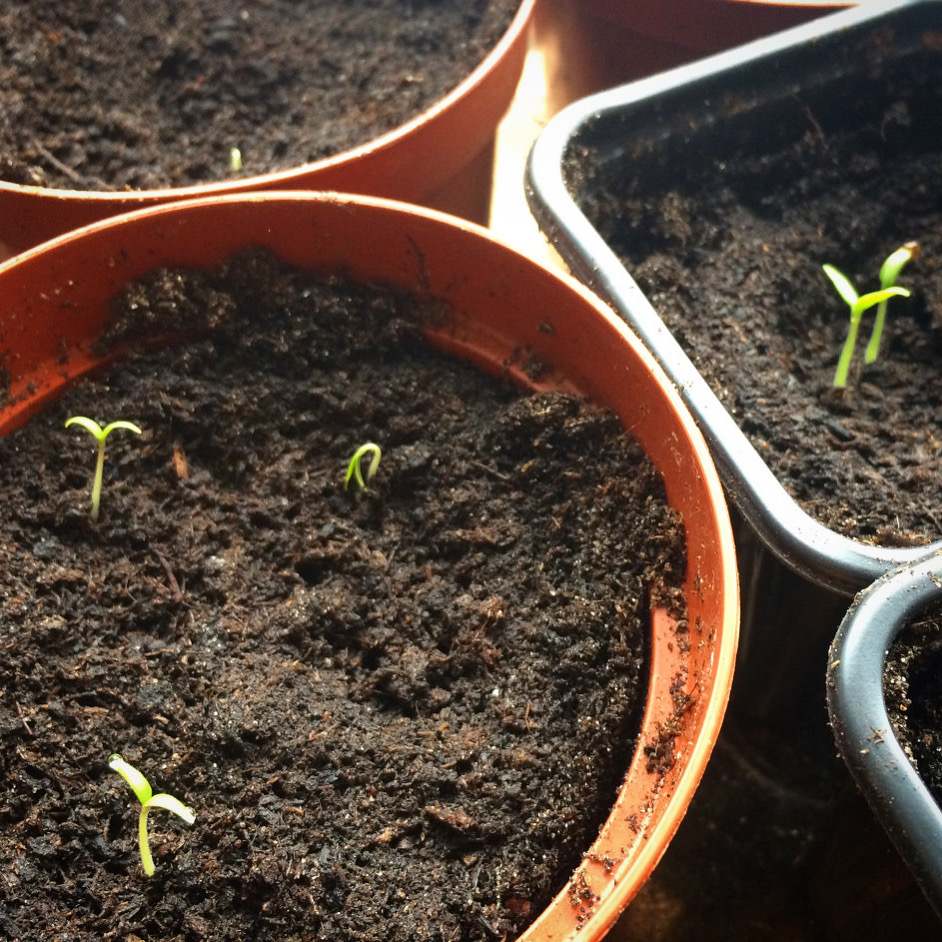
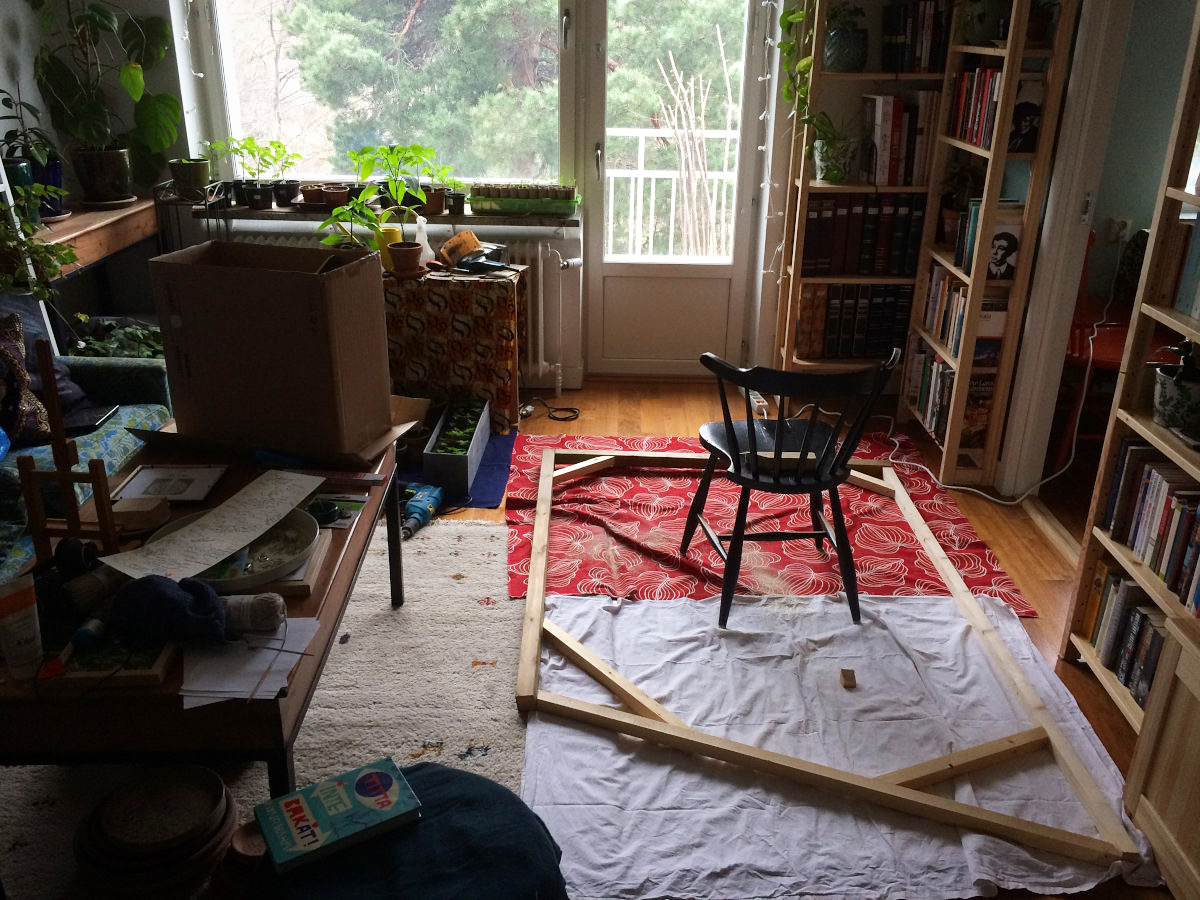
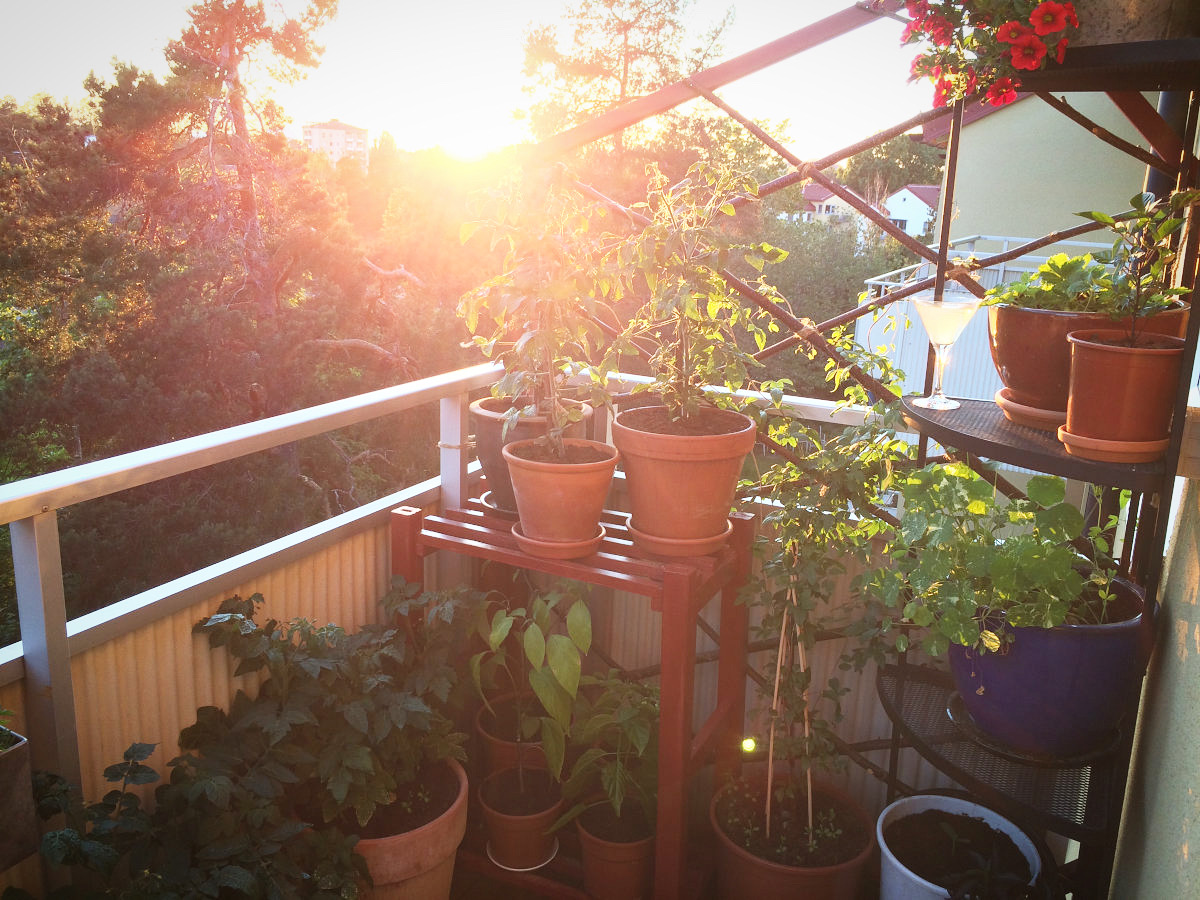
This Easter I have been tending to my balcony. Replanting baby tomatoes, chilis and marigolds, planting seeds of nasturtium and wild strawberries. Making plans for wooden structures for the plants to grow in and up against. This home quarantine has turned me into an overly ambitious amateur carpenter and balcony gardener. Only time will tell if my balcony ends up living up to my lush, green vision.
And while I tinker, I listen to the audiobook of Anna-Karin Palm’s incredible Selma Lagerlöf biography. Lagerlöf, Swedish national treasure and first woman to win the Nobel prize in literature. She might have appreciated my balcony endeavors. She often wrote with great admiration and insight about the hard work and skill of farmers and craftspeople.
And in 1894, her first trip with Sophie Elkan, lifelong travel companion, went to Visby. Every day, they had lunch and dinner in the botanic garden pavilion.
124 years later, I discovered that the very same garden was a marvelous place to sit and read in, surrounded by dahlias and roses. And so, my Easter break goes full circle.

April 17
Yesterday afternoon, while sitting in my make-shift home office, I heard someone singing through the open balcony door. My balcony faces a patch of pine, aspen and ash trees, and when I peeked out through the window, I saw a girl walking around down there. She can’t have been older than thirteen, that awkward age when you’re still a child but can’t wait to grow up. And she was singing Alicia Keys’ “Girl on fire” with a passion I’ve rarely heard. Singing forcefully like that while maintaining such a confident pitch requires really good technique.
I would know. I also sing for trees. Beautiful vistas, wild waters and light through spring leaves call it out of me. It is like a hidden, precious space is opened in me and the only way I can keep myself together is through song.
But never as well as this girl. Singing: “She’s living in a world, and it’s on fire; Feeling the catastrophe, but she knows she can fly away /…/ This girl is on fire”.
Me, speechless.

April 21
A while back, we read “Barmark” by Malin Nord in my book club, a novel about loss, legacy and belonging. It is painful and sad and during the club meeting we mostly spoke about how strong emotions are carried down, from mother to daughter, in generations.
But what I remember most strongly, as the geographer that I am, is the sense of the landscape. Most of the story takes place in a remote village in the forests of Jämtland, north-central Sweden, by a river. It is described as dark, almost ominous, but also with a sort of beauty that creeps up on you, unnoticeable, until you’ve learned to recognize its melancholy, subdued harmonies. The main character describes such a strong sense of belonging to this river, to the trees, the landscape. But at the same time: Not belonging, to the village, the people, because her mother came from somewhere else, foreign.
The tension between different layers of belonging. It is something I can recognize also in myself.

April 23
I think I could enjoy having a garden of my own. I’ve recently become the co-tender of an allotment garden plot, so we’ll see how well I know myself.
My Finnish grandmother was an amazing gardener, and the childhood memories I have of all the flowers in her garden border on fantastical. The lilies and roses and poppies that simply flowed over in her flowerbeds. But it’s a lot of work, keeping a garden, and to be honest, maybe what I enjoy the most is just sitting, breathing, taking in all the calming shades of green.
It was in my grandmother’s garden that many of the short stories I wrote during my teens came to be. I write well in a well-tended garden. They offer focus. Help me get my thoughts straight. I don’t do yoga – I watch trees.

April 28
Oh, how I love the rain. The smell of it, in spring. After a month of none at all. A sigh of relief, from the wood anemones, budding roses, the birch outside my make-shift home office window with leaves just about to open.
Thinking: Maybe this means we aren’t heading into another summer like 2018, we can’t be, not with how the world is, we wouldn’t be able to take it. (Too early to say, though. In 2018, it didn’t stop raining until late May.)
I listen to Labrinth: “I’m jealous of the rain / that falls upon your skin / it’s closer than my hands have been / I’m jealous of the rain”.
Yes. The blessing of rain.
June 30
It’s been a while. Not because anything in particular happened. During a spring and summer like this, things happening could be a possibility. Expected, even.
But no. For me, age seems to come with an ever-growing deficiency of prompt follow-through. A new exciting idea must have distracted me. I have been busy with home-based projects. Building stuff, planting, sowing and weeding. Designing, knitting and crocheting new things to wear. Making lists of things to do. Of course, in addition to working (a little too little) on my thesis.
I’ve only been to the office twice since the beginning of March. On one of those visits, I took the chance to stroll through the Bergius botanic garden. It was in full June bloom.

July 6
For the first time in my life, I live in a home where I alone am responsible. To be honest, I think it has gone to my head. All the possibilities for making stuff!
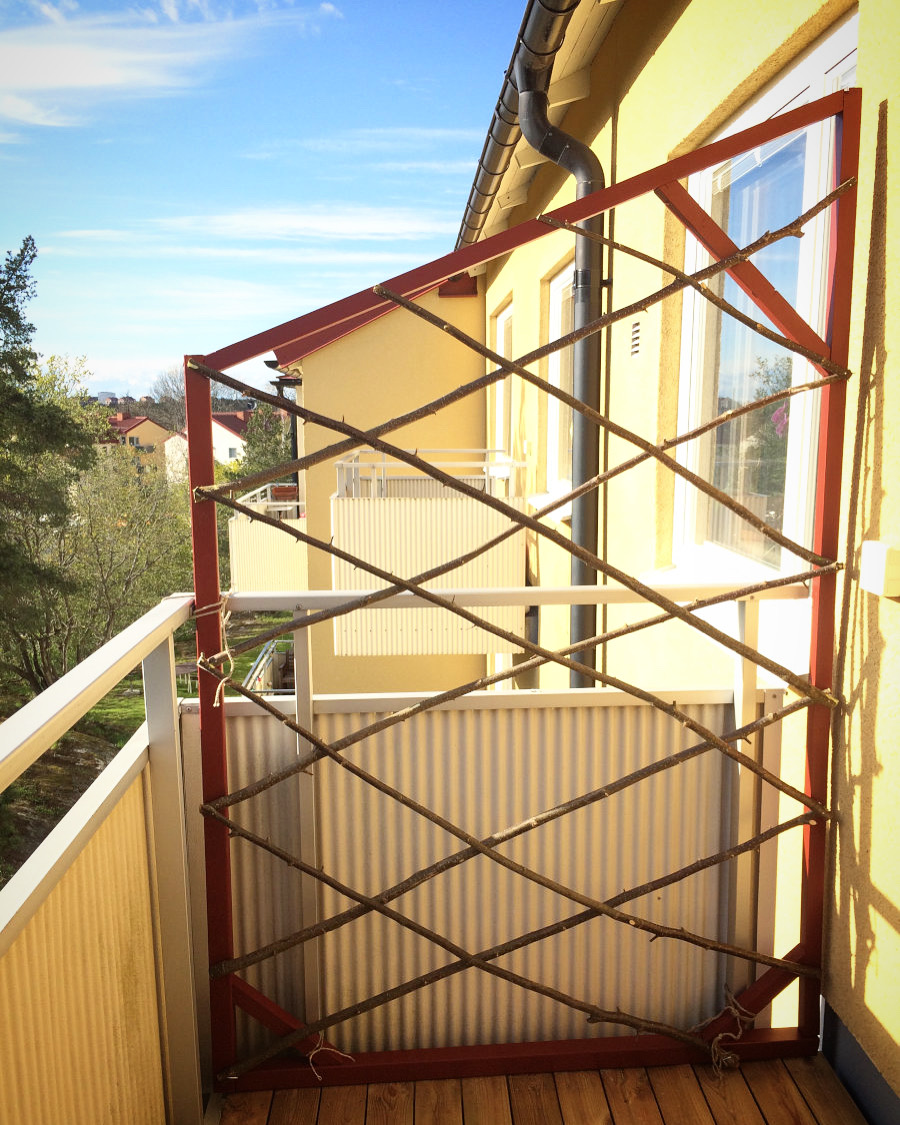
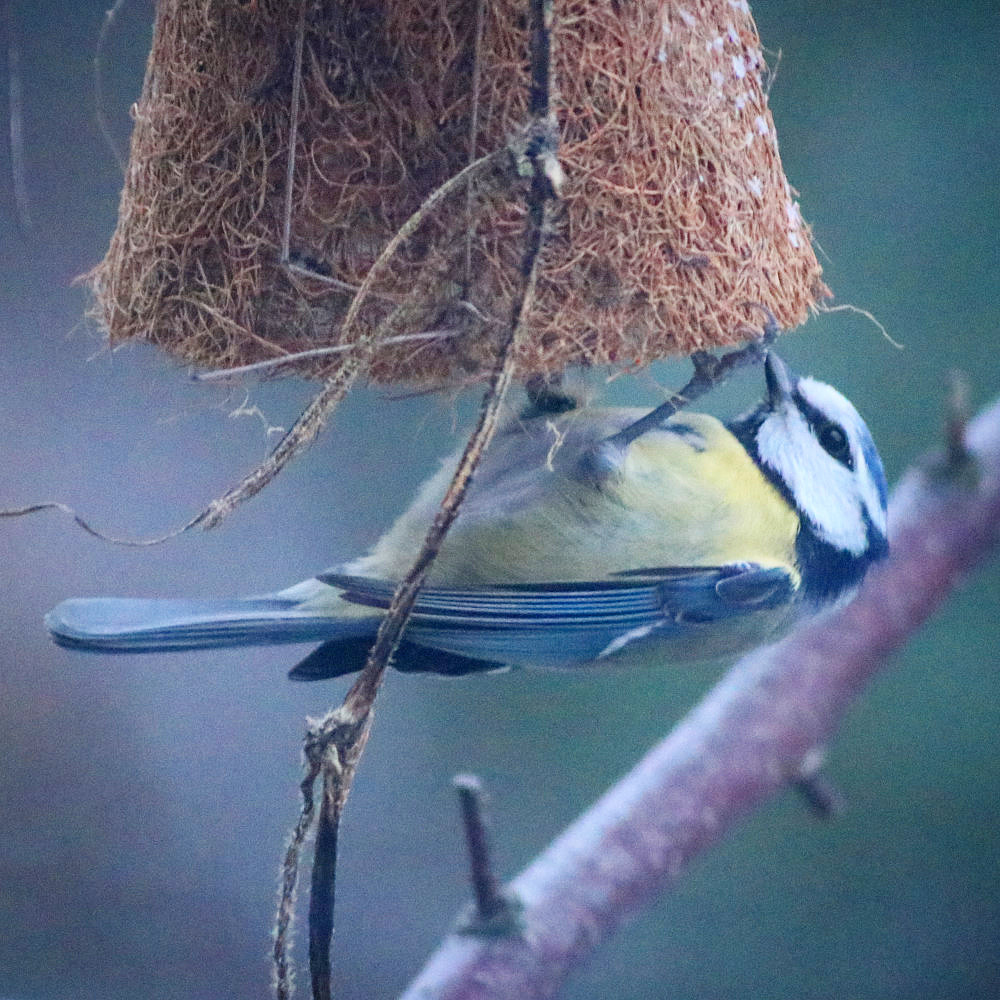
Included in this home is a balcony. In March, I started planting seeds. And it excited me so, I might have gone a bit overboard with the planting. Because, seedlings grow into plants. And suddenly, you can’t fit into your own balcony. But then, in mid-spring, a blue tit started visiting me. At first, I saw it from my kitchen window while drinking my morning tea. It landed on the espalier I had built from scrap pieces of wood, its blue feathers contrasting so beautifully with the rust-red paint. And I thought: How lovely! Small birds can also enjoy my balcony. But then I saw what it was there to do. It jumped from the espalier to my tomato plants and started peeling off the skin of the stems. Long segments of fiber peeled right off. And from the tomato plants, it flew on to the sage, starting to bite off pieces of the stems of the leaves. Not the leaves themselves! The stems, effectively leaving the leaves to slowly shrivel up from reduced water circulation. I had to go out on the balcony to scare it away.
But the next morning, it was there again, peeling off skin from my balcony plants. The marauding blue tit. Probably collecting fibers for its nest. It became a morning ritual, standing in the kitchen window, looking for the bird to appear – trying to prevent it from piece-by-piece peeling away at my home-owner’s omnipotence.
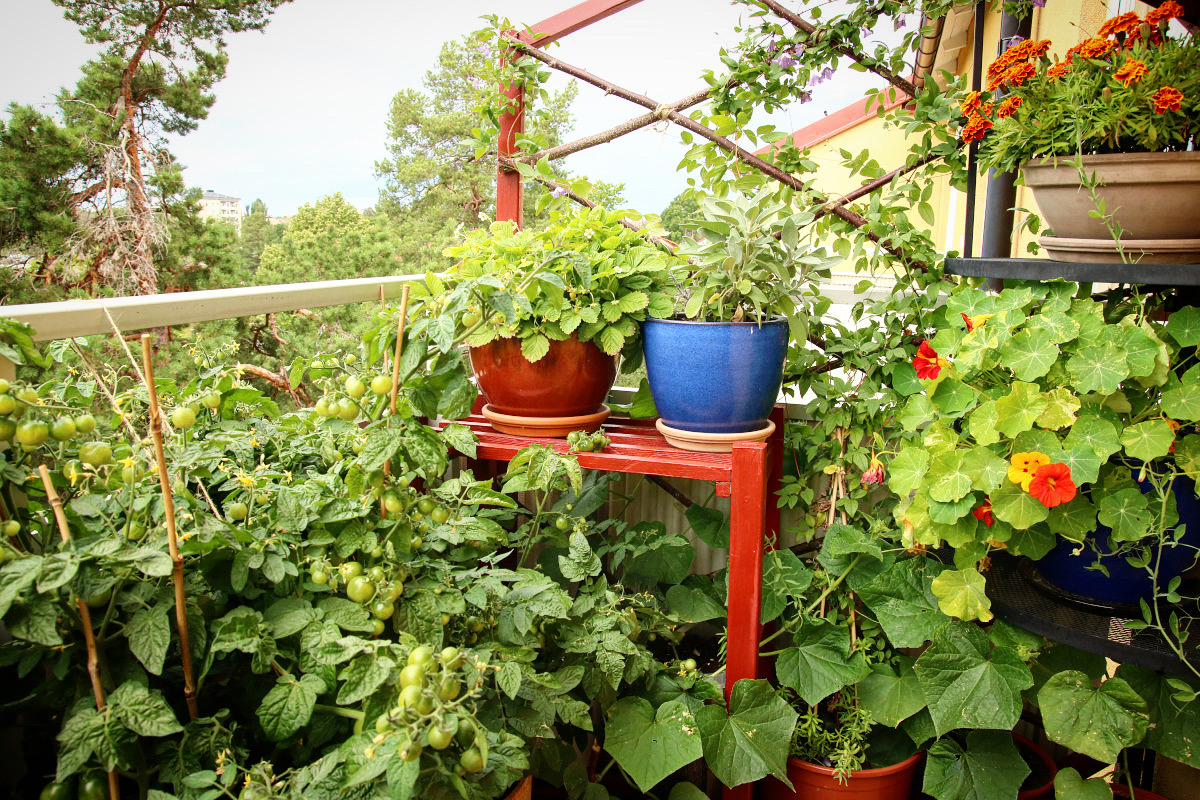
By early June, the marauding blue tit stopped coming by. I guess it was done building its nest. And my tomato plants survived. Their stems are a bit crooked and thicker in the places that were peeled, but they still started flowering and are now heavy with green baby tomatoes. So, things worked out. And I have a new balcony frenemy.

July 8
From the notebook, late May: “Opening the balcony door this morning, I found a thin layer of cream-colored dust on the leaves of the tomato plants. It stuck to my bare feet, felt like flour between my toes. And looking up, at the crown of the pine, my tree friend, eating spot for squirrels and the marauding blue tit, a sudden gust of morning breeze caught a cream-colored cloud from the pine flowers. A haze in my eyes. A surprised giggle from my lips at the thought, reminiscent of the teenager I never really was: I’m breathing in pine tree spunk.”

July 22
My dad just published a book.
In an interview, when asked what she will read this summer, Annika Norlin answered: “I will definitely read the Olle Adolphson biography by Jan Malmborg”.
My dad’s book. Annika is Hello Saferide and Säkert!, her lyrics are little stories, smart and sad and funny, she has been my favorite songwriter since I was a teenager.
Olle, the musician in the biography, is my dad’s favorite songwriter. His songs are also stories, sad and beautiful and contradictory, like life.
This summer, I will read “Jag ser allt du gör”, a collection of short stories by Annika.
And so, lives re-connect and meander through this contradictory existence.

August 2
The sun is shining again, and I walk down to the center square in my neighborhood, I pick up books from the library and buy strawberries. Outside the local bakery, I sit down with a cappuccino and one of their wonderful, rich cardamom buns. I read the old children’s book “Where the wild things are” by Maurice Sendak, he tells: “the wild things /…/ roared their terrible roars and gnashed their terrible teeth and rolled their terrible eyes and showed their terrible claws till Max said ‘BE STILL!’ and tamed them with the magic trick of staring into all their yellow eyes without blinking once and they were frightened and called him the most wild thing of all”.
And, being me, I think: I’ve thought about this, about gardens, about how to be. I have had people tell me they don’t like botanic gardens, because gardens are tame, restrictive. They prefer wilderness. But wild is not untouched by humans. Wild can be looking something in the eye and seeing it for what it is. And giving it space to be. A gardener tending to the unpredictable. A person looking at the world and moving with it, without giving up on the wild, the wonderful in their own wandering mind. Its strength, weaving it into the fabric of the world. This can be practiced in a garden.

August 5
How we change through life fascinates me. Tastes, for example. Some change happens with active practice, like learning to love smelly cheese or wine. Other changes surprise you. Growing up, I never liked marigolds. This orange flower, so common in ornamental flowerbeds, I thought they looked stiff, they smelled disgusting. Were just too orange.
And then I went to Oaxaca to attend the PECS conference in 2017. It was a tumultuous time in my life, I had worked too hard, the world seemed disjointed, people around me didn’t make sense to my muddled mind, I was exhausted. An absolutely awful travel companion. And so, I arrive in the middle of the Día de los Muertos celebrations, to this beautiful old city all covered in marigolds. The traditional Mexican flower of the dead. The smell of them followed me around, spreading from the adorned doorway arches and enormous flower-covered altars placed all over town. Everything orange, purple and laden with bread and painted skulls.
And then the PECS conference started. And it can’t only have been the content of the conference, it must also have been the state I was in. Exhausted, confused, in the very beginning of my PhD, completely open to this beautiful place all covered in marigolds. But. I can see so much of what is now taking shape in my PhD thesis, trace it back to ideas I was inspired to from sessions at the conference, mescal-infused conversations with fellow attendees during mingles and in the evenings. It was a defining moment, drenched in the taste of mescal and smell of marigolds. The three years since have been a journey to see how those ideas have unfolded and evolved.
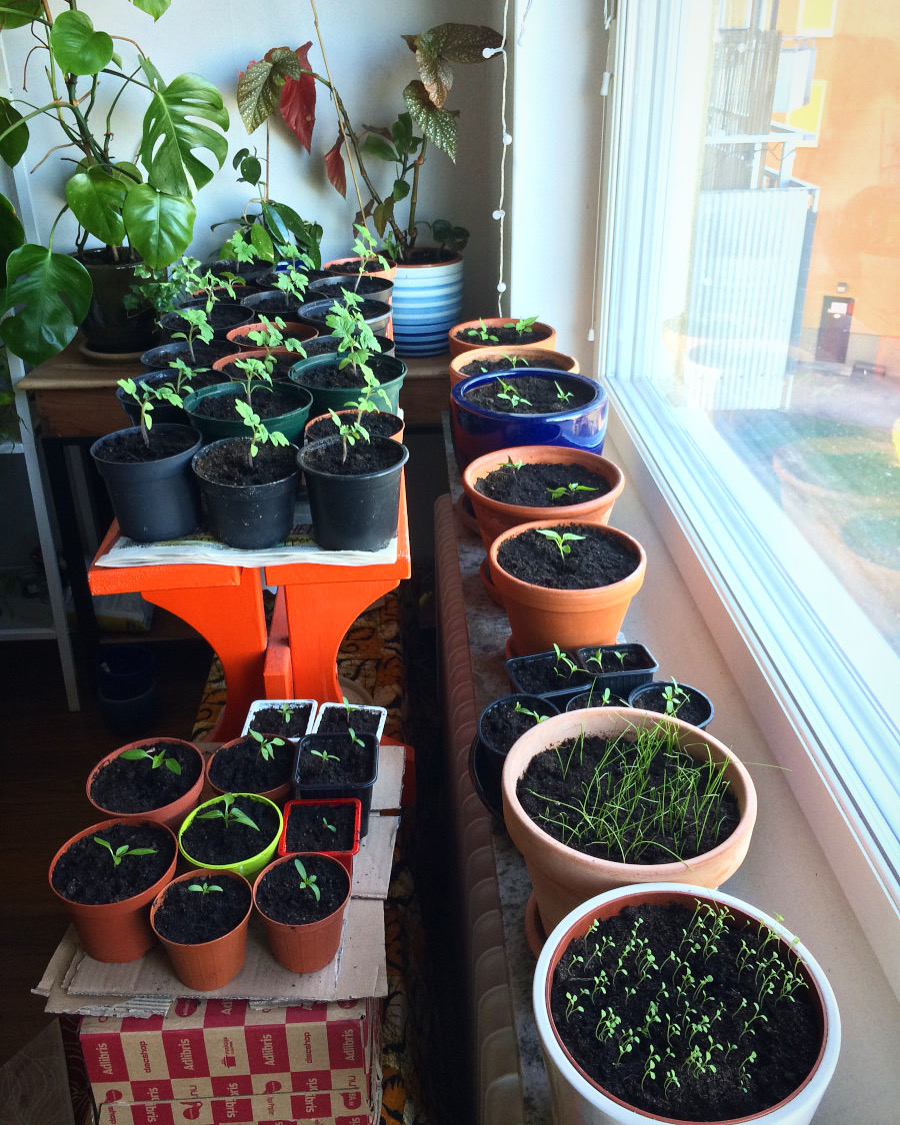
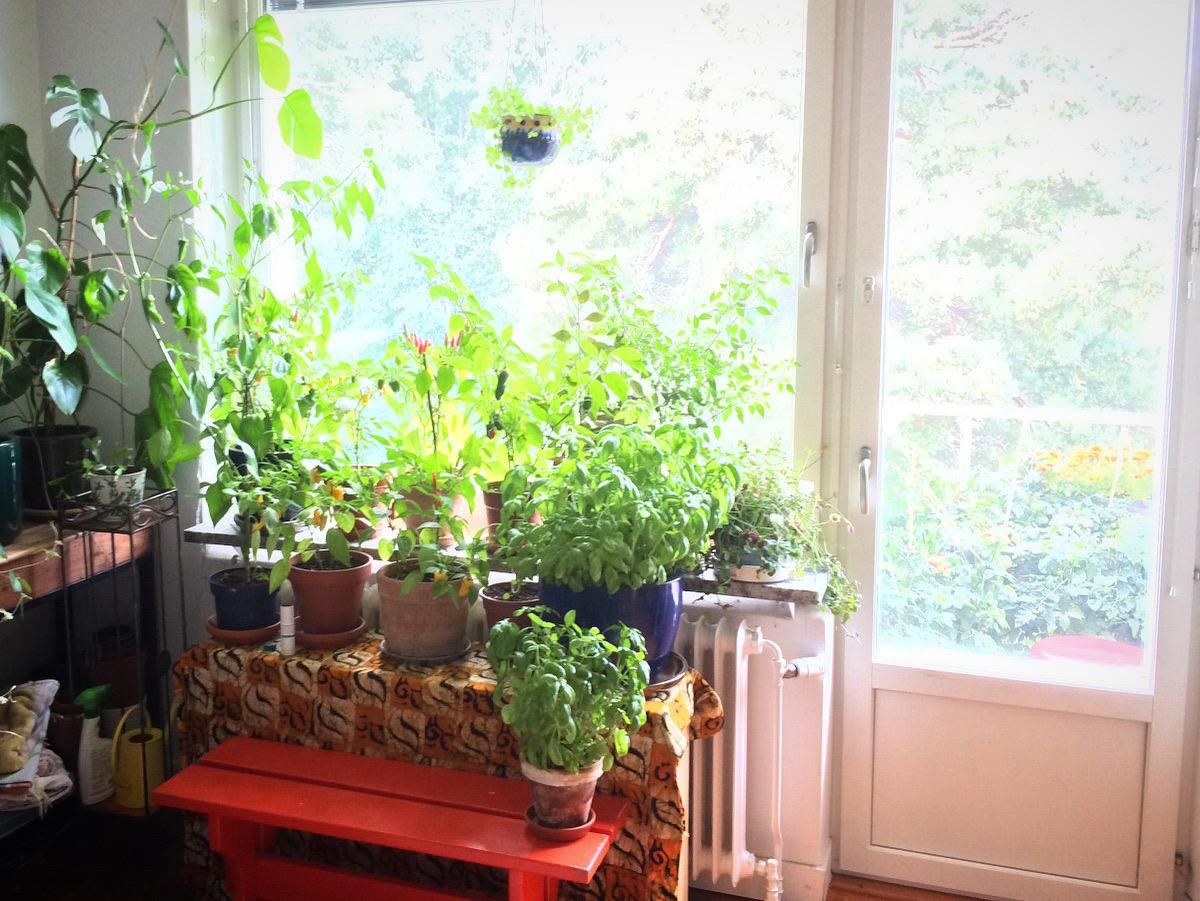
Since then, I love marigolds. I even love the way they smell, sweet, itchy. In March, I planted so many seeds, carefully tended to the growing seedlings in my living room window, next to the aspiring tomato plants and chilis. Now, they live on my lush balcony. They give me a sense of joy, the tableau they create through the open balcony door when I sit in my knitting and reading chair.
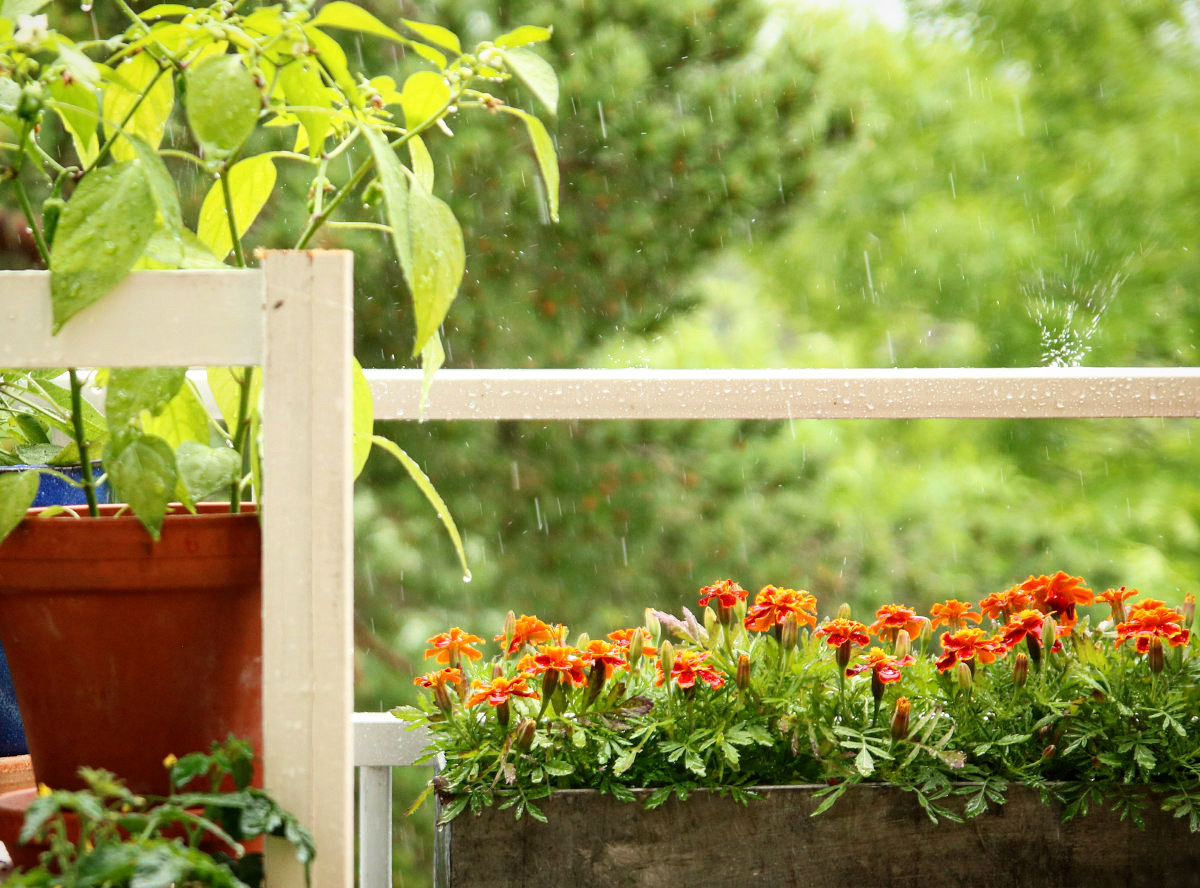
Especially when it rains. The sound of the heavy summer drops on the roof, the smell of moist soil, the intensity of greens, bright chili leaves, darker tomato, the bluish tint of the pine needles just beyond, and then brighter again, in the ash tree. Purple-gray shades on the clouds. And in the middle, orange, creating a contrast so deliciously seductive, the marigolds. I can’t get enough.
And there I am, changed.

August 13
I listened to another biography, while tending to the sprouting kale in my allotment garden. Elin Wägner (1882-1949), an early Swedish feminist, journalist and author, environmentalist, educator and outspoken pacifist during the world wars. She wrote about how our industries and our burgeoning consumption were degrading ecosystems, decades before it became an issue on the political agenda. Wägner was worried about people losing touch with our food systems, with the clothes that we wear and things that we use. That the knowledge of the hand would soon be dead. She had a cottage built in the rural Småland, with a garden and room for a loom, she was interested in organic farming and argued for the benefits of handcrafting. That everyone should learn some. That through being a producer, of food or clothes or other use items, we are also able to be more knowledgeable and responsible consumers. And that our knowledge and demand for good quality also has to encompass a demand for good living and working conditions for the craftspeople and workers producing the things that we buy.
I have read some of her novels before, but I must pick up a couple of her non-fiction books too. Particularly “Alarm Clock” / “Väckarklocka” (1941), one of her last books and where she formulates her environmentalist ideas. Some days, being reminded that I have joined a movement with a long history, that I stand on the shoulders of many brilliant environmentalist thinkers of the past, feels nice. On other days, it feels heavy. Wägner started writing in the very beginning of the 1900s, and she died seventy years ago. However, her ideas appear progressive and radical even today – but still, very much in line with the kind of research I and my colleagues are doing. Change can be so slow. Or, put a different way, ideas must be shared at the right time, for people to wake up to them. Wägner sounded the alarm clock, but was half a century ahead of her time.

August 23
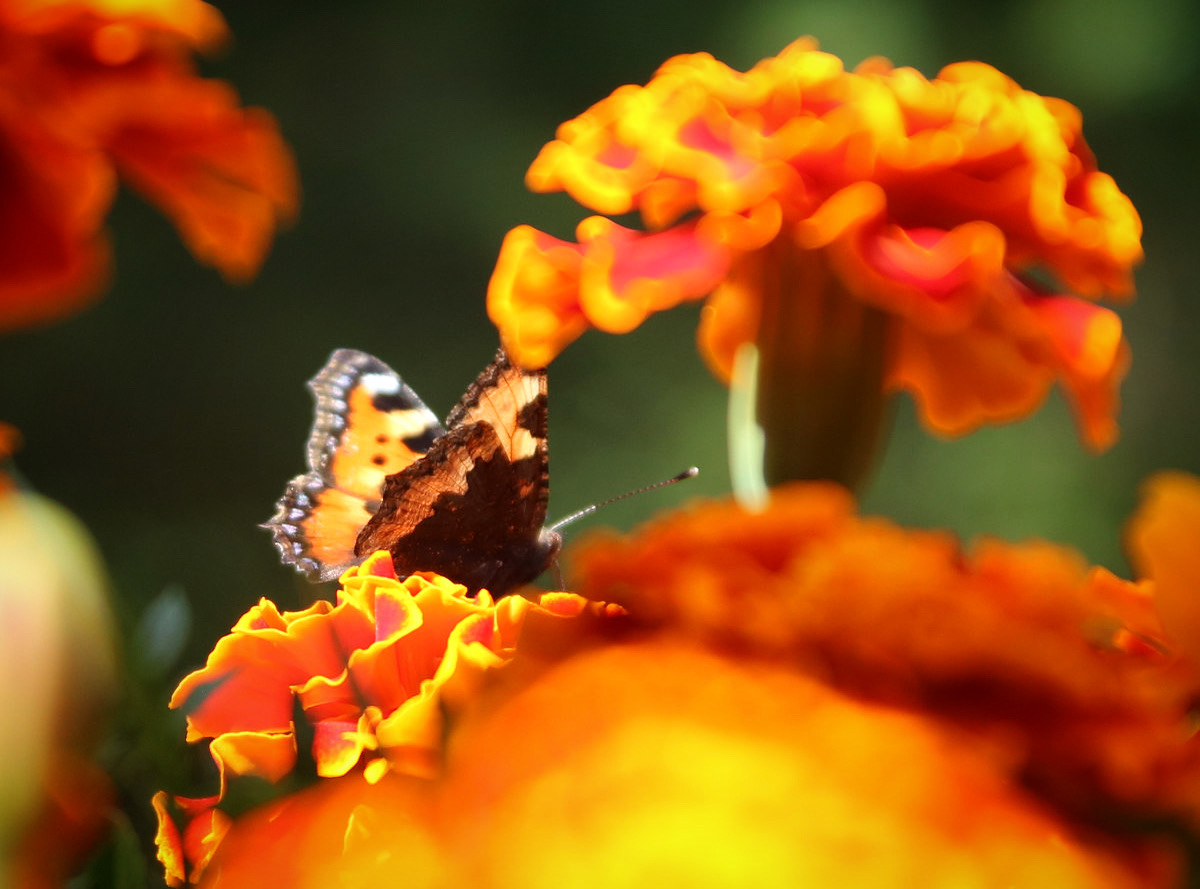
It makes me so happy to see the bees and the butterflies fly from flower to flower on my balcony. The marigolds are still in bloom, and through the kitchen window I can see the cucumber plants, covered in yellow flowers, climbing up against the espalier. And the insects find their way up to my third-floor balcony, its flowers and the plate of water that I’ve left out there for them in this very dry month of August.
The marauding tit from the spring hasn’t come back since June and only a couple of times have I seen the squirrel that used to hang out in my neighbor pine tree every morning last autumn. But I have the butterflies and the bees now.

September 20
In August, while weeding among the kale on the allotment garden, I listened to a radio essay about hiking. The journalist referred to a cognitive science researcher who had said that our ability for abstract thinking increases in places with open vistas, like mountains or by the ocean. As if the depth of the visible landscape can help us access a deeper way of thinking, give perspective.
This made me sense to be, crouching as I was with my hands deep in the dirt. Digging up roots of dandelions and field bindweeds in this densely green, close allotment garden forced me to keep my mind on exactly what was in front of me. Literally. Breaking the clay-rich clods of earth to get as much of the roots out as possible, not harming the worms and bugs that were turned up in the process, avoiding being stung by the fire ants that had made their nests in the soft, moist vegetable beds. My thoughts given a narrow, targeted focus.
While mountains and coastlines that open up to the ocean and the sky, they always make me think of existence and the universe. And then, I sing. Not even as a choice, the songs just come. As if the awareness of our place in the universe is intertwined with music in my mind.

September 22
So, cognitive science research indicates that open landscapes like mountains and the ocean increases our ability for abstract thinking. But how about trees?
I’m currently interviewing private forest owners about places on their forest properties that they feel particularly attached to. I’ve asked them to photograph the places, and then use the photos in the interviews to explain what it is with these places that they particularly care about. I’m not done with the interviews, and I haven’t started analyzing the material yet – but I can already say that more than half of the forest owners have chosen to photograph either one particularly old tree, or an old growth grove. When explaining why, they bring up how these old trees make them feel connected to history, to the people who lived here before, who chose to tend to these trees and leave them standing. And how they feel a responsibility to maintain that legacy, today and for future Earthlings, human and otherwise.
The open landscapes of the mountains and the sea-side coast may in our minds unlock widened perspectives in space – but old trees, in the southern Swedish cultural landscapes manifested in centuries old oaks and pines, can open our minds to deeper perspectives in time. To the past, and into the future.
The realization that we’re only here for a breath of time, and then we’re gone.

September 25
Waking up yesterday morning, the world was covered in mist. Living on the third floor on the top of a small hill, I stood in my kitchen window and saw the southern suburbs of Stockholm gradually softening their corners and eventually disappear, the mist slowly turning orange from the rising sun.
After lunch, the skies were blue, and I took Megan’s thesis to read it on the balcony. With no wind, I could comfortably sit there with a glass of ice tea, surrounded by my still-fruit-bearing tomato plants. My balcony has its own little microclimate.
At dusk, I took my daily run through the woods, where the maples are starting to turn red at the edges but the oaks are still green. That soft, calming smell of moist, decaying leaves and early autumn.
And now, Friday morning, a milkiness to the blue sky, watching the yellowing top of the ash turn golden as the sun slowly reached over the roof of my house.
I love this time of year. Early autumn. It has all the colors. A crispness to the light. Flowers, still, the marigolds and nasturtiums are blooming bright orange on my balcony. The smell of apples.
September 26
Today, the fruits on the double rows of chili plants by my living room window are catching the evening sun on their shiny skin, red and yellow, orange, green and purple. Enough to make my eyes water and me feel the bite of the summer sun in my throat for every meal of the coming long, dark winter season.
September 28
A while back, I read “All the rivers” by Dorit Rabinyan. It is a novel, the bittersweet love story of an Israeli translator and a Palestinian artist who meet in New York and fall head over heels for each other. Despite the thick walls put up between them by the history and present of their respective families, nations and religions. The story is so convincingly told, from the perspective of the Israeli woman, that I, too, fall for the sensitive, curious Palestinian man.
Their story may be a maze of navigating between moments of tension caused not by themselves, but by family and history – but they also meet in profound moments of a shared sickness for the landscape of home. In a long, cold, snowy New York winter, they share memories of the hills by the eastern Mediterranean. The dry smell of soil and herbs, the warm breeze from the sea, the light of the unforgiving midday sun, its rosy caress when it sets. So many of their experiences in that landscape diverge, memories of access and being shut out, of violence and alienation. But also: The connection felt in sharing these intimate, sensory expressions of a place, in smell, touch, taste, sound, sight, how rooted these sensations are in both of their bodies.
It is a lovely, and fascinating, and difficult book to read. It has stayed with me, long after I put it down, with a lingering ache in my chest.
October 20
PART I
Sometimes, life just knocks you down. Not permanently, but for a time. Too many things go against you, and nothing good just kind of accidentally happens. As if the world had run out of serendipity.
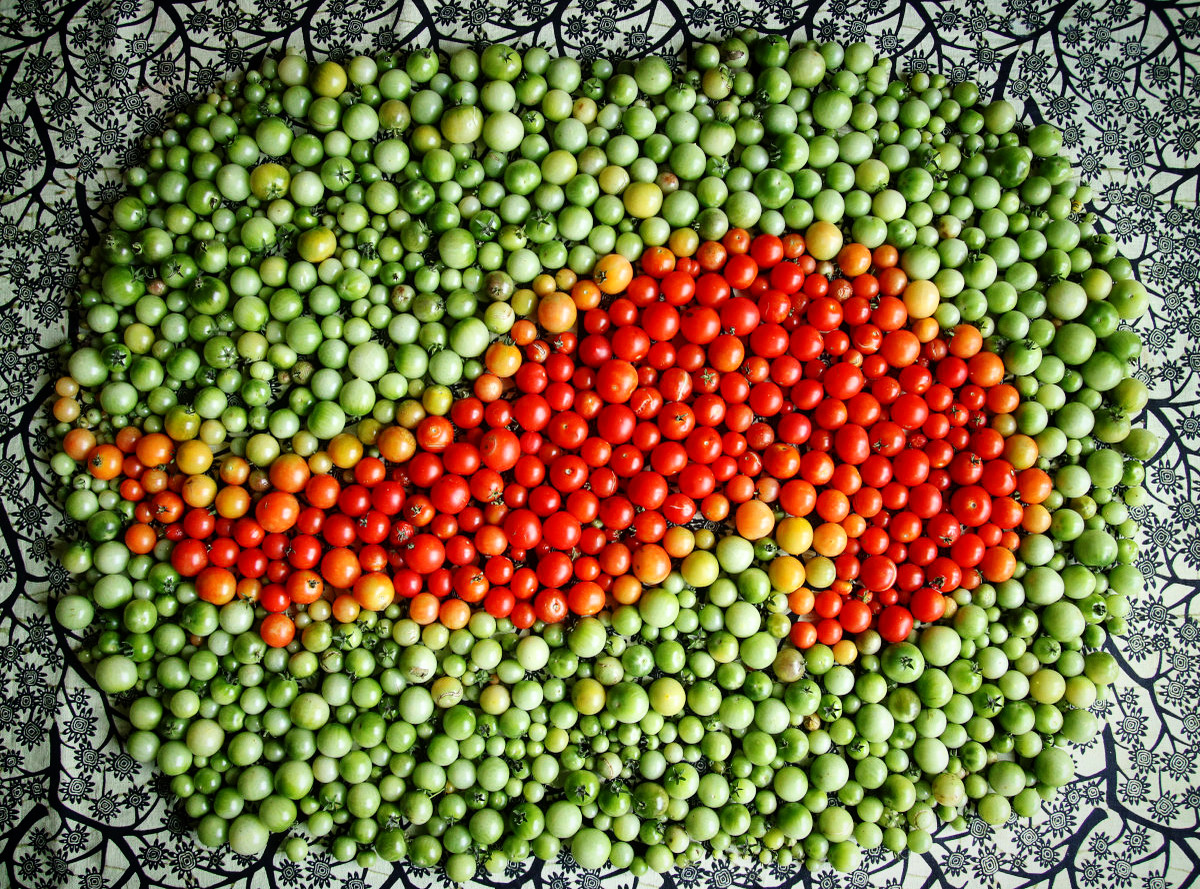
I think many of us have felt that way during the past seven months. Covid-19 came like an tidal wave, covering the entire Earth. Many things about work and home and relationships and hobbies had to be re-defined. I stayed home, knitting and gardening. I had too much time to tend to the plants on my balcony, seeing them thrive somewhat eased worries over a non-thriving thesis and I’ve been eating tomatoes daily since the beginning of August. I have more chilis than I could ever consume.
PART II
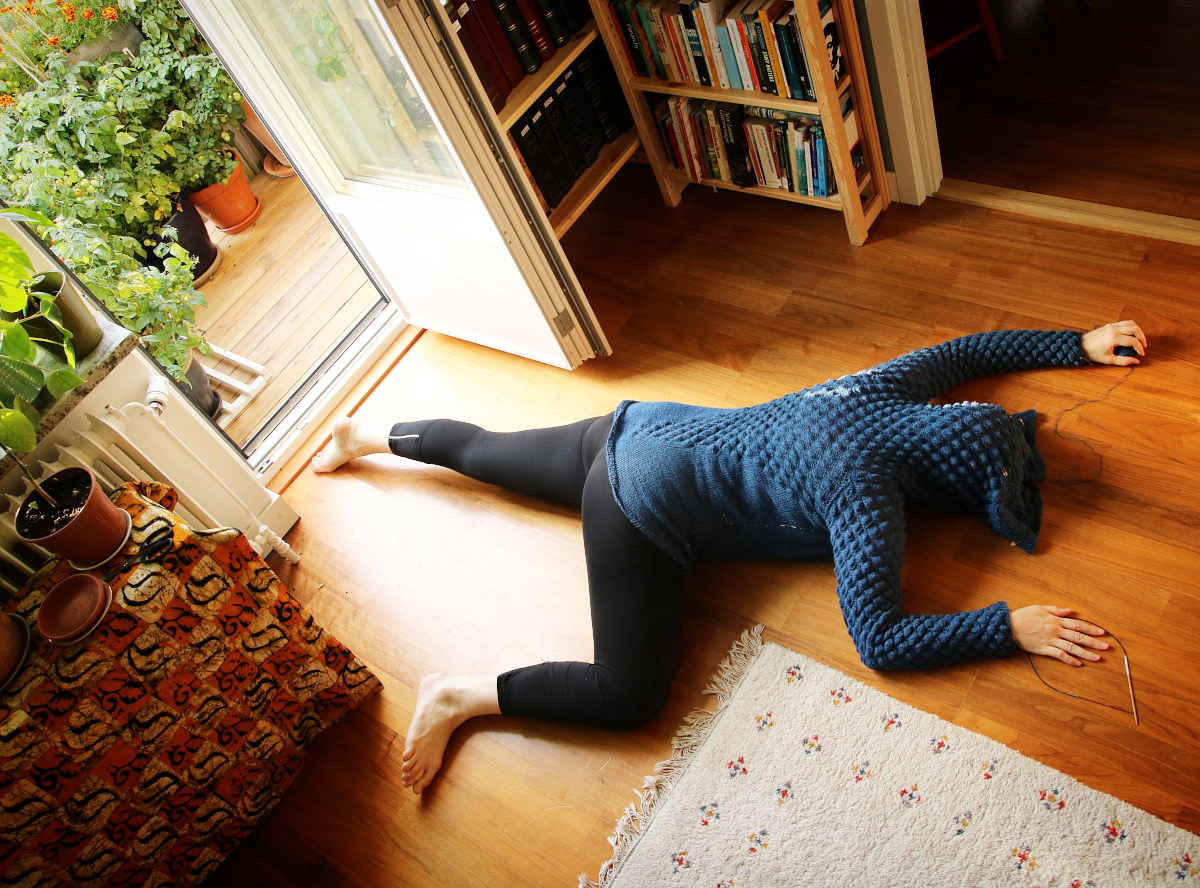
A couple of weeks ago, I finally finished Natalia’s dragon-scale jumper, knit in a fine, beautifully blue-purple linen-cotton blend from Ullcentrum Öland. I started it in early spring, the scale-pattern is by an Instagram creator (@lavishcraft), but the rest is an experiment springing from my and Natalia’s shared imagination. However, experimental design is an inevitable process of knitting, realizing it’s too tight or loose or just weird-looking, partial or complete unraveling, and then re-knitting. I know this, because most of my pieces are one-off experiments. But this jumper was extreme. Except for the second sleeve (which obviously was a repetition of the first), every single part of this jumper has been re-knitted at least twice. And with such a fine yarn, that is no quick task. I was so sick of the whole thing by the end.
And in a way, this felt symbolic of the time in which the jumper was produced. This year, that has felt like biking up an endless, bumpy hill on a bike with broken gears. One step forward, two steps back. But also, there is no one I would feel more content over having spent all that time and effort for. The almost weekly Skype calls Natalia and I have had, re-watching Buffy the Vampire Slayer together, are one of the things that have helped keep me sane in the time of social distancing. Doing things for each other, that’s how purpose is created.
PART III
Now as the leaves on the birch outside my home office window turn yellow and slowly fall to the ground, the unease has lifted a little. I’ve started to knit a dress for myself, in a yarn about twice as thick as Natalia’s, making it delightfully quick to work with. I am seeing progress in my thesis again. No less than five good colleagues and friends have successfully defended their theses since the end of August. Last week a production, Partisan, that one of my oldest, best friends, Kirke, worked on was awarded the prize for best TV show of the year in Cannes.
And last night, my dad’s biography about the Swedish musician Olle Adolphson was nominated in the non-fiction category of the August prize, the most prestigious Swedish literature award. There is something encouraging about that. Not only because he is my dad, but also that it is possible to do something for the first time in your sixties, for example write a book, and then end up being considered among the six best to have achieved that in the past year. It is never too late to do something new. Good things can happen.
And soon, there will be a most fantastical photo shoot of the dragon-scale jumper co-created by the me and Natalia dream team.
November 1
I love seeing autumn unfold outside my living room window. The ash slowly turning from bright green to yellow and then, after a particularly windy night, stand there completely naked. The maples shift into orange and red. The aspen glow like torches, lit up from behind by the setting sun. And the pine tree seeming more and more blue in contrast to all the yellow and red decay.
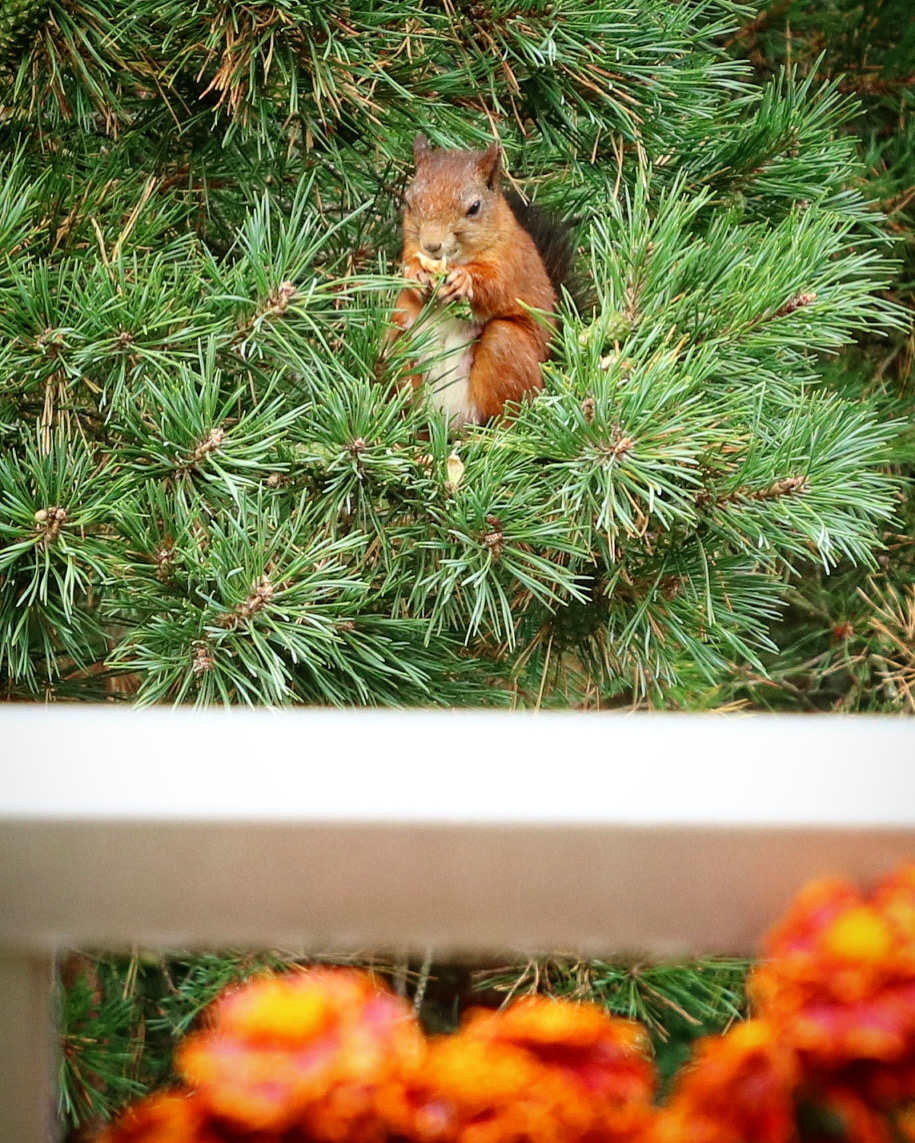
The squirrels are back, jumping with terrifying agility between branches way too far apart, their coats shifted to the grey tones of winter. And the blue tit came by this morning, looking for food in the empty pots where my tomato plants used to grow.
There is something reassuring, seeing the seasons shift through the trees, every day from the angle of my living room. I’ve never lived for so long so close to trees before. I love it.
And I remember another autumn unfolding, in what seems like another world now. I was returning from a conference in San Sebastian, leaves changing color outside the train windows as I traveled north. On easy walking distance from the railway station, the old botanic garden in Hamburg in full autumn splendor. I wonder when I will have a chance to go back.
November 8
It was such a beautiful late September Sunday afternoon when Natalia and I finally came out to photograph my office poncho. The leaves had just started to shift color, but the temperature was mild enough to make walking barefoot perfectly comfortable. Granted, I don’t get cold easily, but still. Natalia likes to have me pose halfway immersed in a lake, especially in autumn. I didn’t mind. That whole afternoon was such a beautiful moment in time.
Now, it is with mixed feelings I enter November. Winter darkness is the time to binge TV shows and knit, to read books and drink tea by a lighted candle. All activities I love. My living room table currently has five separate knitting, crochet and cross-stitch projects in different stages of progress strewn across it.
But on Thursday, new, stricter COVID restrictions were announced for Stockholm. Suddenly, my little single household felt so much more isolated. With the dark and the cold and the rain, socializing outside is going to be so much harder to pull off than it was during spring and summer. Moments of shared creativity and play, like that Sunday afternoon photo shoot with Natalia, will be so rare.
We will have to see what winter brings. Stock up on yarn, tea and continue with the Buffy marathon. And: Josh just left after spending the afternoon. We agreed to be in each other’s Covid bubble, two single households in a shared orbit. Then he started playing on my piano and I sang. With a regular dose of Damien Rice, Jeff Buckley and Regina Spektor, I feel like I’ll be able to weather this storm too. One day at a time.
November 16
I engaged in some amateur carpentry this weekend. A cupboard had to be removed when I bought a new fridge in August. On Saturday, I finally got around to repurposing it. I sawed it in half and put one of the halves on top of my desk. Covered the imperfections of my carpentry skills with fabrics from Ghana, and voilà: I can stand and work by the desk in my home office corner. Hopefully that will help with the tension headaches I’ve been having in the evenings with increasing frequency since October.
Unfortunately, the repurposed cupboard desk ended up a tiny bit too high. So, I dug out my yellow high heeled clogs from the closet. They are comfortable, and I actually used to have them in the office before everything was turned upside down. I like to change shoes when I come to the office, and when temperatures allowed barefoot sandal-wearing I would change into these clogs. And it was strange. Something happened when I put them on this morning. If it was the shoes, or the new desk set-up, I don’t know, but suddenly my little home office corner felt so much more professional. And that, in turn, boosted my focus. The magic of a pair of shoes?
I like how my little home office corner has evolved, from a barely used corner in my bedroom into this. With the colorful fabrics and whiteboard and the plants in the window. I even have a succulent there that grew out of a clipping I “stole” from the office a long time ago. Everything to create a friendly environment to work in.
November 24
While eating breakfast yesterday morning, I listened to the radio. They were talking about the updated Covid restrictions. How retirement homes were recommended to not allow visitors, again, like in the spring. It made me think about missed time.
And I felt sad. Again. Because, even though I don’t know anyone who lives in a retirement home, I, too, have missed time with people I care about this autumn. Three of the good friends that I have made during my years at the research center have successfully defended their PhDs. Two have already moved away, and one is just about to. And it has not been possible to really spend time with them, not to celebrate their success or to say a proper goodbye. It doesn’t look like we’ll be living in the same countries again, maybe ever. It has been an ending of sorts, but I have not been allowed to honor it, shown them with my presence how important our years together have been to me.
We all understand, of course. We’re all experiencing the same isolation. I’ve felt a shared frustration and worry with many over the past half year. But now, I feel mostly sad, for times missed, and connections lost.
The sun was shining yesterday. To lighten up the blues a little I went for my daily run already before noon. To take advantage of the blinding light painting silhouettes around the bare trunks of oak, aspen and pine. Brightness, easing, just a little. And the thought: This too shall pass. And then I can get on the trains again, travel south over the continent and visit, in Germany, Belgium and Italy. This, at least, I can hold on to.
December 20
I’ve been thinking about train-travel a lot lately. Maybe because of all the people moving away, the friends who graduated but, because of this strange year, couldn’t get a proper send-off. And also, not being able to get on a train myself. I like train travel. The moments that can happen, in the waiting.
My last long train trip, to San Sebastian and back in October 2018. Drinking an Orangina by a dusty, hot street in Nevers, France, across from the train station while waiting for my connection. There is a feeling in waiting, in a strange place, soaking in the warmth of the last summer sun. Being idle, and therefore, letting thoughts fly a little freer. A state of mind difficult to enter otherwise, never at home.
Or seeing the landscapes transition outside the train windows. Thinking about the exogenous processes that made them, the Earth movements and people through the ages. On trains, it is okay to not do anything in particular, it does not make me restless, because I can feel the movement in my body already. The train-ride from Lyon to Barcelona is gorgeous, grazing cows followed by vineyards followed by olive groves and grassy wetlands by the ocean, mountains constantly framing in the landscape. Forests on rolling hills half-covered by evening mist in northern Spain.
And the places I never would have seen if I didn’t have to make so many stops along the way. Many of my favorite botanic gardens: Lyon, Hamburg, Paris. And Barcelona. I would never have made the detour to Barcelona on that conference trip to San Sebastian. Never would have fallen for those concrete and rusted-iron-framed garden beds with all Mediterranean plants.
Winding paths make for more interesting journeys. For Christmas, I’m wishing for a not-too-far-off future where getting on a train, for a journey of detours, will be allowed once more.
December 22
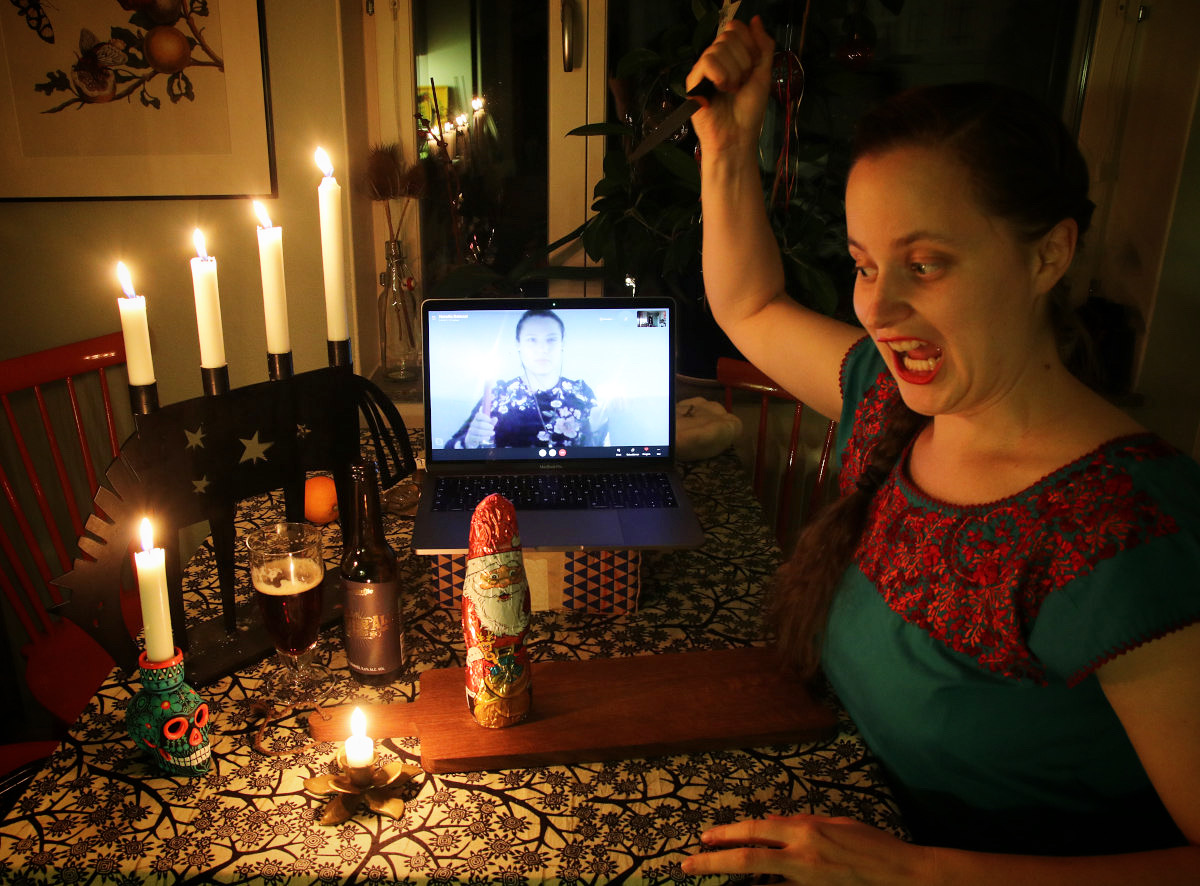
Yesterday was the winter solstice. The longest night, of a year that to many of us has been heavy to carry. Natalia and I felt it needed to be properly celebrated, old school, with a mid-winter blot in the style of our Nordic ancestors – to allow for the new to replace the old, with the returning sun, lighter hearts and new scientific discoveries.
In the pre-Christian times, the blot was a blood sacrifice. Me being vegetarian, the bloodshed felt outdated – so we sacrificed a chocolate Santa instead. (Although, as it turns out, sacrificing chocolate can also turn violent…) Dressed in our most season-appropriate finery, with fire (candles), mjöd (beer) and some well-chosen words to lay the past year to rest. And then we rounded off the evening with some eggnog and Buffy the Vampire Slayer. All conducted over Skype, of course.
And in sacrificing for the new year, we also wished for new and exciting stories to come. Big feats on the horizon: Me defending my PhD after the summer, Natalia doing her first internship as a nurse in the spring.
But also, smaller stories. After singing in the return of the light, I clicked the “Publish” button on the website I have been working on, on and off, during this autumn. I have enjoyed writing about my crafts, remembering the botanic gardens I’ve visited, editing photographs. In the new year, I hope to have time to also write a little about my research. A portfolio for myself, just for fun, on my personal website.
So, here’s to the returning sun. Wishes for new stories of art and science to be experienced, and then written about. A new captivating TV show to love together with Natalia (because we only have one and a half season left of Buffy). And hopefully more visits to botanic gardens.
 Katja Malmborg