• Winter in the garden •
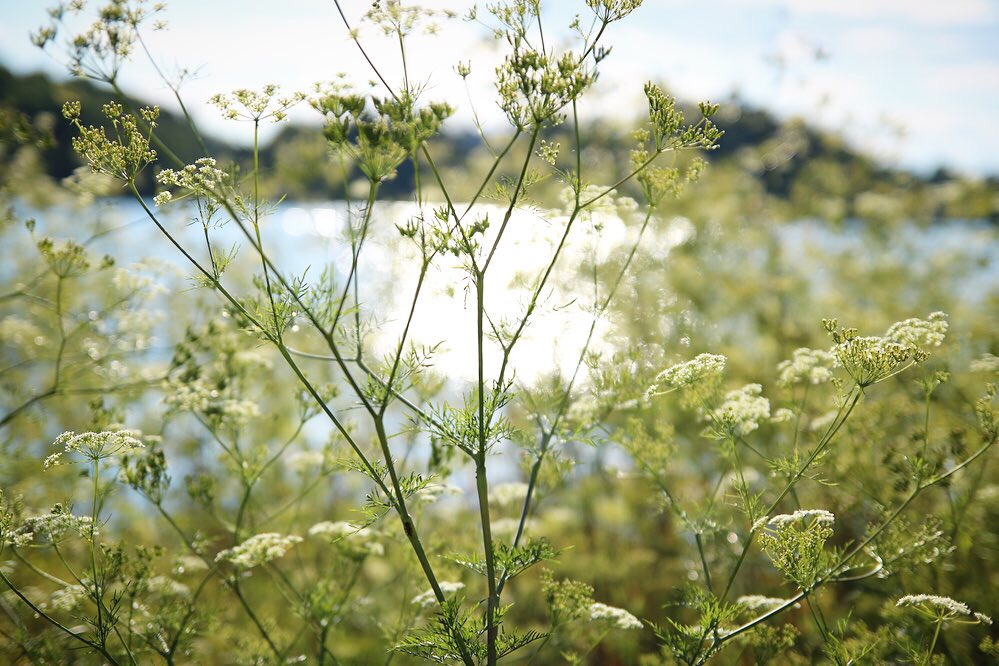
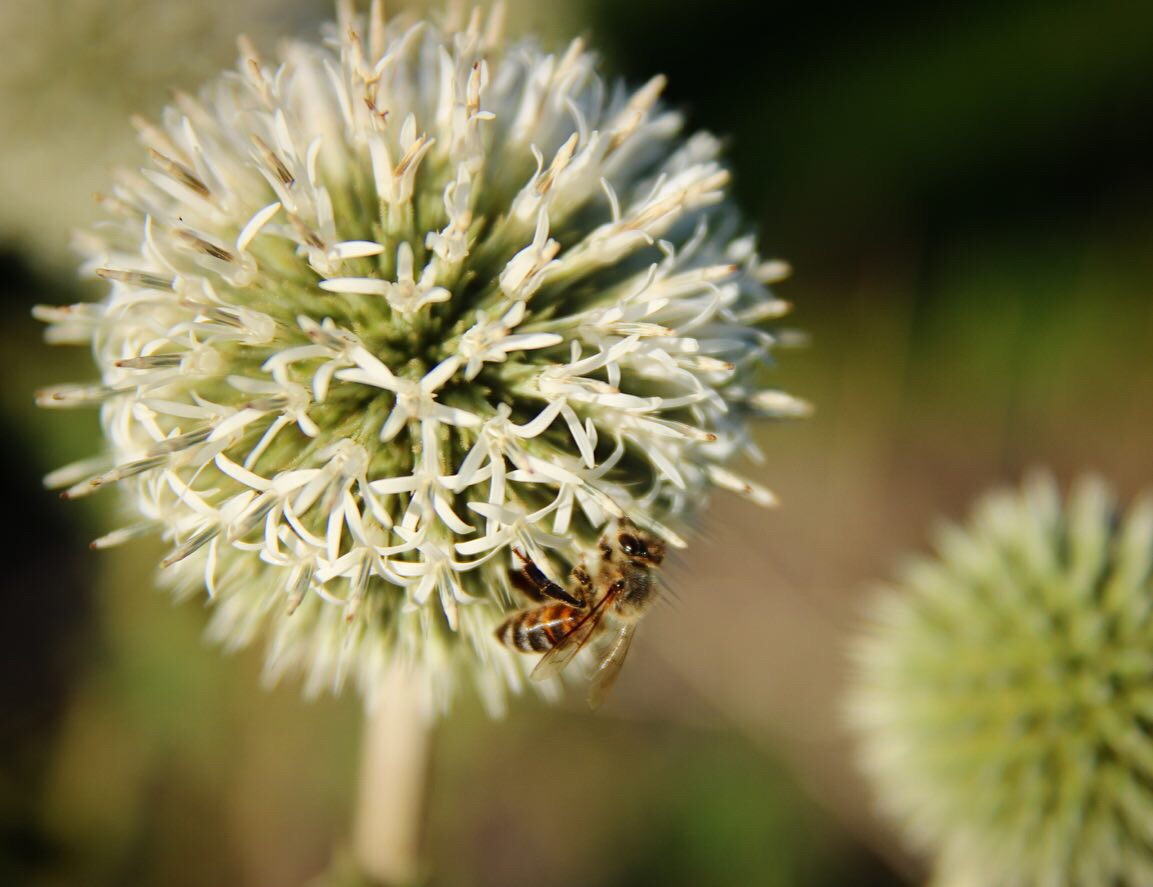
• Summer in the garden •



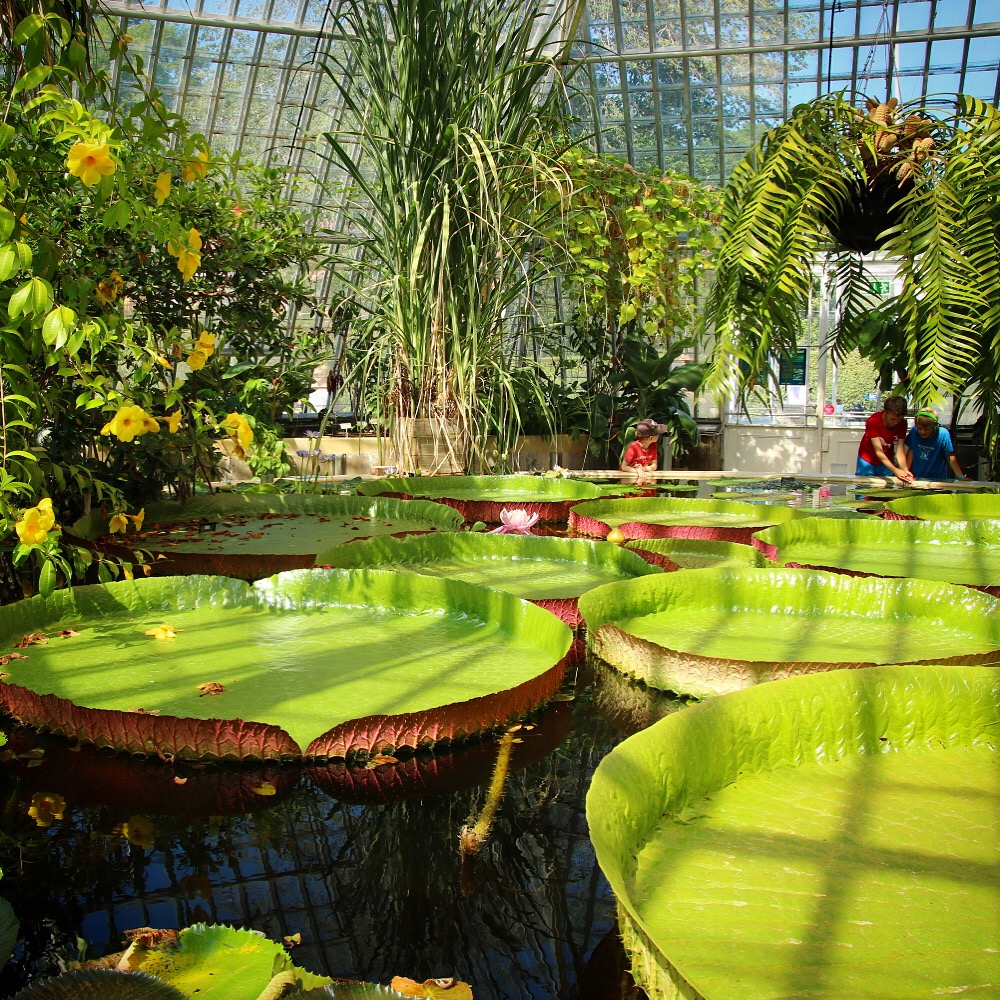
• Summer in the Victoria greenhouse •
Life, with the garden
Location: Stockholm, Sweden • • • Visits: December 2017 and July 2018 (written August 2018)
You know my thing for botanic gardens. I have a neat collection now, 28 gardens on four continents. A bit surprising, then (or maybe, absolutely not) that I have not yet written a proper post about the botanic garden just next door: the Bergius Botanic Garden, run by Stockholm University. There is one post from before I was systematic about my garden writings, and one I wrote after having been on a guided tour about medicinal and magical plants in the herb garden. But none exploring the actual garden as such. About time, then.

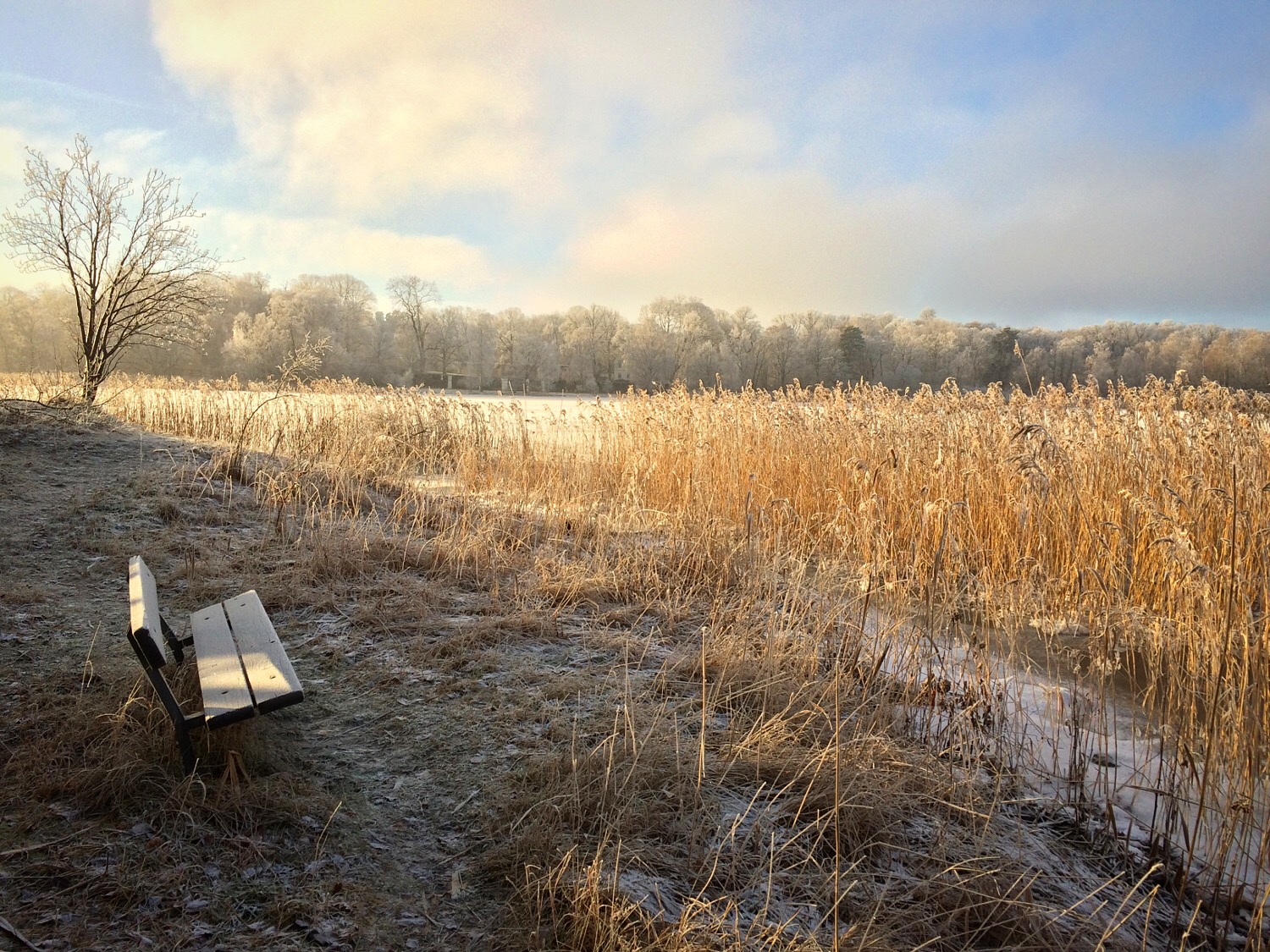
During the final feeble breaths of last year, I visited the garden several times over the course of a couple of days. That time of year in Stockholm, days are short and rarely sunny, so photographing is difficult. But if you are lucky, you can manage to catch the sun. And then, the clarity of that light, making the frost glitter, the crispness of the air. It is unbeatable. And the stillness of the bay under ice. At the darkest time of year, there is a tranquility to the garden that you simply do not get when it is bursting with life.
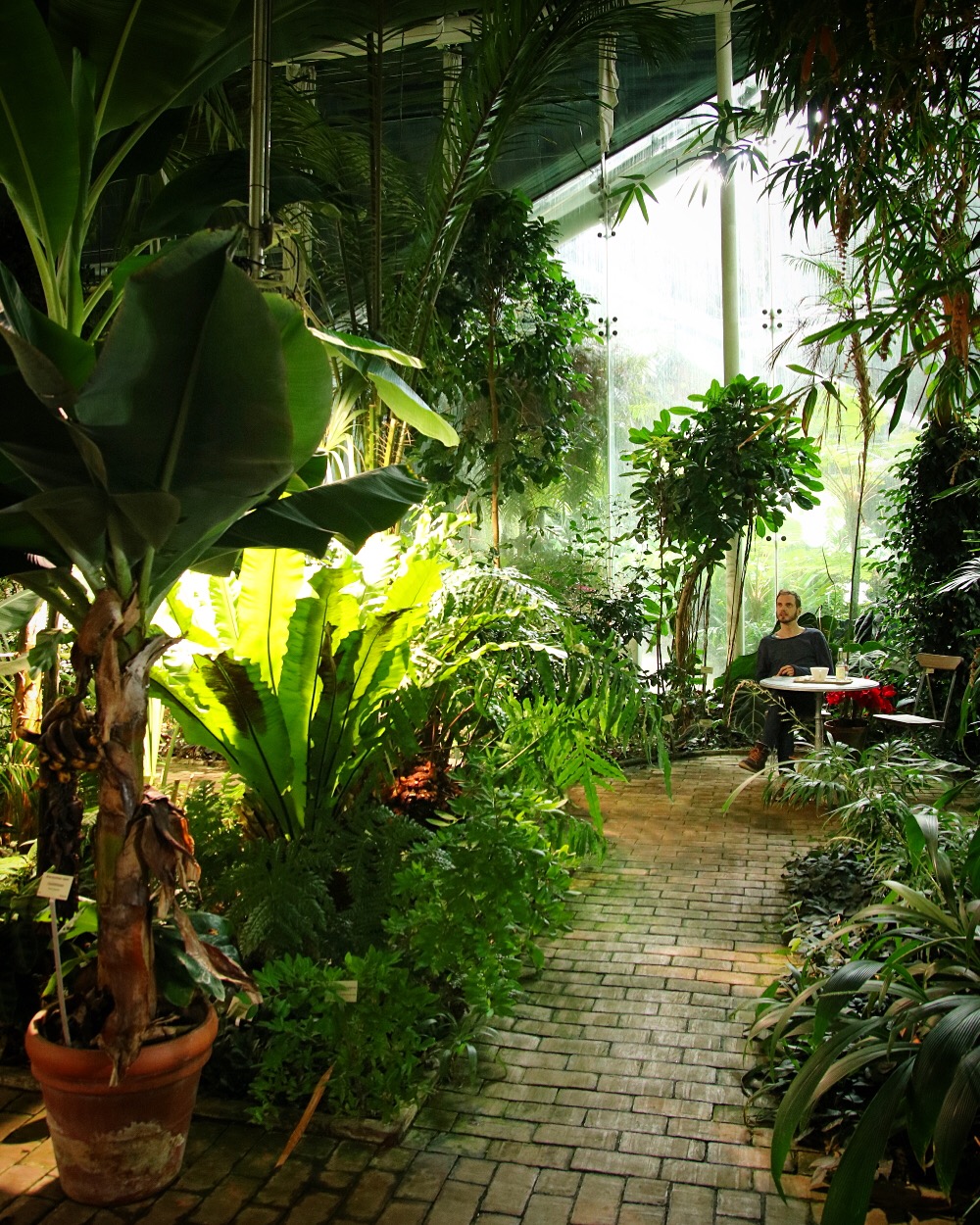
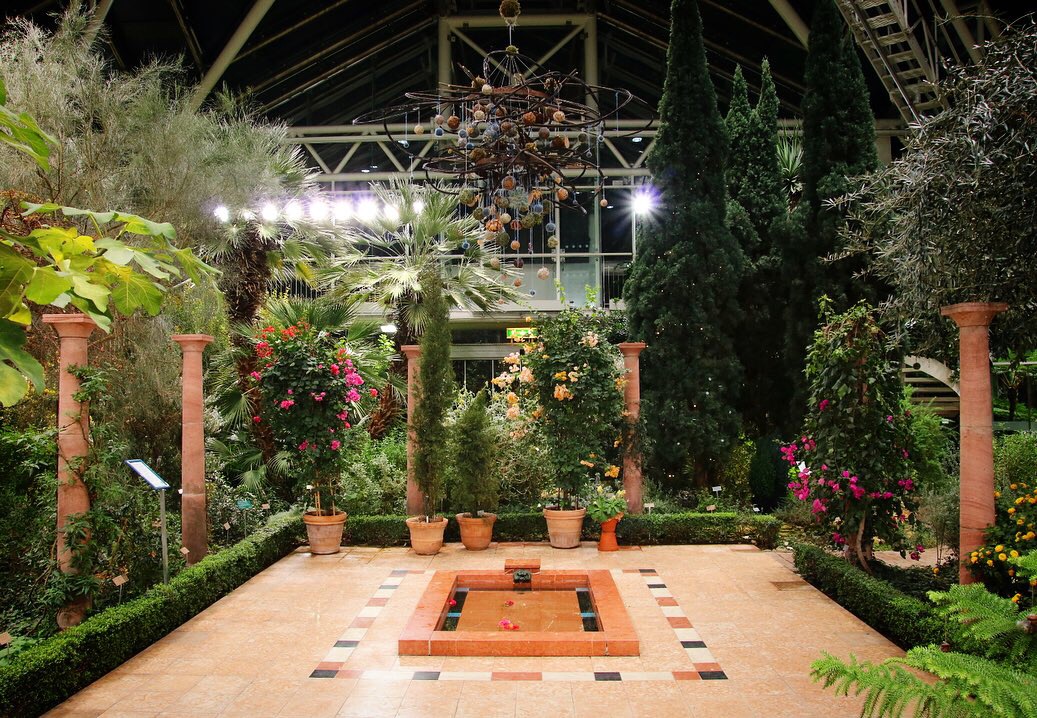
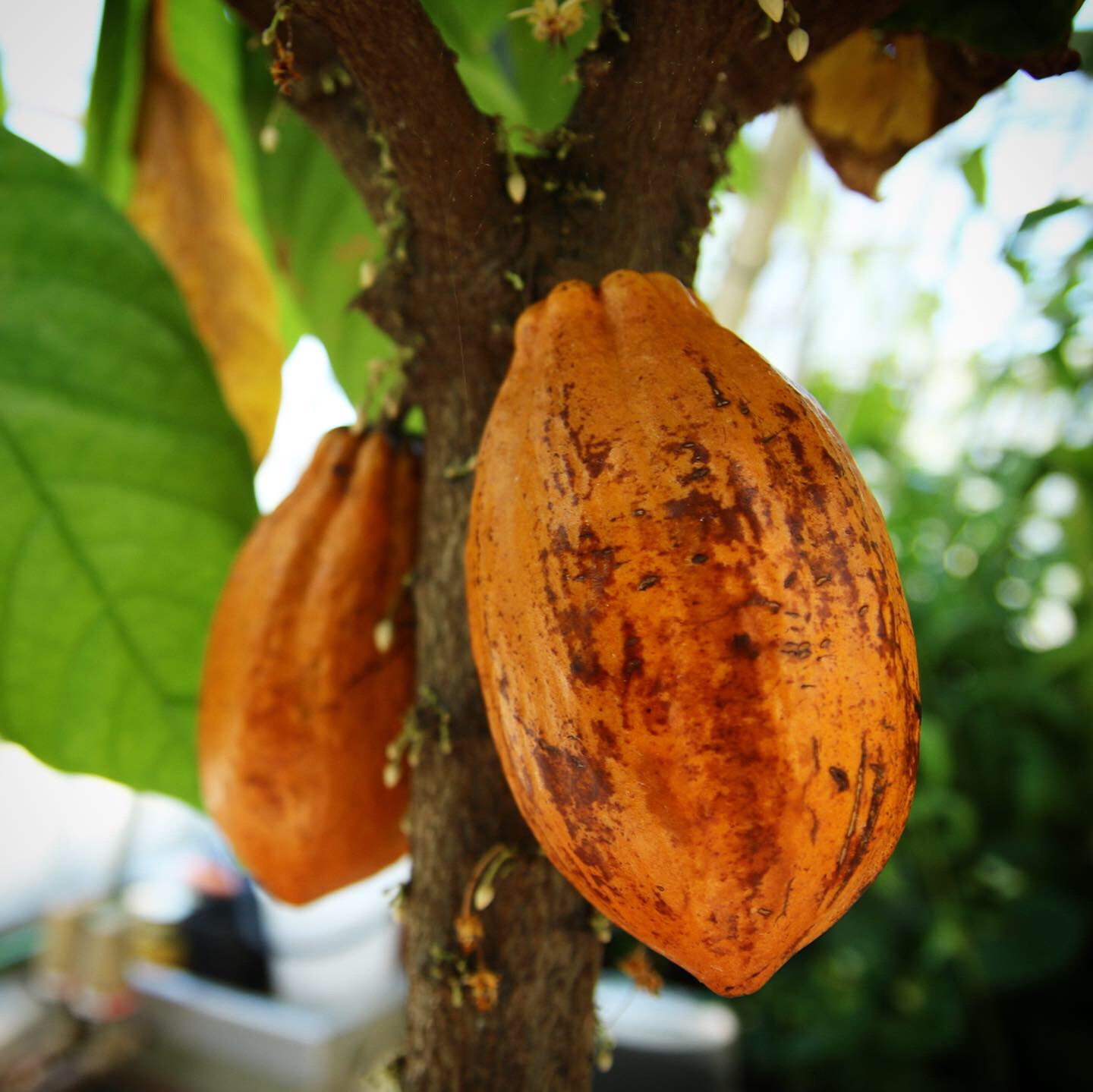
And when the sun went down, the Edvard Anderson greenhouses shone like green oases in the icy darkness. Entering the middle house, the Mediterranean smells, just breathing. Or the moisture in the tropical house, like a caress.
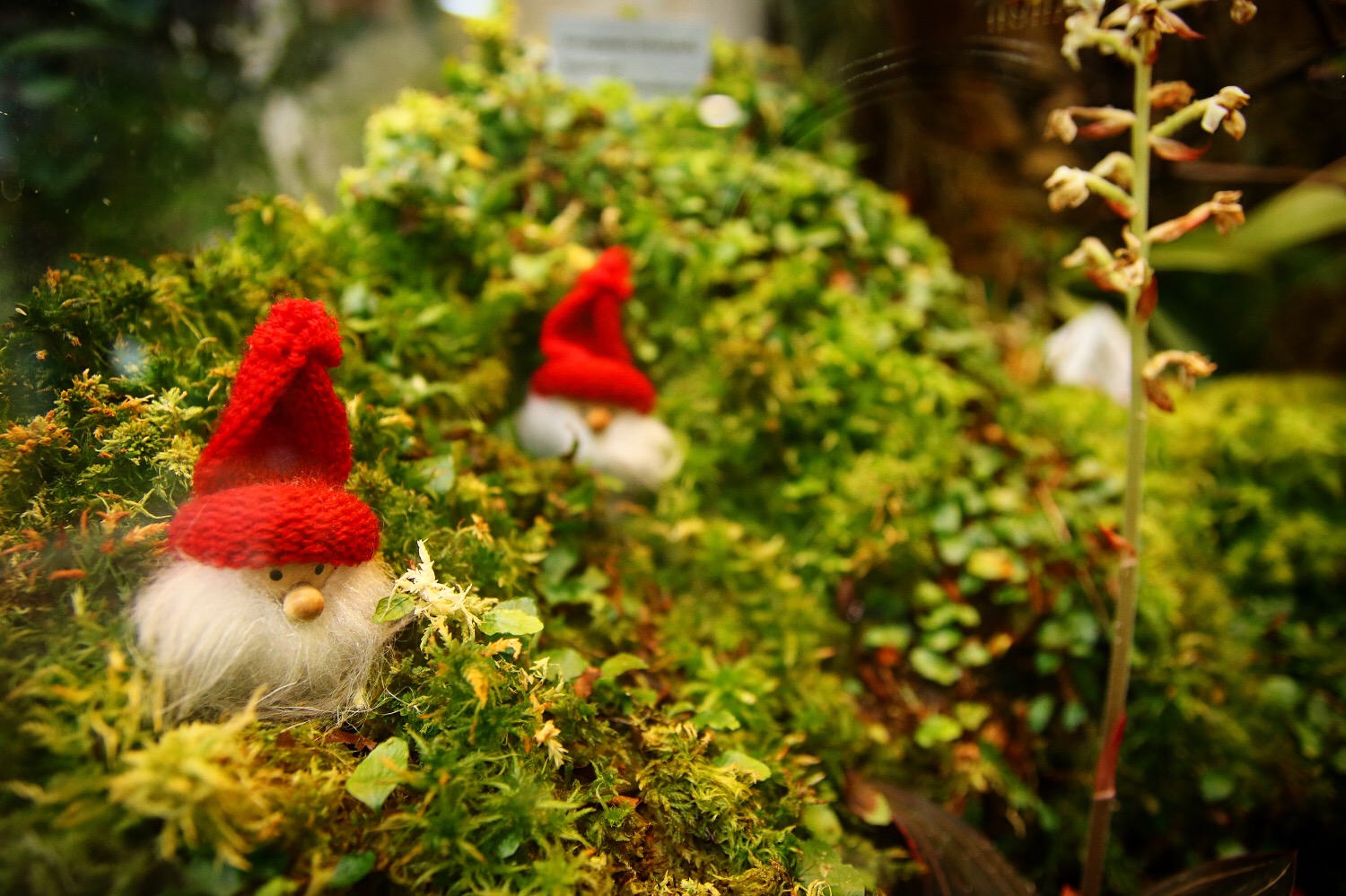
Season appropriate, there was a Christmas theme in the greenhouses, with signs showing and explaining the use of different Christmas-related plants: amaryllis, false Christmas cactus, cloves, ginger and cinnamon. It was all very neatly done, both pedagogical and cute. Adapted to all the happy children running around on the winding, narrow paths, allowing them to marvel at the wonders of plants.
And the darkness outside. Sitting in the palm room, drinking tea in the dim green light, while the sky was pitch-black outside. I do not think I can imagine anything more romantic.

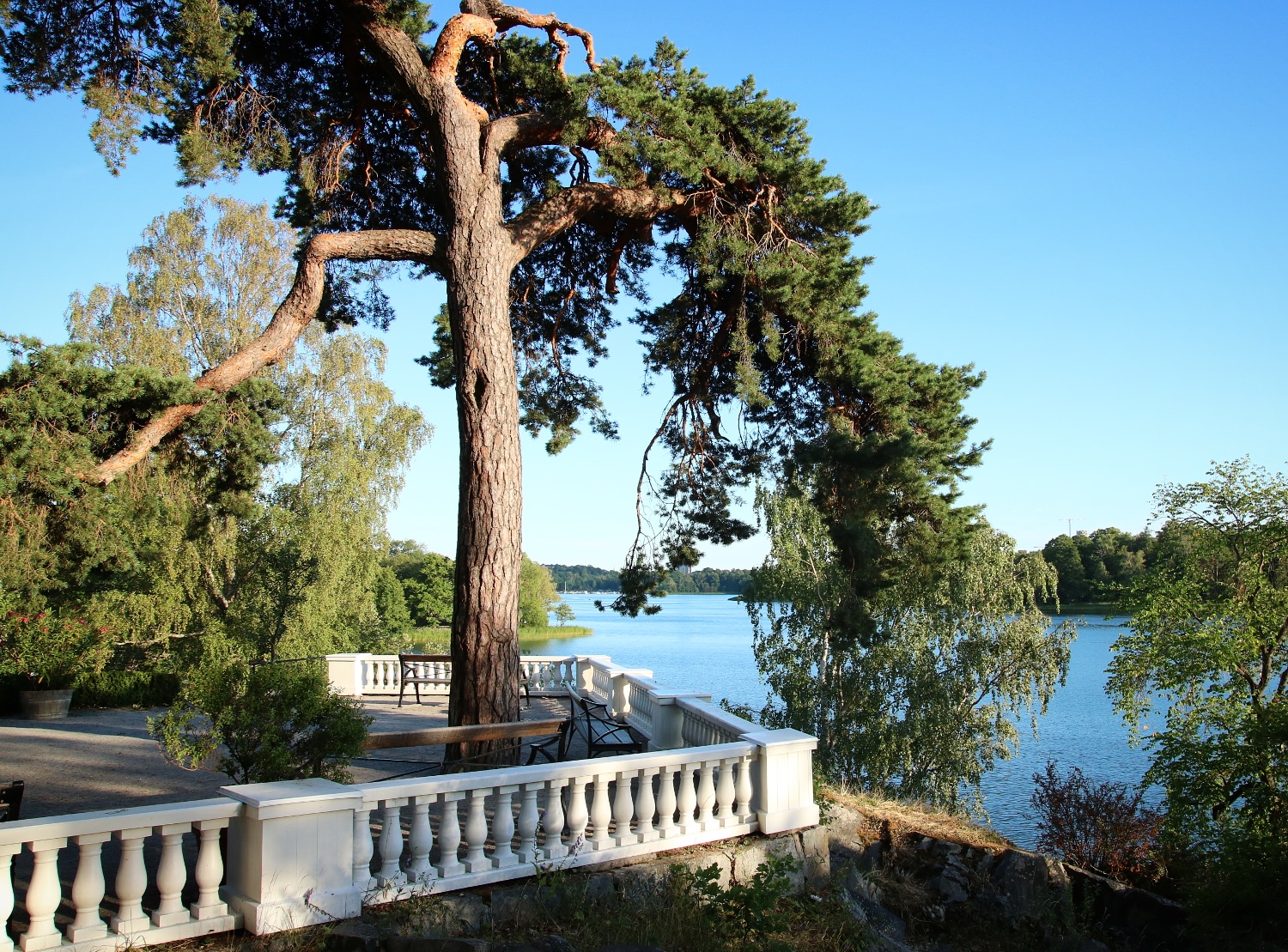
A couple of weeks after midsummer, at the height of a hot summer, I went back with my camera. Now, at the opposite end of the year, the garden had a different atmosphere: people on every path, sun-bathers all along the water, a richness in everything, stimulating the senses.
Compared to other botanic gardens, like Kew in London or the one in Meise outside of Brussels, the Bergius garden is not big. But somehow, they have managed to divide it into several distinctly different parts, sections with such completely different characteristics. I spent two days there with my camera and notebook, and that was not enough to fully explore everything I wanted to see.
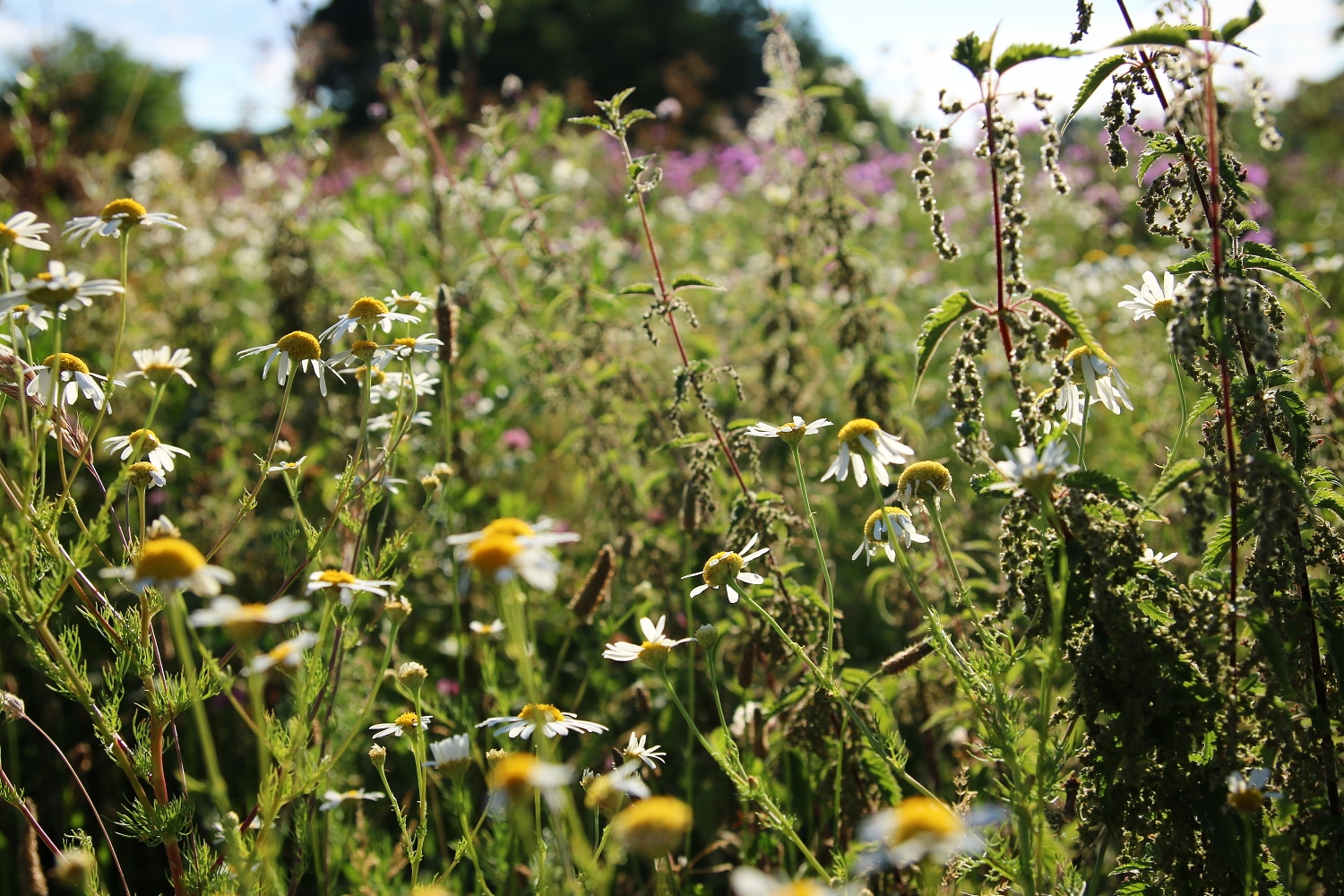
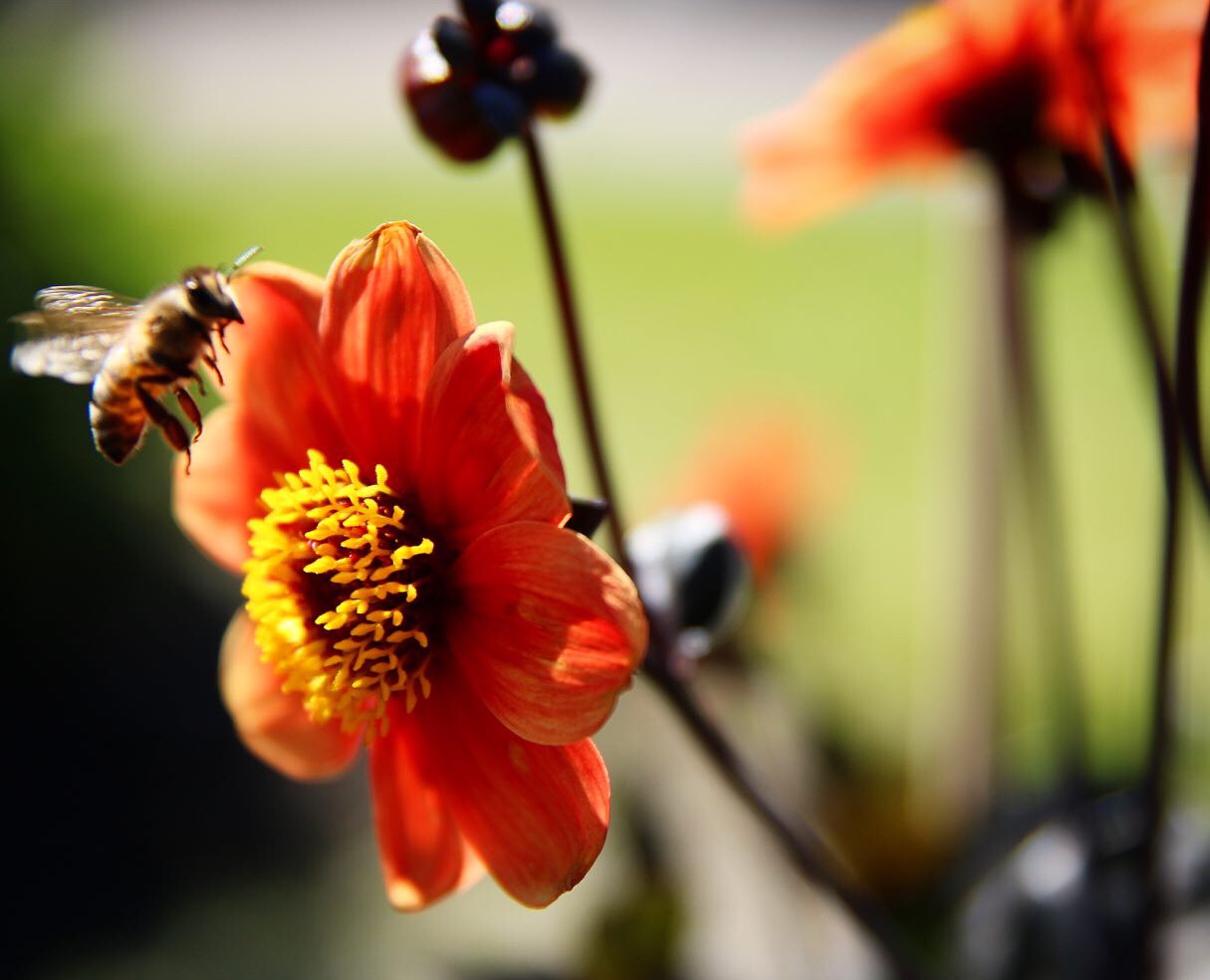
And just like the main greenhouses in winter, the outside garden is also pedagogically planned. There are the flowerbeds with garden flowers (for example, a special dahlia exhibit), the sections representing different exotic ecosystems – but also, the recreated wetland and several meadows, that are managed, but only sparingly. Mostly, they look like they are allowed to grow wild, host the plants that happen to find their way there – and the insects and birds that thrive in this half-wilderness!
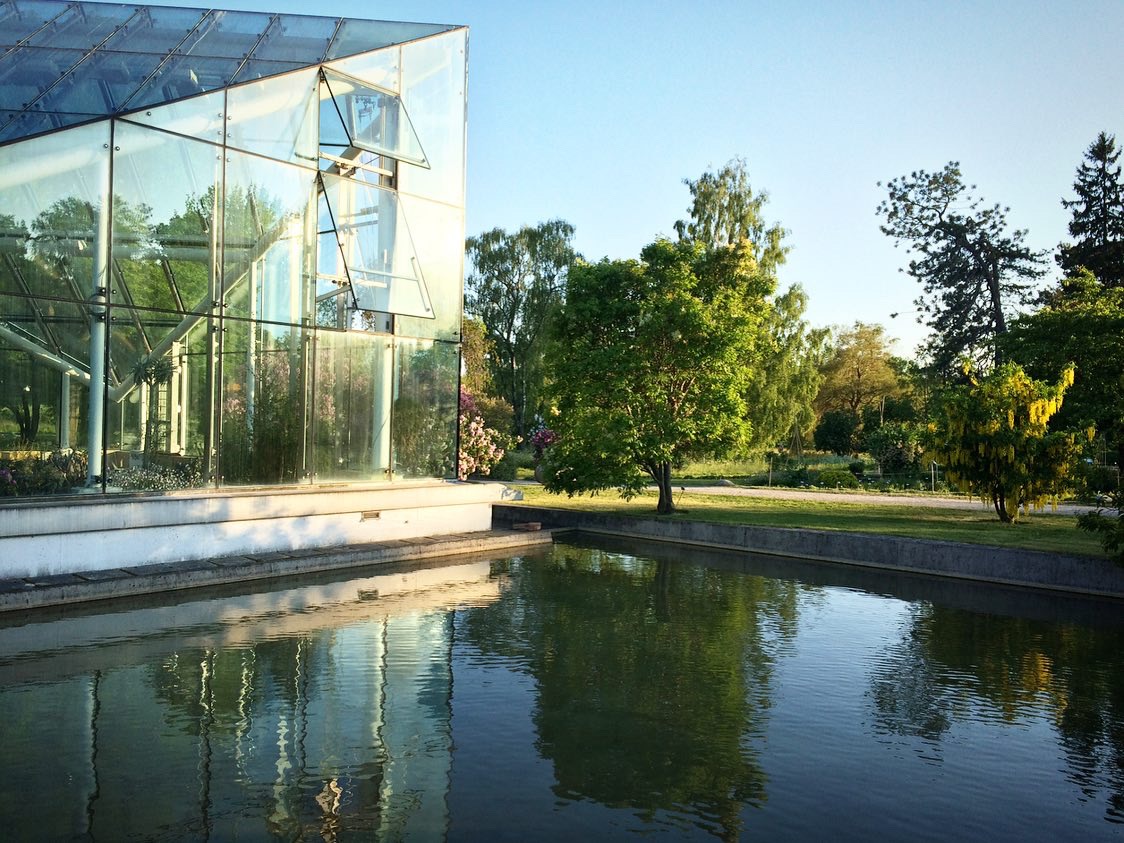
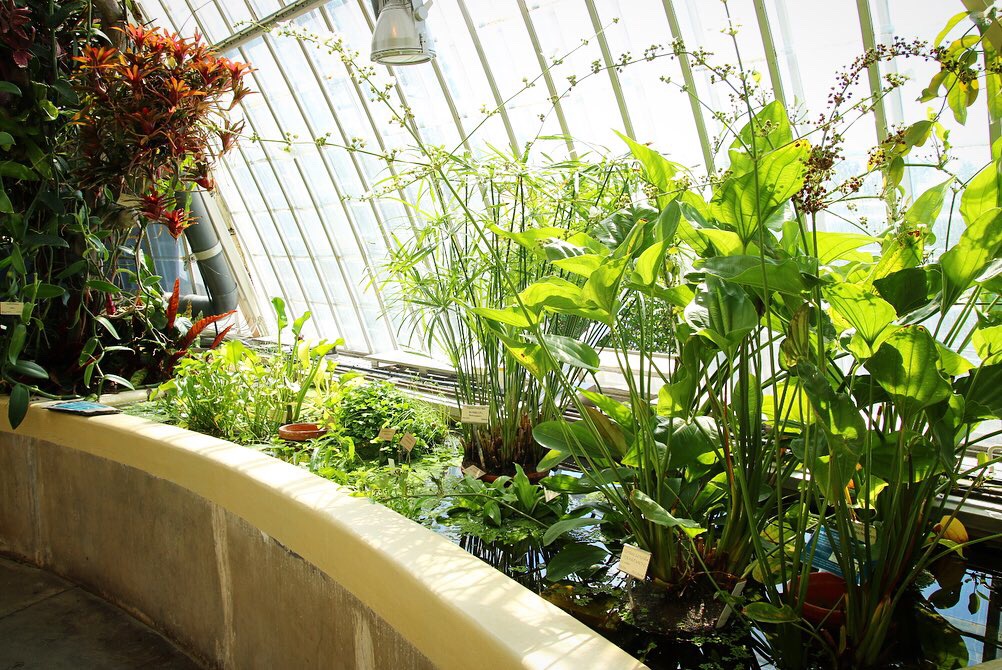
During the summer months, the small Victoria greenhouse down by the water is also open. It is tiny, completely taken up by a circular pond with Victoria water lilies, and a small selection of other tropical plants surrounding it. It is pretty.
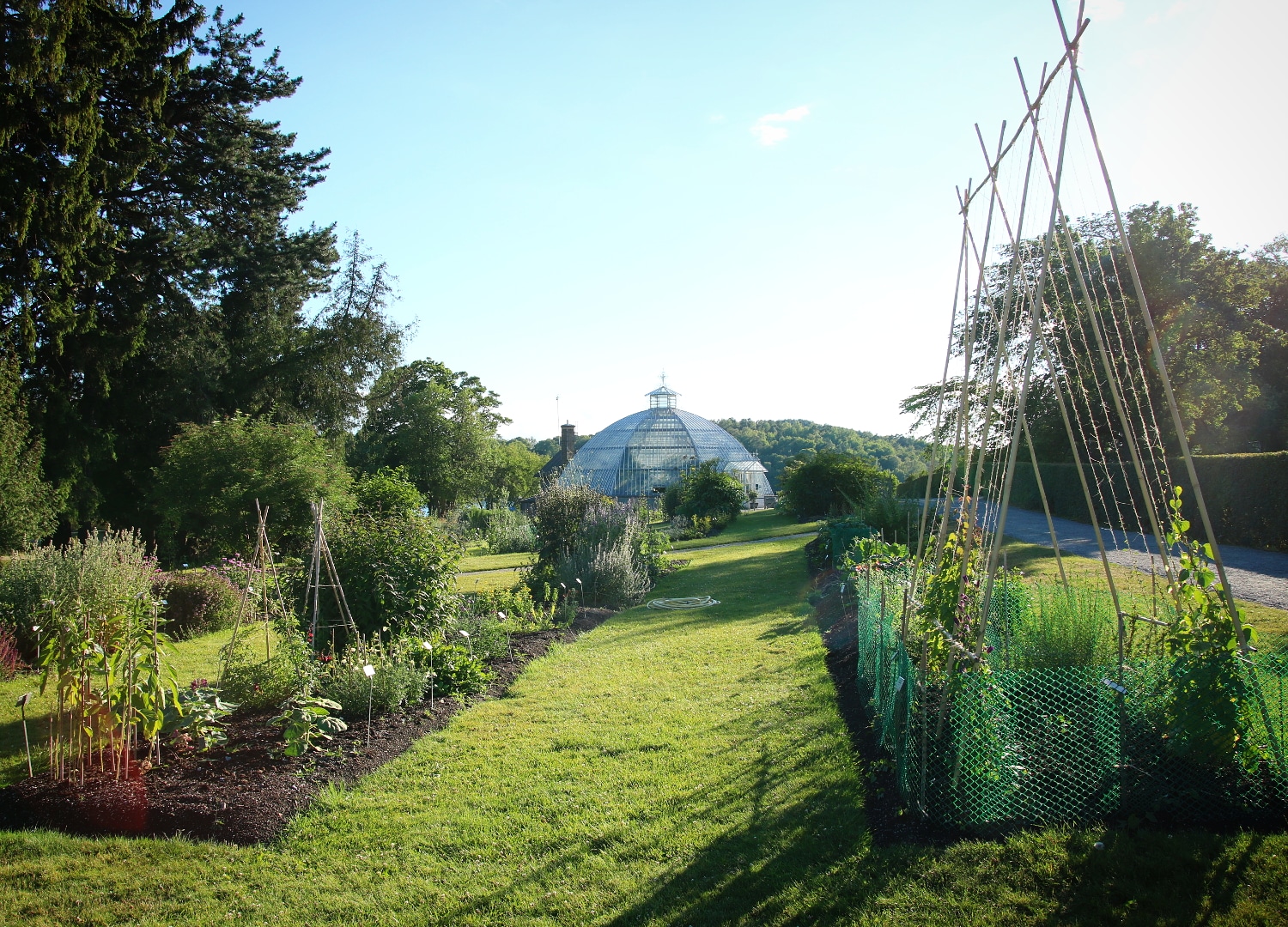
Maybe what I like the most, however, is the herb, fruit and vegetable garden. That is not a very common feature in botanic garden contexts, the cultivated and non-ornamental. Showing the plants that we rely on for sustenance and that might be the clearest examples of what can come out of the social-ecological interdependencies that we as humans have created. Allowing the useful, the cultivated be part of this museum of the living world – and not excluding it as something uninteresting or unnatural.
The separation of the “wild” and the “unnatural” has a long history, but became all the rage among the nineteenth century naturalists and conservationists. This is also a time when many botanic gardens where established, which is why I think it is so rare to find sections with cultivated, non-ornamental plants in botanic gardens. But by leaving these species out, an important part of ecology education gets lots. The thousands of years of biodiversity development driven by human need and ingenuity, a diversity that is now fast being lost to agricultural monocultures. Botanic gardens are places where biocultural diversity could be celebrated and taught, but that is an opportunity and calling that many botanic gardens have missed.
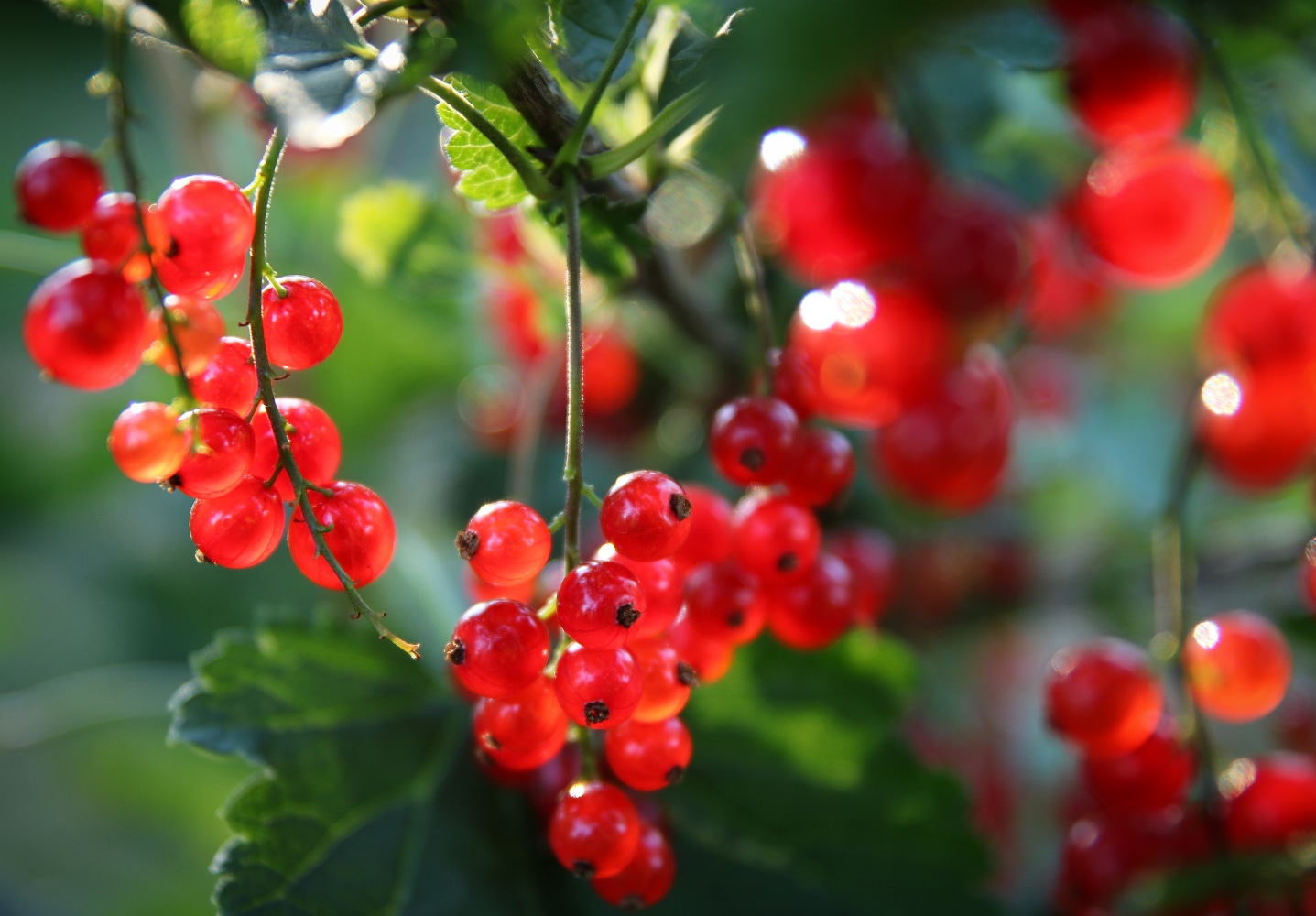
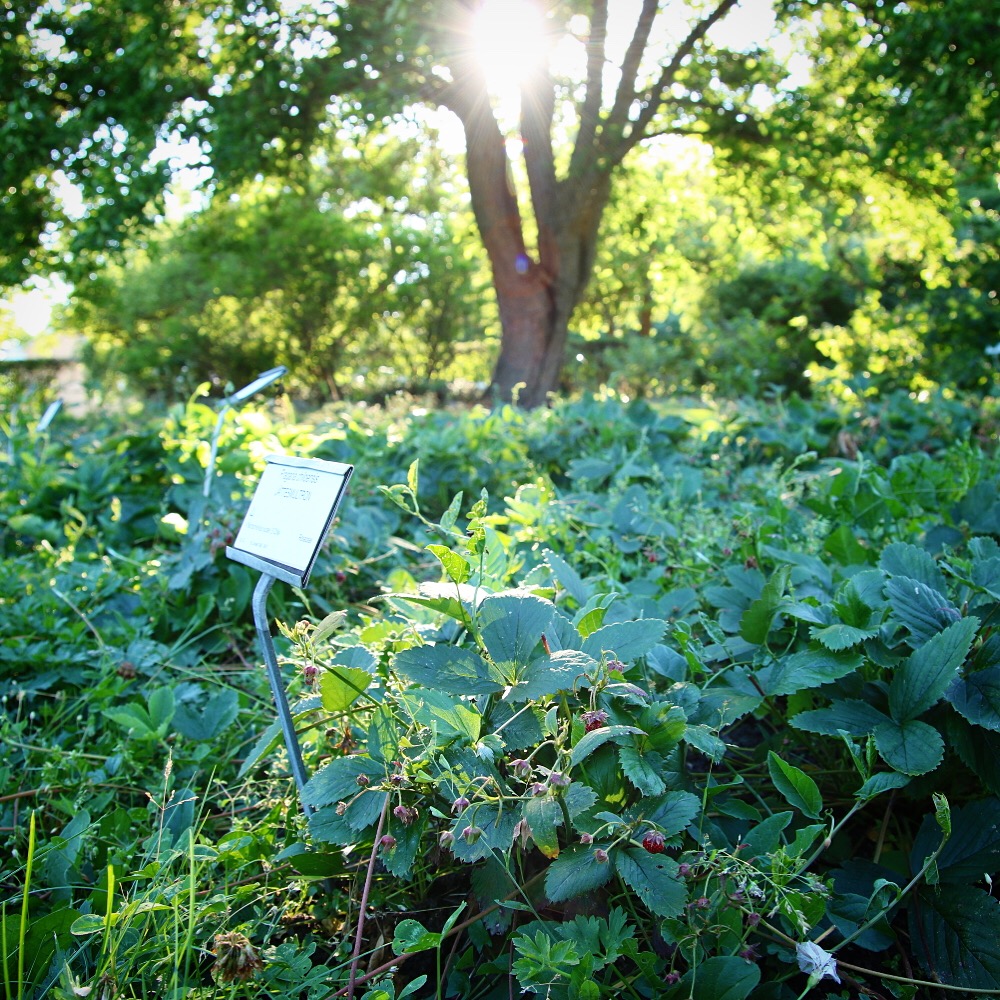
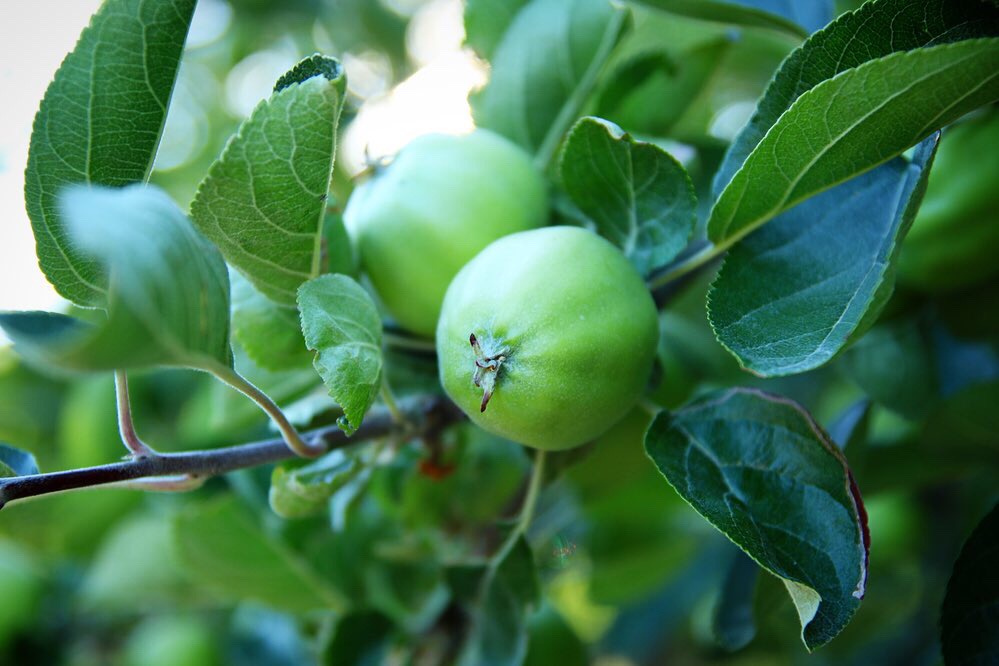
In Bergius botanic garden, though, there are tens of different varieties of strawberries, currants, apples, kale, tomatoes, potatoes, herbs. I think it is wonderful, what they have done in the orchards, vegetable and herb gardens. Stockholm University has a botanic garden to be proud of.

There. Two seasons in the Bergius Botanic Garden.
 Katja Malmborg