• • • Seven shades of a pond• • •
Life, with the farm
Location: Sebastopol north of San Francisco, California, USA • • • Visit: July and August 2015
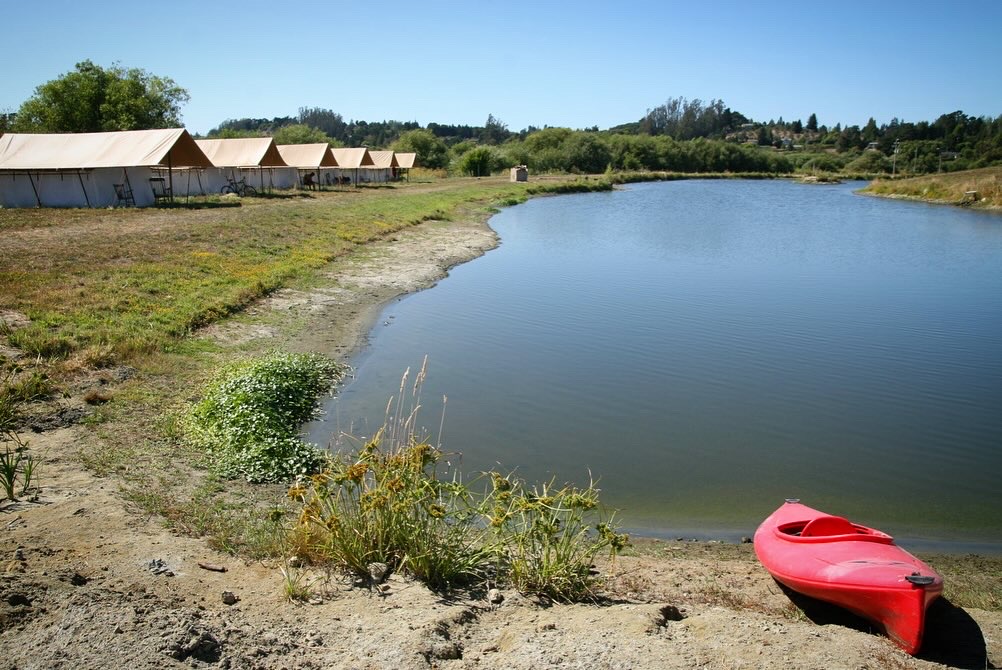
I spent a month here at the blueberry farm in Sebastopol three years ago. Some things have changed. There are new houses now. Food is prepared in a cook house, and we sleep in safari tents down by the big pond – the pond which is about twice as big now as what it was last time. There are more than twice the number of wwoofers. But the bed in my tent is the same as the one I slept in when the wwoofers slept in the barn. I even have the same sheets. The daily routine is the same. And the smells. Dry grass and blueberries.
I took a swim at noon. Troubles, the dog, came to keep me company. And in the water, small heads kept on popping up. It was me, the turtles, and Troubles. And Max, the German-Brazilian wwoofer, playing guitar in his tent. A nice way to live.

I don’t remember now where I found it, maybe my classmate Kate posted it in her Facebook feed. But I liked it so much, I copied it and saved the document on my computer desktop. Now, while going through the big number of notes and other random stuff that has ended up there lately, I found it again and thought: This is perfect. Now. For where I am.
“One final paragraph of advice: do not burn yourselves out. Be as I am — a reluctant enthusiast, a part-time crusader, a half-hearted fanatic. Save the other half of yourselves and your lives for pleasure and adventure. It is not enough to fight for the land; it is even more important to enjoy it. While you can. While it’s still here. So get out there and hunt and fish and mess around with your friends, ramble out yonder and explore the forests, climb the mountains, bag the peaks, run the rivers, breathe deep of that yet sweet and lucid air, sit quietly for a while and contemplate the precious stillness, the lovely, mysterious, and awesome space. Enjoy yourselves, keep your brain in your head and your head firmly attached to the body, the body active and alive, and I promise you this much; I promise you this one sweet victory over our enemies, over those desk-bound men and women with their hearts in a safe deposit box, and their eyes hypnotized by desk calculators. I promise you this; You will outlive the bastards.” – Edward Abbey
This is what I’ve been doing here. Appreciating. So that I can go back home later, and be smart, and fight for the land, and live.

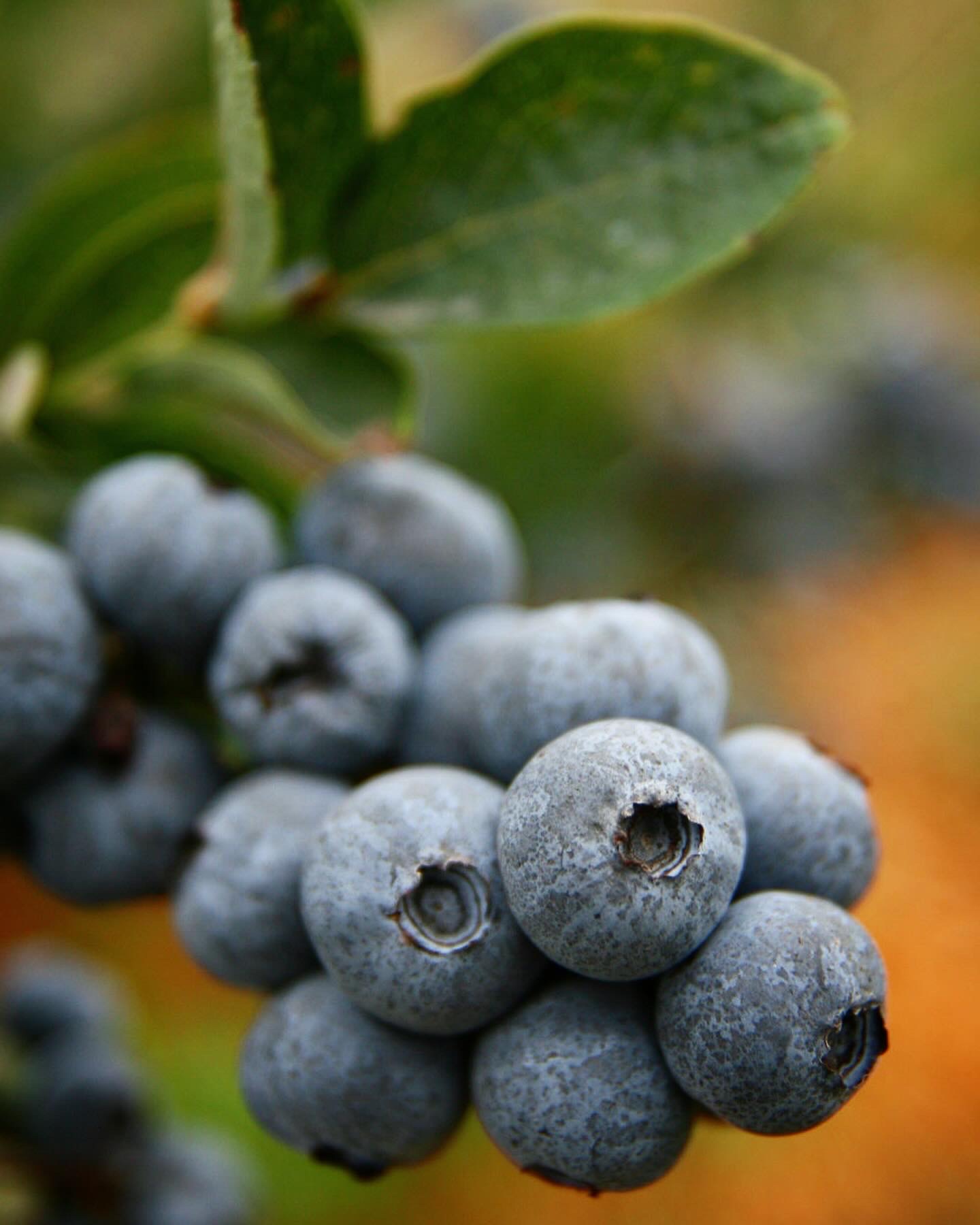
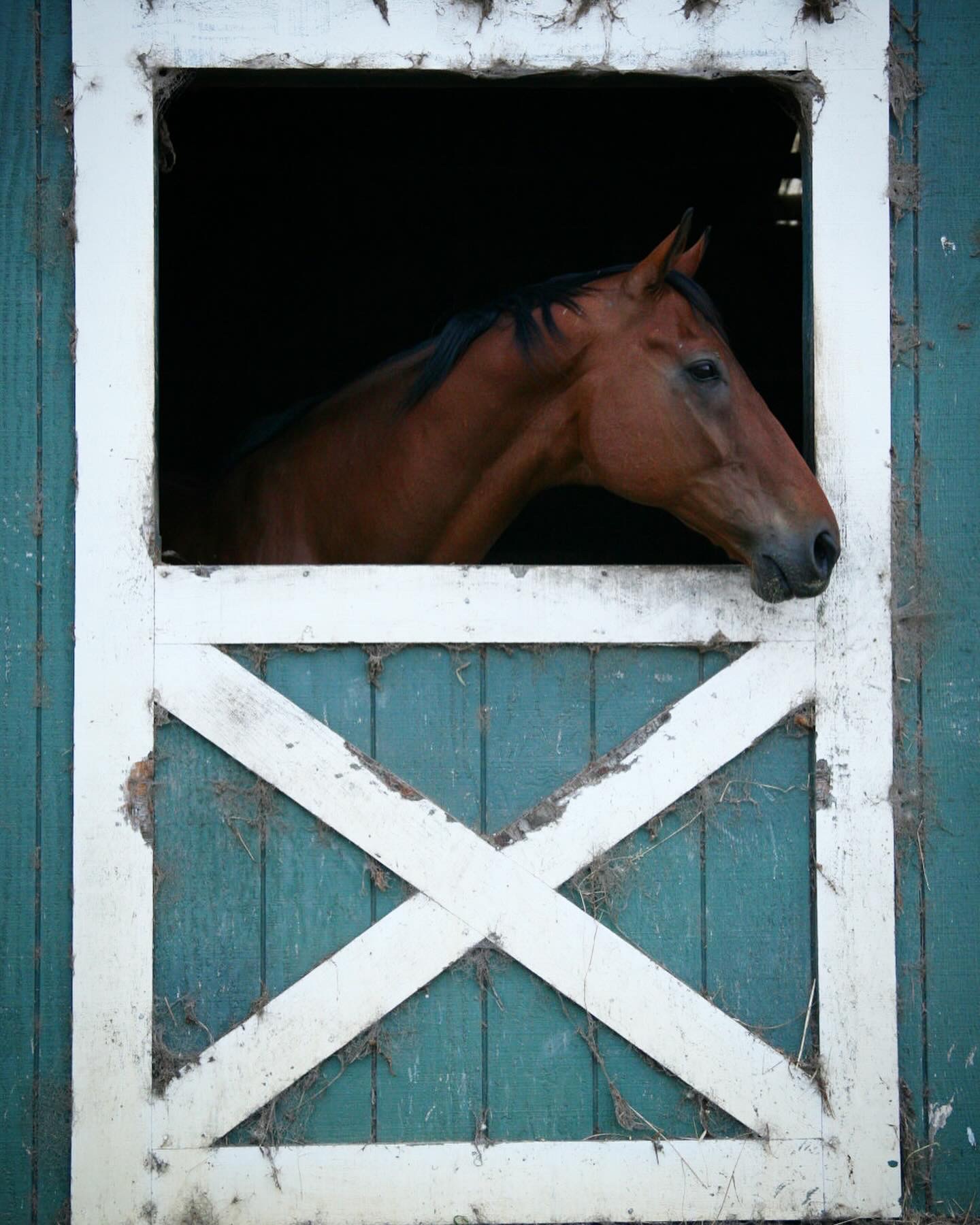
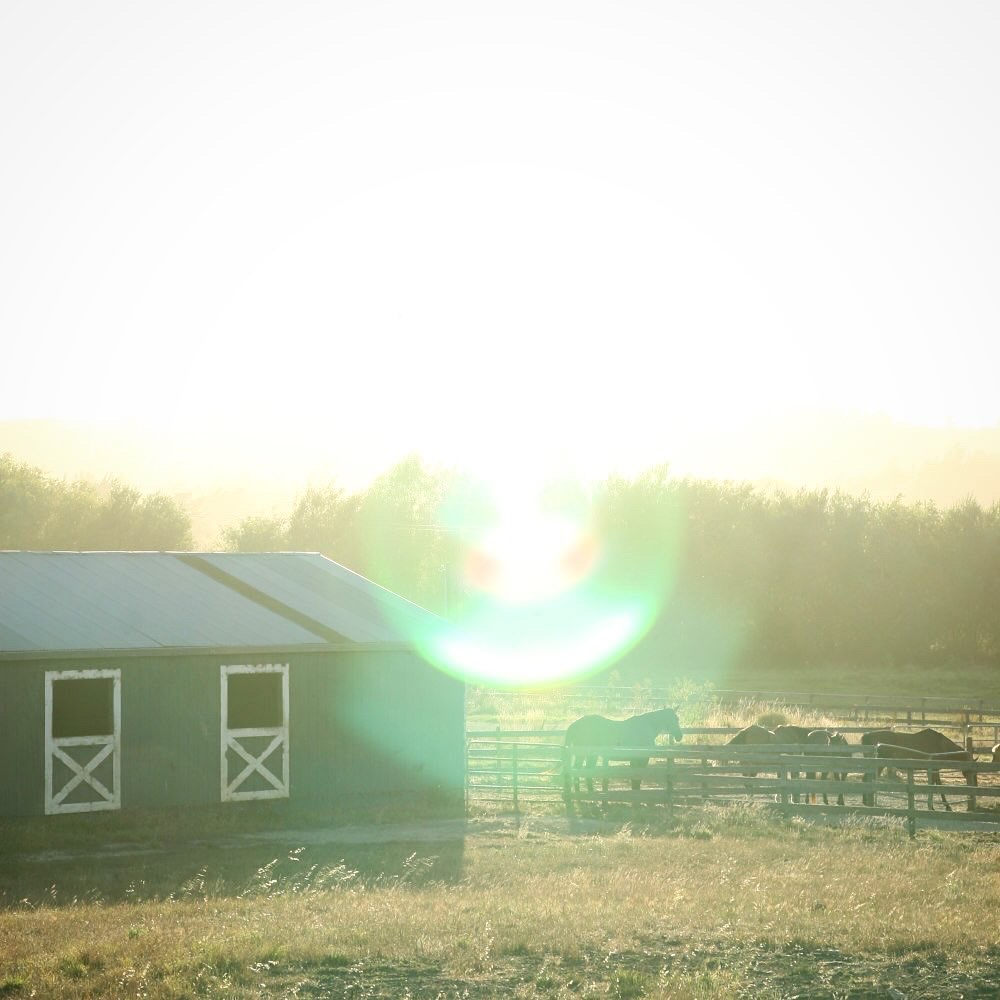
At the farm in Sebastopol, I slept in a stationary safari tent by the big pond. We got up before six every morning, to let out the horses and clean the stalls, eat breakfast and be out to start picking blueberries by seven-thirty.
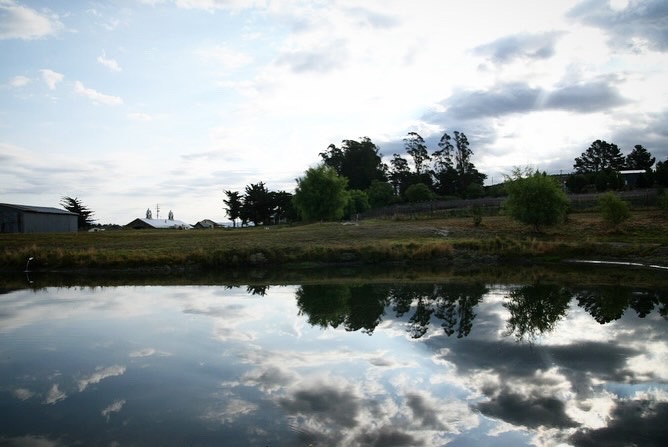
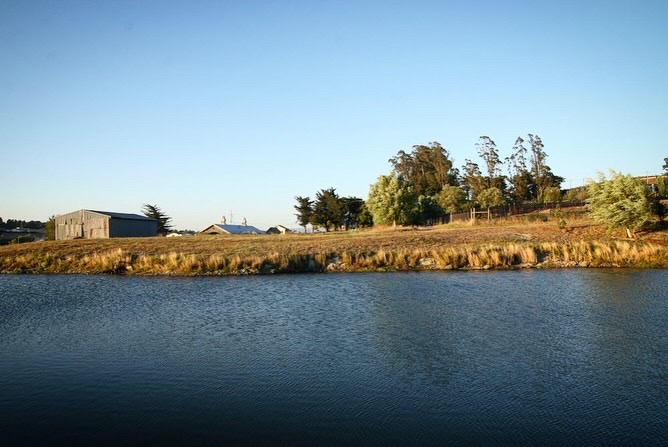
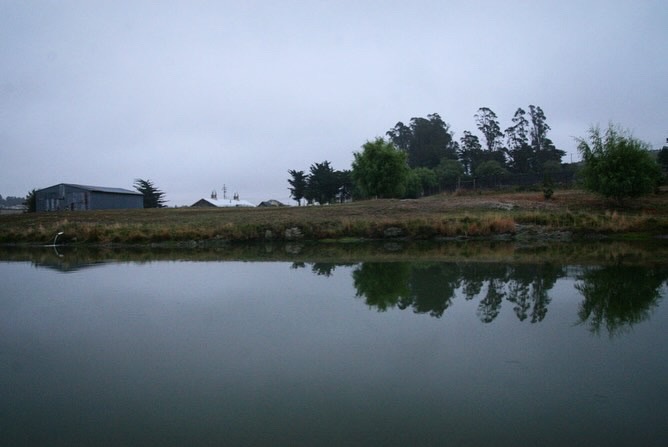
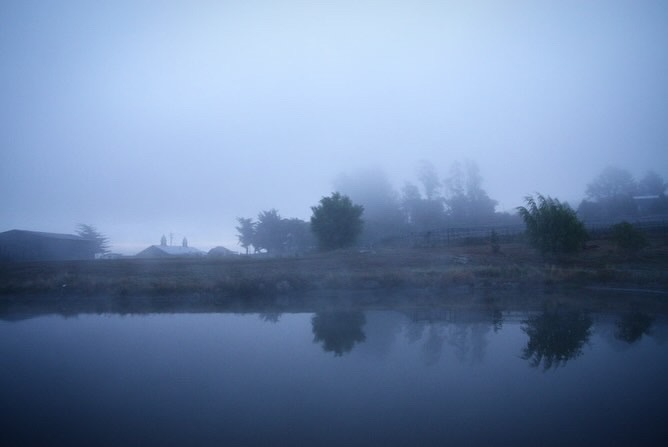
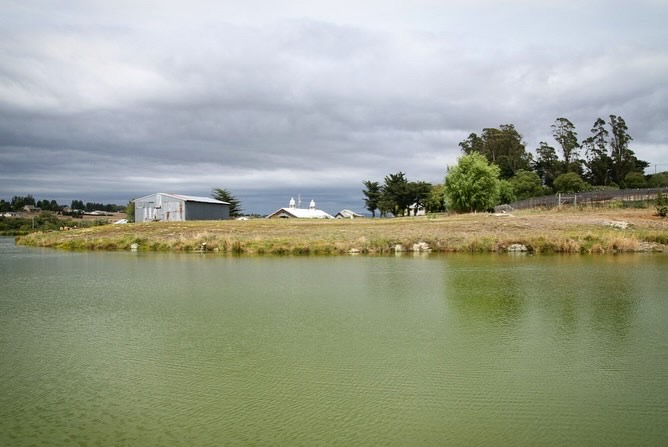
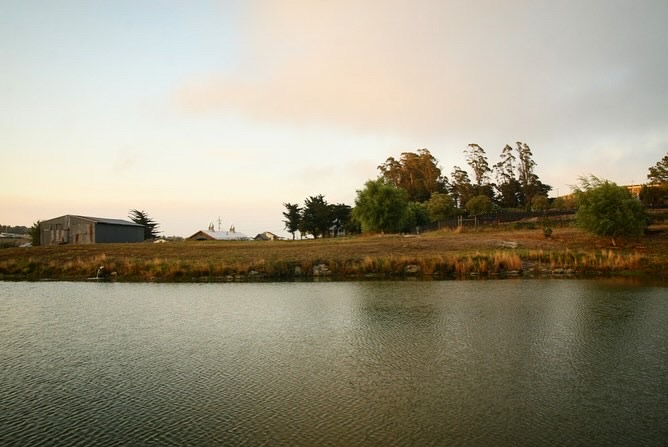
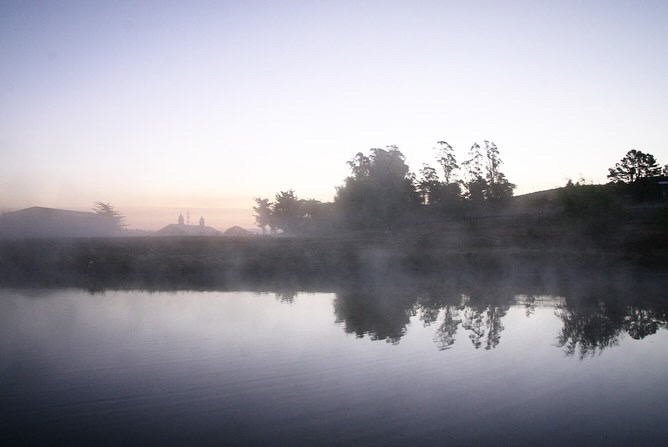
Rising up so early, the regularity, cold fresh air of dawn. Getting dressed in the half-light and opening the tent. How different the pond right outside could look. Cold, hard, steely-blue. Rosy pink. Fairy-tale misty. Or in the afternoons, golden in the setting sun.
Just that. The knowledge and appreciation that comes from repetition, from being able to see the different sides of the same place, and keep on seeing it, every day. Not getting numb and thinking: This is the same old pond. Because it isn’t. There are shades in the monotony. And all of them are beautiful.
Seven shades of a pond.

I’m not going to write the whole travel journal about wwoofing at the blueberry farm. I already did that once, last time around. Those are still the most read posts on my blog, with at least one view a week – proof that Duckworth Farm is a really popular place to go wwoofing. And to a large extent, life at the farm is more or less the same. We got up in the morning, let out the horses, had breakfast and went picking.
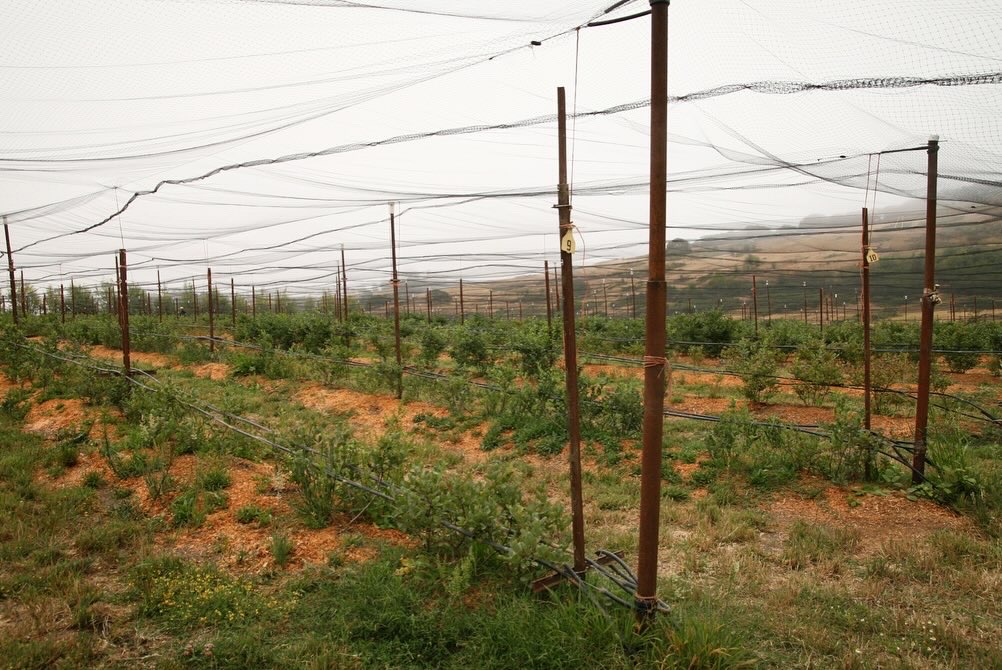
There are more rows of bushes now, and the bushes are bigger, but we were also more than twice as many wwoofers. There was no weeding this late in the season, and there was netting to keep the birds away.
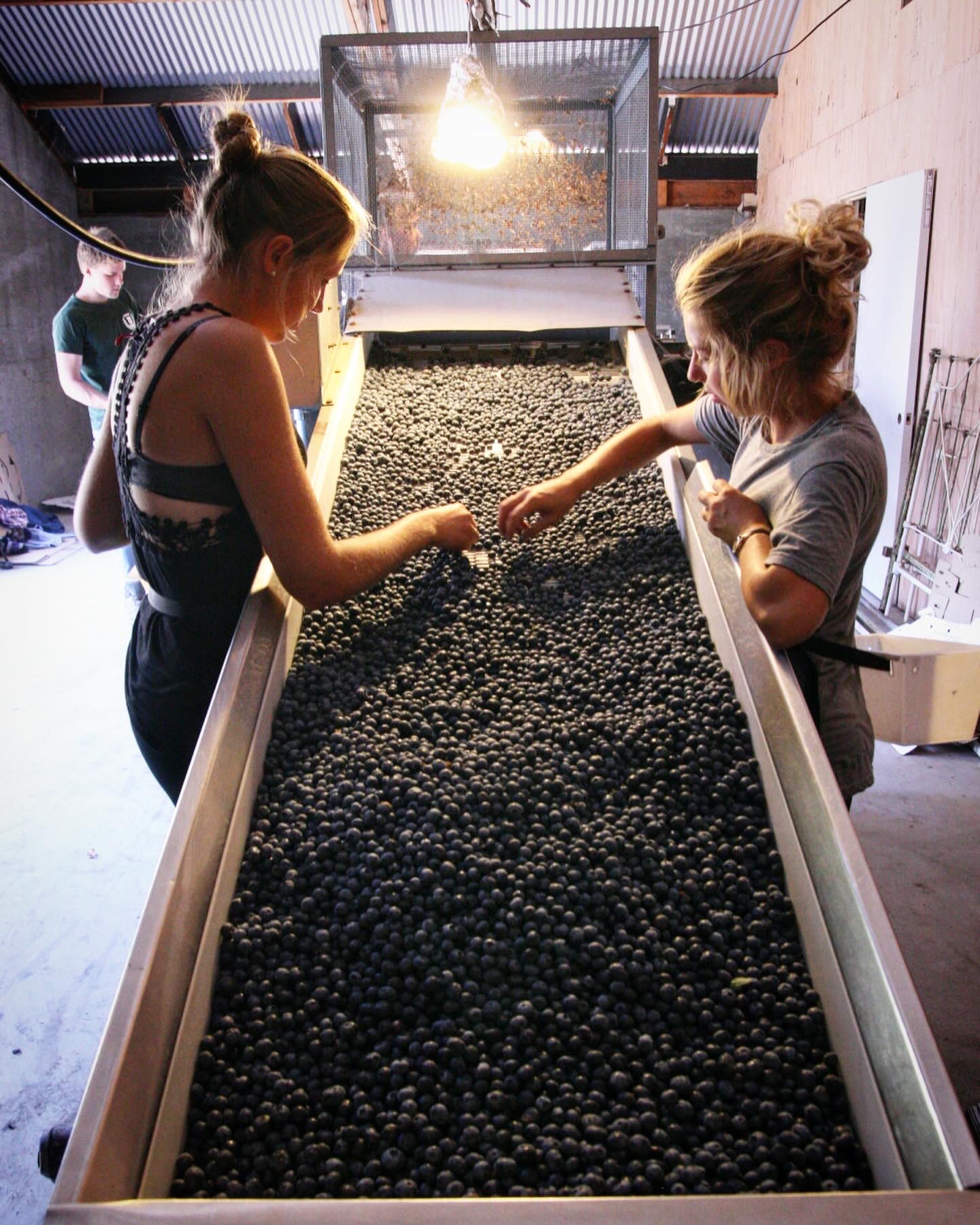
We did not clean the berries around Lorri’s kitchen table, as we did three years ago, but down in one of the barns with the help of this big machine, with a kind of conveyor belt, endlessly rolling blueberries in front of our eyes.
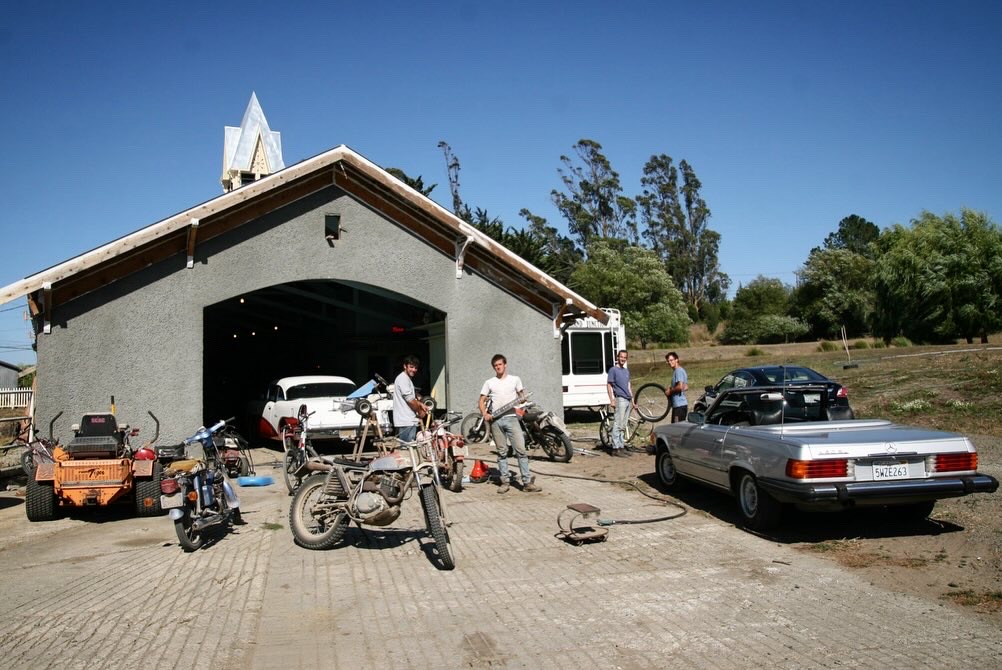
We didn’t pick every day, though. We also built a fence. Planted some trees. Pruned. Greg taught me how to drive a tractor. A little bit of this and that, things that always need to be done on a farm. Tinkering with mechanics in Oscar’s workshop. Baking in the cook house. Discovering the world through the eyes of the other wwoofers.
In the evenings, we sometimes watched a movie in the loom room. We went to the open mike night at a bar in Sebastopol once. We went rollerblading in Rohnert Park one night, and had all-you-can-eat sushi another. A couple of nights we lit a fire down by the pond. Most nights, though, we just had dinner, talked, and went to bed. Just as last time, I’ve rarely slept as well as when wwoofing. I crashed into bed every night, and don’t even remember dreaming.
Yes. That was it. I cooked a lot. I read a lot (fiction!). I tried to write a little, but didn’t produce much. Most of all, I got a break from my busy academic’s life, having strict routines, without stress, in a beautiful setting. Some might find it a weird way to spend your holiday, but I think it was exactly what I needed. Once it was time for me to leave, I felt ready to get back to my databases, statistical analyses and conceptual labyrinths. The Duckworths really know how to treat you to a full wwoofing experience.

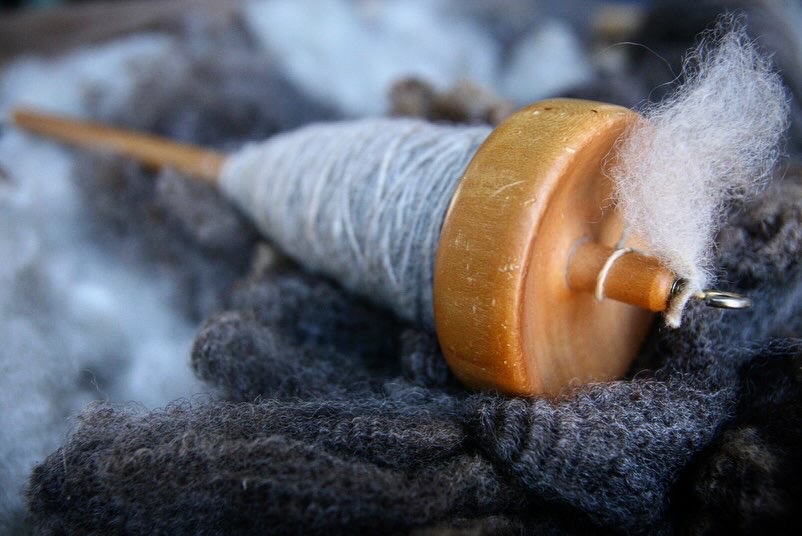
I learned something really big this summer. Huge, in fact. Yet another thing that will make me indispensable when the zombie apocalypse comes. I learned how to spin yarn.
Lorri has a fiber artist, Teresa, come to the farm every week to work on the wool from her sheep, and now during the wwoofing season, that work also included teaching us clueless city kids to work with textiles. We set up in the loom room next to the cookhouse, and there we were taught all kinds of things. Weaving, knitting, spinning yarn.
I focused on spinning. The feeling of the wool running through my fingers, giving the spindle a proper spin and then just letting it run, run, run. I felt that my hands, and therefore also I, were graceful. Handicraft, such a meditative thing.
Let me tell you, though. It takes a long time. And it is hard. I got one ball of yarn in the end, maybe possibly enough to make something small out of, and the yarn is in no way even. It is so obvious that it was hand-spun, and I will treasure it for all the hours it took to make.
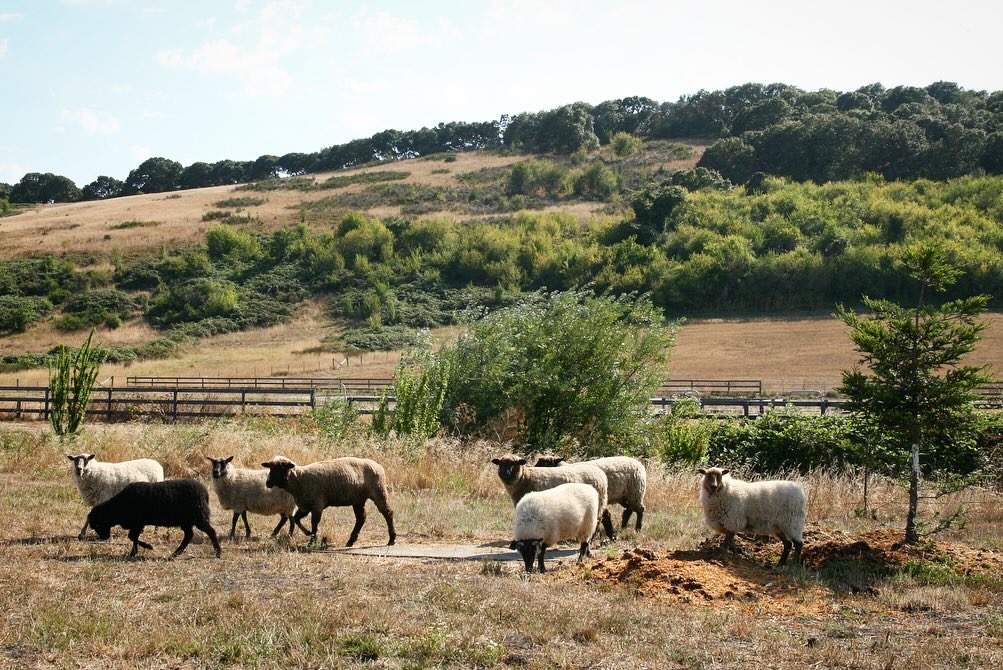
The wool sheep walked around freely on the property. We fed them every morning with alfalfa. Most of them were quite shy and would only approach the hay once we’d dropped it and walked away, but some of the older ones didn’t care. They were too excited about the food, so while they were eating, I stuck around a bit to pet their soft, fatty fur.
Imagining that maybe this was the one whose wool I’ve turned into fine yarn. It felt beautiful, in such a basic way. I will make wrist warmers of the yarn, and they will protect my hands from the cold morning air when I bike to work all autumn.

I was sitting in the loom room, spinning, and listening to a podcast with Johan Rockström. He is the director of the research center where I work and a professor of environmental science, and he was talking about all the ways in which we are screwed, climate- and environment-wise. He also said that this is the year when we really can change our direction, what with all the meetings and the new SDGs and so on, but I was having trouble taking that in. The positive, constructive stuff about how we still have reason to feel hopeful.
This is what I’ve chosen to do with my life now, work for a better, more sustainable use of our planet’s resources, but it is hard. All the reading that I do, there are just so many things that need to be fixed. It is overwhelming. There are so many places to start, that it feels impossible to choose and I (almost) end up not doing anything at all. Directionless. Motionless. Spinning yarn by my lonesome in a dusty loom room on a farm in northern California, hiding away from it all.
But I got myself out of there. The setting sun was painting the hills golden. Oscar and the guys were working on the motorbikes down by the workshop, Lorri was about to let the horses in for the night. And I just stood there, taking it all in. Letting the sun wash over me. Dot the dog came by to say hi, but quickly lost interest.
I thought: I will need to remember this. When November in Stockholm is cold and dark and seemingly endless. When the scientific articles are too heavy, and the writing just won’t come. When getting up in the morning feels way too hard, because the sun won’t come up for a couple of hours yet, if at all. I will need to remember this. The smell of dry grass and animals. The sounds of tools against metal and the evening songs of the birds.
The light. I will have to remember the California light.
 Katja Malmborg