



Writings about the garden
Location: Portland, Oregon, USA • • • Visit: June 2012
Hanna and I left Seattle and headed to Portland by Greyhound bus. At the bus station, we were picked up by Leslie. Wonderful Leslie.
Back in 2009, when I was discovering Bolivia together with Natalia, Jonna and Cecilia, we happened to stay at the same hostel in Rurrenabaque as this American girl and Dutch guy. Leslie and Sven. Rurrenabaque is the last outpost in the Bolivian Amazon before the jungle starts, and it was hot and extremely humid. So, after just a ten-minute chat with Sven and Leslie, we decided join travel-companion-forces and go down to the river for a swim. We ended up spending a week together in Rurre, going on boat tours, visiting markets and cooking with all the amazing vegetables we bought. We had such a blast, buying second-hand clothes and going to bars dressed in the craziest, oddest clothes we could find.
So, when I decided to go through Oregon on my North America trip, I naturally thought of Leslie. I messaged her and asked about Portland, and she invited me and Hanna to stay on her couch.
Once we arrived, she did so much more. She drove us around town, showing us all the coolest places, especially the best shopping spots. She took us to the best restaurants and bars and on the last morning, made us an amazing breakfast and made sure that we got to the car rental office. Both Hanna and I fell in love with her generosity, her cute little apartment and charming cat. We couldn’t have had a better guide to the weird city of Portland.

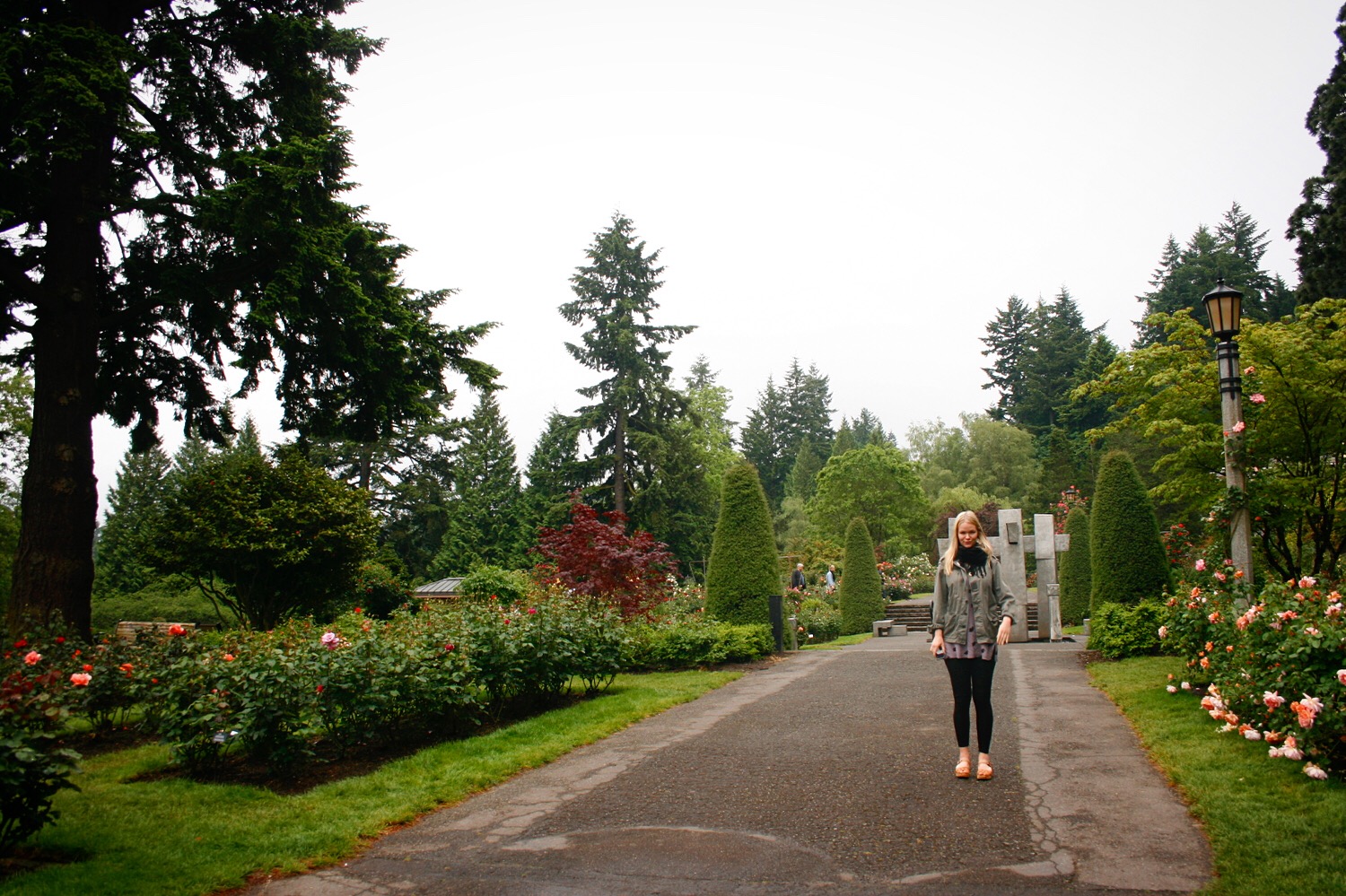
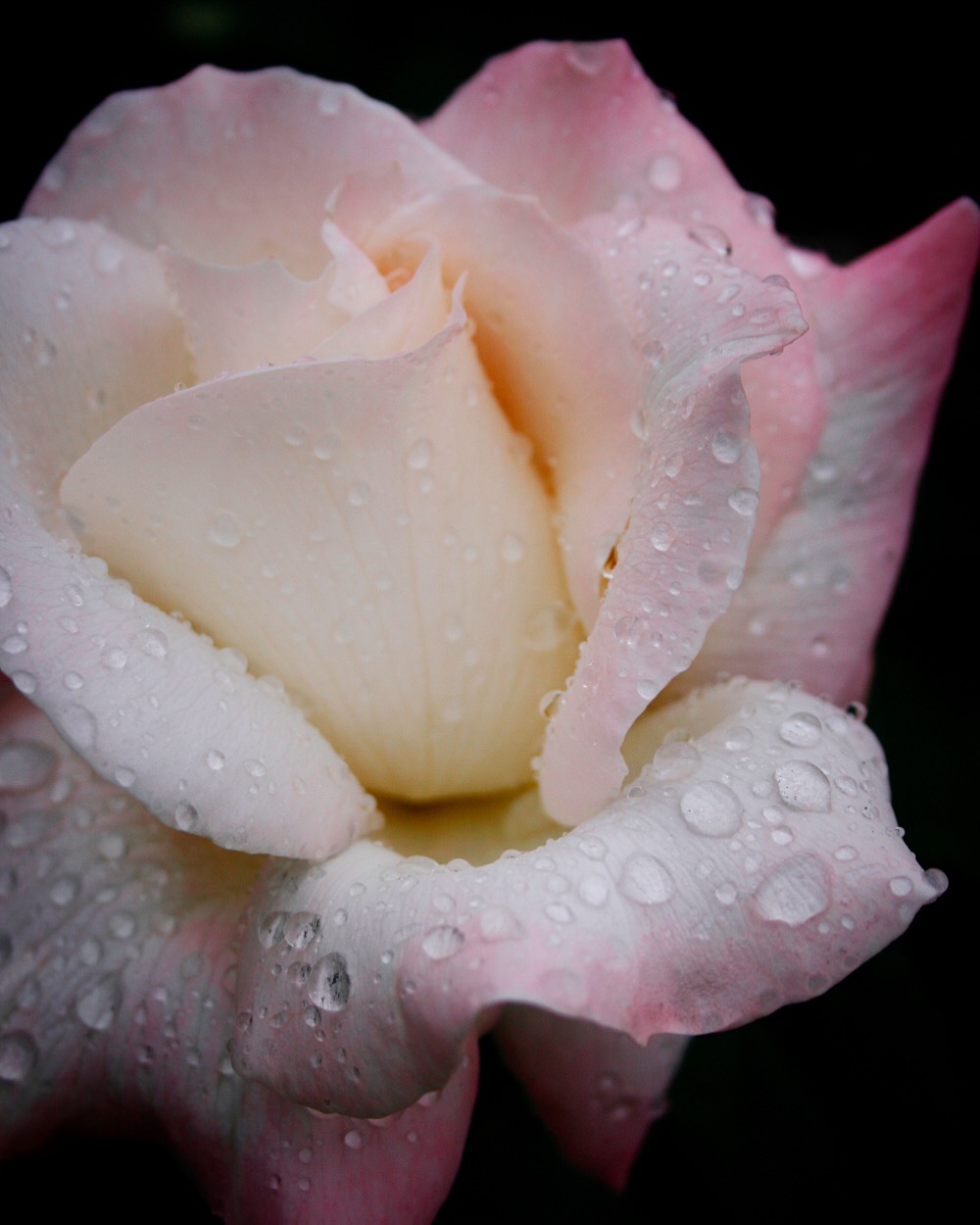
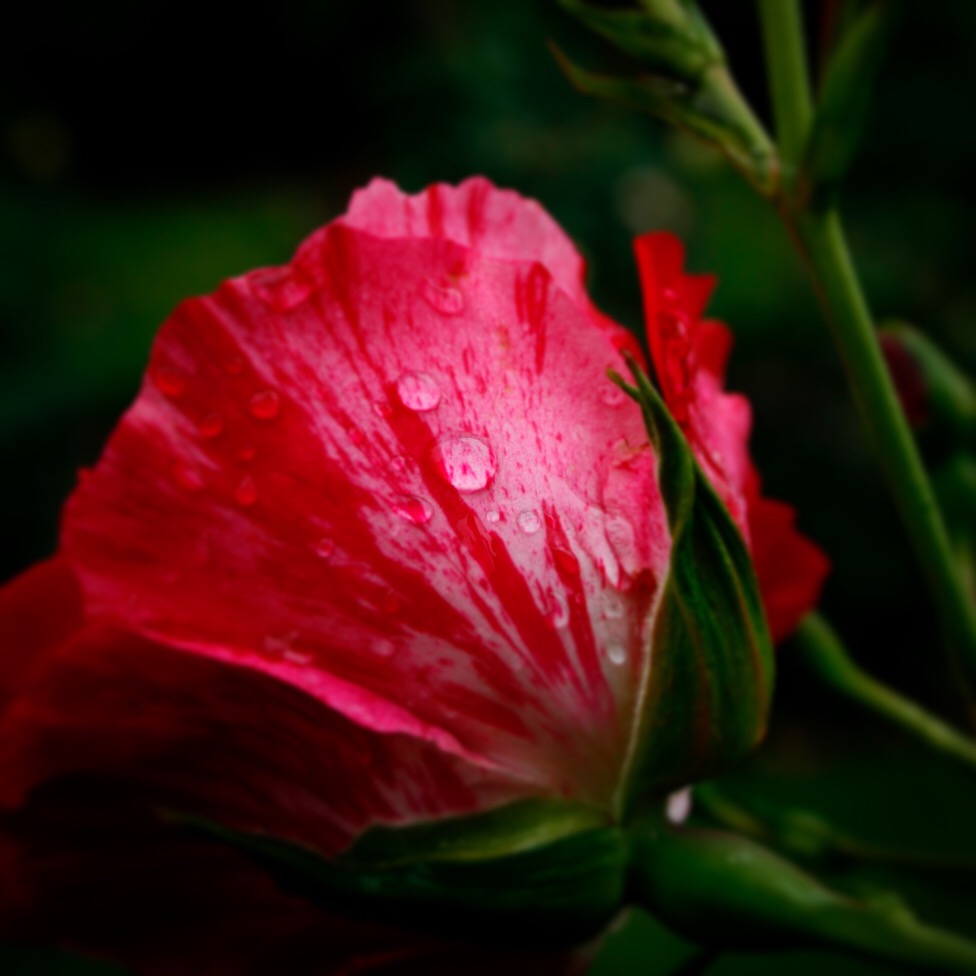
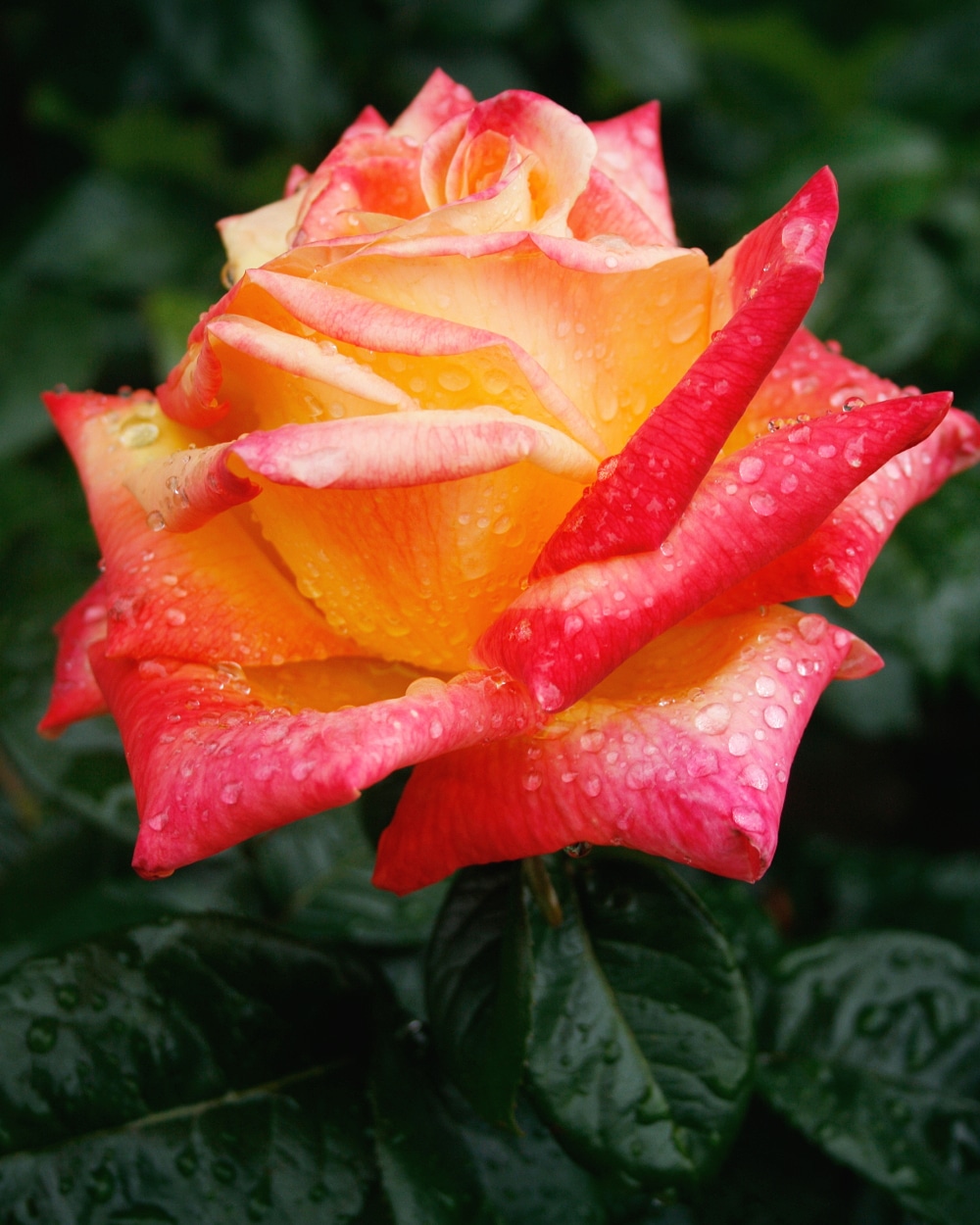
One of the big tourist attractions in Portland is the International Rose Test Garden, a meticulously manicured garden with over 500 different rose varieties. It is cared for by the Portland Rose Society, a non-profit founded in 1889. Hanna and I went there on a rainy Monday morning in 2012, but I was soon so intoxicated by the smells and the beauty of the raindrops on the rose petals that I neither felt the chill nor heard Hanna’s careful suggestions of “mightn’t we go into town soon?”. My camera simply couldn’t get enough.
Few flowers beat the rose for beauty. Voluptuous, soft, fragrant. And after a summer rain, the air heavy with their sweet smells, water droplets accentuating the lines of the petals. And when it comes to selection of roses, few places I’ve been to beat the International Rose Test Garden in Portland. It’s incredible.

After a couple of wonderful days with Leslie in Portland, Hanna and I started our drive south, crisscrossing through Oregon’s hilly agricultural landscapes, small German-inspired towns and Alvar Aalto-designed monasteries. We had pie at road-side diners on misty, forested hillsides, bringing the eeriness of Twin Peaks to mind. Stopping for short hikes by waterfalls, sand-dunes and carnivorous-plant-covered wetlands. Reaching the coast, stepping out of the car, the fresh ocean breeze hitting us with the smell of salt and seaweed and eternity. We slept at motels, bought cherries from road-side fruit booths. Approaching the border between Oregon and California, the coastline just became more and more breath-takingly dramatic. Once in California, we were in awe of the magnificence of the coastal redwoods.

It really is very convenient, driving a car. Being able to decide yourself where to go and when to stop. Having grown up in Stockholm with a single mom with a license but no car and a remarried dad with a car but no license, made me feel that public transportation was freedom. I didn’t see the point with driving, it’s just bad for the environment. That’s why I didn’t get my license until two days before I turned twenty-four.
But now I see it. While traveling in a foreign country, or maybe more correctly, North America, there really isn’t any other way of transportation that is more convenient. Because, how else would we have been able to come around a turn in the road, be blinded by the setting sun and simply stop at this random northern California beach to enjoy the mist-softened-beauty?
After three days on the road, the driving felt completely natural. We were enjoying ourselves immensely, Hanna and I.
Just before dark on the third day, we arrived in Arcata, northern California, and found a motel to stay at for the night. It was furnished as if it hadn’t been updated since the seventies, with a lot of brown and a huge fat TV. But we slept well.
The next morning: Saturday, and a huge farmer’s market in the Arcata main square. A small town full of students and other young people looking to “expand their minds”, as the guidebook said. Both Hanna and I fell completely in love with the town, with the bikes and odd houses and second-hand stores. We could have stayed – but, alas, our travel schedule said we had to move on.

In the afternoon of the fourth day on the road, we turned inland. We drove through tiny mountain towns, only consisting of a hundred meter stretch along the highway with a couple of gas stations, some restaurants and a motel. Quite deserted. They felt very odd.
On the fifth day, after a lovely fruit breakfast by Clearlake, the largest lake in California, we continued east. By mid-morning, with an abruptness that tickled my amateur geologist curiosity, the yellow mountains turned into a completely flat valley. Far away on the horizon, we could barely see the other mountain range through the shimmering heat. We had reached the Central Valley. This is where a big part of all the vegetables and fruits that are eaten in the United States come from. The orchards and water covered fields took turns making up our view from our car windows.
We stopped by the signs, informing us that they sold fruit. These days, our diet consisted mostly of in season Californian fruit and berries. The heat was like a wall as soon as we stepped out of the car. Staying out in the sun for a longer period of time would have been impossible.
I guess this plateau, which probably used to be seafloor and therefore has soil that is high in calcium and other nutrients, is very fertile. But I couldn’t help feeling the heat and seeing the clear blue sky and thinking that this needs huge amounts of irrigation. Probably from aquifers that are stressed as hell. And it made me sad. Because, even though I love peaches and nectarines, I don’t think they are worth the price of depleting our groundwater for. I really need to get back to university, so that I can learn what to do about it.
The cities and towns that we drove through in the Central Valley, didn’t feel like cities at all. They were just stretches of malls and Walmarts and drive-through restaurants along the highway. We had obviously reached another part of America, not the Arcata cute, small-scale, farmer’s market California coast, but the large-scale, corporate inland. Hanna wanted to visit a Walmart, so we stopped at the one in Yoruba City. We left quickly, too.

After some adventurous mountain driving, we made it to Yosemite. Dumb-struck by the sequoias. These huge creatures.
But also, lots of tourists. It wasn’t that hard, though, to get away from them: just walk up the trailhead of a 2-mile-hike, and we were alone with the sequoias. I guess most people don’t like walking. They stay close to the parking lots.

On the eighth day of our road trip, we finally arrived in in the Golden City. We were coming from the east and should have taken another route. But that felt wrong – so we took a detour and arrived in San Francisco in style – across the Golden Gate Bridge. With “San Francisco” by Hello Saferide playing on Hanna’s phone for the third time that day, of course.
It felt big. And life threatening. I couldn’t handle the traffic, we were about to get into serious collision-related-trouble twice on the freeway. Did I mention I just got my license in February?
But we made it. We even found the car rental office. The meter in our beloved silver Toyota Camry told us that we had driven 1448 miles. 2330 kilometers. Eight days of driving. It felt unfathomable. And now we were in San Francisco.
 Katja Malmborg