• IN THE WINTER GARDEN •

• IN THE GREENHOUSES •


Life, with the garden
Location: Oslo, Norway • • • Visit: January 2017
I took the train to Oslo. We were a whole crew, going to visit Hanna, my former classmate who just moved there to start a PhD. Half of my master’s class, renting a beautiful apartment in central Oslo for the weekend.
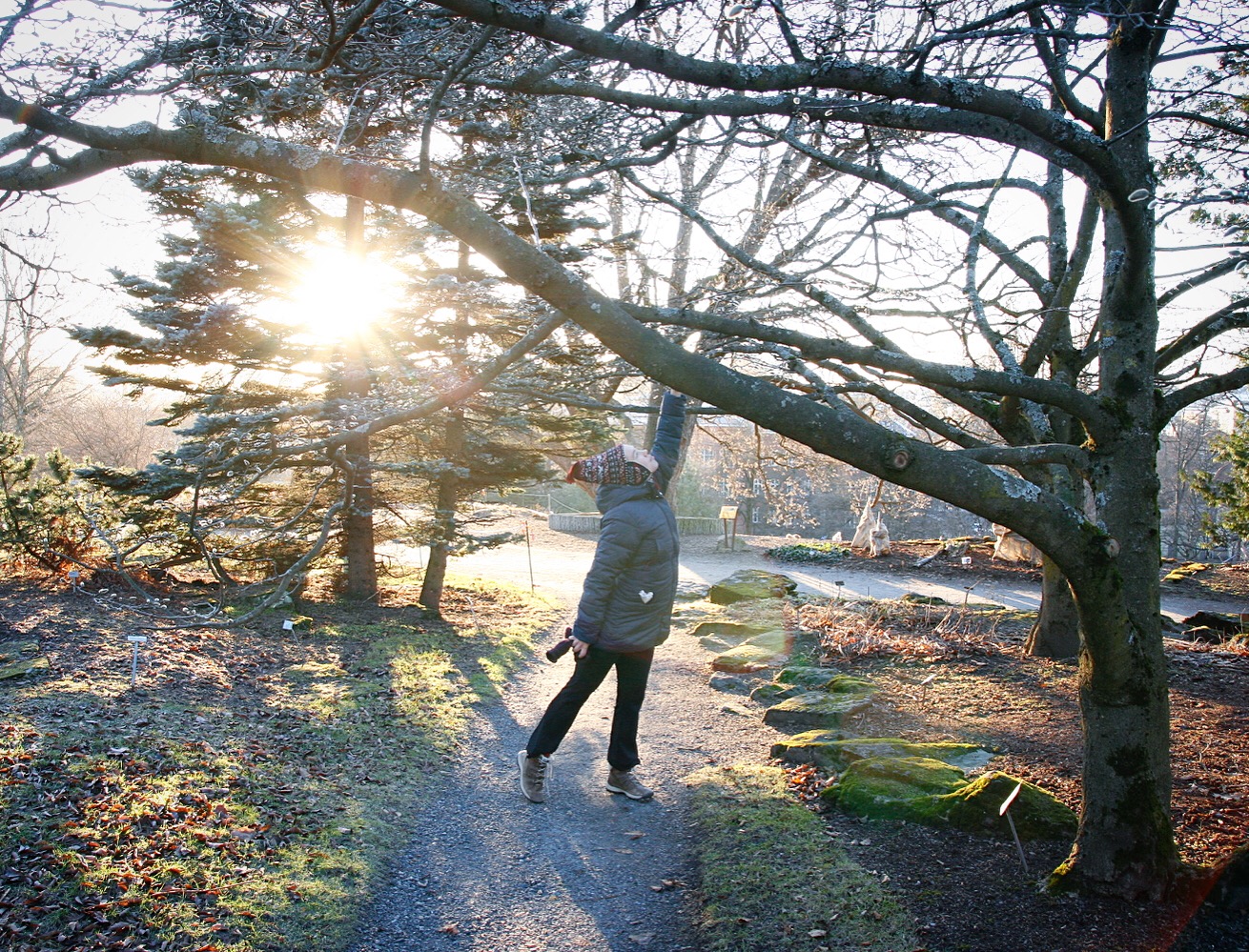
My first stop was Botanisk Hage, the Oslo university botanical garden, and I made most others in the group come with me. I don’t know if any of the others shared my love for greenhouses and flower beds, but it was a beautifully crisp, sunny afternoon with temperatures just below freezing, and the garden had no entrance fee. A perfect place and time for a stroll.
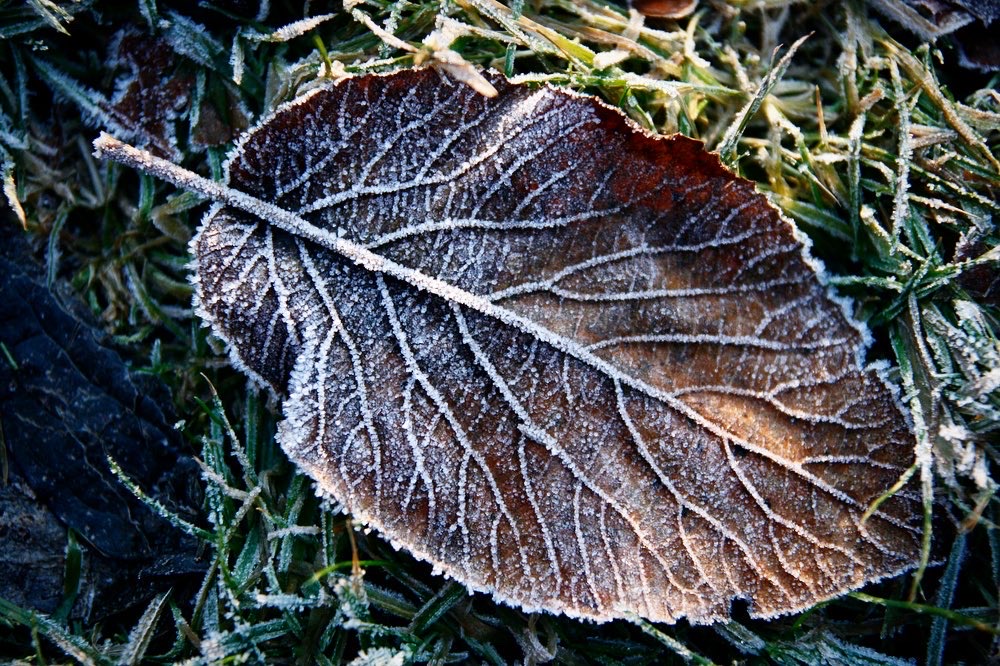
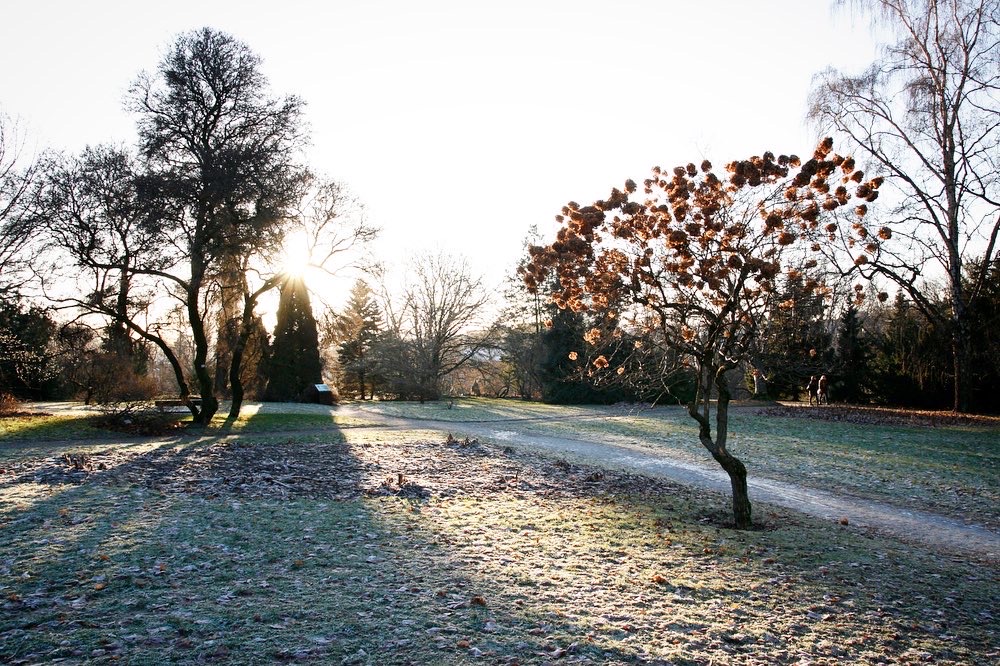
Mid-January in Oslo doesn’t offer much in the way of greenery, but the frost that covered the grass and branches made everything glitter in the setting sun. The garden takes up an entire inner-city block and has a hill in its center. The garden is mainly open grass and old groves of deciduous trees, flowerbeds and small ponds on the hillsides. I can imagine it being lush and full of flowers in late May. Now, the browns and gray-greens that ranged from moss and mint felt very tranquil. Like a breath of fresh air in the middle of the busy city center.
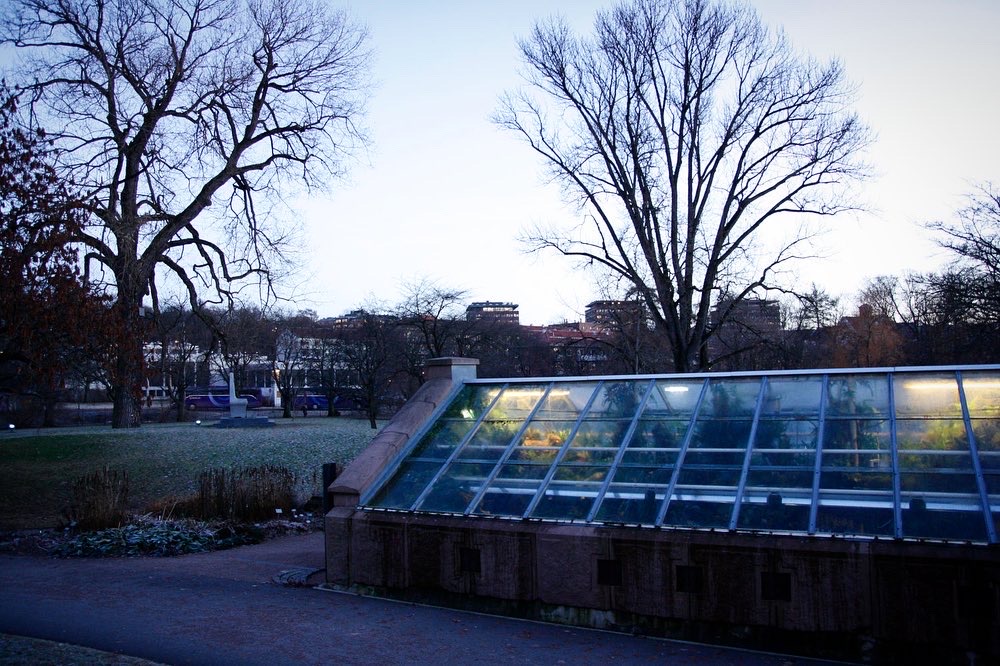
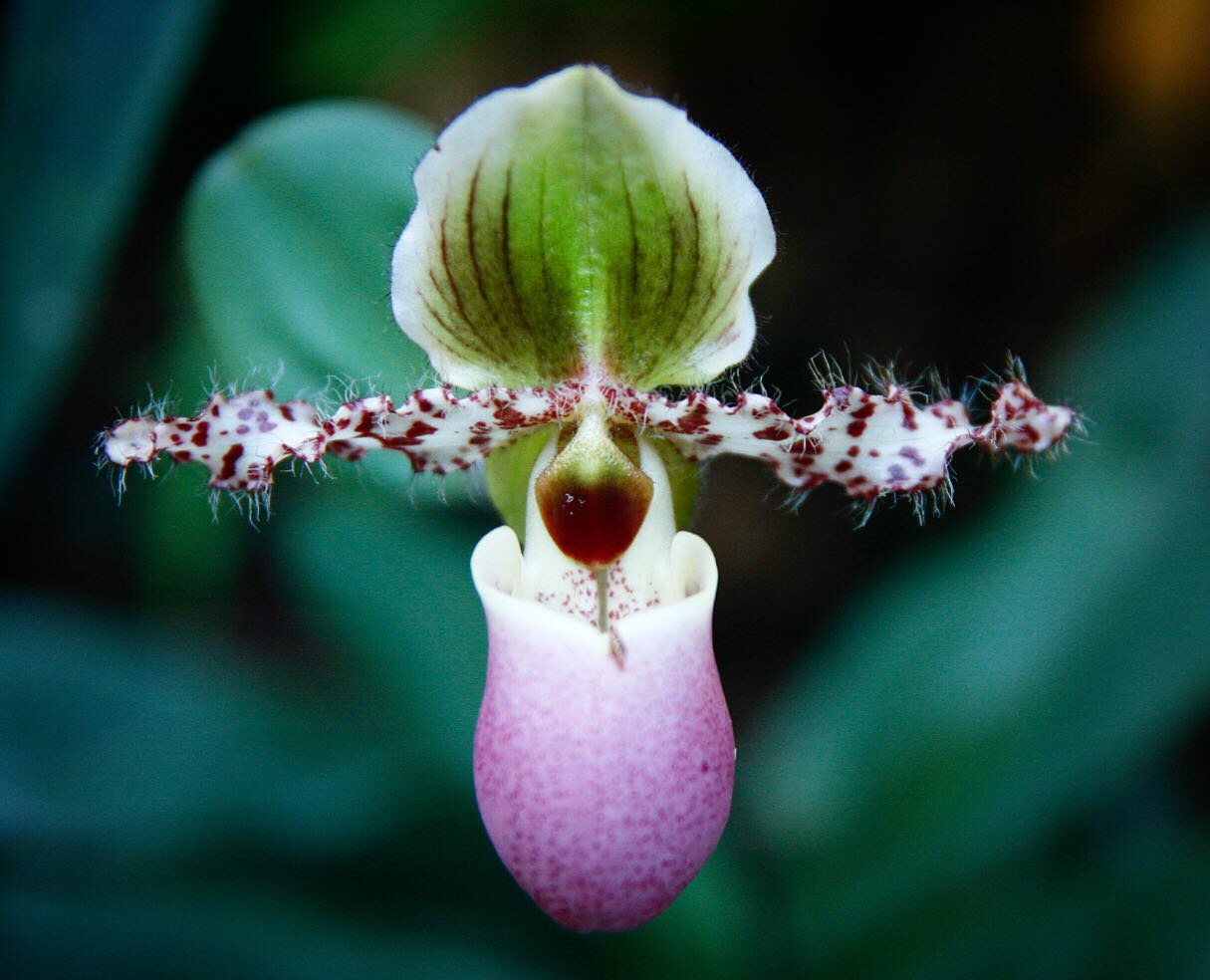
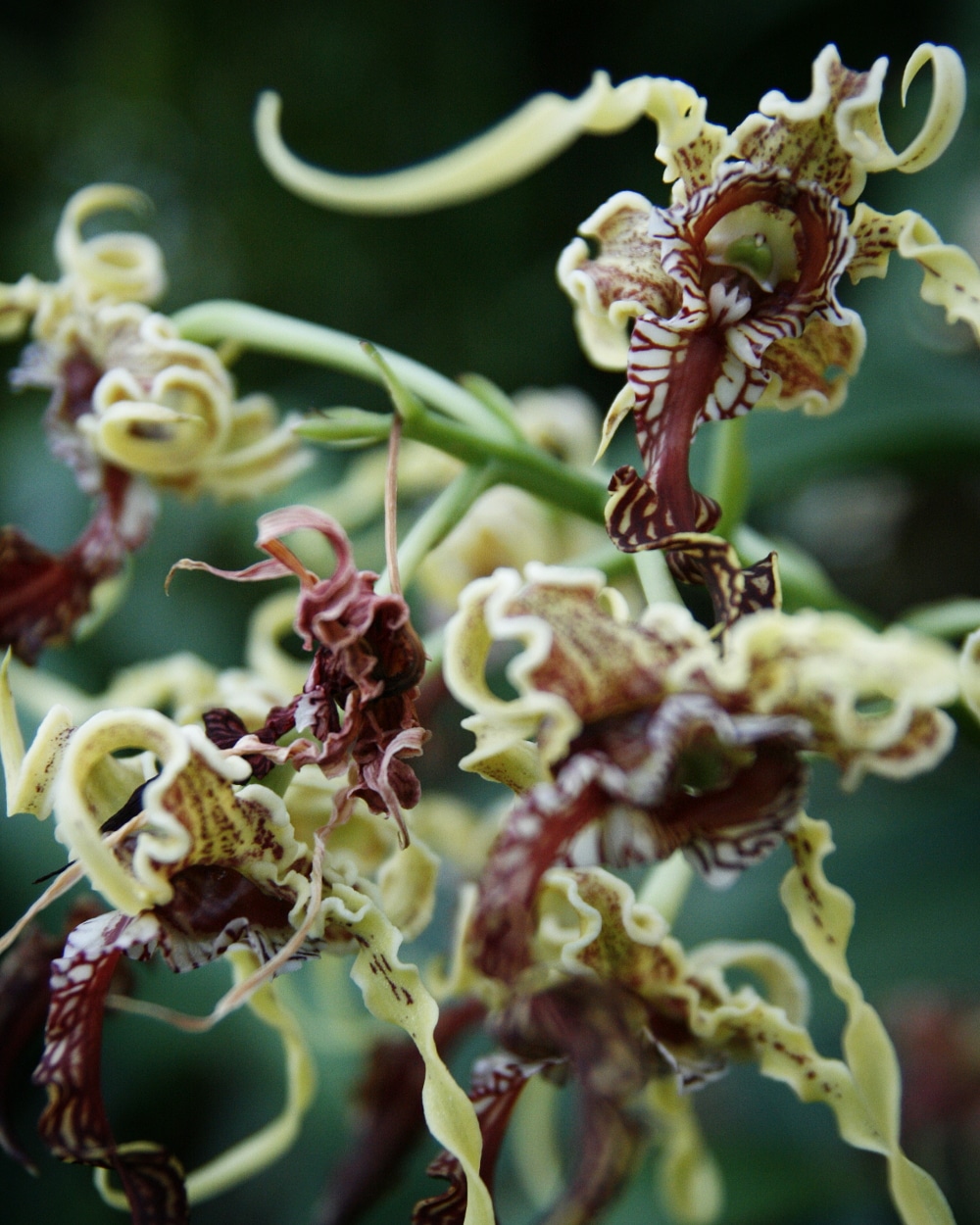
As for the greenhouses, they were more stimulating. Quite small, and old. Two beautiful metal, wood and glass structures, one tropical with three separate wings, and the other a temperate palm house. When we first entered the wing with the water lily pond in the tropical green house, I could not take any photographs for at least 15 minutes. The humidity and heat made the lens fog up, the difference from the outdoor freezing temperature and the artificial tropics inside being so extreme. It was a beautiful pond, though, so green, and the orchids in one of the other wings so weird, so inspiring. Breathing that air, carrying so many smells that you can basically taste it. I miss the tropics. That heat and the humidity, it makes breathing so much easier.
The Oslo botanical garden was small, but very well kept. I liked it a lot.
As for the rest of the weekend, I really liked Oslo. So much cool street art (it seems to be a Norwegian thing, same in Bodø and on Lofoten: Tons of impressive, unique street art). Easy to walk through, nice mixture of architecture, cool bars. Expensive, yes, but so is Stockholm. However, what really made my Oslo weekend so memorable and magical, was the company I shared it with. The people in my former master’s programme are amazing, and we became such a great group during those two years, and this weekend reunion with half of them, and the Skyping we did with half of the absentees (calling in from Uppsala, England, Argentina and New Zeeland), made this a weekend so full of warmth and laughs and love, that it will carry me for a long time.

I am preparing for a writing workshop with the communications team at SRC. How to write a popular science feature. We were given a list of reference pieces to read, stories about bilingualism, de-extinction, water goddesses, and really old trees. Long and very long articles where science, the lives of extraordinary people and snapshots of the writer’s own journey have been expertly molded into appealing stories. I love this kind of writing.
The idea is that all the participants in the workshop should pitch a story to the recently launched online magazine Rethink. And it’s not like I don’t have ideas, not like I don’t know anything – but to make a story intriguing and eye-opening, it needs to cover scales. The big picture and the detail, a moment to illustrate how large processes come together and affect our lives. As a young researcher, I’m entrenched in the detail. I could tell you hundreds of stories from fieldwork. I could show you figures and maps. I’ve got one scientific paper in review, and another about to be written – and this is the result of two and a half years of hard work. For one of those meandering science features, one needs to include the perspectives of several papers, maybe books, and interviews with experts.
The realization is daunting. What do I really know? Not enough to tell the big picture story of my case studies, that’s for sure. I would have to spend days reading up on everything else, all the important things that fall just outside my narrow research focus, and therefore hasn’t been read. The feeling gets stronger, the further I get into my research career. I’m a PhD student now, and I’ve never felt as ignorant.
But spring is coming. I notice it in the afternoons, the view outside my office window. We’re heading toward lighter times.
 Katja Malmborg