
Introduction

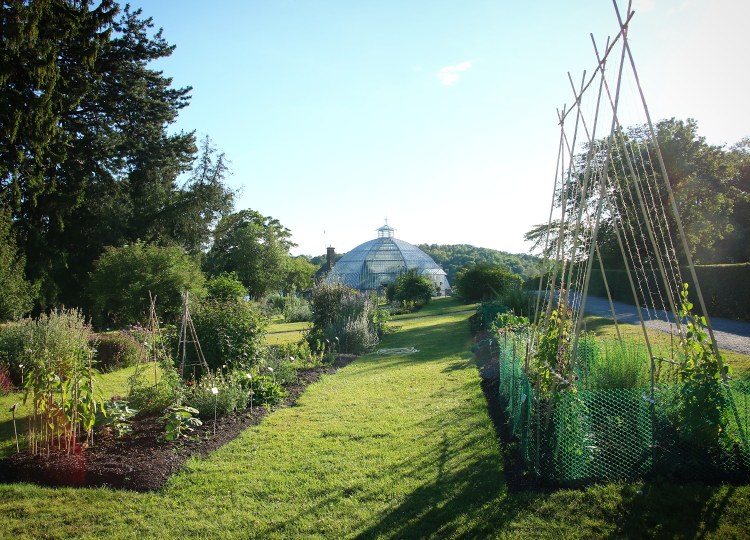
Written on April 1st, 2020: In Covid-19 isolation, with Bergius Botanic Garden in my thoughts
It was during one of those other surreal moments in time, when (forgive me the big word) the Anthropocene came crashing into my life, wrenching emotions out of the rational awareness I’ve had for years: We are in an age of great uncertainty. And things are happening to the biosphere. Stranded in the drought and raging wildfires of the summer of 2018 in Sweden, not knowing what to do with all the tangents and un-closed parentheses left by my one-year-PhD-seminar and the yellow grass in the Bergius Botanic Garden, the heat, and the fires, fires, fires. I needed another outlet then too, something to balance the budding Academic. I thought: Dress what I feel in something simple and familiar. I had an idea. And then, I never found the time.
Now is the time. I’ve gone through my notebooks, collected thoughts from trips and books and lectures past. Edited. Below is what I ended up with.
Mission statement


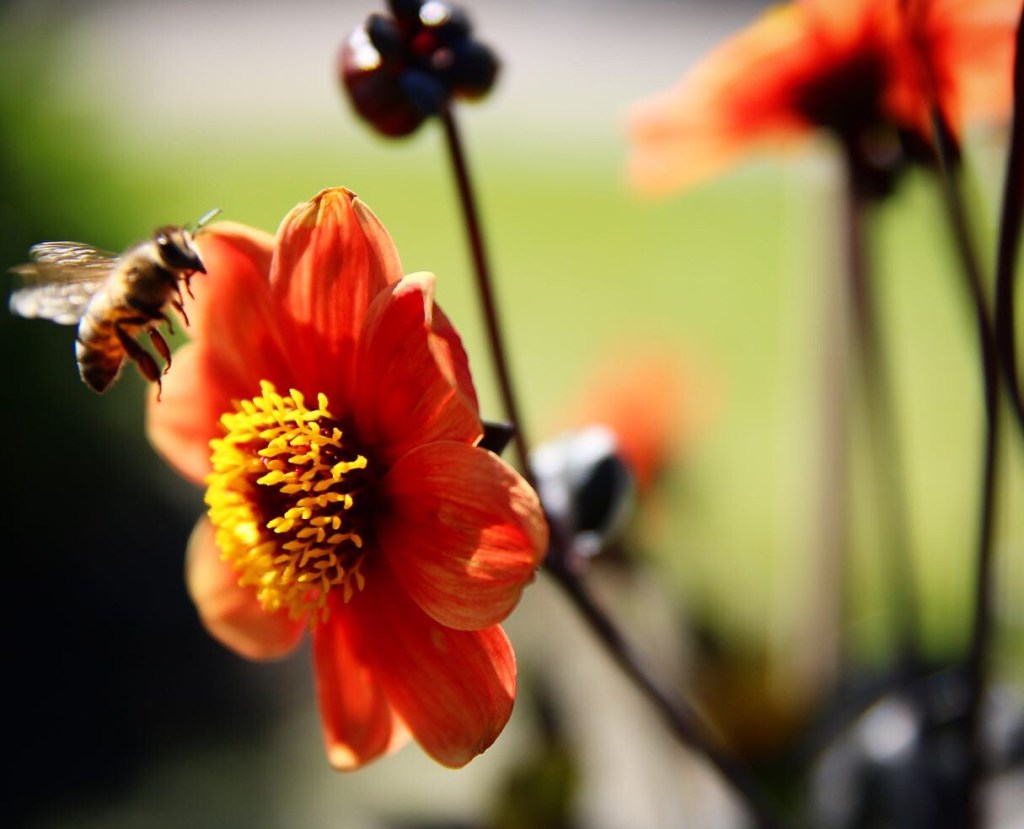
Botanic gardens. I collect them. Since 2012, I have visited, photographed and written travel journals about them. This is what I do here: Publish photographs and texts about the botanic gardens, about what they meant to me, about what they made me feel. I look for botanic gardens wherever I go. There is a story to be told, about my life, through the botanic gardens I have visited, and why I found myself there. And there is meaning to be found, in the simple. The breath between moments. In seeing the setting sun create a halo in the tiny hairs of a nettle’s flowers.
Cultivated diversity in botanic gardens
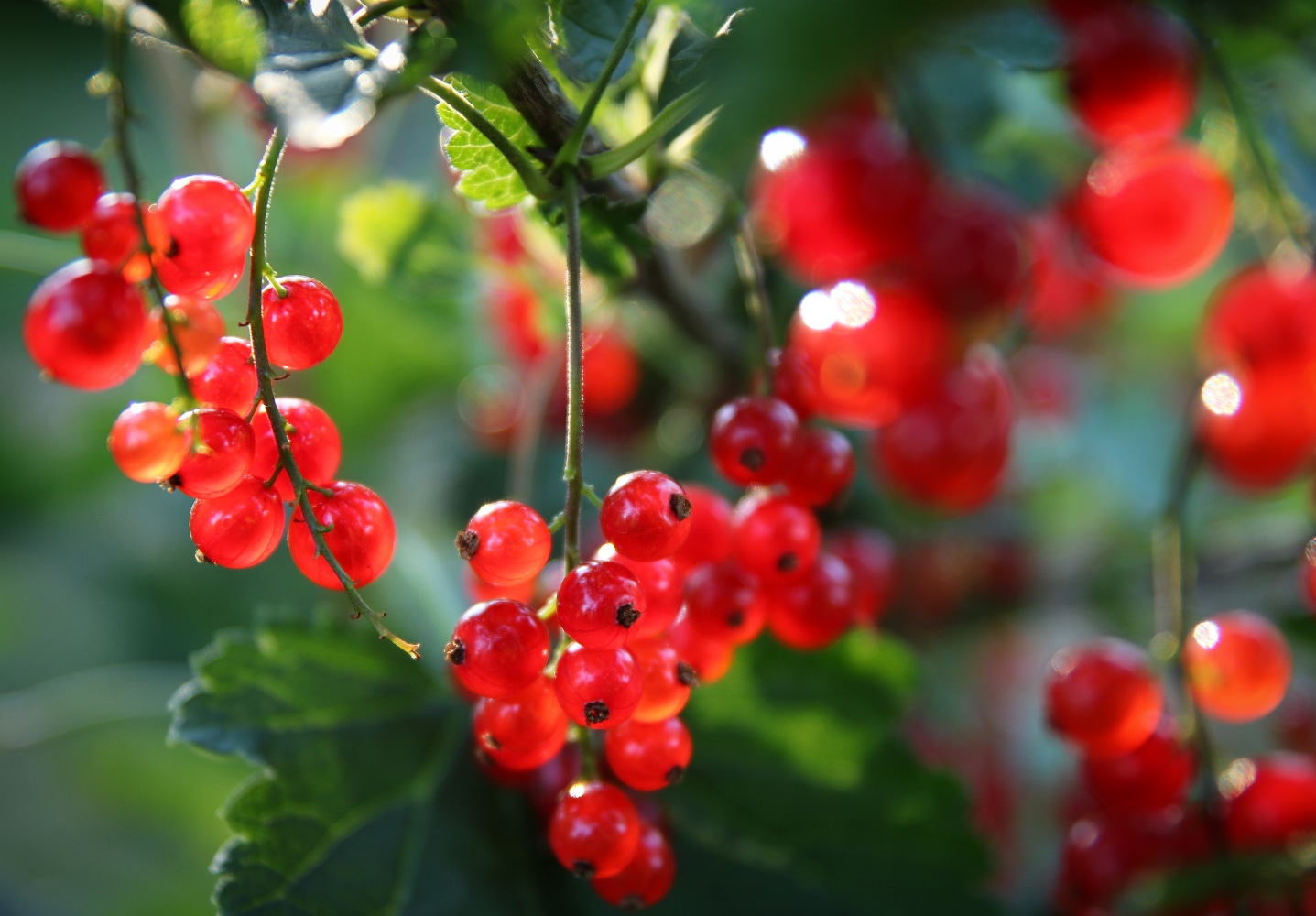
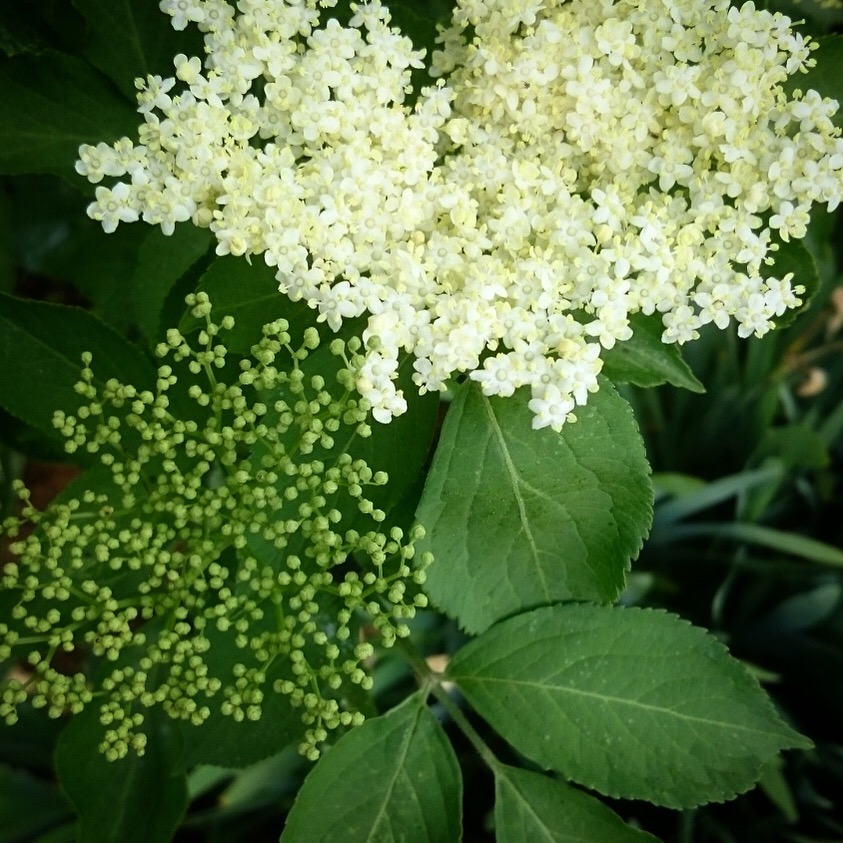
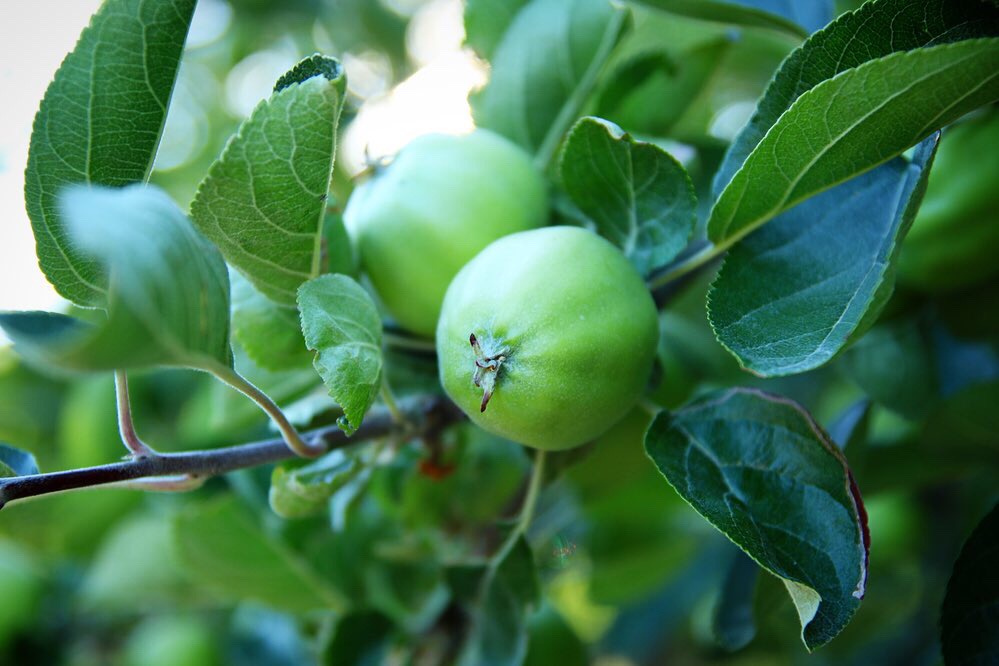
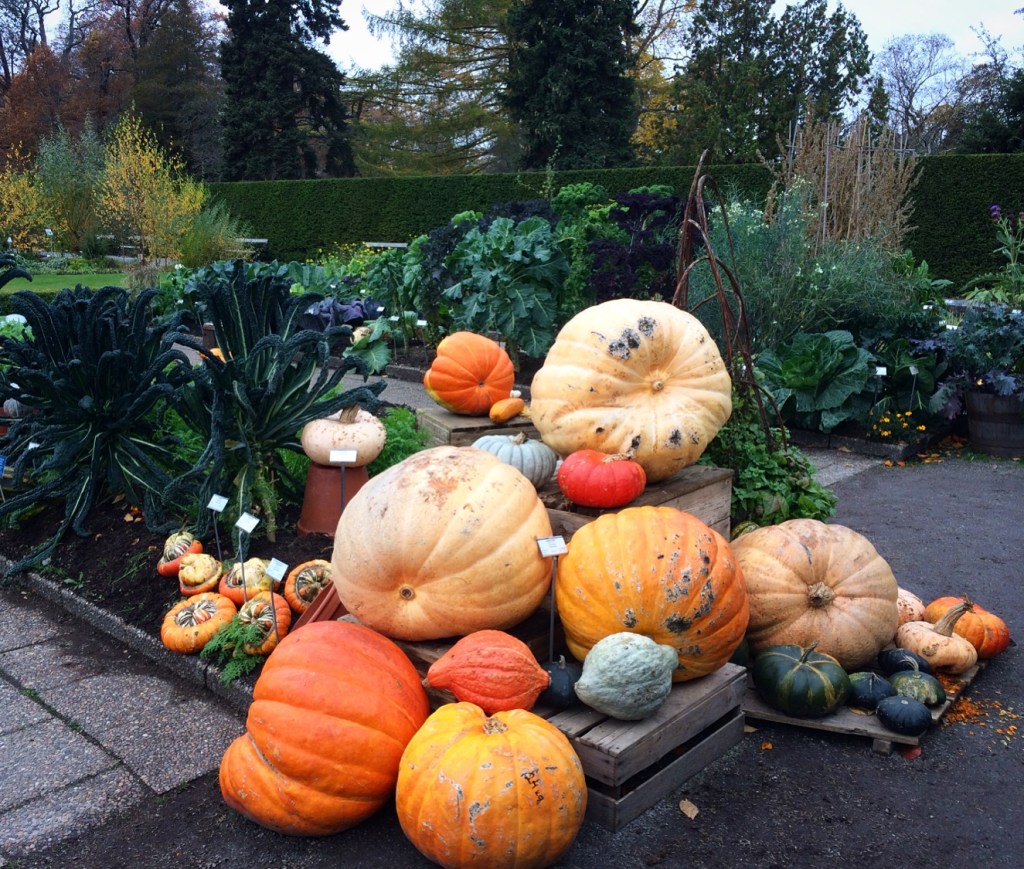
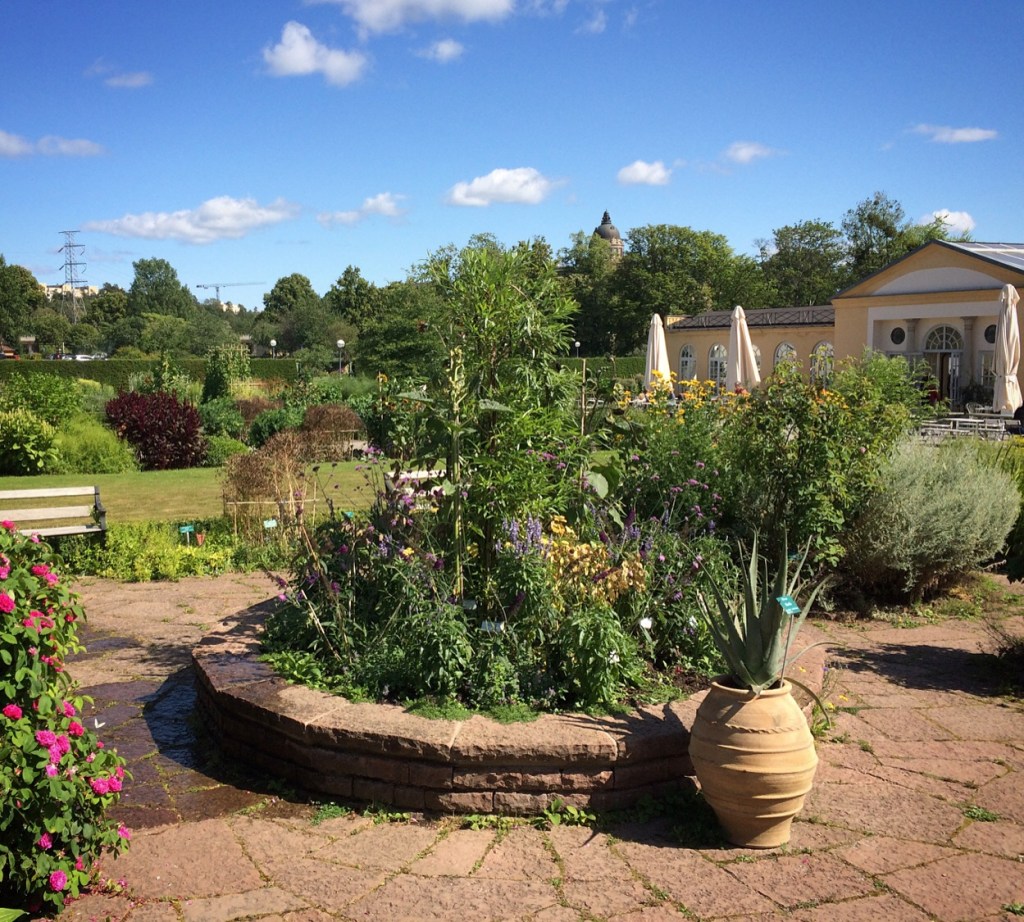
Maybe what I like the most in the Bergius Botanic Garden in Stockholm is the herb, fruit and vegetable garden. That is not always a present feature in botanic garden contexts, the cultivated and non-ornamental. Showing the plants that we rely on for sustenance and that might be the clearest examples of what can come out of the social-ecological interdependencies that we as humans have created. Allowing the useful, the cultivated be part of this museum of the living world – and not excluding it as something uninteresting or unnatural.
The separation of the “wild” and the “unnatural” has a long history, but became all the rage among the nineteenth century naturalists and conservationists. This is also a time when many botanic gardens where established, which is why I think it is still rather rare to find sections with cultivated, non-ornamental plants in botanic gardens. But by leaving the cultivated species out, a really important part of ecology education is lost. The thousands of years of biodiversity development driven by human need and ingenuity, a diversity that is now fast being lost to agricultural monocultures. Botanic gardens are places where biocultural diversity could be celebrated and taught, an opportunity and calling that many botanic gardens have missed. In Bergius Botanic Garden, though, there are tens of different varieties of strawberries, currants, apples, kale, tomatoes, potatoes, herbs. I think it is wonderful, what they have done in the orchards, vegetable and herb gardens. Stockholm University really has a botanic garden to be proud of.
Words of botany
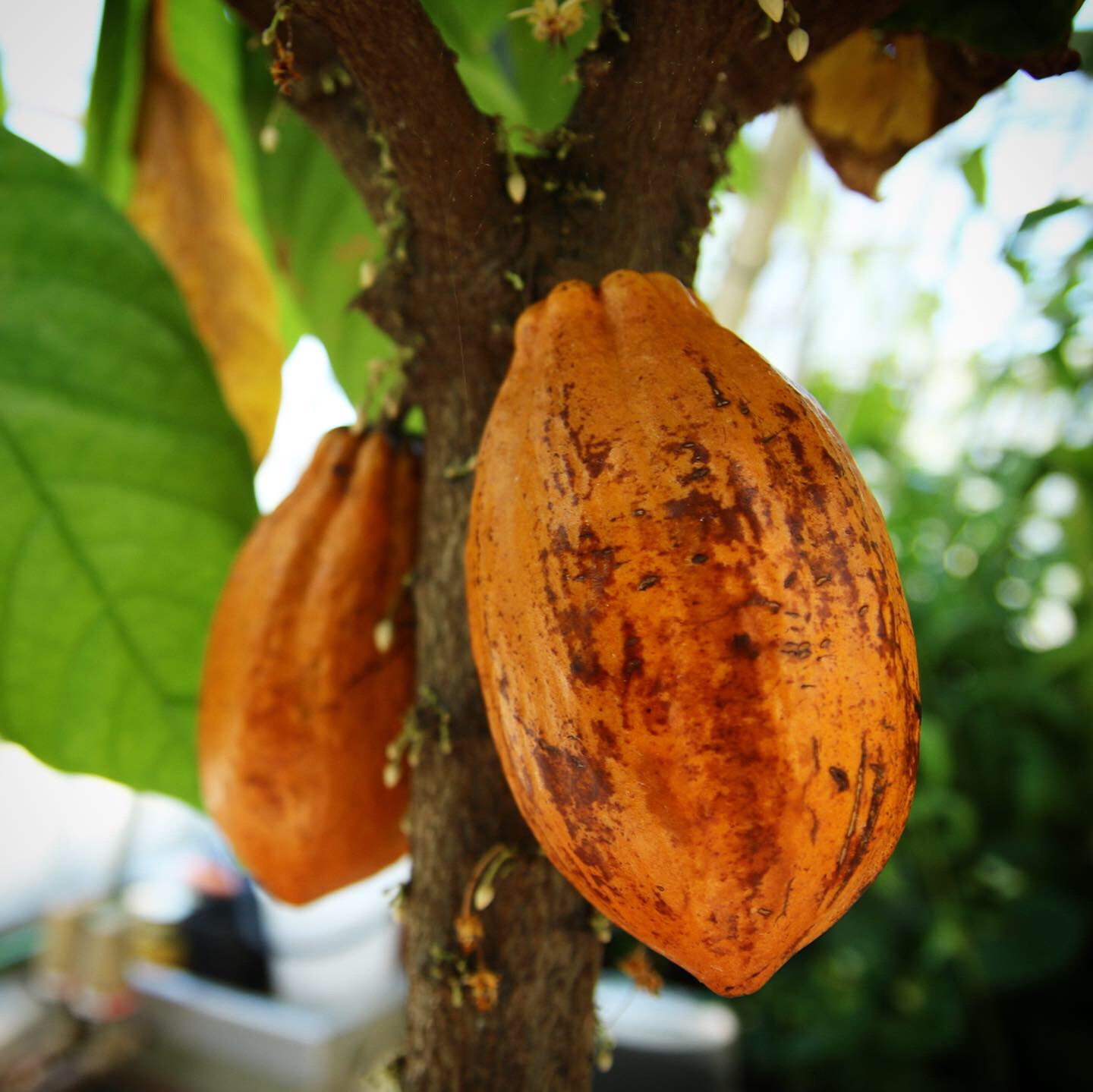
I’ve been trying to figure it out. Where this interest comes from. My obsession with botanic gardens. I’d like to say there’s something profound about it – but maybe it’s just a type of collection. I come from a family of collectors, list-makers and chroniclers. I tick gardens off my list and I write about them. That simple satisfaction. But I’m not sure. Maybe there’s something more. Like this thing about naming. I’ve read a couple of articles lately about how people are losing their literacy of nature. Words to name species and landscape features are disappearing from dictionaries and people’s vocabularies. I read an article by George Monbiot about the significance of words – that we construct our world with language and that how and what we choose to name limits what we care and can take action for.
I believe in the magic of words. I believe that most people care deeply – but that care mainly arises for things we know and have experienced. A nameless tree in the temperate rain forests of the Pacific Northwest or an anonymous succulent in the Sonoran desert might be too abstract for many people to take action for. But in the botanic gardens, we can meet them. The gardens can be a place to learn the names of exotic and strange species, be seduced by their colors and sense their scents in the air. Experiences that can inspire a little bit more care for faraway ecosystems in people who otherwise would be oblivious and disconnected from them. Maybe.
Nature for the urban dweller
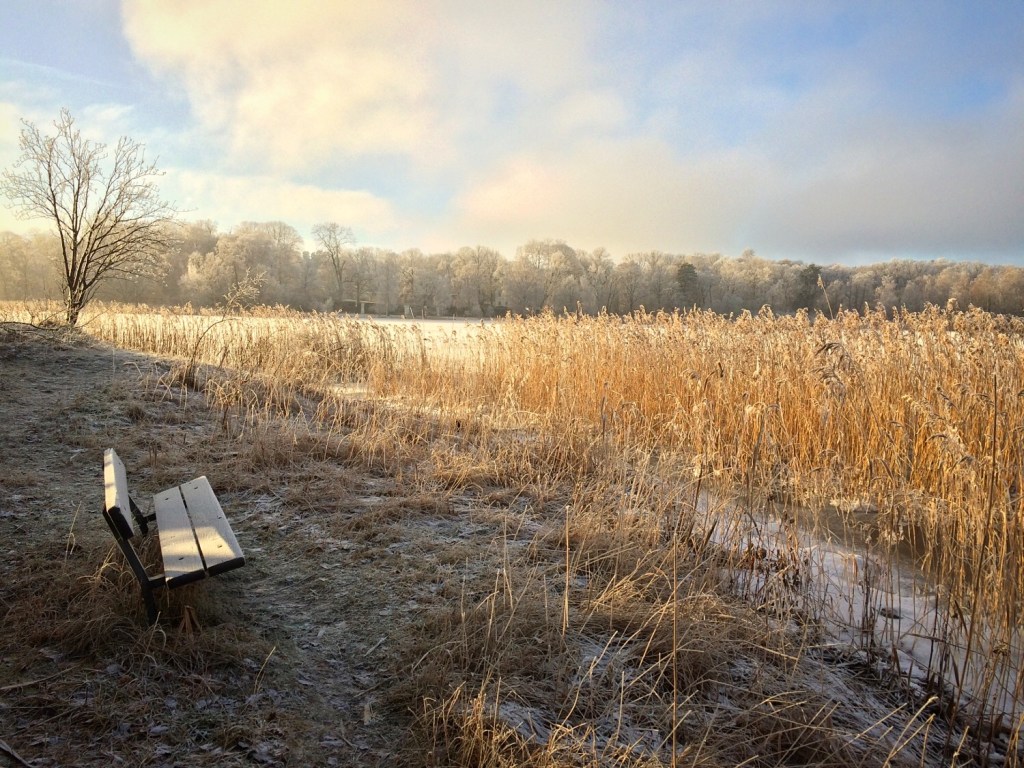
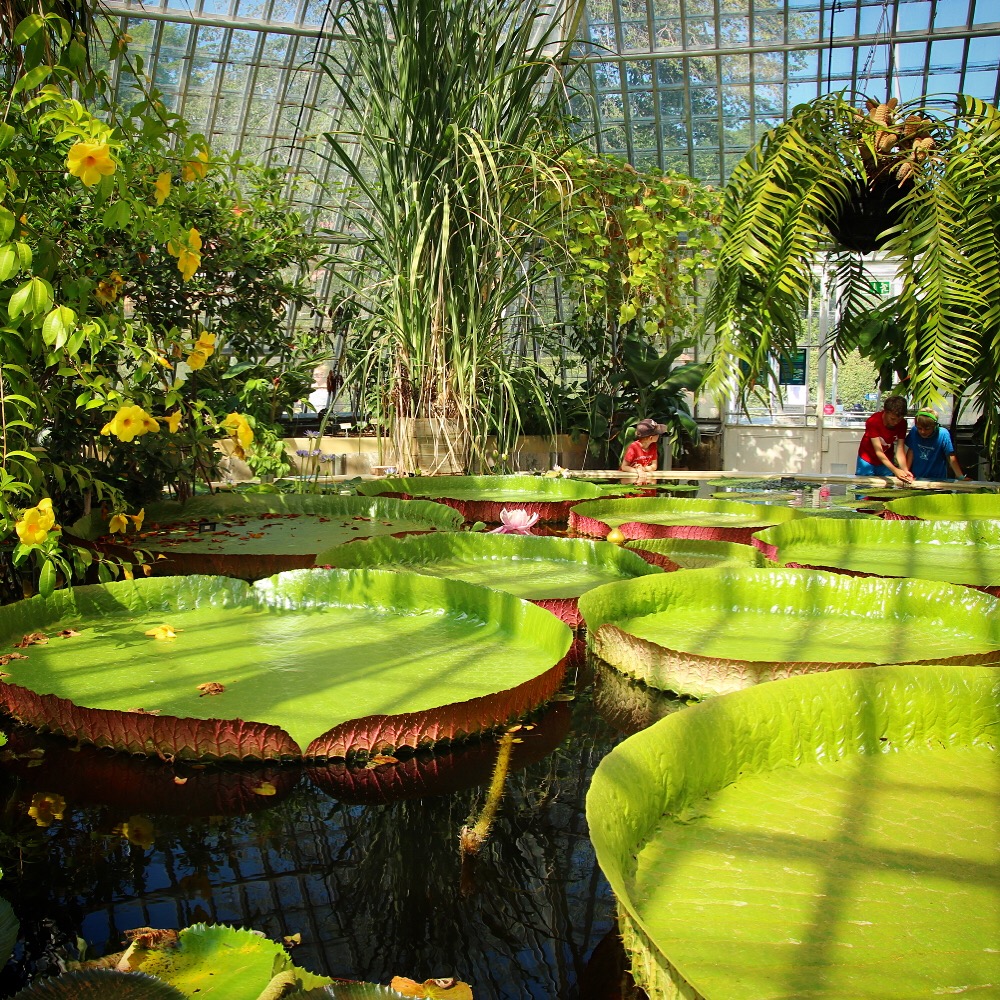
Many things have been said about gardens. Among them, that they are an example of how humans have tried to control and manage our natural surroundings. A way to enjoy the beauty of plants, without having to engage with the chaos and unpredictability that comes with any “naturally” evolving ecosystems. In some ways, I think this is true. But at the same time, I also think that some gardens, and specifically botanic gardens, can have the opposite function.
Gardens are often the most diverse ecosystems in highly managed urban environments – the only place for many urban inhabitants to easily access nature. Here botanic gardens hold a special place, for they should be created and managed for education and research about plants. Tended to not only for what is aesthetically pleasing, as many other urban gardens and parks are, but also to enlighten. Botanic gardens are also public (even though some might charge an entrance fee), which makes them much more accessible than many gardens in our increasingly privatized urban landscape.
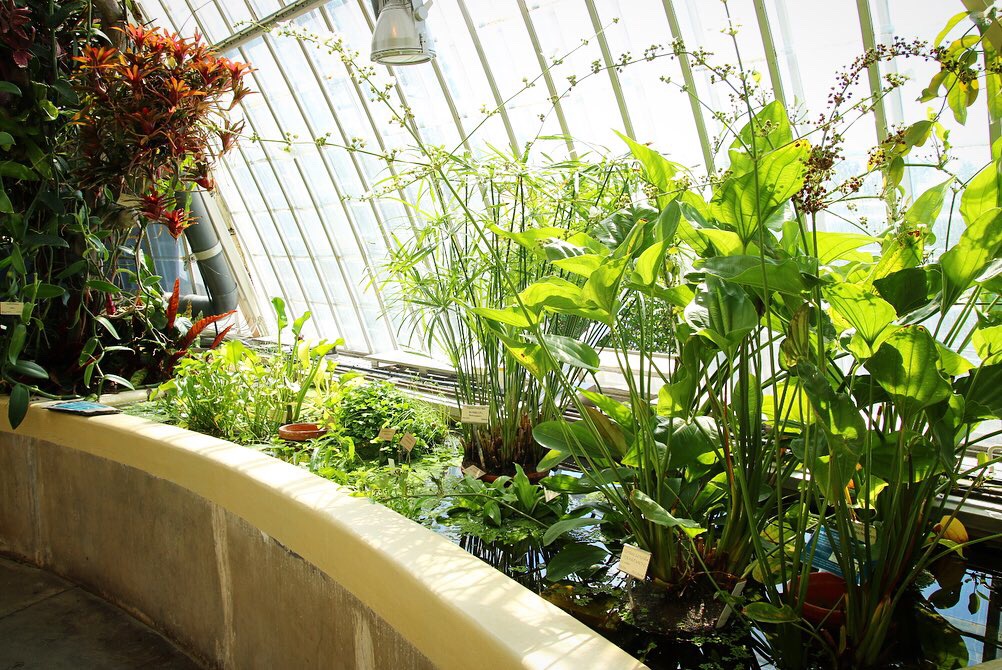
Not all botanic gardens I’ve visited through the years have been equally successful with this educational mission, but I have some favorites. The garden in Meise, outside of Brussels, is huge and amazingly diverse. Glasgow is accessible and friendly. Barcelona, this unique deep-dive into Mediterranean ecosystems. And, of course, Bergius in Stockholm. Their botanists and gardeners do an amazing job with seasonal displays, systematic gardens, recreated regional ecosystems and thematic tours, both outdoors and in their greenhouses.
Yes, there certainly is more to botanic gardens than pretty flowers. Even though: I enjoy the flowers too.
 Katja Malmborg