


Life, with the garden
Location: Gnesta, Sweden • • • Visit: Spring and summer 2018
It is easy, in a place like the Stockholm Resilience Centre, with so many brilliant people doing groundbreaking research, being exposed to all those papers and books, to lose your balance. Feel small and insignificant and out of place. After a spring and summer of PhD courses and conferences, I had started to doubt the contribution of my work – there were so many researchers around me doing so much great stuff already, what would I be able to add to it.
But while conducting interviews in Kristianstad in October 2017, just before going to Oaxaca, I was reminded. It is not all about headlines in Nature and Science, the shiny global analyses or charismatic case studies in exotic places. Doing locally grounded research in a Swedish governance context can be just as important – especially for those involved. Several of the people I interviewed expressed how interesting they are finding the participatory process that we have started and how important our perspective on sustainability is. It was like an energy boost, every time I interviewed someone.
I must remember that, when the doubt comes looming over me again. I am not doing this for the headlines. I am doing this because I want to understand how things work in my own backyard. I want to contribute to making Sweden more sustainable. And I am doing it for the people who think it is important – the stakeholders in my study area. That is enough.

I will forever associate the April, May and June of 2018 with writing my extended research proposal. About one year in, at the research school where I am enrolled, the PhD student is supposed to write a detailed plan, including a theoretical background and literature review, of the PhD thesis that they intend to complete. At a first glance, this might look quite straight-forward, and for some students it probably also is. Read a bunch of papers, come up with your research questions and the methods that can help answer them, and argue for why these answers are needed in the larger scheme of things. For me, though, it became a strangely existential process.
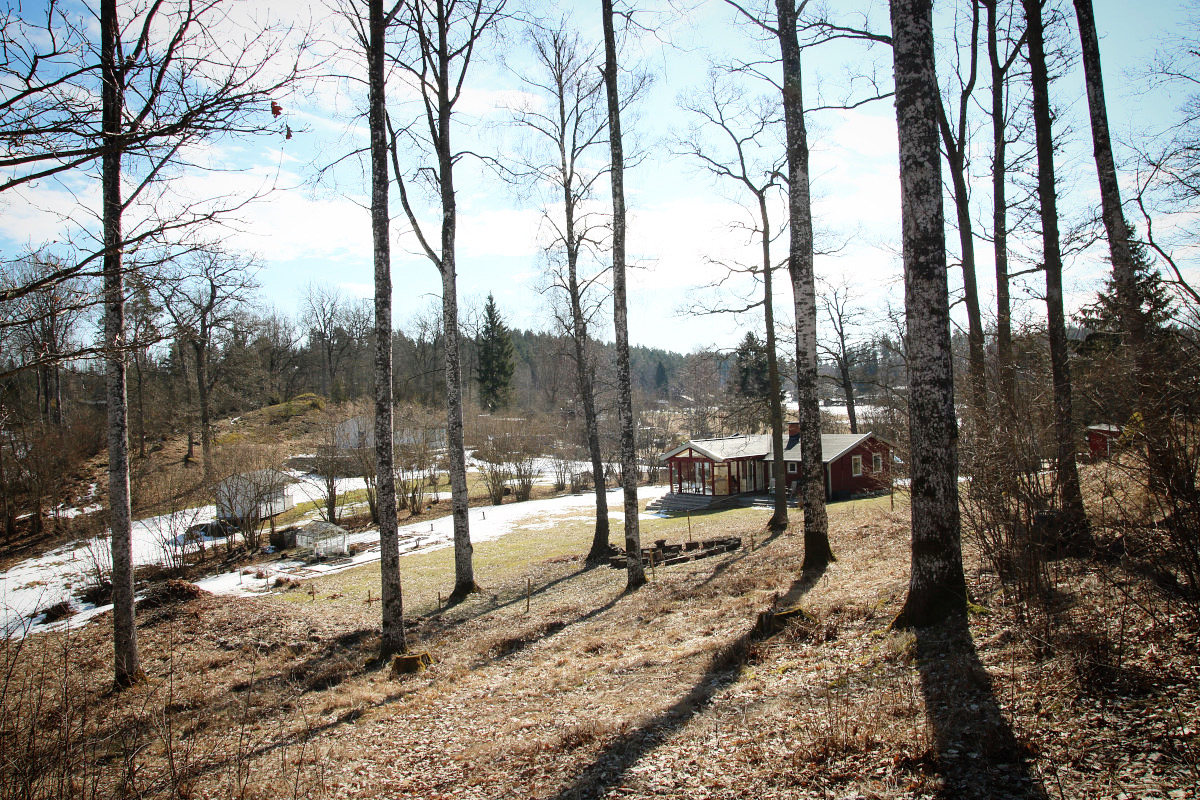
It started out innocently enough. Going out to dad’s cottage with two colleagues for a writing retreat, starting to flesh out what the four papers should contain and how they are connected. But this soon led me into thoughts about what I wanted the papers to give me, in a larger sense, the methods and topics and collaborations that I wanted to cultivate. What do I want to become when I grow up? And how (terrifying, daunting question) can I contribute to science, this noble human pursuit of knowledge?
Being so completely focused on one single thing puts me in a special place. I had no other responsibilities at work, all my teaching was done for the spring, there were very few meetings and seminars happening, and I had even taken a break from the reading groups I am part of. The only things I did was eat, sleep and write-think-breathe my extended research proposal.
Already during the second week of working on it, I would get into these states. I do not really know how to explain it, except for it being like a door opening. Thoughts would just appear, ideas, connections, elegant turns to my arguments. And not only related to my research. Once in that state, the ideas that came flooding could just as well be about short stories, video clips, art projects, events, baking, knitting patterns. I was not particularly focused. Instead, it was as if I was working on all fronts at once, and it was overwhelming and exhilarating. It will take me years to finish all the ideas I got, if I were to decide to realize them. Which I most likely will not.
But this prolonged state of flow was not only thrilling. At times, it made me feel unhinged, and even though I, in the moment, thought all my ideas were brilliant, there were moments when I could not shake this nagging feeling of having lost touch with reality and that, actually, these ideas were banal, too strange, or simply nonsense. The exhilaration also made my sleep unreliable, making every other night mostly sleepless, a haze of inspiration that I did not know what to do with. Eating often slipped my mind. And my behavior towards people around me became erratic – although, being inside it, it is hard for me to really tell. Long, cryptic text messages sent, winding, explorative monologues, mood swings. Very little listening on my part. A shot of undirected energy, unmanageable. I cannot have been easy to be around.
I presented two days before the summer solstice. It went well. Both discussant and supervisors had mainly nice things to say about it. So, the plausibility of my ideas was not only in my head. A day later, I drove up to Leksand and celebrated midsummer with about half of my former master programme classmates. Intense, exhausting, lovely.
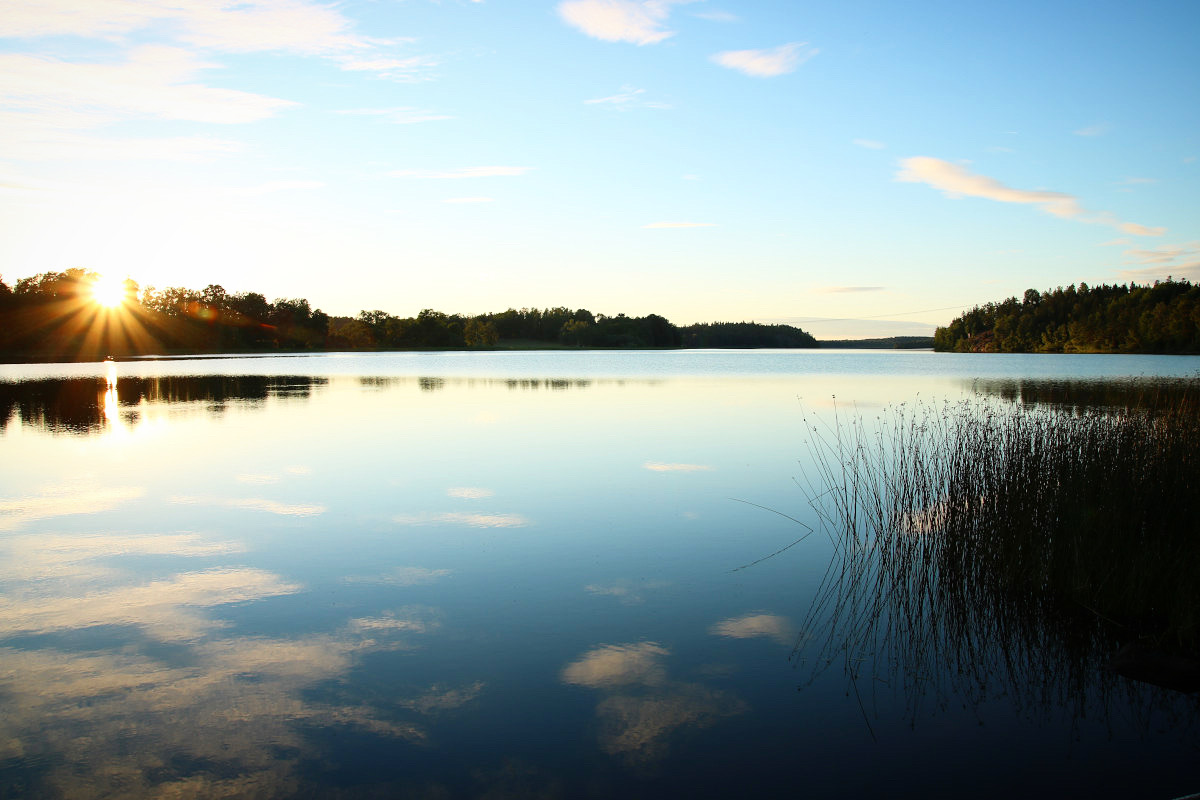
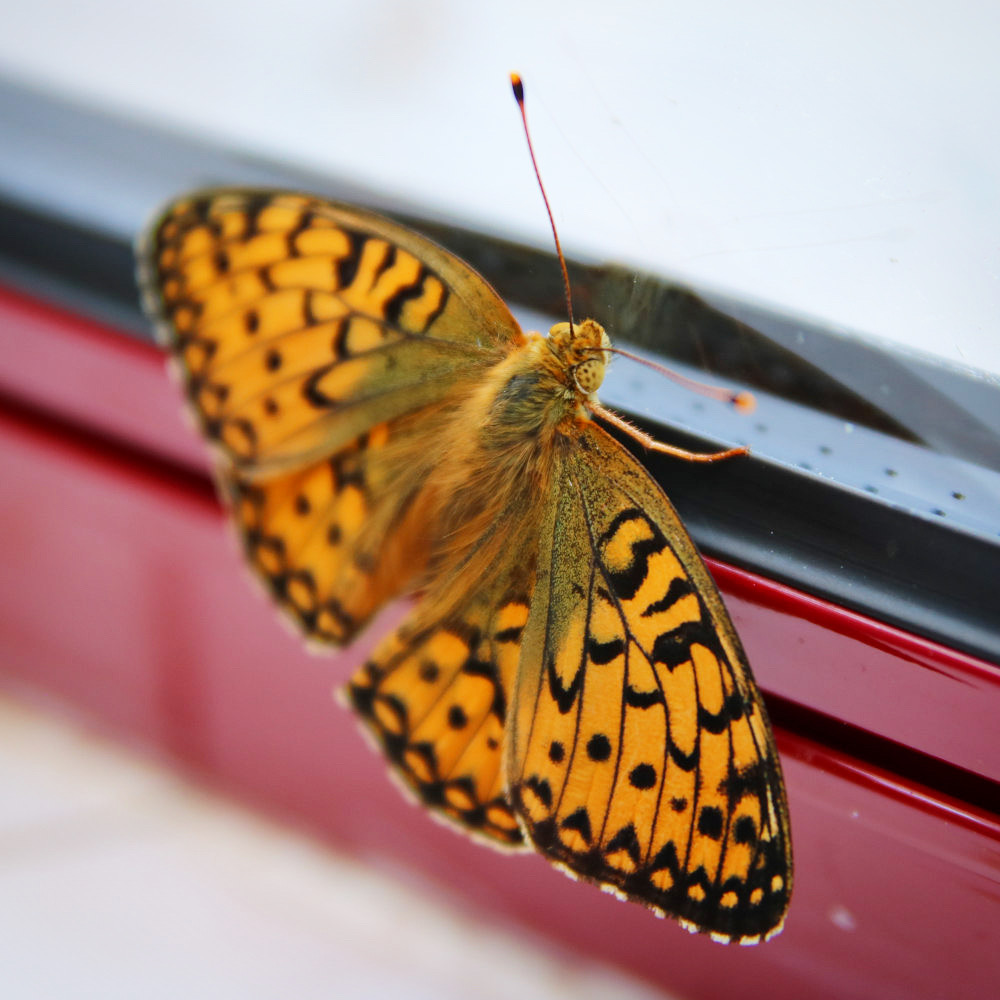
And after the weekend, I drove straight to dad’s cottage. Twelve days on my own in a small house by a lake. Catching up on emails, reading papers and book chapters on philosophy and history, taking a step back from the directly thesis relevant. Running or swimming at least an hour a day. Saving butterflies and bees from dying inside the glass verandah. Entire days of not speaking with anyone. Time to breathe.
After that, I felt ready to enter normal life again. I am still cleaning up some of the messes created during my writing process. The social side-effects. It was amazing, this feeling of being completely consumed with something, the days on end in a disorienting, pulsing flow. The openness. But I do not know how much of it I can survive and still be a functioning, healthy, tax-paying human being with stable and loving relationships. I am going to have to keep it in restricted doses, for things that really matter. I do not have the constitution to live in that kind of high for long, or often.

It has been an exceptionally hot summer, dry, an extreme high-pressure system stuck, looming over our parched Nordic soils. I found it tough. Working in July, walking through the oak groves around university, seeing trees start to drop their leaves. Hearing news about the largest forest fires in Swedish recorded history, crops failing, animals having to be sent to slaughter due to lack of fodder.
That smell of dry grass, parched soils. It is subtle, easily missed. Like a light tickle. Among the acacias and baobabs of northern Burkina Faso, that smell is lovely. In the early morning sun, like a poem.
In Stockholm, though, the same smell just makes me want to cry. It is wrong. It aches and itches in its subtlety.
Helplessness, thinking of the release party of a Swedish literary magazine that I attended in June, themed “Climate Rage”. Jonas Gren, a poet, journalist and friend, saying: “We need to explore what it means to live, act, feel, be in the age of humans.” But how do you do that without drowning, Jonas, how?
(Not with science. No. Figures and logic and theory-building, it will not make you float. Definitely not with science.)
When my holiday finally started, my way of dealing with angst: the yearly library run. That childish happiness of holding an unread book in my hand, the potential for magic, strange worlds unfolding. At least I can still feel that.
(… maybe there I can find a key.)

Some time ago, I listened to a podcast interview with the Swedish actress Eva Röse. When I was a kid, in the Swedish version of the Mickey Mouse Club, there was Alice, Johan and Eva. Every Friday evening, my parents made me TV dinner and let me watch these lively youths present loud American cartoons, and I loved it. Three of my childhood idols, in a sense, that have taken different paths in life since. Alice is now in the environmental party and the Swedish minister of culture. Johan is a rather famous comedian and TV presenter. And Eva, she became an actress.
In the interview, she was talking about her character in the play she was currently rehearsing for. She said:
“To make it brief, it’s a woman who must choose. She feels locked in and she has made choices in life that she just has to live with. Just like you can feel yourself, that you must carry the sorrow of the choices you have made. Even if it is an active choice, there is always a sorrow over what wasn’t chosen. The feeling that you aren’t really completely free and, like: “Yes but I do what I want and I follow where the day leads me, follow the wind, it’s Goa here and Ibiza there, and I’m just awesome”. Yes, but every time you sit down on the plane to a destination, you opt out of others. And that, in a way, at my age, in the middle of life, with all the choices I make – and everything I’ve opted out of. There is something painful and very beautiful in that, if you can accept it.”
And isn’t that true? I feel short of breath, sometimes, when I think about the impact of some of the choices that I have made in life. Cross-roads passed, sometimes very deliberately, others rushed through without realizing the significance until years later.
Of course, regret is easy to feel. But often, mourning paths not taken is not fair. Instead, honor the choices I have made. A touch of sorrow, maybe, yes, but then. Seeing how delicate the moment is that I am in right now. I could have been anywhere. The frail beauty in existing at all.


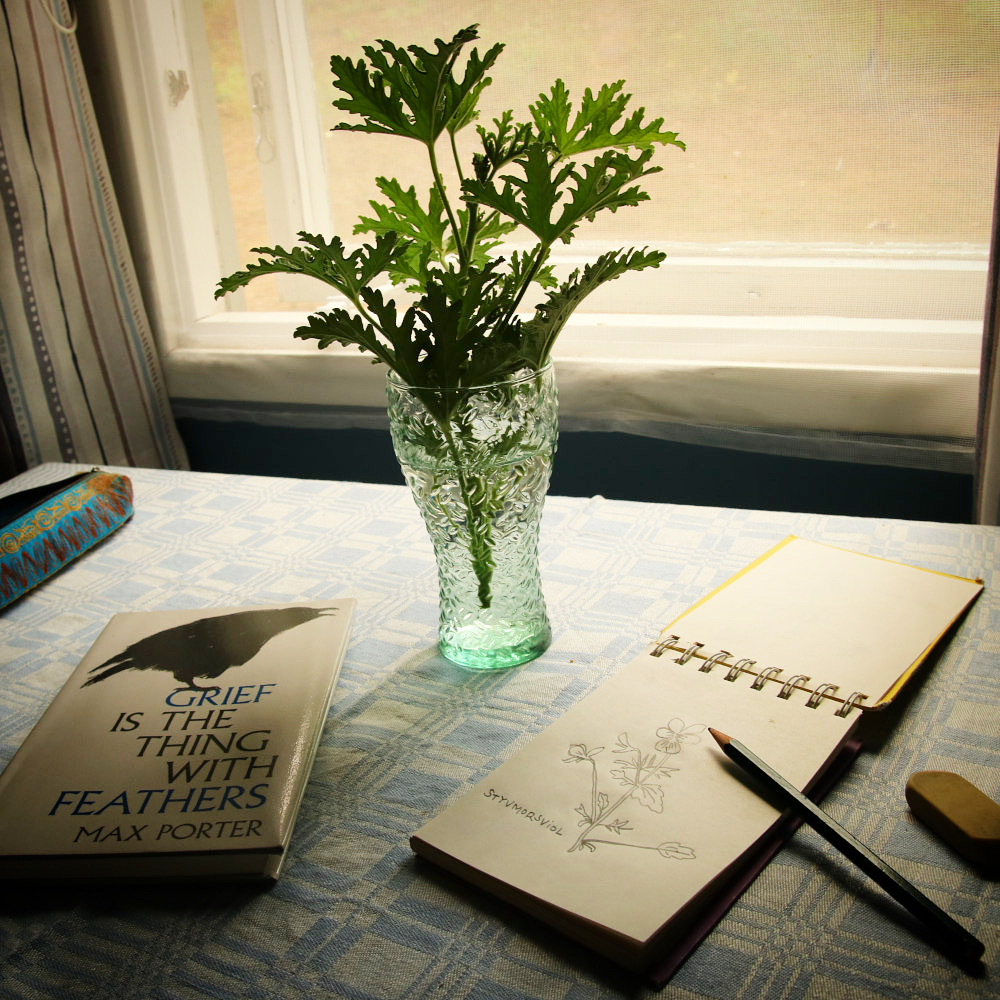
At the cottage. The smell of lingering dust, memories of mornings in the desert. No rain for six weeks.
Reading “Grief is the thing with feathers” by Max Porter. It is short, so simple – and carries the heaviest on its shoulders. Death, sudden, to be left behind. It is a feeling and the words bring it out, so carefully that it is barely noticeable. It is beautiful. And funny. In the difficult moments, the perspective of a crow might be just what is needed.
Thinking: The grief felt over yellow edges on birches in early August. I need a crow for that too.
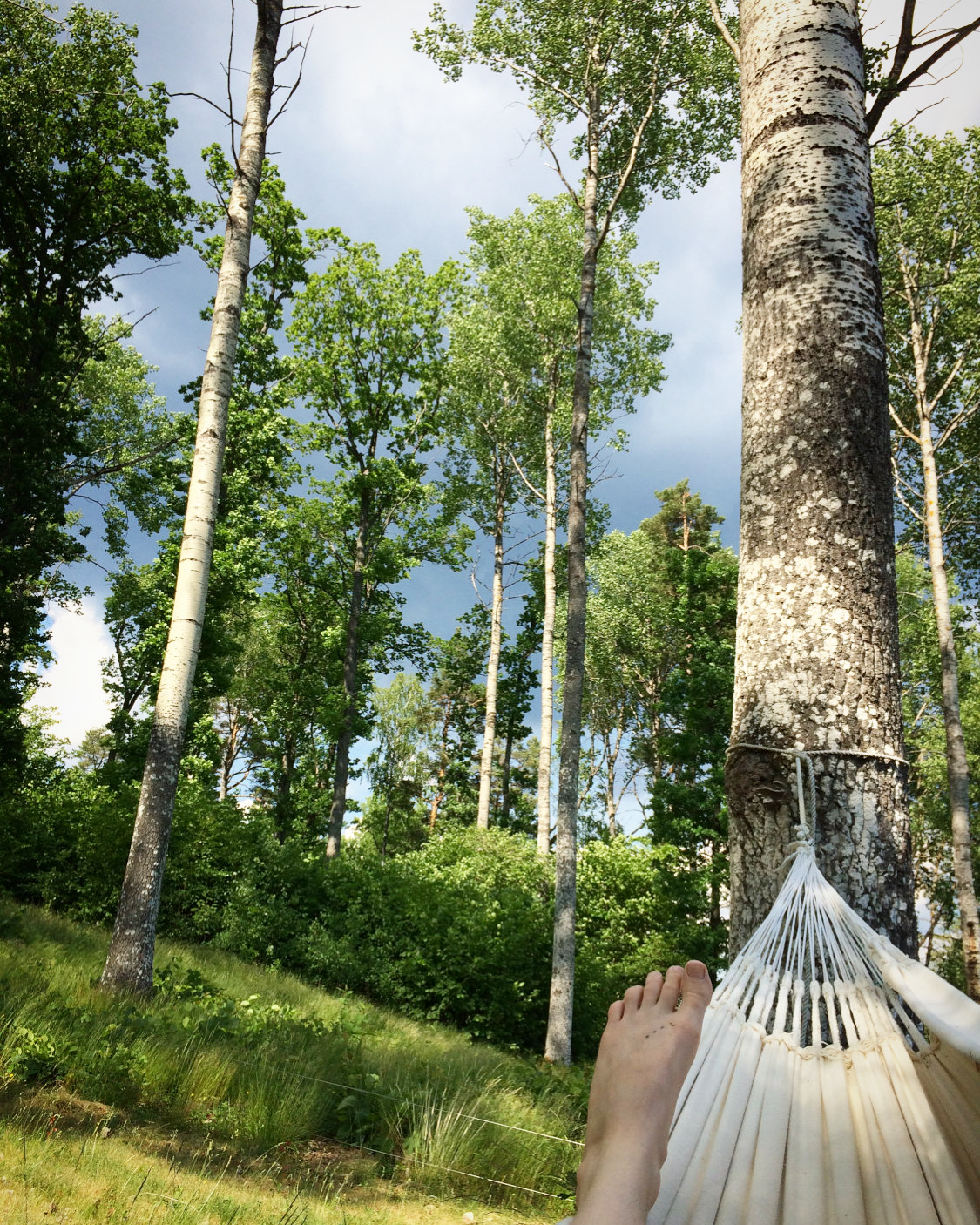
Later, sitting on grandma’s old bench, sketching flowers. (Maybe the start of something, the tingle from the promise in a new project.) The sky darkening behind the quivering aspen leaves, contrasting in shades of purple with the gray-green trunks. Wind, gathering speed in the crowns of the hill-top oaks.
A drop, a flash, rumbles in the distance, and the sky opens.
After, the stillness. Air heavy with earth, sweet. After-drops falling from leaf to leaf, like sighing. A rainbow behind the hazel hedge.
 Katja Malmborg