ALTER BOTANISCHER GARTEN DER UNIVERSITÄT GÖTTINGEN
• IN THE GARDEN •


• IN THE GREENHOUSES •



EXPERIMENTELLER BOTANISCHER GARTEN DER UNVERSITÄT GÖTTINGEN

Life, with the garden
Location: Göttingen, Germany • • • Visit: September 2017
Traveling by train in Europe:
All the changes, I have seen many stations, waited on many benches. In some ways, it is stressful. It takes a long time, it is a hassle to carry my bags around, trying to figure out where to go next when all information is in languages I don’t master, changing plans due to delays. Filling in the Interrail itinerary.
But in another way, it is a much more humane way of traveling. I see the landscape I am traveling through. The hills and fields, forests, mountains. As a geographer, I feel like I am being more respectful of the landscape. And with that, I don’t mean due to the smaller environmental impact (which, obviously, is another important aspect: a globetrotting environmental researcher being a little less of a hypocrite).
What I mean is that at least on a train, I am also forced to see parts of a country that I did not intend to see. It feels a little bit more democratic, however silly that sounds. Also seeing the parts that aren’t conventionally beautiful. Not only the azure-blue coast and breath-taking alpine mountain valleys of southern France, but also the flat agricultural landscapes of central Germany, the canals between grazing cows in the Netherlands, dusty industrial towns nested like supporting cogs around the shining metropolitan centers.
I feel like that recognition of the physical movement makes traveling easier to understand, and allows a sense of connectedness, an experienced line from downtown Stockholm to Nice and then all the way back again. It gives an awareness of how the landscapes are connected. Not existing in a vacuum, like when a plane drops you off in a faraway exotic place.
Places are not exotic. They are connected through earth, landscapes and sea. Train-traveling is a way to sense that.

I went to Göttingen to visit Esther, a former trainee at SRC who now is doing her PhD there. It is a beautiful little university town, full of lively students and old, beautiful buildings. The view from the top of the Jacobikirsche church tower beautiful, and the Holocaust memorial both serious and hypnotically appealing all at once.
And this is another thing about train-traveling. Taking the time to visit old friends. Seeing their new (or old) homes. Seeing a foreign place through the eyes of a local: the best way to travel. There are so many people all over Europe that were once important in my life, but now live far away and keeping a relationship alive through satellites and screens just isn’t the same.
On this trip, that started in Copenhagen and ended in Göttingen, I managed to stay with six friends. Out of sixteen days traveling by train, I only spent four nights in hostels. If I had flown to Nice, I would never have had the pleasure to swim in turquoise Lake Zürich with Maija, have moule frites in a rainy Antwerp with Jessica and delight over the incredible botanic gardens of Göttingen with Esther. The journey can become an end in and of itself.

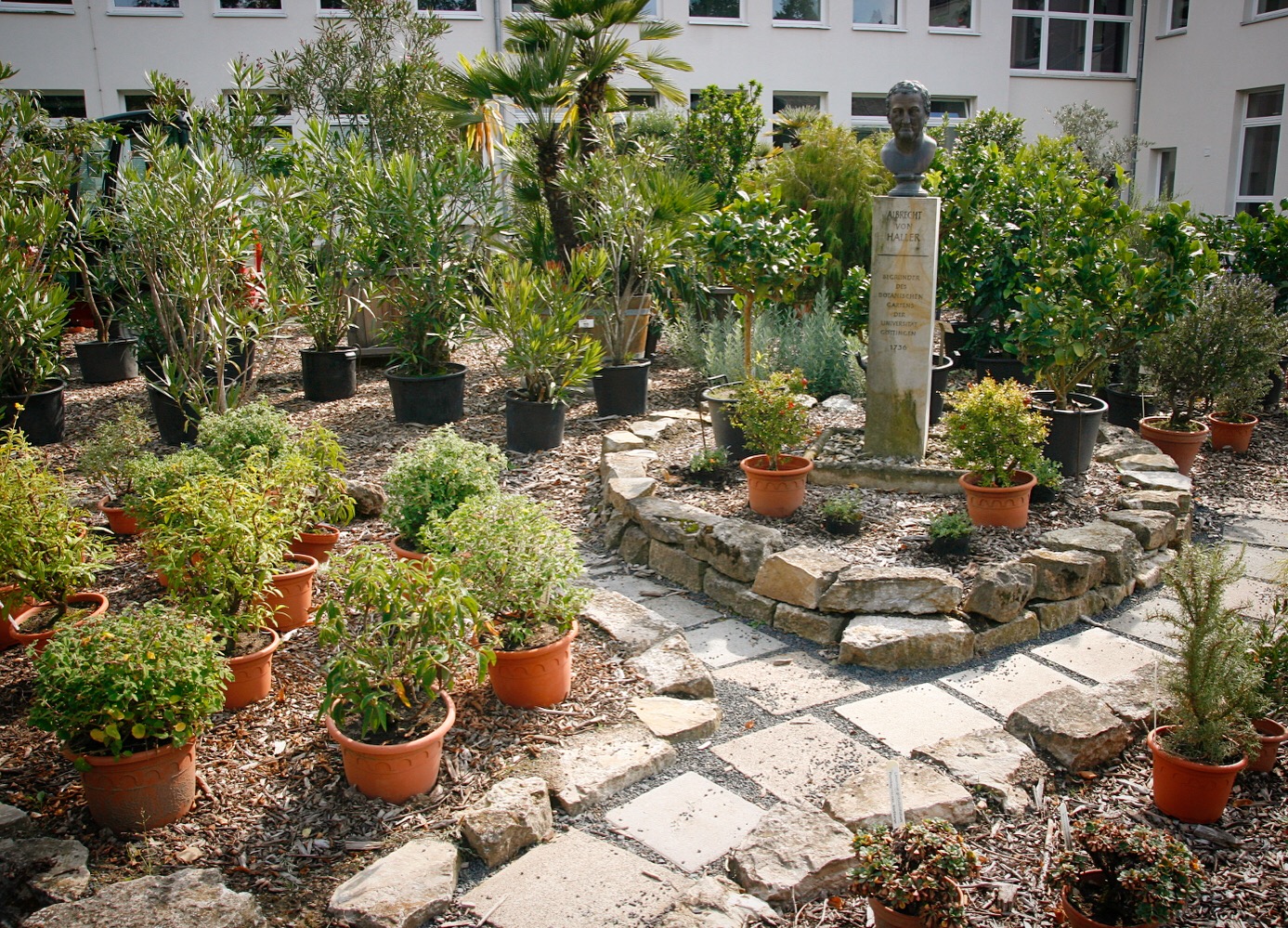
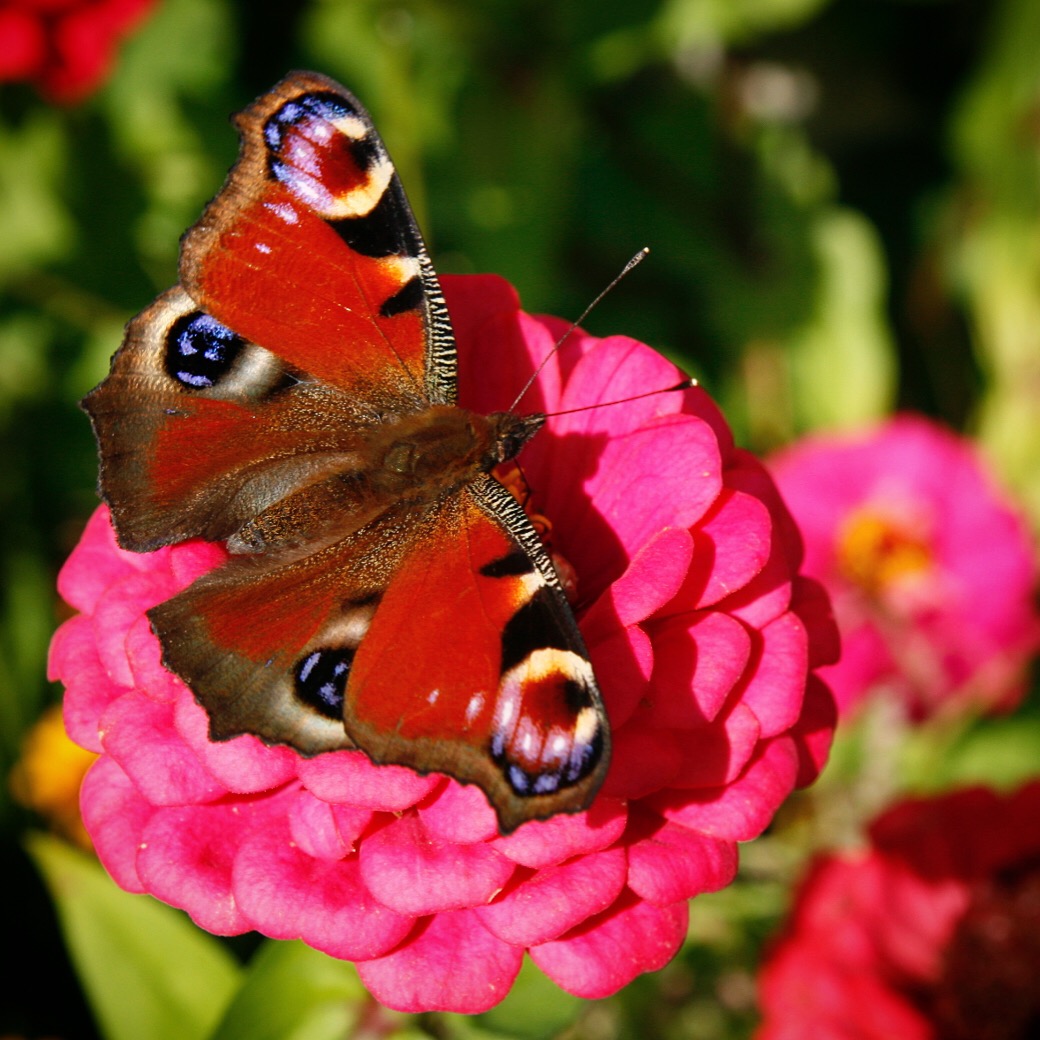
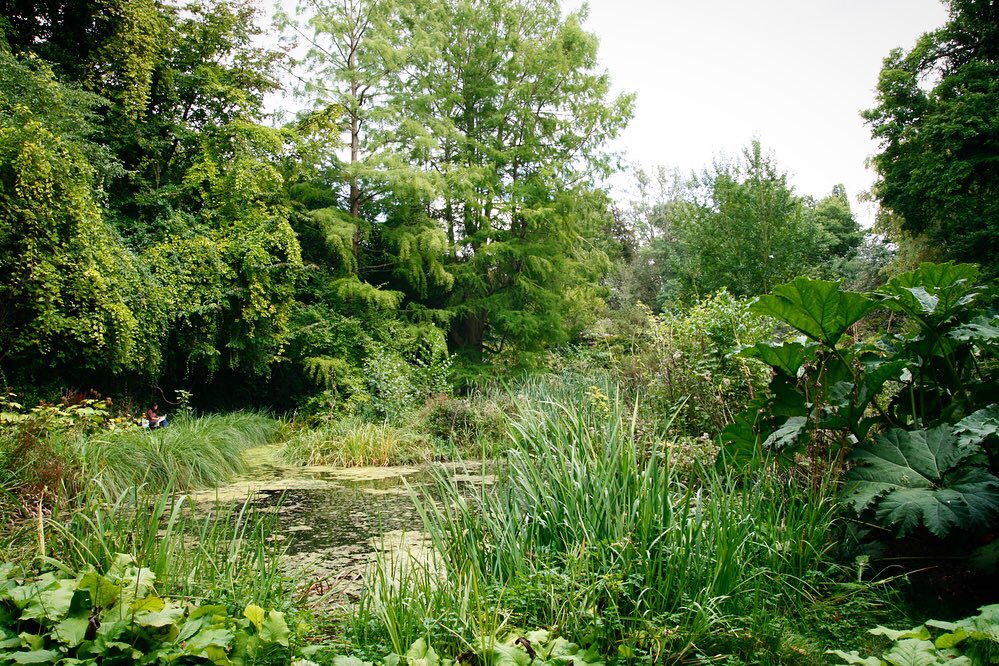
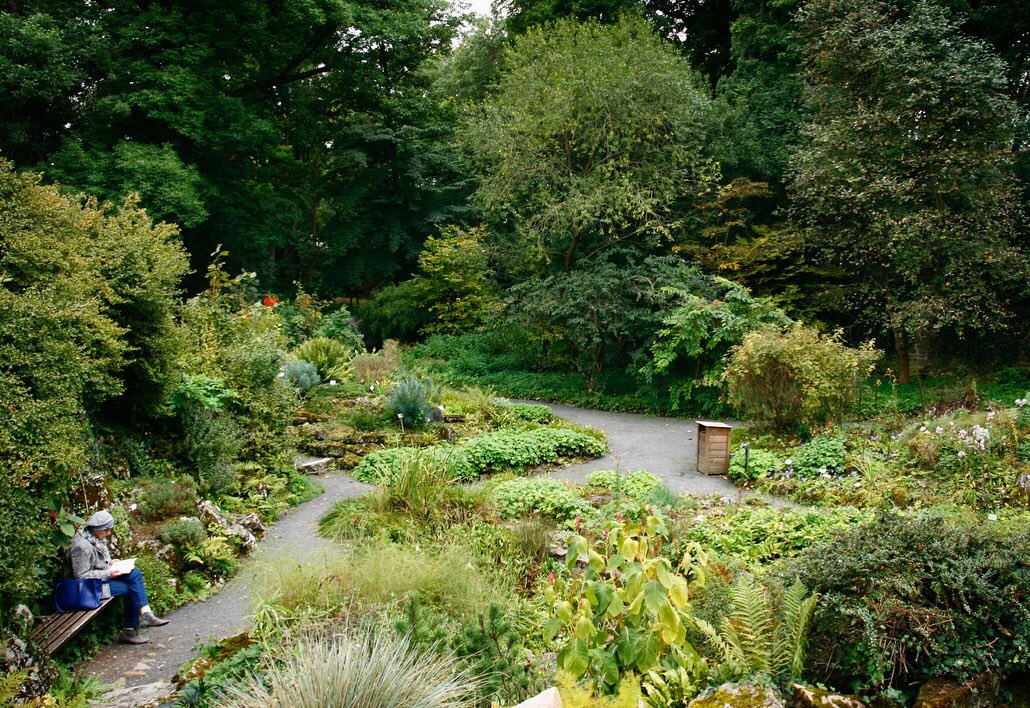
Göttingen, being an old university town with biology and agronomy as two of their strong disciplines, has three botanic gardens: the historic one in the city center and two others, situated outside the city, close to one of the university campuses. The old garden, situated on the edge of the old city center, is a slightly overgrown, wondrously romantic piece of lush greenery, with generous flowerbeds overflowing with butterflies, snug paths over small hills and around the small pond. It was first established in 1736, and lies on both sides of the old city walls, connected by a long, dark tunnel.
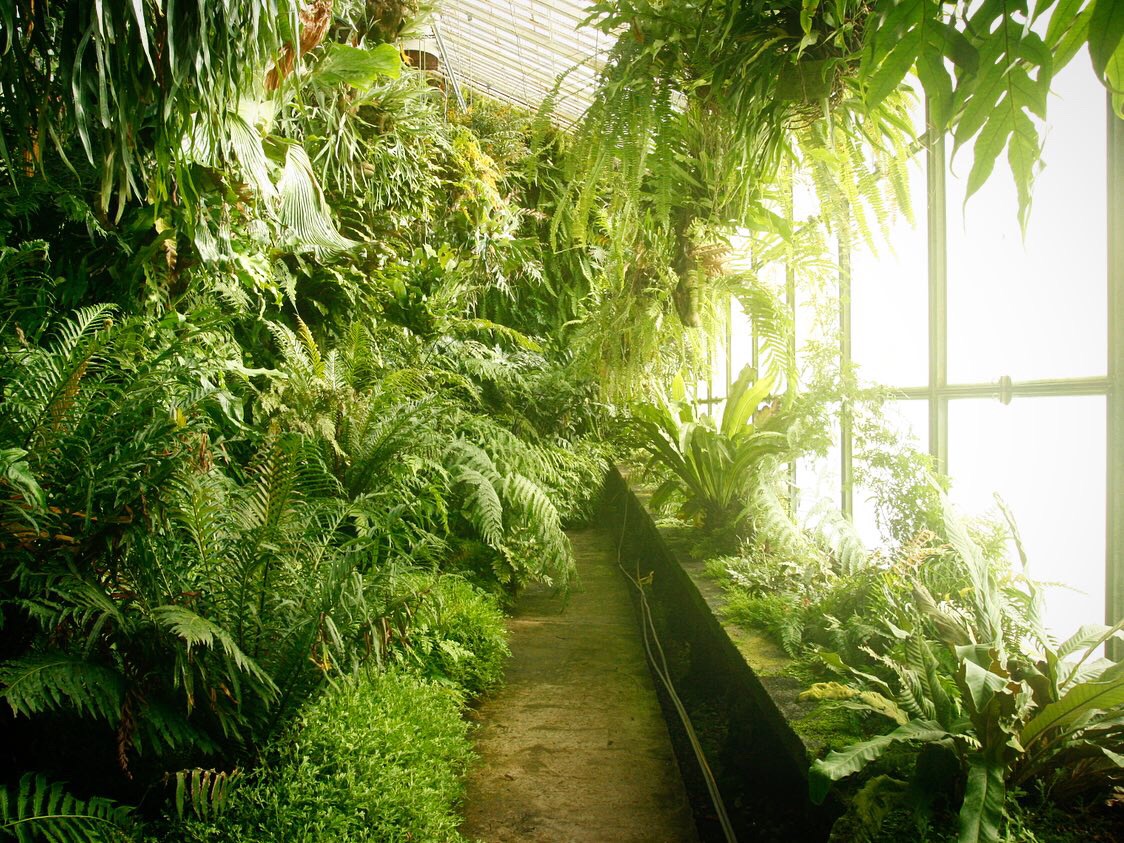
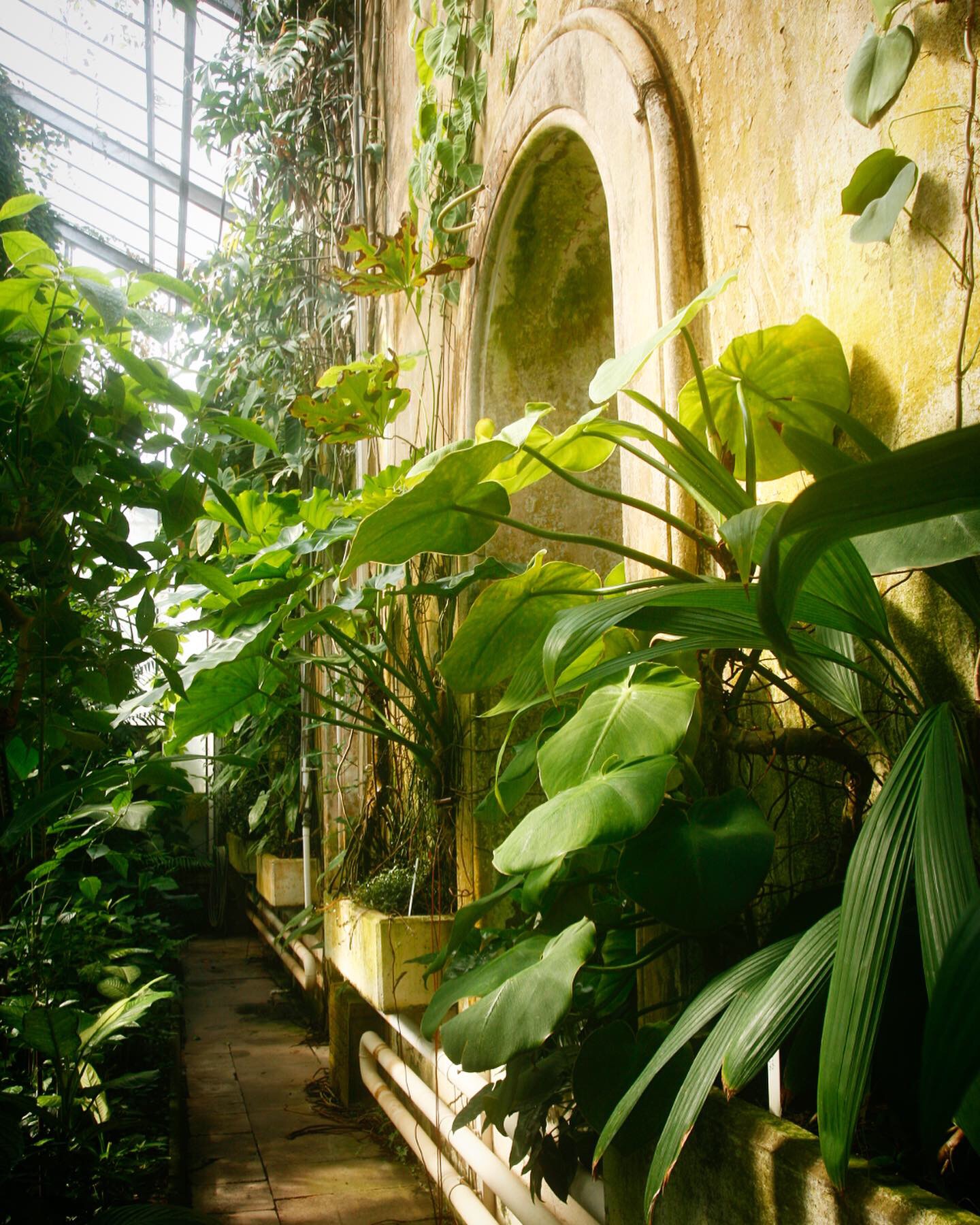
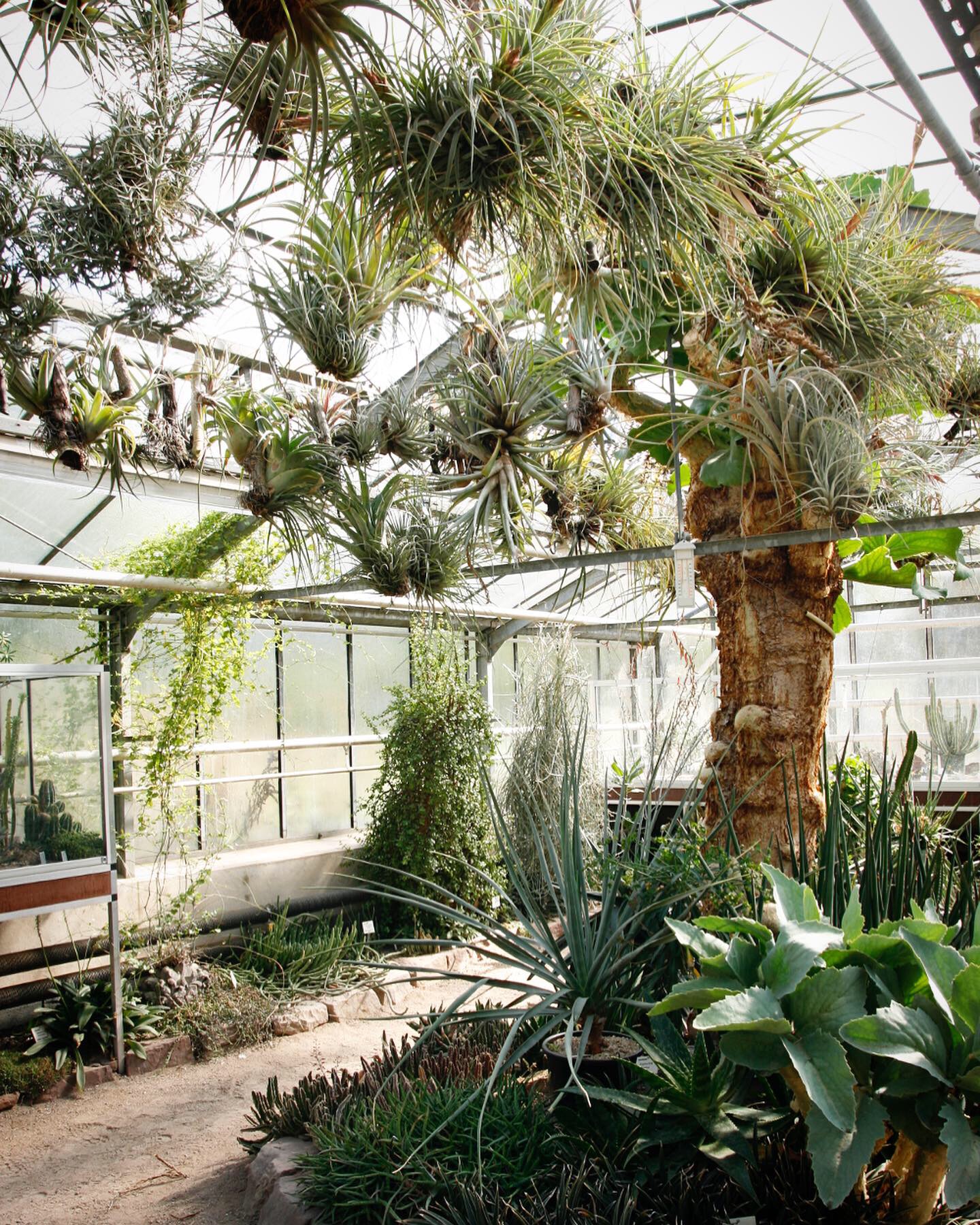
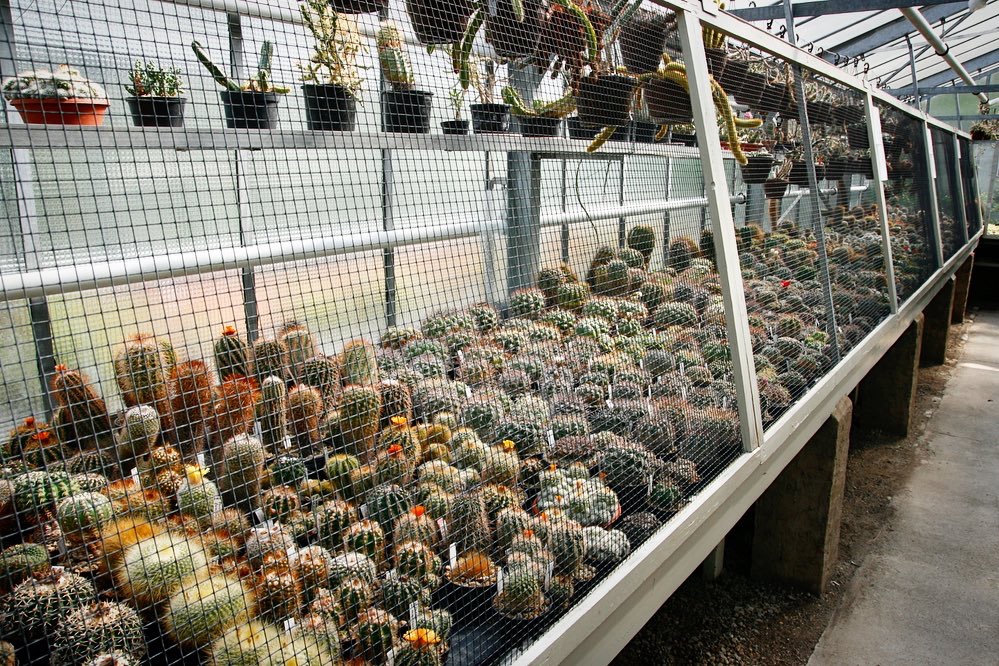
The greenhouses in the historic garden: Seriously. The greenhouses! Old and small, so intensely green it almost feels like they were planted and then left to rewild in their tiny universe of tropical rainforest in the middle of chilly autumn Germany. The first one I entered was completely dedicated to ferns – this beautiful, ancient group of plants that triggers imaginations of fairies and trolls and dinosaurs. There was also a more generic tropical greenhouse, and a dryland house with an incredible selection of cacti.
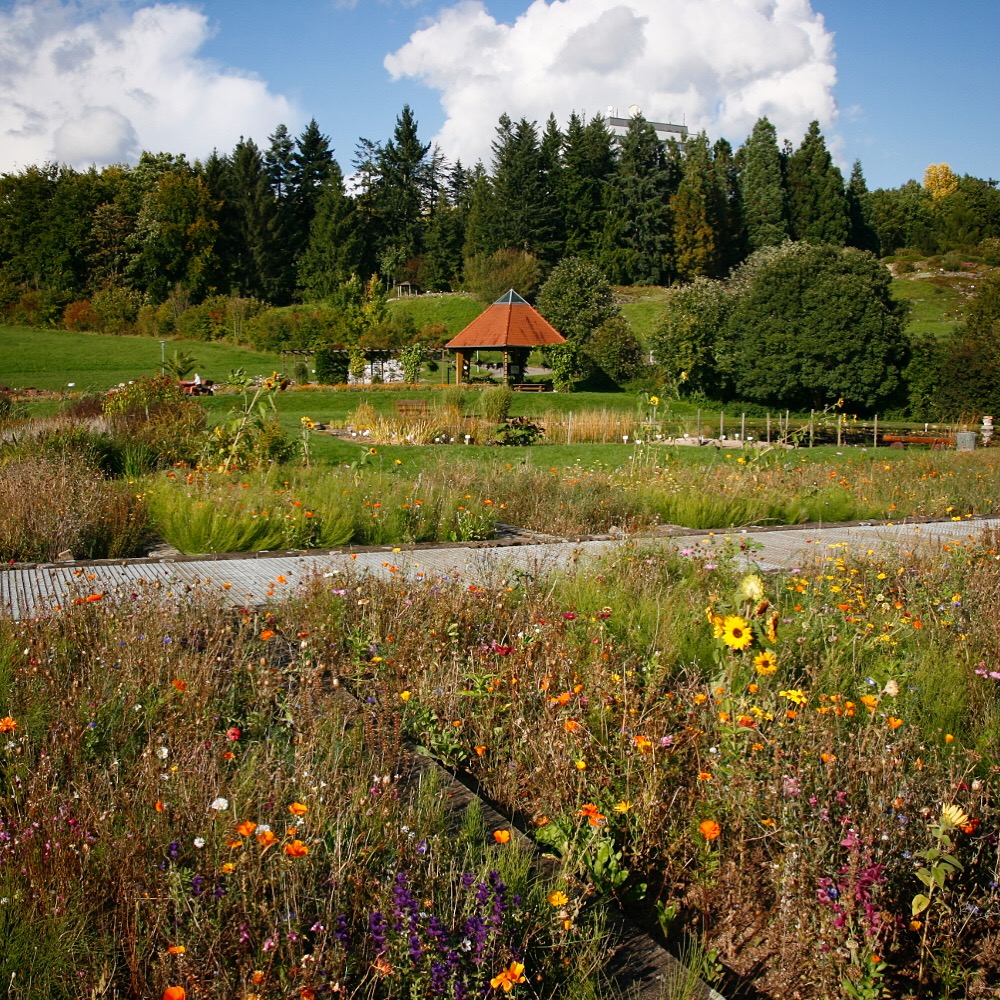
The experimental botanic garden of Göttingen university, on the other hand, is where the botany department does its current research experiments. It is obvious when walking around there that it has more of a scientific purpose than being aesthetically pleasing. Still, it is nice to stroll around in, larger than the historic garden in the city center, with flower beds, roses, some trees. They even had a geology section, showcasing different kinds of rocks and petrified trees.
When I visited in 2017, my friend Esther told me that the university doesn’t want to manage the old garden anymore, since no research to speak of is conducted there any longer – instead, it wants the city to take over management of it. Arguing that it’s a historic landmark. However, the city is reluctant to take over. This got me thinking. A botanic garden is also a place to educate people about botany and ecology. Especially one as beautiful as the old botanic garden in Göttingen holds the potential to both inspire and educate. Most cities fund museums, there to educate about history, art and technology. A botanic garden is an outdoor museum, and therefore part of a city’s mission to offer opportunities for learning. The old botanic garden in Göttingen was a truly beautiful place. All three were.

There is a feeling that comes to me on German trains. Maybe I would get it in other trains too, under the right conditions – but on this trip, and on the one I did in 2013, it was mainly on the German trains that the feeling came to me. Maybe there is something about the quiet efficiency of German trains. A feeling of safety – allowing thoughts to wander, jumping from cow to hill to sunrays on a cumulonimbus cloud outside the window. It allows me to put words to messy thoughts. That is another reason for why I like traveling by train. There is a space in the movement. A space for exploring, a space for after-thought.
 Katja Malmborg