



Life, with the garden
Location: Barcelona, Catalonia, Spain • • • Visit: October 2018
Due to train connections on my journey from Lyon to San Sebastian in October 2018, I had to stay the night in Barcelona. I decided to extend my trip and walk around in Barcelona for a day.
Visiting new cities can be a tiring exercise. Maybe has contributed to why I fell into the habit of visiting botanic gardens. Except for maybe Kew in London and Jadin des Plantes in Paris, my general experience is that botanic gardens are places in otherwise busy cities that allow for a moment of stillness, away from the crowds.
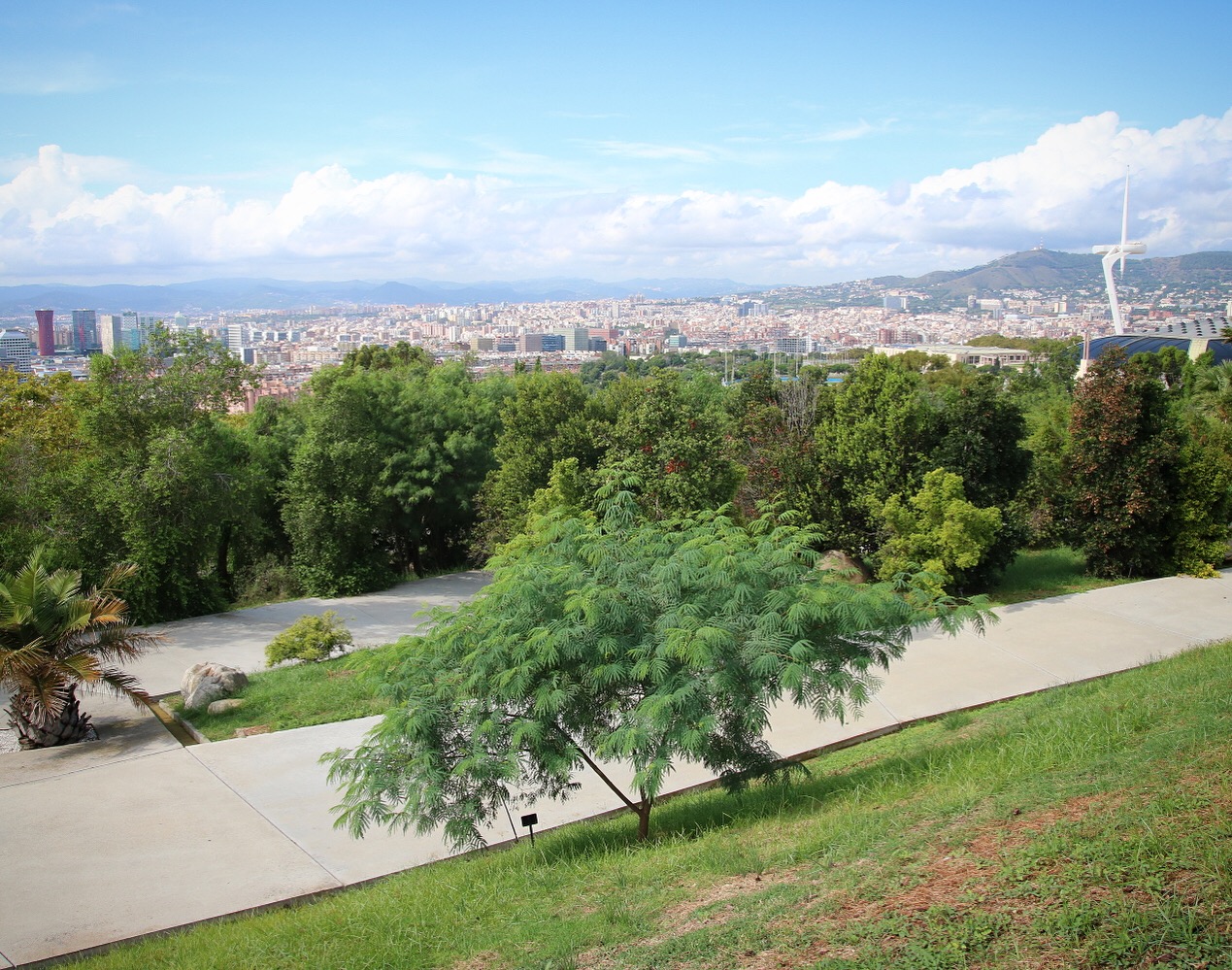
This was definitely the case in the Botanical Garden of Barcelona. The garden lies on the Montjuïc Hill, which is surrounded by the city on all sides. In the late 1800s, the woods on the hill, where people traditionally had been grazing animals, were partially cleared to open space for parks. Today, the hill is still very green, with several smaller gardens and also some sports stadiums and a couple of museums.
It wasn’t peak tourist season, but god, were there many people with cameras around their neck (or, their smartphones always at the ready). Being around so many people can be distracting, and definitely tiring. It was also a really humid day, which didn’t help. But as soon as I walked beyond the National Museum of Art (Montjuïc’s top attraction), the crowds completely dissipated and the air somehow became easier to breathe. The garden entrance lies a short walk from the art museum, and yet there were almost no other visitors there. I could explore all on my own, marvel at the plants and the interesting architecture – but also at the incredible view of Barcelona that can be enjoyed from the top of the garden. I don’t understand how more people hadn’t found their way there. Or maybe it was just an off day, who knows.
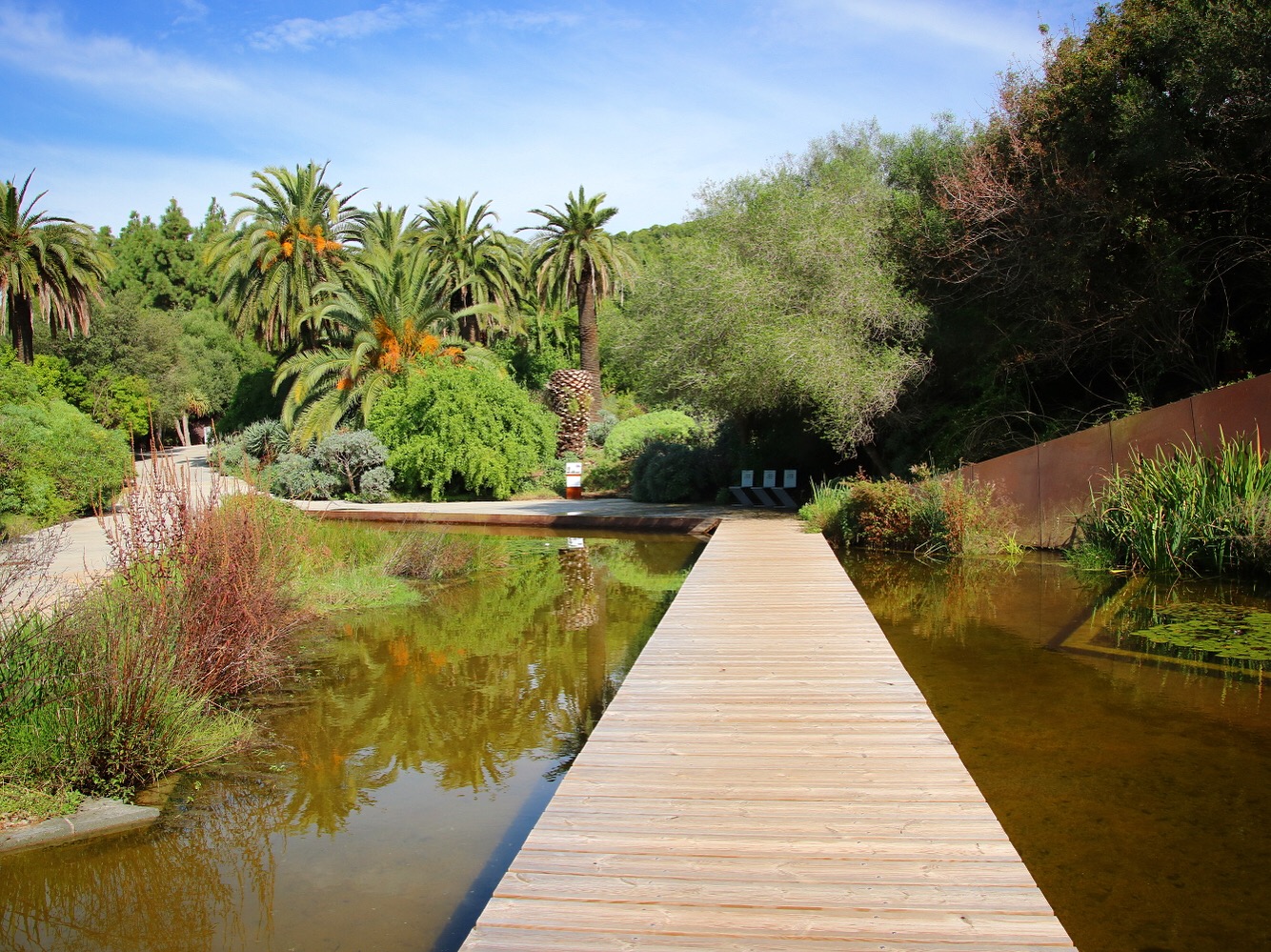
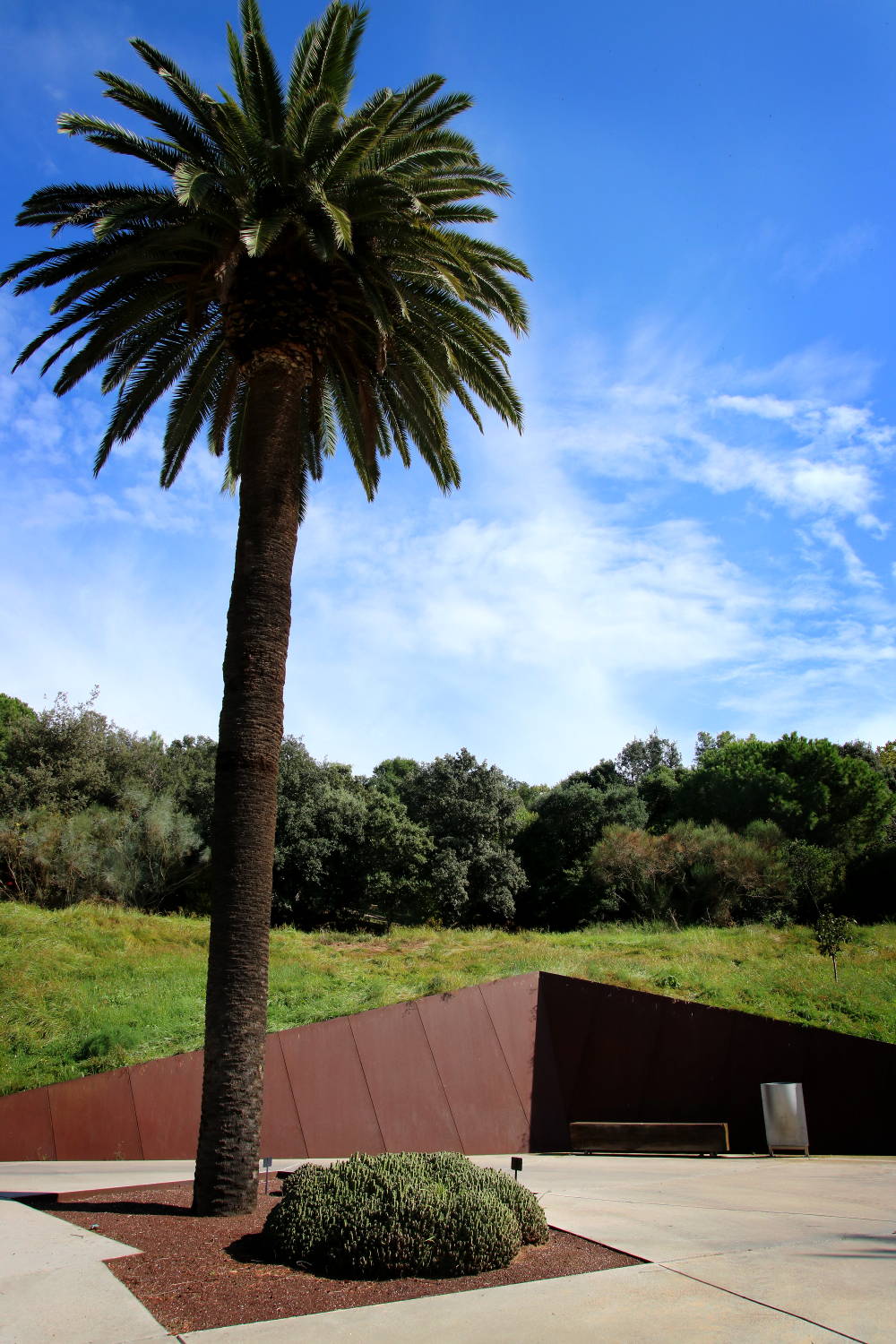
The botanic garden might be the most unique I’ve visited. Among the stadiums from the Summer Olympic Games of 1992, the botanic garden covers 14 hectares of hilly terrain. It was established in 1999 and is dedicated to cultivating and displaying plants and ecosystems from areas around the globe with a Mediterranean climate. The plant collection in itself is already impressive, and how they’ve succeeded in making the highly-managed botanic plantations look so self-evolved and untamed. But the physical design of the garden, the structures that create the vegetated terraces, the concrete paths that take the visitors on a world tour of Mediterranean ecosystems, basically, the architecture in itself is also something to behold. The sharp corners and hard surfaces of the concrete and rusted iron might not be for everyone – but I was mesmerized.
Here, they had taken the idea of garden architecture and landscaping, and run with it, making something completely their own. But maybe I shouldn’t be surprised, the garden being in Barcelona. A city full of interesting and provoking architecture.

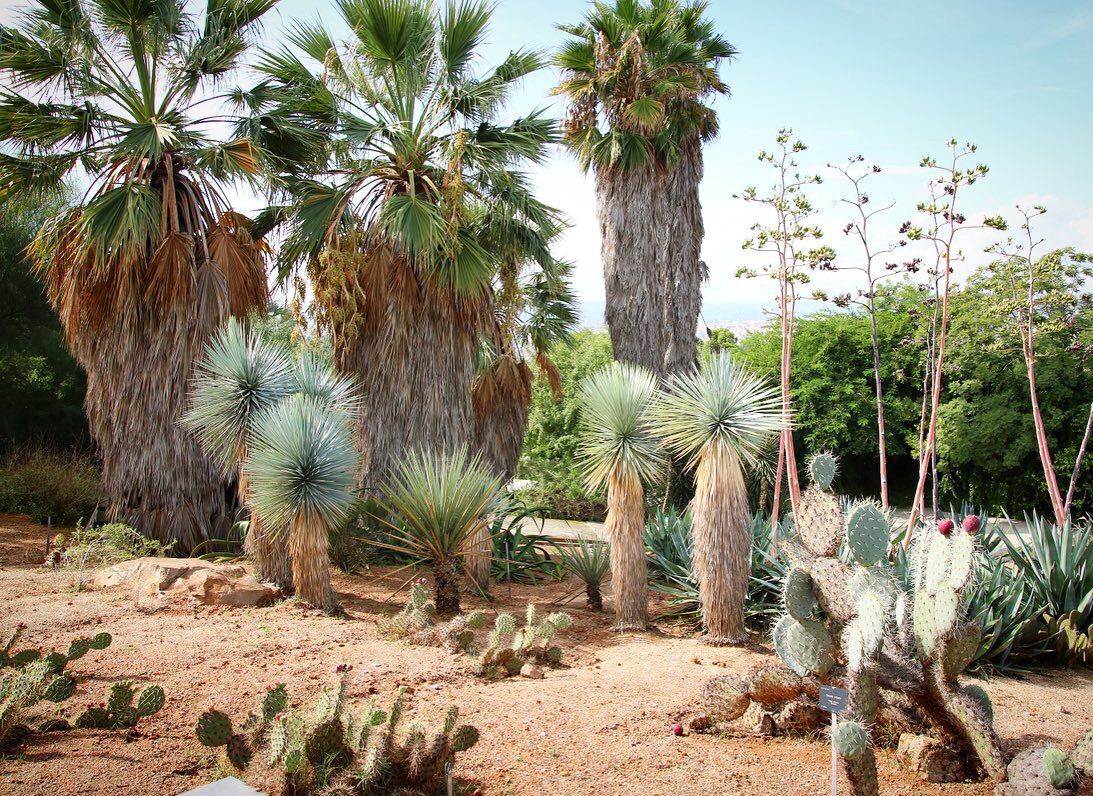
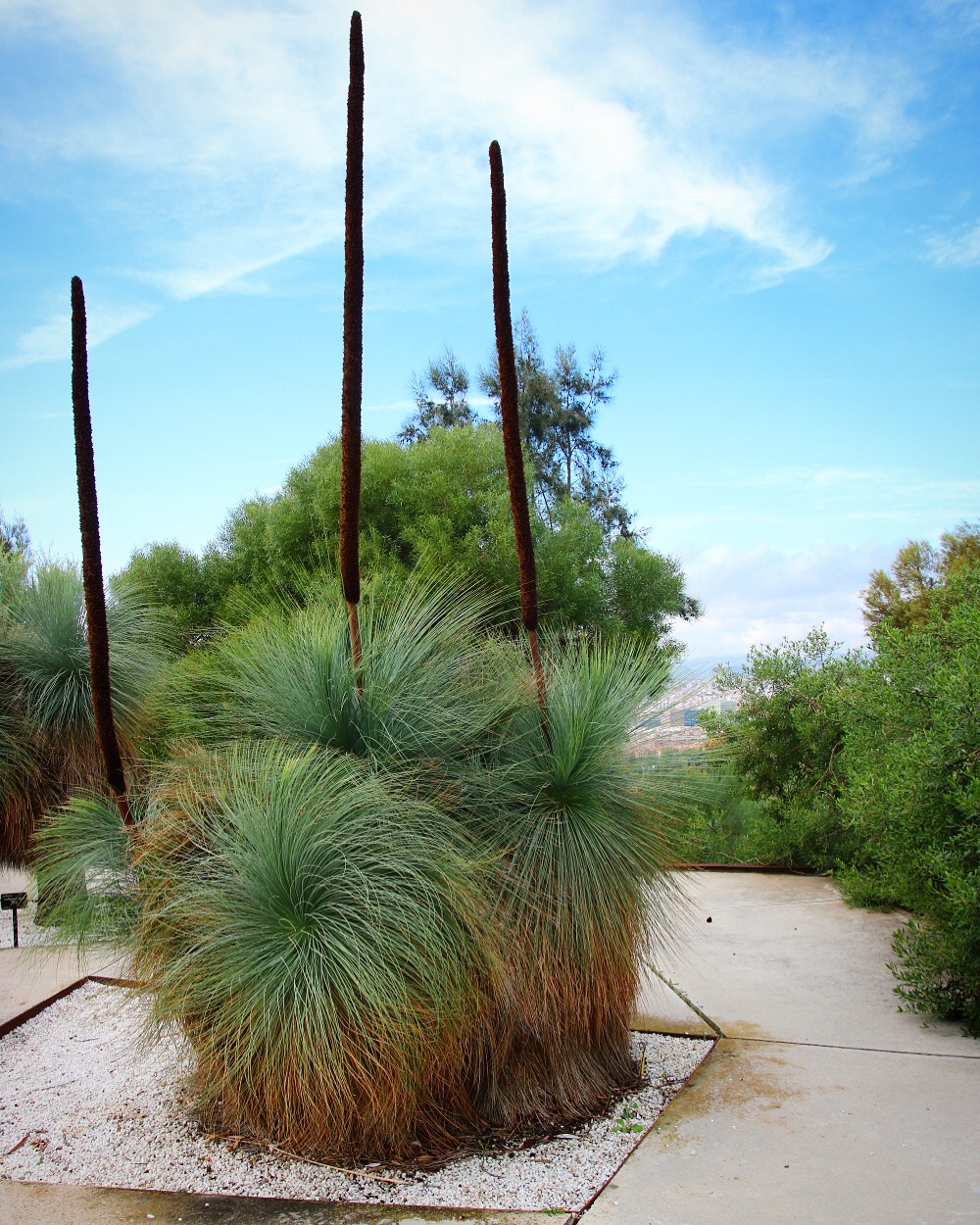
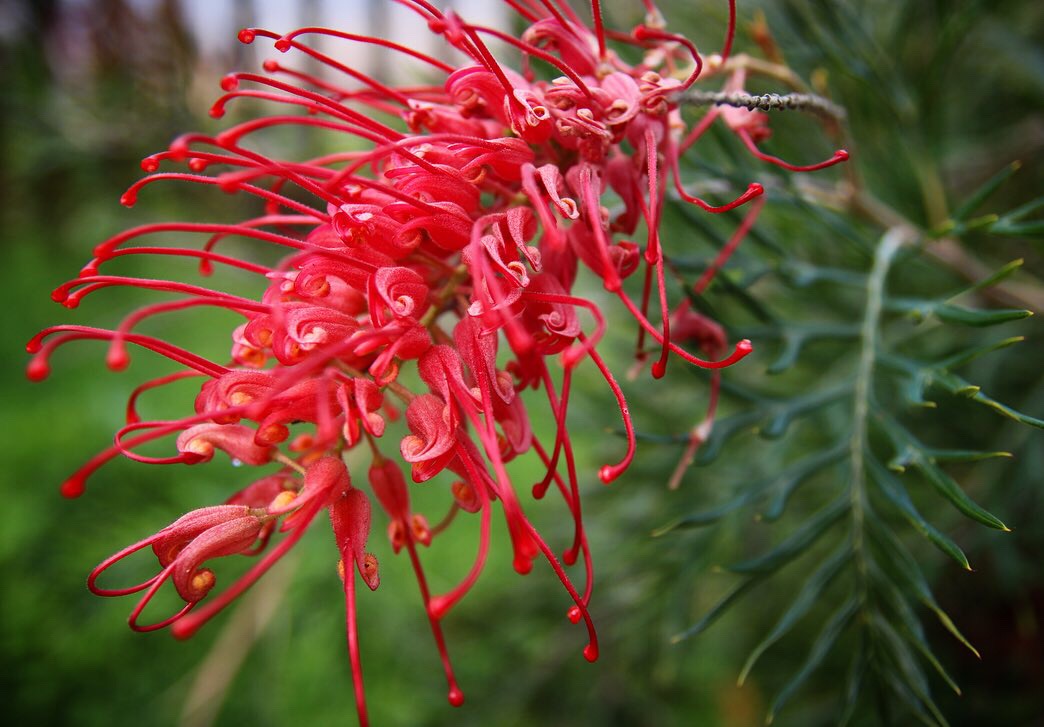
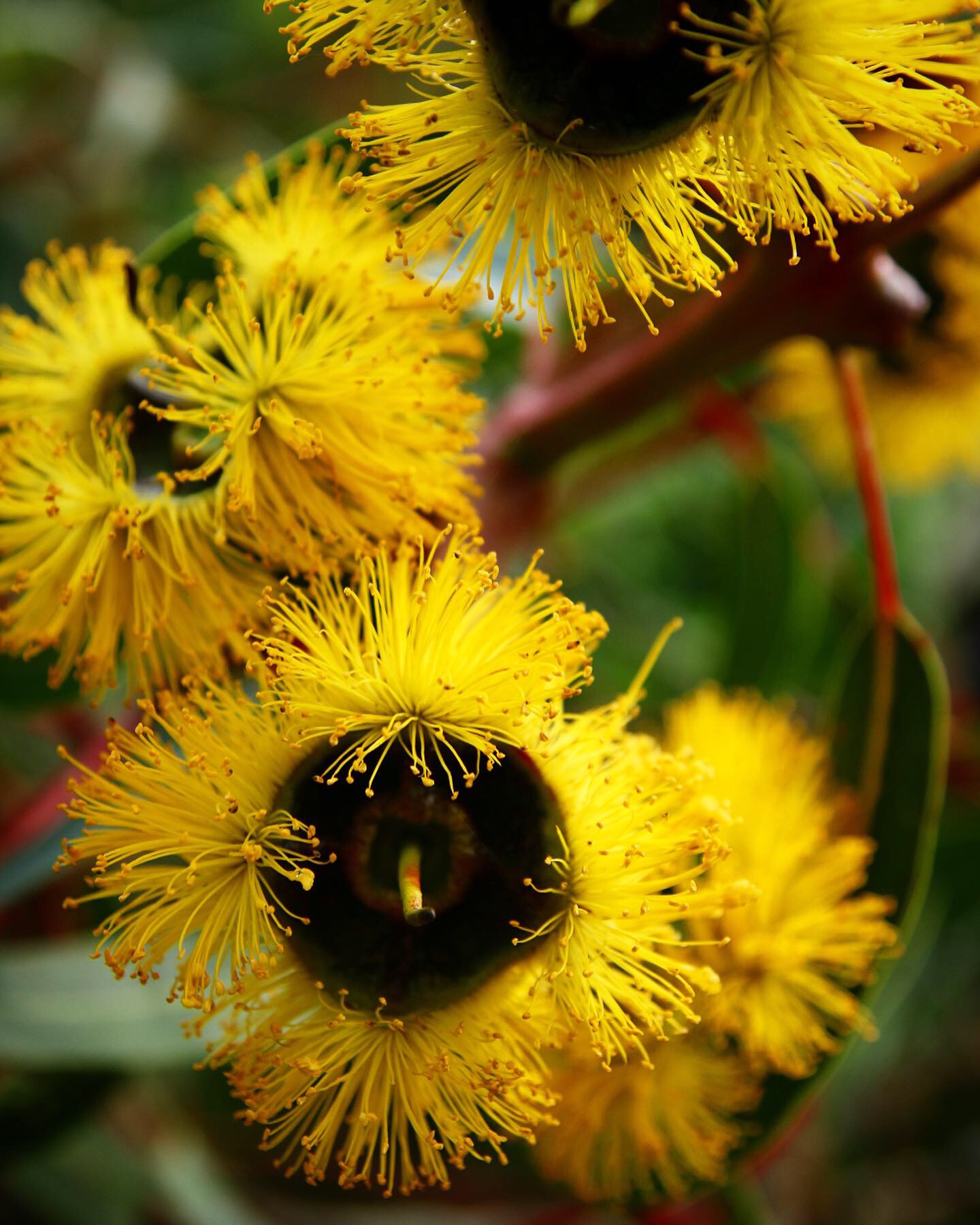
But also: To me, the garden is a place to get lost. Not in the sense that it’s extensive or has a confusing structure, but because it has been planted to replicate how these ecosystems might have looked, had they evolved with much less management and care than what is necessary to maintain a scientific collection of plants. It consists of plants from areas around the globe with a Mediterranean climate. They are planted in sections representing the western and eastern Mediterranean, the Canary Islands, Australia, Chile, California and South Africa.
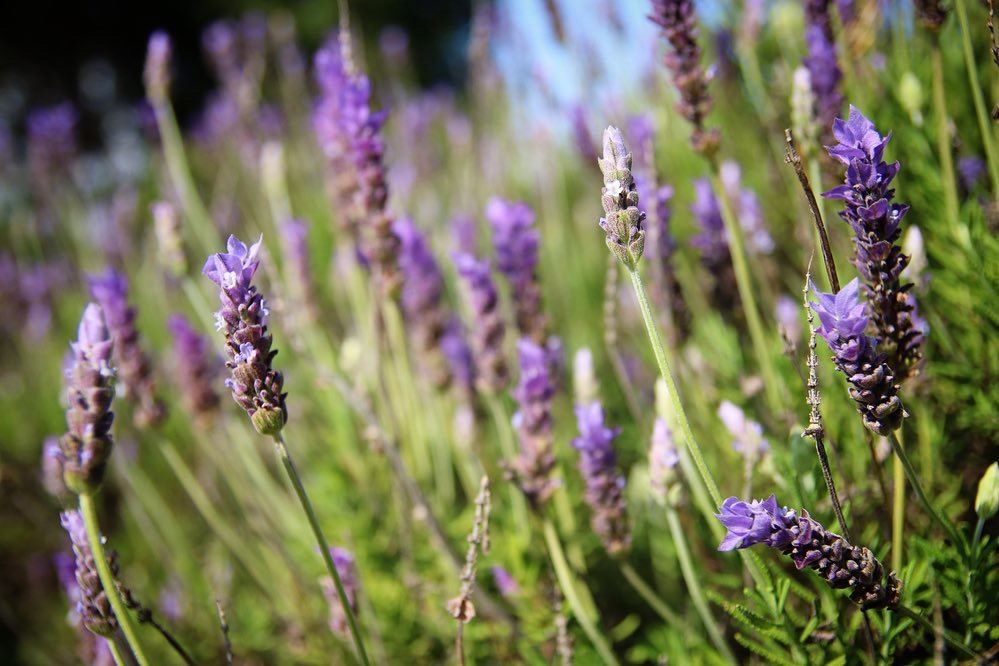
And it is easy to see that the plants have adopted to similar conditions: drought tolerant, seasonality, often rather fertile soils. Or, at least, plenty of space for a high diversity of plants to evolve over millennia. But also: There are so many different adaptations. And the way the garden is structured, around the winding paths that take you from section to section. You wander, come around a bend, and suddenly you’re in a completely different ecosystem.
This often untamed feel of the garden works, because they focus on plants adjusted to the same climate conditions. Even if a plant comes from the other side of the world, it feels at home in the conditions that Barcelona can provide. But at the same time, the plants look different because the areas in the world with Mediterranean climates are isolated, surrounded by sea, deserts, mountains or simply a rather dramatic shift to colder and rainier climates, meaning that plants have stayed put and evolved on their own within those terrestrial islands. The Cape flora in South Africa is the most extreme of these areas, full of endemic species.
This makes a display of plants from Mediterranean climates particularly interesting to wander through, and they’ve done a brilliant job with it in the Botanical Garden of Barcelona. A day spent there, getting lost among the somber greens, is both intriguing and soothing.
 Katja Malmborg