





Life, with the lake and the inselberg
Location: Sites close to Banfora, Burkina Faso • • • Visit: December 2014
As a nice ending to our Burkina Faso stay, Elli and I decided to take our last weekend in the country and be tourists. And as tourists in Burkina Faso, there is really only one place to go: south, to Banfora.
The bus ride from Ouaga to Bobo-Dioulasso was an adventure in itself: with curious fellow passenger behavior and the bus breaking down, forcing us to stand in the sun by the road for three hours until a replacement bus arrived. When we finally arrived in Bobo, there was no time for us to sight-see because the last bus to Banfora was just about to leave.
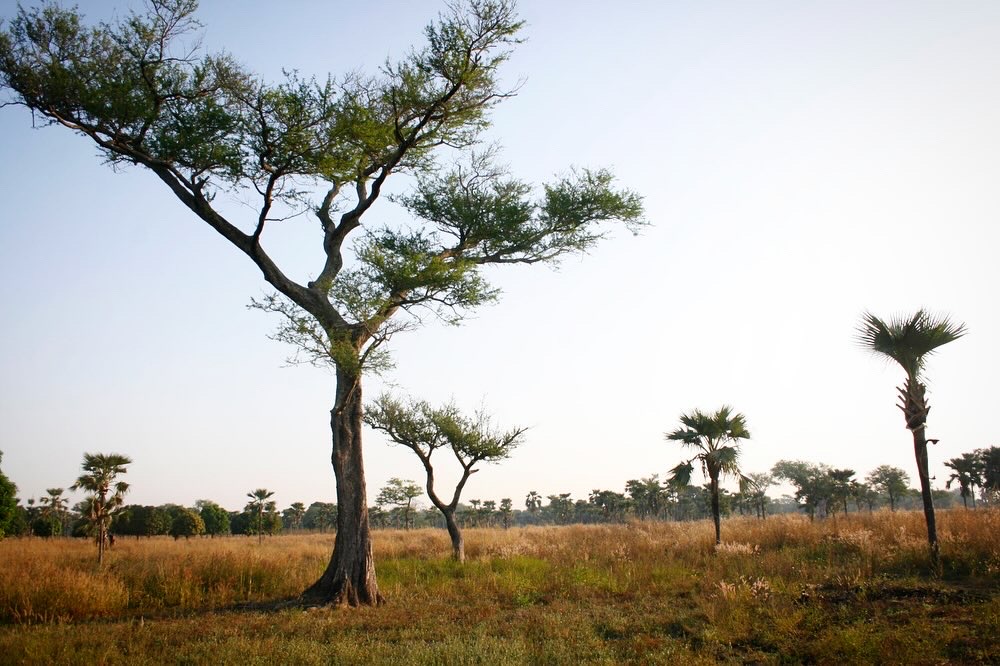
This last stretch of transportation, however, the ninety minutes from Bobo to Banfora, turned out to be beautiful. Elli and I, who had gotten used to the dry, flat landscape of northern Burkina, marveled at the greenness, and the hills and valleys that gave perspective to the landscape. There were mango trees everywhere, big, round, and beautiful, and patches of cotton fields being harvested, as well as huge expanses of sugar cane.
It was just about to get dark when we arrived at the hotel in Banfora. It was moldy and run down, as most hotels in provincial Burkina, but painted in a bright turquoise color and the bed was both comfortable and had a mosquito net. We went to sleep early.

The first day, we visited some interesting rock formations and swam by a waterfall.
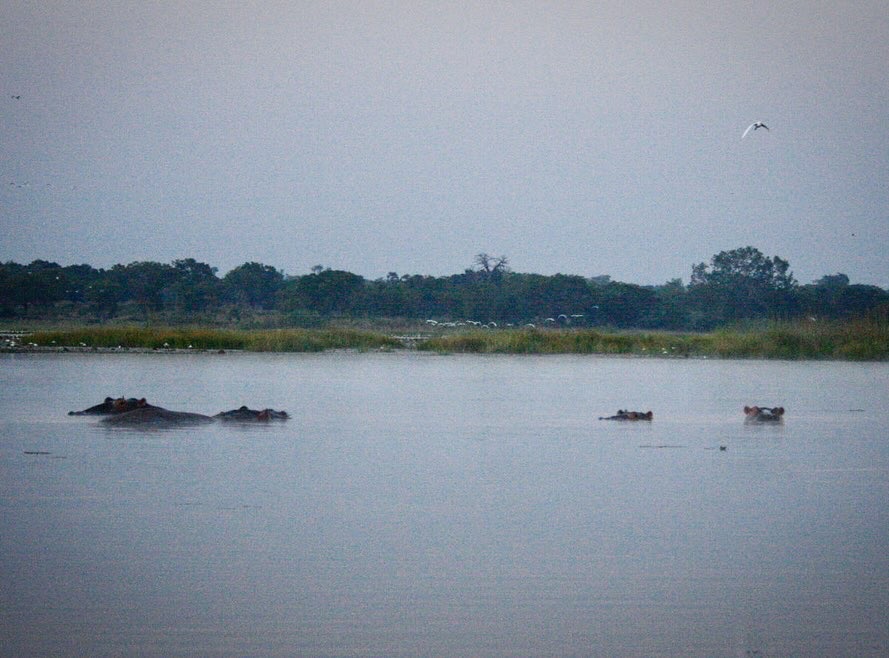
On the second day, we got up at five in the morning, way before the sun, and were driven to Lake Tengrela. It almost hurt, getting out of bed. Why was it necessary? Well, to wake up the hippopotamuses, of course.
The boat we went out in was a canoe-like, flat-bottomed and leaking wooden thing. A local fisherman sat in the back with a paddle. The flat bottom made it crucial that we all kept our balance, but it also meant that the boat barely left any waves on the water. The lake remained still as a mirror.
The full moon was descending. In the other direction, the sun was rising.
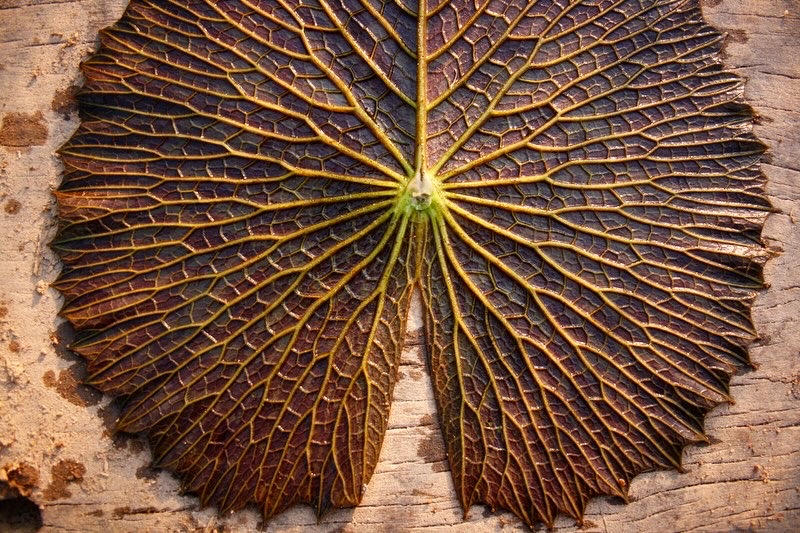
The lake, clear and quiet and covered in water lilies.
And then we came upon a family of six hippos, floating with eyes and nostrils barely above the water surface. There is a certain kind of magic, with wildlife as big as that. We sat in the boat, the world slowly waking up around us, watching the hippos watching us and it would be silly of me to try to explain.
The white birds flying, perfectly reflected in the water. The sun rising in pink and purple. Fishermen quietly gathering their nets. And the hippos, occasionally snorting just above the surface, and then smoothly disappearing under the water again.
Suffice to say: It was beautiful.

The last sight for us to see in Banfora, before it was time for us to go back north, were the Pics de Sindou. Huge rock formations, I might guess that it’s an inselberg with many hoodoos on it – but who am I to have an opinion, with only a semester and a half of physical geography and geomorphology included in my geography degree.
Either way, it was impressive, rising up like a huge fort in the otherwise flat landscape. And that was what it had been used as, a point of lookout and military protection.
It was a beautiful place. I can understand why the people of Sindou considered it holy. The view was amazing. Sitting on the top of a dome, just breathing. I could have stayed all day. But we had to leave. We had to be back in Ouagadougou by nightfall.
I was too exhausted, from fieldwork and the wasp attack, and the guide was a disappointment. But, excepting that, our trip down to Banfora was nice. Good, for broadening our perspective on the landscapes of Burkina Faso. Banfora was very different from anything we’d previously seen in the northern regions, and I think it was good for us to learn that Burkina Faso wasn’t just flat semi-desert. There’s also plenty of green, small waterfalls and rock formations.
But most of all, it was nice to travel with Elli and Helena. A good conclusion to my stay in Burkina Faso.
 Katja Malmborg