Day 3: Brough of Birsay

On the westernmost tip of Orkney lies the Brough of Birsay. It is a tidal island, cyclically connected to the Mainland by a sandy tongue of land during four hours at low tide. This means that it is a Orkney sight only accessible during about eight of every twenty-four hours. When we were there, lowtide was at about eight in the morning and eight in the evening – not very comfortable times for your ordinary tour bus kind of tourists. For me and dad, however, the evening low tide made for a perfect after dinner walk to admire the sunset.

1

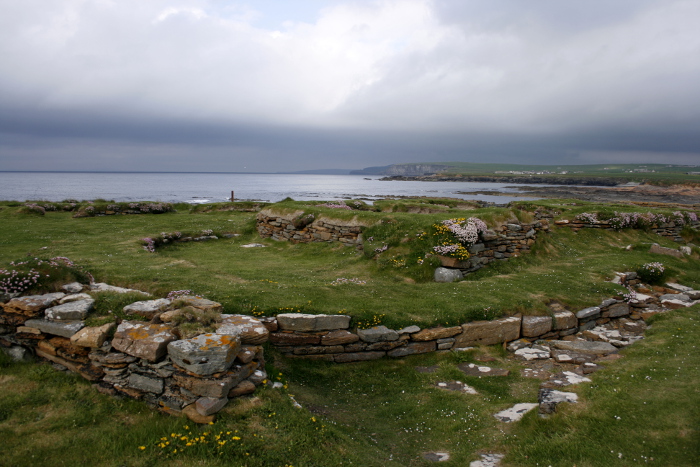
On the Brough of Birsay, the ruins of an old Viking village is the official attraction. And sure, it was cute, especially with the grass and the flowers growing over the old stones. But compared to Skara Brae, this was nothing.

2

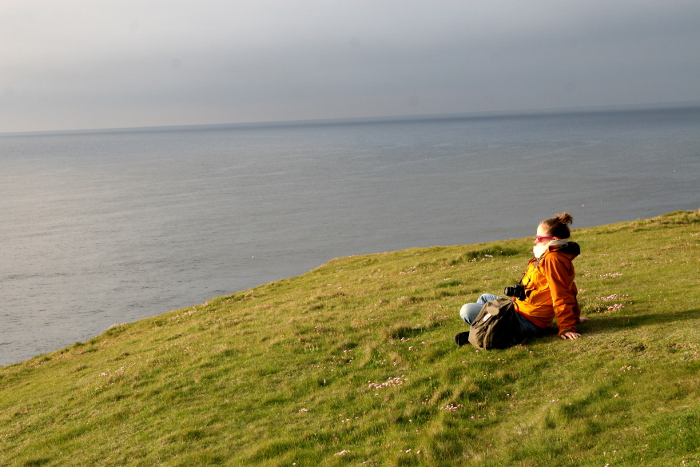
The real attraction, what almost made it the most amazing experience of our entire Orkney trip, was the view on the other side of the hill. (Picture taken by dad.)

3

The Atlantic, opening in front of us, the sun lying low over the horizon while the dark purple storm clouds gathered strength behind us over the Mainland. A moment of pure perfection.

4

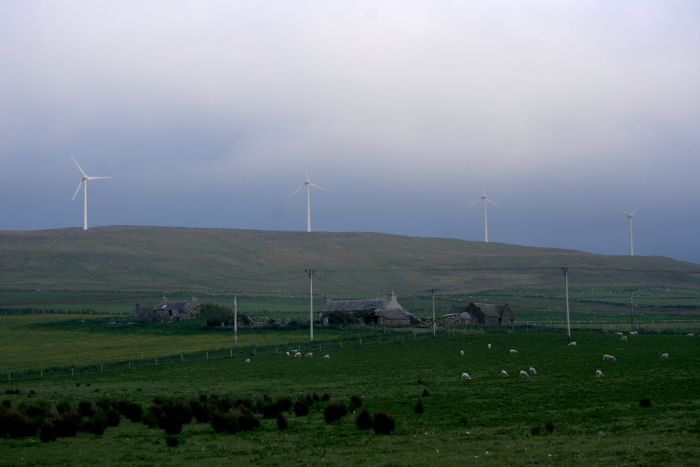
On the drive back to Kirkwall, were we were staying, the ominous clouds gave the grassy hills an almost gothic feel, while the wind mills were still, awaiting the rain.

Day 3: Breck Ness

The coolest thing you can do on Hoy is to climb the mountain called the Old Man of Hoy. It is this peak facing the open Atlantic ocean, with cliffs jutting out over the water and then falling straight down. It’s supposed to be this amazing hike, but unfortunately (due to dad not pre-booking the ferry tickets), we had to leave Hoy without visiting the Old Man.

As a compensation, the two extremely friendly Finnish engineers that dad had been interviewing on Hoy came over to the Mainland with us (they were staying in Stromness, which is the second largest village on Orkney, so it wasn’t really out of their way or anything) and showed us the way to a really great vista point just west of Stromness. Afterwards, when I consulted the map, I learned that the place was called Breck Ness.

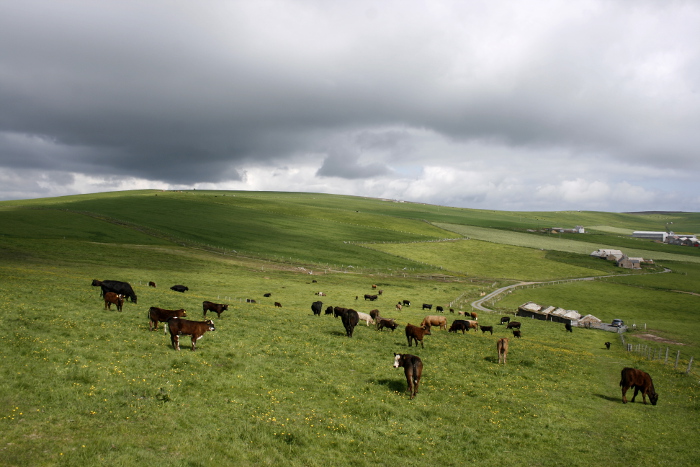
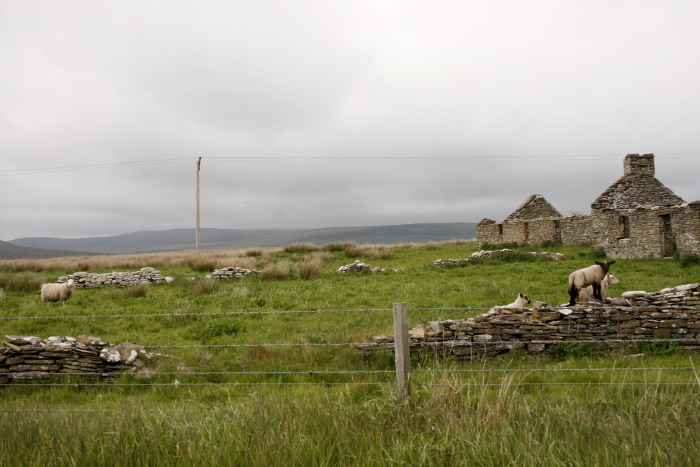
To get there, we had to drive on this super narrow road up and down the hills until we reached a tiny, abandoned cottage. There, we left the car and hiked up an almost invisible path next to fence. On the other side of the fence, the cows and calves stared at us, their eyes huge, as if they couldn’t for their lives understand why we would want to climb up the hill.

1 2

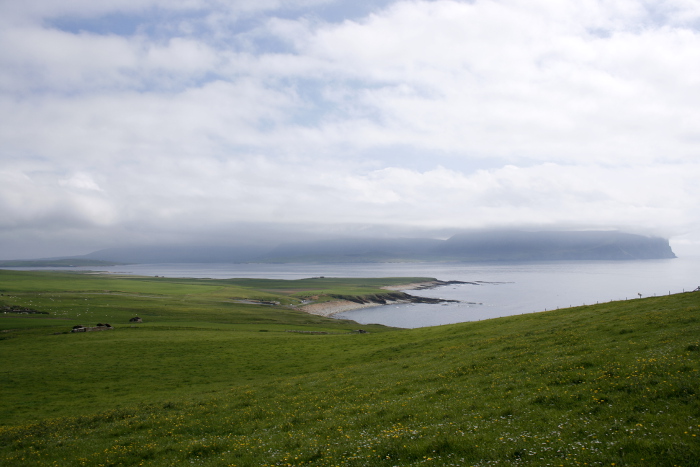
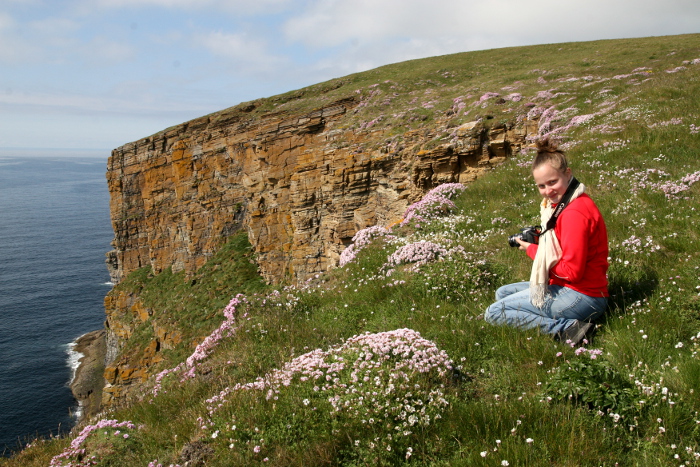
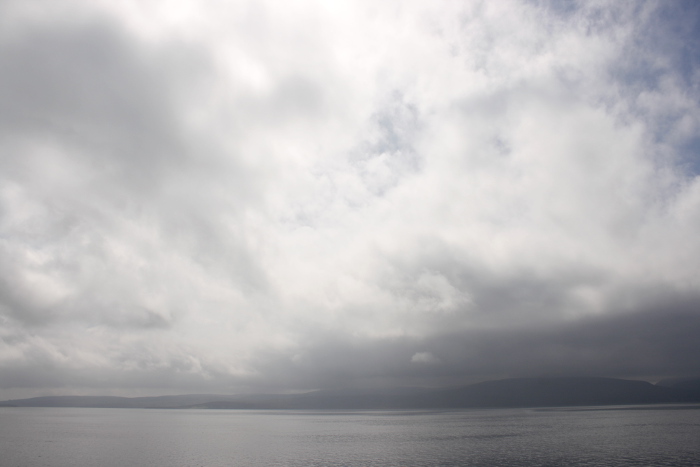
Well, maybe cows don’t really care for any kind of view – but for us, this was just. Like. Breathtaking. (And look, the clouds were still heavy over Hoy on the other side of the sound, the Old Man shrouded in a think mist. Hiking there wouldn’t have meant any splendid vistas anyway – while the sun was shining on the Mainland. So, you see, maybe we were meant to miss pre-buying the ferry tickets!)

3 4

The risks I take, for the sake of a photograph. On the other side of that flower TUVA, the cliff falls straight down. Even if you weren’t afraid of heights, it would certainly make your heart beat faster.

5

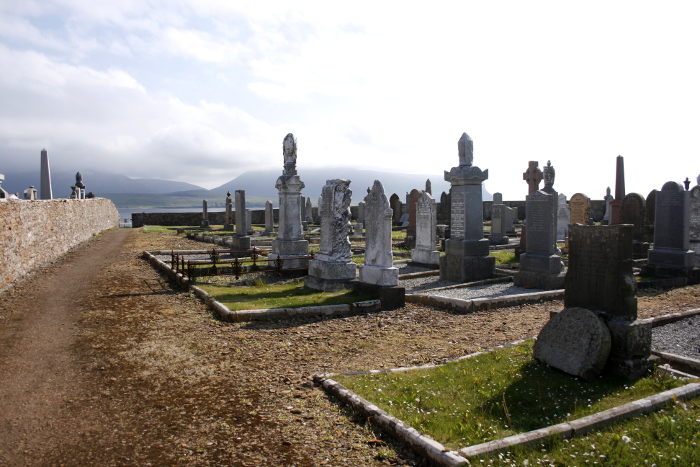
On the way back to Stromness, we took a detour down to the beach and this little cemetary, sticking up all by itself on a little headland, facing the ocean and surrounded by cows and sheep.

6

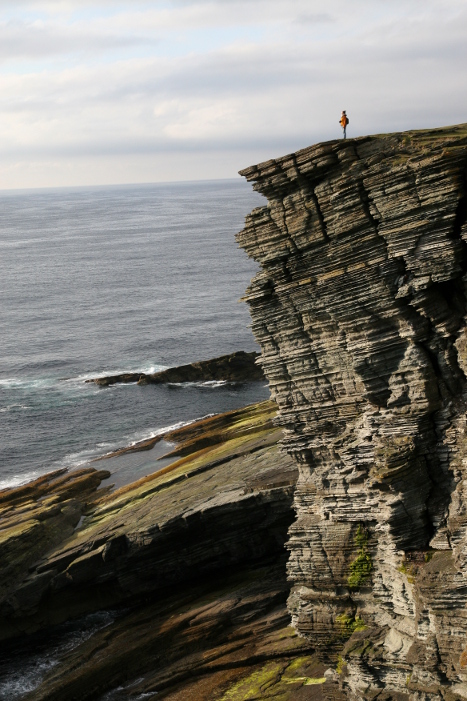
These islands have got some really superb specimen of sedimentary rock. Seriously, can the layers be more obvious than that? And no wonder, in a place like this, that the neolithic peoples could carve out those huge flat stones for their buildings at Skara Brae and the standing ones at Ring of Brodgar.

Day 3: Hoy

Monday morning, the sky was heavy and grey. And now, everything was about business. My dad had traveled to Orkney to do research for a piece about wave energy, and Orkney’s really in the forefront when it comes to renewable energy. But, Orkney is a place where public transportation isn’t very easy to come by, and my dad hasn’t got a driver’s license. That’s where I come in. I was the driver. Our first destination: Hoy.

Hoy is the second largest of the Orkney islands, but also (according to the guide book) the wildest, most montaineous and not at all as densely populated as most of the other islands (not that they are densely populated in any general European sense, but, you know, if the Orkney Mainland isn’t densely populated, Hoy is even less so). It also has one of Britains largest natural harbours, and during the world wars, Great Britain had a large part of their fleet stationed here. At one point during the Second World War, the Germans managed to get into the natural harbour and made a huge war ship sink, causing hundreds of British soldiers to drown. There was also the other time when part of the German fleet got in between the Orkney islands, but when they realised they would be defeated, the German officer in charge ordered all the German ships to sink themselves, once the soldiers could be rescued – just to make sure that the British couldn’t make use of the ships after they were captured.

The waters between the islands of Orkney are full of ship wrecks. Some of them even stick up out of the water, strange ship ghosts creating a stark contrast with the soft grassy hills on the islands surrounding them.

To get to Hoy, we had to take a ferry from the Mainland. Dad had missed that he should have bought a ticket to the ferry in advance, and we were almost not allowed on. Luckily, though, dad managed to get us a ticket to Hoy and one back to the Mainland on the same day (earlier than we would have wanted, but still, better than having to sleep in the car).

It was a calm ride, a little bit of rain, no waves to speak of, and once on the other side of the sound, dad had two interviews lined up. After the interviews, we ended up only having a little time left before the ferry was due to take us back to the Mainland – so we had some important choices to make. At the ferry camp on Hoy, there is a museum commemorating the British fleet that was stationed at the Orkney Islands, but we decided that we’d rather see something of Hoy instead. So, we chose a road, drove for a while, saw some sheep and a phonebooth, and then turned back to the ferry.

1 2

Wind power is a big thing on Orkney. The wind mills are everywhere. Their energy is actually all renewable.

3

On the way back, the clouds started to lift over the mountains of Hoy, revealing it for its most mysterious side.

Day 2: Old stones of Orkney

We left Edinburgh on Sunday morning and boarded the tiny propeller plane that took us to Orkney, the group of islands just north of the Scottish mainland. That’s where the actual purpose of our trip was to be achieved: dad’s interviews. However, since it was Sunday, and no offices were open, we had the whole afternoon to acquaint ourselves with the very special Orkney surroundings.

The Mainland, as the largest island of the group is called, consists of an endlessly undulating landscape of grassy hills where cows and sheep wander around – until it suddenly stops in high, heart-in-your-throat-kind-of-steep cliffs or long white beaches.

The islands probably had more trees and the climate was a little warmer, but otherwise it was the same extreme place on the edge of the great ocean when people settled here and started building villages and places to worship more than five thousand years ago. What these neolithic peoples left behind has now become the Heart of Neolithic Orkney UNESCO World Heritage Site. It consists of four different sites, pretty close to each other in the center/west of the island, and we visited them all on this wonderfully sunny Sunday.
_MG_2238

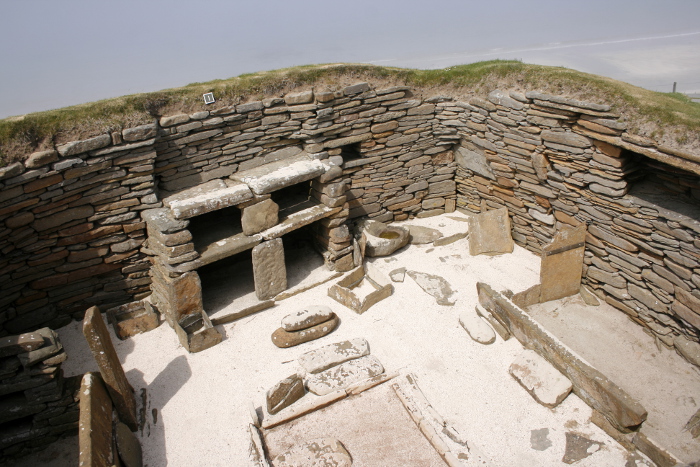
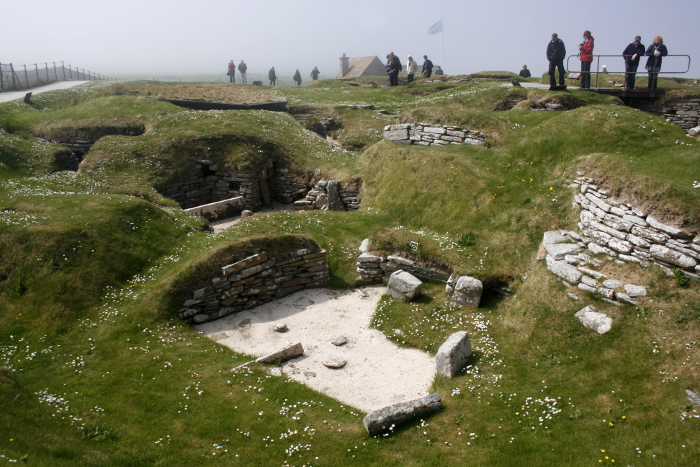
The neolithic village of Skara Brae is a five thousand year old village consisting of ten well preserved houses. And they look exactly like hobbit houses, don’t they, dug down in the ground like that. It was to protect them from the extreme weather on Orkney. Apparently, it is also the best preserved neolithic village in Europe. Pretty impressive.

_MG_2244

They even made furniture out of rocks: beds, tables, cabinets. Real stone age stuff.
_MG_2248

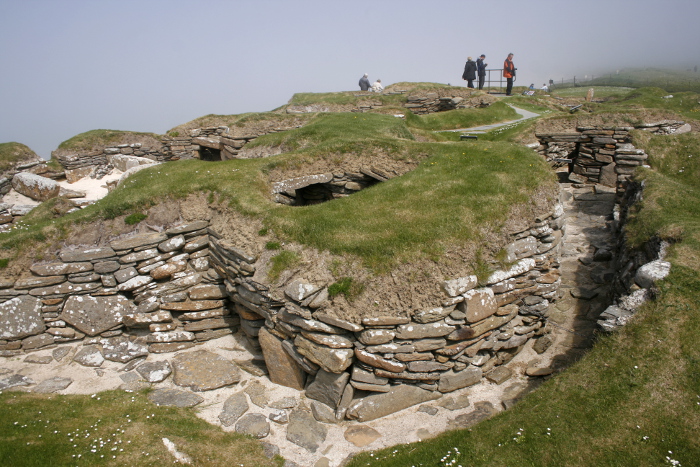
And there were tunnels running between the houses. It must have been such a cozy place to live.
_MG_2269

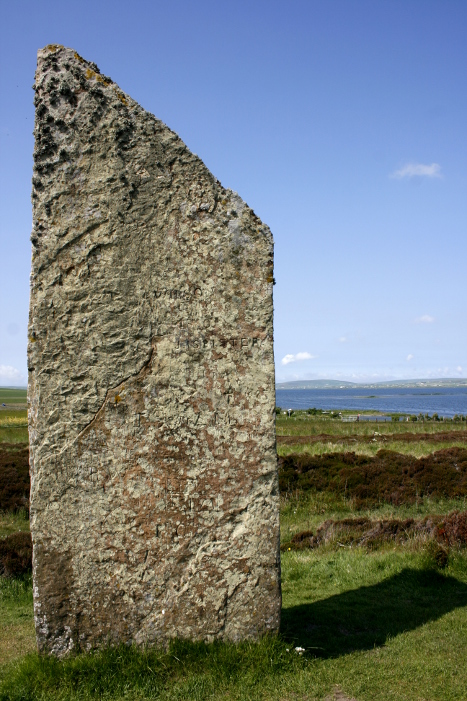
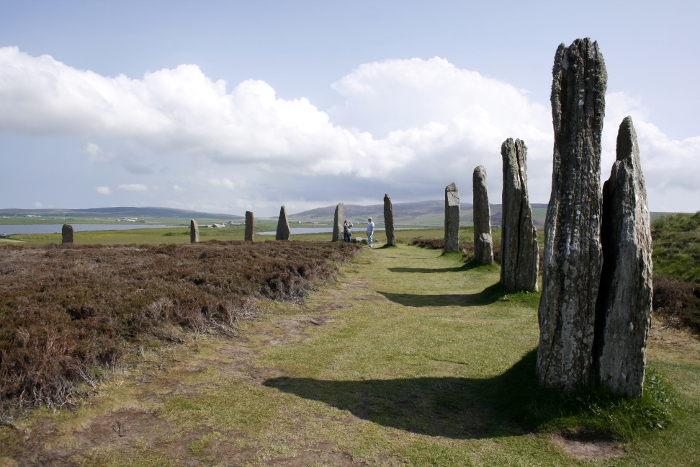
In the middle of the island, they raised what assumedly was their place of worship and celebration: the Ring of Brodgar. 27 stones standing in a circle 104 metres in diameter. There were originally 60 stones, but some have fallen, or been hit by lightning, or been felled by visiting vikings or raging local farmers.

_MG_2291

And they are seriously huge, the stones. And some even have viking grafitti on them. Those Vikings, they had no class.
IMG_5542

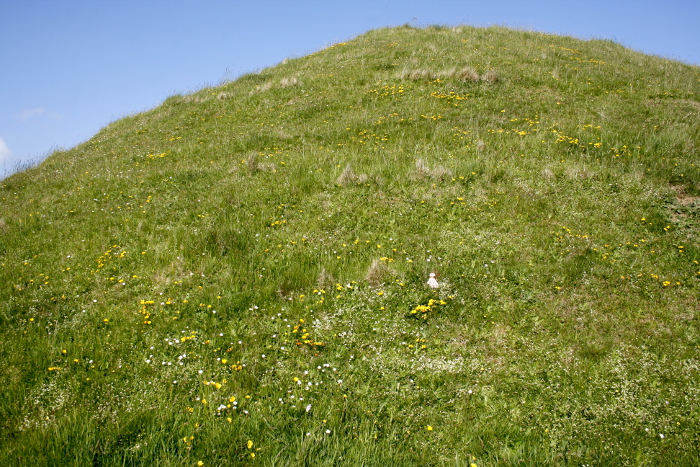
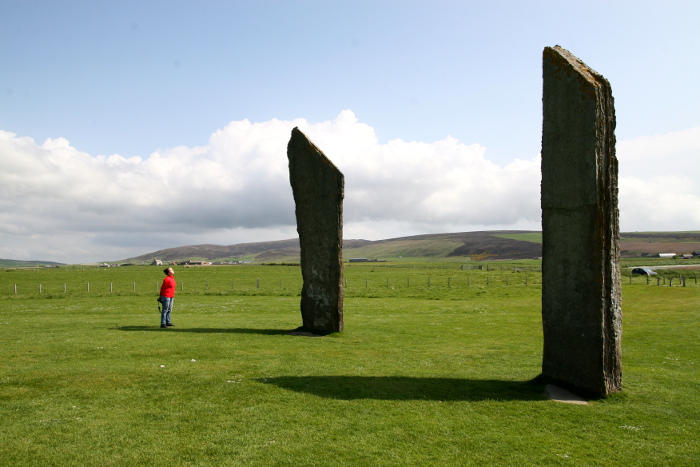
The other two sites are the Standing Stones of Stennes (pictured above, HUGE, by dad, with me as a reference) and Maes Howe, which is a burial chamber constructed as a perfectly round mound. It was built 5000 years ago, hundreds of years before the first pyramids in Egypt were being built. From the outside, Maes Howe just looks like an oddly evenly round hillock, but after crawling through the long, narrow tunnel into the inner chamber, the incredible construction skills of the long dead neolithic builders reveals itself. It is built out of immense slaps of rock, and the tunnel is constructed exactly so that the setting sun shines straight into the chamber and paints the back wall golden on the afternoon of the winter solstice.

It was used for burial ceremonies, but after a couple of hundred years, it was emptied, closed up and abandoned. Thousands years later, the Vikings came by and thought it would be a good idea to check if there was any treasure in it. It is believed to have been entered by several different raiding parties, one of which were trapped there by a violent storm that lasted for days. From these visits, the great stone slabs in the chamber are covered with runes. Messages such as Tryggr carved these runes or Thorni fucked. Helgi carved. They just had to leave their mark everywhere, those Vikings!
_MG_2840

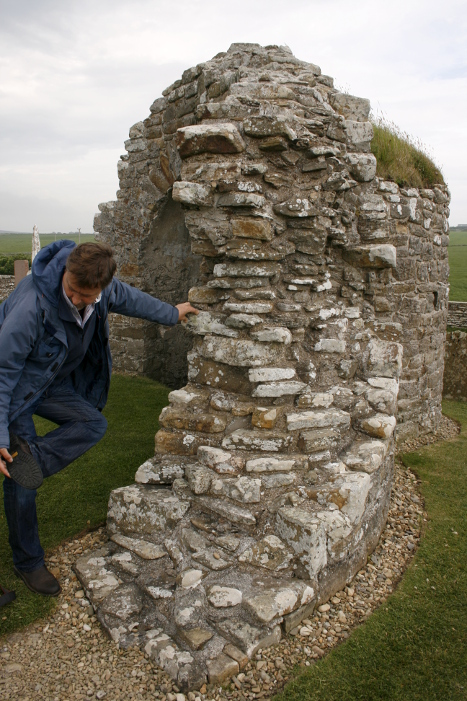
On the other side of the island, a small piece of wall of what used to be a perfectly round chuch stands just by the beach. It is called the Orphir Round Kirk, and is believed to have been built by Norse settlers in the late 11th century. Dad found it a suitable support when he checked his shoe soles for pebbles. Does he have a touch of that Viking respectlessness too, possibly?

Yeah, Orkney is a group of islands of grass, cliffs, wind and ocean, cows and sheep and very very old stones.
Day 1: A walk through the garden worthy of a queen

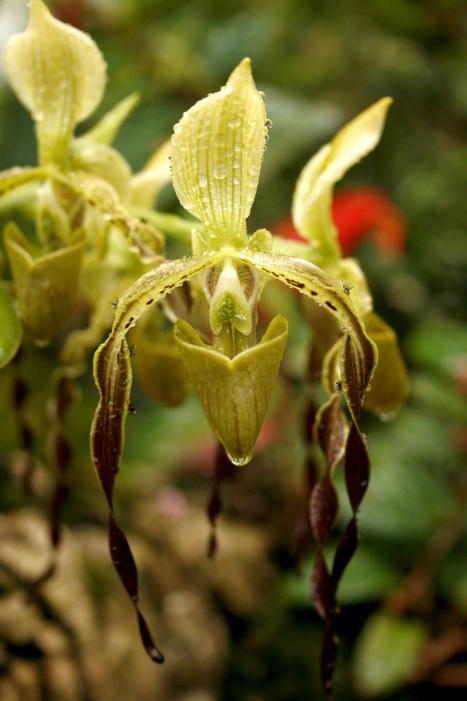
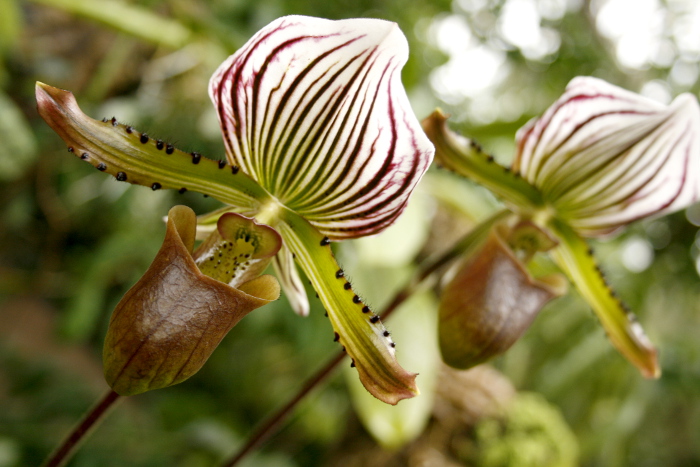
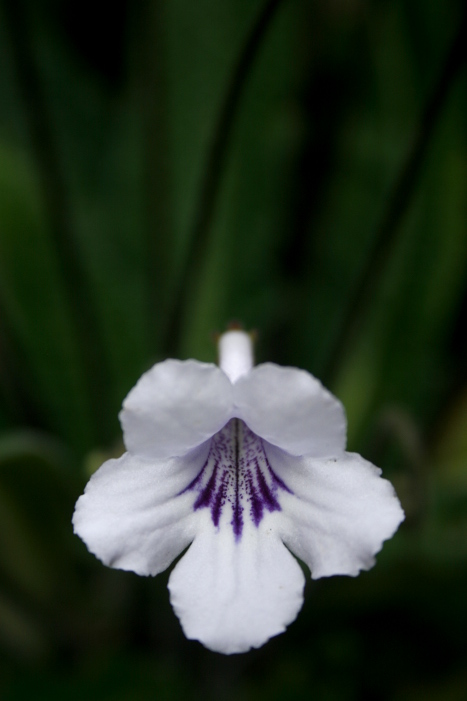
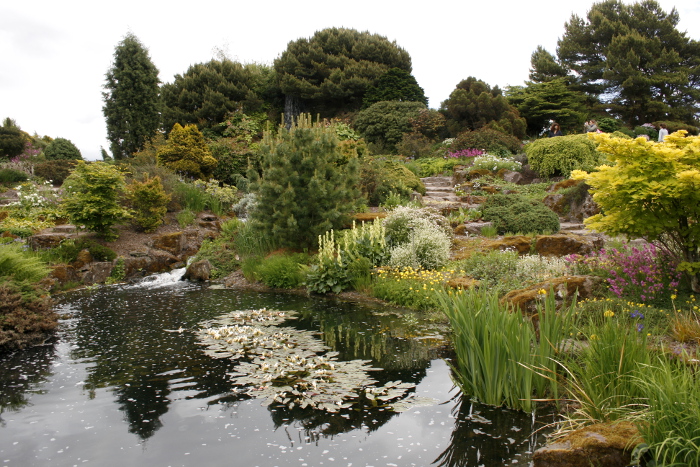
But the absolutely best part of Edinburgh is the Royal Botanic Garden. It is big, but you never get the feeling of it being this vast garden. Instead, it is planned around these themed areas, surrounded by patches of trees, which creates a moment of surprice. Every time you walk around a bend in the path, a new creation of flowers and greens meet you. It gives you a sense of wilderness, but also of something meticulously planned and intense. There was such detail as I have never seen in any other garden. I could have walked around there for days.

_MG_2097

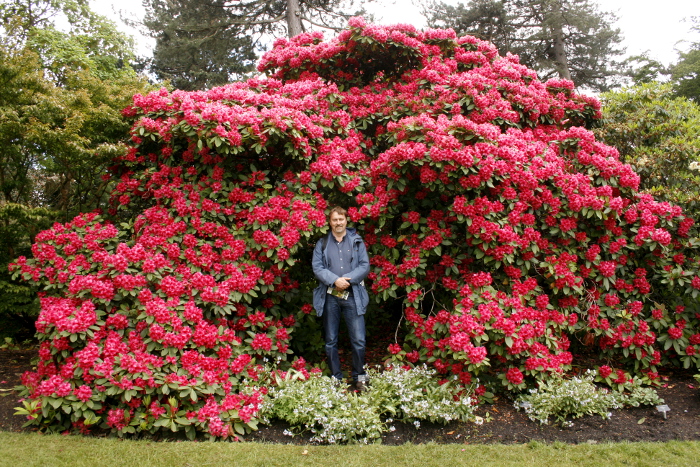
The rhododendron was huge, and in full bloom. The pink was such an amazing shade, so dad wanted to pose with it.

_MG_2108 IMG_2062

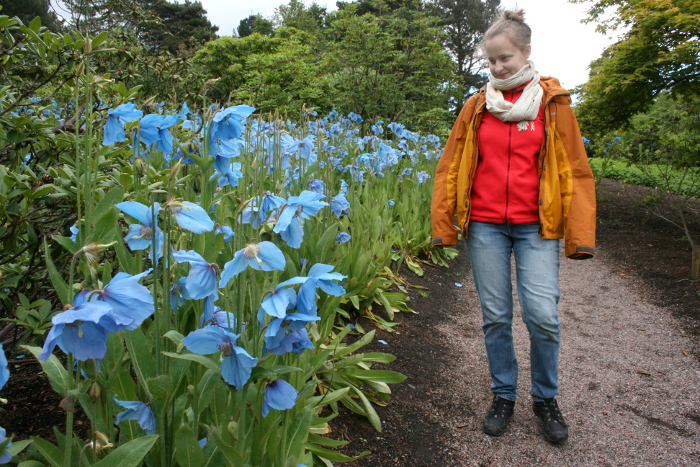
This hillside with blue poppy was such a fairytalelike sight, this time I had to get a picture.


_MG_2124  

They had fossilized tree trunks in the botanic garden too, but I must admit, the ones the had on display at the University of Arizona in Phoenix was much more impressive.

_MG_2217

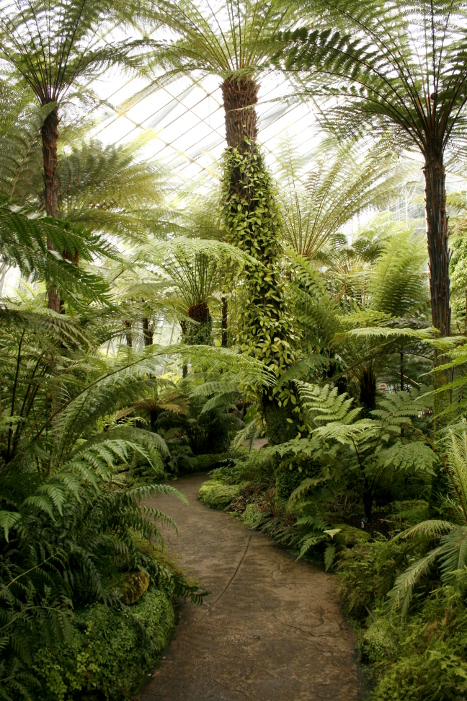
On a wall-length poster in the green house, the following quote was posted:

Destroying rainforest for economic gain is like burning a Renaissance painting to cook a meal. (Edward Wilson)

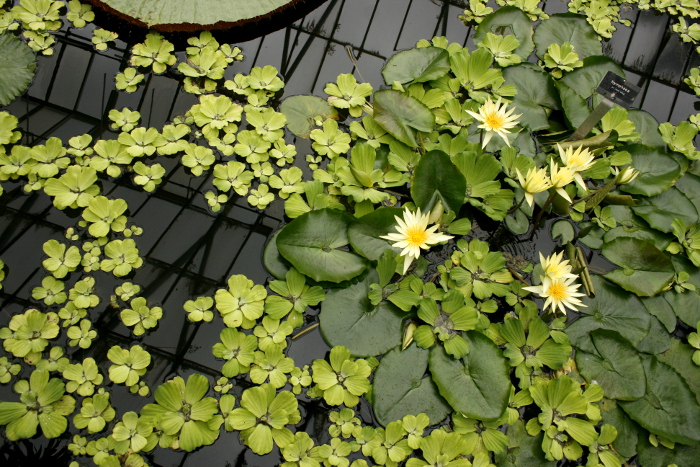
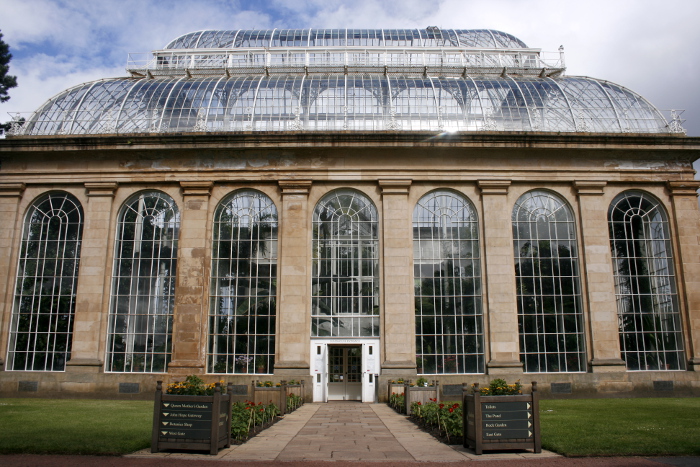
There are some really smart people in the world. And the green house was so incredibly lush as well. Amazing.

_MG_2173 _MG_2191 _MG_2221 

You know, Edinburgh might be a pretty grey city, purely colorwise, but the people and the botanic garden makes up for it many times over. In it had now entrance fee! That is true public service.

Day 1: Hordes of tourists in Edinburgh

We arrived in Edinburgh, dad and I, late on Friday night, June 14th. But since the only travely thing we did during that day was to sit in a bus, an airplane and a taxi, I don’t count that as really part of the trip. So, my Europe adventure started on Saturday, June 15th.

It was Saturday, so Edinburgh was full of tourists. Like, hordes. Dad and I walked to the old town, walked up to the castle and more or less had to push ourselves through the mass of people in baseball caps and cameras around their necks. We didn’t stay long.
_MG_1995

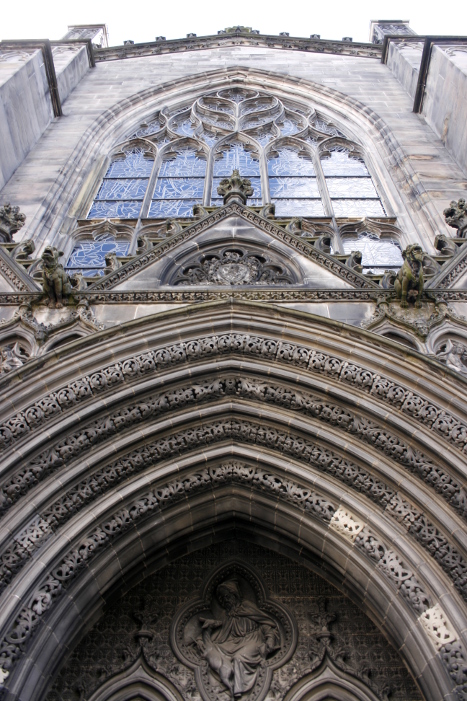
The cathedral in the old town. Not that exciting, really.

_MG_2002

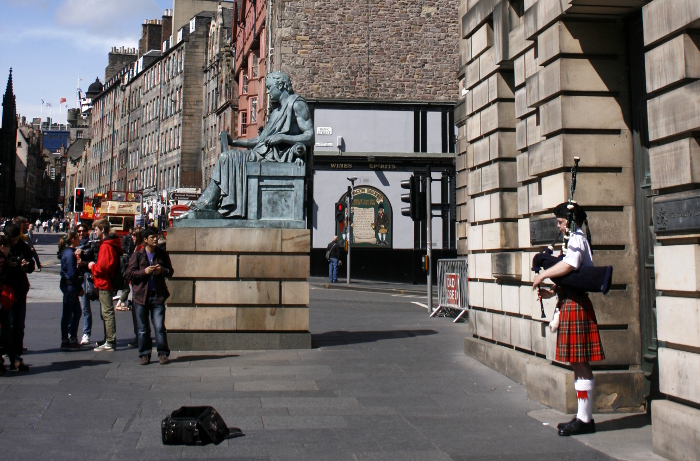
There were young men playing the bagpipe everywhere along the touristy street in Old Town. This one is standing next to Hume, the big Scottish philosopher. I don’t really remember what he was about, but I thing he was a serious emiricist. Which is nice. I guess.

_MG_2008

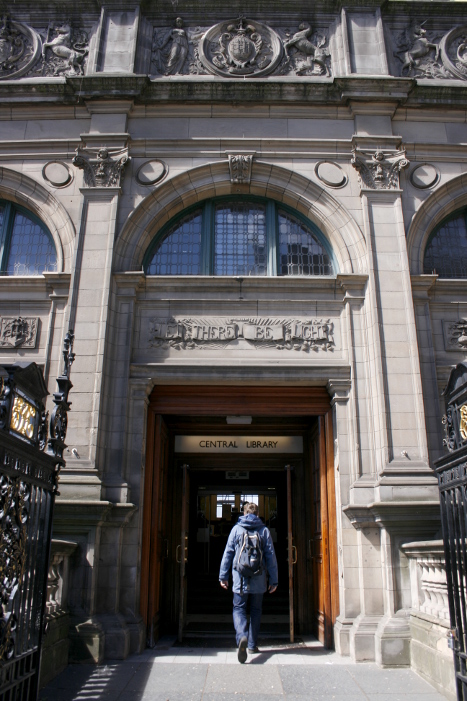
The Central Library in Edinburgh. Tiny. Across the street was the National Library of Scotland, with a terribly boring front. An a pretty un-interesting inside too. The libraries in Edinburgh didn’t impress me.

IMG_2016

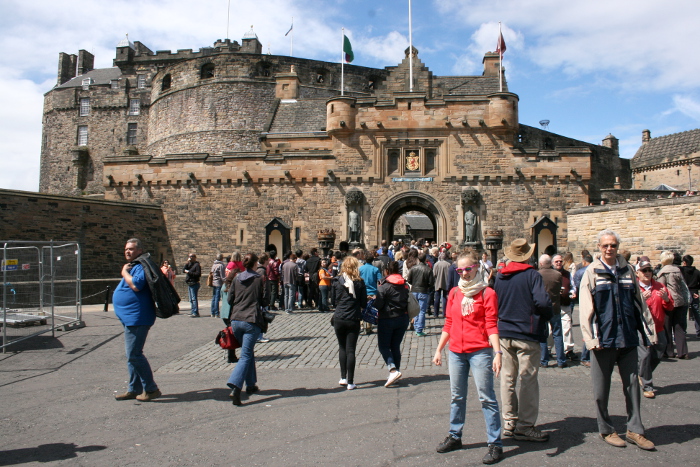
Edinburgh Castle. Seriously, how can there be that many tourists in one place? Edinburgh Castle isn’t even, like, that impressive. Not like Machu Picchu or the view from Empire State Building.

_MG_2023

The Princes Park, such a nice place in the middle of everything. Much less crowded than the Castle area too. Calm, meticulously cut lawn. A much more agreeable place in Edinburgh than the Old Town.

_MG_2029 

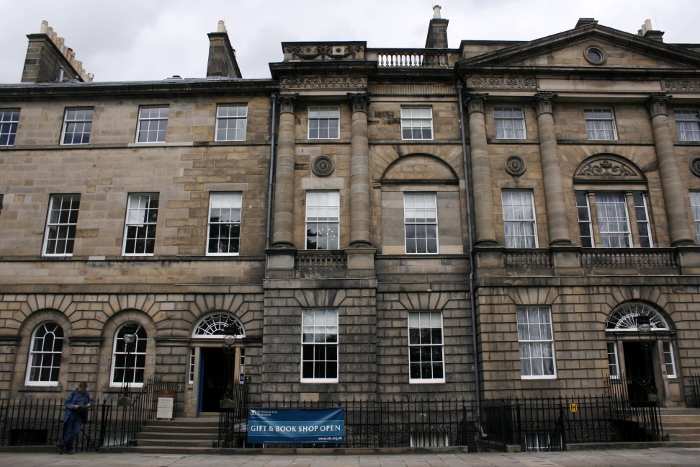
The house at Charlotte Square in the New Town that they’ve turned into a museum showing the home of an Edwardian aristocracy family. Pretty little museum, with a lot of gold and silky details on the furniture. A nice time spent, really, during the 25 minutes it took to look through all four floors of the house (including the 8 minute film about the family whose home they’ve tried to replicate.

_MG_2234 

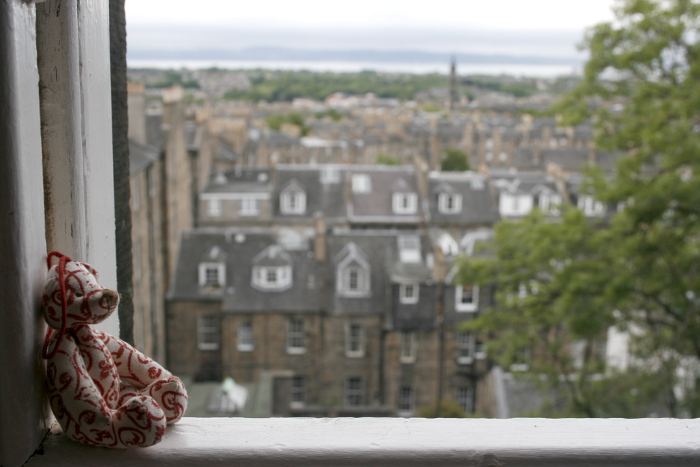
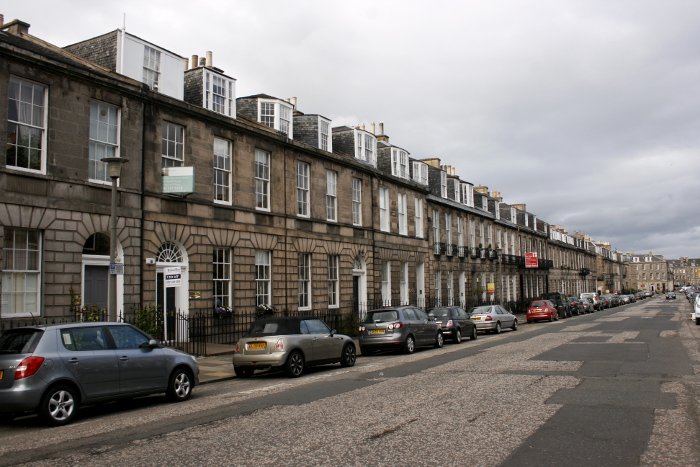
The street that run parallell to the street where our hotel was. It’s part o New Town, but a very deserted part of New Town. And everything was so grey! Except for the private gardens (with high fences and heavy locks, only to be used by the residents – something that REALLY annoyed dad), there weren’t even any trees.

Edinburgh is a slightly odd place, with all the greyness. But it is also small, and it feels fathomable, like, you could actually get to know the whole city, which is something that I appreciate. And the people are so nice (except the young men sitting in the reception in our hotel – they just stared blankly at us when dad made his jokes and couldn’t even bother to smile. Seriously, is that servicemindedness?). It is a city where you can walk and find new, interesting things to look at, and also it is very different from any kind of city that I’ve been to before. So, all in all, I like Edinburgh.

an introduction to a trip

So, I’ve started my trip through Europe now. Hopefully, I’ll be able to keep up the blog and write about things in real time – but just to make sure, I thought I should have a system. So, my idea is: every post that is place/date dependent, will have a title that starts with the number in the order of days of my trip. As you know, I like structure.

Right now (already behind), I’m in Cambridge, staying in Abbies incredible collage housing suite. I’ve been to Edinburgh and around the Orkney Islands, and tonight I’m going to London. Things are happening fast and I just need to keep up. Everything is fine this far. More than fine, in fact. The sun has even come out now in Cambridge.