Day 12: Off the beaten track (kind of)

After I felt I was done with the botanic garden, I really didn’t have anything else particular to do. Of course I could have visited some more museums (there are tons of them in Amsterdam), but I felt I didn’t want to overdo it. I had already visited two museums in Amsterdam, and would probably visit at least one in all other cities I would go to on this trip, so I decided to walk around instead. And ended up finding some really nice places quite off the beaten track.

1

By the river Amstel, I watched the boats float by. It is wide, and I can only imagine how wide it would have to be if there weren’t any canals in the city. A lot of water.

2

I almost by accident happened upon the Albert Cuyp Market in De Pijp. Apparently, it could be the biggest and busiest daytime market in Europe, and runs along a Albert Cuypstraat. It wasn’t really off the beaten track, because there were quite a few tourists around and parts of the market seemed to sell stuff of such bad quality that only tourists would be stupid enough to buy them. However, there was also food and fruits that were sold there, and I ended up buying honey waffles, apples and apricots. I love honey waffles, I’ve eaten them since I was a kid, but I never knew they were Dutch. A very nice discovery.

3

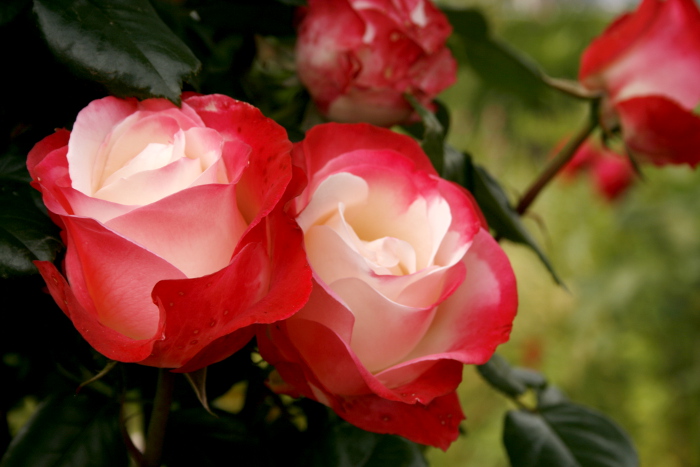
In an intersection, where the roads met in five ways and there therefore was a small sqare in the middle to kind of separate the traffic, they had arranged a little garden. And in this garden, there grew this amazing white and red rose. The square was called Johannes Vermeer Plein and I later realized it was just a couple of blocks from the Rijksmuseum. Beautiful, never the less.

4

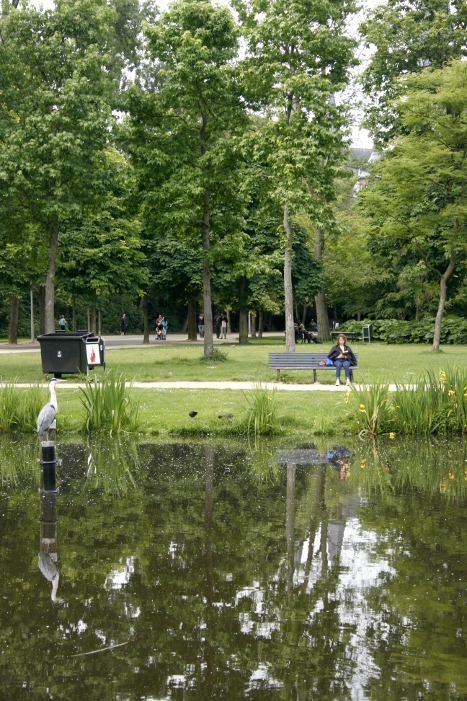
The way from downtown Amsterdam to where I was staying kind of went through the Vendelpark, a huge public park located on the land that was donated to the city by the 17th century poet Joost van den Vondel. It is a wonderful piece of greenery, huge, with bikers racing through it on the wide main paths and people walking their dogs on the smaller ones. There are small ponds, cafés, and outdoor theater and playgrounds. Listening to Frank Turner, watching all the beautiful people of Amsterdam outside in the evening sun, it felt like such a perfect place to be. Amsterdam is a beautiful city and I will definitely return.

Day 12: Hortus Botanicus

It has become little of a recurring feature on this trip, my visits to the botanic gardens in the cities I go to. Amsterdam’s Hortus Botanicus became my fourth.

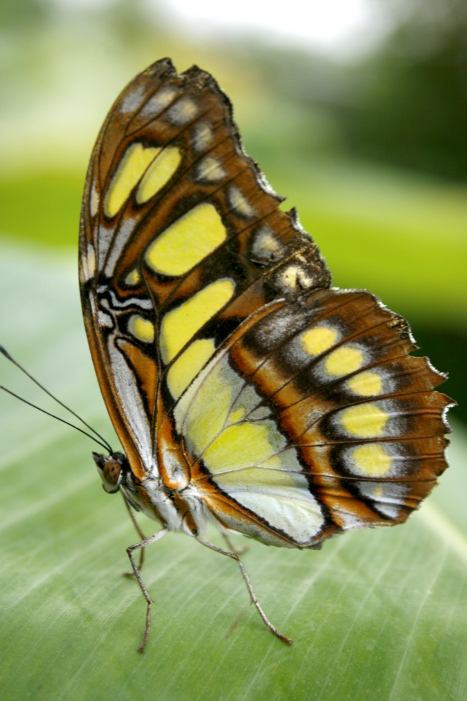
Hortus Botanicus started as an herb garden for doctors and apothecaries in 1638. Today it has a tightly planted, wide selection of trees, a couple of great green houses and, most importantly, a butterfly house! You who have followed me since my Bolivia trip ages ago, know that I love photographing butterflies – almost more than I love taking pictures of flowers.

2 3

A Zebra Heliconian.

4 5 6

A Flying Dutchman.

7

A monster moth, hiding behind a bush.

8

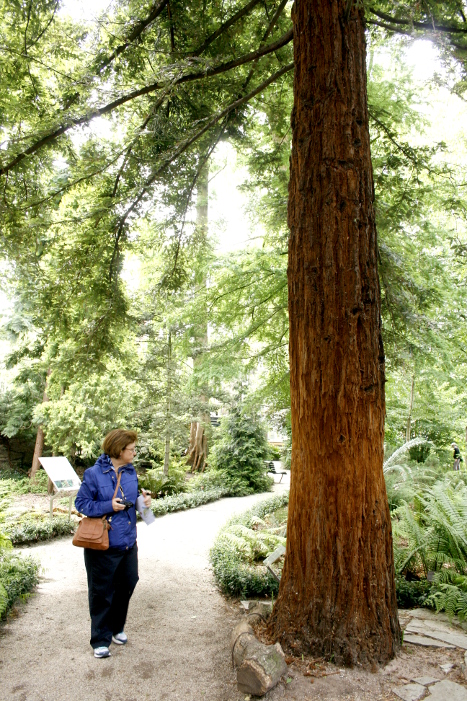
But, of course, there were other things worth seeing in the garden. A tiny Giant Sequoia, for example. Kind of a joke, really, compared to the real ones up in the Californian mountains.

9

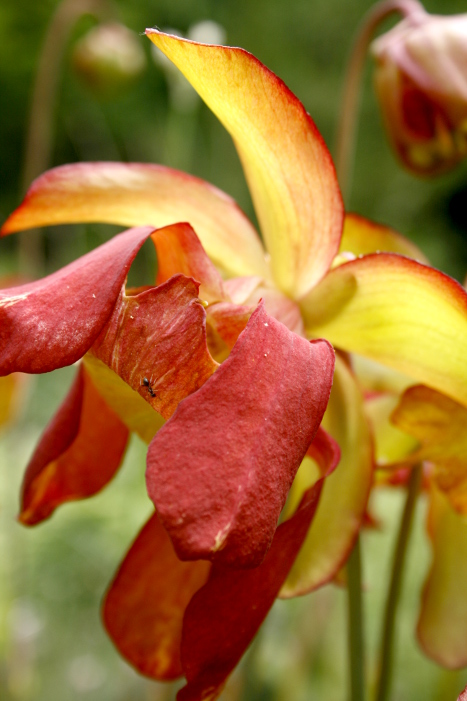
Insect eating flowers. Dangerous stuff, in its own way. And beautiful.

10

11

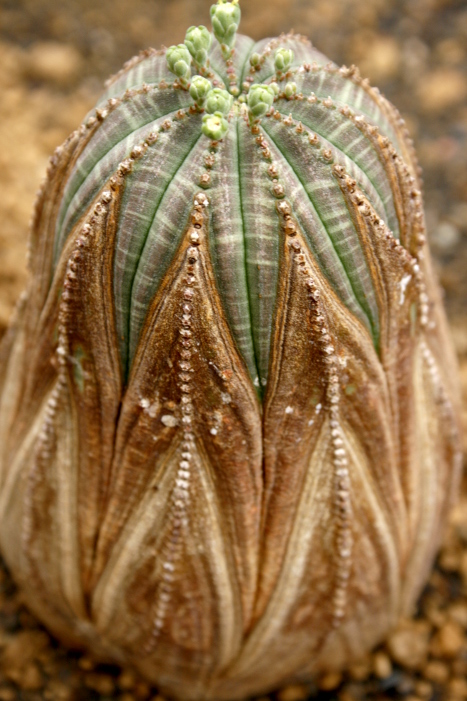
What made me find the garden was the posters that were put up all over town, advertising a photo exhibition at the garden. Turns out the exhibition was a couple of photograph by different artists, hung up in the old palm house. And to be hones, the only of the photos that were really worth seeing were these two x-ray images. Really cool, in my opinion.

12

They had three pretty new, really nice greenhouses as well, with subtropic, tropic and arid climates. I like the smell in greenhouses. It tastes clean, somehow.

It was a small botanic garden, Hortus Botanicus, and the forested parts of it were quite wild. But being more or less in the middle of the city, it made a really nice respite in the intense city architecture. Some green for the eyes. I liked it. Especially the butterfly house.

Day 11: The wonders of Centrale Bibliotheek Amsterdam

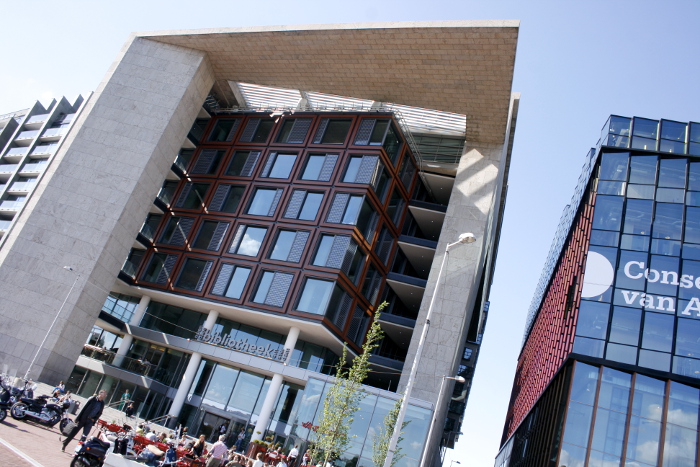
The central library in Amsterdam, situated across a canal from the science museum and more or less next to the central train station, is brand new. And it is a wonderful place in this lovely city. Wonderful!

1

Architectually, it is modern. From the outside, it looks a bit odd, with the arch-like structure in front.

2

But on the inside, it is lovely. Airy, and all the light! A great place for reading and thinking big thoughts. It consists of eight floors of books, CD:s and movies, and on the ninth floor a café with a roof terrace with an amazing view over Amsterdam.

I could’ve spent days walking around the aisles of this library, soaking in the atmosphere learning, but I couldn’t do that, of course. I was a tourist and time was limited. I did my usual check for Swedish litterature, though – and was amazed by what I found. Not did they only have tons of Astrid Lindgren (Ronja and Mio seem to be super popular in the Netherlands) and a couple of Tove Jansson, they even had a copy of Selma Lagerlöf’s “The Wonderful Adventures of Nils” among the children’s books. And for adults, they had both the typical crime novels by Stieg Larsson and Camilla Läckberg, but also less known Swedish crime novel authors such as Åsa Larsson and Jens Lapidius. And they had another Selma Lagerlöf, a couple by August Strindberg, and a SARA STRIDSBERG! Coolest of all. She’s an amazing author, Stridsberg, and that they had her debut novel at the central library in Amsterdam just gave me a whole new respect for the Dutch.

All in all, it is obvious from the Centrale Bibliotheek Amsterdam that Amsterdam is as city where culture are highly valued and something that they are willing to spend money on. I can do nothing else but respect that.

Day 11: By the canal

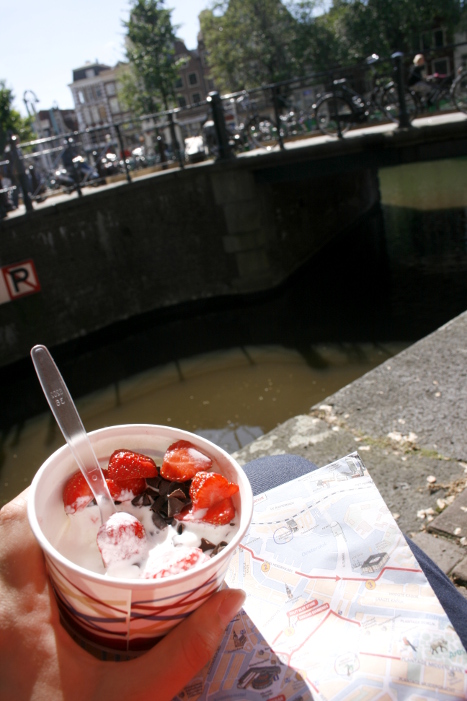
After the chock of the Red Light District, I just happened to walk by a shop selling frozen yoghurt. And I felt that that was exactly what I deserved.

Last year at the farm in California, I shared a room with Sarah, and later I got to crash on her and her boyfriends futon in San Francisco. She introduced me to frozen yoghurt, and I am forever grateful to her for that. Unfortunately, it is not that easy to get hold of fro-yo in Stockholm, at least not places where it’s sold like it’s supposed to be eaten: with pieces of fruit and chocolate on top.

But here, in Amsterdam, I could buy an entire cup with fro-yo, and top it with American blueberries, strawberries and chocolate chips – the absolute best way to eat it, no objections.

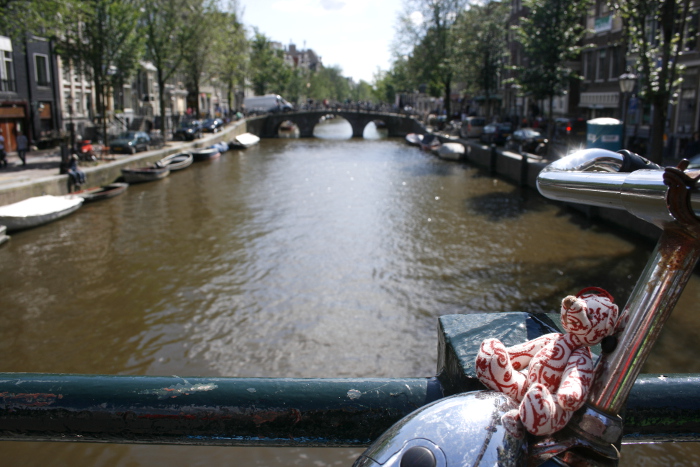
I took my fro-yo and sat down by a canal in the afternoon sunshine, listening to a podcast of the Swedish radio morning program Morgonpasset and watching the boats float by. Life was pretty good. Pretty good indeed.

_MG_3528

Day 11: Following the tourist trail in Amsterdam

I had been told that the weather could change quickly in Amsterdam – and I sure got to experience that during the course of the afternoon I spent checking out the typical tourist attractions.

1

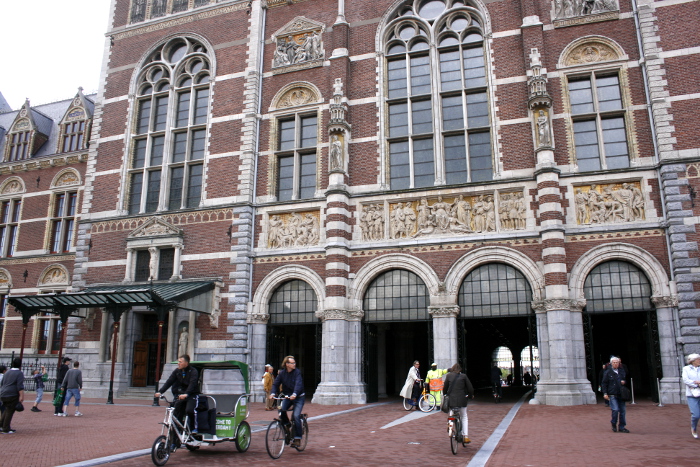
It had been pretty cloudy in the morning when I walked with Alison (the family friend who I was staying with) to the Rijksmuseum, but during my last hour in the museum I had glimpsed clear blue skies through the rare windows in the galleries. However, as soon as I got out of the museum, heavy grey clouds started rolling in and I thought: How will this go? Luckily, though, it never really rained. Just a couple of drops now and then, but otherwise they just hung there, like heavy grey threats of what might come.
2

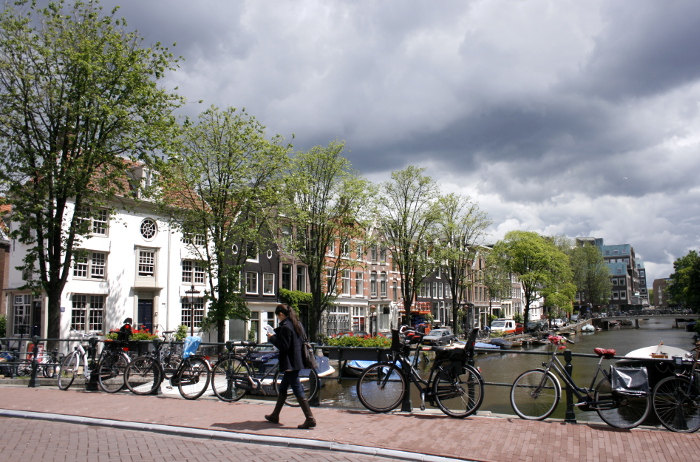
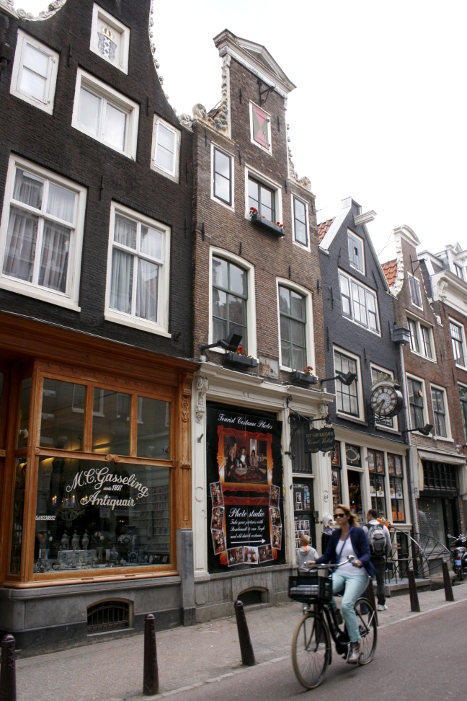
Walking through the streets toward the old center of Amsterdam, I realized two things: The houses here are really narrow (four meters wide, Alison told me later that evening), and generally very cute. And most people bike. Everywhere. In my opinion, that makes for a very agreeable city indeed.
3

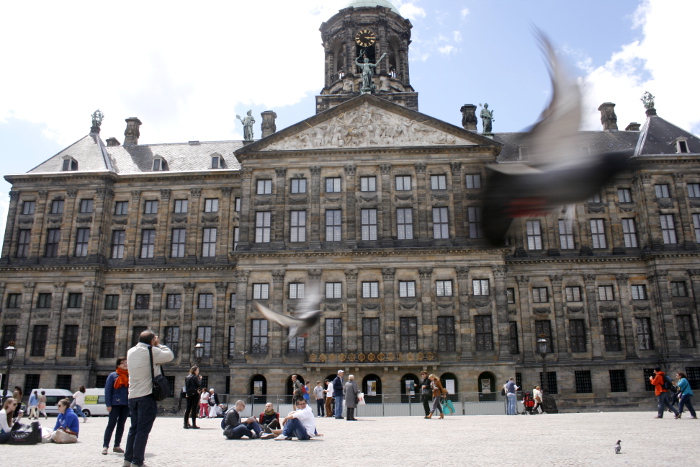
And just like that, the sun was out again. The doves and the tourists outside the Royal Palace got along splendidly.
4

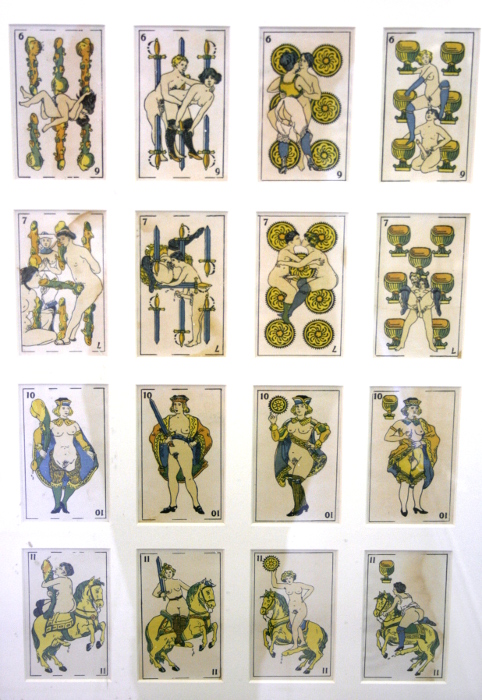
On my way toward the main public library, I just happened to walk by the Sex Museum. Since it didn’t cost that much to go in, I thought I might as well check it out. To be honest, I wouldn’t really call it a museum. There are so many interesting things you can do on the subject of sex, but here they just had a couple of life size dioramas, some odd stuff of an erotic nature and then just heaps and heaps of porn photographs, running from the dawn of photography, with women in big skirts and lacey petticoats and men in hats and cravats, to modern S/M stuff. It felt like an exhibition showing off stuff, just because it could (being in liberal Amsterdam and all), but completely lacked the analysis and historical and cultural background to the stuff. In fact, the most interesting part of the museum was all the young girls walking around in groups, giggling.

Next, my tour took me through the Red Light District. And here, I was actually chocked. For real. I just turned around a corner into a pretty narrow street, and there in windows were half naked women standing, waiting to be chosen. Prostitutes in window displays, dressed in lace and fake diamonds. And then, on the next street, bars and shops selling souvenirs, tourists walking with their kids by the canal. For example, there was one extremely voluptous Carribean woman standing in a window, facing Oude Kerk, the old church of Amsterdam. The contrasts!

Of course I had read that the women stood in windows in the Red Light District, and the heavy smell of marijuana in the air didn’t surprice me at all. But actually seeing the women standing there. Like pieces of meat on display. No. I know that there are arguments for legalizing prostitution, these Amsterdam prostitutes get payed well and the risk of them being mistreated is small, since they have panic buttons in their rooms. They’re protected by the police and they pay taxes. But these young, eastern European women, standing in windows – I just can’t. It is not okay. Sex is not a human right. It is something that two people share, and it should not be bought. If you can’t be a decent enough human to get someone else to want to have sex with you, you shouldn’t have sex at all. That is my opinion.
5

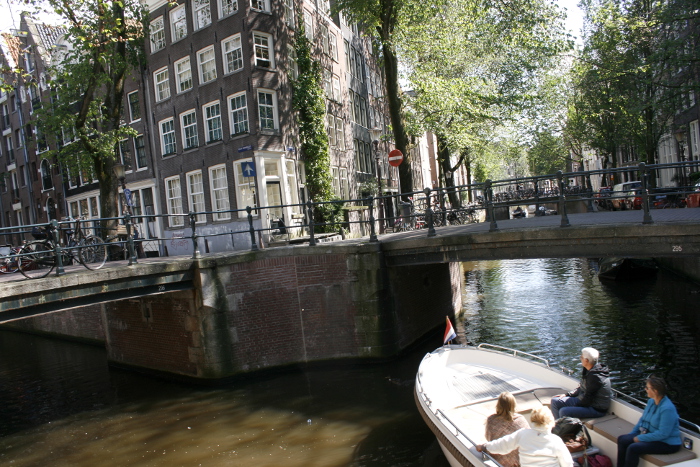
But as suddenly as the women in windows had appeared in the narrow streets, just as suddenly they were left behind me and I could walk along the quaint little canals without getting mad again.
6

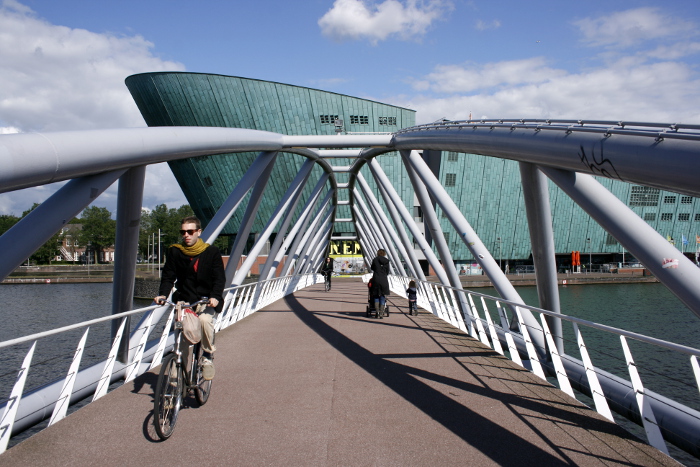
But Amsterdam does not only have the old and quaint to woo visitors with. They do have some really cool modern architecture in too. Close to the train station, just by the big Amsel, the huge science museum NEMO looms like an enormous turqoise upside down horse hoof. And the brand new main public library is amazing too – but that deserves a post all to itself.

7

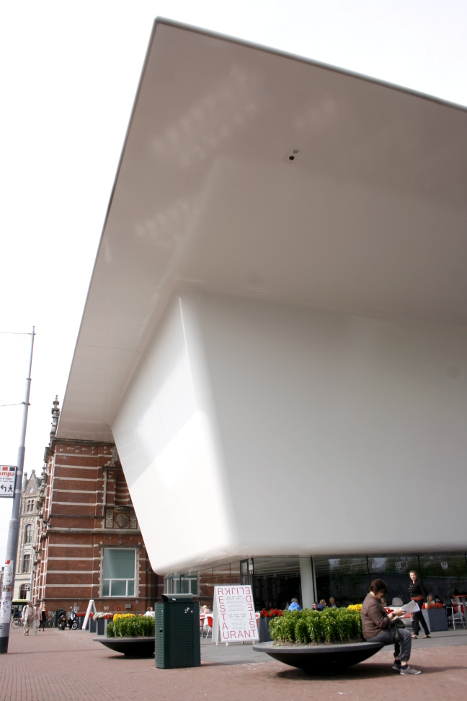
The modern art museum, looking pretty much like a huge bath tub, creates a pretty interesting mix among the old 19th century architecture as well.
8

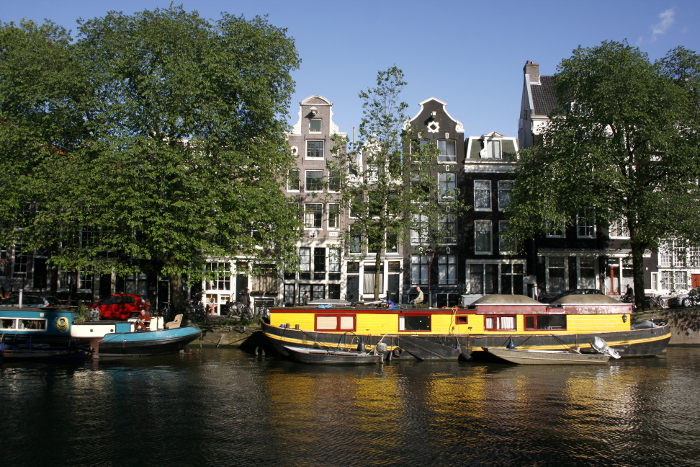
So, walking back to Oude West along the canals in the evening sun, I felt that this is a city that I really like. Except for the Red Light District (which, to be honest, is a pretty big negative thing, but still), I liked everything. I didn’t even mind the throngs of tourists. It is a very walkable city, relaxed but not slow, and it is so easy to just wander around and end up by some new, quaint canal where people have filled their balconies with flowers. Beautiful, absolutely beautiful.

Day 11: Rijksmuseum in Amsterdam

I had read in the guidebook that the queues to the national art gallery Rijksmuseum in Amsterdam could be mental, like, waiting for hours. So I decided to do that first of all, get up early in the morning and be at the museum right when it opened.

_MG_3436

So I was. Nine o’clock. And there was no queue at all. Later on, at one when I was about to leave, the queues did at least exist, and the last hours I spent in the galleries were pretty crowded. But really, it wasn’t that bad at all, not the nightmare the guidebook had warned me about. The complete renovation of the museum, that they finished last year, must have made the throughput of visitors much more efficient too.

Well, to return to the actual museum, I was asked to leave my backpack in the wardrobe, and in the confusion of that I left my camera in the bag (I guess I thought I wouldn’t be allowed to take photos in the museum anyway). Well, turns out I was allowed, and now I only had my crappy iPhone 3 camera with me. I got so frustrated with myself. But I soon forgot the frustration, walking around among the medieval art. And really, not having the camera meant I actually had to look at the sculptures and the paintings, instead of just snapping photos of everything. Maybe I should travel like that more often. (It’s a constant debate I keep with myself – does all the photographing mean that I watch things instead of experience them? I can never make up my mind about that, and in the end photography and blogging is one of the ways I process the things I experience, so I just keep on carrying around my camera wherever I go.)

I just took a couple of shots of the really special pieces, so that I remember them. Rijksmuseum is a huge place, with so many pieces of art that it’s impossible to give a comprehensive description of the place. So I’ll just tell you about the things that made the strongest impression on me.

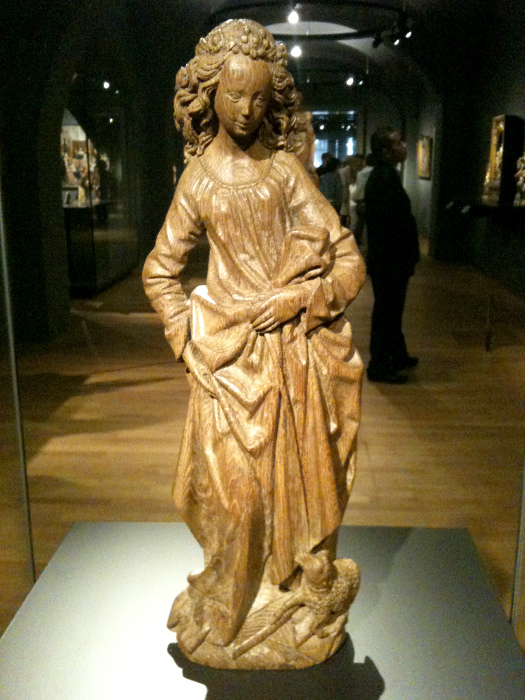
IMG_0112

This little statue of Saint Agnes, made out of oak by Adriaen van Wesel in 1470-1480. So delicate, requiring so much detail. I couldn’t stop looking. And this was more or less the first thing that I came across in the gallery for medieval art, on the first floor right by the entrance. Still, I think it was my favorite piece in the whole museum.

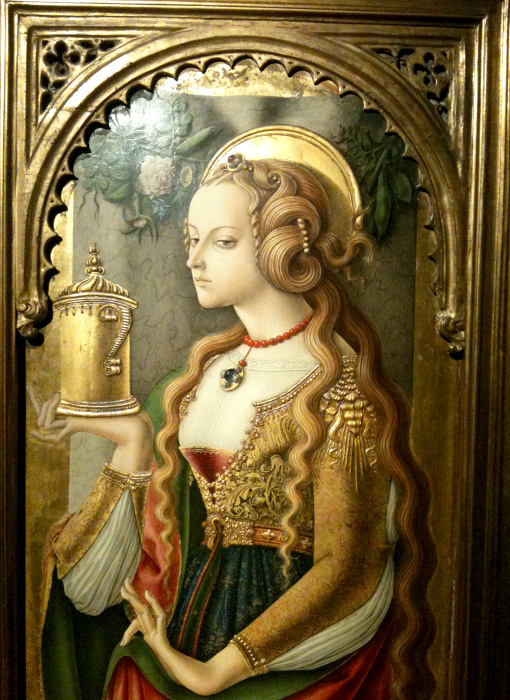
IMG_0162

This panel of Mary Magdalen, painted for an altarpiece by Ascoli Piceno in 1480, also struck me. There is something with these medieval pieces of art that speak to me (when they are not depicting Jesus on the cross – those pieces are mostly just morbid). How delicate she is, and all the gold. In this version, Mary Magdalen is really a beautiful woman.

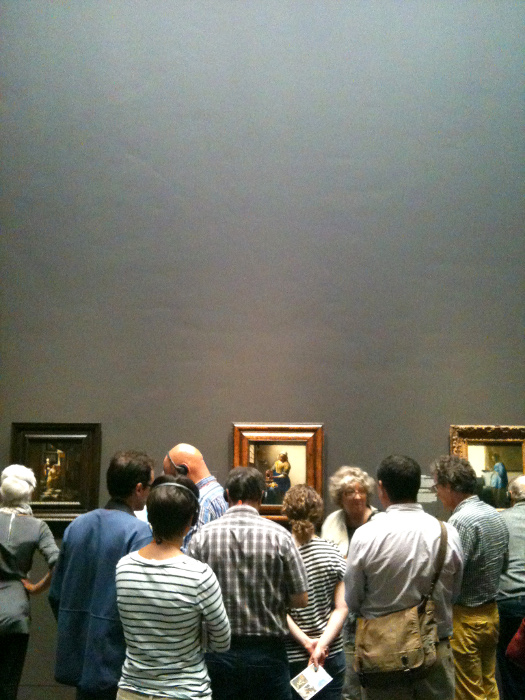
IMG_0146

The crowd in front of the three Vermeer paintings in the Honor Gallery. It’s a huge hall, with Rembrandt’s Night Watch at one end on the place of highest honor, and the noise at once when you enter – it’s deafening. While most other parts of the museum were quite empty. It’s odd, how people always find ways to be in each others way. Of course the Rembrandts were cool, and the Vermeers even more so (in my oppinion), but all this waiting and shouldering, it just ruined the experience.

IMG_0149  

The Shephardess, by Paulus Moreelse (1630). The way he has captured a both shy and seductive expression in her face, and the voluptuousness of her attire – and that she actually is showing one of her nipples! I had no idea what to think!

These 17th century paintings create such a stark contrast to today’s ideals about the female body. Now, you’re supposed to be thin and fit but still have breasts. Back then, the women were painted leisurely lying on beds, with huge thighs and plump bellies. Maybe they weren’t active, but at least the ideal body was more attainable and also way better for your health.


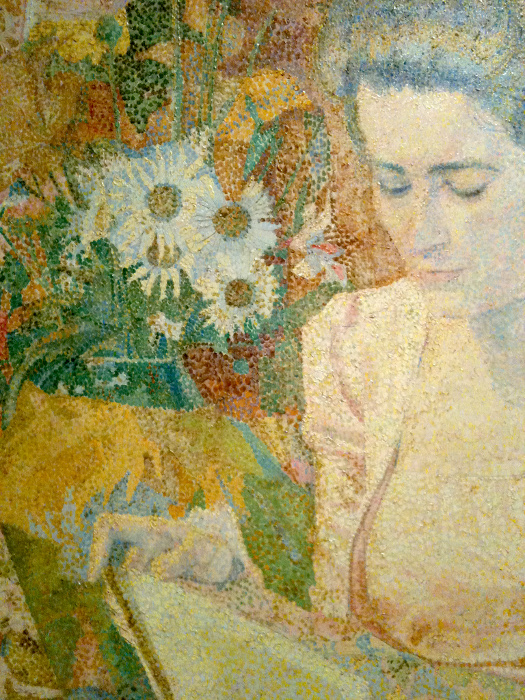
IMG_0169


Part of the portrait of Marie Jeanette Lange, by Jan Toorop (1900). Lange chaired the Dutch Association for the Improvement of Women’s Clothing, an organization that promoted better and more comfortable clothing for women. Think about that! It’s so easy to forget, in this modern western world, how restricted women have been (and still are in some places). Just having to wear a corset! And long dresses with meters and meters of fabric around your legs all the time!

This portrait, of the first wave feminist, was one of the last pieces I saw at the Rijksmuseum, before going out into the Amsterdam sunshine. It made the perfect conclusion for my long journey through Dutch and European history of art on this 11th day of my trip through Europe. It’s an impressive collection that they have at the Rijksmuseum, and it is definitely worth a visit, if you’re at all interested in anything resembling art.

Day 10: Report from a train II

Today (24/6), I’ve traveled through England, France, Beligum and the Netherlands. I’ve received three different text messages welcoming me to the new country and informing me of the prices of calling, receiving calls and texting. The prices are exactly the same, but, I guess being welcomed to the new country once I cross the border is nice.

The landscapes are surprisingly similar too. In Belgum, the fields were occationally bordered by poppy and cornflowers, which made me think of the wheat and rye fields around my late gradmother’s old house. Here in the Netherlands, it’s still very flat, but there are also many houses and more trees.

I’m on the train from Maastricht to Amsterdam, and I’ve learned one interrail lesson since I last wrote. When I arrived in Liège-Guilleme, where I was supposed to change trains, the train to Maastricht in the intinerary that the nice woman at the ticket office in Stockholm had printed out to me in the end of May, was not up on the Departures board. After asking a man in the travel centre, who would only answer in French, informed me that the next train to Maastricht wouldn’t leave until ten minutes later than the train in my intinerary. With only 15 minutes bewteen trains in Maastricht according to the intinerary, this later train would be cutting it a little bit short. Changing trains at an unknown train station in five minutes is just not reasonable.

Well, then the actual, existing train was delayed due to some platform thing (the announcements in the train were only made in French and Dutch, of course), and eventually I arrived in Maastricht 15 minutes after my Amsterdam train had left. Luckily, the Intercity trains between Maastricht and Amsterdam seem to run every half hour on weekday evenings, so I could just hop on the next one instead.

But, what if I hadn’t been that lucky? What if the train I’m supposed to connect with only leaves once a day (like some of the trains I’ve planned to take down in Central Europe)? Old train schedules are not trustworthy, at least not if they are for regional trains. From now on, I will check my departures and train connections the night before, to make sure they all run. And also, have more than 15 minutes between trains! Some of these European train stations are simply HUGE.

IMG_0109

Amsterdam train station.

Day 10: Report from a train

On the train again. After a smooth, but very thorough check-in at the Pancras International railway station, I got on the Eurostar train to Brussels. The green fields and sheep of England were soon left behind, we spent just, like, 20 minutes in a tunnel and here I am now, racing through the French countryside. It looks pretty similar, except the houses might have a little more color in them and there is definitely more trees outside my window.

The visit to London was brief, but still, I managed to do quite a lot. A pub visit on Saturday night with Maija, more than five hours in Kew Gardens, a fika with Marie (another friend who is currently living in London) and then a superb Indian restaurant dinner with Maija and her brother Jaakko and a nightcap at the local pub.

Now, I’m off to Amsterdam. I’ll have to catch up on my guidebook reading.