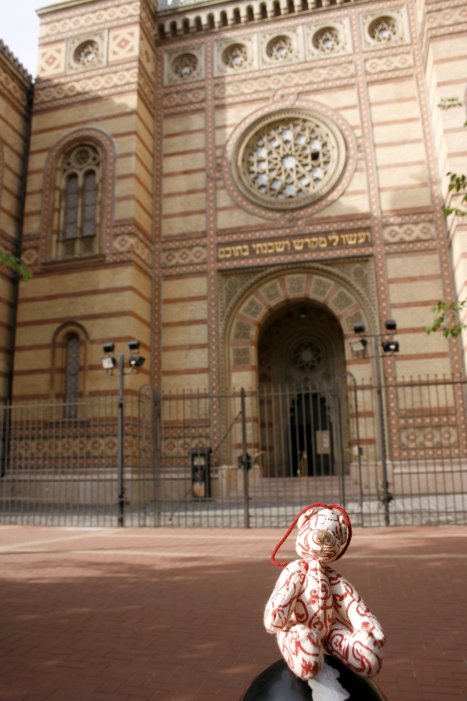
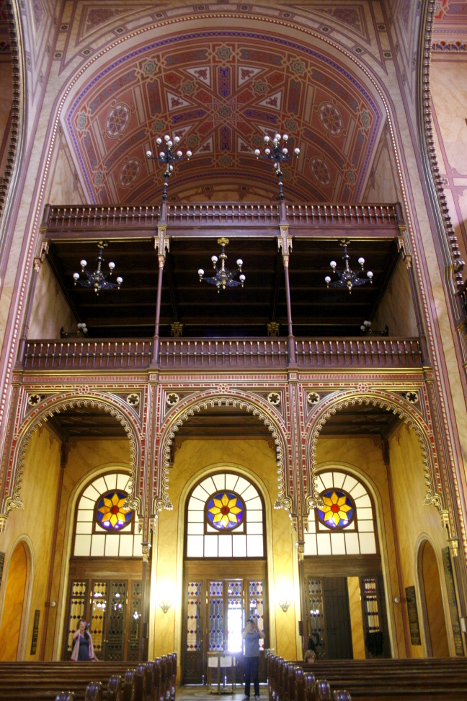
After visiting the Great Synagogue, I continued my walk through a calm evening Budapest, finally pleasantly cool. Unmissable is the St. Stephen’s Basilica, a huge thing in the middle of everything. It was completed in 1906, after 50 years of construction.
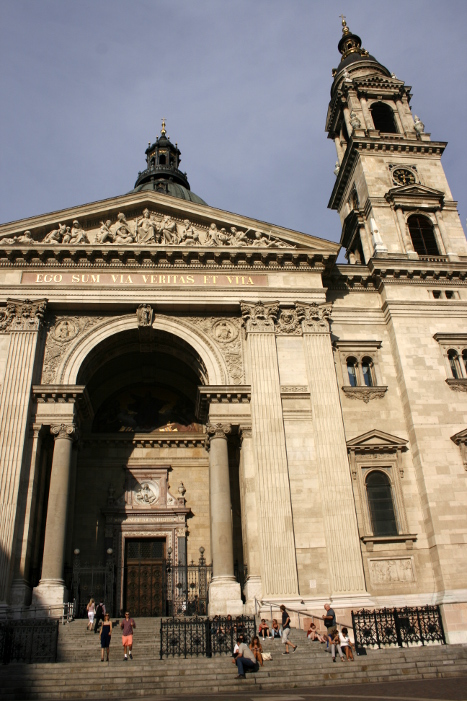

Being a Catholic basilisk, it was of course covered in gold decorations on the inside. I happened to be there right at the time of evening mass, and there were signs restricting the tourist access. I was happy just standing in the back, listening to the priest (or whatever they might be called in the Catholic church) singing the sermon and giving the congregation the bread and the wine – but a couple of incredibly annoying Japanese tourists just had to go continue past the restricted tourist access line and take pictures of the dome and the organ. Seriously, where’s the respect?
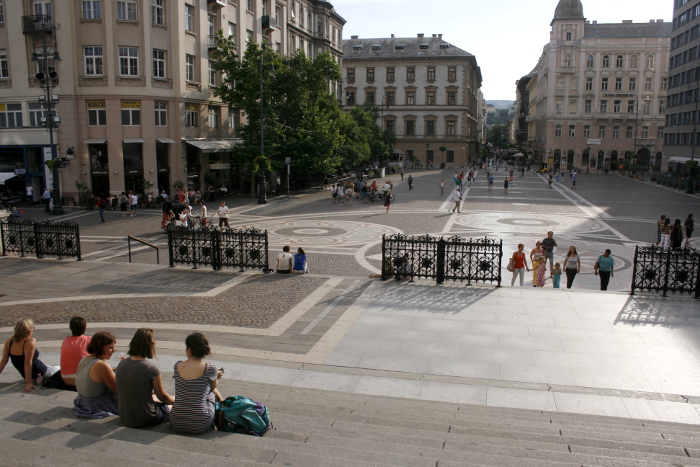
The square in front of the basilica.
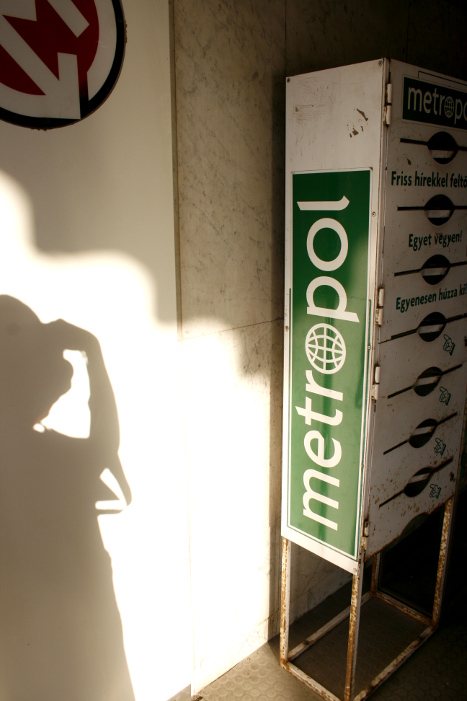
Look, they have Metro(pol) in Budapest too!
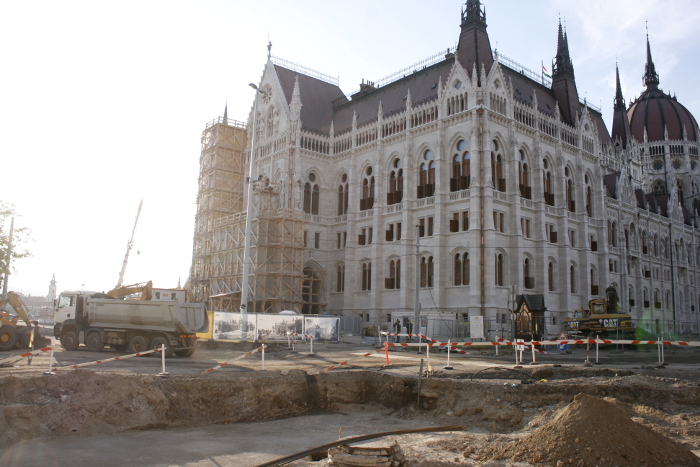
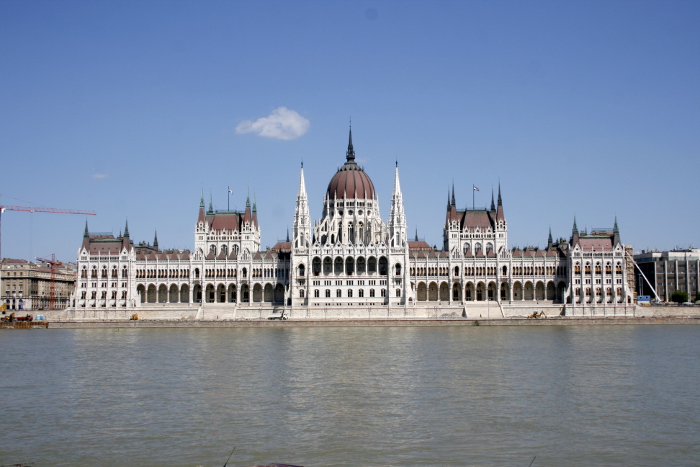
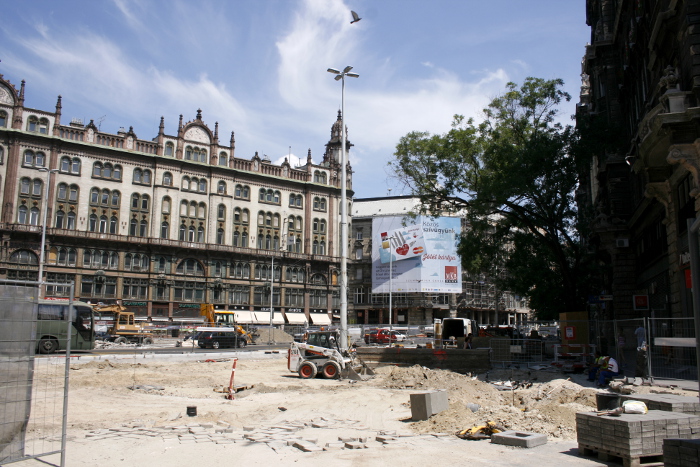
Big parts of Budapest is under renovation – I’ve heard documentaries on the radio about all this redoing and street name changing here is part of a nationalistic turn in the Hungarian politics. I have no idea about that, but as a tourist, if felt kind of bummed for not being able to come closer to the magnificent Hungarian Parliament, this spiky piece of neo-Gothic architecture on the east side of the Danube.
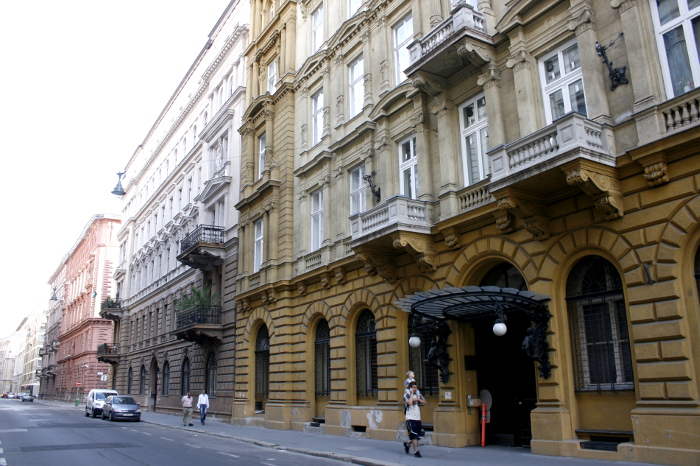

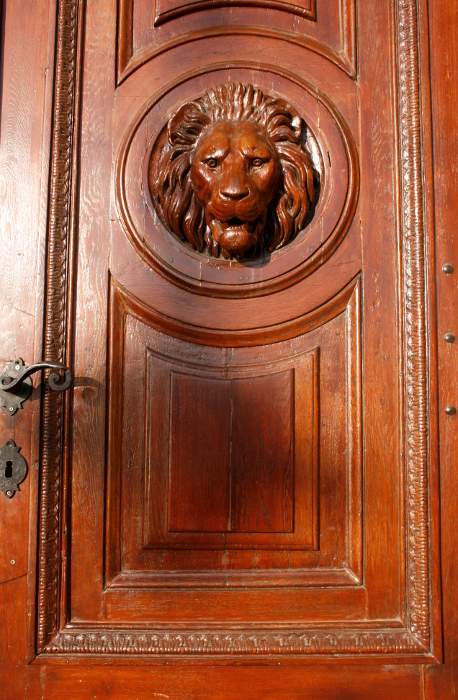
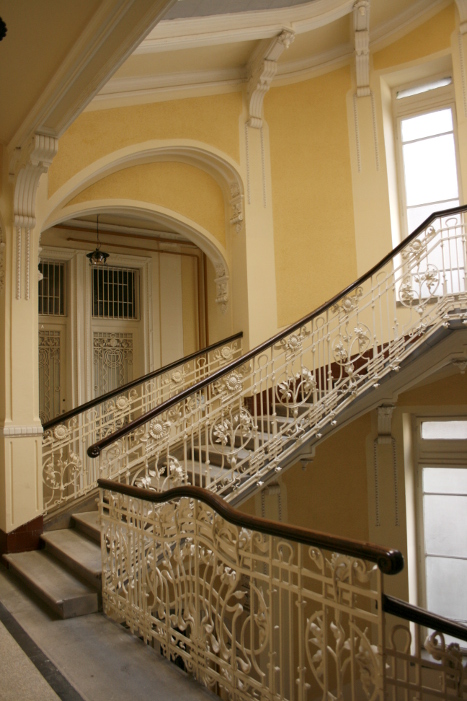
I want that on my door!
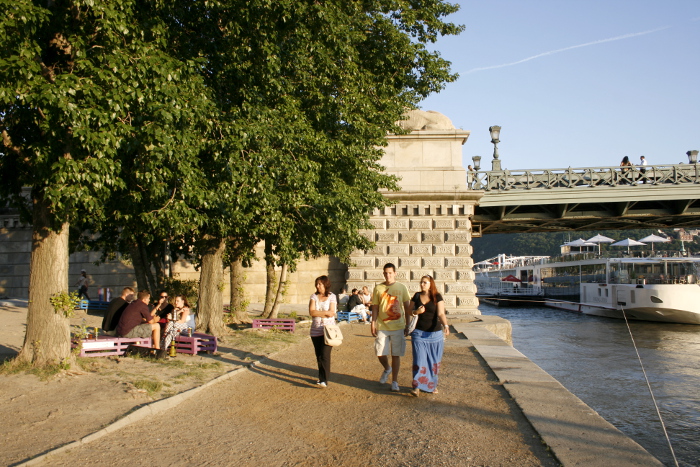
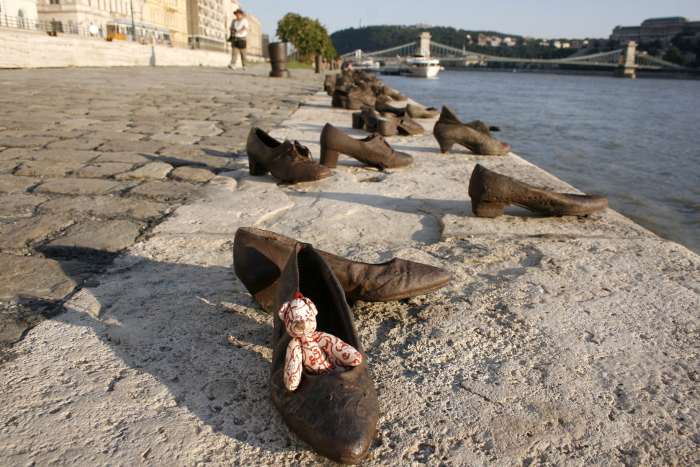
Once I reached the Danube, with the slight breeze and the evening sun on its way down behind the hills on the other side of the river, the air was perfect. I sat down, watching the water flow by, listening to a radio documentary about Bosnia, 17 years after the signing of the Dayton Agreement. It is not an uplifting story, about how the division of the power into three, to give the Bosniaks, the Croats and the Serbs equal voice, has made most political decisions impossible to make and has consolidated the segregation, rather than beat the religious tensions. I sat there, by the Danube, thinking that soon I would be in Sarajevo and the sun was warm and my feet were aching but that was OK, because I was in the middle of it all. I was in the middle of Europe, this continent heavy with history, all kinds of history – and I was there. A group of young people were practicing the bongo drums just a short way off and thanks to the construction work and the long detour that required one to make to get to this particular part of the path by the river, there weren’t that many people who bothered to come here. I could have stayed there, to see the sun disappear behind the hills – but I was hungry, and I wasn’t sure how to find my way back to the hostel, and I felt I had to start heading back before it got dark.
But right there, sitting by the monument of the shoes by the river, listening to the documentary about Bosnia and the young Hungarians playing the bongos, I felt like I was part of it all. A citizen of Europe.









 Katja Malmborg