Kirstenbosch & grandma Lilian

67

The first botanic garden I photographed was Kirstenbosch in Cape Town. I was nine, and as with most trips I went on with my dad growing up, he wrote an article about it, centered around traveling with children. This was the first time he included my own words in the article, in a short, journal-like format. In a sense, this was my debut at a writer. About the day we went to Kirstenbosch, I wrote:

December 21st, 1997: Today we went to the market in Muizenberg. There I bought a pair of sandals. Then we went to a botanical garden. We walked around for two hours and looked at Protea.

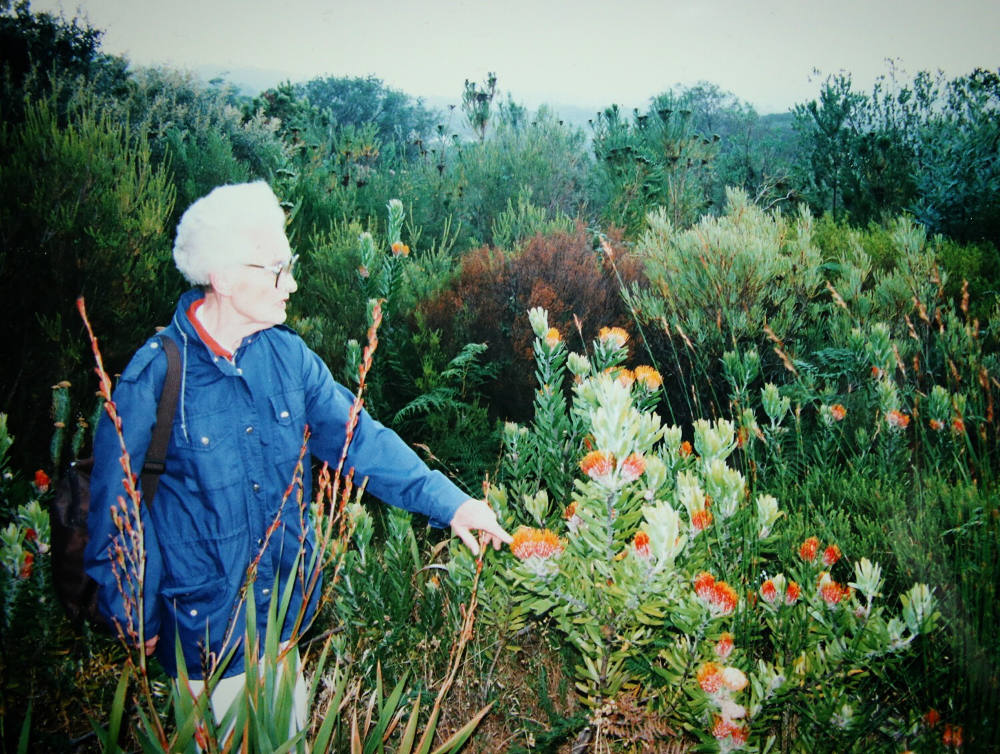
One could say that this is where it all started: My travel writing, plant photography, and love for botanic gardens. My weakness for winding descriptions hadn’t been awakened yet, evidently, but I remember strolling around in the lush greenery together with my grandmother Lilian. She loved the protea flowers. She had a weakness for the slightly odd, but beautiful.

She also took me for my first visit to Bergius botanic garden in Stockholm. I remember looking at the cacti in the greenhouse and sitting in the café. She took me to all the sights of Stockholm, on school holidays when my parents were working. I remember wandering through town, her pointing out her favorite buildings to me. She loved architecture, would have become an architect if she had been young at a time when it was more common for women to get a higher education. Instead, she became a librarian. Most of the books I had as a child were from her.

At the time, I didn’t get it. I thought looking at old buildings was kind of boring. But with time, I’ve come to appreciate the timelessness of good architecture, the longevity of something that is both functional, well crafted and beautiful. Architecture can, like few other artforms, connect us with a deeper sense of time in the midst of our everyday lives. Like rocks and trees, they stand, reminding us to be still, remember times, lives past.

Lilian. She took me to my first botanic gardens. She had an eye for the colorful and oddly beautiful, an appreciation for the timeless. I will always love her for passing it on to me.

Photo: Lilian with protea in Kirstenbosch National Botanical Garden, Cape Town, South Africa, December 1997. Captured by me with my very first analogue compact camera. Posted on Instagram November 8, 2020.
November dusk: On the office poncho & living alone in times of COVID

C R A F T S

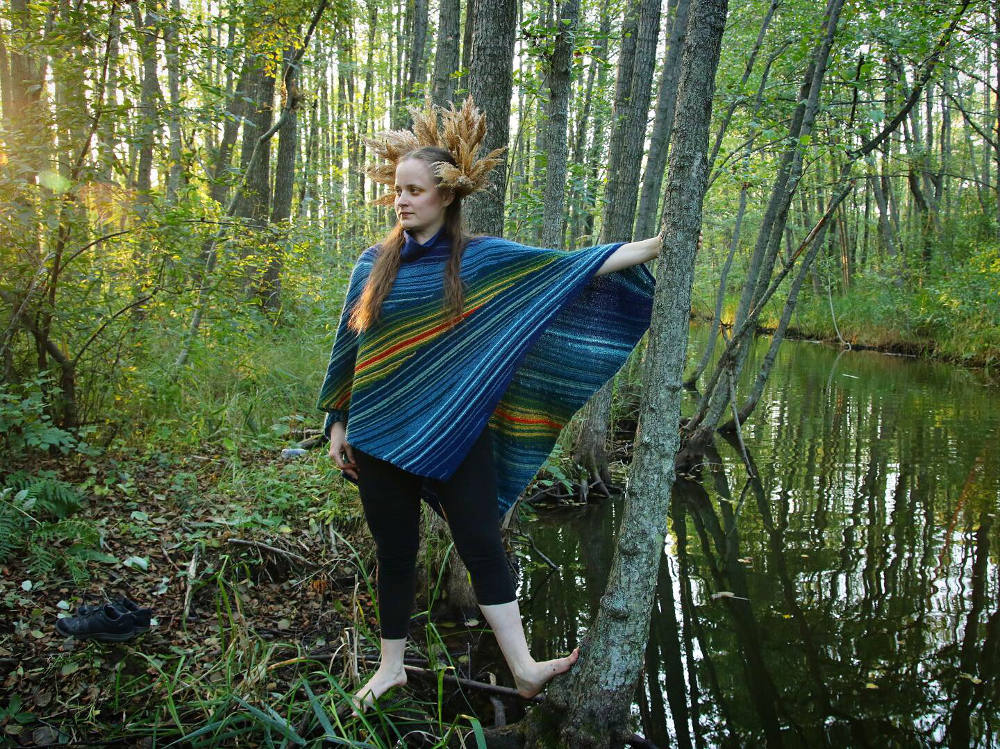
It was such a beautiful late September Sunday afternoon when Natalia and I finally came out to photograph my office poncho. The leaves had just started to shift color, but the temperature was mild enough to make walking barefoot perfectly comfortable. Granted, I don’t get cold easily, but still. Natalia likes to have me pose halfway immersed in a lake, especially in autumn. I didn’t mind. That whole afternoon was such a beautiful moment in time.

Now, it is with mixed feelings I enter into November. Winter darkness is the time to binge TV shows and knit, to read books and drink tea by a lighted candle. All activities I love. My living room table currently has five separate knitting, crochet and cross-stitch projects in different stages of progress strewn across it.

But on Thursday, new, stricter COVID restrictions were announced for Stockholm. Suddenly, my little single household felt so much more isolated. With the dark and the cold and the rain, socializing outside is going to be so much harder to pull off than it was during spring and summer. Moments of shared creativity and play, like that Sunday afternoon photo shoot with Natalia, will be so rare.

We will have to see what winter brings. Stock up on yarn, tea and continue with the Buffy marathon. And: Josh just left after spending the afternoon. We agreed to be in each other’s Covid bubble, two single households in a shared orbit. Then he started playing on my piano and I sang. With a regular dose of Damien Rice, Jeff Buckley and Regina Spektor, I feel like I’ll be able to weather this storm too. One day at a time.

October morning: On the dragon-scale jumper

C R A F T S

PART I

Sometimes, life just knocks you down. Not permanently, but for a time. Too many things go against you, and nothing good just kind of accidentally happens. As if the world had run out of serendipity.

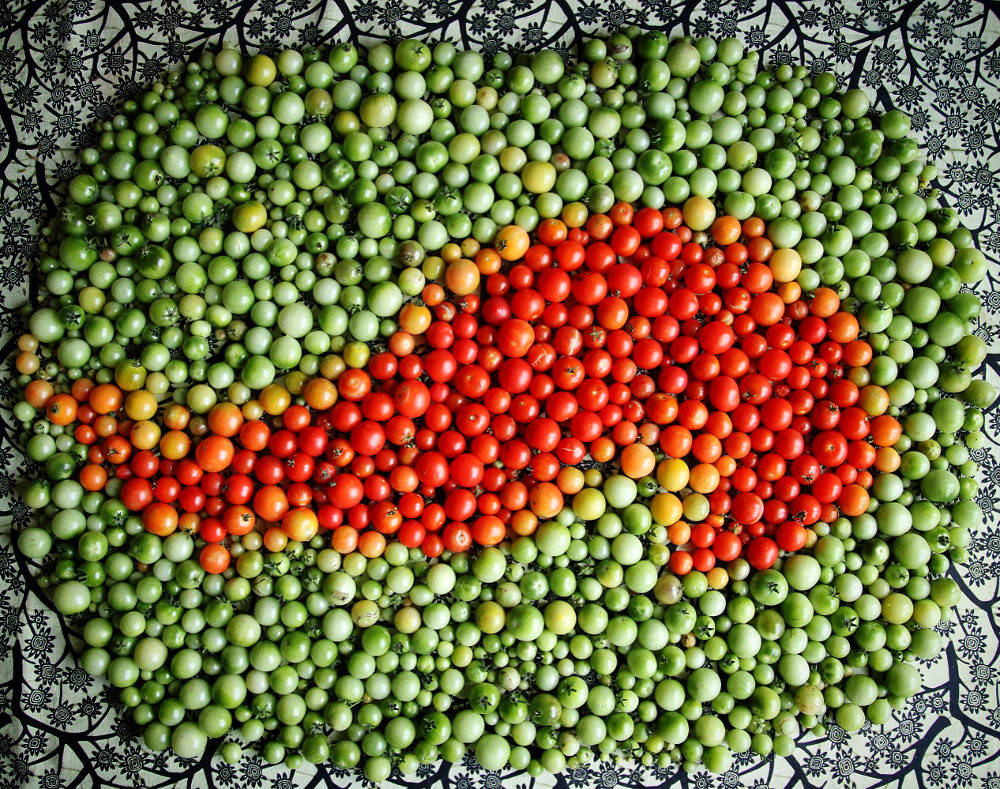
I think many of us have felt that way during the past seven months. Covid-19 came like an enormous tidal wave, covering the entire Earth. Many things about work and home and relationships and hobbies had to be re-defined. I stayed home, knitting and gardening. I had too much time to tend to the plants on my balcony, seeing them thrive somewhat eased worries over a non-thriving thesis and I’ve been eating tomatoes daily since the beginning of August. I have more chilis than I could ever consume.


PART II

A couple of weeks ago, I finally finished Natalia’s dragon-scale jumper, knit in a fine, beautifully blue-purple linen-cotton blend from Ullcentrum Öland. I started it in early spring, the scale-pattern is by @lavishcraft but the rest is an experiment springing from my and Natalia’s shared imagination. However, experimental design is an inevitable process of knitting, realizing it’s too tight or loose or just weird-looking, partial or complete unraveling, and then re-knitting. I know this, because most of my pieces are one-off experiments. But this jumper was extreme. Except for the second sleeve (which obviously was a repetition of the first), every single part of this jumper has been re-knitted at least twice. And with such a fine yarn, that is no quick task. I was so sick of the whole thing by the end.

And in a way, this felt a bit symbolic of the time in which the jumper was produced. This year, that has felt like biking up an endless, bumpy hill on a bike with broken gears. One step forward, two steps back. But also, there is no one I would feel more content over having spent all that time and effort for. The almost weekly Skype calls Natalia and I have had, re-watching Buffy the Vampire Slayer together, are one of the things that have helped keep me sane in the time of social distancing. Doing things for each other, that’s how purpose is created.


PART III

Now as the leaves on the birch outside my home office window turn yellow and slowly fall to the ground, the unease has lifted a little. I’ve started to knit a dress for myself, in a yarn about twice as thick as Natalia’s, making it delightfully quick to work with. I am seeing progress in my thesis again. No less than five good colleagues and friends have successfully defended their theses since the end of August. Last week a production, Partisan, that one of my oldest, best friends Kirke worked on was awarded the prize for best TV show of the year in Cannes.

And last night, my dad’s biography about the Swedish musician Olle Adolphson was nominated in the non-fiction category of the August prize, the most prestigious Swedish literature award. There is something encouraging about that. Not only because he is my dad, but also that it is possible to do something for the first time in your sixties, for example write a book, and then end up being considered among the six best to have achieved that in the past year. It is never too late to do something new. Good things can happen.

And soon, there will be a most fantastical photo shoot of the dragon-scale jumper co-created by the me and Natalia dream team.

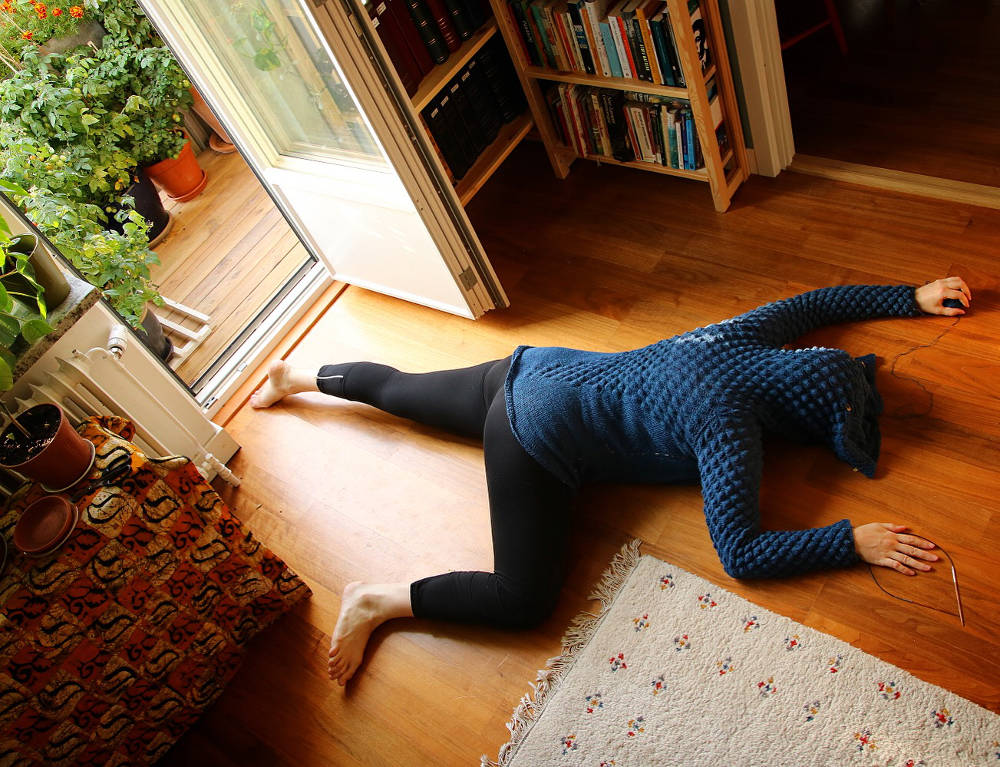
Photos: 1. Some of my balcony tomato harvest; 2. Me defeated by the dragon-scale jumper; 3. Natalia trying on the final version of the dragon-scale jumper for the first time. Posted on Instagram on October 20, 2020.

Paris (i)

66

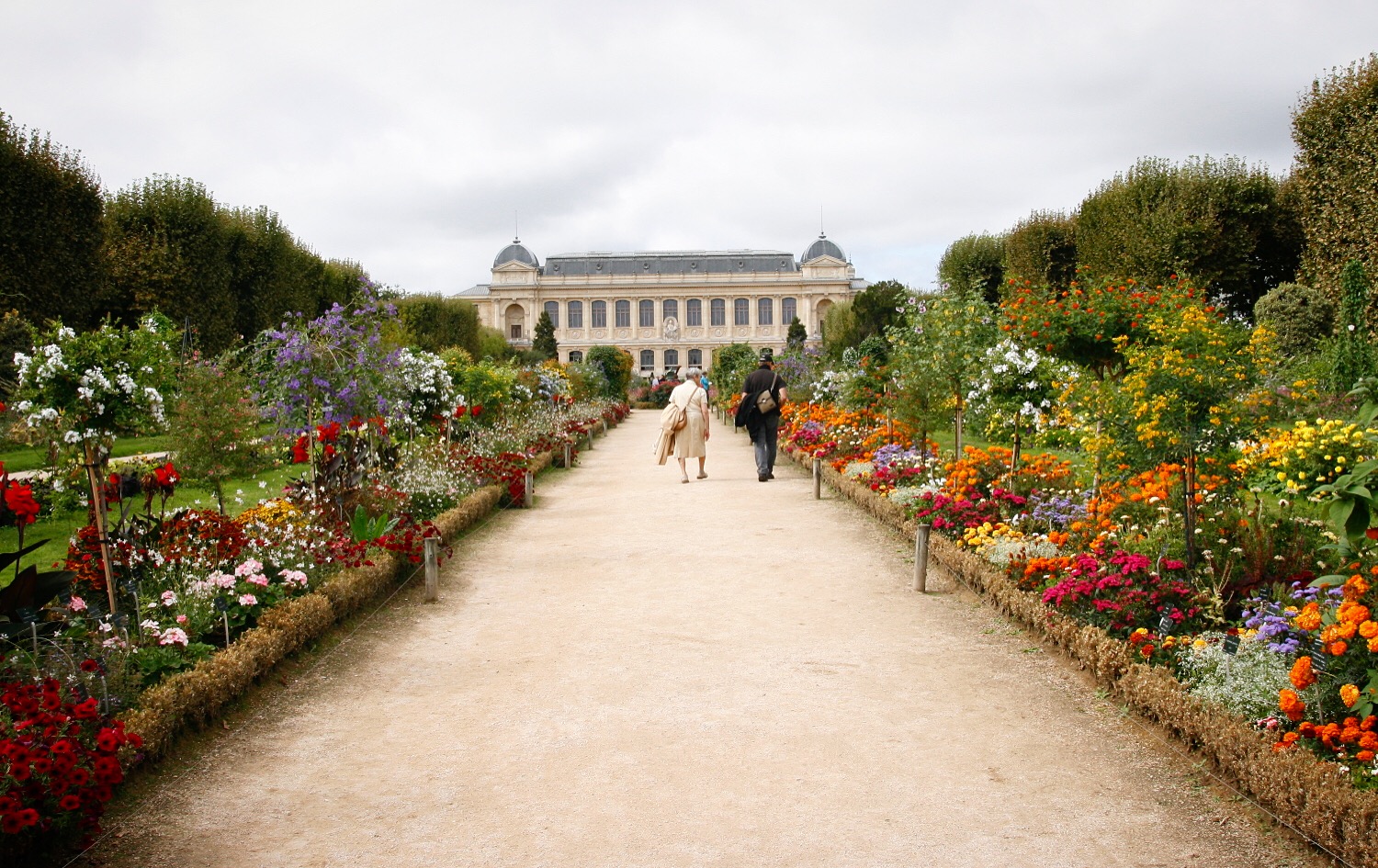
Jardin des plantes de Paris was established in 1635, in France only surpassed in age by the botanic garden in Montpellier (which is a lovely garden, by the way). It also figures in the beautiful but sad novel “All the light we cannot see” by Anthony Doerr. Granted, in the book it is mainly the natural history museum that is described in such a colorful, romantic fashion – but the adjoining botanic garden also gets sprinkles of attention. And it is the main botanic garden in France. Needless to say, my expectations were high. What I found was open spaces with intensely blossoming flowerbeds, a pretty greenhouse and not many systematic displays of botany and ecology. So yes, it is beautiful, and meticulously cared for, but it is not the lush oasis in the middle of the city full of opportunities for environmental education, like the gardens in Montpellier or Glasgow. I prefer the gardens with hidden spaces to disappear in.

Photo: Jardin des Plantes de Paris, France, September 2017. Posted on Instagram November 2, 2020.

seasons

65

I love seeing autumn unfold outside my living room window. The ash slowly turning from bright green to yellow and then, after a particularly windy night, stand there completely naked. The maples shift into orange and red. The aspen glow like torches, lit up from behind by the setting sun. And the pine tree seeming more and more blue in contrast to all the yellow and red decay.

The squirrels are back, jumping with terrifying agility between branches way too far apart, their coats shifted to the grey tones of winter. And the blue tit came by this morning, looking for food in the empty pots where my tomato plants used to grow.

There is something reassuring, seeing the seasons shift through the trees, every day from the angle of my living room. I’ve never lived for so long so close to trees before. I love it.

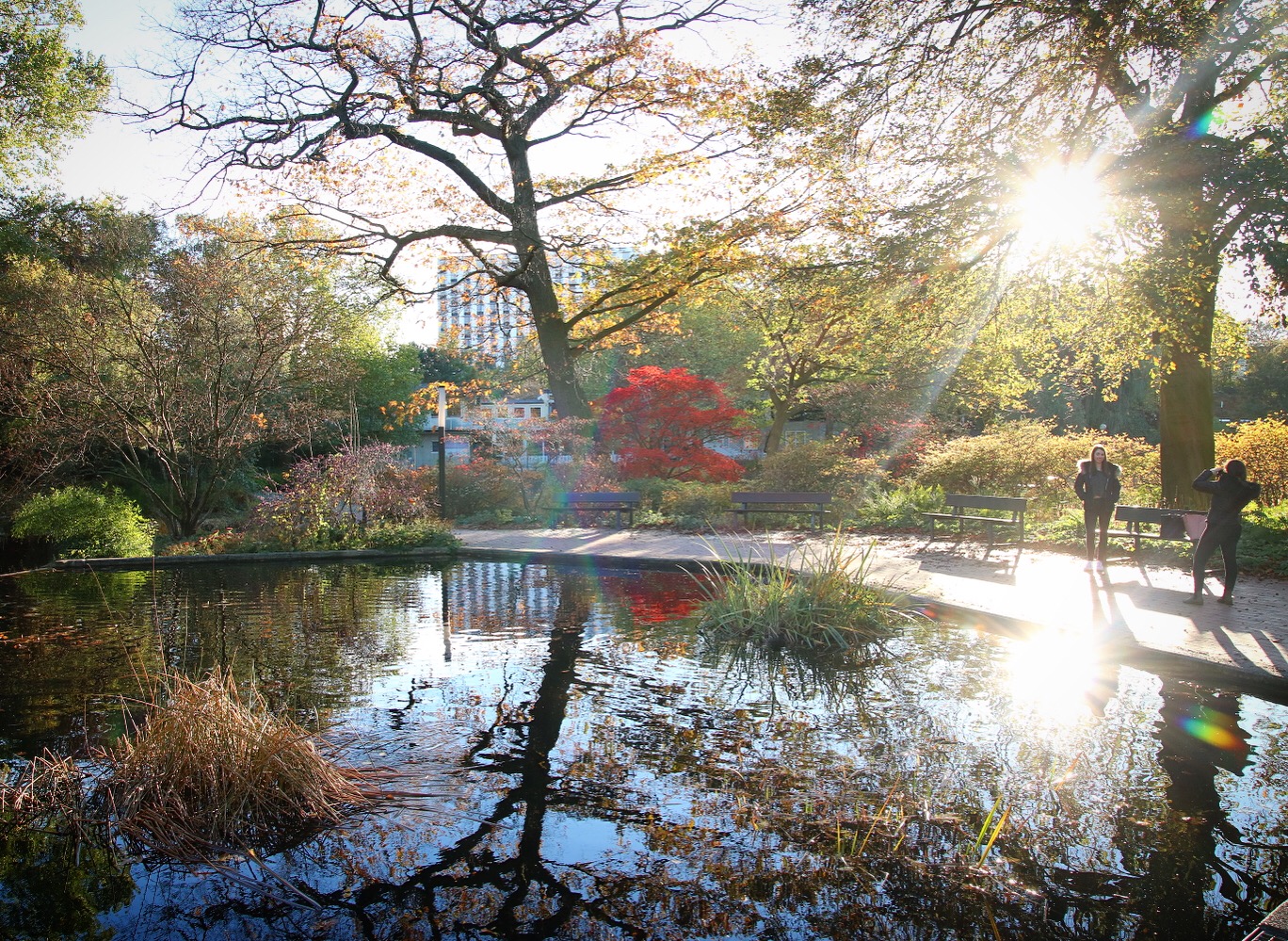
And I remember another autumn unfolding, in what seems like another world now. I was returning from a conference in San Sebastian, leaves changing color outside the train windows as I traveled north. On easy walking distance from the railway station, the old botanic garden in Hamburg in full autumn splendor. I wonder when I will get a chance to go back.

Photo: Alter Botanischer Garten Hamburg, Germany, October 2018. Posted on Instagram November 1, 2020.

Seattle (i)

64

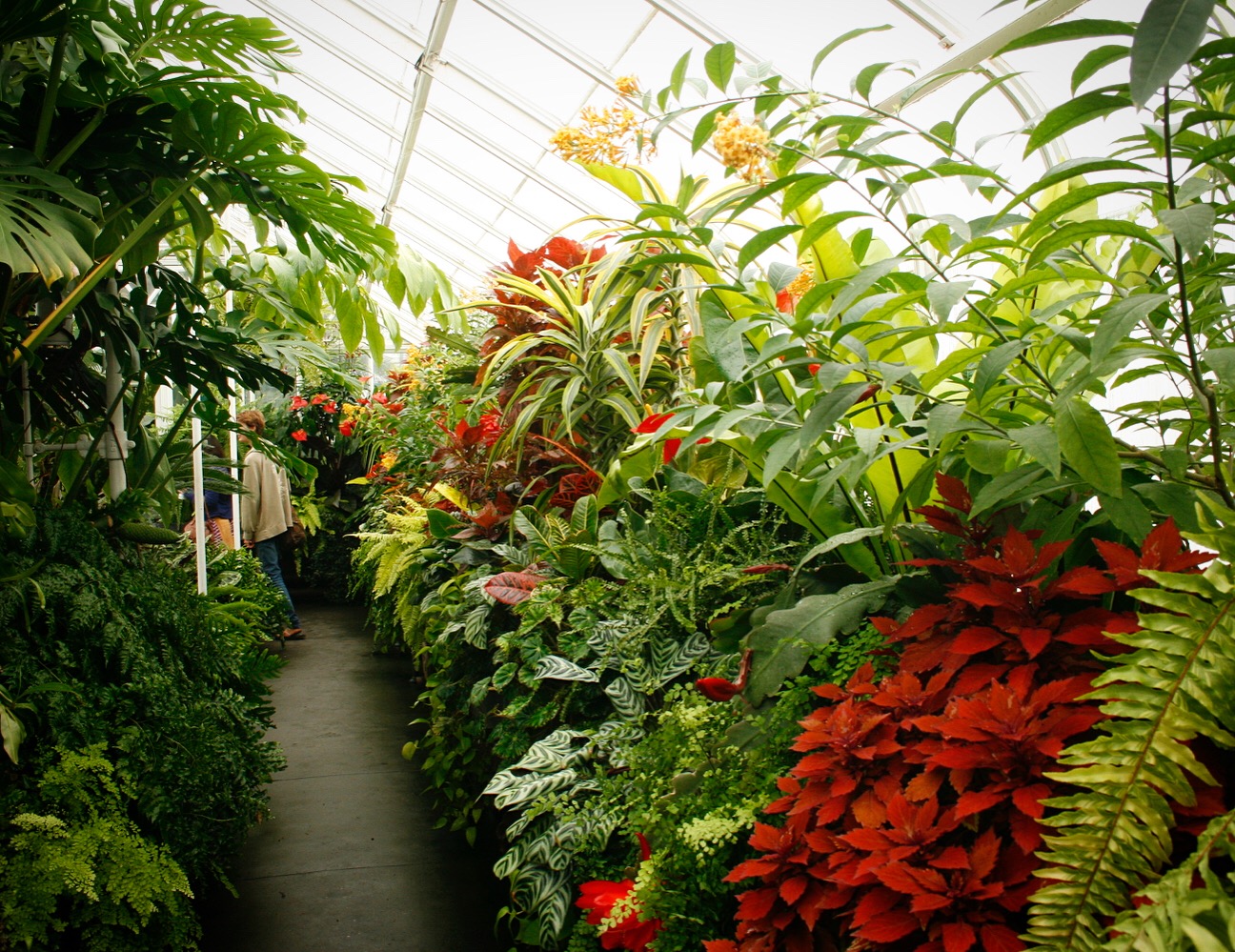
A short walk from Capitol Hill, where I was staying during my visit to Seattle in 2012, lies Volunteer Park and the Volunteer Park Conservatory. The park is pretty and the conservatory greenhouse is small and lush. At the time, the conservatory had free admission and was completely adorable.

Photo: Volunteer Park Conservatory, Seattle, USA, June 2012. Posted on Instagram October 31, 2020.

Clermont-Ferrand (i)

63

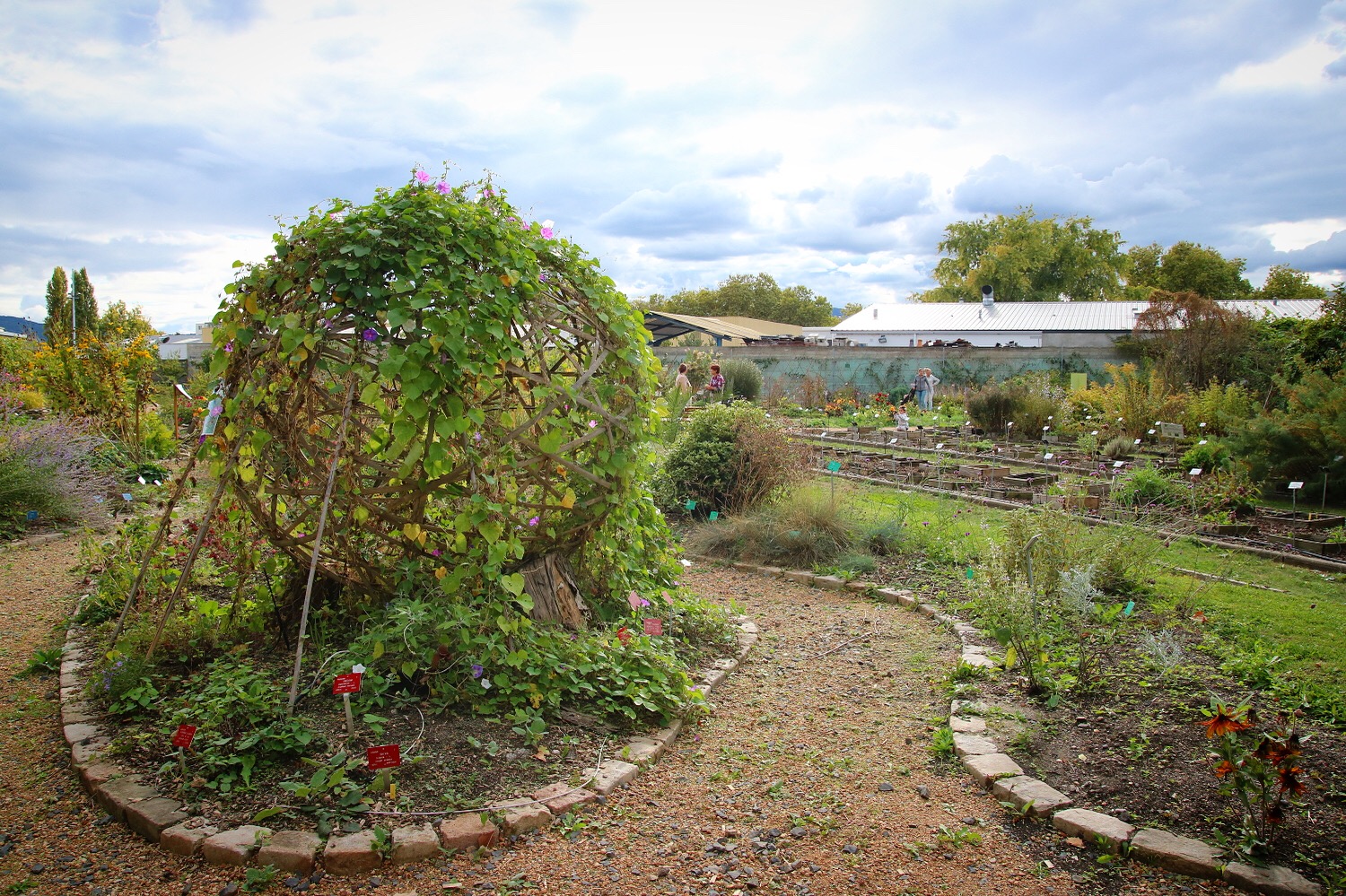
Situated on the same street as the Michelin head office in an otherwise sleepy residential area of brutalist apartment complexes in suburban Clermont-Ferrand, the Jardin botanique de la Charme is easy to miss. It is small, and at a first glance it looks neglected and forgotten, full of empty flowerbeds and big trees hanging low over them, making everything a bit gloomy. But once you get a little bit further in, the garden lightens up. Flowerbeds and tomato plants. Tranquil. The botanical garden in Clermont-Ferrand does not brag. But I liked the visit, in all its modesty.

Photo: Creative flower beds in Jardin botanique de la Charme in Clermont-Ferrand, France, October 2018. Posted on Instagram October 30, 2020.

Bagarmossen (i)

62

Yesterday I led the last interview for my study with forest owners about place meanings. I focused on the Swedish idea of “hembygdskänsla”. It is a word that doesn’t have a good translation into English, it’s meaning is similar to sense of home, but more. “Bygd”, which makes up the middle part, is a loosely defined area, a district, a parish. Take your pick. “Hembygd”, then, is the general area where home is. And what I’ve realized throughout these interviews is that how people understand their sense of home, their “hembygdskänsla”, varies. More than I expected. The nuances will be challenging to capture in the square, restricted format of a scientific paper. I look forward to start digging into the data.

My “hembygdskänsla” right now is focused on Bagarmossen, the neighborhood that I moved back to a year ago. I grew up here. My dad still lives here, and my mom also lives close by. I know the trails in the neighboring forest like the back of my hand. But it has also changed a lot since my teens. In the early 2000s, it could be a bit rough. Now, community gardens have popped up between the apartment buildings, small shops around the newly renovated square, a bakery with amazing buns. A collective bike workshop. Is it contributing to gentrification if you move back to the place where you grew up? I don’t know. I just really like it in Bagarmossen.

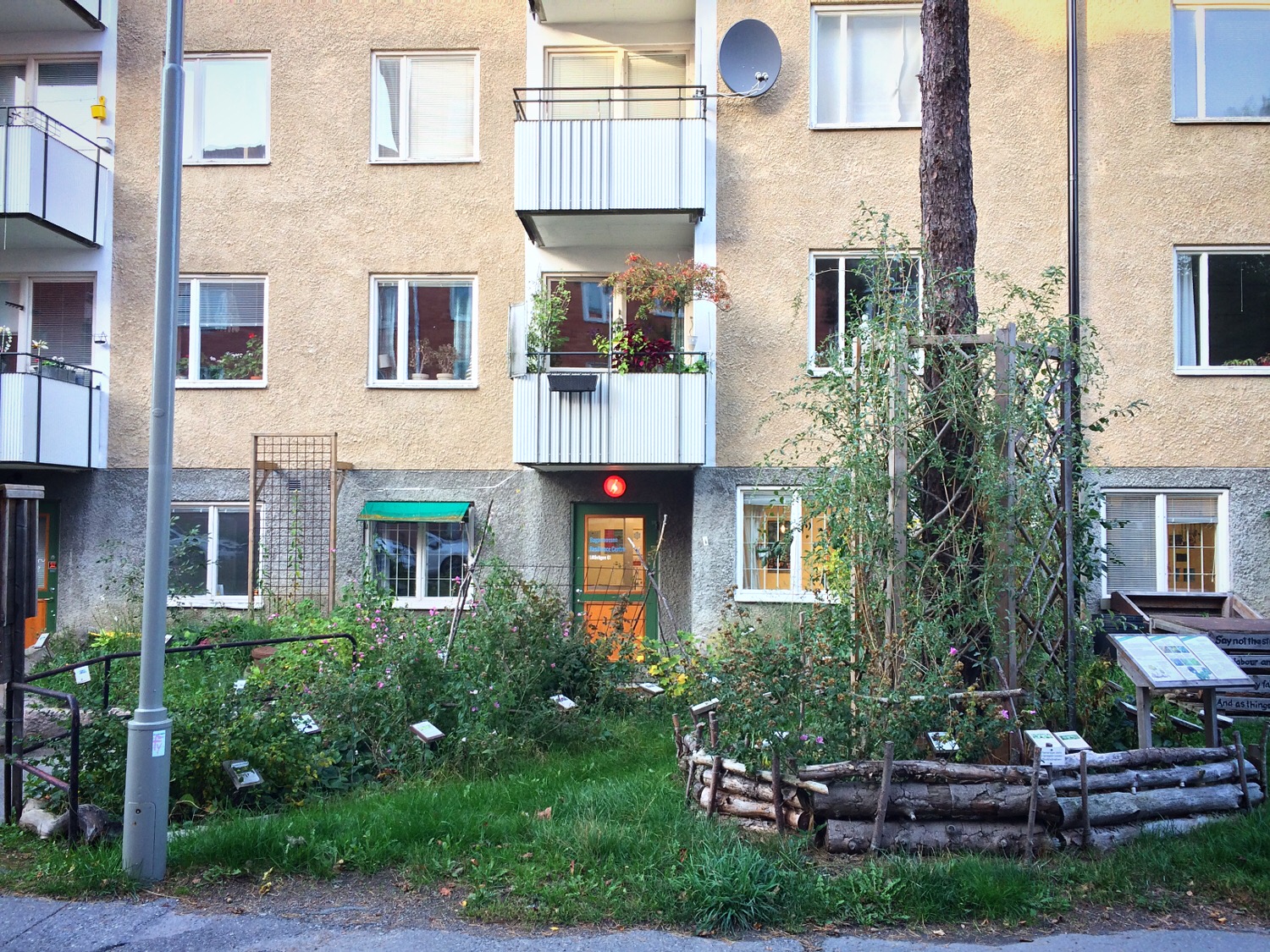
One of these nice, atmosphere-creating things I like to stroll by is the tiny permaculture test garden outside the Bagarmossen Resilience Centre. The signs next to the plants inform about uses, making it a mini-format botanic garden. The center is an office collective and meeting place for resilience and innovation where they test different ideas for a more sustainable city, a hub for grassroots initiatives. As a resilience scholar, I love it. (Even though I myself haven’t contributed with anything. Yet.)

Bagarmossen, my home, a place full of kindred spirits.

Photo: Bagarmossen Resilience Centre, Stockholm, October 2020. Posted on Instagram October 29, 2020.

Amsterdam (i)

61

Hortus Botanicus started as an herb garden for doctors and apothecaries in 1638. Today it has a tightly planted, wide selection of trees, a couple of great green houses and, what made me most excited during my visit in 2013, a butterfly house! Here, I managed to capture a Flying Dutchman together with some tourists.

Photo: Hortus Botanicus in Amsterdam, the Netherlands, June 2013. Posted on Instagram October 6, 2020.

words of botany (iii)

60

Many things have been said about gardens. Among them, that they are an example of how humans have tried to control and manage our natural surroundings. A way to enjoy the beauty of plants, without having to engage with the chaos and unpredictability that comes with any “naturally” evolving ecosystems. In some ways, I think this is true. But at the same time, I also think that some gardens, and specifically botanic gardens, can have the opposite function.

Gardens are often the most diverse ecosystems in highly managed urban environments – the only place for many urban inhabitants to easily access nature. Here botanic gardens hold a special place, for they should be created and managed for education and research about plants. Tended to not only for what is aesthetically pleasing, as many other urban gardnes and parks are. Botanic gardens are also public (even though some might charge an entrance fee), which makes them much more accessible than many gardens in our increasingly privatized urban landscape.

Not all botanic gardens I’ve visited through the years have been equally successful with this educational mission, but I have some favorites. The garden in Meise, outside of Brussels, is huge and amazingly diverse. Glasgow is accessible and friendly. Barcelona, this unique deep-dive into Mediterranean ecosystems. And, of course, Bergius in Stockholm. Their botanists and gardeners do an amazing job with their seasonal displays and tours, both outdoors and in the greenhouses. A real gem by the Stockholm University campus.

Yes, there is more to botanic gardens than pretty flower beds and plant nerdiness.

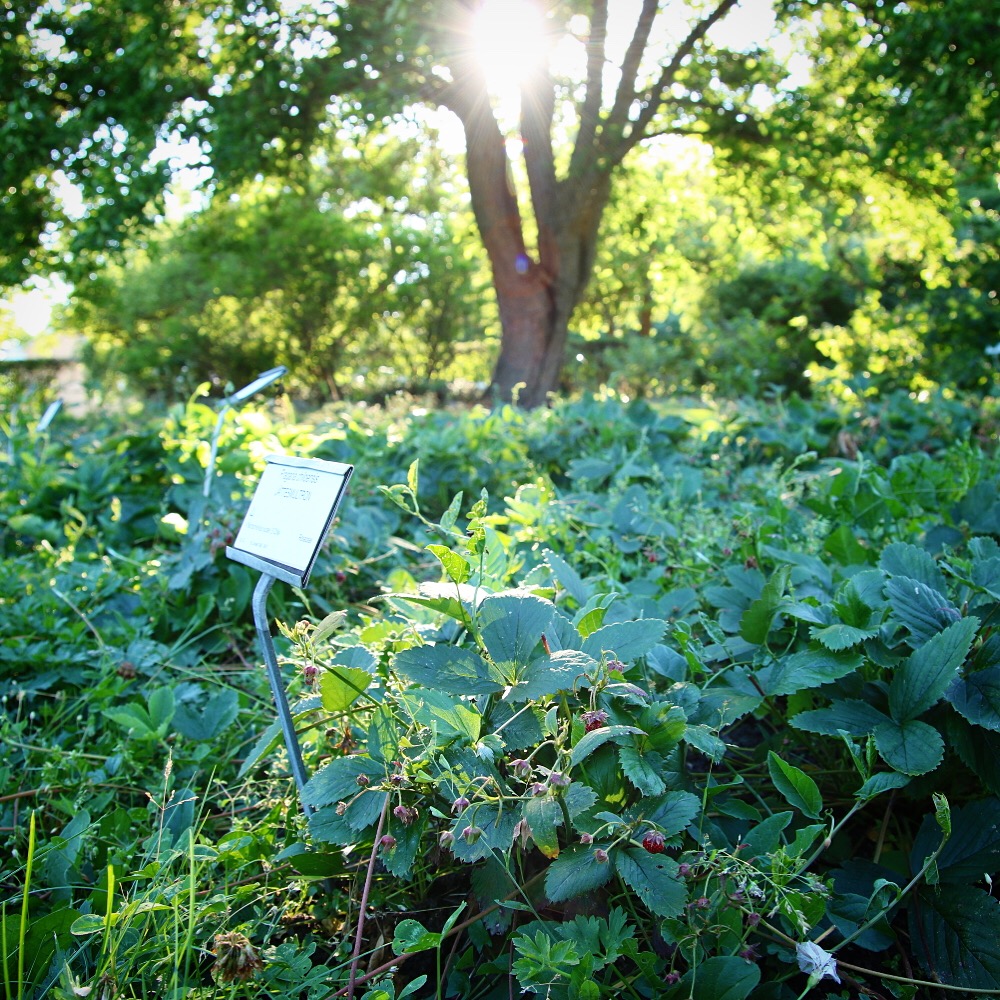
Photo: Strawberry display in the orchard, Bergianska trädgården, Stockholm, July 2018. Posted on Instagram October 5, 2020.