a walk on the glacier (20/8)


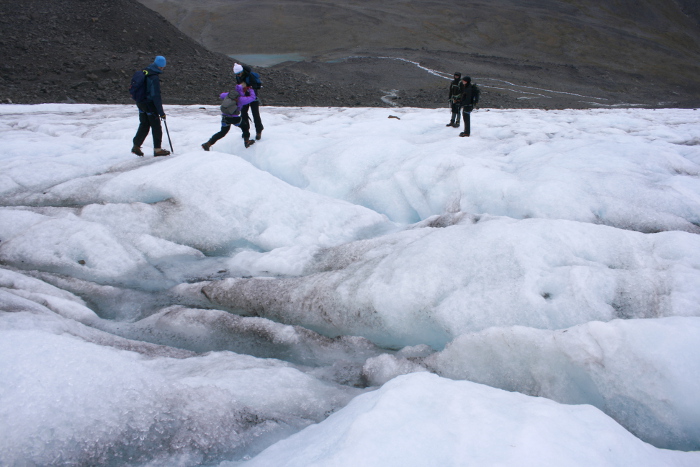
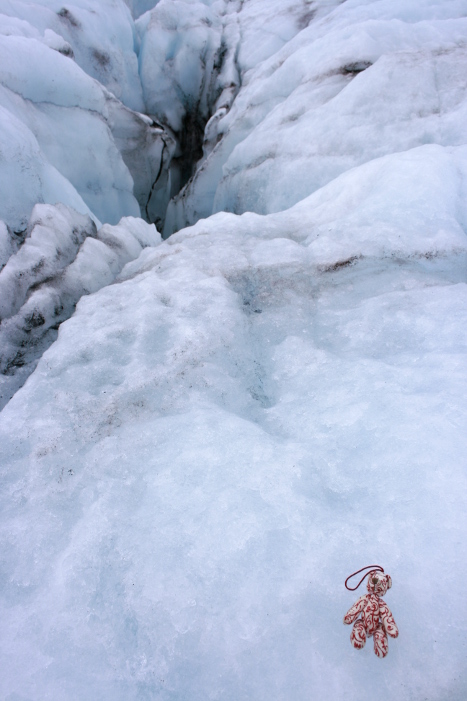
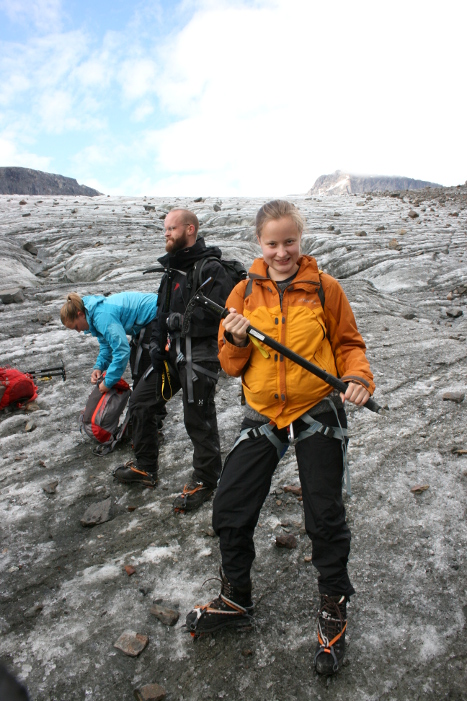
The main focus of the Tarfala station is to monitor and do research on Storglaciären. One of our days there was therefore spent walking around on the glacier, looking at ablation measuring equipment, supraglacial streams, crevasses and moulins, trying to keep our balance in crampons.

1

2 5

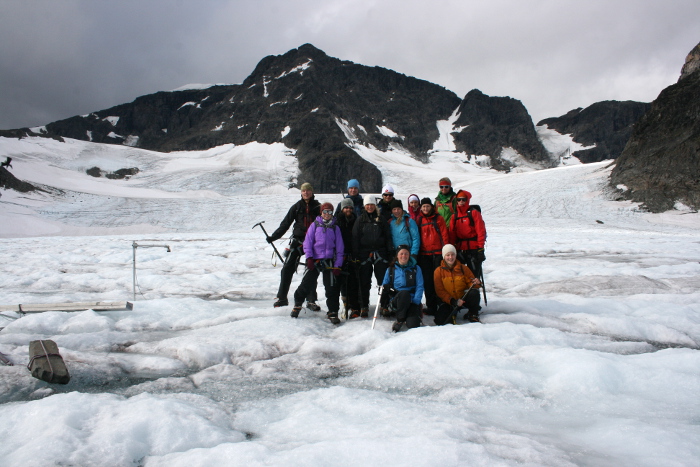
Group photo in front of the northern peak of Kebnekaise. The second highest peak in Sweden. The highest is the southern peak. when the ice cap on top of it melts away, this northern peak will take over as the highest.

6


They are impressive, awe-inspiring things, glaciers.

the geomorphologists in action (19/8)

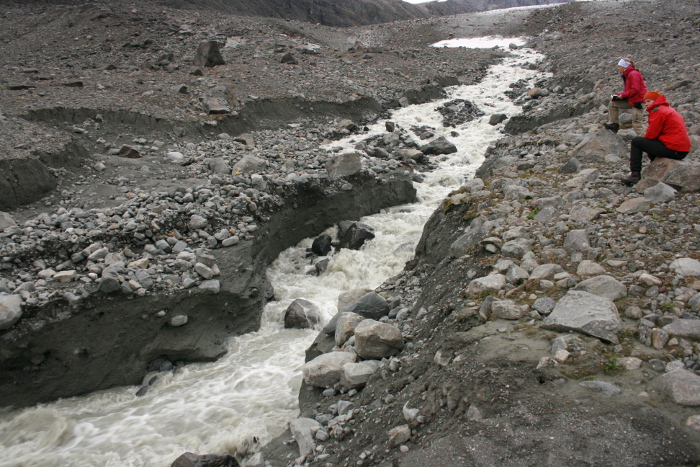
We got a geomorphology assignment, to divide ourselves into groups and then describe a landform created by a particular process in the Tarfala valley. My group consisted of me, Sara and Sandra, and our assigned landform type was fluvial. That made our choice of landform pretty simple: we chose one of all the streams in the valley.

_MG_6868

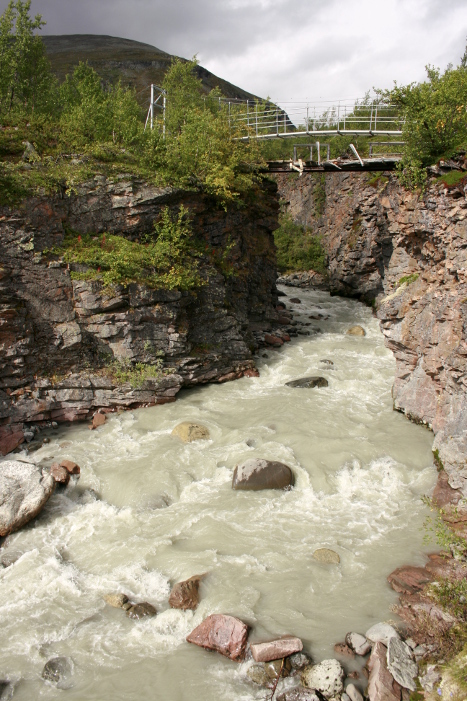
This particular one was a stream filled with meltwater from Storglaciären.

_MG_6791

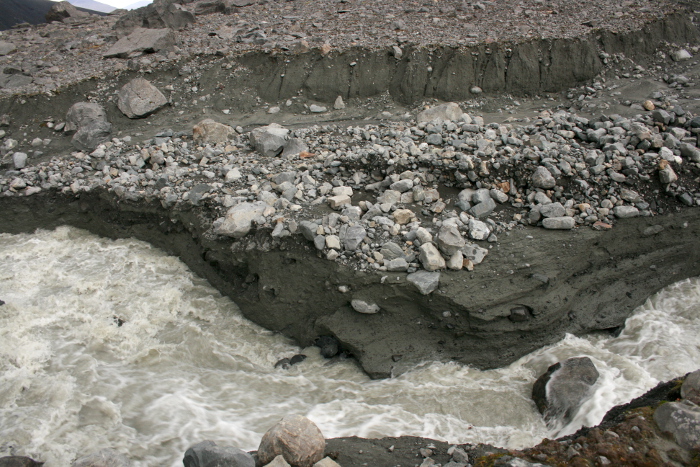
The velocity in it was very high, and it had cut down deep into the silty sand sediment it was running over. The roar of the water was deafening. The ground was shaking from the force of the stream, boulders running down at the bottom sounding like thunder.

_MG_6797

The ground wasn’t stable. The river was cutting down into the sediments, making walking along the river creating a little tickle in my stomach.

_MG_6879

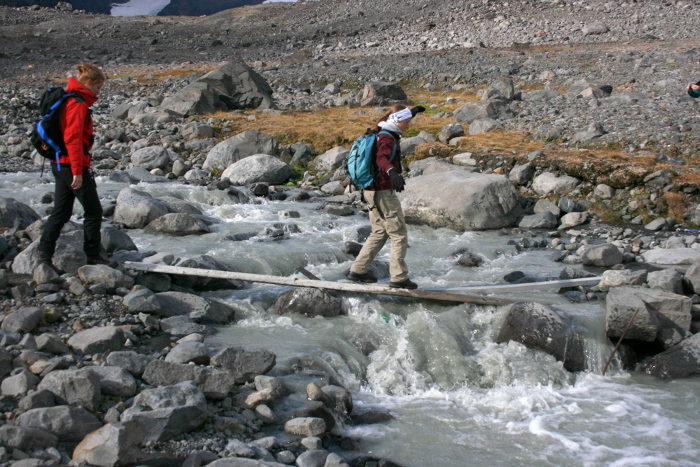
The dangers of being a geomorphologist. I had forgotten how fun geomorphology can be. Walking around, looking at things, reading the landscape. Very intriguing, especially for a traveloholic like myself.

climbing the ridge of frost action (18/8)

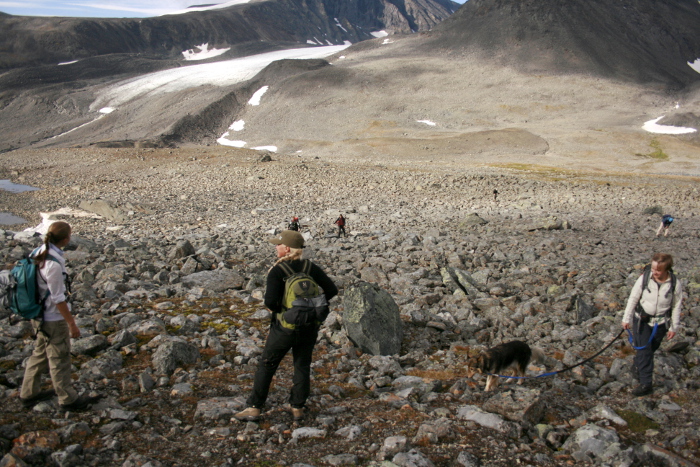
Since it wasn’t raining, our geomorphology teachers decided it would be a perfect day to climb the ridge behind the station.

_MG_6664 _MG_6668

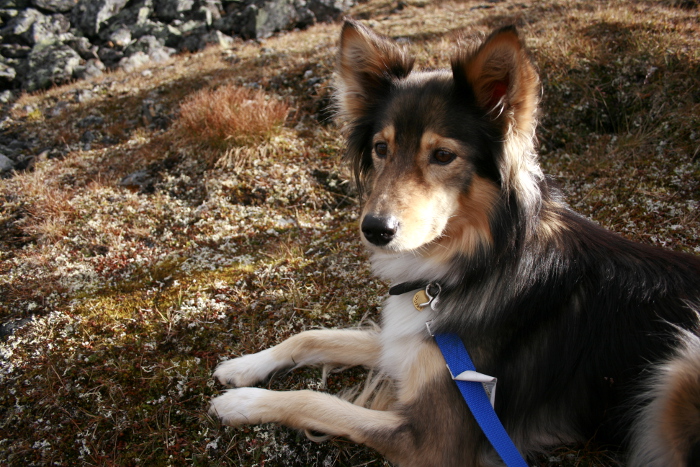
Akka was with us. She’s Ninis’s dog, but since Ninis (professor and director of Tarfala Research Station) was going by helicopter to get some samples from Rabot Glacier on the other side of Kebnekaise, and Akka doesn’t really like going in a helicopter, the dog came with us instead. I think she was the one managing climbing the best.

_MG_6670

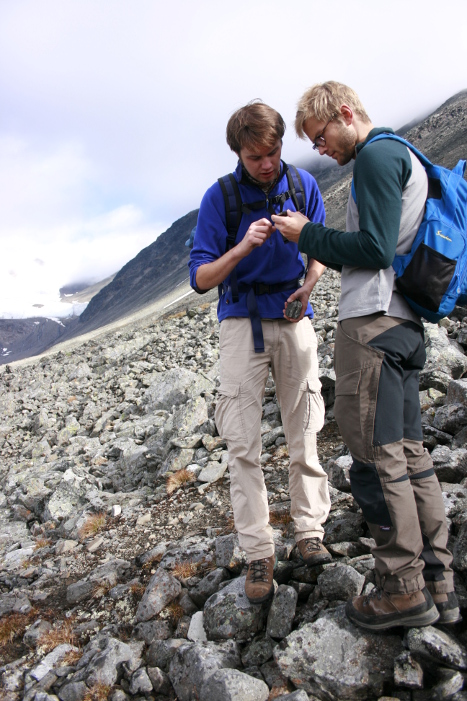
The geology boys studying a stone. Christoffer and Johan.

It is a steep ridge. Very steep, even. At one point, I thought I wasn’t going to make it. The problem was, the entire ridge is covered in rocks and blocks, left there by extremely powerful frost action. The surface of the mountains around here are not made out of solid rock – they are covered in debris. So, at its steepest point, stepping on the wrong stone could theoretically mean creating  a slide, detrimental for the people climbing behind me.

Well, after a while there wasn’t anyone else behind me. To be honest, right there I wasn’t thinking of  the potential victims of my bad step. I was only aware of this overwhelming fear of heights building up in me – a feeling I’ve only felt after climbing to the top of Mount Storm King in the Olympic National Park in Washington.

_MG_6678

I made it to the edge, though, the part of the ridge where the steep climb turns into a rather enjoyable uphill walk. The view here was amazing, and I ran into Kajsa, who agreed to pose next to the beautifully patterned ground. It’s a periglacial landform, created by upfreezing and sorting of stones during many freeze-thaw cycles.

panorama

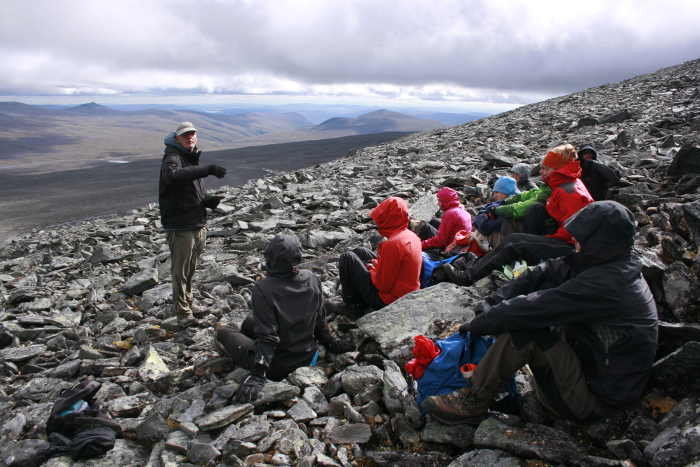
The rest were already waiting on the other side of the ridge, listening to Adrian (our incredible geomorphology teacher, visiting from Scotland) explaining the landscape. The valley on the other side of the ridge looked so different from the Tarfala valley, quite intriguing really. (Panorama photo taken with my SLR camera and copy-and-paste in image processing software.)

_MG_6712

Quite a spot, really, to have a lecture. An ordinary day for a geoscience student, though. And Adrian was like a never-ending story book, telling the history of the landscape like it was a riddle and an adventure all at the same time.

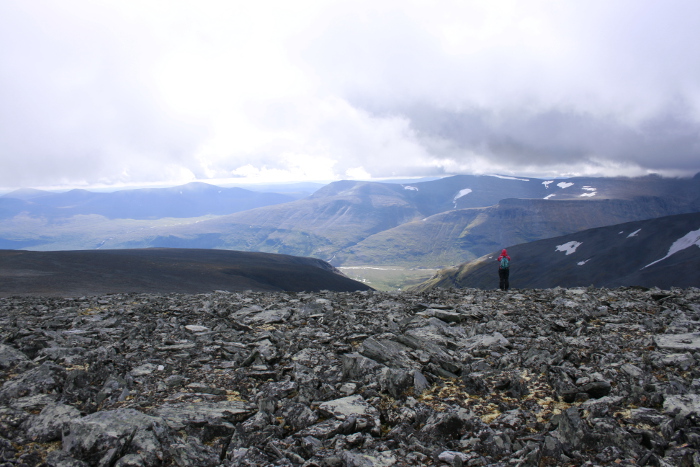
It was incredibly cold, though, up here. Windy and bone shattering. So we couldn’t sit still for very long. Instead, we climbed to the top of Tarfalatjårro, 1622 meters above sea level, the lower of the ridge’s peaks.

_MG_6725

Sandra on the top, photographing Tarfala valley and the distant Laddju valley.

IMG_6737

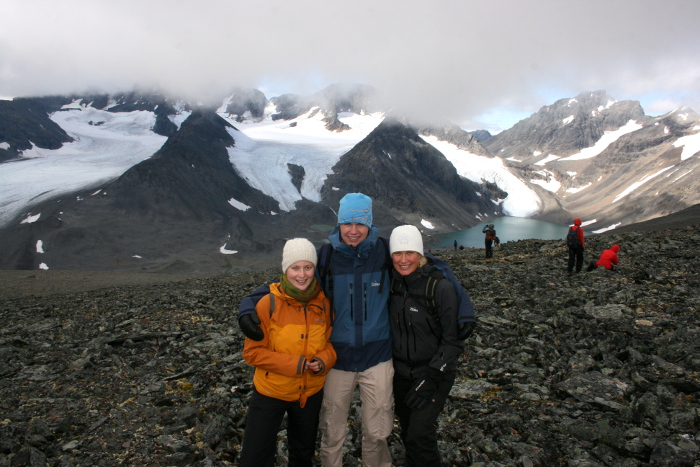
The way down was much more fun, consisting of many group photo moments. Me with Christoffer and Elin, with the glaciers Storglaciären, Isfallsglaciären and Kebnepakteglaciären in the background.

DSC_0012

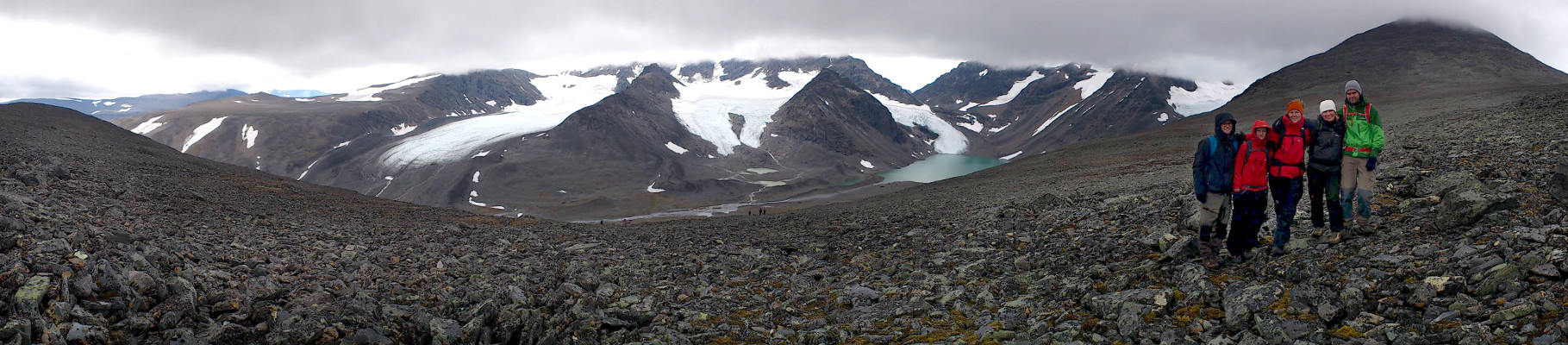
I also learned that my new Xperia Arc has a panorama photo setting. Much more practical than copy-pasting with the SLR photos! Here, you see the rocks, the mountains, the glaciers and Johan, Kajsa, Sara, Elin and Robert.

_MG_6765

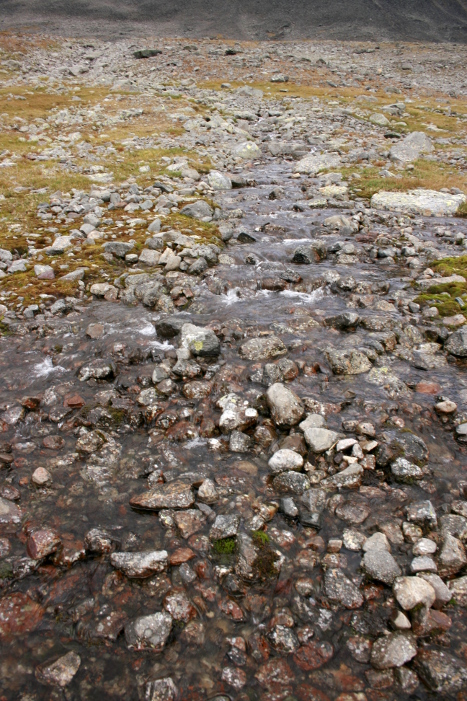
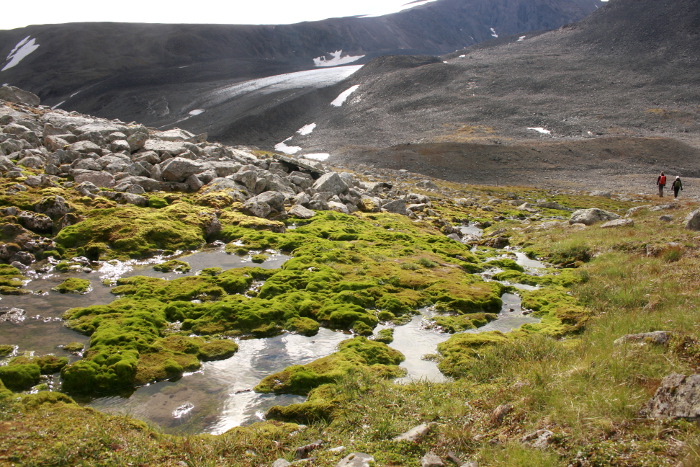
In the stream beds further down, the moss is like a chock of green for the eyes, after walking for so long in the rocky grayness.

All in all, it was a nice half-day excursion, despite the moment of fear of height claustrophobia.

sauna by the glacier (18/6)

Last night was rounded off with a trip to the sauna, just as the night before. This time, I went with a group mostly consisting station staff. Young people, mostly master students, who had all been here for more than a month. They were tough. This night, I got company down to the jokk.

Tea in the mess hall is a good way to round off an evening of sauna and jokk swimming. Stefan (station staff, and an acquaintance from Stockholm geo), Victor (also staff, hydrology master’s student originally from Greece), Johan (one of my classmates on the Tarfala course) and I sat down by one of the round tables in the common room, the entire building empty of people except for us. Stefan is leaving tomorrow, so he wanted to get rid of the whiskey he had carried all the way up to the station a month ago. It was smoky, the night outside dark and Stefan picked down the guitar from the wall, picking out melodies.

I walked back to the dorm house at half past midnight, the wet stones made even more slippery by my whiskey dulled senses. Going to bed was like falling into a cloud.

Sauna, jokk swimming and whiskey gives vivid dreams. I was walking through green valleys surrounded by high mountains, having meandering conversations with someone who’s face kept on shifting form, from Stefan to Johan to Hannes (of all people).

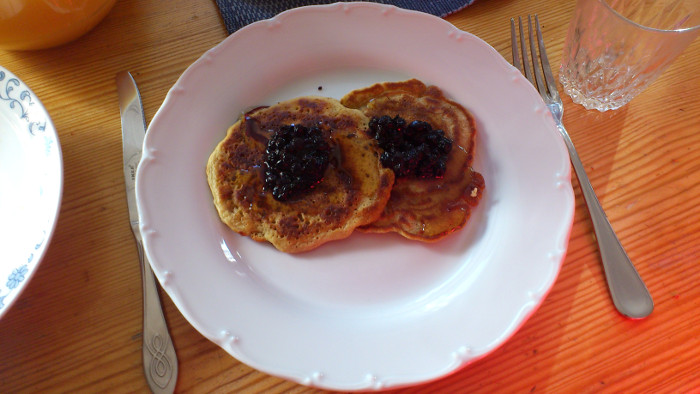
When I woke up, the world was over washed in a crisp light, the sun shining over the ridge of the mountain. It was Sunday, so breakfast consisted of pancakes. Just as at Time Out Farms in Fort Langley, British Columbia, Tarfala Research Station serves Sunday morning pancake breakfast.

DSC_0007

a day spent in weather (17/8)

13

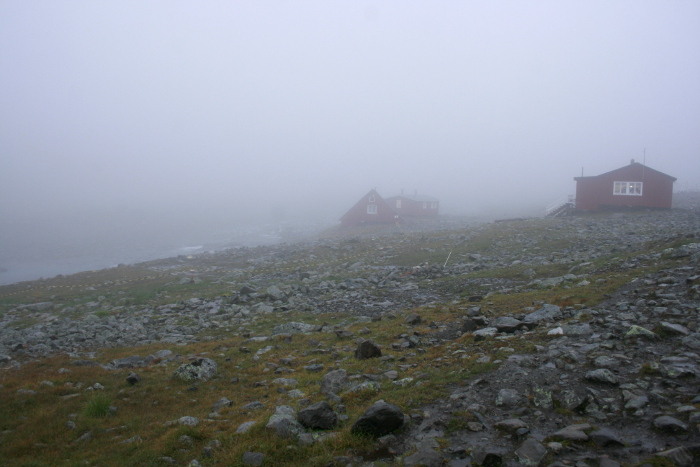
My body sore and aching, after a restless sleep due to my body protesting loudly and decidedly all through the night, we woke up in a cloud this morning.

The rain was falling heavily, so this first day at the station was mostly spent indoors, listening to lectures and preparing our group projects.

14

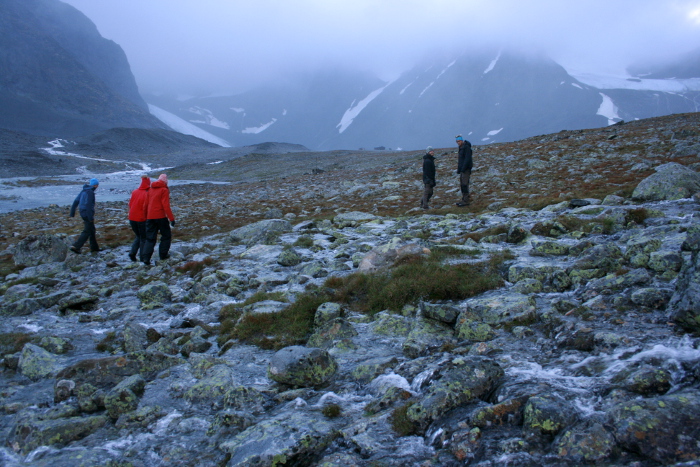
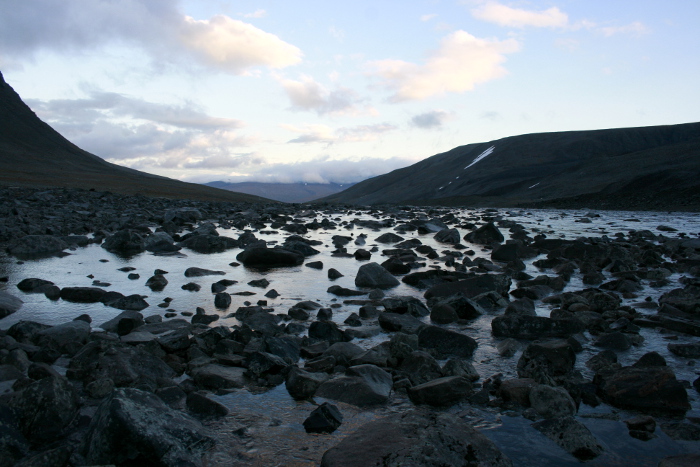
In the evening, the raining took a short pause, so after dinner a couple of us went for a walk up to the Tarfala lake. The stops were frequent, the debate heated about the name and origin of different rocks.

16

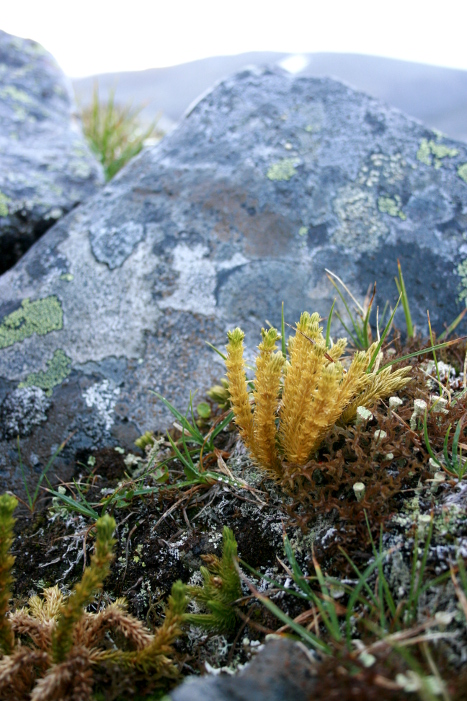
Upon a first glance, the landscape up here can look grey and completely consisting of rock. But once you look closer, the most amazing small organisms reveal themselves. Colorful, weird and so incredibly resistant.

18

Group photo in front of Tarfala lake. Sara, Kajsa, Elin, Robert, Johan and Christoffer standing, Erik and Sandra kneeling.

19

The sun setting behind the ridge.

20

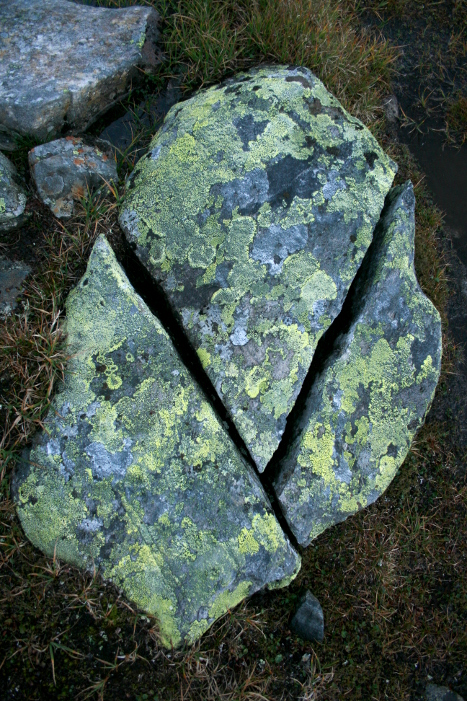
Some nice frost action and lichens, making art of a small amphibolite block (I think). Rocks are beautiful. People who can’t see that are just narrow-minded.

the way up up up (16/8)

The hike up to Tarfala Research Station was tough. 23 kilometers, mostly uphill on a tilly hiking trail, is not something you do in a jiffy. My feet are sore, in a different, more acute way than the soreness that I got after four weeks of sightseeing in Europe. My toes hurt whenever they accidentally touch something, maybe my shoes are too small. They shouldn’t be, they didn’t feel like it when I bought them – but different rules apply in the Swedish wilderness.

When the bus finally arrived at the Nikkaluokta tourist station on Thursday afternoon, I found a group of students from my department that were also on their way to Tarfala. We spent the afternoon sitting on the grass in the sunshine, playing quiz games and commenting on the attire and backpacks of the hikers arriving and leaving for the Kebnekaise trail, while waiting for our teacher to arrive.
01

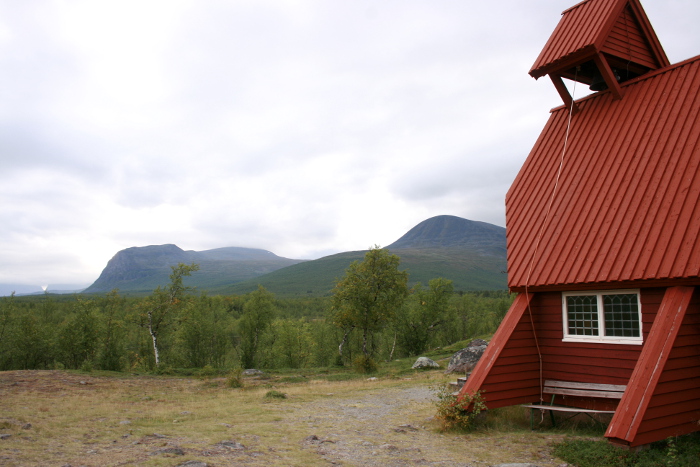
The chapel up on the hill by the Nikkaluokta tourist station, overlooking the valley that leads up to Kebnekaise. A beautiful place to build a chapel on – it very much reminded me of the tiny chapel that Vladimiro showed us up in the Arizona highlands on our way from Phoenix to Grand Canyon. They were both surrounded by birches, and blessed with an incredible view.
02

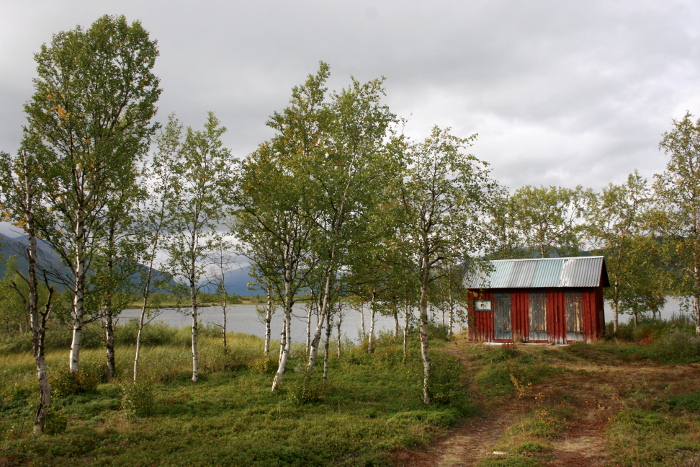
We spent the night in Nikkaluokta in very rustic, but comfortable cottages that looked exactly like they had been found in 19th century rural Sweden. No running water and the bathroom facilites were in separate shed by lake Paittasjärvi.
03

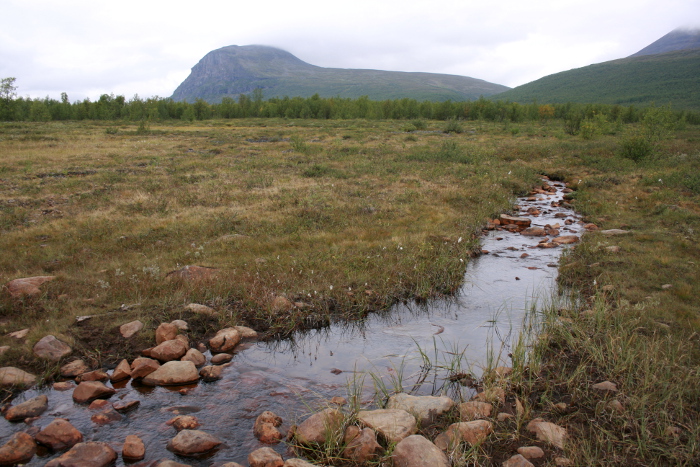
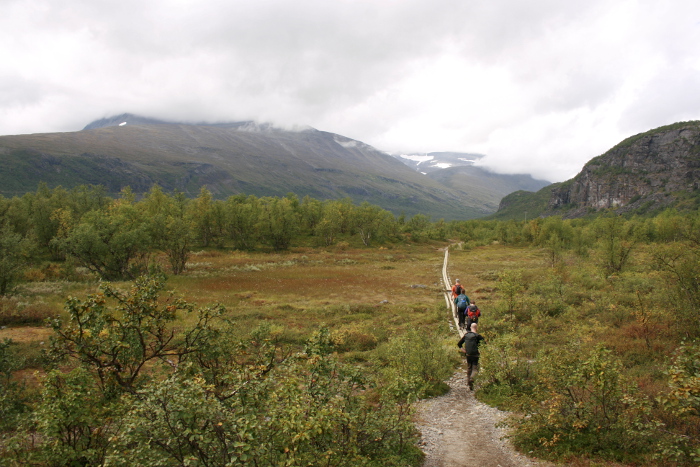
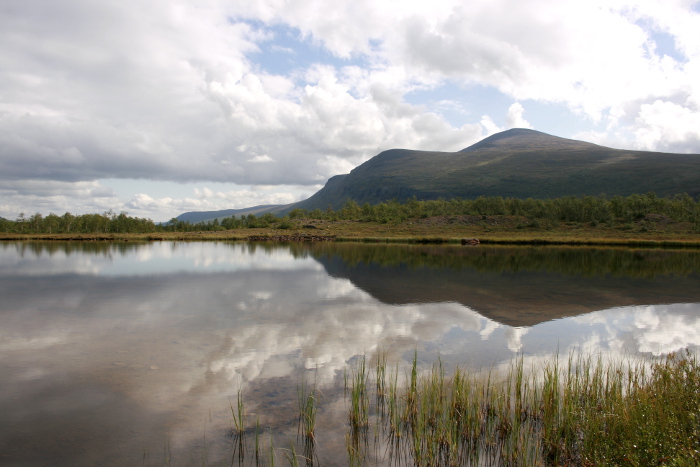
At nine on Friday morning, we left Nikkaluokta. The first stretch of the trail went through pretty flat terrain in a dense but low birch forest in Laddju valley. There were blueberries growing everywhere. Occasionally, the trees gave way to rivers, lakes and small wetlands.
04 05 06

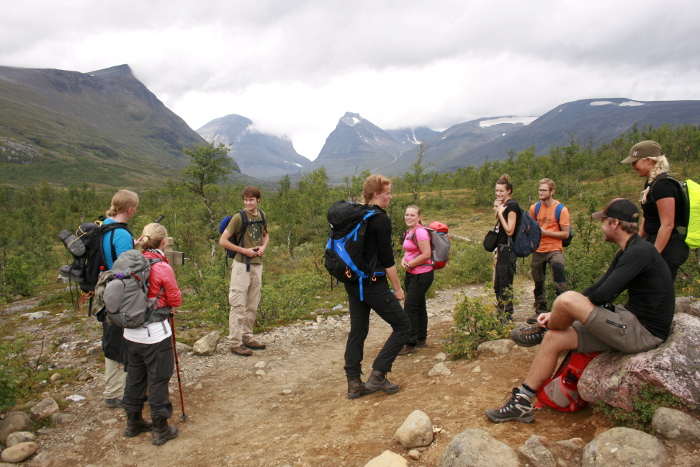
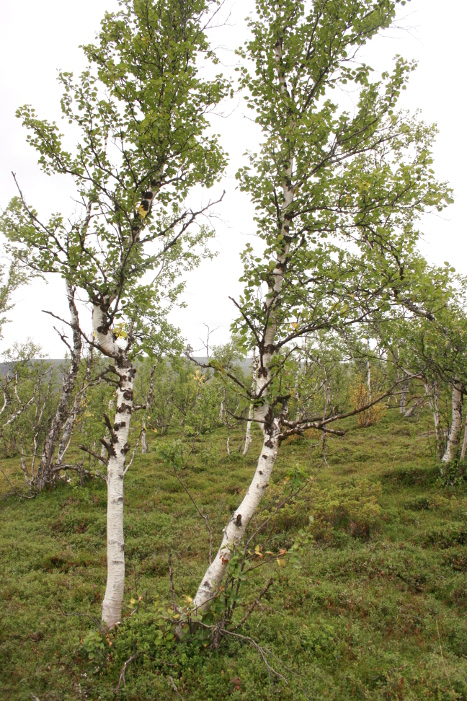
A short rest. When we got higher up into the valley, the birches were standing further and further apart. The trail got more rocky, tougher on the thighs.

07

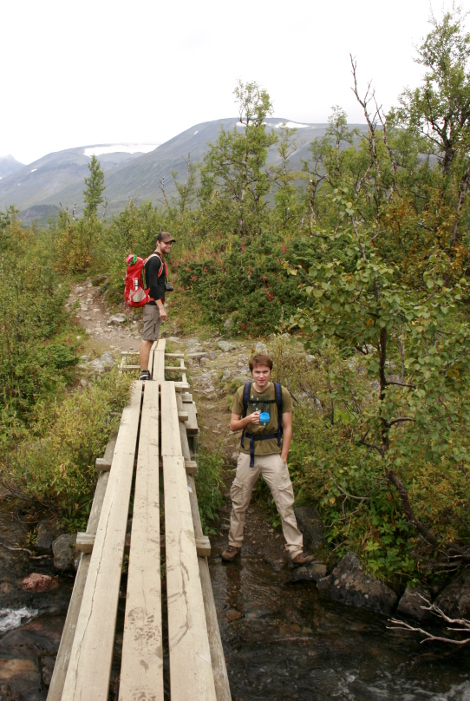
Water break, Christoffer drinking the refreshingly chilly river water.
08 09

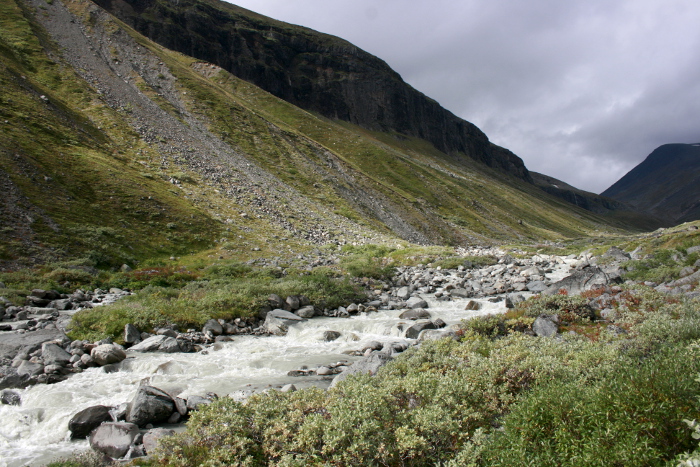
The bridge crossing the small canyon in the Tarfala river, where we ate our lunch. This is where we left the comfortably wide, glacier eroded valley we had been walking in for five hours, and started heading up following the Tarfala river into the Tarfala valley.
10

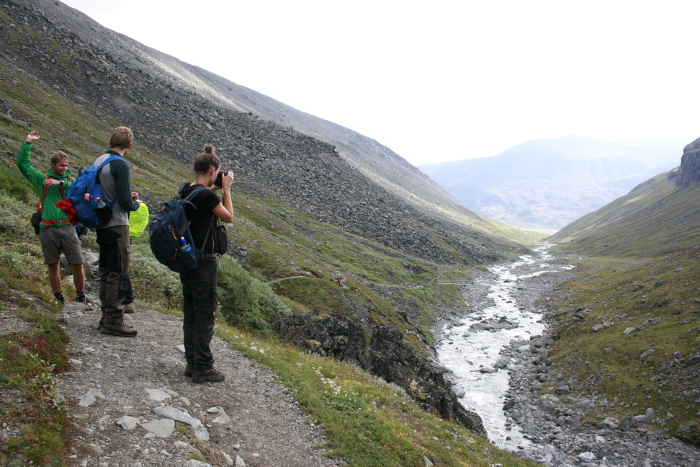
The Tarfala valley, not U-shaped, glacier eroded like the previous one, but a V-shaped river valley. Not completely logical, since the latest ice age ice sheet covered this valley as well as the previous one – maybe the ice was frozen to the bottom here, preserving the old landforms. One of the geomorphological mysteries. Up here, the trees couldn’t grow anymore – but the occasional blueberry could still be seen in the shelter between the blocks. Mostly, though, the vegetation consisted of mosses, lichen and small flowers.
11

Photo break. The trail here was barely a trail, running up and down block fields and moraines. Managing to balance on the blocks that covered the trail was almost impossible, with the sore feet and exhausted thighs that I had managed to get after six hours of walking. For a while, I was not sure if I would manage to make it all the way to the station.
12

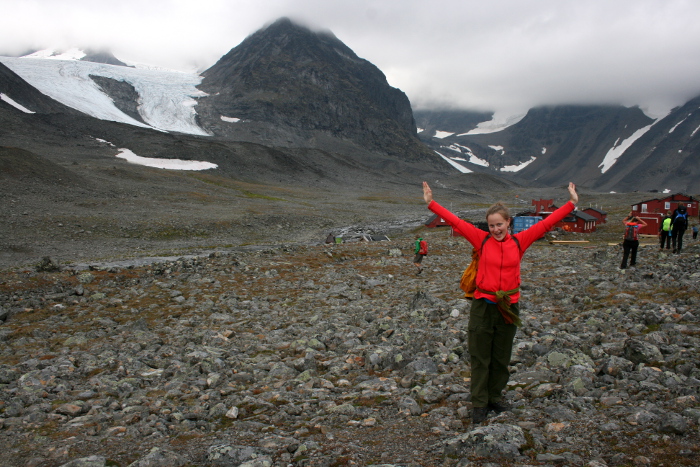
But I did. Happy, after almost seven and a half hours trekking, just when the rain drops were starting to fall on our heads, I climbed the last block ridge and suddenly they were just there – the beautifully red buildings of Tarfala Research Station. The relief my feet felt when I took off my hiking boots, being able to collapse into a comfortable chair in the warm, wood paneled common room of the mess building, lifting my feet off the ground. That feeling is hard to beat.

We had dinner, were introduced to the rest of our teachers and the station staff, and told how to be safe and responsible in this high alpine, glaciated environment. The day was concluded with a visit to the sauna, made perfect by a dip in the river. It was cold but cleansing, the water coming from the summer melting glaciers. After that, the sauna was hot, making my skin tingle and my body soft. Non of the others went into the river, but really, what can you expect. They were all Swedes.

Now, sleep feels like a force of nature, having it’s way with me – let’s see if I’ll be able to get out of bed tomorrow.
Train derailments

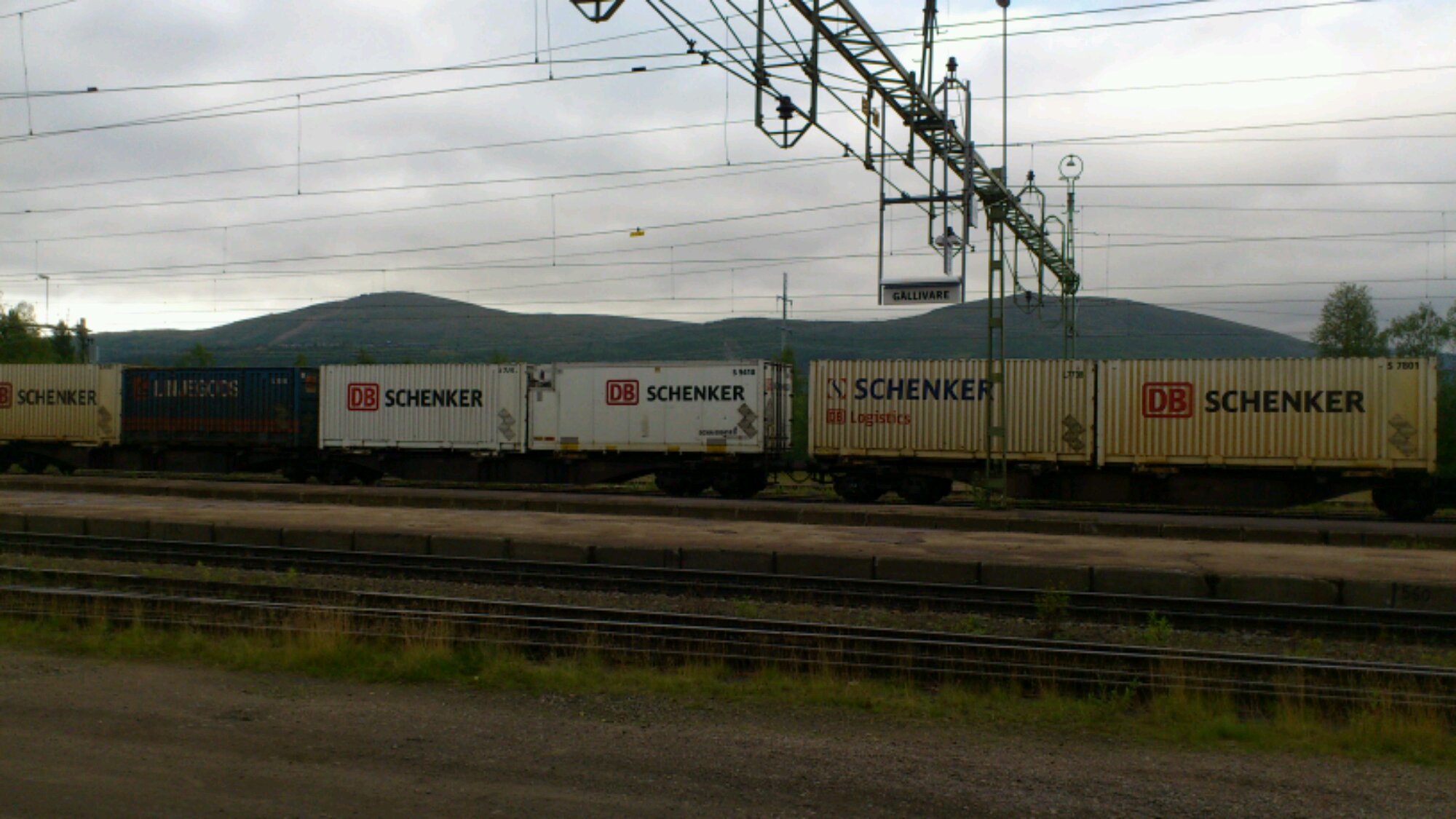
A train has derailed between Boden and Gällivare, so we were woken up in our sleeping compartment at five in the morning and told to get off in Boden, where busses were waiting for us.
I’ve been trying to sleep, while the hills have become higher and the rivers wilder. It’s been raining. I’m so tired.

Soon I’ll be out of cellphone reach. Into the wilderness I go.

image