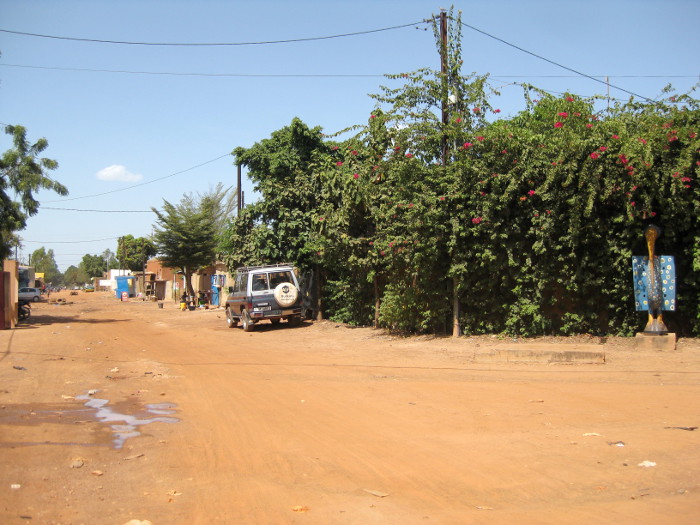
a soft start (October 23)

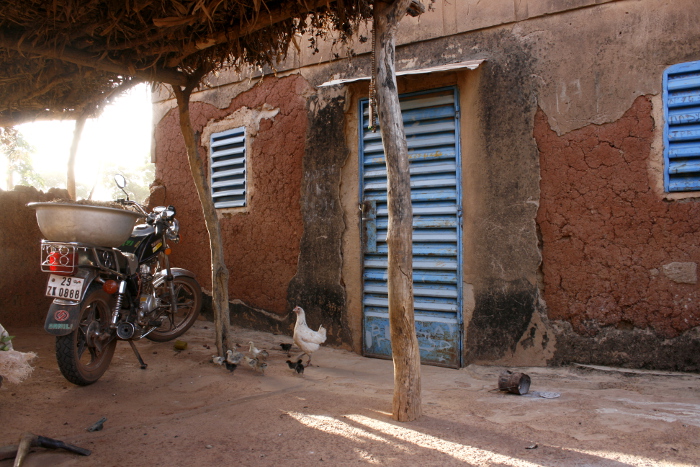
We were taken on a guided tour through Reko today with Madi, as an introduction to the landscape where we will be spending the coming seven weeks. It was hot, trying to handle tablet with maps in, GPS and camera at the same time was impossible, and there was so much variety in the landscape. I don’t know what I had expected, but it wasn’t what we saw at least. This is going to be so interesting.
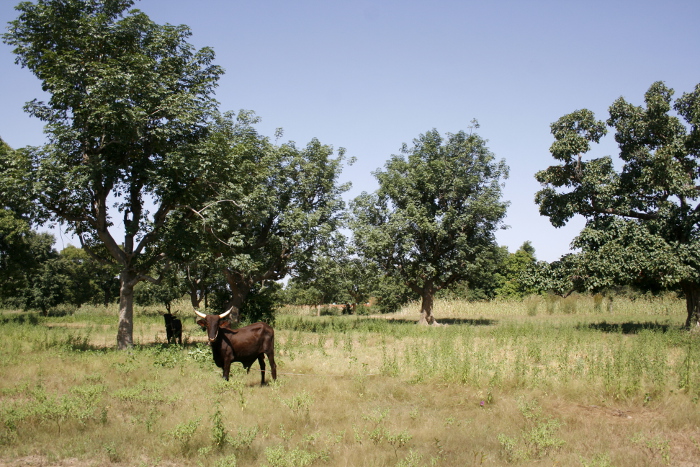
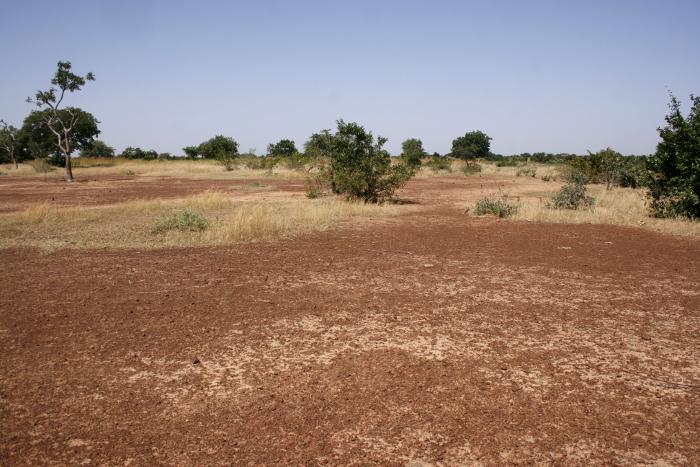
_MG_2487 _MG_2498 _MG_2512


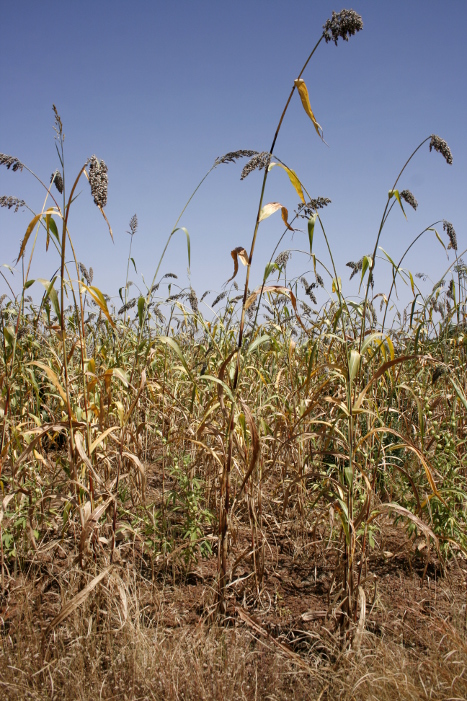
A field of white millet – the staple crop around here.

_MG_2520 _MG_2524

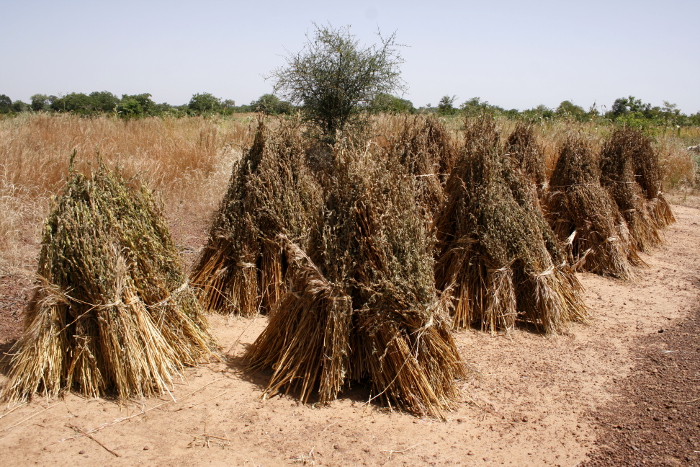
The newly harvested sesame crop drying in the sun.
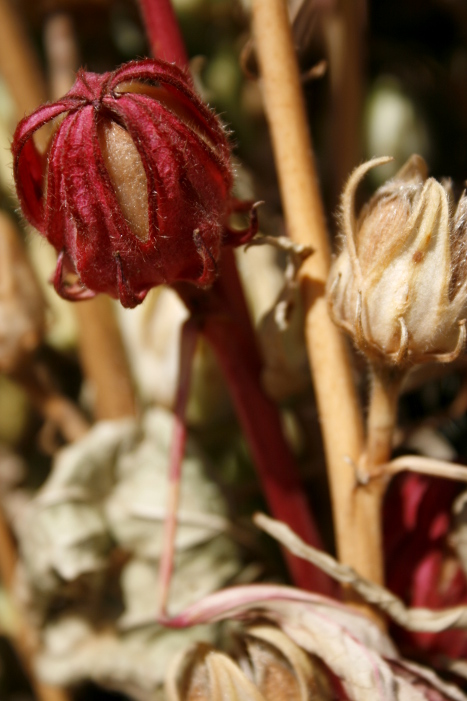
_MG_2528


Bissap. The seeds in the fruit are used as flavoring in sauces on festive occasions.
_MG_2541_MG_2548

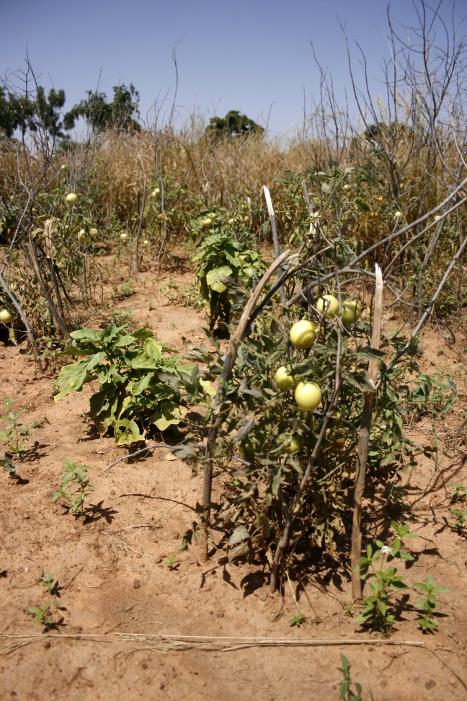
They also grow tomatoes.

_MG_2558 _MG_2561

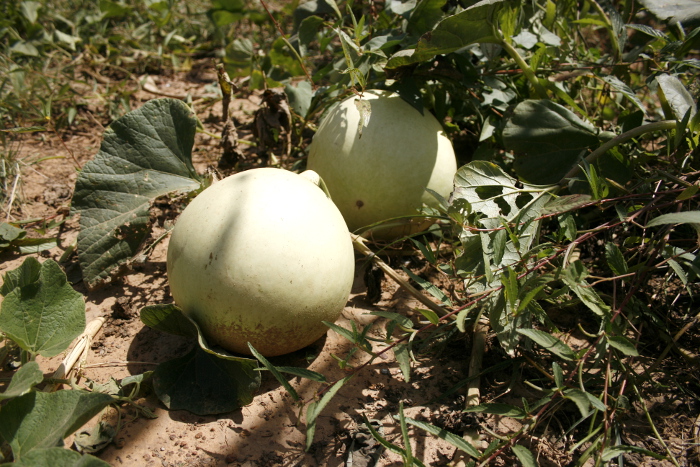
Calabashes growing in the millet field.
_MG_2562

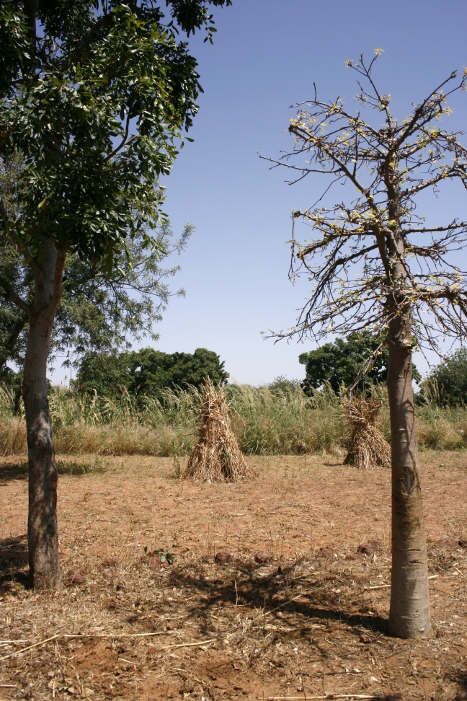
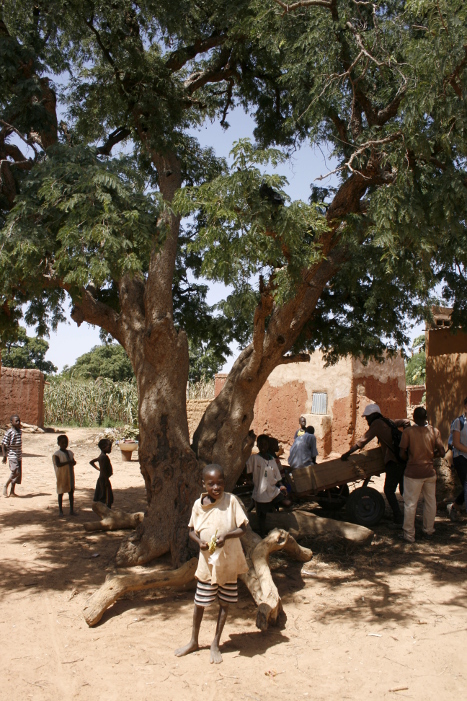
The tree in the middle of the homestead. Children enjoying the excitement of visitors with fancy toys (read: GPSes and soil sampling equipment).


the journey to Ouahigouya (October 22)

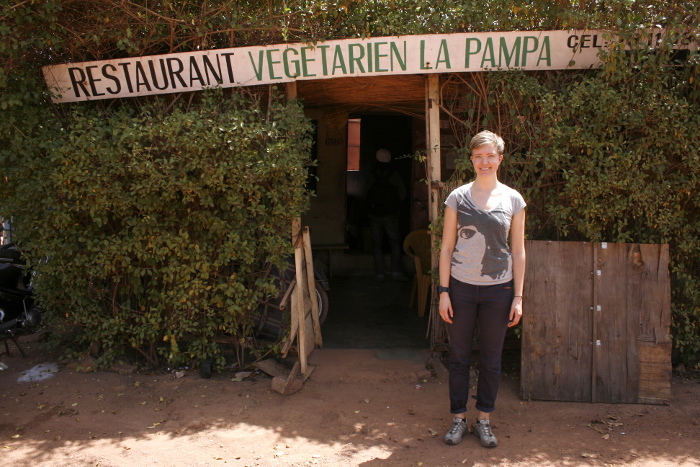
We all packed ourselves into the pickup truck together with the backpacks and shovels and infiltriometers and kitchen equipment and started the journey northward. Elli and I, the translator Desiré, a soil science PhD student, Maurice, who was coming to help Elli get started, and the driver of course. What felt like half the day was spent driving around Ouagadougou, though, looking for PVC pipes and gasoline for the gasoline cooker and then we stopped by one of the very few vegetarian restaurants in Ouaga. Elli was so happy. They even had grilled tofu on sticks, brochettes. A really rare treat in this meat obsessed country.

_MG_2463

Once we got properly going, though, things went smoothly. The driver, Theo, drove fast but safely, the national road was in excellent condition and outside the window the landscape slowly became slightly less green, the trees slightly farther apart and the outside temperature slightly higher.

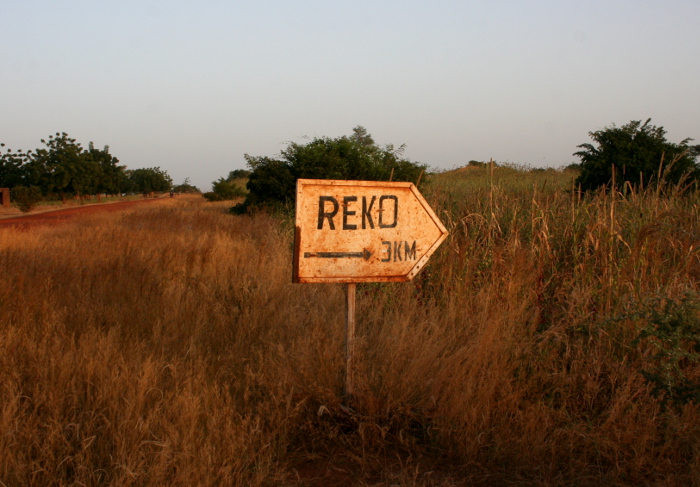
When we arrived in Ouahigouya, the third largest city in Burkina Faso, we just checked in at a guesthouse for governmental employees and researchers, and then we left again to go visit Reko, the village where Elli will be doing all her fieldwork.

IMG_2483

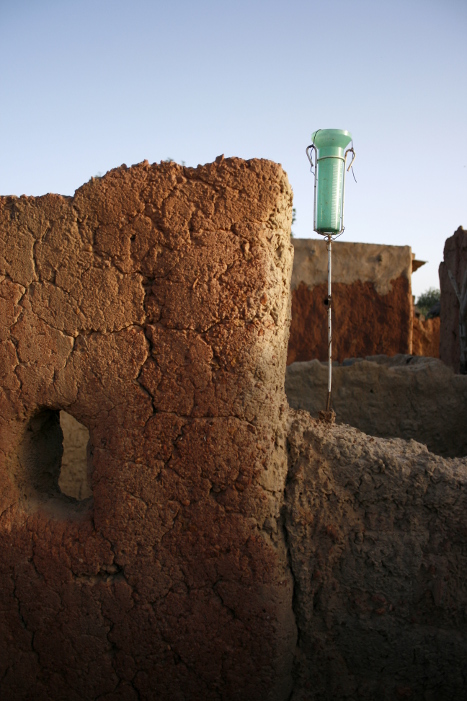
Hanna, the SRC PhD student whose work we’re both building our studies on, worked a lot in Reko when she was here and has continued to be in contact with them. It’s as if the village has adopted her, so when we arrived, both me and Elli were welcomed like family by Madi, the CVD (the president of the Comité Villageois de Dévelopment). He had been measuring rainfall for Hanna, and he was so happy to see the photographs that I’d brought of Hanna and her baby and husband. He gave us a bag of newly harvested groundnuts.

_MG_2466  _MG_2475_MG_2472

It was very nice, being welcomed like that. Here, we had a village where they already liked us, where they were used to our weird scientist ways and where they cared about us, because of our connection to Hanna. I think things will go well here. I will not be working in Reko at all, but still. Visiting Reko the first time gave me a good feeling.

at the experimental fields of Saria (October 20)

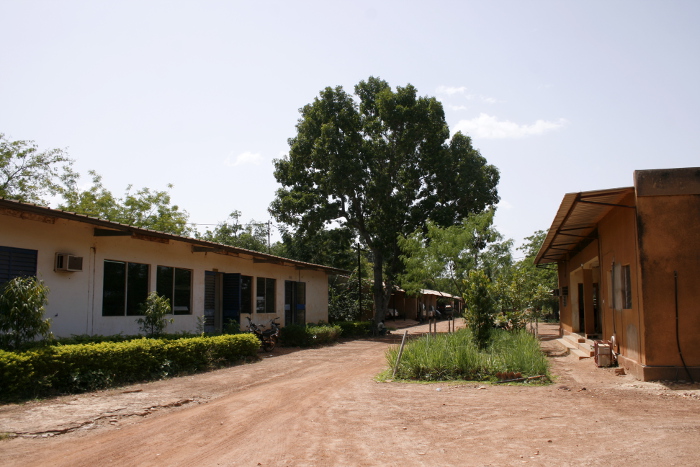
The first real day of fieldwork was spent going to Saria, an agricultural research station that INERA, our local partner and a governmental research institute, has run since the 1920s. We went there to pick up the toys that Elli will need for her sampling and measuring and weighing – basically when she plays with the dirt. (Paré, another researcher, who we met in Ouaga, told us about his father. The father was a farmer, and couldn’t understand why his son would want to go to university and study SOIL of all things. ”You’re like a child”, the father said, ”playing with dirt – and you call that science!”. And I guess that’s true, in a sense. Science is a meticulously well-structured game for adults.)

It was nice, getting out of Ouaga, seeing some of the real landscape. It was really green, which surprised me. But of course, it’s just in the end of the rainy season, why wouldn’t the trees be covered in leaves and the fields overflowing with high millet straws and small groundnut bushes.

At Saria, we did a lot of waiting. And photographing, to pass the time.

_MG_2431 _MG_2432 _MG_2435 _MG_2451 _MG_2455

We got back to Ouaga late, way after dark, and ordered dinner to Chez Tess, trying take it easy one last night in the luxury of a cozy guesthouse, before we left for what would probably become some really strenuous field work.

sub-tropical tiredness

It is weird, how life this close to the equator turns away from the modern age. The body adjusts to the sun. It has happened to me before, and it is happening now: the sun goes down around six. By seven, it’s pitch black. There are no street lights anywhere. Few houses have lamps strong enough to carry the light out to the street. By eight, my body tells me it’s time to go to sleep. It’s through sheer determination that I can stay awake until ten tonight to mend my straw hat and watch a little bit of Harry Potter.

In the morning, the reverse happens. I woke up at six-thirty this morning and couldn’t go back to sleep. I spent more than an hour out on the porch visualizing geographical information (read: making digital maps) before Elli came out to have breakfast.

It’s a good thing, though, my body and the sun trumping the timelessness of the modern age. The midday heat is excruciating here. The best times to work are the hours just after sunrise and before sunset. Things are working out in favor of the thesis.

Me, on the other hand, will have to live with missing out on my night-cap-episode of Game of Thrones.

– – –

And some photographs from today:

IMG_7624

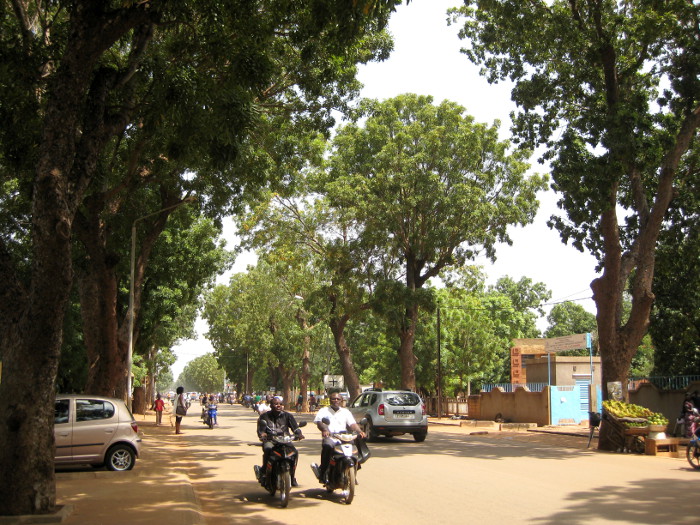
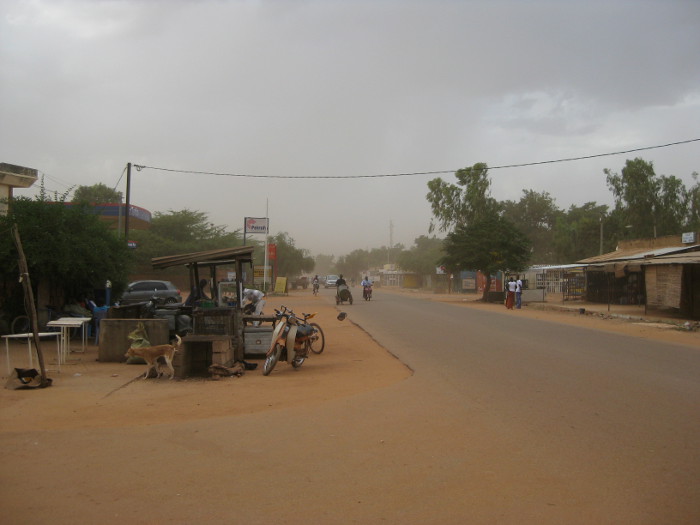
A street in central Ouagadougou.

IMG_7620


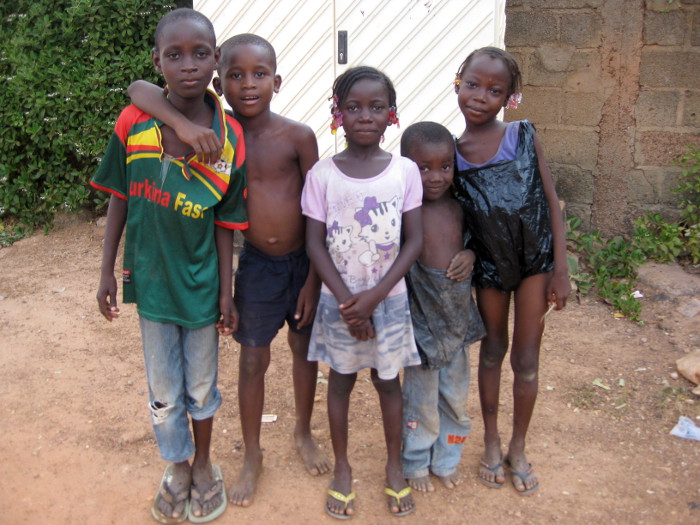
The kids on our street. They ran after me, begging to be photographed.

leisurely Sunday

Today, we haven’t done much. I’ve written and edited photographs, and Elli has read. I think it was good, at least I needed it. To get a grip, and leave Sweden behind. Tomorrow, the real work begins.

_MG_2418

There is a house cat at Chez Tess. Sometimes very cuddly, while at others it doesn’t care one bit. Completely ordinary cat behavior, I suppose.

_MG_2428_MG_2424

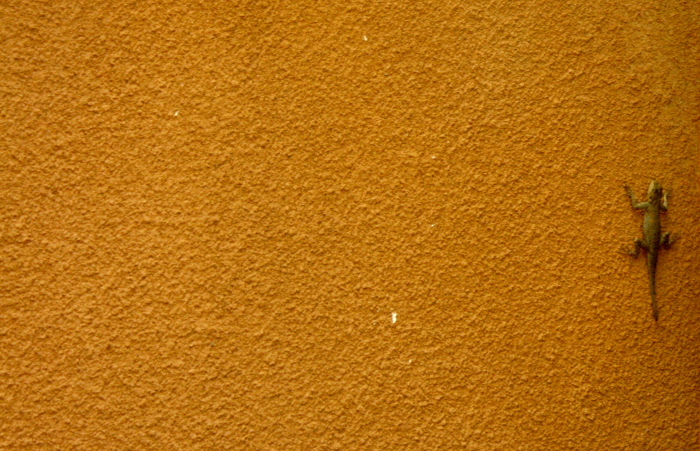
And the lizards climb on every wall, making weird, guttural sounds, not quite like frogs. I like them.

IMG_7616

Me, happily eating pizza.

We had late lunch at a restaurant, and while we were sitting there the wind started blowing, carrying with it fine, red dust. The waiter explained to us, in very pedagogical French, that here in Burkina, the dusty wind comes to warn about the rain. And sure enough, while we were walking back to the guesthouse, the drops started falling.

IMG_7617

At first, it didn’t seem like it would be anything more than those few drops, but then, suddenly, one pang of thunder sounded and the real rain came. Huge drops, falling hard on the roof, completely dominating the soundscape. I ran out barefoot in the grass and just let the water fall on my face, to the laughter of Elli and the incredibly sweet night receptionist. I tried to explain to him, in French, that even though we get rain year-round in Sweden, we rarely get anything as dramatic as this. I think he understood.

10422416_10154764048515578_444254964660196048_n

It was amazing, and I got soaking wet. But then, you know already how I like rain. Why I. at the same time, feel this attraction to deserts is beyond me. I guess I am a quite inconsistent person, despite appearances.

That was our Sunday.

introducing: because Katja said so

Jessica, and many others, have told me I should start selling my handicraft on the internet. Well, I just can’t do that. I put too much of myself in the mittens and the hats that I knit, and selling them would be like selling a piece of myself. I don’t want to do that. What I make, I want to give as a gift to people that I like, as a token of my affection.

It’s starting to become quite an enterprise now, though, this knitting. My hands can’t seem to stop yearning for the feel of yarn and needles between my fingers. And yarn isn’t cheap. So, I’ve decided to compromise. I’m launching my own knitted ware (etc.) line of handicraft called because Katja said so, and this is how it will work:

You buy the yarn and give me more or less detailed instructions for what you want to have, and then I’ll make it for you. I can use an already existing design, or create a completely new and unique one for you. This fall, I’ve already made mittens with elephants and fish on.

vante1 vante2

I already have one order in, and I brought the yarn with me to Burkina Faso. Feels kind of sick, to sit here in the 30 degree heat, knitting. But. The hands’ gotta get what the hands’ gotta have. So, if you feel you’re in need of any kind of knitted clothing, just let me know! I’m all hands.

first days in Burkina

Line, my supervisor, was only able to stay in Ouaga for a couple of days, so there was no time for us to land before we started going to meetings with collaborating researchers and translators. They were intense, those first days, and I was exhausted most of the time, from the heat and my brain having to work on overdrive constantly. But it was very good too, because what I realized at all these meetings was that there were a whole bunch of people here with an interest in our success and a great willingness to help with whatever we might need. It didn’t feel as scary anymore, knowing that Line would leave and me and Elli would have to make it on our own. Because, in the end, we are not alone. We’ll be an entire crew going out into the field, with ground support back in Ouaga should anything go wrong.

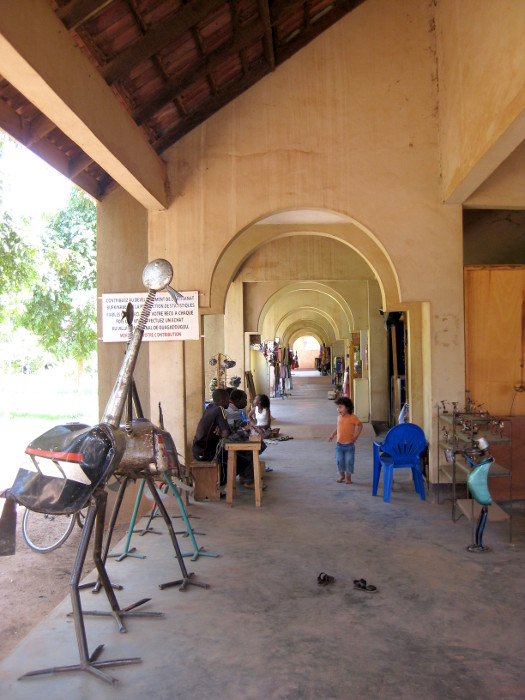
Before Line left, though, we managed to slip away to an artisan market, making sure that her stay in Ouaga wouldn’t consist of only meetings.

IMG_7607IMG_7605

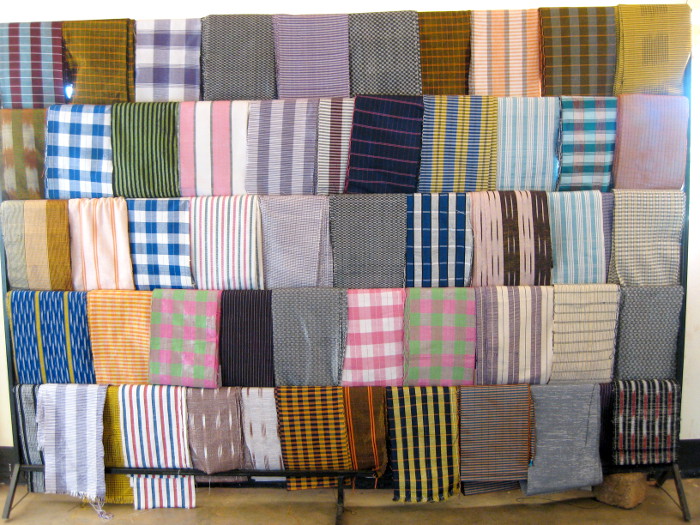
Burkinabe hand-woven cotton. It’s a thing. I’ll have to think of a use for it, because I would really like to buy some.IMG_7606

It was really an amazing place. Real quality stuff, with everything from traditional West African handicraft to really original art made out of recycled scrap metal. I didn’t buy anything, because I don’t want to carry it to our fieldwork site, but we’ll definitely come back. And if you’re a person who expects to get a belated Christmas present from me, expect to get something from this place.

Then Line left, and we were on our own. Not for long, though. In the evening, we were invited to dinner at Karin’s house. Karin is a former colleague of my mom’s who now works at the Swedish Embassy here. Her two small children were adorable, she and her husband really nice and she said that we’re welcome back anytime we feel like we need to visit a home in our quite rootless fieldwork life. Did I mention that people are so friendly and helpful here?

on our street in Ouaga

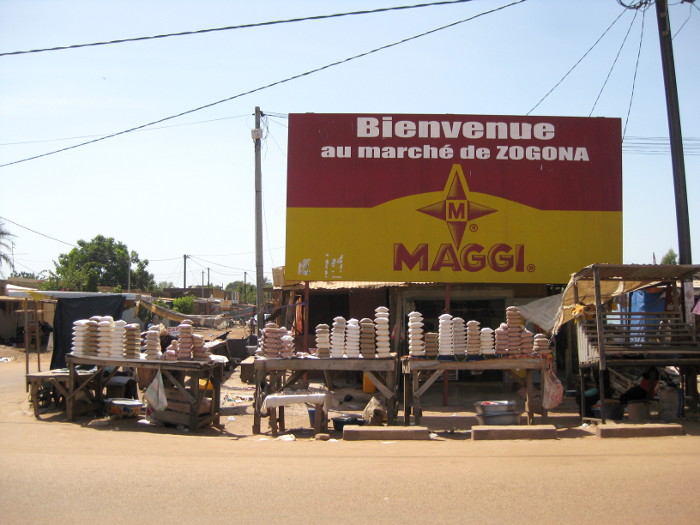
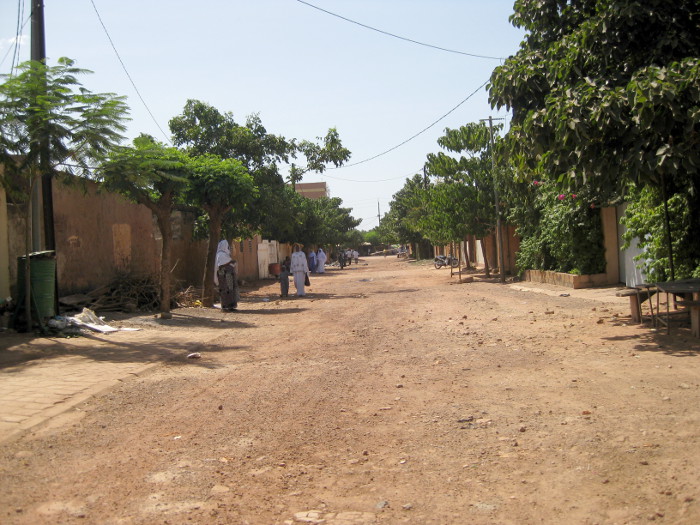
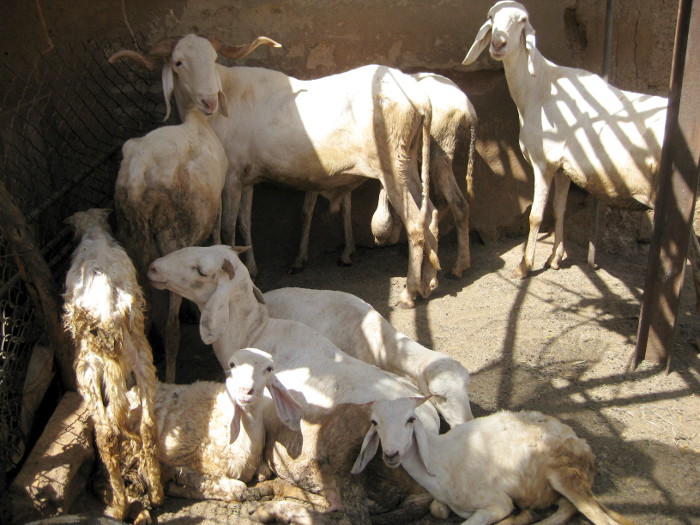
We’re staying in an area of Ouagadougou called Zogona, where chickens and goats run on the streets and children are playing with old tires. There are two big, paved main streets running through it, but all side streets are dry mud and potholes. It has this mix of quite fancy homes with high walls around them, as well as simpler houses and small metal boxes acting as bars or snack kiosks or cyber cafes. Small restaurants, shops and trees, and people sitting in the shadow at every street corner, taking it easy, enjoying the company of friends in the midday heat. It is a nice area, calm and lively at the same time.

IMG_7590 IMG_7592 IMG_7595 IMG_7598 IMG_7611IMG_7608


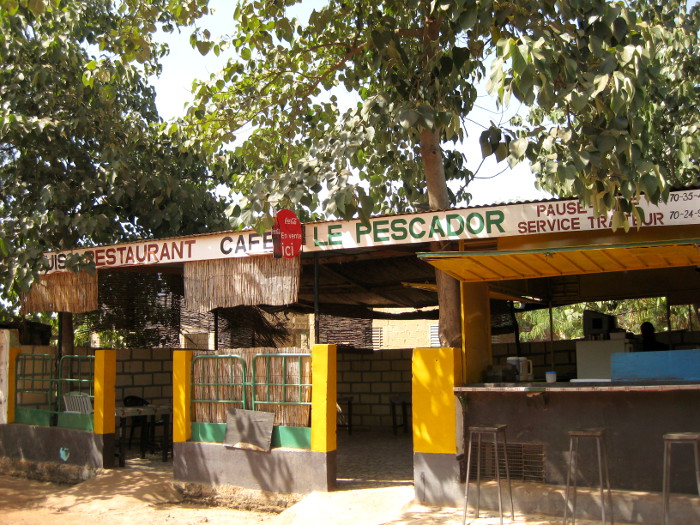
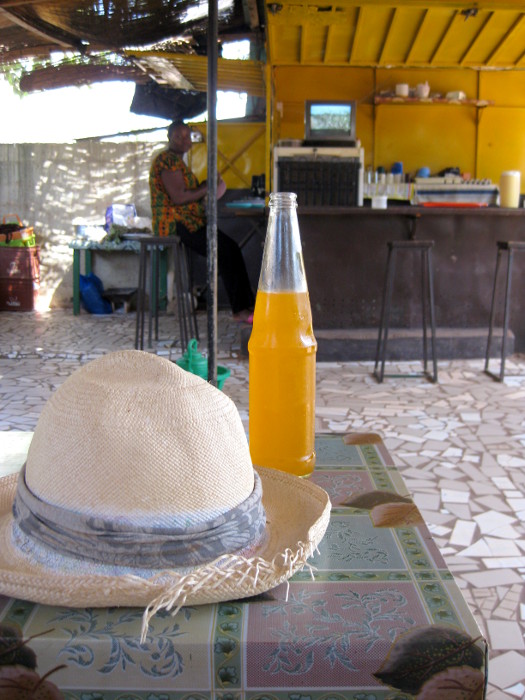
Enjoying a mandarin Fanta at the local bar.

Chez Tess

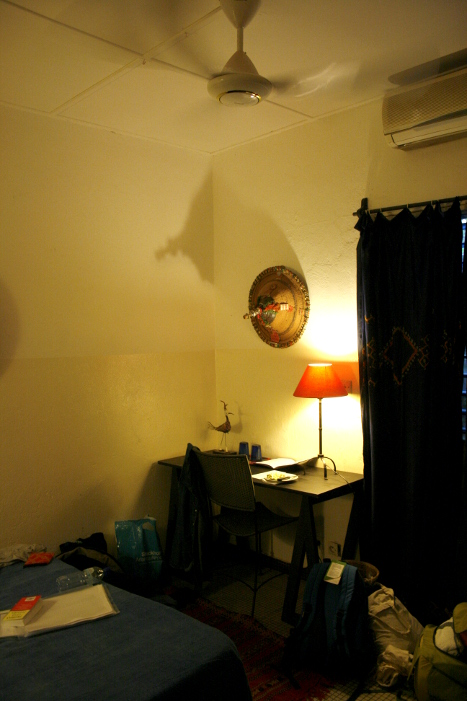
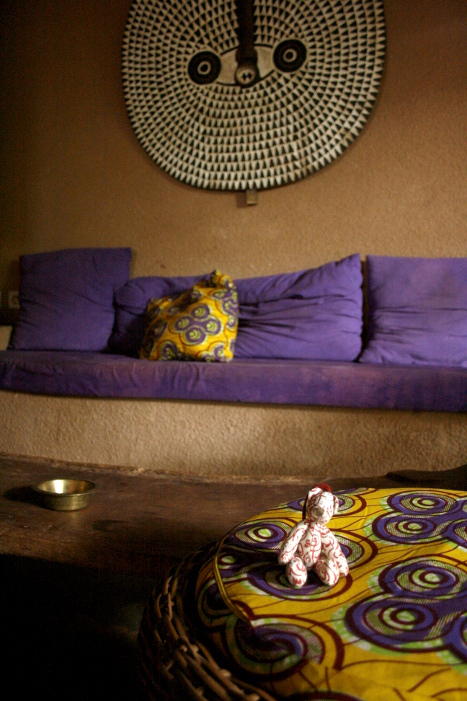
We’re staying at a guesthouse called Chez Tess, run by a Swedish expat. It is furnished in a wonderfully eclectic style, with West African fabrics and art on the walls. The streets might be chaotic outside, with motorcycles rushing past and children, chickens and goats running all over the place, but as soon as you step in through the gates to Chez Tess, all of that noise gets kind of muffled. The staff are so friendly, both laughing at and trying to help us with our deficient French. It’s like an oasis, and I think staying here has made our arrival a lot easier than it could have been. _MG_2393 _MG_2401

IMG_7601

Chez Tess, from the street

On Wednesday, we leave for our field-working site, and we still don’t know how we will be living there. Hopefully, in a decent house with kitchen facilities. But we will definitely come back here, whenever we need a break from the work and the heat and the chaos of being a master student.