Meise (ii)

108

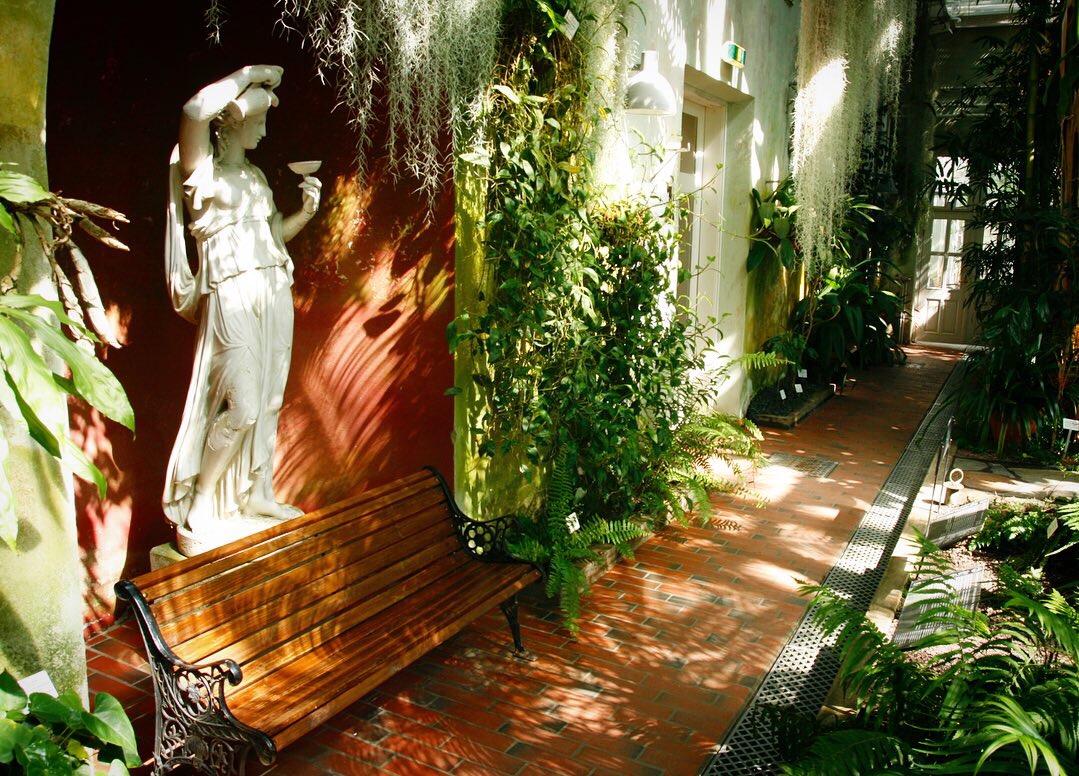
The greenhouse complex in Meise botanic garden is probably the largest I’ve seen. A long row of spacious, modern greenhouses, covering the major biomes on Earth. If there ever was a place to learn about botany from all corners of the world, this is it.

Photo: Plantentuin Meise / Jardin Botanique Meise, Brussels, Belgium, September 2017. Posted on Instagram March 17, 2021.

Kew (ii)

107

The little waterlily greenhouse, one of all the small greenhouses in Kew Royal Botanic Gardens. It is completely taken up of a round pool full of waterlily leaves. It was such a lovely little place during my visit to the garden in 2013, and so warm. London was cold and raw on this particular Sunday, and going into the humid and fragrant waterlily greenhouse was such a lovely respite for the constant threat of rain outside.

Photo: Kew Royal Botanic Gardens, London, June 2013. Posted on Instagram March 15, 2021.

Göttingen (ii)

106

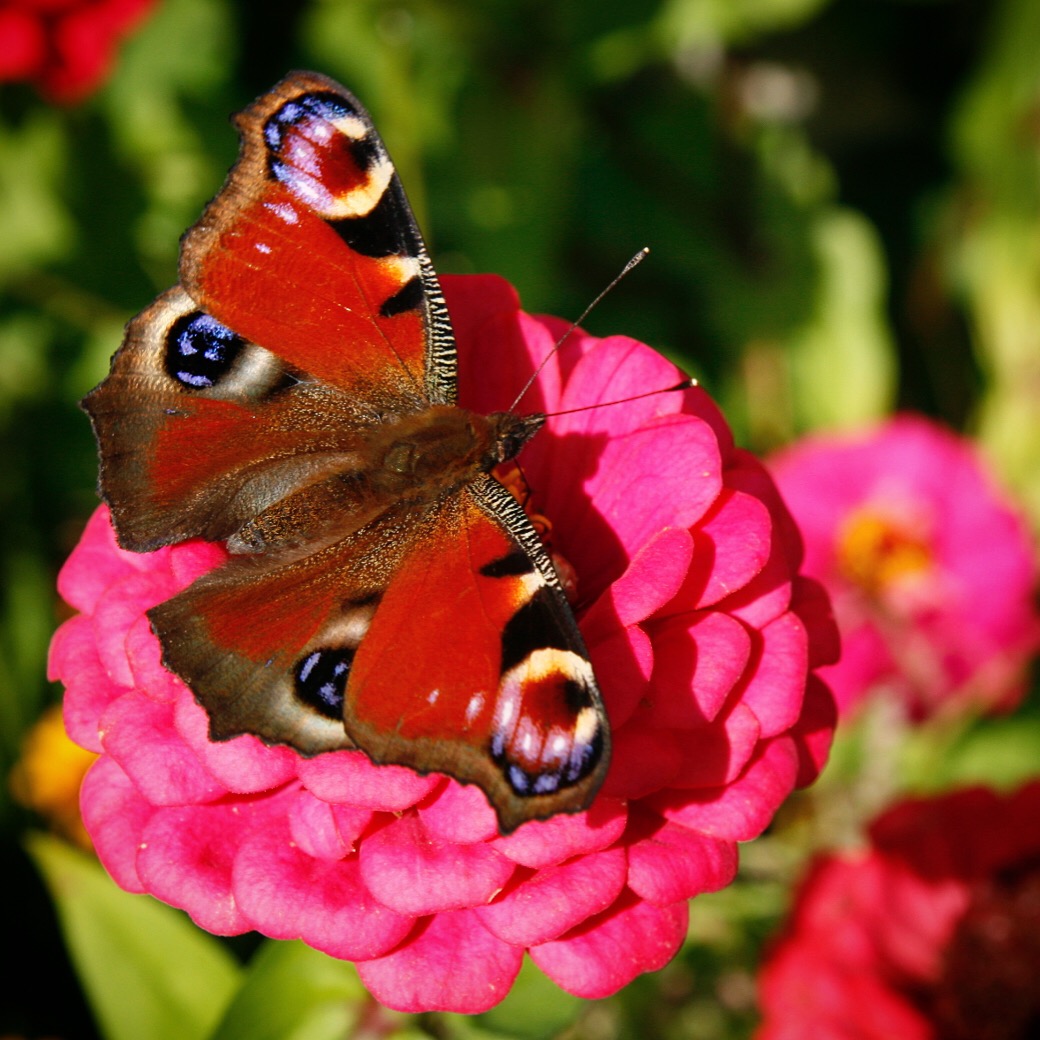
Göttingen, being an old university town with biology and agronomy as two of their strong disciplines, has three botanic gardens. I managed to visit two during my visit in 2017. And I fell like a pine (as the Swedish saying goes). The old garden, situated on the edge of the old city center, is a slightly overgrown, wondrously romantic piece of lush greenery, with generous flowerbeds overflowing with butterflies, snug paths over small hills and around the small pond. It was first established in 1736, and lies on both sides of the old city walls, connected by a long, dark tunnel.

Photo: Peacock butterfly in the Alter Botanischer Garten in Göttingen, Germany, September 2017. Posted on Instagram March 13, 2021.

to tame a goshawk

105

A while back, I read ”H is for Hawk” by Helen Macdonald. It is a memoir of her grief following the unexpected death of her father. How she started training a goshawk and it almost made her lose herself, into the bird, the grief – but then, also, guided her out of it. It is an interesting book, painful, well worth the read.

And she isn’t oblivious to the strangeness in training a wild bird of prey. That this centuries old practice is problematic. But also, she writes: When do we meet wild animals on their own terms? In the lives most of us live today. Really get to know them? We see nature documentaries where the animals are curated, there to play a part in our idea about the wilderness. Rarely do they get to define how we see them. She writes: A hawk cannot be tamed, it will accept to be fed and come back for that comfort, or fly away. It will not be curated.

I meet roe deer almost daily on my runs in the nature reserve. They are not shy, can stand meters from me, staring. The hares cross the path in a panic. Last summer I saw a badger, just a couple hundred meters from my house. A squirrel frequents the pine tree by my balcony. Foxes hang out by the allotment gardens. So many birds outside my kitchen window.

I do meet wild animals. But only those that have adapted to living next to humans. And only for brief moments. I have known domesticated animals, though. Dogs and cats, obviously – but also animals of prey, which creates a completely different dynamic in the relationship. Horses, of course, but also chickens, sheep, goats, donkeys. It might sound strange, but many things I’ve realized about being human, I’ve learned from observing and interacting with other species.

It is interesting. How insight can lie in the contrast. I think Helen Macdonald felt the same about the goshawk.

Photo: Photo: Cambridge University Botanic Garden, England, June 2013. Cambridge is where Macdonald lived when training the goshawk – maybe the bird even flew over the garden at some point? Posted on Instagram March 12, 2021.

Helsinki (ii)

104

The greenhouses in the Kaisaniemi botanic garden are made up of a main lush tropical palm house and several adjoining smaller greenhouses housing plants from biomes such as the Mediterranean and deserts, a water lily pond and even a gorgeous little room completely dedicated to African violets. My Swedish grandmother used to have these in her living room window – but did you know that they originate from Tanzania and Kenya? Just imagine, the journey they made, as a species, to get from a moist patch next to a small stream in a remote tropical forest in inland Tanzania to my grandmother’s windowsill in Vårberg in the 1980s. The stories about travel and fashions and colonialism that our potted plants could tell.

Photo: In the greenhouses of Kaisaniemen kasvitieteellinen puutarha, Finland, May 2017. Posted on Instagram February 26, 2021.

Copenhagen (ii)

103

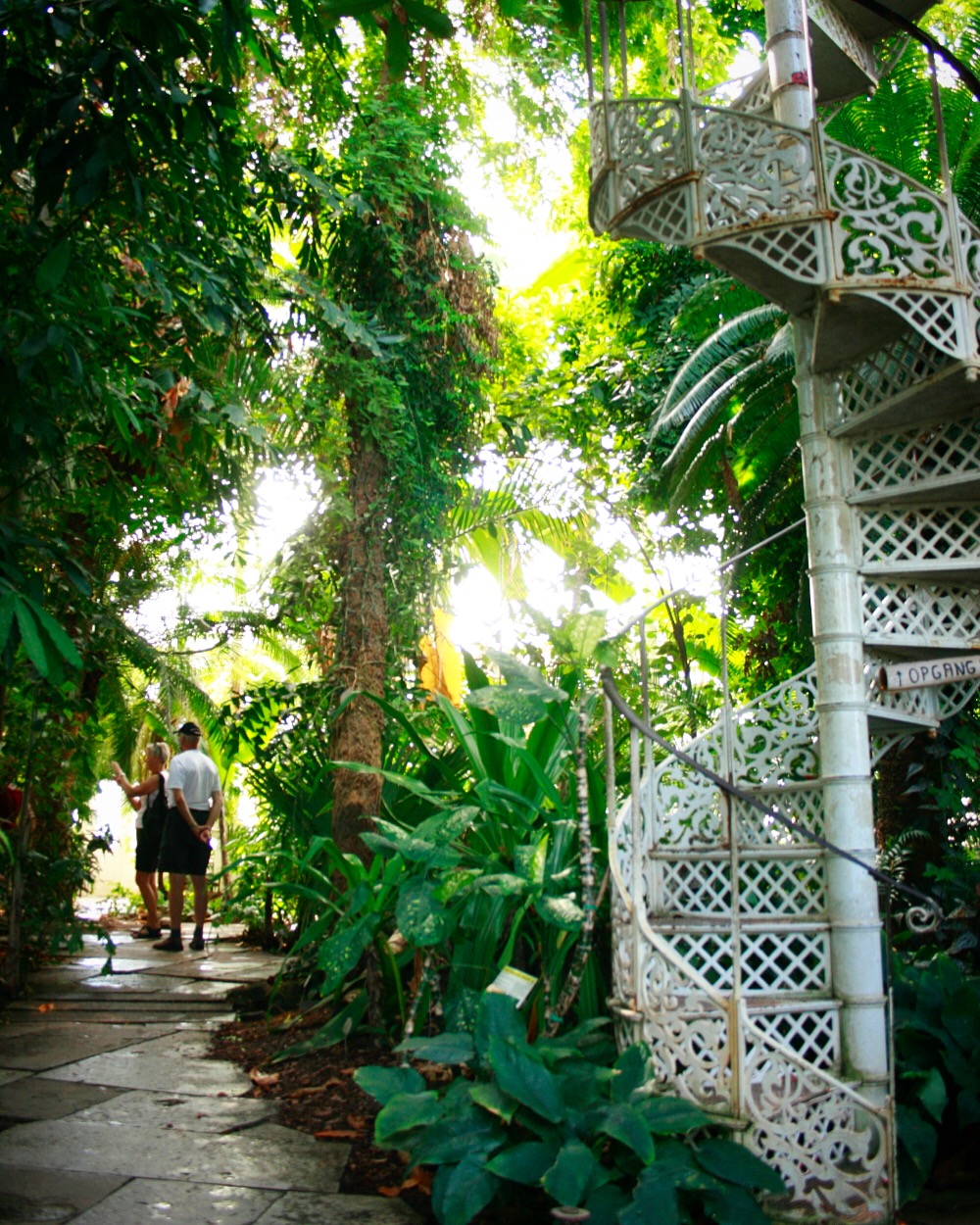
The botanic garden in Copenhagen has a beautiful old greenhouse. And butterflies fluttering around among the rainforest trees in one of its rooms. I sat there, in the humidity, while touristing Swedish families tried to catch the flighty butterflies on camera, amused at their efforts. And it was very nice, on this last stop of my long trip around Europe in 2013, to rest my feet and breathe in those wonderful greenhouse smells.

Photo: Københavns Universitet Botaniske Have, Denmark, August 2013. Posted on Instagram February 25, 2021.

Bergius (vii)

102

The last snow is melting. We got a month. On my run in the forest today, it was so strange, I saw a fly. In the shadows under the trees, the ground is still covered in melting snow. And there: a fly. It must be so confused.

But I did enjoy the snow, while it lasted. Skiing, photographing knitwear with Natalia. How calm my living room felt, with the pine tree outside the large windows heavy with snow. How, when it fell, the sounds of faraway cars went completely silent. Instead: the whisper of falling snow, like the memory of a light crackle.

Ordinarily, I visit the Bergius botanic garden often. Nothing this winter is normal, but it is nice to remember. Being so close to my place of work, nice weather was generally enough to motivate taking a lunch-time or post-work stroll through it. But this also meant I rarely brought my camera. The seasons got to pass in an ever-evolving present, unrecorded by my prying camera lens.

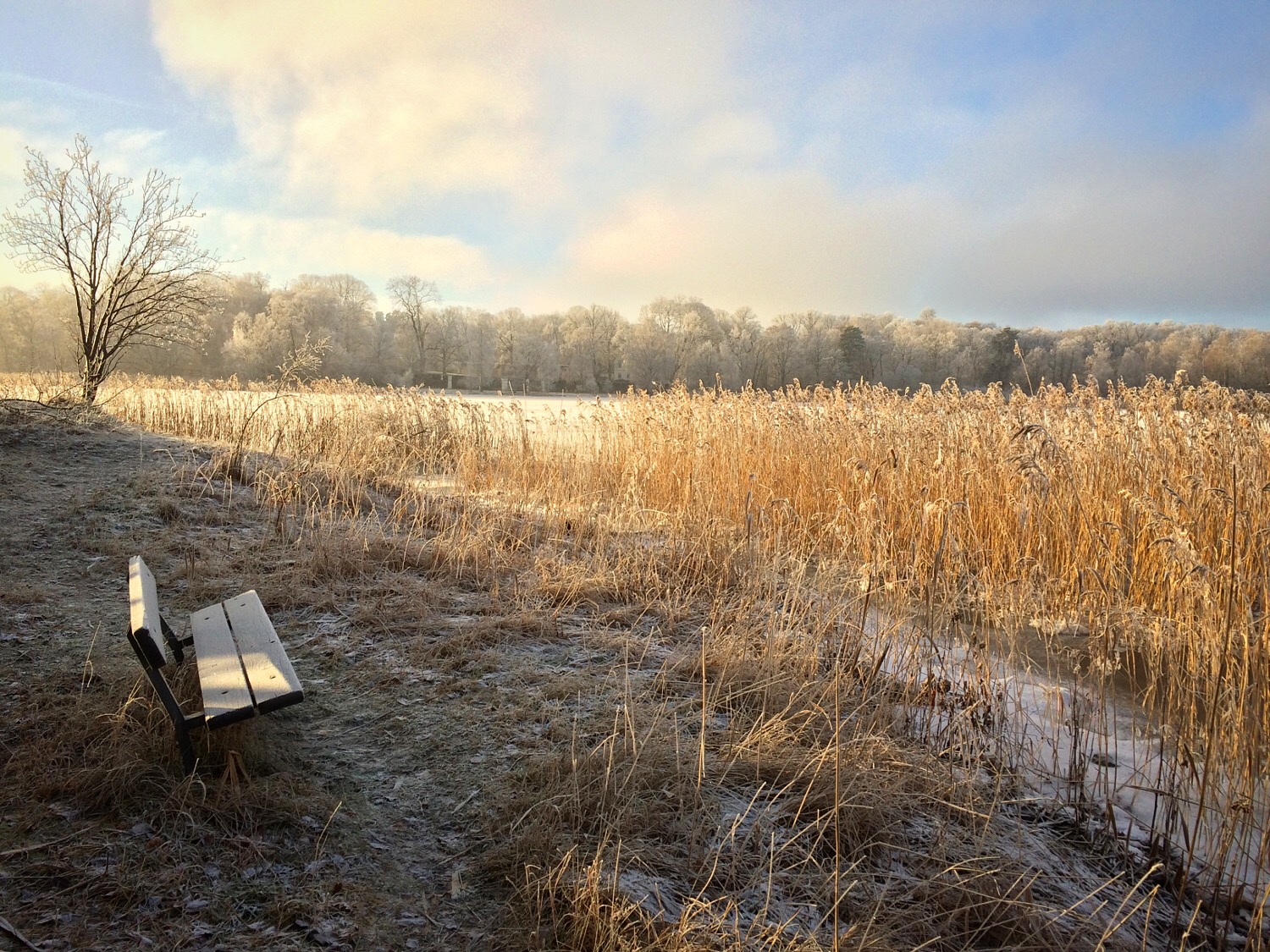
During the final feeble breaths of 2017, though, I visited the garden several times over the course of a week together with my camera. That time of year in Stockholm, days are short and rarely sunny, so photographing is difficult. But if you are lucky, you can manage to catch the sun. And then, the clarity of that light, making the frost glitter, the crispness of the air. It is unbeatable. And the stillness of the bay under ice. At the darkest time of year, there is a tranquility to the garden that you simply do not get when it is bursting with life.

Next winter, I hope to be able to take in the stillness of the garden in ice again.

Photo: View of a frosty Brunnsviken, Bergius Botanic Garden in Stockholm, December 2017. Posted on Instagram February 24, 2021.

Portland (ii)

101

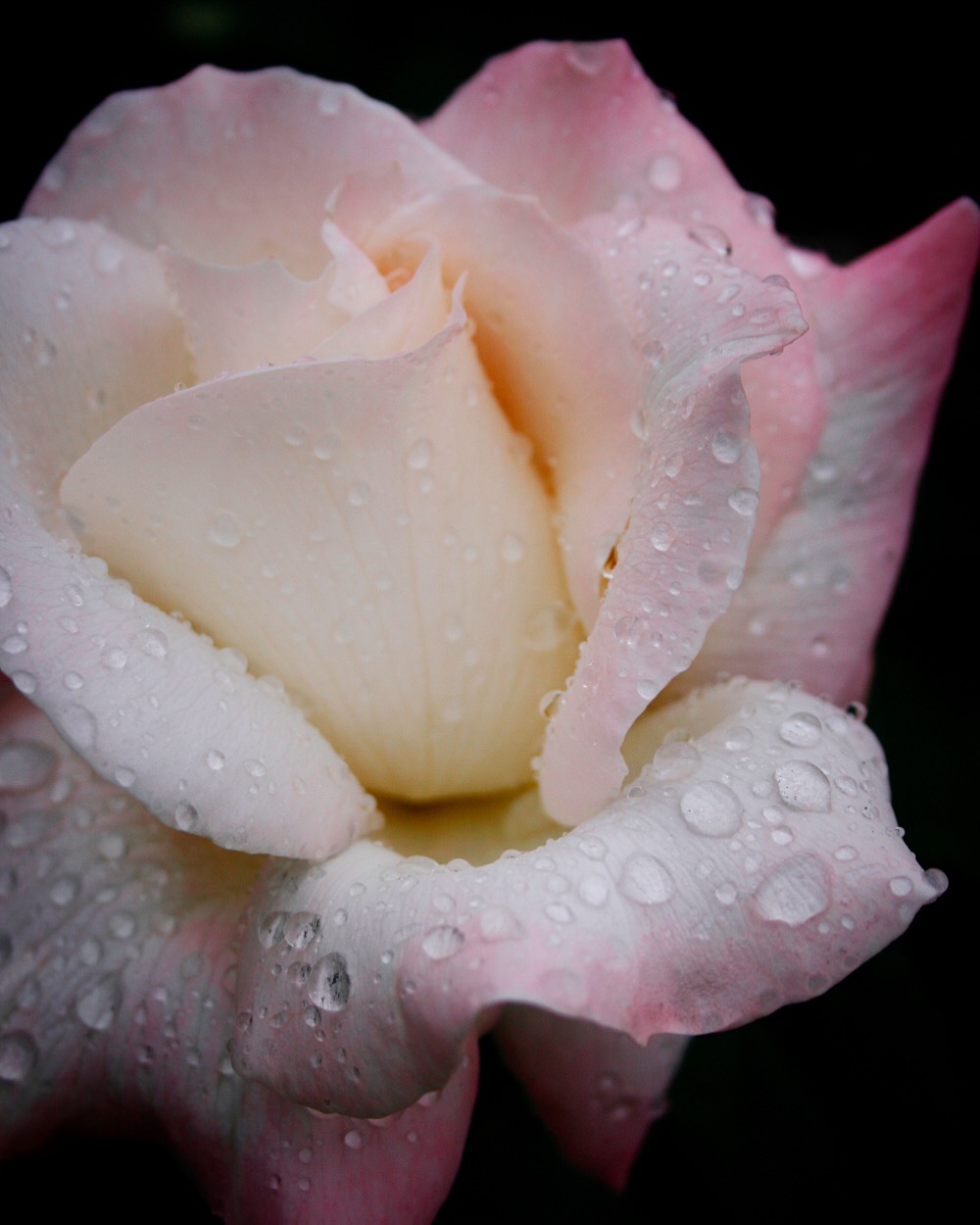
The snow is melting now. Big puddles of water everywhere. It makes me think of spring. And flowers in the spring. Flowers after a heavy late spring rain. I can’t wait. This is a time of biding. // Few flowers beat the rose for beauty. Voluptuous, soft, fragrant. And after a summer rain, the air heavy with their sweet smells, water droplets accentuating the lines of the petals. And when it comes to selection of roses, few places beat the International Rose Test Garden in Portland. Incredible.

Photo: International Rose Test Garden in Washington Park, Portland, Oregon, USA, June 2012. Posted on Instagram February 23, 2021.

Edmonton (ii)

100

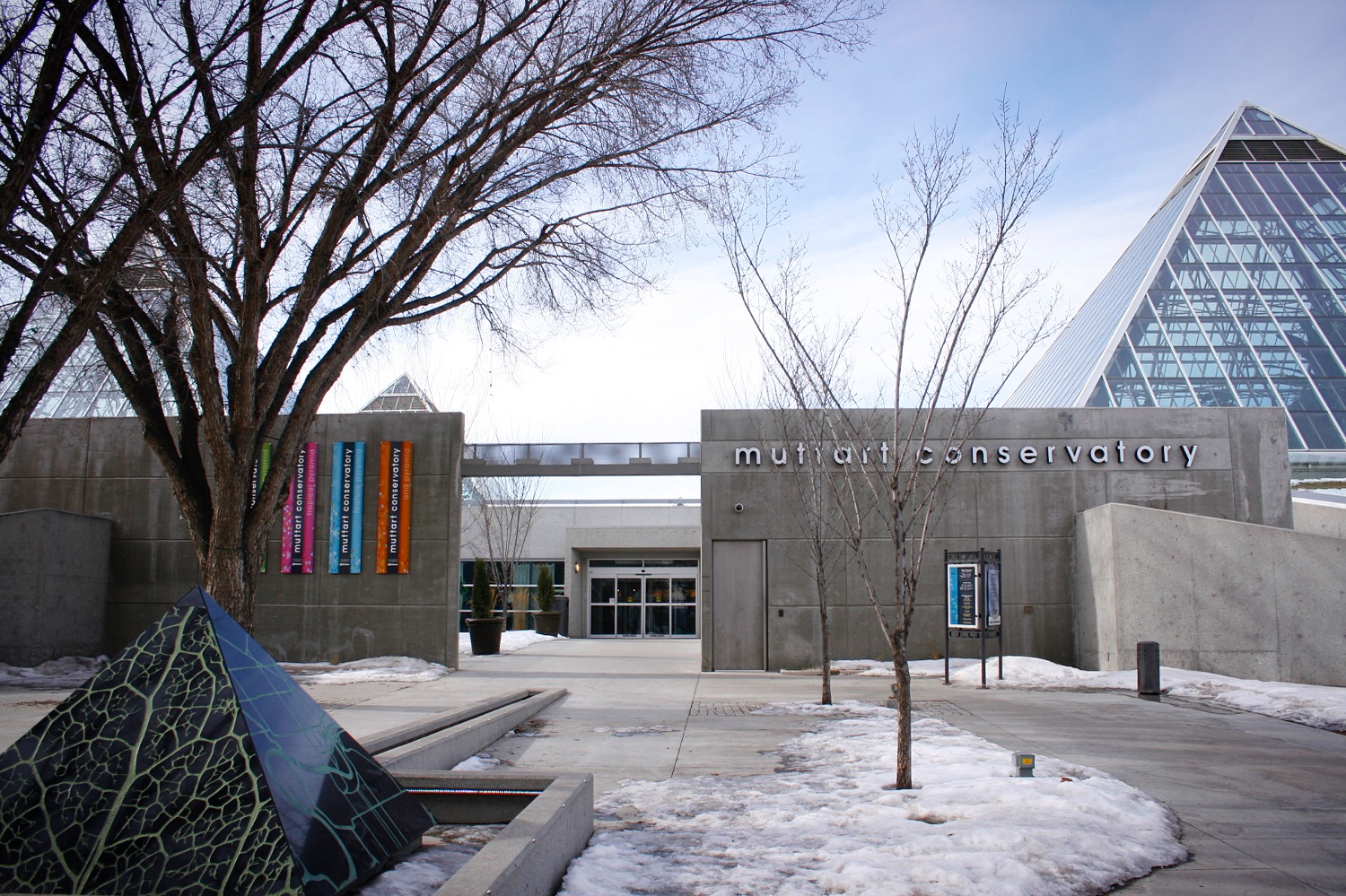
It’s not big, the conservatory in Edmonton, with four greenhouse pyramids: the arid, the tropical, the temperate and the feature (during my visit in 2012 holding an exhibit of teddy bears having a picnic). It’s pretty, though. The smells and the sound of running water in both the temperate and tropical pyramids have such a soothing influence, I could sit here for hours. After having taken the whole tour through all the pyramids, I sat down next to a blooming banana plant in the tropical pyramid and caught up with some writing. When my hands started to tremble from low blood sugar, I went out to eat the small lunch of boiled eggs, an apple and a carrot that I had taken with me, and then ended up inside again, in the temperate pyramid. The contrast with the snowy outside making it feel particularly inviting. The conservatory was probably my favorite site in the otherwise not very exciting Edmonton.

Photo: The Muttart Conservatory in Edmonton, Alberta, Canada, March 2012. Posted on Instagram February 22, 2021.

Oslo (i)

99

This morning, I had a Zoom hang with half of my former master’s class. It was such a wonderful community, the group of people I got my master’s degree with back in 2015. Now, sitting by my kitchen table, it felt like such an amazing thing, to be able to connect across space and lock-down isolation, from England to New Zeeland. A wonderful start to my Sunday.

It made me think of another weekend four years ago, when several of us gathered in Oslo to visit Hanna, one of our group, who had moved to Norway for graduate school. Three days of wandering, laughing and drinking very expensive cocktails. And, of course, I made everyone go garden-hunting with me.

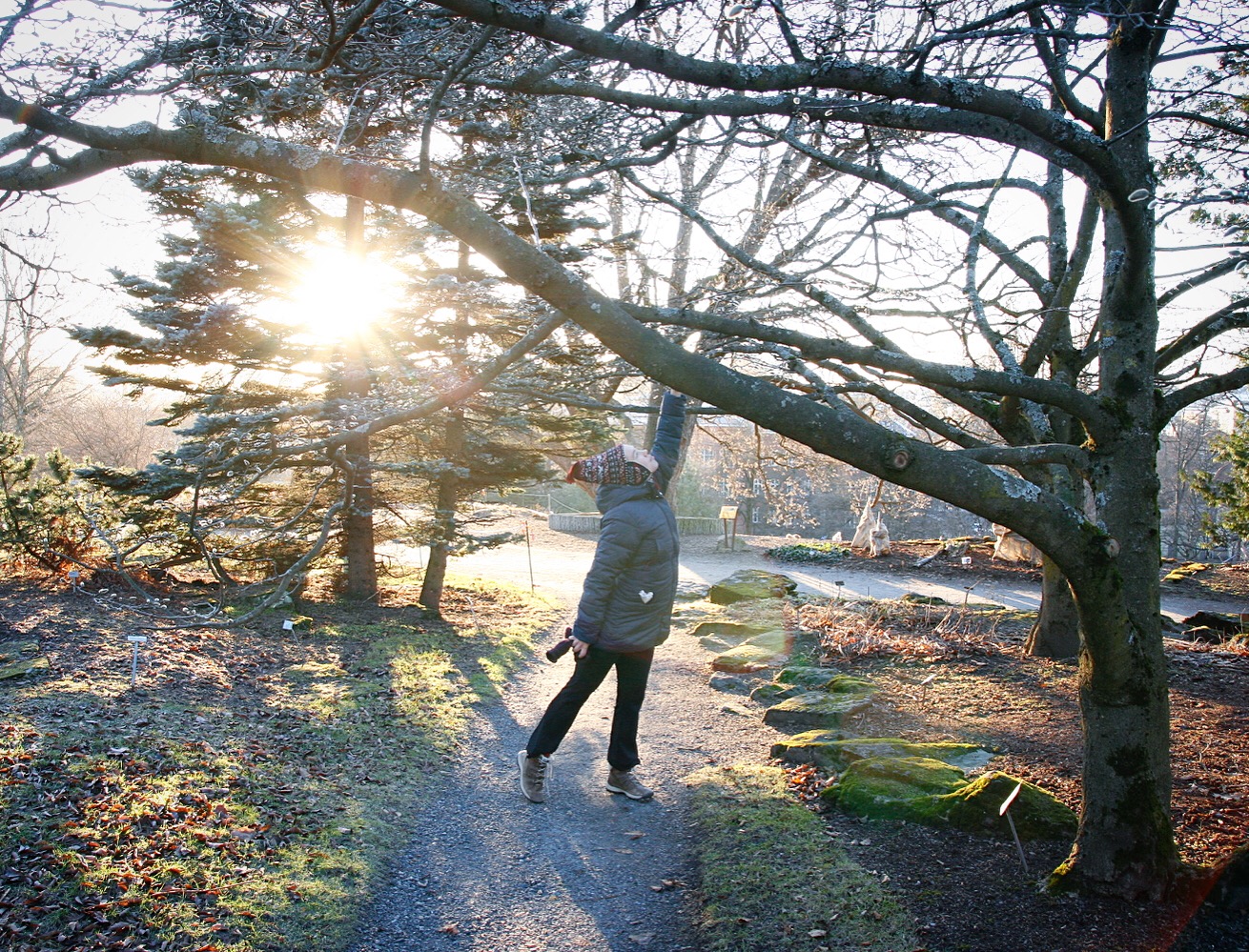
It was a beautifully crisp, sunny January afternoon with temperatures just below freezing, when we visited Botanisk Hage, the Oslo university botanic garden. Mid-January in Oslo doesn’t offer much in the way of greenery, but the frost that covered the grass and branches made everything glimmer in the setting sun. The garden takes up an entire inner-city block, and has a hill in its center. The garden is mainly open grass and old groves of deciduous trees, flowerbeds and small ponds on the hillsides. I can imagine it being lush and full of flowers in late May. Now, the browns and gray-greens that ranged from moss to mint felt very tranquil. Like a breath of fresh air in the middle of the busy city center.

Perfect for some frosty yoga.

Photo: Botanisk Hage, Oslo, January 2017. Posted on Instagram February 21, 2021.