Kristianstad (ii)

118

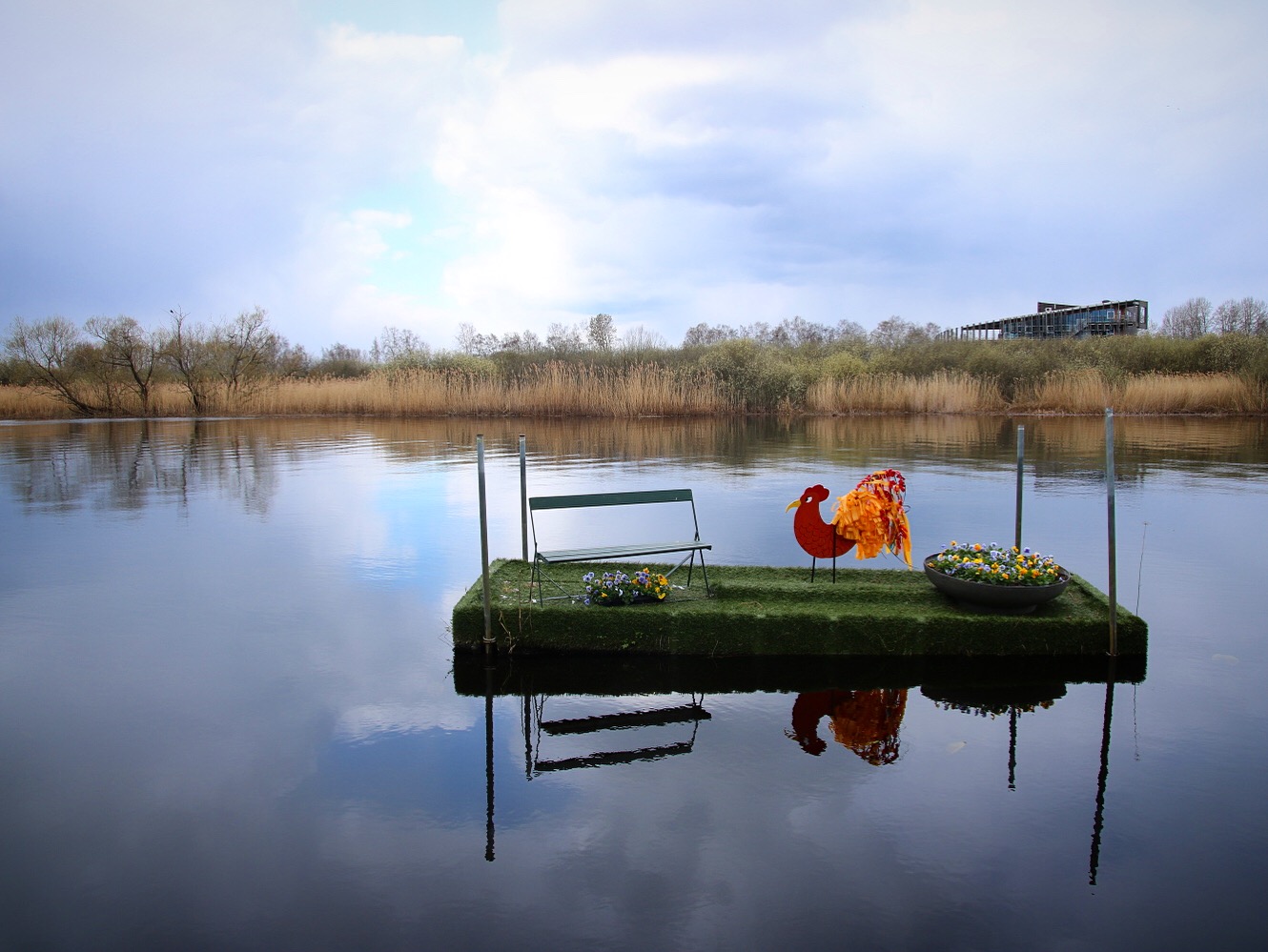
Hälsoträdgården (the Health Garden) in Kristianstad lies right next to the Helge å river. Across the river, beyond the slowly flowing water and reeds and wetland willows, lies naturum Vattenriket, the visitor’s center in the Kristianstad Vattenrike Biosphere Reserve. A long wooden bridge, with one base at the corner of the Health Garden, connects the city-side bank of the river with the riparian shrubs, groves and fields on the other side. The impressive, reed-like wooden structure of the visitors’ center stands on poles in the middle of the wetland, perfectly blending in with its surroundings. Especially in autumn and spring, when the landscape is rich in nuances of brown, gray and light green. Inside, there are exhibits and a really knowledgeable staff, who arrange activities in the center and the biosphere reserve, year-round, for kids and adults alike. (Or at least they do, when there isn’t a pandemic wreaking havoc everywhere on Earth.)

It is a beautiful place. Naturum is where we ran our series of workshops for the project I’m doing my PhD in. From its windows or terrace, I have seen otters, storks and cranes, and many other birds. And from the visitors’ center starts several beautiful hiking trails through the mixed, cultural landscape of eastern Skåne.

So if you tire of the calm orderliness of the herb beds and rose bushes in the Health Garden, just cross the bridge for a more untamed experience, hiking through wetland meadows, deciduous groves and by grazing cows, too. I can really recommend it.

Photo: View of naturum Vattenriket from Hälsoträdgården in Kristianstad, Sweden, April 2019. Posted on Instagram April 19, 2021.
Kristianstad (i)

117

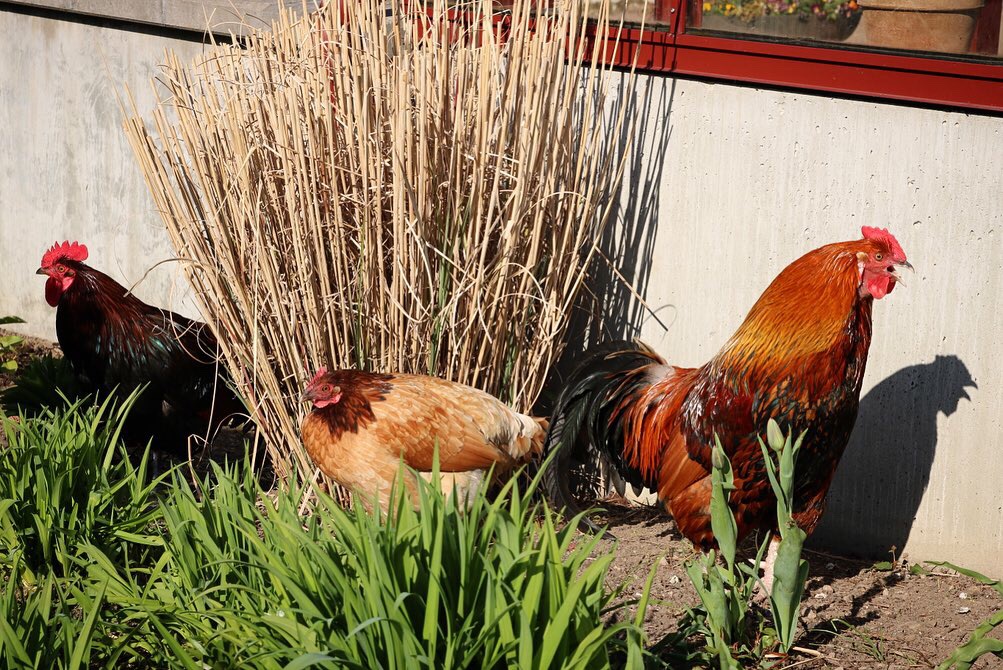
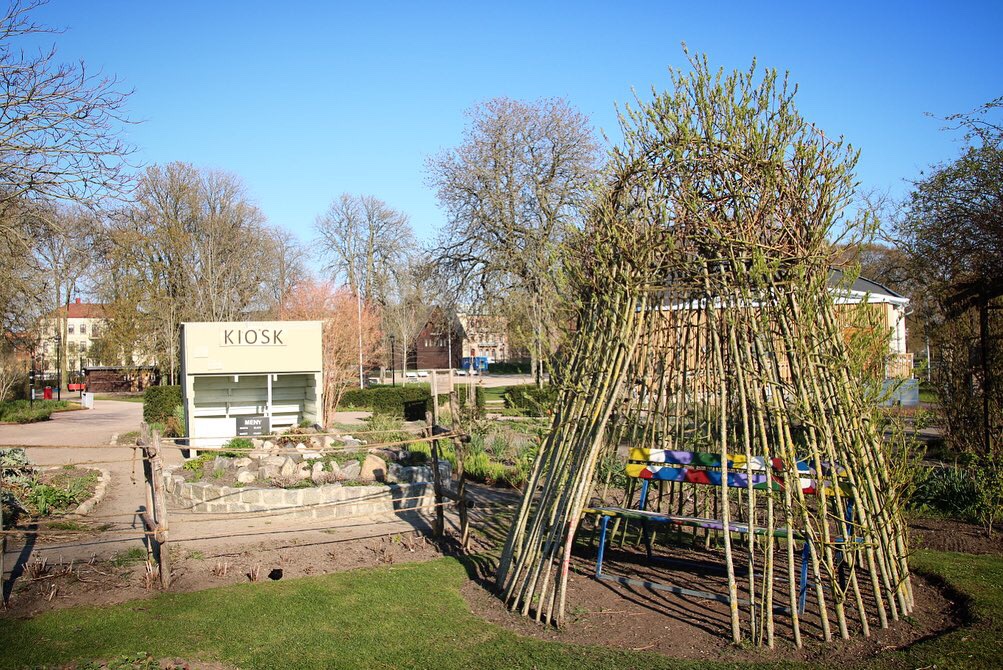
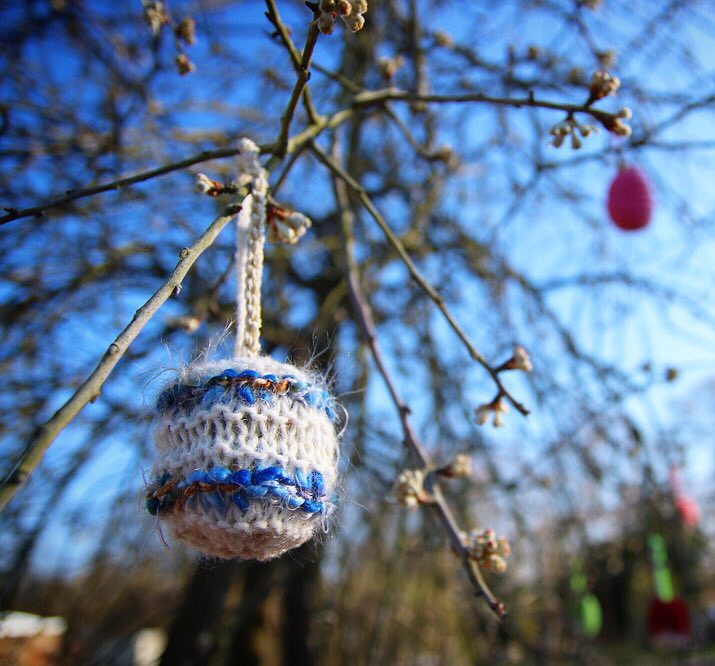
Next to the (mostly) calm waters of Helge å river, a stone’s throw from Kristianstad railway station, lies Hälsoträdgården, or, the Health Garden. Small, and not a botanic garden per se, but systematic and well-kept. Organized, a little, like I can imagine a monastery kitchen garden could have been, with flower beds and herbs and a flock of hens prancing around, hives for honey bees, and benches in tranquil nooks between shrubs and trees, perfect for moments of contemplation and philosophizing. They even had pretty little hand-made Easter decorations in the trees, such cute little details swaying in the icy April breeze.

I visited at Easter time, back in 2019, when I was doing follow-up interviews after the series of workshops that makes up the core of my PhD thesis. Interviewing is interesting and inspiring, but also intense and I often feel drained of energy after. Strolling through the Health Garden in the end of the day, to gather my thoughts and get some fresh air and evening sun soothed my frazzled brain. They have really done something special with this little piece of park in Kristianstad.

Photos: Hälsoträdgården in Kristianstad, Sweden, April 2019. Posted on Instagram April 5, 2021.

Edinburgh (iii)

116

Botanic gardens are systematic. Sometimes that makes them feel stiff and constraining. Not Edinburgh Royal Botanic Garden. It is vast, but it is planned around thematic areas, surrounded by patches of trees, which creates surprise and a sense of adventure. Every time you walk around a bend in the path, a new creation of flowers, shrubs and trees meet you. It gives you a sense of wilderness, but also of something meticulously planned and intense. The level of detail. Edinburgh is not a very colorful city otherwise, but here you are met by an explosion of color. Completely free of charge.

Photo: Royal Botanic Garden Edinburgh, Scotland, June 2013. Posted on Instagram April 2, 2021.

Paris (ii)

115

I think the botanic garden in Paris very much follows the French style, more so than the Montpellier garden does – although, admittedly, I don’t really know what I’m talking about. What I mean with the French style is pictures I’ve seen from French castle gardens, especially the ones at Versailles. The open spaces, meticulously cut bushes and trees, flowerbeds, geometric patterns created by the paths. More elegant than lush. And flowers, so many flowers, with bees and butterflies in abundance.

Photo: Jardin des Plantes de Paris, France, September 2017. Posted on Instagram April 1, 2021.

Montpellier (ii)

114

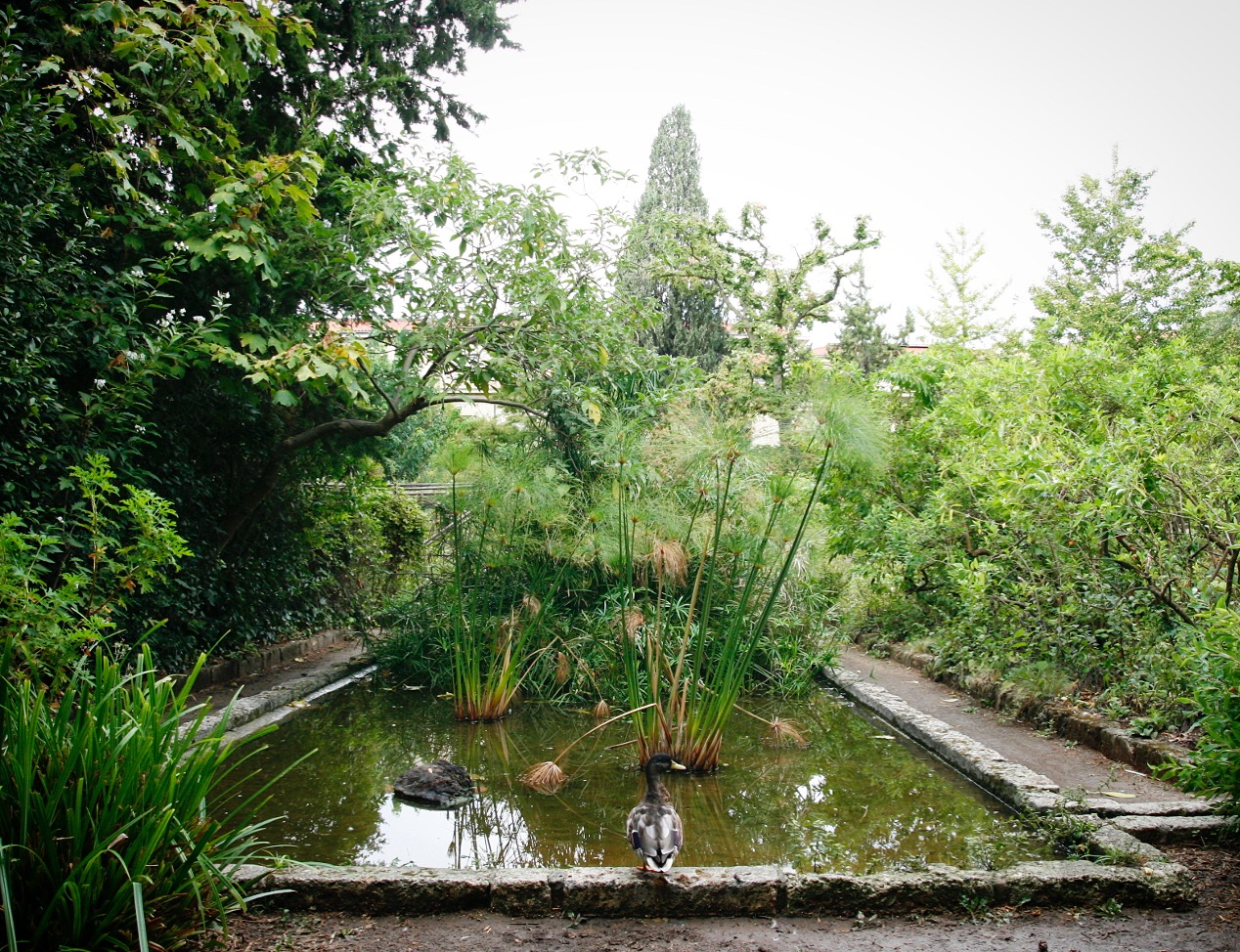
There was no entrance fee to the botanic garden in Montpellier during my visit in 2016, and the opening hours were long, making it a place that locals and tourists alike seemed to enjoy visiting for a calm evening stroll. There were birds, and cats everywhere! I spent several hours walking around on the paths, failing to get close to the cats, sitting on different benches, reading. I could easily have spent more time there. It was a really beautiful, small, half-wild but still very well-kept botanic garden.

Photo: Jardin des Plantes de Montpellier, France, September 2016. Posted on Instagram April 1, 2021.

spring rain

113

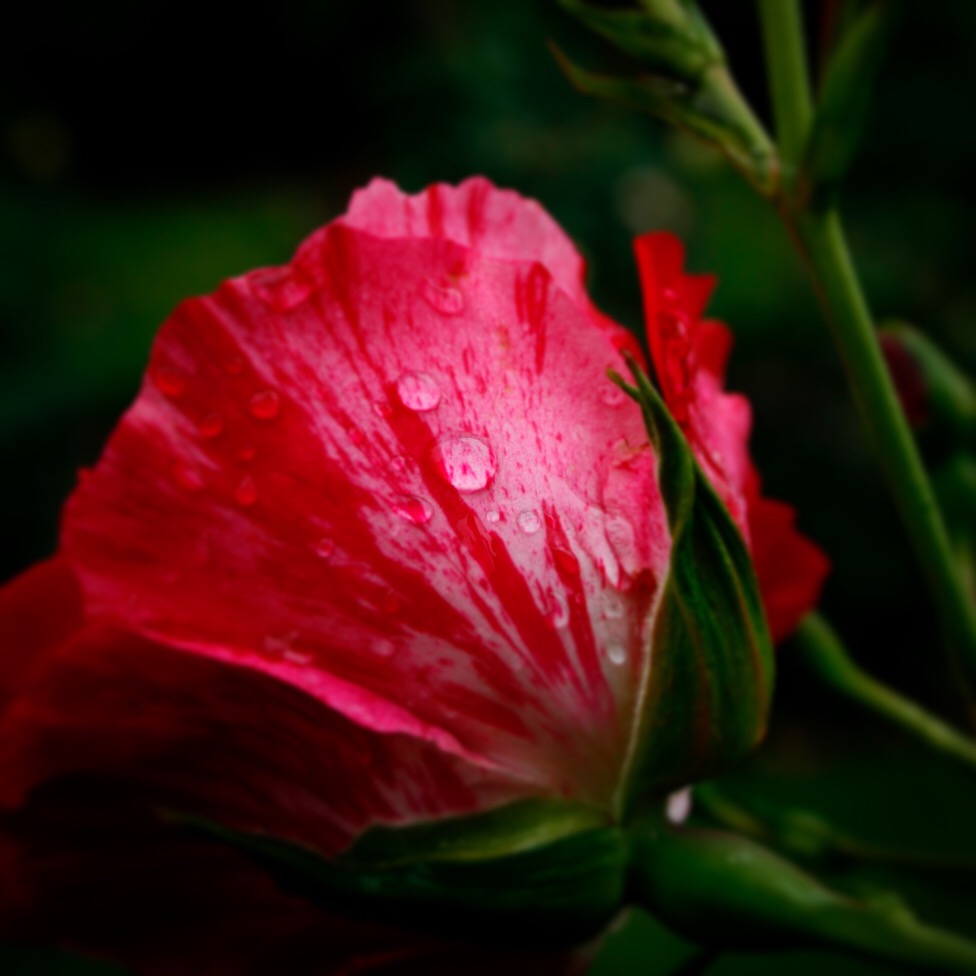
I love what the spring rain does to the colors outside my windows. It is raining in Stockholm today and I was sitting in a meeting, listening to a colleague complain about the weather, and I thought: I can’t understand this. Yes, with the non-stop clouds and rain in November, but now? The moisture gives the greens and the browns so much depth, the needles of the pine and the buds on the ash tree almost ready to burst. Little white willow catkins catching the light. On my evening run, birds singing and a faint earth smell, families of hepatica bright purple and blue among the decaying leaves. The air feeling clean, after a day of light rain. No. I like this.

And it’s only going to get better. With warmth, comes the after-rainfall-smells. Like the fragrant International Rose Test Garden in Portland, a rainy day in June almost nine years ago.

Photo: International Rose Test Garden in Washington Park, Portland, Oregon, USA, June 2012. Posted on Instagram March 31, 2021.

Oaxaca (iii)

112

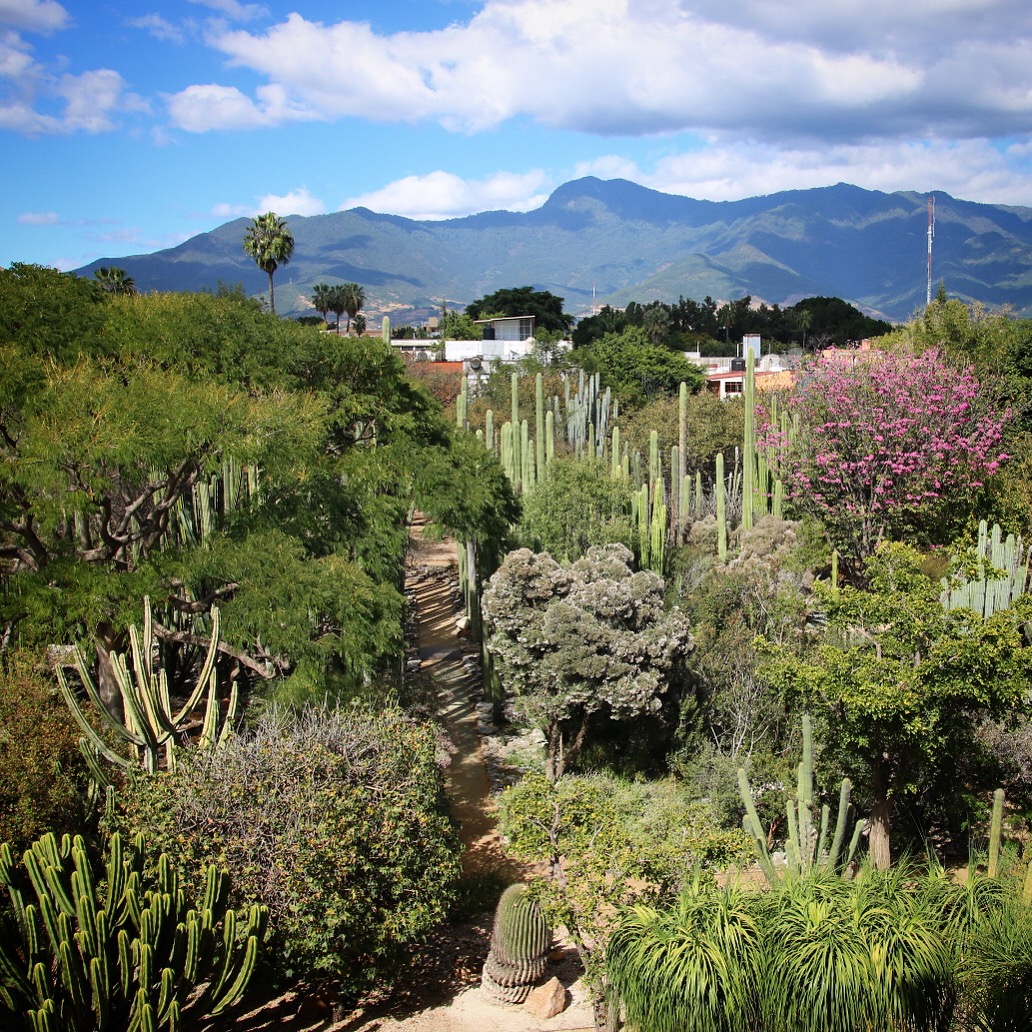
There is definitely a point to having a guide explain things in the ethnobotanic garden of Oaxaca. There were no signs, but the guide was very knowledgeable and explained all about the wild and the cultivated, the native and the species that were brought here by the Europeans. The state of Oaxaca, according to the guide, is an incredibly biodiverse place and is home to more plant species than grows wild in all of Europe. And the different peoples of Oaxaca have been using the plants for everything from food and medicines to fiber production and dyes for centuries, way before the Spanish arrived with their monks to catalogue it all.

Photo: Jardín Ethnobotánico de Oaxaca, Mexico, November 2017. Posted on Instagram March 30, 2021.

Oslo (ii)

111

The greenhouses in the Oslo university botanic garden are not large, no, quite small actually, and old. Two beautiful metal, wood and glass structures, one tropical with three separate wings, and the other a temperate palm house. When I first entered the wing with the water lily pond in the tropical green house, I could not take any photographs for at least 15 minutes. The humidity and heat made the lens get foggy, the difference from the outdoor freezing January afternoon and the artificial tropics inside being so extreme. It was a beautiful pool, though, so green, and the orchids in one of the other wings so weird, so inspiring. Breathing that air, carrying so many smells that I could basically taste it on my tongue. I miss the tropics. That heat and the humidity, it feels like it makes breathing so much easier.

Photo: The tropical greenhouse in Botanisk Hage, Oslo, January 2017. Posted on Instagram March 29, 2021.

Barcelona (ii)

110

Visiting new cities can be a tiring exercise. Maybe that’s a contributing factor to why I fell into the habit of visiting botanic gardens. Except for maybe Kew in London and Jadin des Plantes in Paris, my general experience is that botanic gardens are places in otherwise busy cities where you can get a break from the crowds.

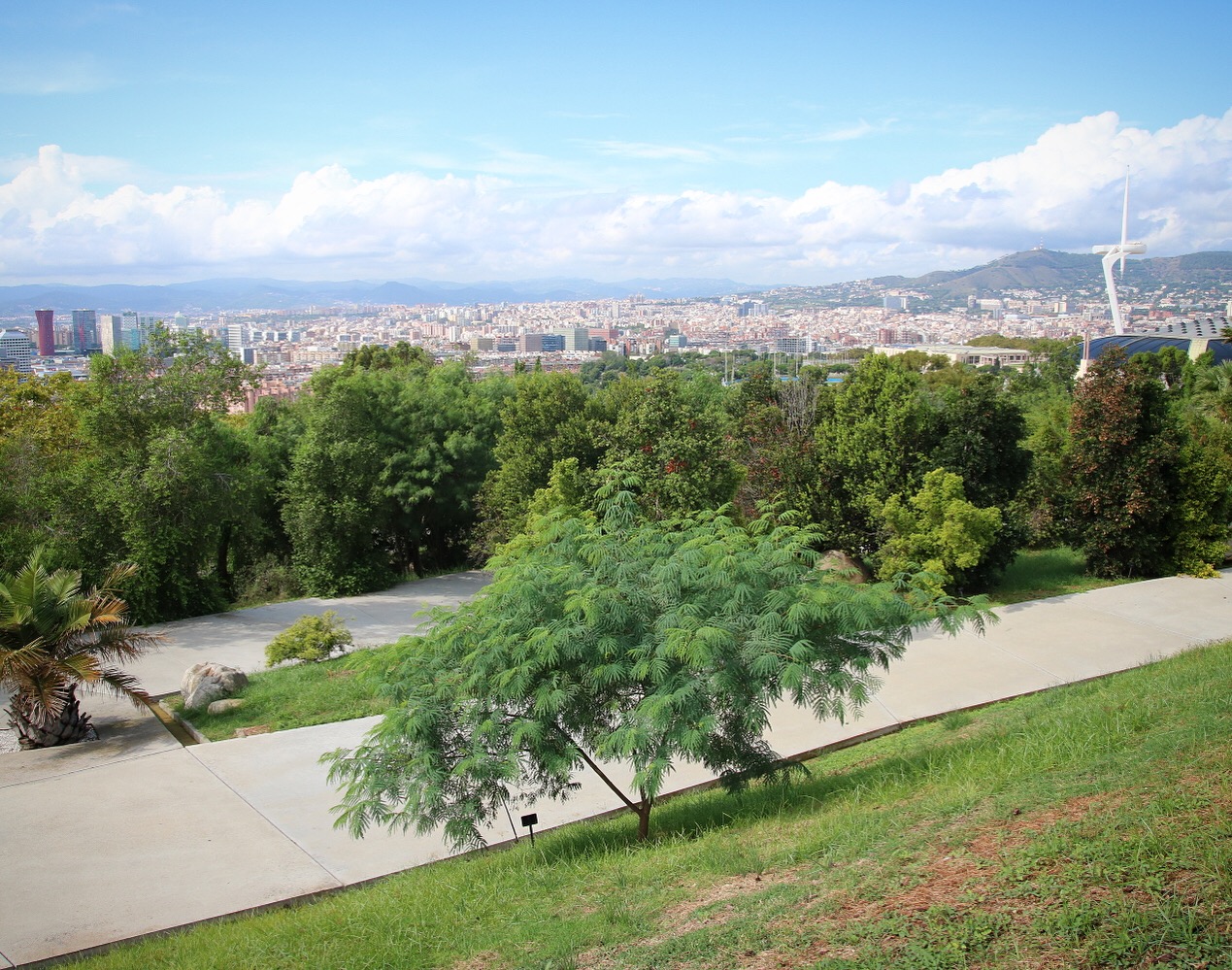
This was definitely the case in the Botanical Garden of Barcelona. The garden lies on the Montjuïc hill, which is surrounded by the city on all sides. In the late 1800s the woods on the hill, where people traditionally had been grazing animals, were partially cleared to open space for parks. Today, the hill is still very green, with several smaller gardens and also some sports stadiums and a couple of museums. Barcelona, as you know, is a very popular place to visit. When I had to stay the night, due to train connections on my journey from Lyon to San Sebastian in October 2018, I decided to extend my trip and walk around in Barcelona for a day.

It wasn’t peak tourist season, but god, were there many people with cameras around their neck (or, their smartphones always at the ready). Being around so many people can be distracting, and definitely tiring. It was also a really humid day, which didn’t help. But as soon as I got beyond the National Museum of Art (Montjuïc’s top attraction), the crowds completely dissipated and the air somehow became easier to breathe. The garden entrance lies a short walk from the art museum, and yet there were almost no other visitors there. I could explore all on my own, marvel at the plants and the interesting architecture – but also at the incredible view of Barcelona that can be enjoyed from the top of the garden. I don’t understand how more people hadn’t found their way there. Or maybe it was just an off day, who knows. Either way, I thought wandering around on those concrete paths among the olive trees and cacti was a day really well spent in Barcelona.

Photo: Jardí Botànic de Barcelona, Catalonia, Spain, October 2018. Posted on Instagram March 26, 2021.

stories about sheep

109

I’m reading a book about sheep. “A Short History of the World According to Sheep” by Sally Coulthard. I love how it meanders through the centuries, touching upon everything from the incredible properties of wool to how we started making cheese. Did you know that we have the domestication of sheep to thank for the invention of the scissors? Ancient shepherds needed something better than knives to shear the sheep with.

A thing I find particularly enjoyable with the book, is that it has nothing to do with my thesis.

Except, maybe, that there should be more sheep grazing in the forest pastures in southern Sweden, to increase multifunctionality, generate ecosystem services, and promote biodiversity.

Shit. I can never get away.

Anyway. There have probably been many generations of sheep grazing on the hill where the pictured tree now stands. The Montjuïc hill was where Barcelona’s shepherds grazed their sheep and other animals, before it was turned to parks and now houses, among other things, a magnificent botanic garden.

Photo: Jardí Botànic de Barcelona, Catalonia, Spain, October 2018. Posted on Instagram March 25, 2021.