oh god, how time flies when you’re just trying to stay afloat

It’s mid-June, and it’s raining. I’ve developed an obsession for rhubarb. I’ve been buying rhubarb from grocery stores in town and biking home on a borrowed bike with rhubarb stalks sticking out of the basket. I make rhubarb and strawberry sauce. The freezer is full. Luckily, I don’t have to share it with anyone anymore. All my roommates moved away. I’m on my own for the summer.

I’m sure there’s something in rhubarb that I have a deficiency in. Why else would I crave it so? This emptiness.

DSC_1038

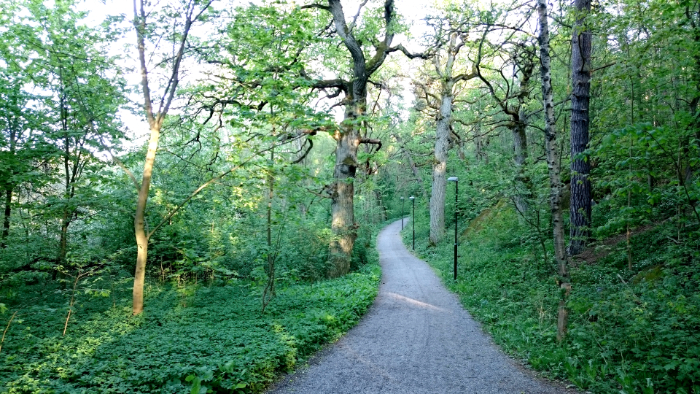
It’s raining, and the air is pregnant with the smells of life. Summer solstice is in a couple of days, and the wet makes the shades of green so deep, so rich, so all-consuming and cleansing. Walking home from work through the oak tree grove is like diving into, being submerged. Breathing gets easy.

DSC_0965

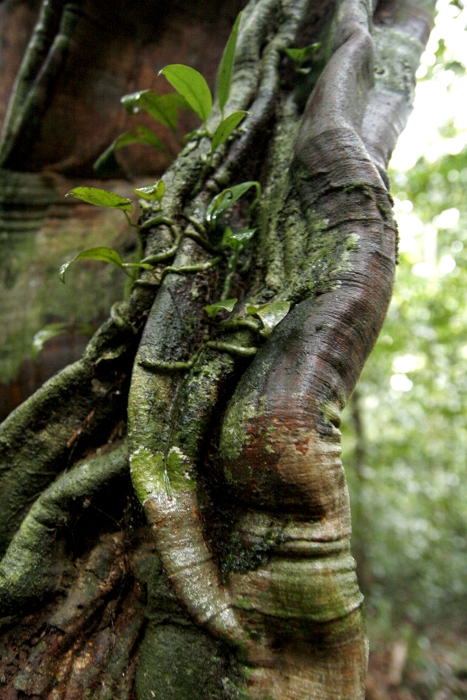
Almost as green as in the rainforest. Let’s get back to Sapo…

anticlimax – or not

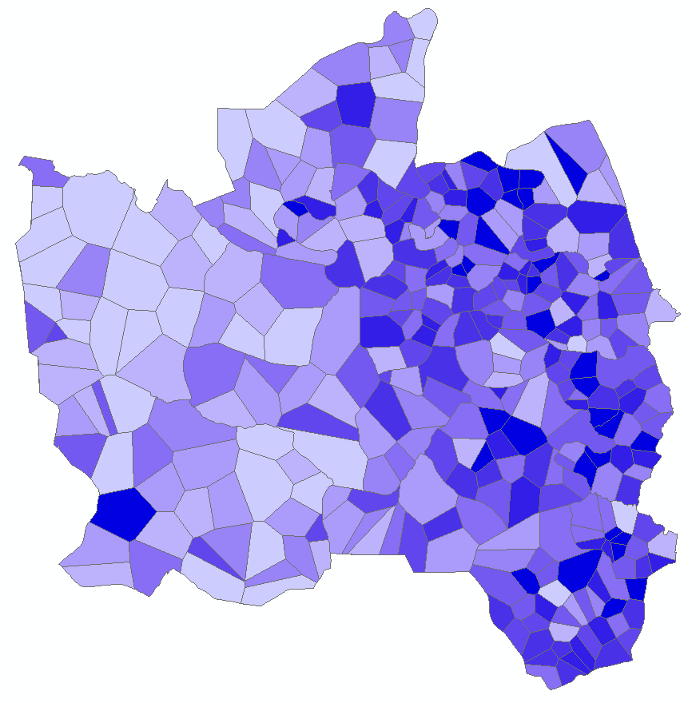
After more or less three days of work, I’m finally done, and out from the GIS pops this:

pop_dens

Pretty. The color like a caress to the eyes – but a poor substitute to the physical and emotional contact that I won’t be getting from my loved ones, because I’m always at work.

But still. It’s done. I managed. There’s a giddiness. Due to low blood-sugar or satisfaction, I don’t know, don’t care, I’ve produced a Map.

I think the academic brain-wash is complete.

when I don’t write

I’ve been home for almost a month now. Today I made rhubarb jam and started to clean the gazebo. I’ve also gotten started with Vivi’s cardigan, finally. It’s been a good Saturday.

But I’m tired. It happens a lot now. I think, ever since I started the master’s program almost three years ago. Any time I’m not studying or working, I feel tired. I’m fine cooking while tired. And knitting. Knitting goes splendidly with being tired and watching a simple movie. But writing doesn’t. Writing requires the same parts of my mind as work does, and my work being so intense, there’s no energy left in there to write. And the blog stays un-updated.

It’s starting to become a problem, I think. You see, I grew into this writing. Ever since I was 12, when I started working on my first (unfinished) novel, I’ve been writing. Any important thing that I’ve experienced, any powerful feeling that I’ve felt, I’ve written about. I think that’s how I’ve learned to deal with life.

But now, when I’m not writing, it’s like the days breeze past without leaving a mark. As if, when I don’t write about what I’ve felt and experienced, it isn’t real. As if it’s the writing that ingrains my experiences in my memories, not the being in the middle of them when they happen.

I feel like time passes without me noticing.

But mostly, I miss it. I watch shows on TV about European cultural history, I listen to podcasts about books, and I miss feeling active in that part of the human experience. I’m not only a scientist. I also have a need to create.

Summer is coming. Things will slow down. I will make myself the time to build words into sentences for you, tell you about my latest trip to West Africa. This is a promise to myself.

the amazing plants of Sapo (March 26-27)

The rainforest is hot. And humid. After half an hour’s hike, everything you’re wearing is soaked through, from the inside and out.

You drink a lot. It is easy to run out of water. But hey, no worries. In Sapo, they have the water liana. Cut off a piece, and water starts flowing out of the porous wood.

_MG_7377

_MG_7385

The water is fresh and cool, with a slight taste of sap. Like being kissed by a tree.

mushrooms of Sapo (March 26-27)

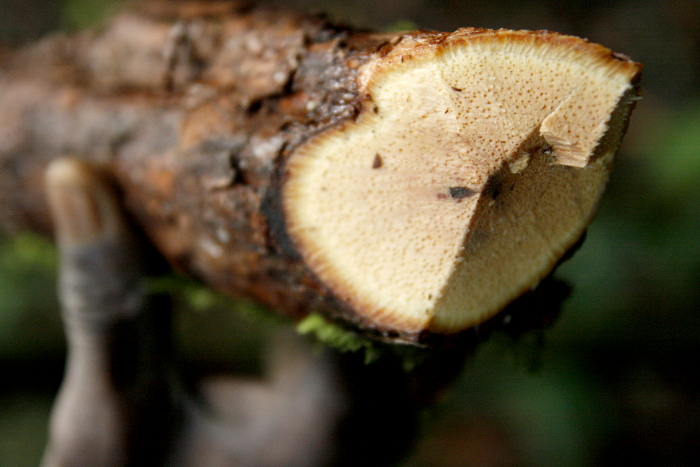
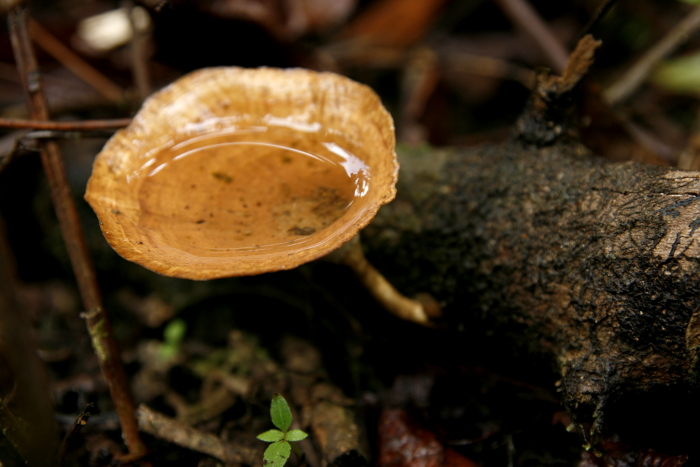
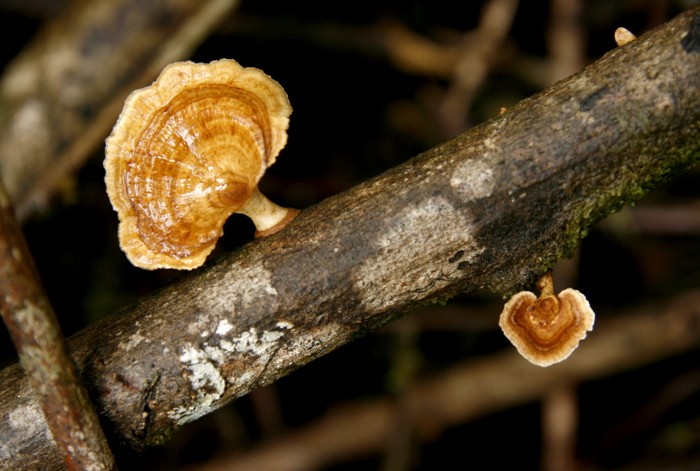
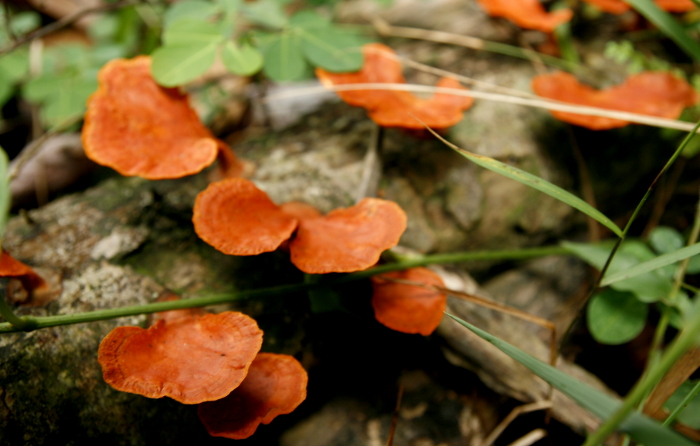
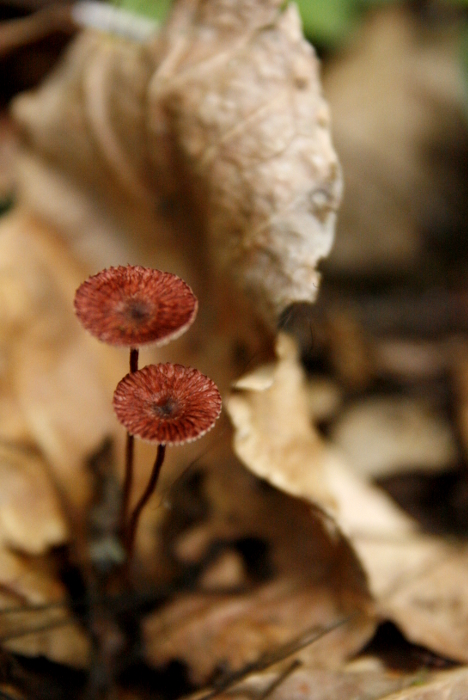
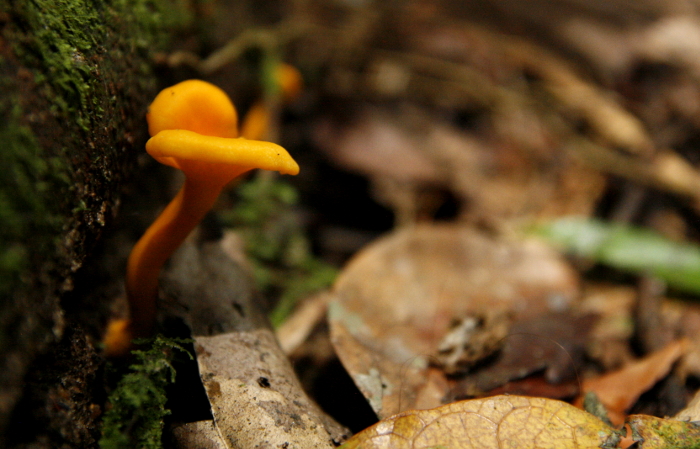
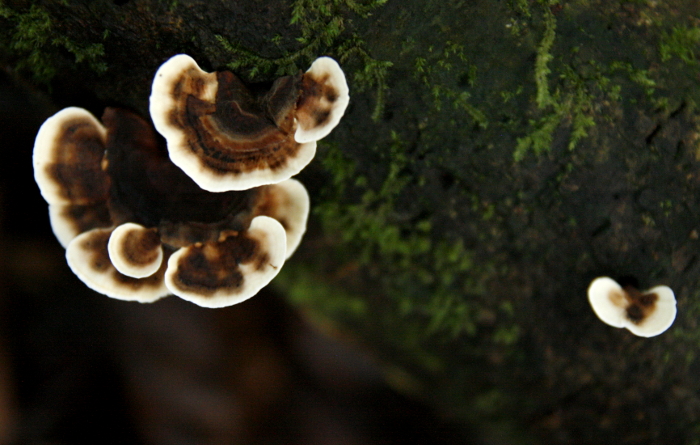
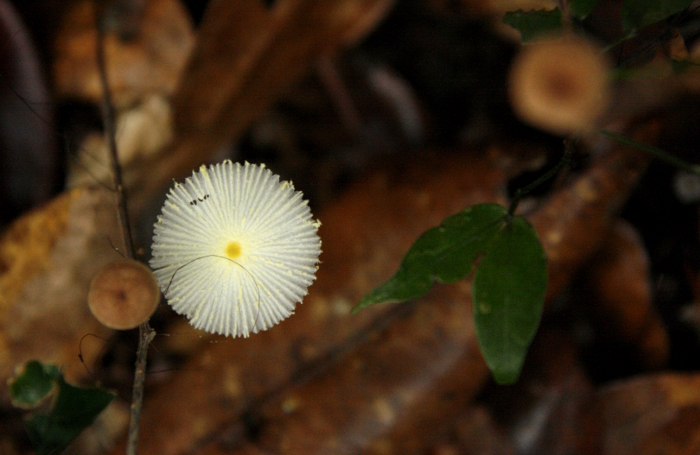
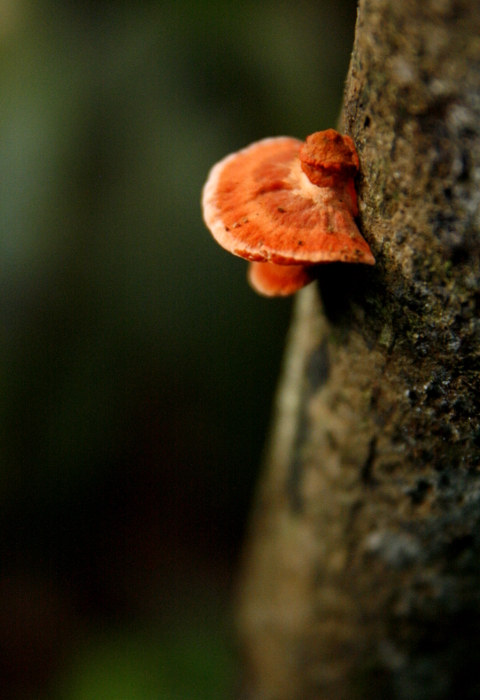
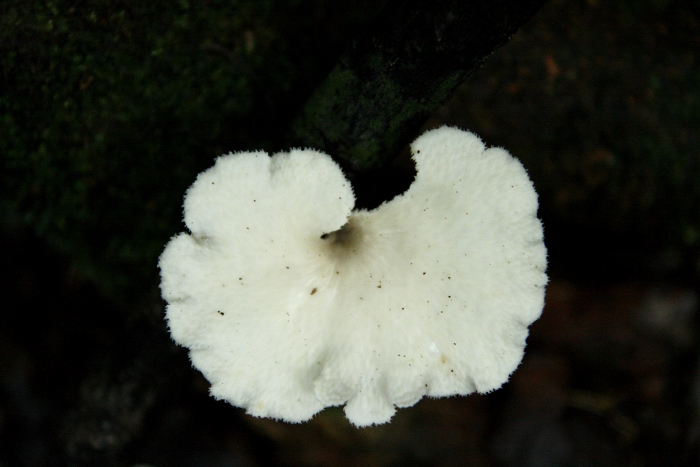
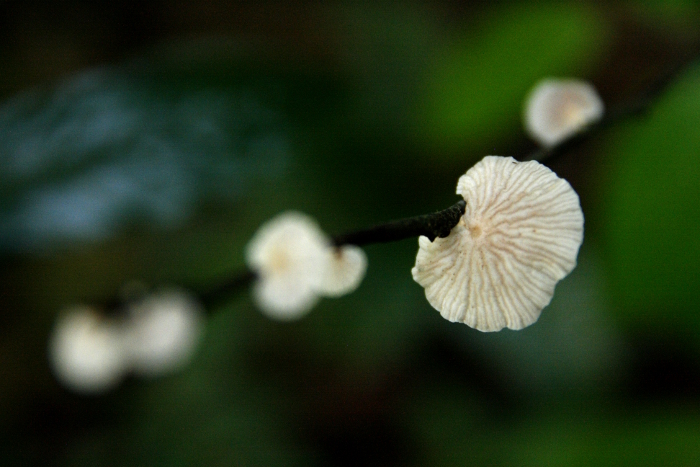
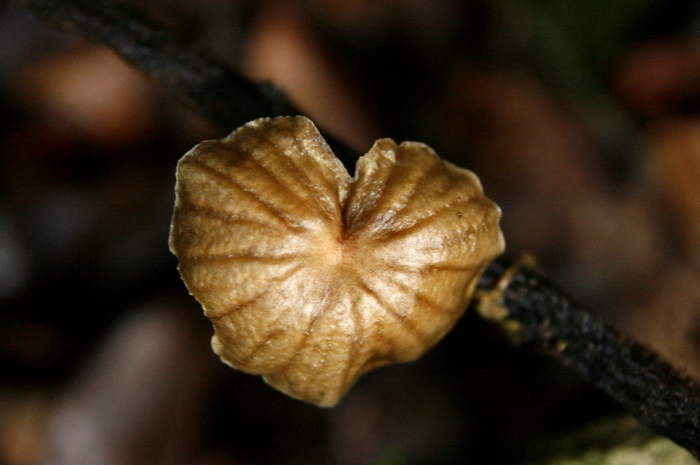
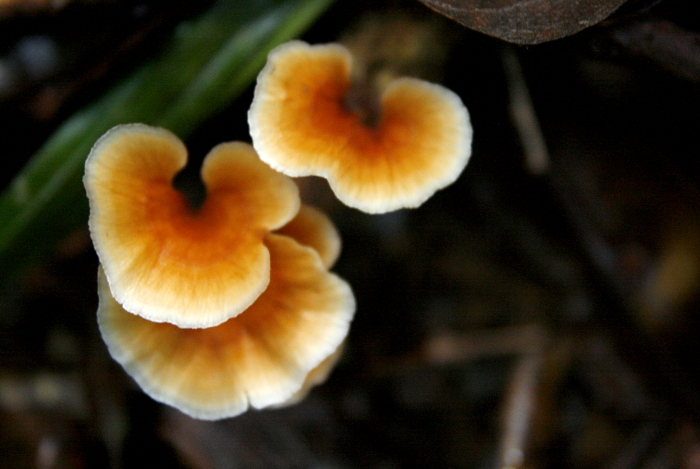
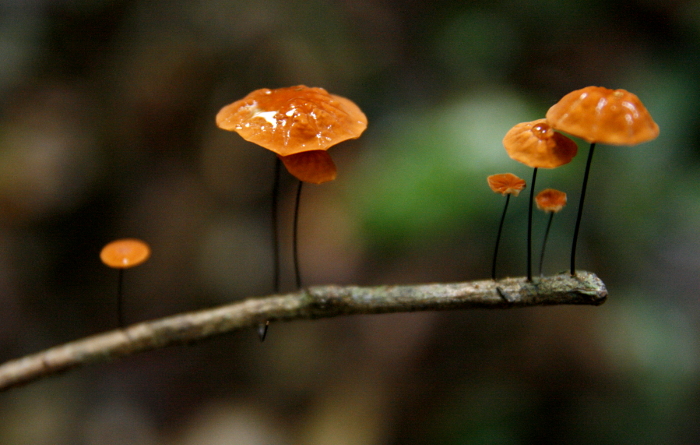
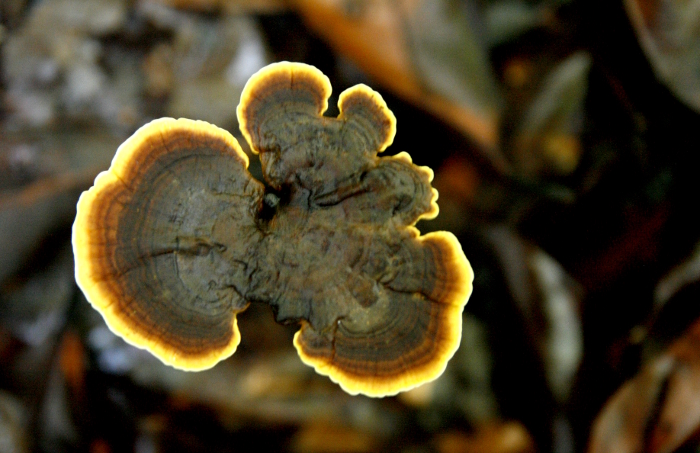
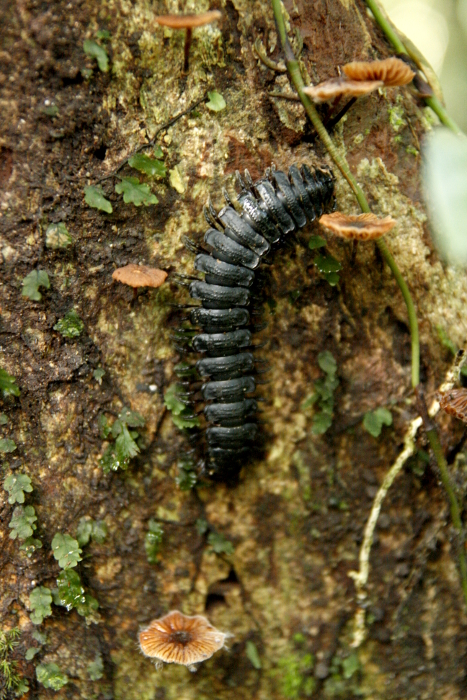
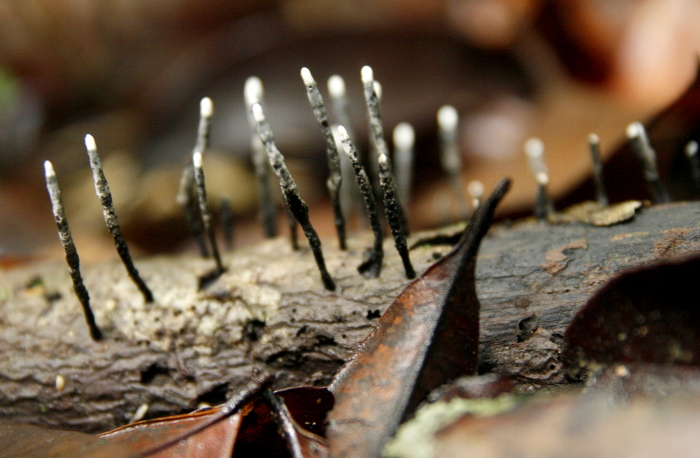
That I’m obsessed with photographing trees is no news – anything to do with trees, leaves, moss, bark, especially mossy bark. But what I’ve never really thought about is how fascinating mushrooms could be. I’ve been so caught up by the beauty of trees that I’ve completely forgotten to look for the wonders in other types of organisms. Sapo became a real eye-opener for me. The diversity of mushrooms in the jungle! The colours, the patterns, the shapes. I couldn’t stop. I became known among the rangers as the mushroom fanatic, and every time anyone saw a new species, they pointed it out to me. I was in amateur photographer’s heaven.

_MG_7060 _MG_7066 _MG_7128 _MG_7134 _MG_7221 _MG_7237 _MG_7306 _MG_7314 _MG_7343 _MG_7404 _MG_7413 _MG_7463 _MG_7468 _MG_7478 _MG_7484 _MG_7490 _MG_7495 _MG_7521 _MG_7526 _MG_7531 _MG_7555

first day of hiking in Sapo National Park (March 26)

_MG_7090

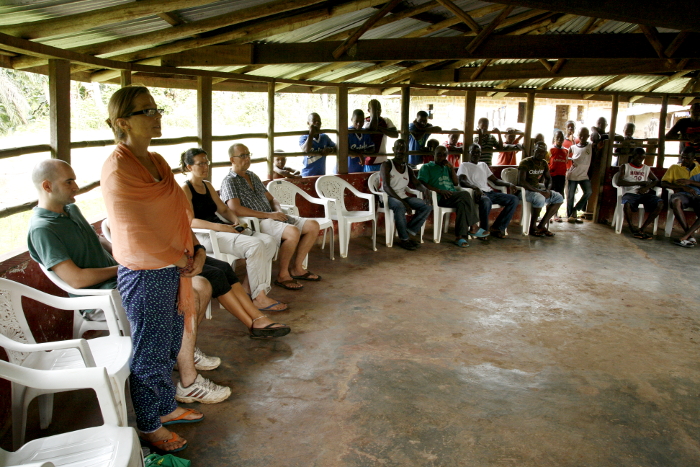
Our first day in Sapo started with us being invited to introduce ourselves to the village. First, the chief ranger welcomed us to the park and introduced us to the paramount chief and the men of the village. Meeting the paramount chief is a big deal in Liberia, he is the traditional leader and the most revered and respected individual in local communities. The paramount chiefs are even consulted when regional and national politicians need to make decisions, because it is essential to be on good terms with the paramount chief in order to get local communities on board to any changes. The paramount chief of Sapo and surrounding villages blessed us while the leader of the women’s village council drew two lines of ash on our foreheads, to protect us from any dangers in the forest.
_MG_7097

Then, mom held a speech, introducing us and saying how grateful we were for the important job that the village was doing, both for Liberia and the world, in protecting the rainforest, and how important it is to teach our children to respect and protect the nature. All villagers solemnly nodded in agreement. And to round off, she presented the village youth leader with a gift: a football for the children, and she challenged the village youth to a game of football against us Europeans once we were back from our hike.
_MG_7099

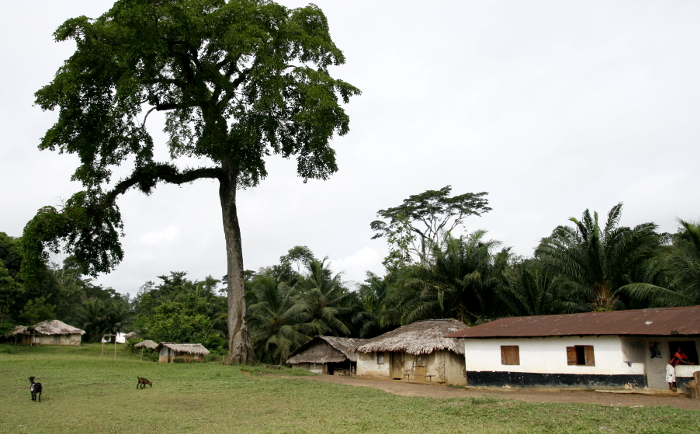
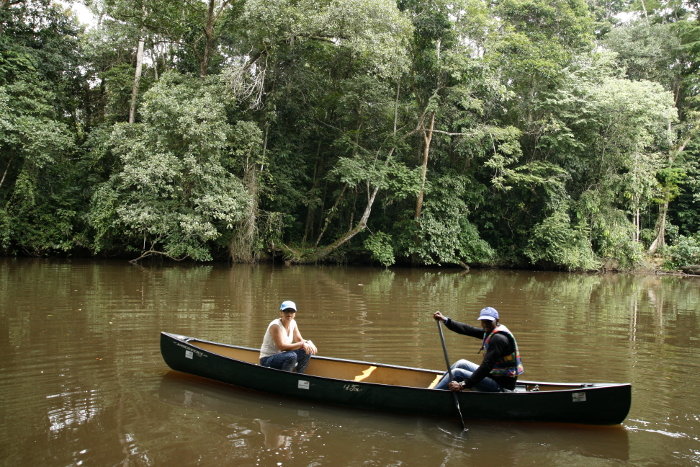
The village lies a couple of kilometres from the park, and to get to the actual boundary you have to walk on a wide and easy trail for about an hour until you reach the Sapo River. That makes up the western boundary of the park. To get into the park, there’s a canoe that you paddle across the river.

As always when I hike in groups, I soon lagged behind the others due to my constant urge to take photos of trees and mushrooms. Mom, Prince, Jimmy and two rangers waited for me, which led to the other ones already having crossed the river when we arrived there and we had to wait for the boys that had helped carry our tents and food to come back from base camp before we could cross ourselves and continue our hike inside the actual park. It was quite nice, actually, to get a chance put down my backpack and wander around a bit, and take turns paddling the canoe on the river. I love canoeing.
_MG_7185

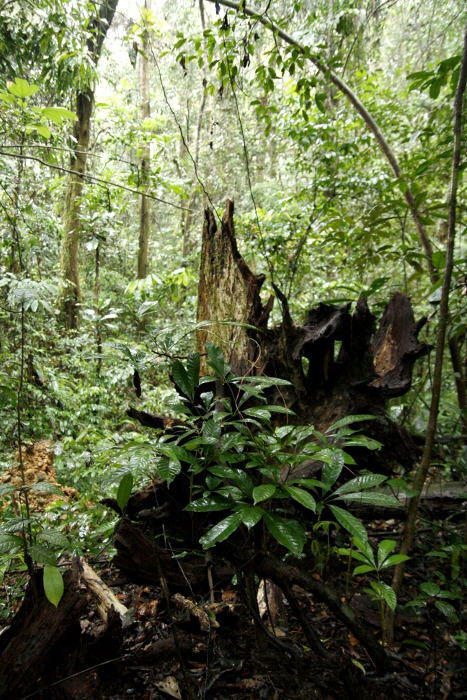
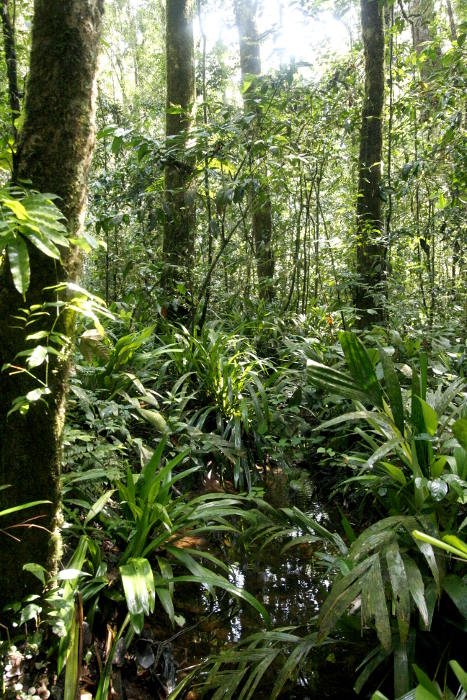
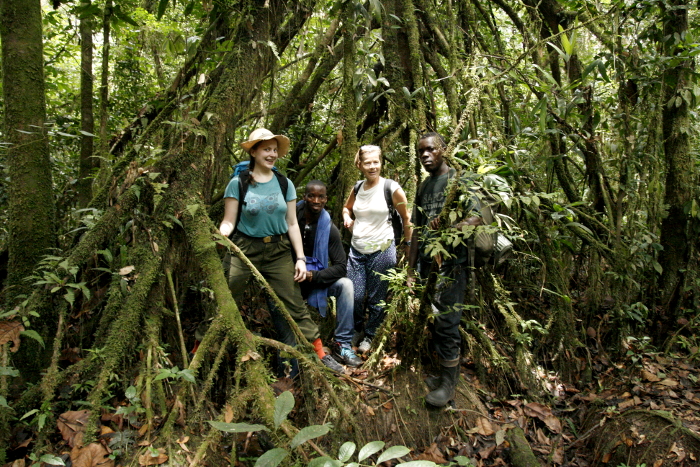
Once across the river, though, the hiking directly got a lot trickier. Here, the path was barely visible. It was like entering an impenetrable wall of green, with splashes of brown on the ground. And the air, like breathing the breath of a tree, moist, warm and earthy. Which, strictly speaking, we probably were – the photosynthesis and transpiration in this place must be insane.
_MG_7218

The late group (except Jimmy, who took the photo) in front of a majestic Yupaca tree that we met right after getting off the canoe: the happy geographer, Prince, mom and the chief ranger Augustine.
_MG_7255

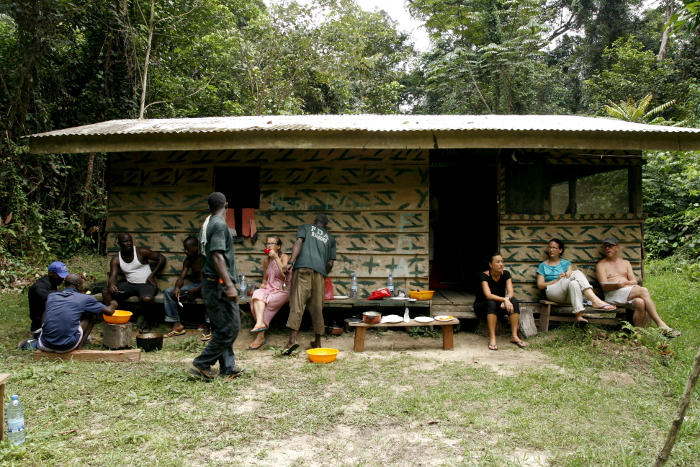
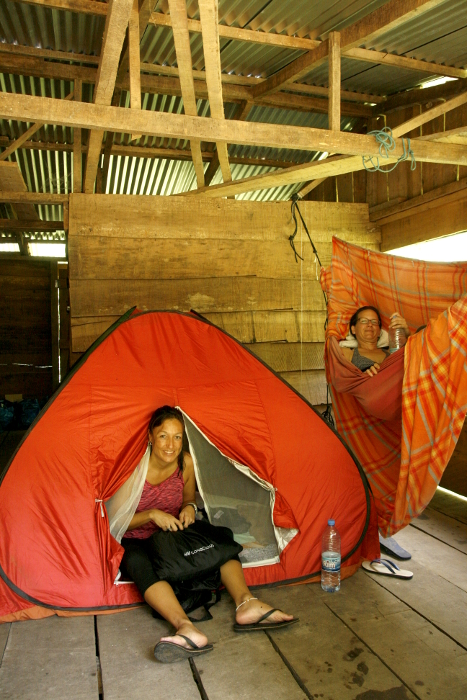
About an hour of hiking from the river lies the park basecamp. It consist of a small clearing with a fire place and a small basic cabin. This is where we cooked and dried our sweaty clothes and eventually slept in the tents we had brought with us and put up in the four rooms inside the cabin. Sure, it is remote – but I was surprised at the comfort we found there in the middle of the supposedly almost inaccessible jungle.
_MG_7567

a brief introduction to Sapo National Park

Sapo is Liberia’s only National Park, established in 1983. The park is 1,804 km2 and situated in Sinoe County, in the central-eastern part of Liberia. It is the second largest area of tropical primary rainforest in West Africa, after Taï National Park, which is situated just across the border in Côte d’Ivoire. There are plans to connect these two national parks, to create a wildlife corridor for all the West African rainforest mammals and birds that unfortunately have been living a dwindling existence here up until now, due to civil wars, legal and illegal logging and poaching.
_MG_7270

Sapo is part of the Upper Guinean forest ecosystem, which is a biodiveristy hotspot. It has the highest mammal species diversity in the world – in Sapo alone there are 125, including several antelope species, monkeys, chimpanzees, leopards, as well as the endangered pygmy hippopotamus and the African forest elephant.

_MG_7550

During the first and second civil war in Liberia (1989-1997 and 1999-2003, respectively), Sapo National Park had big problems with illegal logging, hunting and squatting of militia groups and refugees inside the park. Several park rangers were also killed when doing their job, trying to protect the integrity of the park.

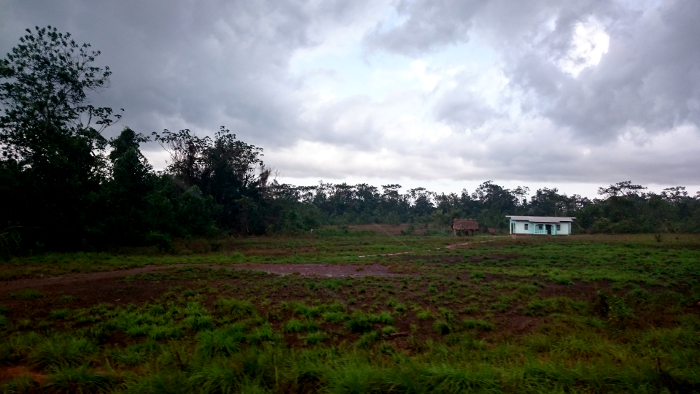
Today the park is protected again, but underfunded. The squatters are gone and illegal logging has been stopped, but poaching is difficult to control, especially since the rangers are few, the area is remote and the infrastructure to and inside the park is very poor. But this also means that the park is wild, to a degree that few places on Earth are anymore, and if you can manage the cumbersome journey to get there, it is an incredible place to visit.

the sun rising over Monrovia (March 25)

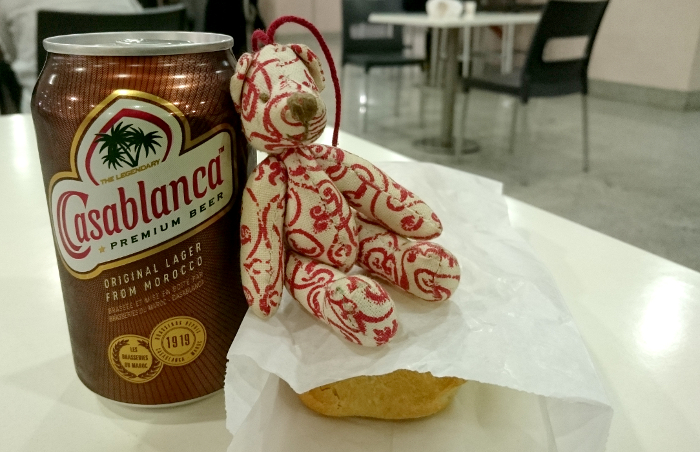
My plane from Casablanca arrived in Monrovia at five in the morning, just before the sun. I was picked up at the airport by mom and an embassy driver, the dawn slowly creeping up on us while we drove into the city.

DSC_0600

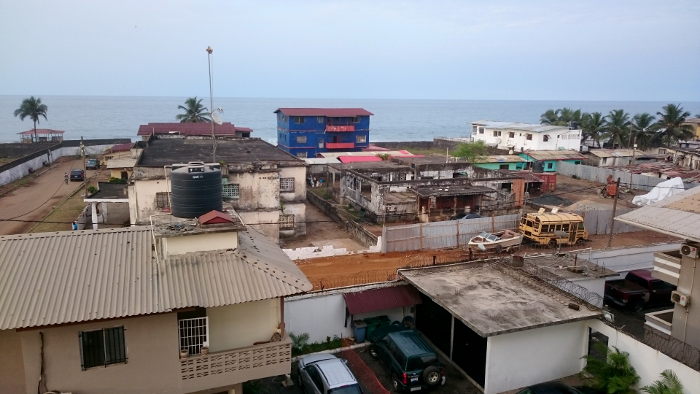
The view from mom’s third floor apartment: Dawn over Sinkor

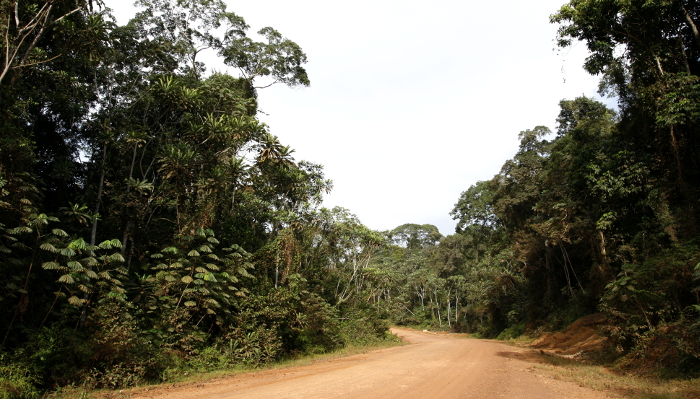
I barely had time to repack my bag. The original plan was that I would have one night in Monrovia before we went anywhere, to get the transit exhaustion out of my system – but then three young men rolled two home-made bombs on luggage carts into the arrival hall at Brussels airport. So, now, one hour after arriving at mom’s nice, clean and cool apartment, we left again, met up with some acquaintances of mom’s in a second jeep (traveling in Liberia should always be done in twos, for safety). We headed east on the still hot and dry, but bumpy dirt road toward Sapo National Park.

_MG_7081

I drifted in and out of sleep, while mom drove and our guide Jimmy and mom’s friend (and environmental science student) Prince discussed politics.

DSC_0604

The trees became higher and higher, forest patches denser and denser, and by five, dark, ominous clouds suddenly appeared out of nowhere and large, heavy raindrops started falling. We had arrived in the tropical rainforest zone, where the sheer density of transpiring organisms drives its own, local climate system. Short showers of rain arrive in the late afternoon, every day, like clockwork.

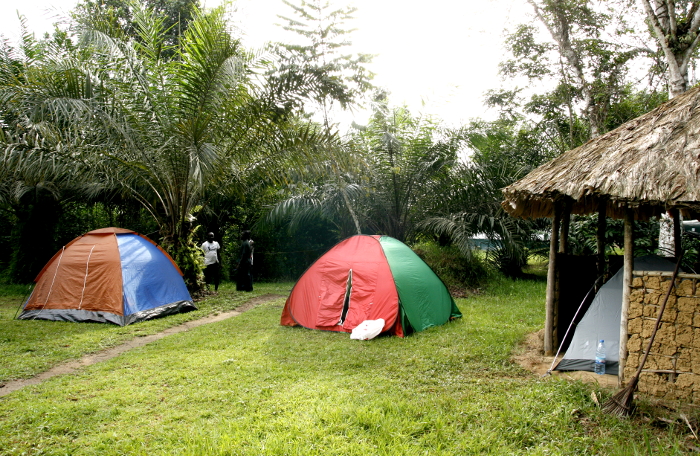
Later than expected (as always when dealing with Liberian roads) we arrived in the Sapo village, on the edge of the national park. We set up our tents by the cars in the dark, and fell into a deep, dreamless sleep, awaiting our first rainforest dawn.