time after the apocalypse

During my week in Liberia, I was reading a book about a world after the big disaster. “Station Eleven” by Emily St. John Mandel takes place in a world after the Georgian flu has wiped out the majority of the human race, and with that, civilization as we know it. In a fluid narrative meandering back and forth in time, we follow the lives of a couple of characters, the ex-wife of a famous actor, a psychologist turned curator, an aspiring paramedic, an actress in the Traveling Symphony. The flu and what it did to the world is ever-present, but what makes Mandel’s storytelling so affecting is that the disaster never gets to take center stage. Her characters tell their stories, heart-wrenching and banal and dirty and profound all at once, and the unravelling apocalypse is just a foundation that turns all the painfully human more desperate. She sees the small things in the world-altering, and I couldn’t put the book down because it it.

_MG_7609

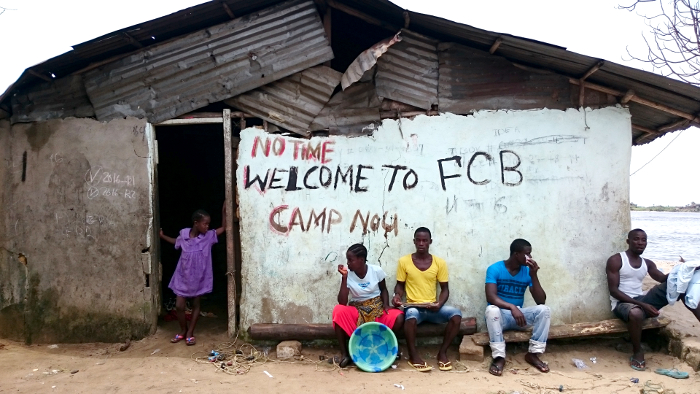
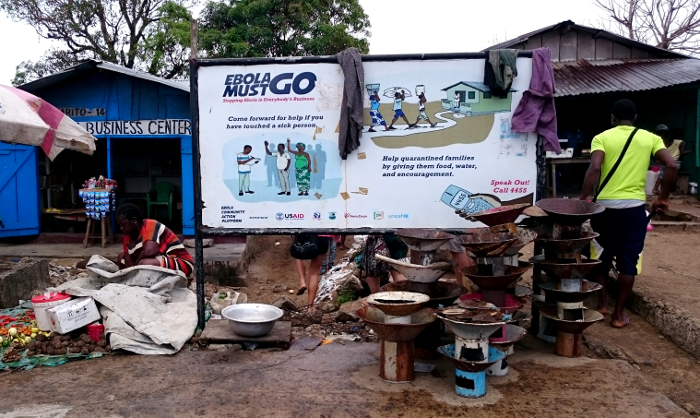
I started reading it on a plane. Eerie, as it turned out, since airplanes have a rather important role in the novel. Small capsules in the sky where time is separated from Earth during the hours of travel. And then I arrived in Liberia, a country that has just survived the worst outbreak of the Ebola virus in recorded history. Everywhere, signs had been put up informing about how to avoid getting infected. And also subtler things, the decades-old traces of a long, painful civil war mixing with the new layers of a country completely shut down for a year by a disease. Liberia had their own almost-apocalypse, and I arrived in the time just after, people picking up their lives again, and I don’t think there can be any setting that would have made the dystopian “Station Eleven” seem more real.
DSC_0626

An amazing book. Really. Read it.
on the shores of Santa Cruz (March 28)

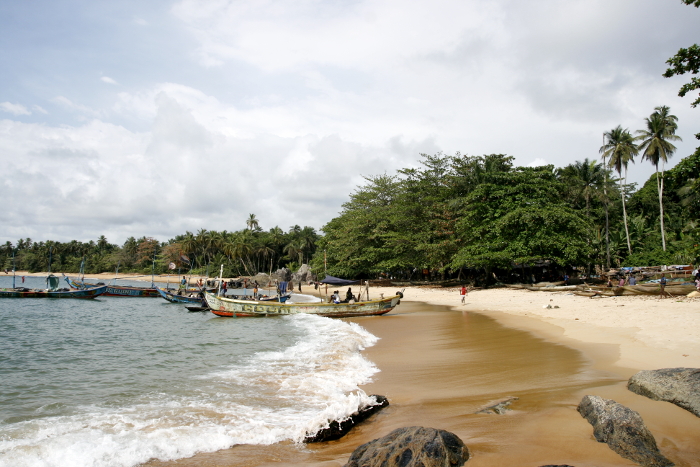
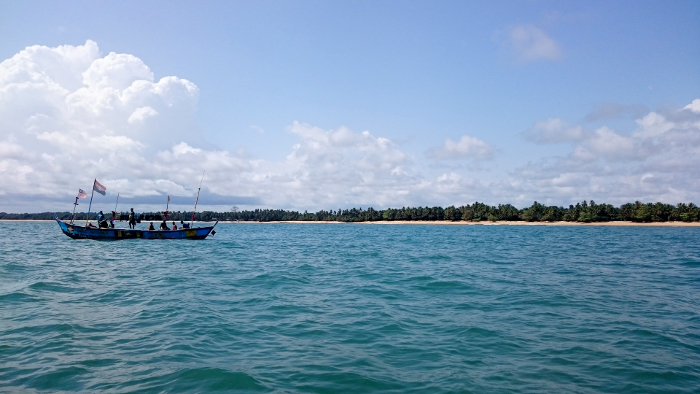
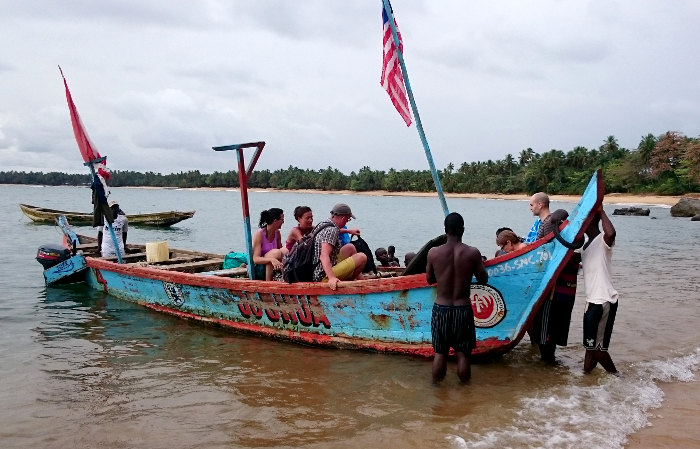
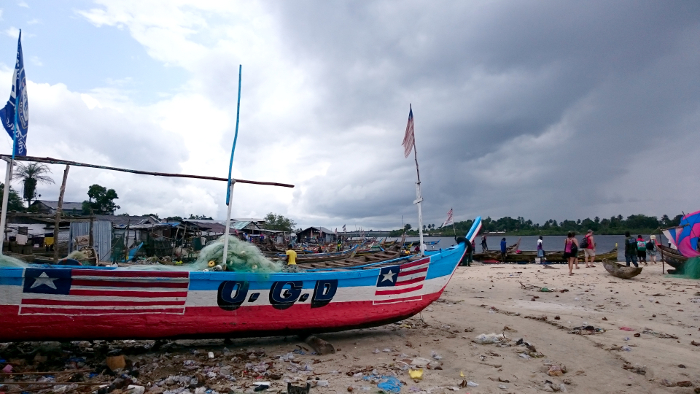
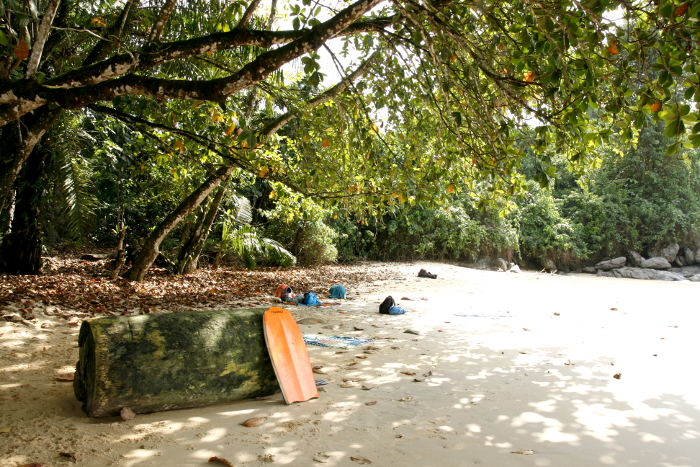
A two hour boat ride from Greenville lies a small fishing village called Santa Cruz. In a colorful Fanti boat named Joshua, mom and I went there to spend an afternoon on the beach.

DSC_0662

DSC_0665

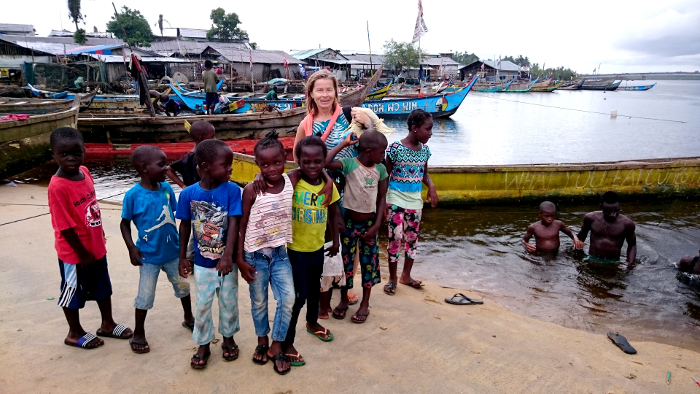
And I don’t know if I’ve ever been in a more relaxed setting. The otherwise aggressive Atlantic Ocean was made calm by a protecting headland, even making it possible to swim. Children playing football on the beach, when they weren’t hiding behind the rocks spying on us, shyly laughing and running away whenever one of us waved. A family of pigs walking around, making content sounds whenever they found something edible among the fallen leaves. The painted Fanti boats completing the palette of blues and greens, so rich, a rush for the eyes.

_MG_7587

_MG_7593

_MG_7597

I lay in the shade on the sand, reading “Station Eleven” and feeling the ocean breeze against my skin.

DSC_0668

DSC06809

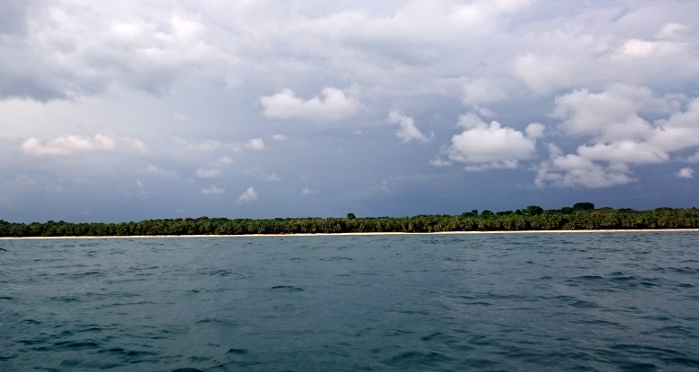
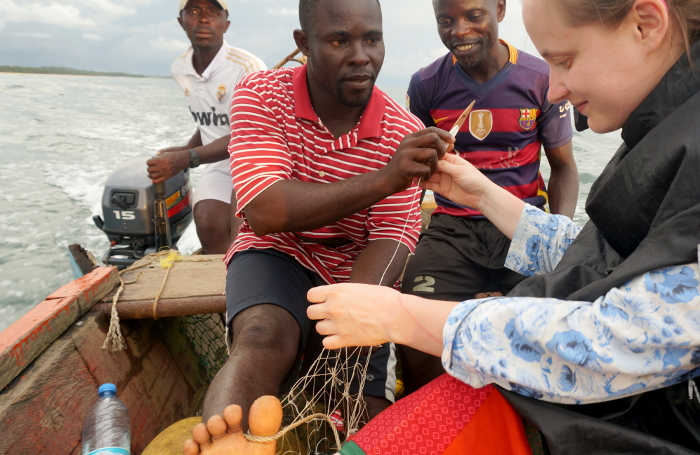
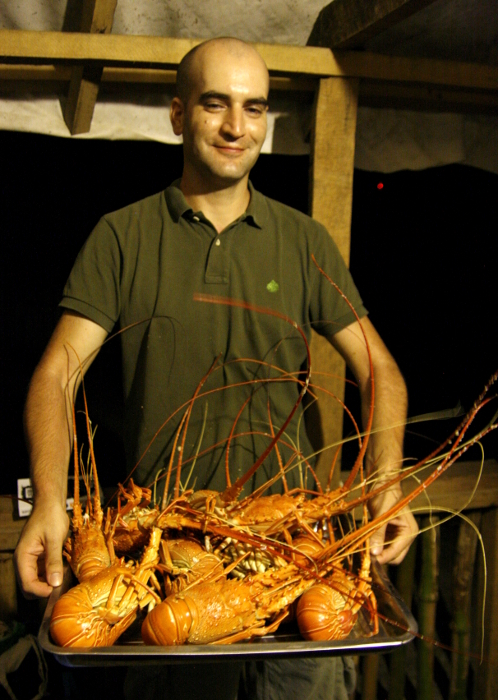
And on our way back, the dark mountain of clouds that suddenly rose up against us along the shoreline, thunder rumbling while captain Joe showed me how to mend the fishing net. We arrived in the dark, the rain just starting to fall, tired from sun and waves, and Juan (one of our traveling companions) made us an amazing dinner from the lobsters we had bought from the fishermen in the beautiful village of Santa Cruz.

_MG_7616

Greenville – a tour (March 28)

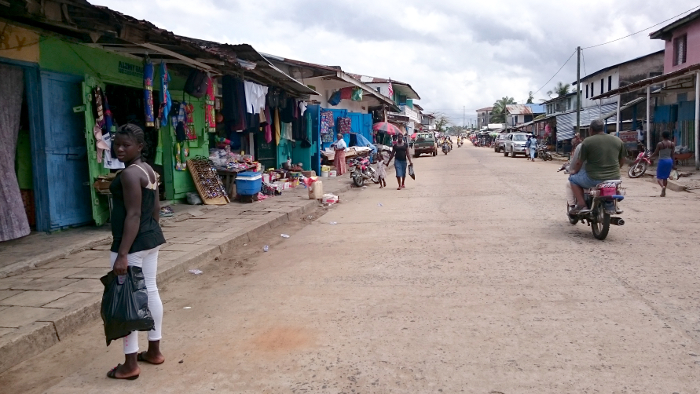
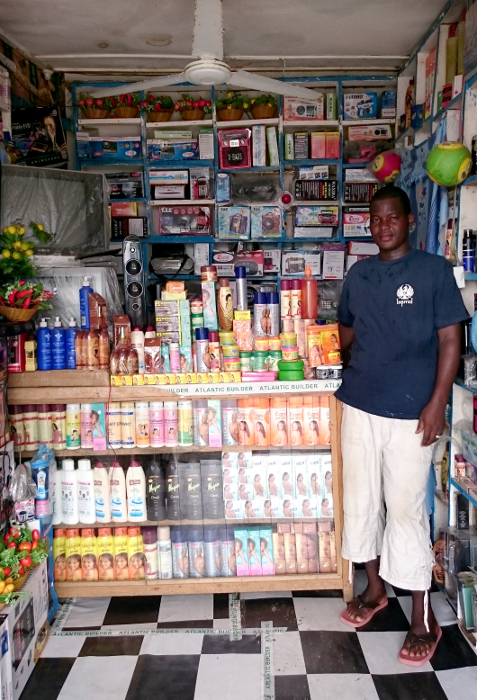
Greenville is a small town on the central/south-east coast of Liberia. There’s a shopping street where you can buy fabrics and knock-off cosmetics, a small fish market, a harbor full of colorful Fanti fishing boats, children, and a big UNMIL base. And that’s about it. There isn’t even a proper restaurant. But there’s a charm, and the rains roll in from the ocean bringing thunder.

DSC_0614

DSC_0618

DSC_0622

DSC_0629

DSC_0641

_MG_7623

to the rangers of Sapo (March 26-27)

DSC06795

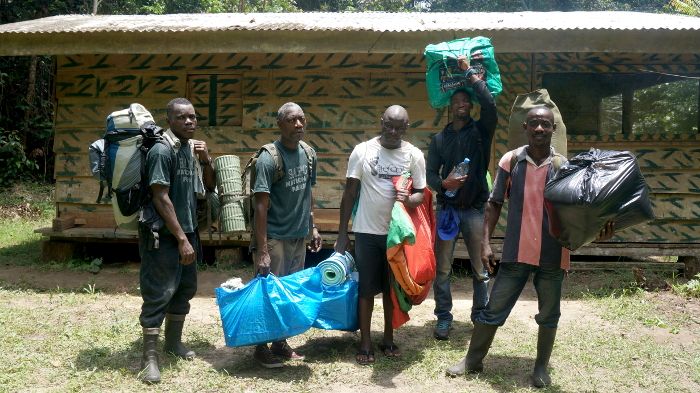
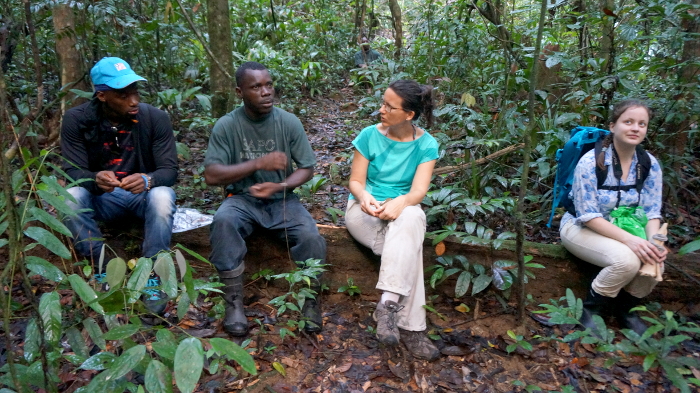
On our jungle hike in Sapo National Park, we had a group of rangers with us. Solemn men who had grown up in the Sapo village, equipped with machetes and the jungle in their blood.

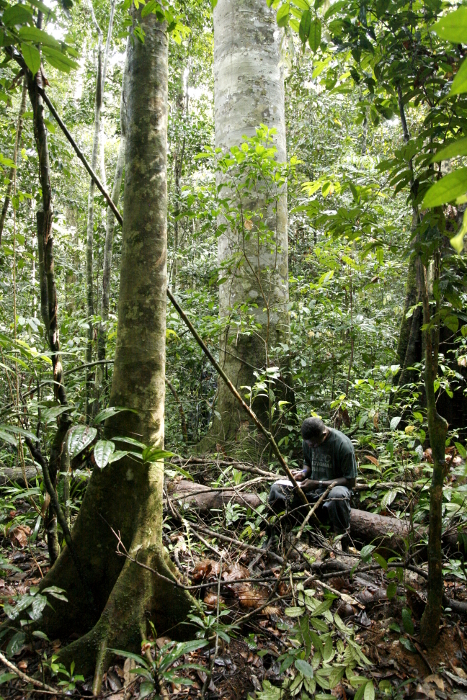
The head ranger, Augustin, didn’t talk much. He was patient. His writing skills were quite rudimentary. But when asked, he could name almost any plant we pointed at, in both English and Latin. He had his machete, a GPS device, and a notebook in his pocket that he took out and made notes in whenever we had seen or heard traces of an animal.

When Augustin and the other rangers discovered my fascination with fungi, they started pointing them all out to me, and then patiently waiting while I was rolling around in the wet leaves on the ground trying to find the perfect angle. They also went out of their way to find other pretty or cool plants for mom and me to look at and photograph. I think I could sense a sort of pride in them every time we gasped in amazement at the wonders of their forest.

The first time one of them showed us an edible plant, the water liana, and I asked if I could try it, he seemed surprised, cut me a fresh piece and laughed while I tried to catch the sap flowing out of it. I bet he hadn’t been asked to share his wild jungle treats by a white person before. We tend to be so scared and careful with our poor stomachs.

I think they found us amusing, in general, our fascination, our mountain of luggage, me constantly taking photographs, our excessive drinking of water.

Only two of the rangers were actually employed by the Liberian park service, the others were there on a voluntary basis, funding their efforts to protect the forest through the tips that they received from the rare visiting tourist. And the rangers that officially were employed didn’t actually get a salary, but were only allowed a percentage from the visitor fees that tourists had to pay at the park headquarters in the village. Augustin said that this might be changing, that he might soon be getting a small salary, but it would probably still take a while for the arms of the weak administration of the Liberian government to reach all the way into the deep, dark jungle.

I think it is admirable, the devotion that the rangers of Sapo National Park have for protecting their rainforest and the creatures living in it. They are the true silent heroes in our battle to protect the environment, against the currently ongoing mass extinction of species on Earth and the disappearance of the trees that are the photosynthesizing lungs of our planet. But I wish that they had more than their devotion to keep them going. How far can it reach, how wide can it spread, when there are families to feed and pressures attacking from all angles, logging companies and palm oil plantations and poachers. This is where the true environmentalist’s battle lie.

Oh, I don’t know what to do with this realisation. I just wanted to tell you all about Augustin and his brothers in arms, and share my admiration and appreciation for them with the whole, wide world.

_MG_7508

the butterfly expert that never could be

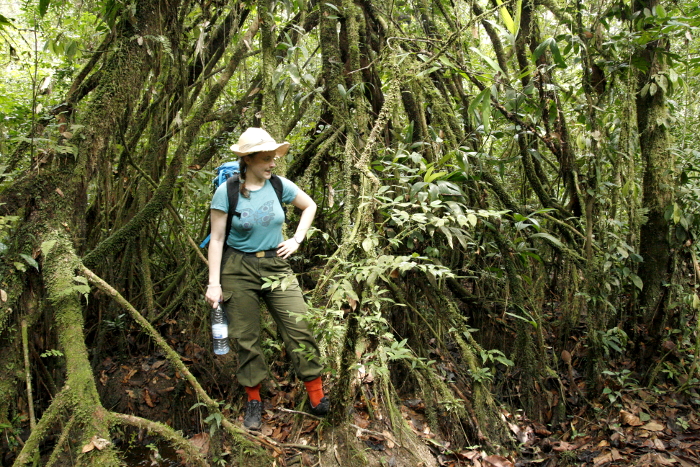
After only three days in Liberia, two of which were hiking in the rain forest, I was painfully made aware of my physical unfitness to be an explorative jungle butterfly researcher. My body can’t handle the heat and humidity. It’s like my pale Nordic skin doesn’t know how to deal with this intensity of stimuli, and as a protest breaks out into an aggressive, itchy red rash.

I wouldn’t have made much of a butterfly expert, not being able to spend more than a couple of days at a time in the rain forest without the constant need to apply cortisol to all areas generally covered by clothing.

Maybe it’s lucky I didn’t choose that intro course in biology when I was deciding what to study, and took the bachelor’s program in geography instead. It doesn’t require me to spend too much time in the jungle. And, to be honest, the chances of me being able to make a decent living doing what I’ve been trained in is far greater with GIS and resilience assessments, than with being able to name butterflies in Latin. Even if the latter is more poetic.

_MG_7208

reflections in a rain forest (March 27)

On a trunk in the middle of Sapo:

_MG_7570

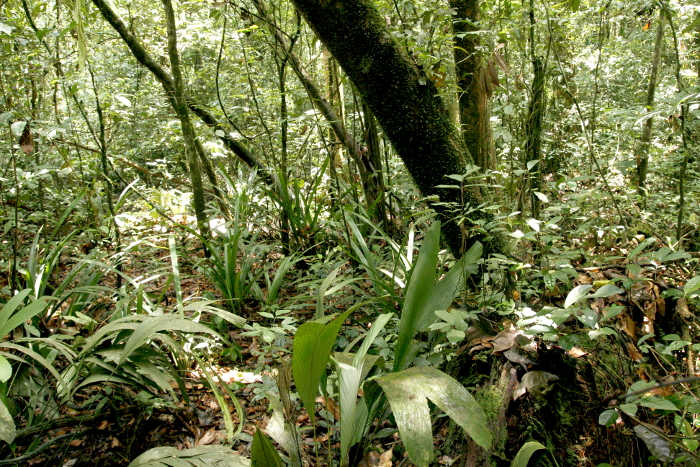
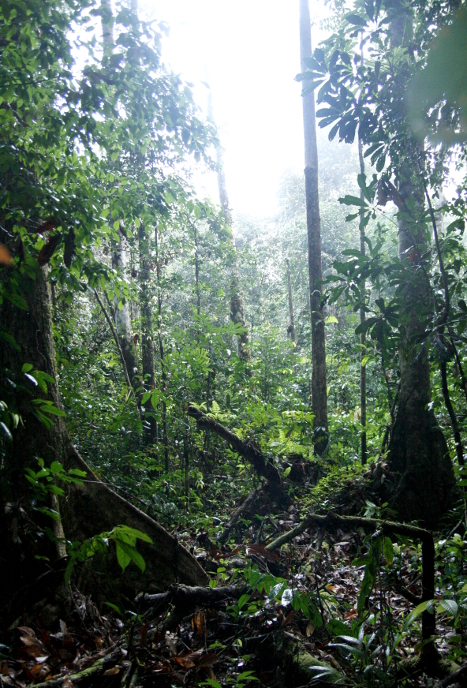
It doesn’t get quiet. Birds, insects, monkeys. The gurgling from the stream, drops that are still falling from yesterday’s rain. A slow journey from the top canopy, leaf by leaf, down to the soft ground.

The inhalation stays on my tongue, a sweet whisper.

Rotting leaves. It is a soft scent, moist. The smell of my own sweat.

It gathers in pearls on my arms. Like a sitting, walking Cumulonimbus I am. The air is soft, gives no resistance.

Everything is green. Even the brown.

amphibian safari (March 27)

We didn’t see any monkeys in Sapo National Park, even though we heard both chimpanzees and Diana monkeys. We barely even saw any birds, through all the leaves and moss. Plenty of insects, and some bats scared us half to death when they flew out of a tree by the river, but that’s about it. The rain forest is simply too dense to see anything that doesn’t want to be seen.

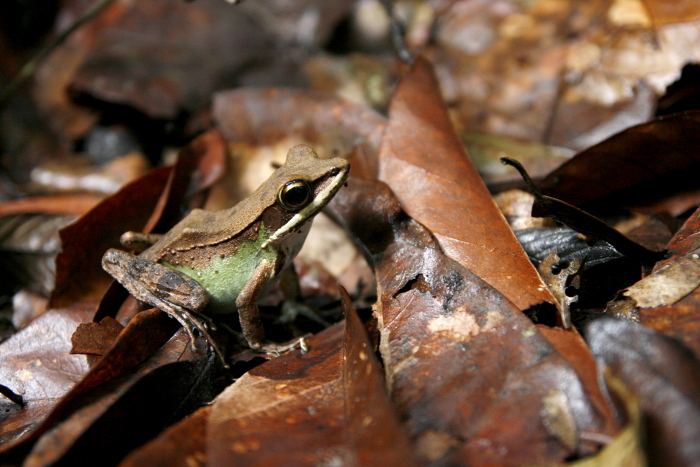
So maybe that’s why we got so excited when we came upon a little, tiny frog in the middle of the trail, barely visible from above where it was sitting among all the brown leaves. Silly, really, for a little frog. But once I got close with my camera, I could see it was quite beautiful, really, with its clear eyes and green belly. Augustin said it was called a Togo Yensi frog. Our little piece of Sapo wildlife.

_MG_7335

the butterfly expert that never was

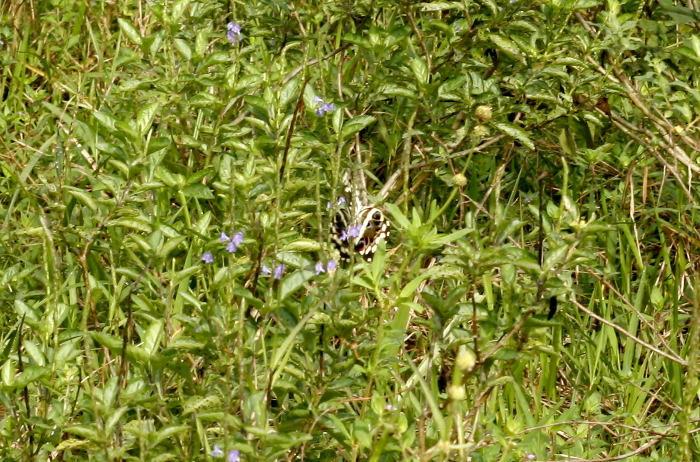
There were barely any flowers at all in Sapo National Park, probably because it was in the end of the dry season – but the butterflies were everywhere! Huge, colorful, blue, orange, black, yellow. But so flighty. Not one allowed me to get close. I wish I’d had my telelens. It’s great for photographing skittish butterflies with.

_MG_7100

And I have these thoughts, always when I’m around many butterflies, about how I should have made that into a career instead. Studied biology and become a photographing entomologist traveling the world in search of the rare butterflies. They’re fascinating creatures, for many reasons.

They are these fleeting thoughts, the ones about entomology or geochemistry (yes, I’ve considered that too), of how life might have been easier if I’ve chosen a classic science specialty instead of my current very vague “sustainability science” generalist career. I appreciate order. I feel like order is something an entomologist, or chemist for that matter, has to live by. Maybe I would have found it easier to stay on track in that kind of structure.

Or maybe it would have taken all the fun and wonder out of the flight of a butterfly. We’ll never know.

traces of an elephant (March 27)

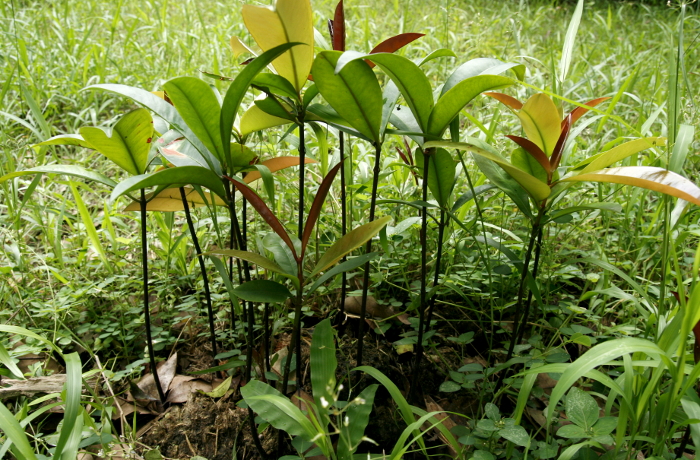
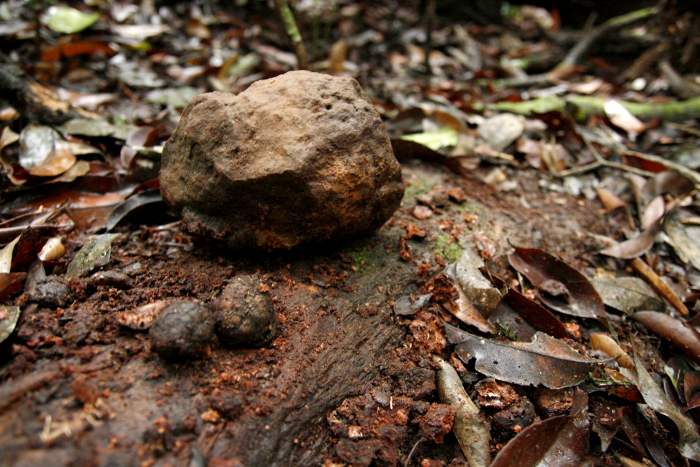
At the edge of the Sapo base camp clearing, there was a small mound with several small saplings growing out of it. Augustin pointed it out to me and said: “That is a pile of elephant dung. They wander through here on their way up to the mountains”. I was baffled, amazed at the thought of an elephant being able to force the dense undergrowth of the rain forest.

_MG_7263

Later, he showed me the fruit that the elephants like to eat, that holds the seeds, that then grew out from the dung into the saplings in the clearing. The tree is called Pentadesma. It can become enormous, like most trees in the rain forest.

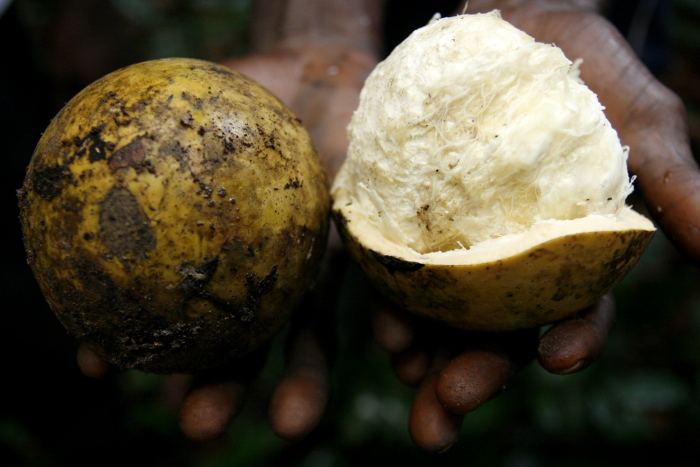
He also showed me another fruit that the elephant likes to eat. He said it’s called Koua, and it can also be made into soap by the villager women.

_MG_7317

And so the rain forest and its creatures give and take. In a true circle of ecosystem services.

chasing chimpanzees (March 27)

The other day in Sapo National Park, Liberia, we got up before the sun to have a chance to see some chimpanzees. The canopy was dripping with dew and leftover rain, and when the sun started rising, it made the air glow.

_MG_7304

DSC06779

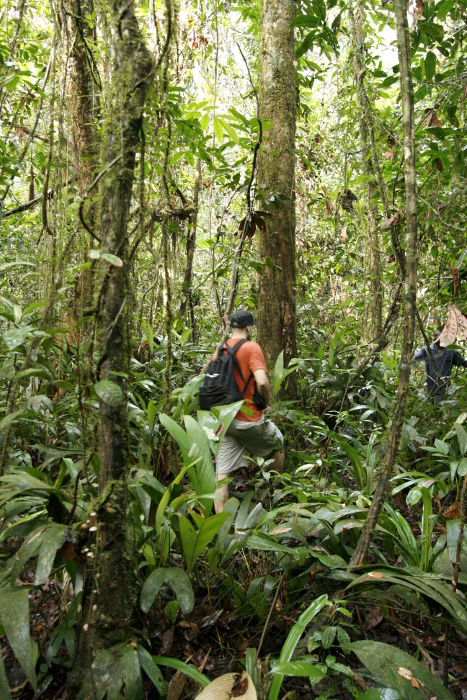
We sat on logs, listening to the sounds of the forest, and Augustin, the chief ranger, tell us about how the chimpanzees live in families, make new nests up in the canopy every night and roam the forest during the day, eating nuts and fruits and calling to each other from the tree tops. We left the barely visible path and followed behind Augustin with a GPS and a machete. All of me was wet.

_MG_7390

And suddenly we heard them. The sound like hammering, rock against rock. And then, the calls. Warnings of approaching humans. The rangers excitedly led us up hills, around enormous trees and through dense undergrowth, quietly, without a word. We didn’t want to disturb them. But, alas, the chips were gone, screaming in the tree tops, by the time we made it to their breakfast spot.

_MG_7353

The hammering had been the chimpanzees cracking nuts with stones. A little further on, we saw a nest hanging from a tree, and we heard the chimps calling to each other from the trees. Close enough for us to even hear the rustle from their movements, but too far away for us to see them through the dense canopy. They must have been curious about us, because they stayed close for about an hour, teasing us with their calls. Eventually, they must have gotten bored of us, because their sounds got further and further away, until they were gone and we were on our own in the middle of the rainforest, off trail and soaking wet.

So, no chimpanzees this time. But we did get an amazing full-on rainforest hiking experience.

_MG_7244

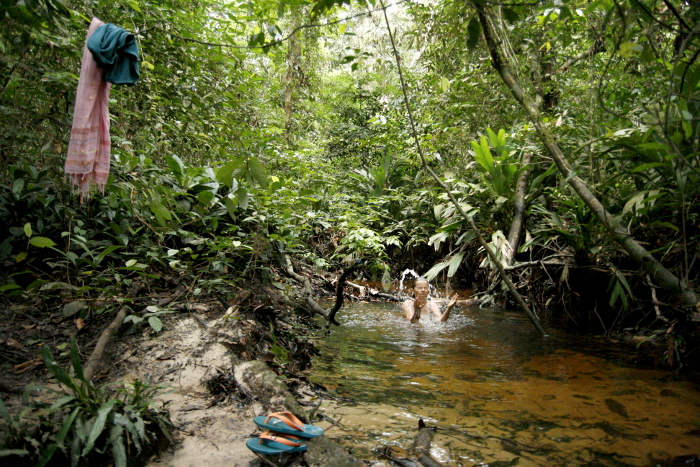
When we got back, we went for a dip in the little stream by the camp. There are few places I could imagine being as beautiful as this for a bath. And the water was fresh and icy cold! Amazing to wash away the tropical heat with.