flowers of the Southern Öland world heritage (mid-May)

During my visit to Kalmar, I also took the bike ferry across the water to Öland, the second of Sweden’s two large islands. About half the island, the southern part, is a UNESCO World Heritage Site, due to its very old agricultural landscape. Special climatological and geological conditions combined with hundreds of years of agricultural activities have created a unique social-ecological system of plants, animals and people. I will write some more about it later (because I went back there in the summer), but for now I just want to share some of the beautiful and very rare flowers that I saw while biking through the pastures with Ellen and Kai.
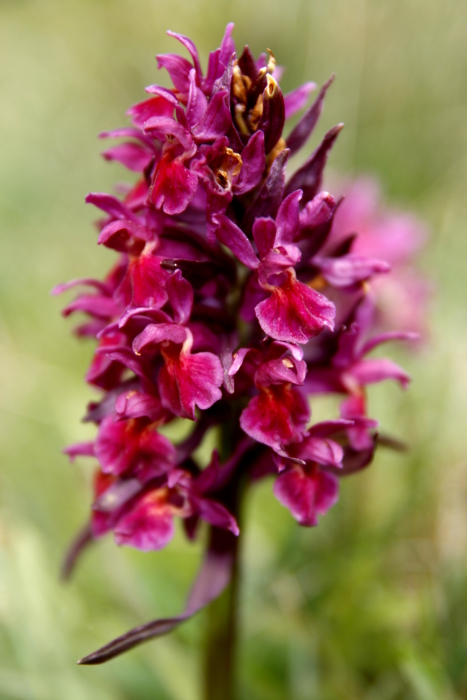
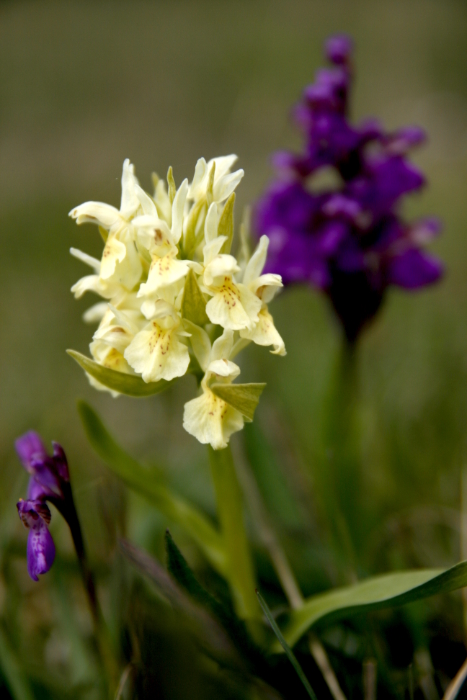
Now, I’m not a botanist, so I might be wrong, but I think this is a elder-flowered orchid (Dactylorhiza latifolia).
_mg_8881

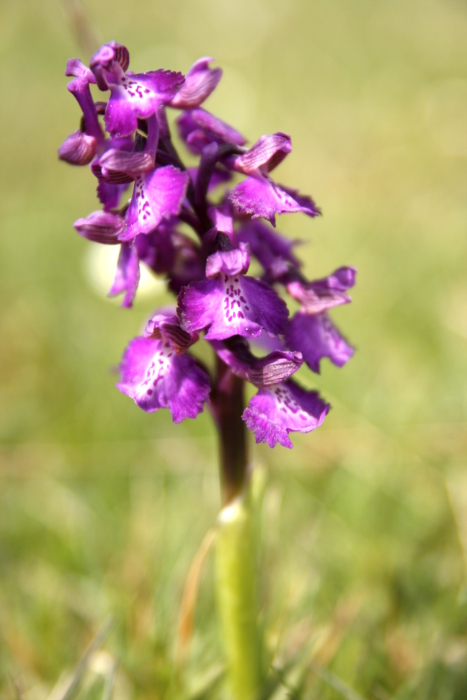
Early-purple orchid (Orchis mascula), I think.
_mg_8899

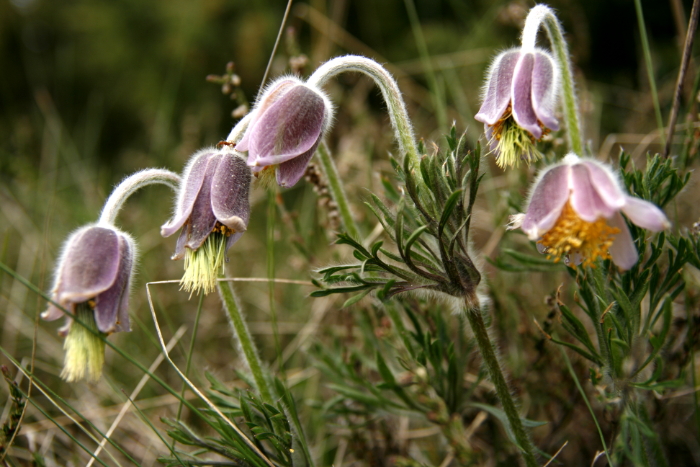
Probably the flower with the beautiful name Lady of the Snows (Pulsatilla vernalis).
_mg_8855

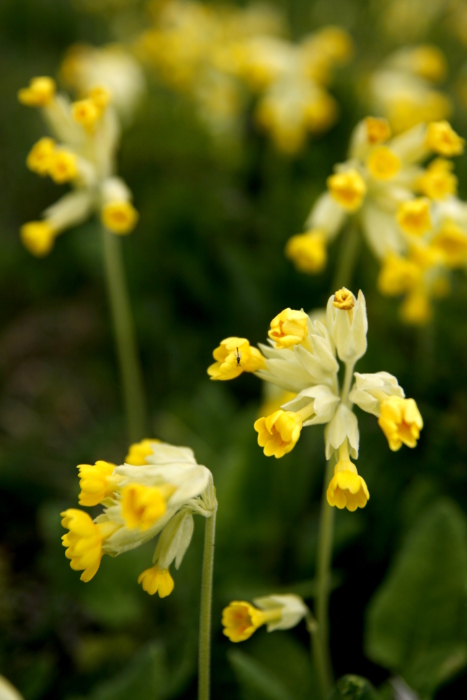
This I know to be a cowslip (Primula veris).
_mg_8830

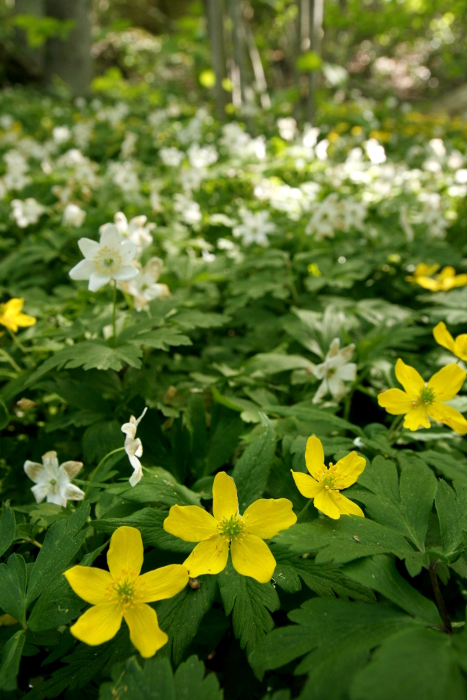
And here is the yellow anemone (Anemone ranunculoides) and the very common, but oh, so lovely wood anemone (Anemone nemorosa).
_mg_8817

_mg_8907

the Kalmar castle garden (mid-May)

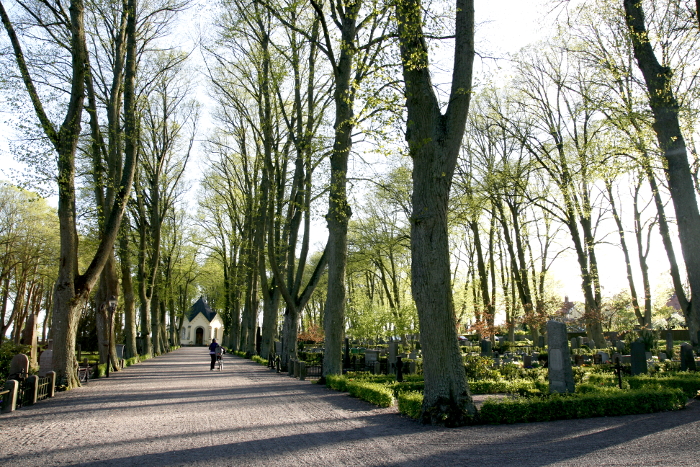
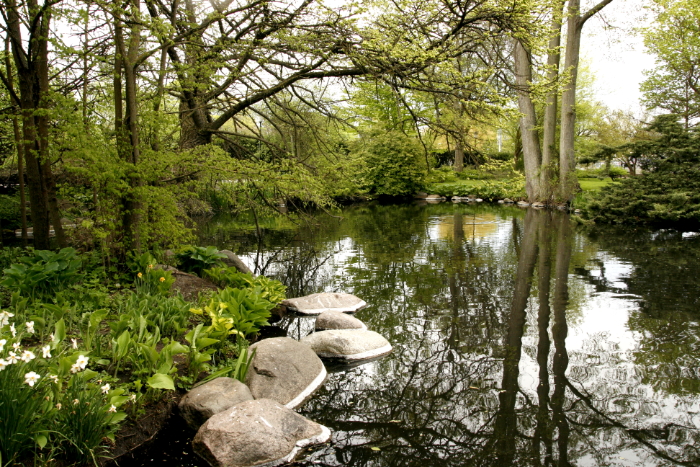
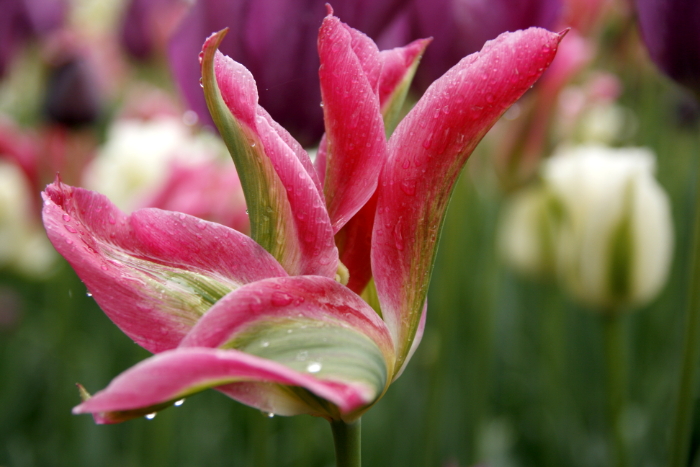
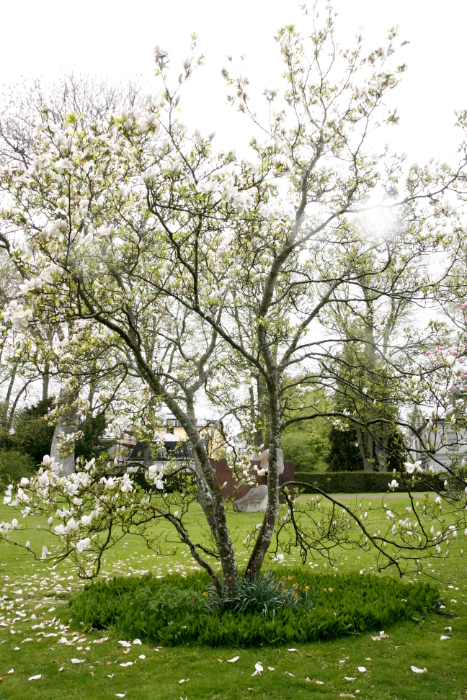
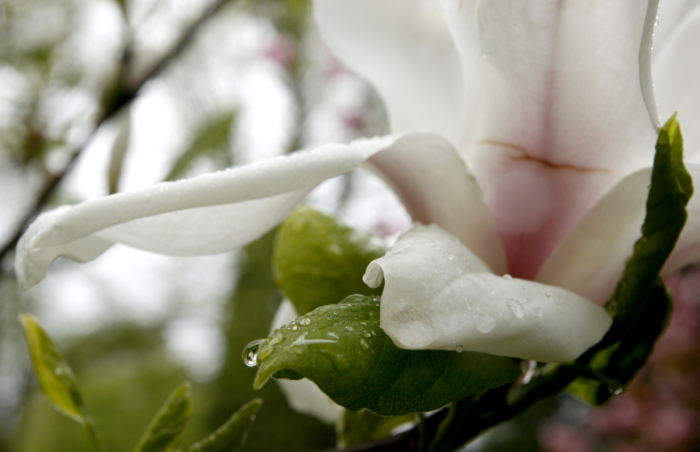
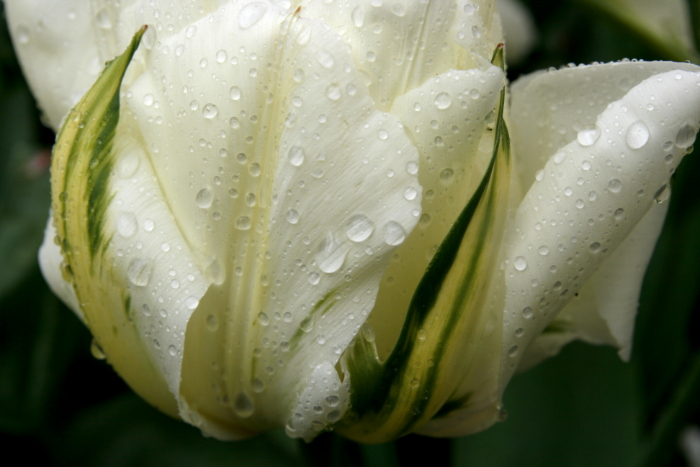
Strictly speaking not a botanical garden – but I still want to say I really loved the way the park next to the castle in Kalmar had been designed. Small, but meticulous, with a mix of open lawns and well-tended flower beds. And it was high spring: the colors amazing, bright green and pinks and purples, the sun shining through delicate leaves or the rain making the air rich with smells. Beautiful.

_mg_8787

_mg_8920

_mg_9003

_mg_9013

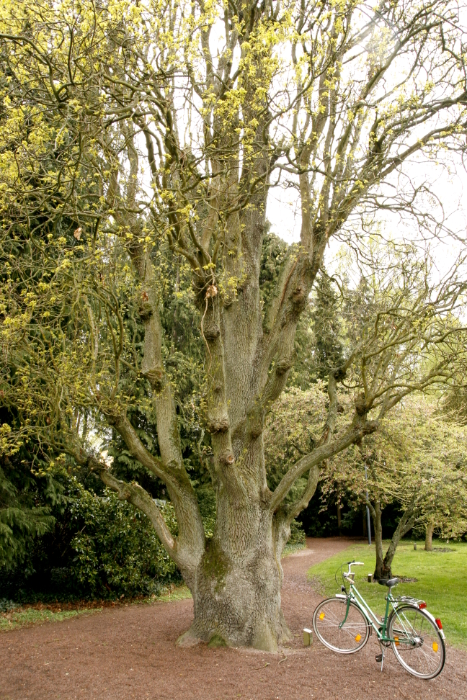
A Quercus robur “Fastigiata”.

_mg_9065

_mg_9072

_mg_9075

_mg_9079

_mg_9088

visiting Kalmar (mid-May)

One beautiful spring Friday in the middle of May, I took the train south down to Kalmar to visit my cousin Ellen and her son Kai. I had never been to Kalmar before, but I liked it. It is an old town, with a long and important history. The oldest parts of the castle were built in the 12th century, and had hosted both kings and queens when it was sacked by the Danes in the early 17th century. After that, Kalmar lost its place on the Swedish political center-stage – but it is still a beautiful city by the water, with a university and parks and old cobble-stone alleys.

The town


The Kalmar city library

(approximately) =  No better burden to bear than knowledge on your journey.


The Kalmar Castle


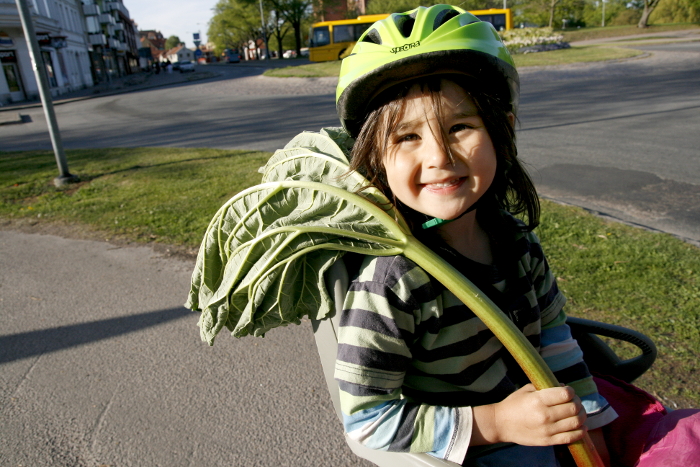
… and a happy rhubarb-loving Kai!

_mg_8780

spring wrap-up (May)

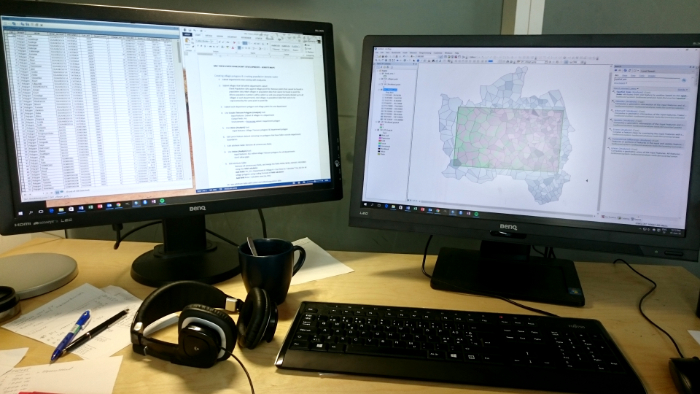
After coming back from Ghana, I spent the rest of the spring cleaning and harmonizing the data that I had gotten from the Ghana Statistical Service. A lot of spreadsheets, numbers, maps, logging of cleaning procedures. Sitting in front of the computer and staring at my two screens.

dsc_0979

You have to start enjoying the little things. Like, there is a village in northern Burkina Faso that is called Sika. Sika means pig in Finnish. Or quite close to it lies Arbete. That means job in Swedish. Or why not the districts Jaman North and Jaman South in western Ghana. I imagine it being full of Rastafarians (although, in reality, it is a district with 70% farmers – maybe not the most typical Rastafari occupation).
I know Sweden supports decentralization reforms in some African countries. Sweden wants to export our model of democracy in which most political decisions that affect people’s everyday lives, like schools and physical planning and social welfare, are taken as close to the people as possible, in municipalities, rather than in the national government. The idea is that this allows for higher involvement by citizens in the democratic process. And I agree. I believe a decentralized government is better than some faraway all-powerful state.
Ghana is also going through a decentralization process, including a number of district reforms. This has, for example, meant that the 110 districts that existed in 2000 have increased to 275 in 2016. Great for the Ghanaian citizens! …but, my god, what a tedious job for me, during my very lazy and selfish moments, to have to harmonize all the data to make time-series comparable. It felt like it would never end, the spreadsheets left to prep never decrease in number. It was a long month of May.

dsc_0998

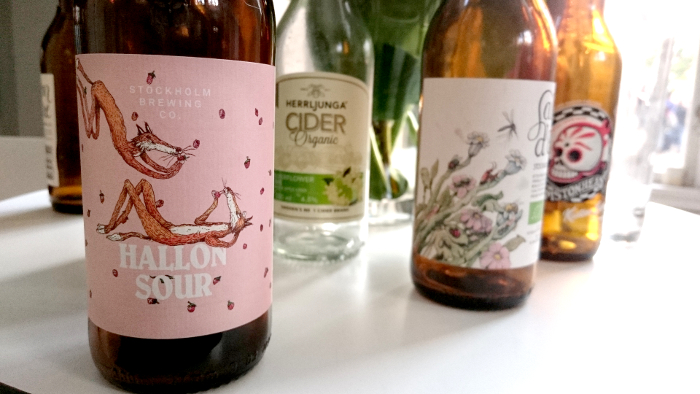
Lucky, then, that I work in an office where the time between parties never is very long. In early June, there was a food fest, with seminars and photo exhibitions and food and beer tastings. I found a new favorite: a raspberry ale, organic and locally brewed on Södermalm. Delicious!

returning to spring (early May)

Traveling and adventures and working in exotic places is all fine, but.

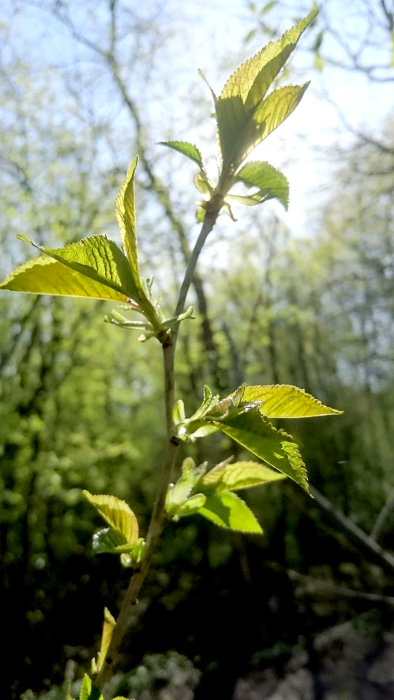
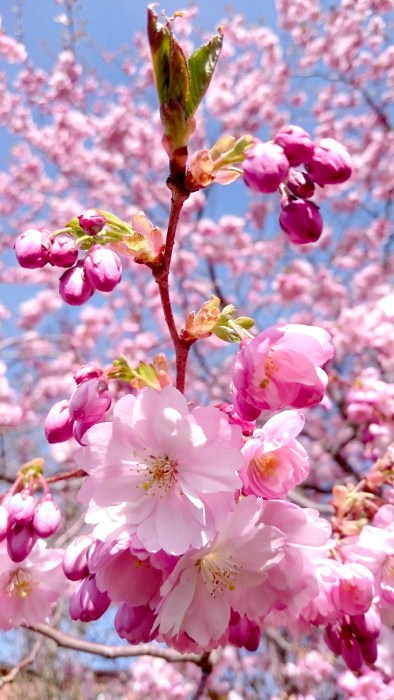
I can’t remember a time when I felt more relieved from returning home than last May. Oh, was I happy. And arriving in a Stockholm that had just exploded into spring bloom, the sun shining through bright green leaves. It was like entering a kind of paradise.

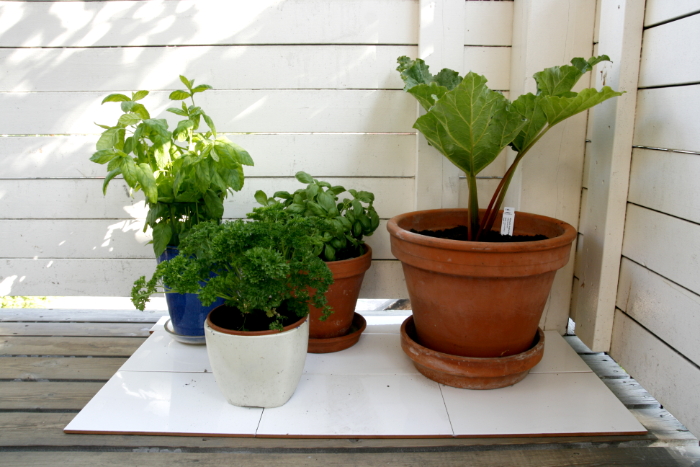
And just to celebrate my return, spring and the light, I spent my first weekend back cleaning the balcony, replanting all my potted plants and setting up my own little herb garden. Mint, basil, parsley and rhubarb. Getting dirt under your nails, such a luxury (when it can be done by choice, of course).

_mg_9121

on my street in Asylum Down (late April)

Coming back to Accra for a couple of days in the end of April felt strangely familiar. It is funny how quickly one creates routines for oneself, despite all aspirations for adventure. When it comes down to it, we just want to create a home for ourselves, wherever we are.

In Accra, I stayed in a hostel in a small, low-lying neighborhood called Asylum Down. Calm, mostly residential, small shops selling soft drinks and trinkets on street corners. This is where I created my Accra routines.

dsc_0893

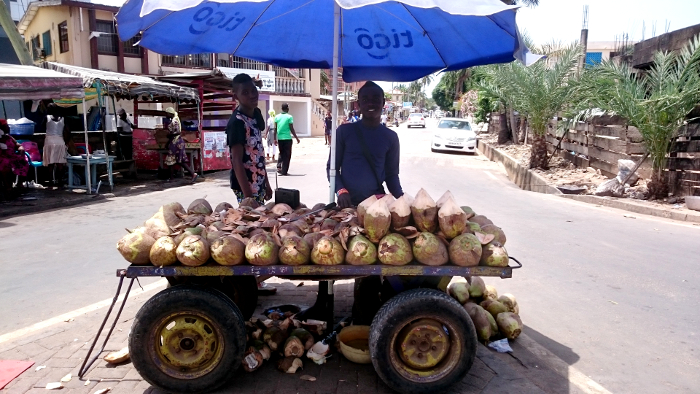
Like every morning when I, as a complement to the heavy Ghanaian breakfast at the hostel, bought fresh coconuts from the cart in the middle of the roundabout down the street. Drinking the cool water straight from the coconut, standing in the still tolerable morning sunshine. Scooping up the jelly-like flesh with a piece of the peel. A lovely start to the morning.

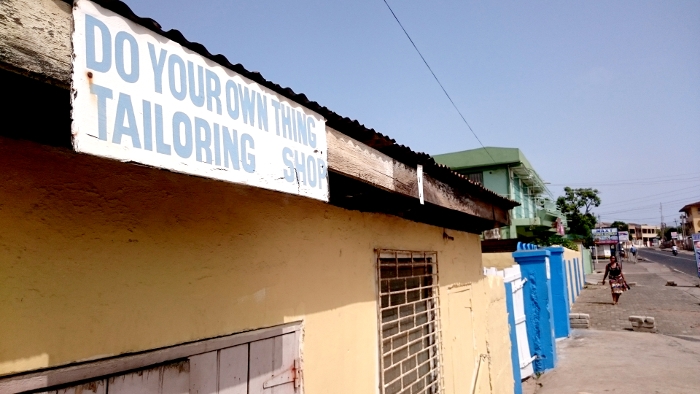
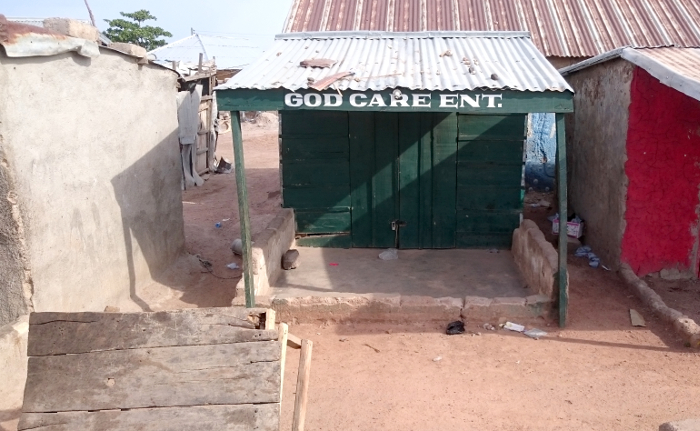
Or wandering around on the narrow streets, enjoying the funny shop names (but NOT the incessantly honking taxi cars).

dsc_0907

Oh, it does have some lovely sides to it too, Accra, after all.

Zebilla moments (late April)

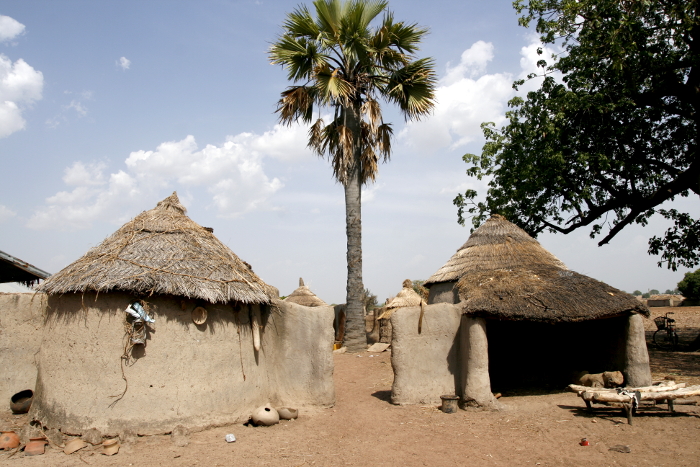
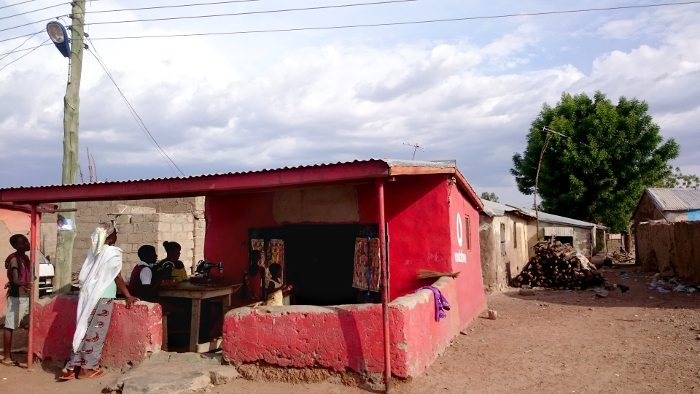
Zebilla is a calm little town in north-eastern Ghana, and I spent some time there last spring doing fieldwork. I always take so many photographs when I go places. There are always so many incredible details that I want to share, things that excite me – but it isn’t always that the photos come with an elaborate story to tell (especially not half a year later – I’m so insanely behind with this!). So, here are some moments from the streets of Zebilla and its surroundings, captured in late April.

_mg_8593

_mg_8687

_mg_8754

dsc_0823

dsc_0828

dsc_0835

dsc_0836

when the rains come to Sahel (late April)

Rainy season was just about to start when we left Zebilla in northern Ghana. The first drops of rain fell on our very last day in the field. Oh, the drama.

You can’t miss the rain’s arrival to the Sahel (although, strictly speaking, Zebilla is slightly south of the proper semi-desert). It is like the water, so rare here and therefore immeasurably precious, has to announce its approach unmistakably clear. Make every creature stop and wait in awe.

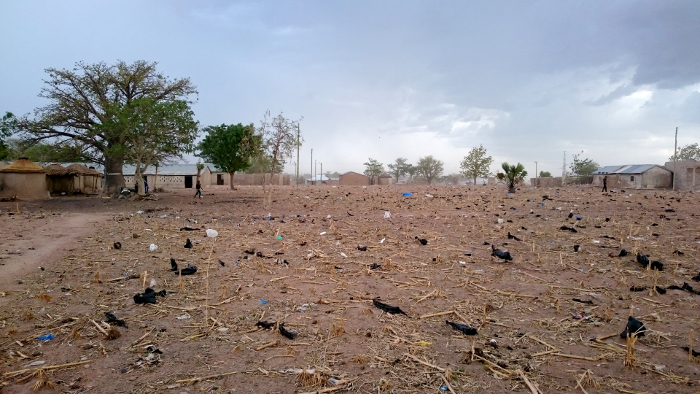
First come the clouds. High, dark cumulonimbus. Purple against the dry, pale, bare landscape. Turning early afternoon into dusk.

Then comes the wind. First only carrying dust, but quickly gaining strength, picking up dry leaves from branches, pulling off branches from trees, howling and roaring, all-powerful on the flat, sparsely vegetated plain.

dsc_0858

Few dare to fight their way through the furious wind. The dust gets into your eyes, ears, nose, your hair and clothes desperately trying to hold on to your body. The dust is like a fog, obscuring contours even of the building next door.

A couple of loud crashes, thunder.

And then comes the rain. Such an anti-climax, after all that foreboding and roaring, a couple of pregnant drops. Full, heavy, making small craters in the dry earth, but not nearly enough to even cool it down. The water evaporates as soon as it hits the surface, and then the rain is over.

Stopped. Before it even had time to properly begin.

dsc_0861

The clouds stick around but no more rain comes and we’re left feeling unfulfilled, empty. After all that build-up – nothing. Even thirstier than before.

I’m told the rains get richer later in the season, proper storms making dry rivers flood. This was only a first glimpse. I can only imagine the drama, the pure brutality, when the real rains come to the Sahel.

the baobab fruit (mid-April)

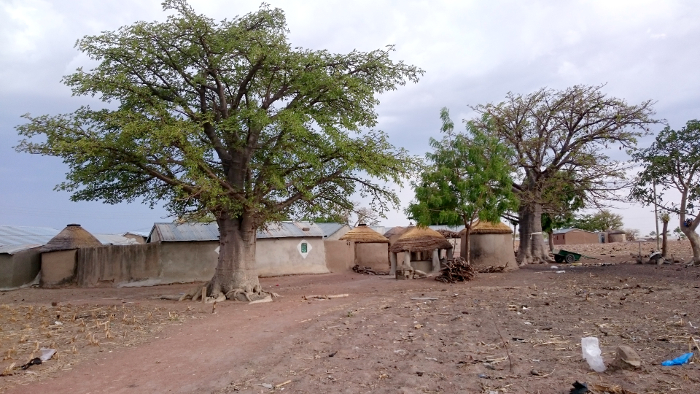
It is a tree like no other, the baobab. A symbol for the African savanna, with its massive trunk and flaky crown. In Burkina Faso, they harvest the baobab leaves, dry them and put as flavoring into soups. The fruits, however, had until quite recently been completely unchartered territory to me.

dsc_0838

One afternoon in Zebilla, northern Ghana, walking home from buying water by the main road, I met a group of children. They were all giddy, carrying around large, kind of hairy, olive-colored fruit. One of the girls asked me if I wanted to try some, she said it was from the baobab. Of course I had to say yes.

She opened it up. It was dry inside, a white powdery pulp around large stones, visually similar to the cacao fruit, but completely different in texture. Sweet. A little bit sour. Like dry candy. I understand why the kids were so happy.

dsc_0869

After coming home to Stockholm, I started noticing it. Suddenly, baobab fruit has become one of the fashionable super foods. Now, you can even buy it in small expensive bags in Stockholm inner-city grocery stores.

I wonder if and how that might affect sweet-loving children in northern Ghana.

when temperatures lose sense (mid-April)

About halfway through our fieldwork period, I got sick. Fever, sore throat, aching joints. I was doing OK during our last days in Tenkodogo, Burkina Faso, only feeling a bit faint, but after the bumpy ride across the border down to Zebilla in Ghana, the sickness got a proper hold in me. Just standing up made me feel like I would collapse.

We went to the local clinic and they tested my blood for malaria parasites, but couldn’t find any. In all likelihood, it was just an ordinary cold, and resting was the only cure.

dsc_0822

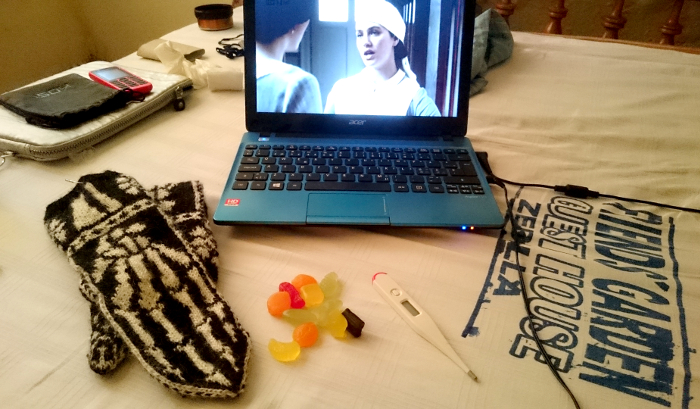
Which I did, lying on the guesthouse bed, knitting, watching old Downton Abbey episodes and eating Swedish candy, drinking bottle upon bottle of water, and feeling like I might disintegrate into the hot, dry air.

My thermometer couldn’t make up its mind. I probably didn’t have a particularly high fever, but because the outside air temperature was about 42°C, the thermometer didn’t know what to measure and kept on jumping up and down, never settling. The guesthouse did not have air conditioners in the rooms, and the ceiling fan could only lazily wisp around the hot air.

And I think there is something that happens when outside temperatures get warmer than 37°C. The body has to work on cooling down rather than staying warm. And with a fever, well, things just go completely haywire. I don’t think I’ve ever felt as weird, as completely knocked-out. The world felt Dalíesque, like solid things would turn into liquid at any moment, my computer start trickling down the bed’s edge.

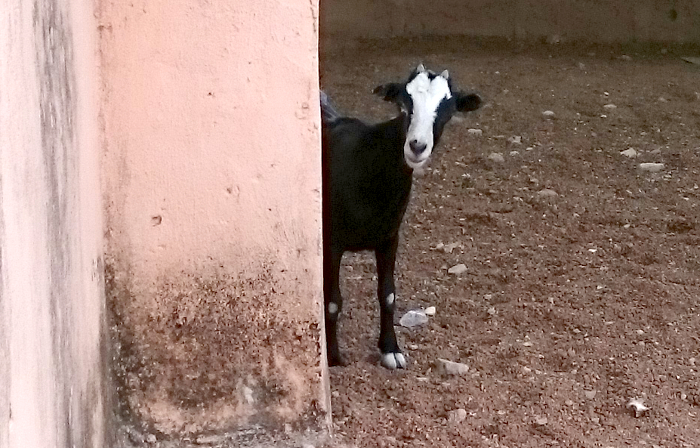
Outside my open window, the pregnant guesthouse goat never stopped bleating, entering my half-awake dreams like a creature from another world.

dsc_0851

– – –

In a couple of days, I was cured and could complete the fieldwork. Still, those feverish days in the semi-desert heat stuck with me for a long time afterwards, a weariness in my bones that I couldn’t quite shake.