Bergius (ii)

16

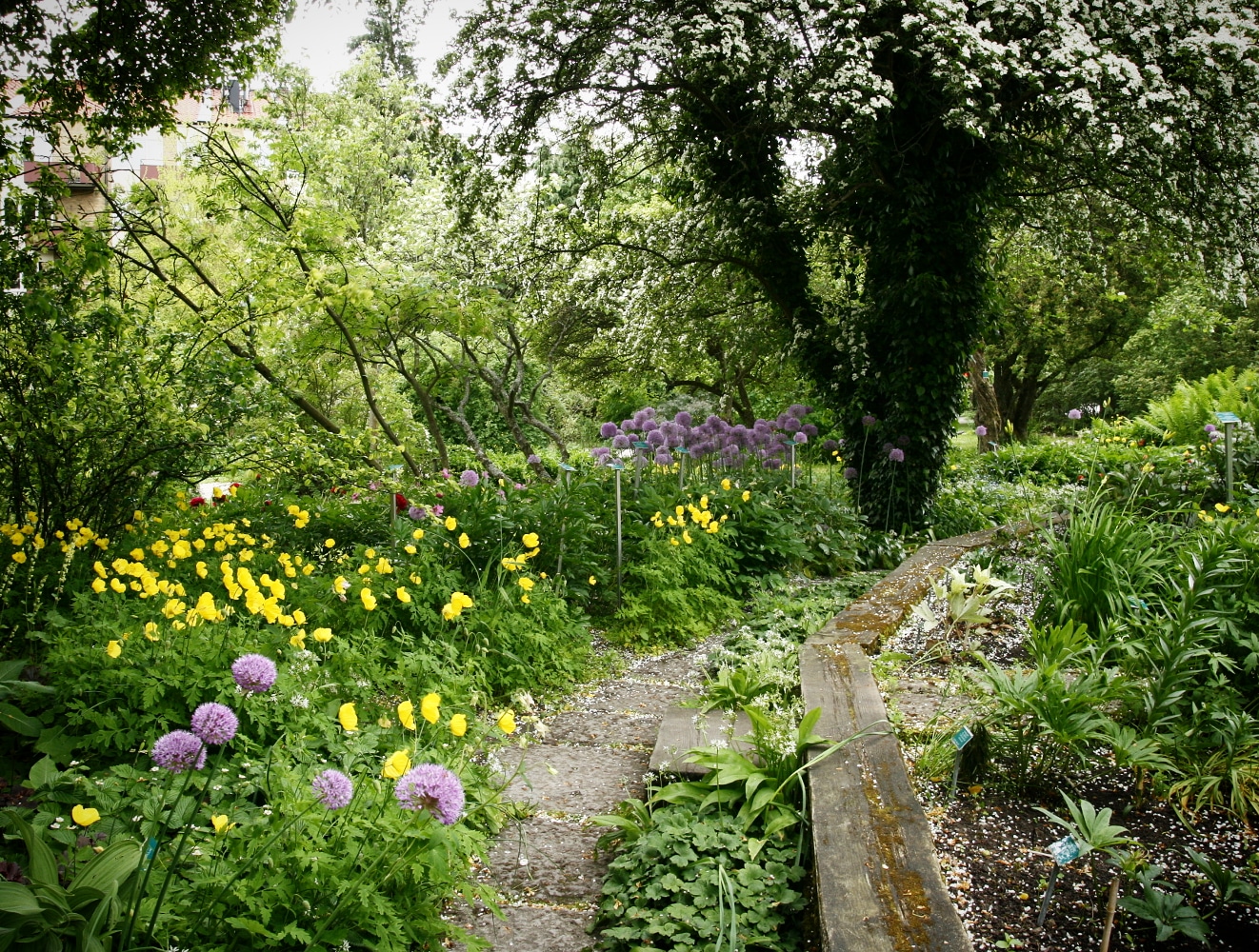
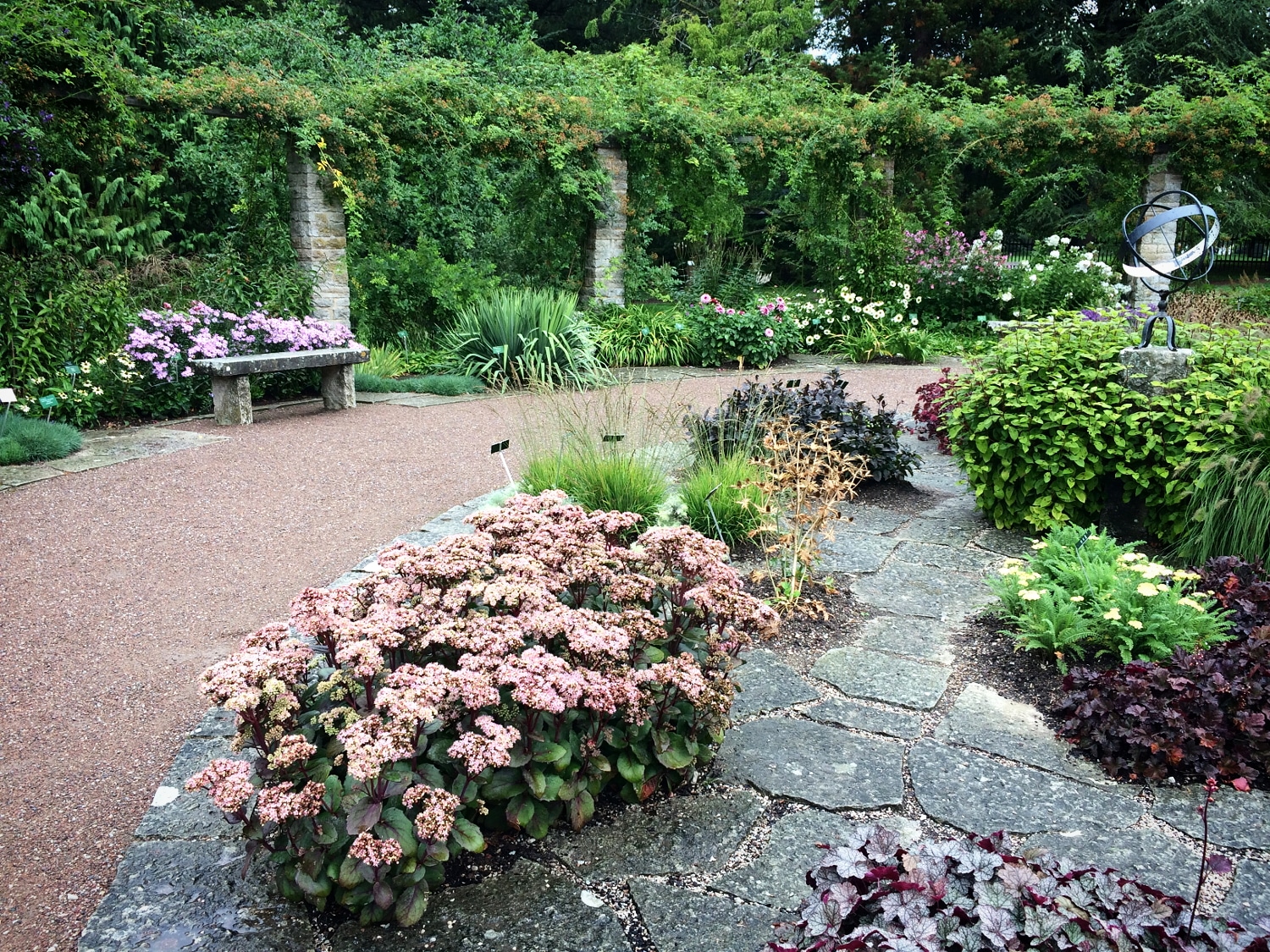
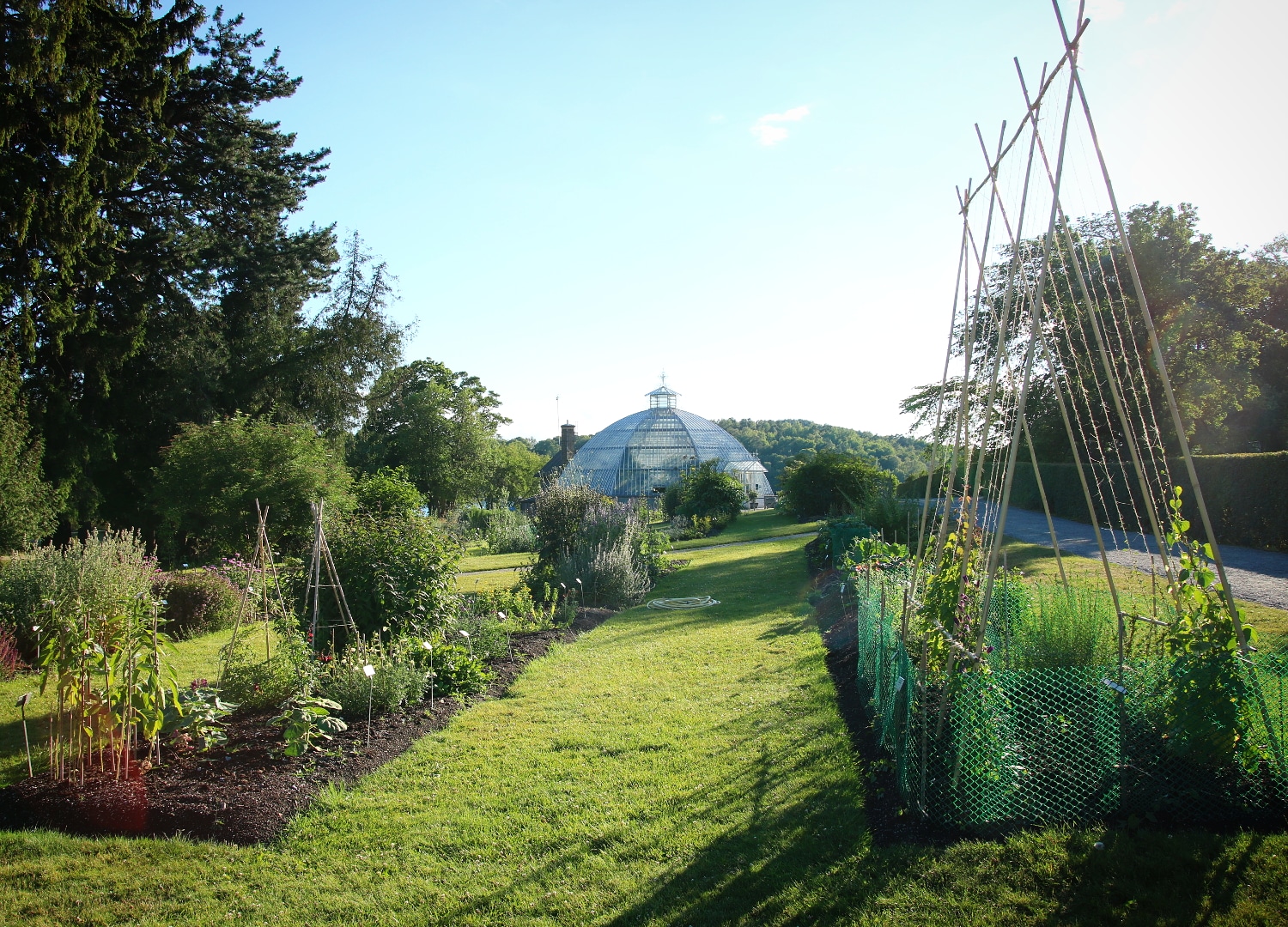
Maybe what I like the most in the Bergius Botanic Garden is the herb, fruit and vegetable garden. That is not a very common feature in botanic garden contexts, the cultivated and non-ornamental. Showing the plants that we rely on for sustenance and that might be the clearest examples of what can come out of the social-ecological interdependencies that we as humans have created. Allowing the useful, the cultivated be part of this museum of the living world – and not excluding it as something uninteresting or unnatural.

Photo: Bergianska trädgården, Stockholm, July 2018. Posted on Instagram April 29, 2020.
rain

15

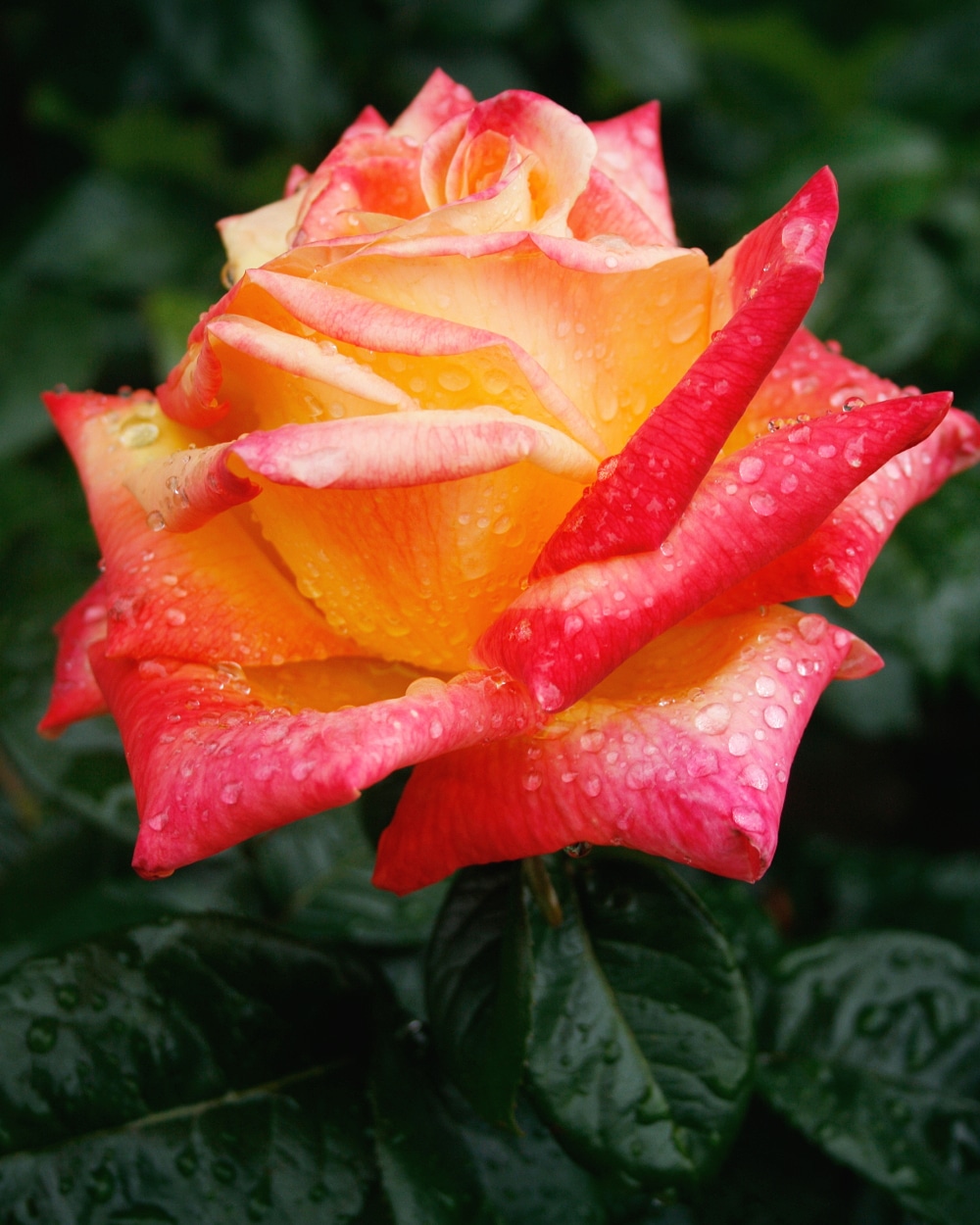
Oh, how I love the rain. The smell of it, in spring. After a month of none at all. A sigh of relief, from the wood anemones, budding roses, the birch outside my make-shift home office window with leaves just about to open. Thinking: Maybe this means we aren’t heading into another summer like 2018, we can’t be, not with how the world is, we wouldn’t be able to take it. (Too early to say, though. In 2018, it didn’t stop raining until late May.) I listen to Labrinth: “I’m jealous of the rain / that falls upon your skin / it’s closer than my hands have been / I’m jealous of the rain”. Yes. The blessing of rain.

Photo: International Rose Test Garden, Portland, Oregon, June 2012. Posted on Instagram April 28, 2020.

Copenhagen (i)

14

The University of Copenhagen Botanic Garden is a wonderfully calm place, with greenhouses, a pond and on a day in August 2013, people sitting on the grass, reading in the sunshine. If I lived in Copenhagen, this would definitely be one of my favorite spots in the city. To come here on a sunny day and spend a lazy afternoon lying on the grass, reading a good book. The garden is relatively small, but the pond creates a feeling of space. Water usually does.

Photo: Københavns Universitet Botaniske Have, Denmark, August 2013. Posted on Instagram April 26, 2020.

gardening

13

I think I could enjoy having a garden of my own. I’ve recently become the co-tender of an allotment garden plot, so we’ll see how well I know myself. My Finnish grandmother was an amazing gardener, and the childhood memories I have of all the flowers in her garden border on fantastical. The lilies and roses and poppies that simply flowed over in her flowerbeds. But it’s a lot of work, keeping a garden, and to be honest, maybe what I enjoy the most is just sitting, breathing, taking in all the calming shades of green. It was in my grandmother’s garden where I wrote many of the short stories I produced during my teens. I write well in a well-tended garden. They offer focus. Help me get my thoughts straight. I don’t do yoga – I watch trees.

Photo: Botaniska trädgården vid Lunds Universitet, Sweden, May 2017. Posted on Instagram April 23, 2020.

Lyon (i)

12

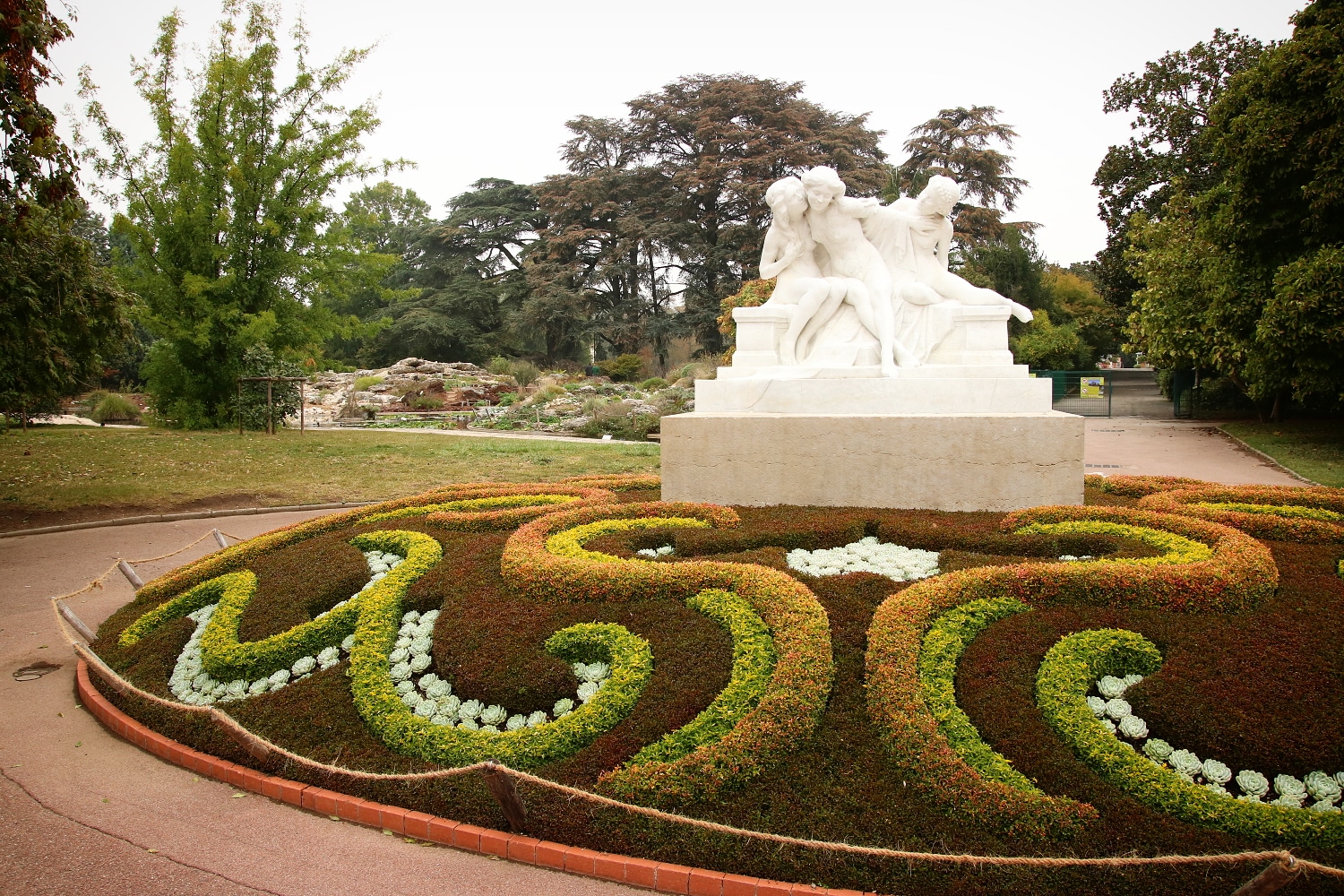
For many years now, I’ve been riding trains across Europe, instead of flying. I like the slower pace of travel, and the opportunity it gives to explore places on the way to my destination. During the last couple of years, I’ve planned my train transits based on where there is an interesting-looking botanic garden. The very good cities are the ones that are both major train-hubs and that have beautiful botanic gardens. Lyon is one such city. The botanic garden lies in the Parc de la Tête d’Or, walking distance from the train station. The park covers 117 hectares, and the botanic garden only makes up a small portion of that – but the variety of trees, shrubs and water bodies in the rest of the park makes it feel like an extension of the garden. More a display of the richness of plant life on Earth than an ordinary city park.

Photo: Jardin botanique du Parc de la Tête d’Or, Lyon, France, October 2018. Posted on Instagram April 22, 2020.

geographies of belonging (i)

11

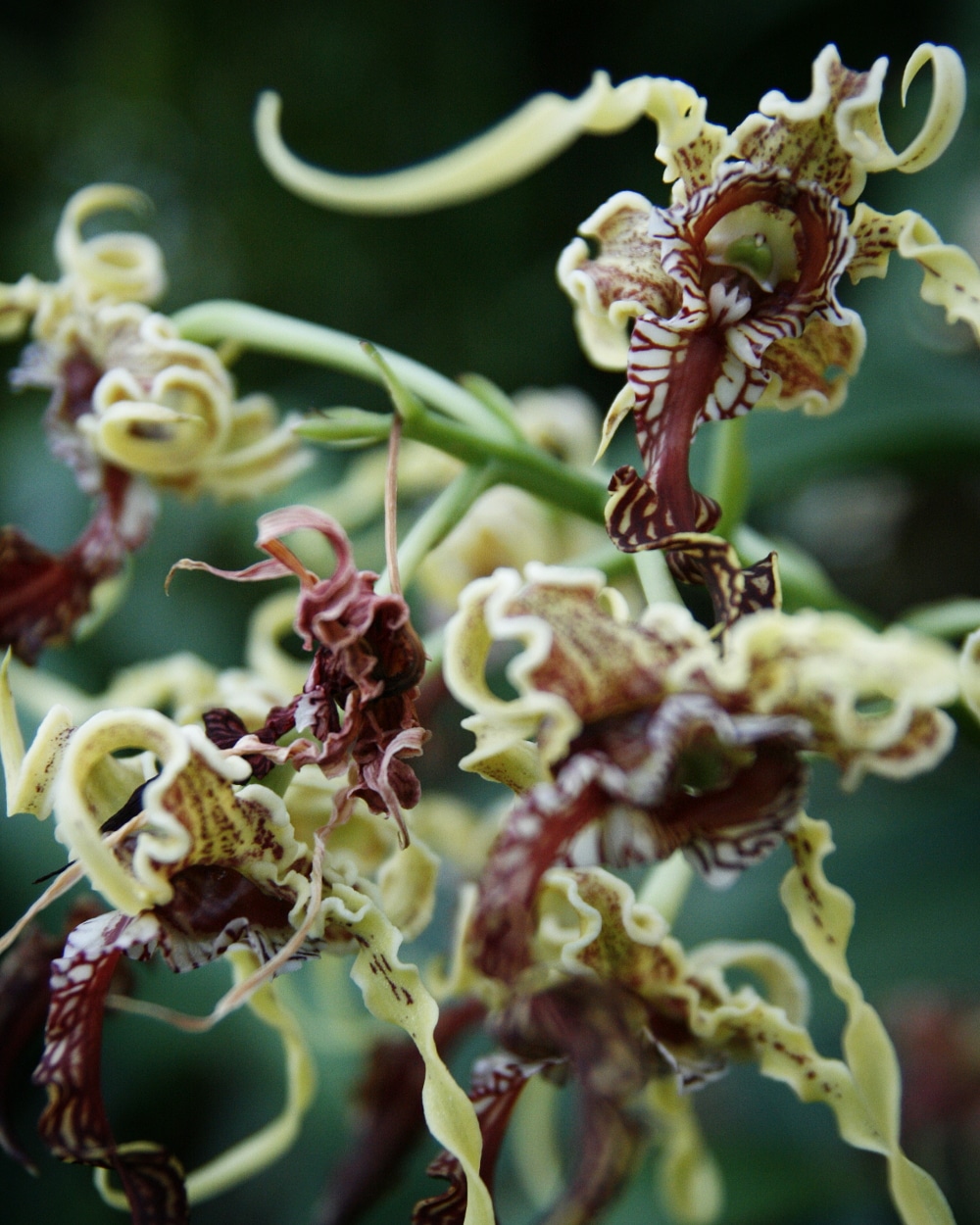
A while back, we read “Barmark” by Malin Nord in my book club, a novel about loss, legacy and belonging. It is painful and sad and during the club meeting we mostly spoke about how strong emotions can be carried down, from mother to daughter, in generations. But what I myself remember most strongly, the geographer that I am, is the sense of the landscape. Most of the story takes place in a remote village in the forests of Jämtland, north-central Sweden, by a river. It is described as dark, almost ominous, but also with a sort of beauty that creeps up on you, unnoticeable, until you’ve learned to recognize its melancholy, subdued harmonies. The main character describes such a strong sense of belonging to this river, to the trees, the landscape. But at the same time: Absolutely not belonging, to the village, the people, because her mother came from somewhere else, foreign. The tension between different layers of belonging. It is something I can recognize also in myself.

Photo: I call this “Being the odd one”, an orchid in the tropical greenhouse at Botanisk Hage, Oslo, January 2017. Posted on Instagram April 21, 2020.

the singer

10

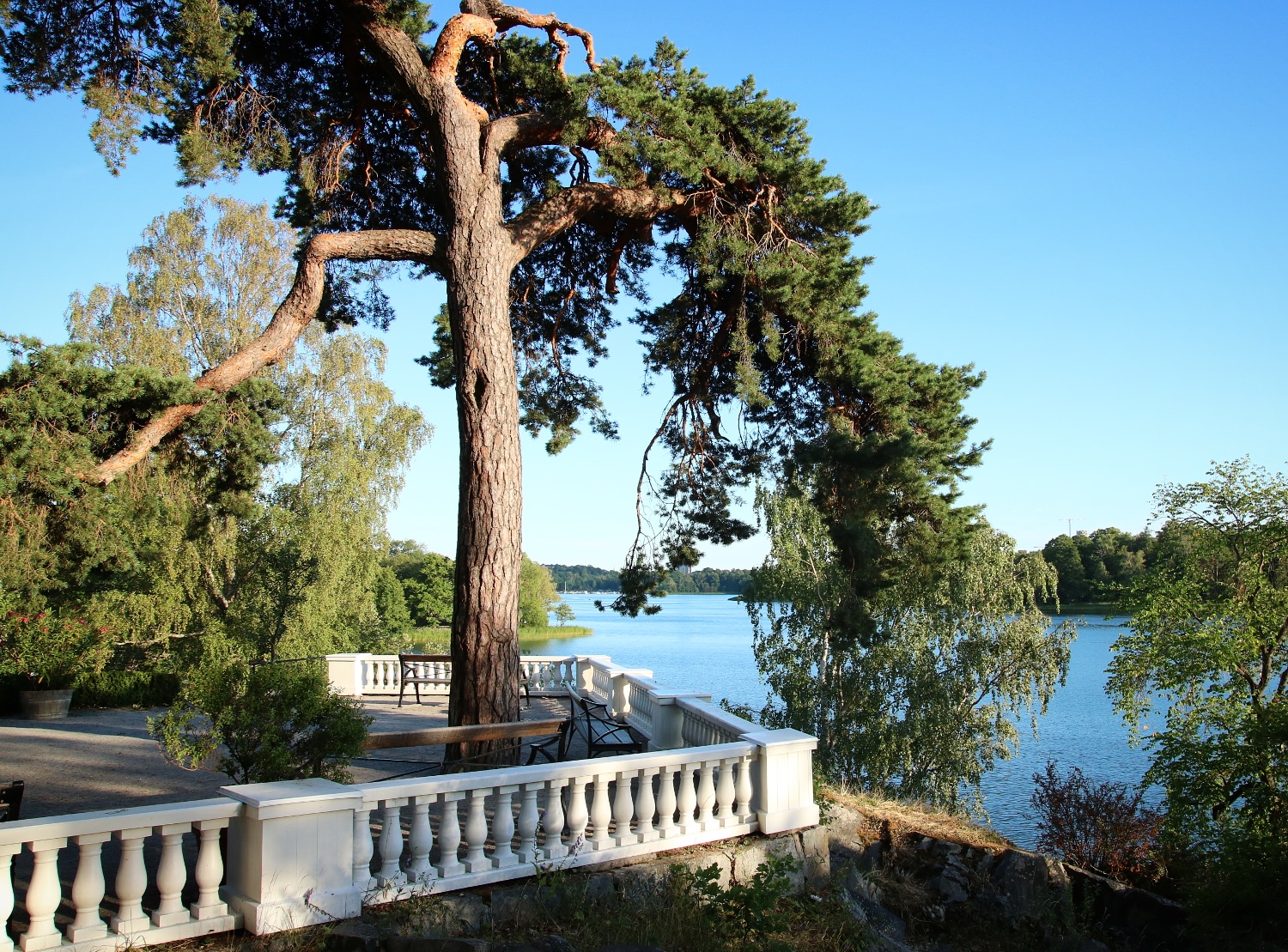
Yesterday afternoon, while sitting in my make-shift home office, I heard someone singing through the open balcony door. My balcony faces a patch of pine, aspen and ash trees, and when I peeked out through the window I saw a girl walking around down there. She can’t have been older than thirteen, that awkward age when you’re still a child but can’t wait to grow up. And she was singing Alicia Keys’ “Girl on fire” with a passion I’ve rarely heard from anyone but professional singers. Singing that forcefully while maintaining such a confident pitch requires really good technique. I would know. I also sing for trees. Beautiful vistas, wild waters and light through spring leaves call it out of me. It is like a hidden, precious space is opened up in me and the only way I can keep myself together is through song. But never as well as this girl. Singing: “She’s living in a world, and it’s on fire; Feeling the catastrophe, but she knows she can fly away /…/ This girl is on fire”. Me, speechless.

Photo: Pine tree in Bergius Botanic Garden, Stockholm, Sweden, August 2018. Posted on Instagram April 17, 2020.

Lisbon (i)

9

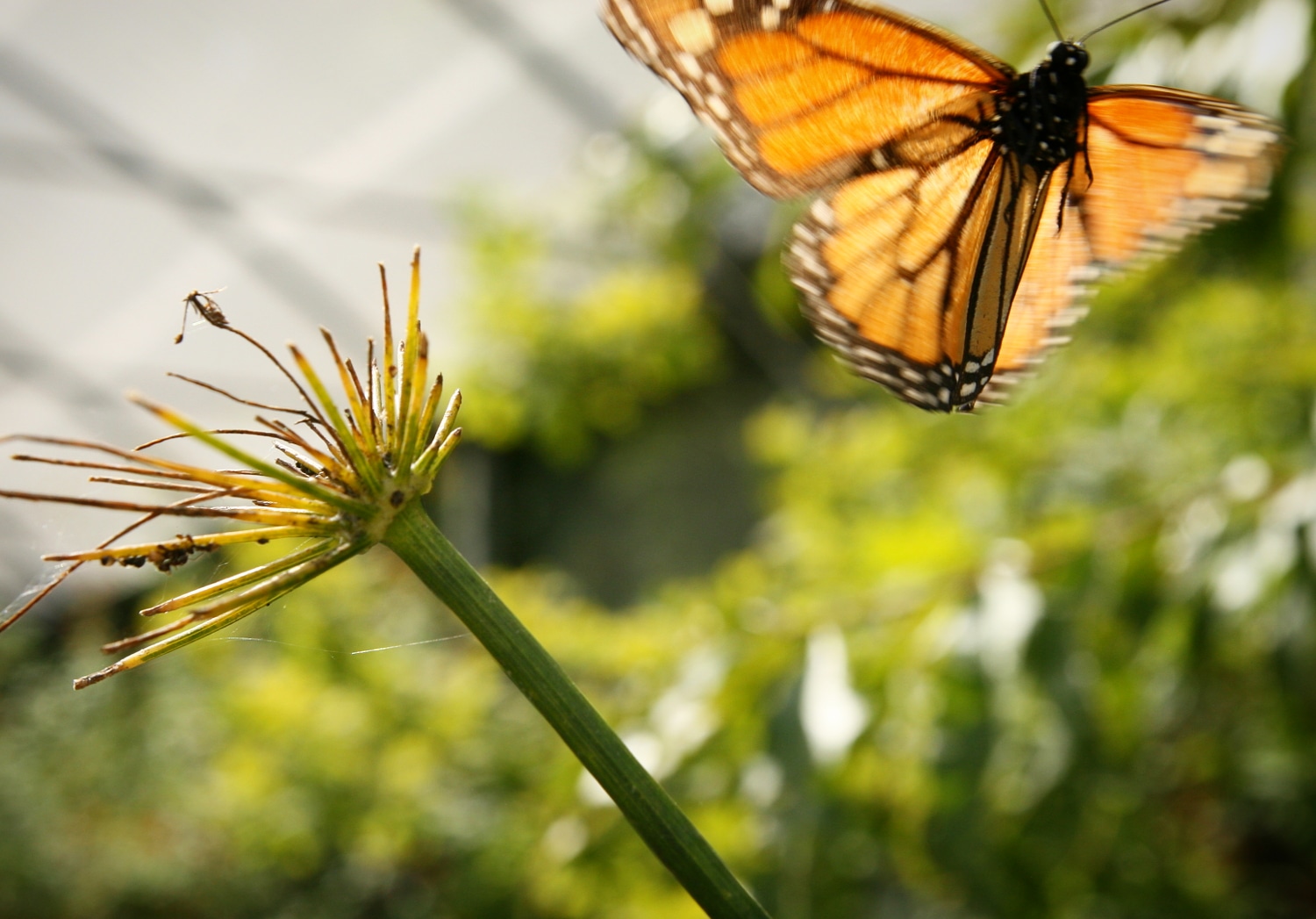
Lisbon: It was clear that the Lisbon university botanical garden had seen better days when I visited in 2015. But also that it had seen many. Some of the trees were enormous, it was compact and quiet. It felt like a very old, wise, forgotten corner of the city, a place to go breathe in the round, soft smells of decaying needles and leaves. And it even had a little butterfly house. I fell in love with Lisbon during that visit, and the botanic garden was a welcome, intense patch of greenery amidst the narrow alleyways and buildings with ornately painted ceramic tiles.

Photo: Jardim Botânico da Universidade de Lisboa, Portugal, September 2015. Posted on Instagram April 15, 2020.

Selma

8

This Easter I have been tending to my balcony. Replanting baby tomatoes, chilis and marigolds, planting seeds of nasturtium and wild strawberries. Making plans for wooden structures for the plants to grow in and up against. This home quarantine has turned me into an overly ambitious amateur carpenter and balcony gardener. Only time will tell if my balcony ends up living up to my lush, green vision. And while I tinker, I listen to the audiobook of Anna-Karin Palm’s incredible Selma Lagerlöf biography. Lagerlöf, Swedish national treasure and first woman to win the Nobel prize in literature. She might have appreciated my balcony endeavours. She often wrote with great admiration and insight about the hard work and skill of farmers and craftspeople. And in 1894, her first trip with Sophie Elkan, lifelong travel companion, went to Visby. Every day, they had lunch and dinner in the botanic garden pavilion. 124 years later, I discovered that the very same garden was a marvelous place to sit and read in, surrounded by dahlias and roses. And so my Easter break goes full circle.

Photo: The Botanical Garden of the Bathing Friends in Visby, Sweden, September 2018. Posted on Instagram April 13, 2020.

Oaxaca (i)

7

Oaxaca (i): I was so excited about the ethnobotanical garden when visiting Oaxaca for a conference in 2017. Ethnobotany has become one of my academic side interests, so I was enthusiastically looking forward to visiting this place. And then I arrived, and realised the only way to enter is to take a guided tour. In Spanish, because none of the three English tours a week fit with my conference schedule. No planlessly wandering around, no solitary exploring. Such a disappointment. Well. I went for the Spanish one-hour tour, and by the end of it my disappointment had waned. Apparently, they used to allow visitors to wander around freely in the garden, but had so many plants stolen that they had to restrict the visits to guided tours (or so I understood the guide – my Spanish is far from fluent). And to be fair, there is definitely a point to having a guide explain things in the garden. There were no signs, but the guide was incredibly knowledgeable and explained all about the wild and the cultivated. The garden was small, but dense, and there was much to learn. It is definitely worth visiting. I would have liked it better, though, if I’d been allowed to wander around on my own after the tour, to marvel at the cacti in a little bit more intimate and slow detail.

Photo: Jardín Ethnobotánico de Oaxaca, Mexico, November 2017. Posted on Instagram April 12, 2020.