Chapter 50: At La Poutine

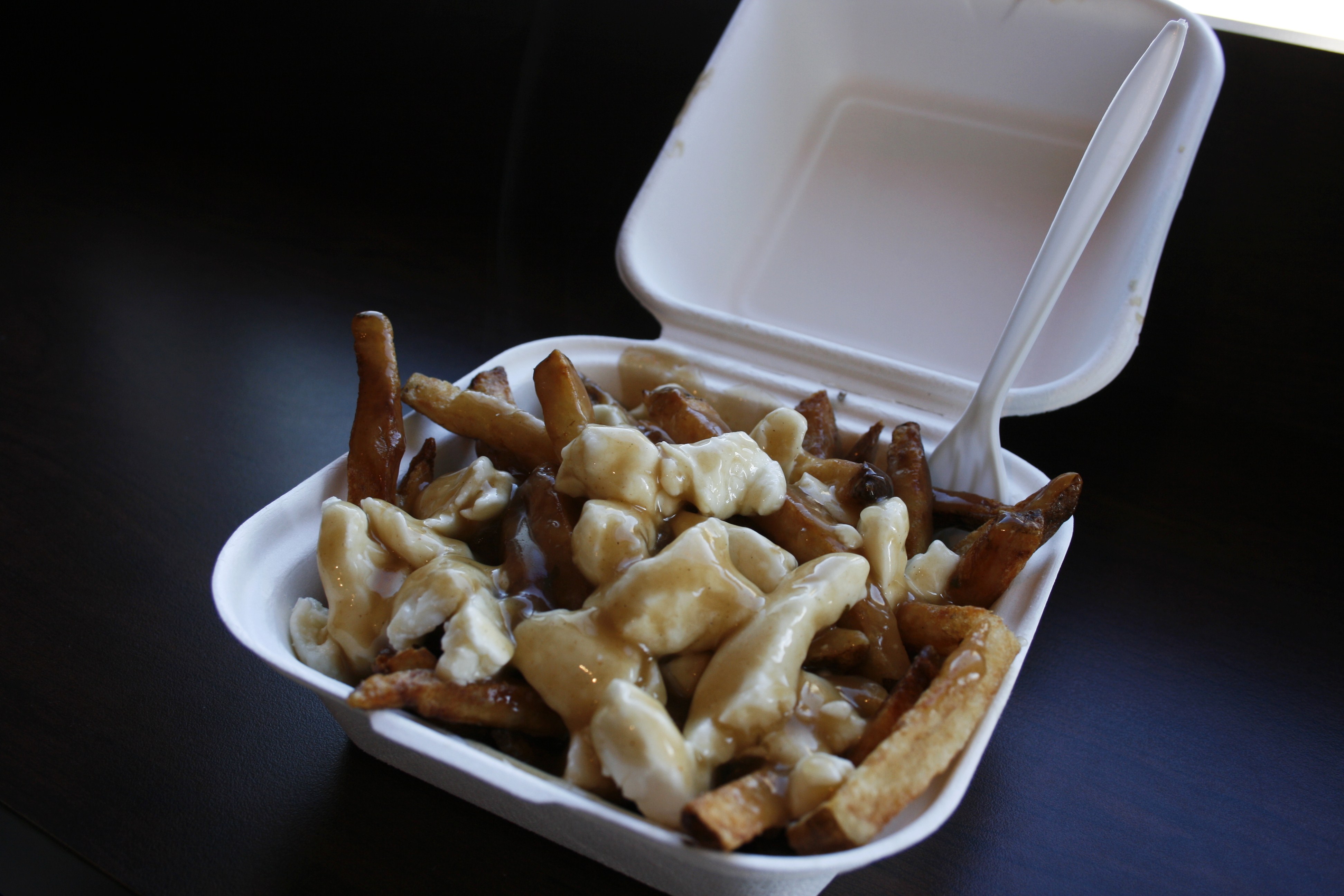
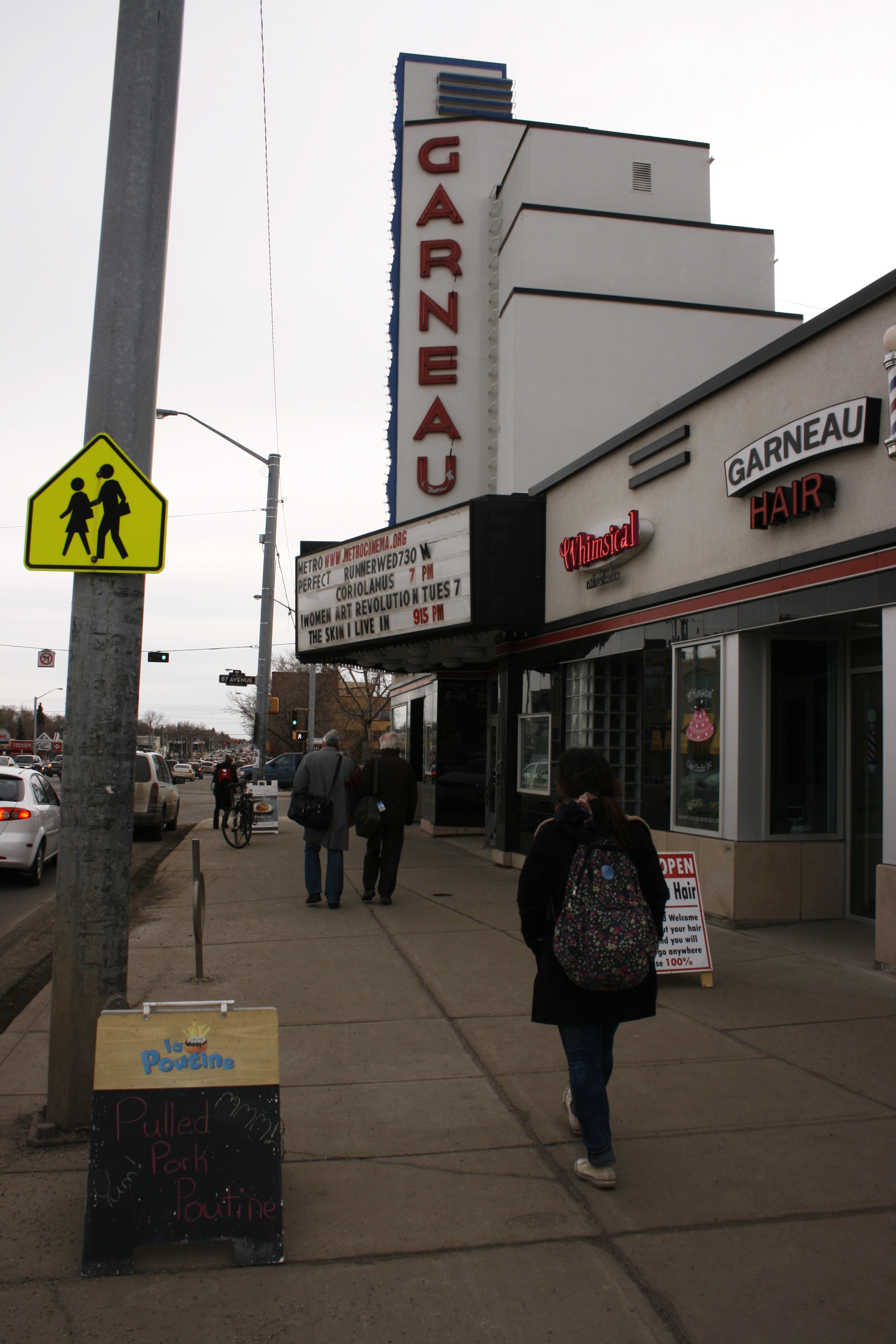
The poutine is a traditional Canadian dish, or so I was told, so one afternoon I went to a tiny restaurant called La Poutine to try it out.

It turned out to be fried potatoes with a cheese quite similar to mozzarella, completely drowned in gravy. I wouldn’t call it a dish. It’s more like a last minute solution if you have nothing else in the fridge and can’t bother to go to the supermarket. It isn’t that it’s not tasty, it’s just that it isn’t cooking. If this is typically Canadian, I feel a little worried about the state of the Canadian kitchen.

Chapter 47: By the university campus

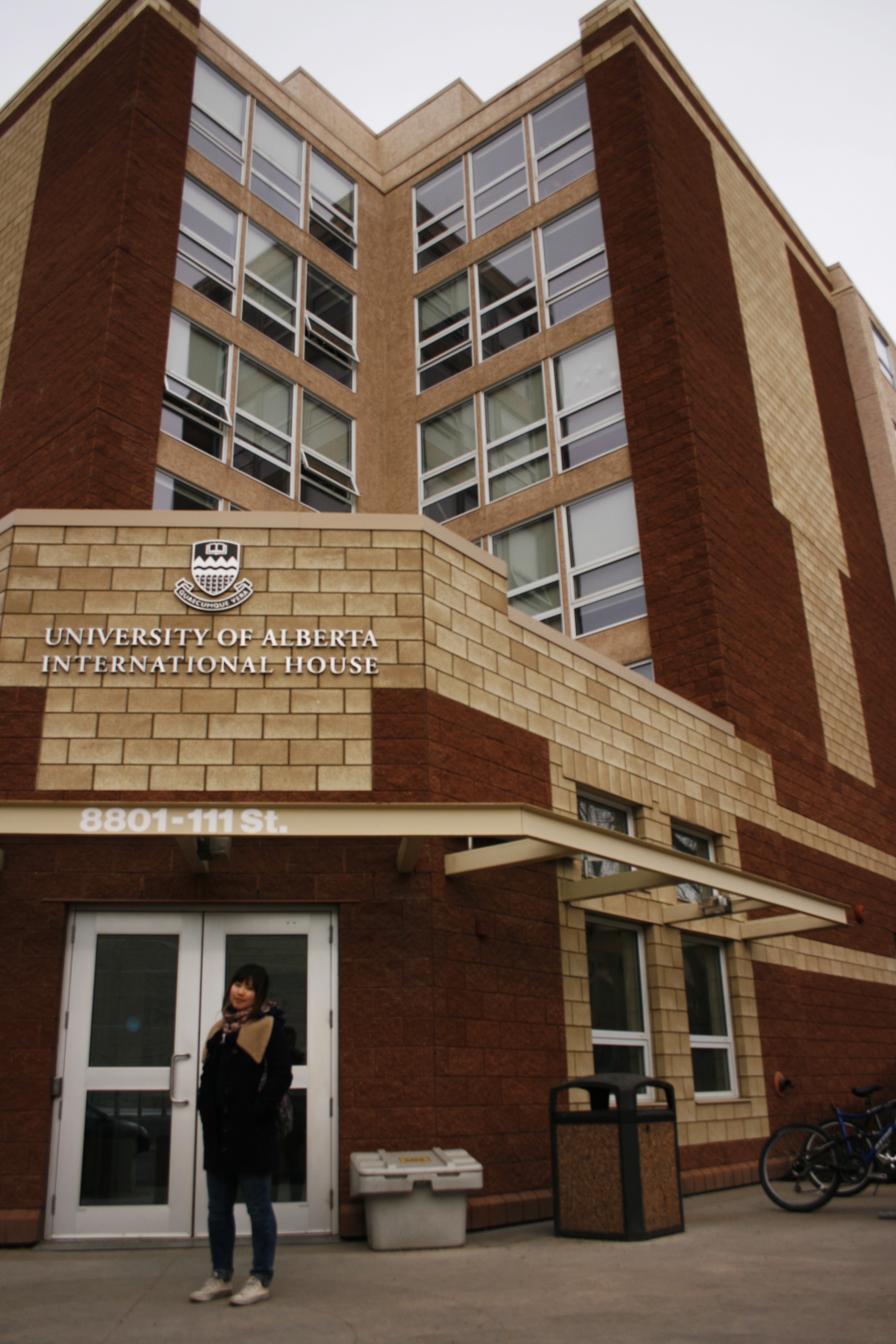
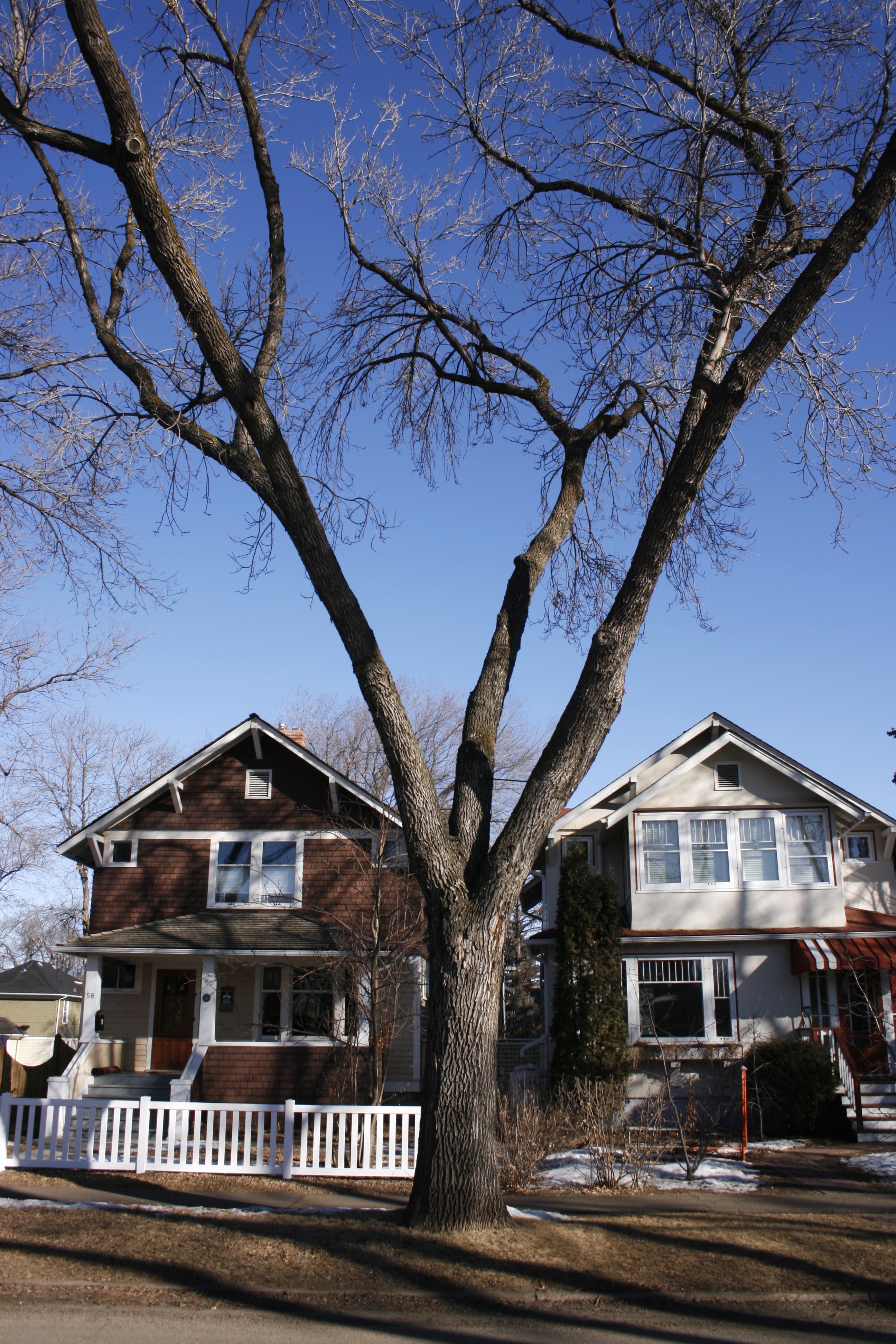
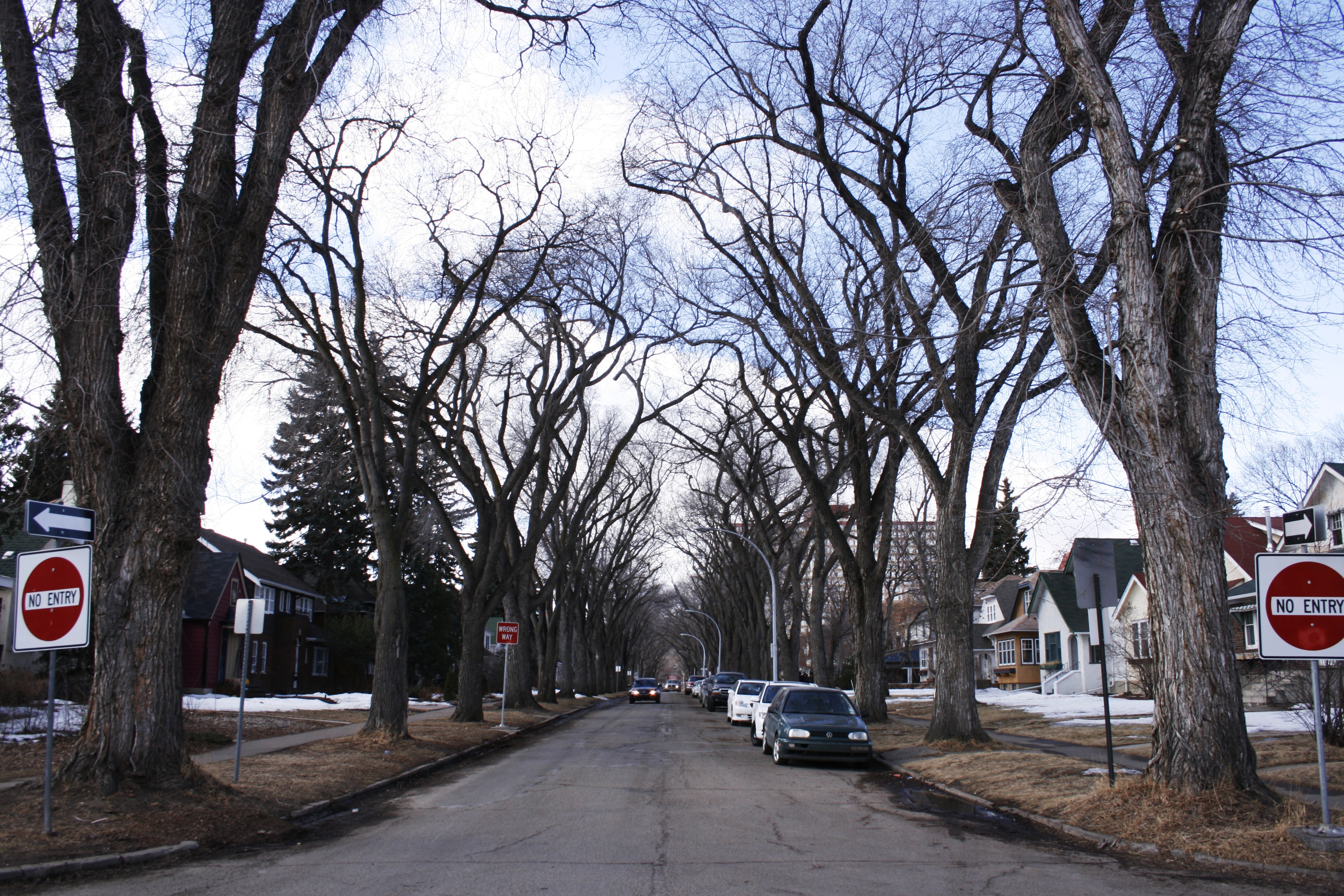
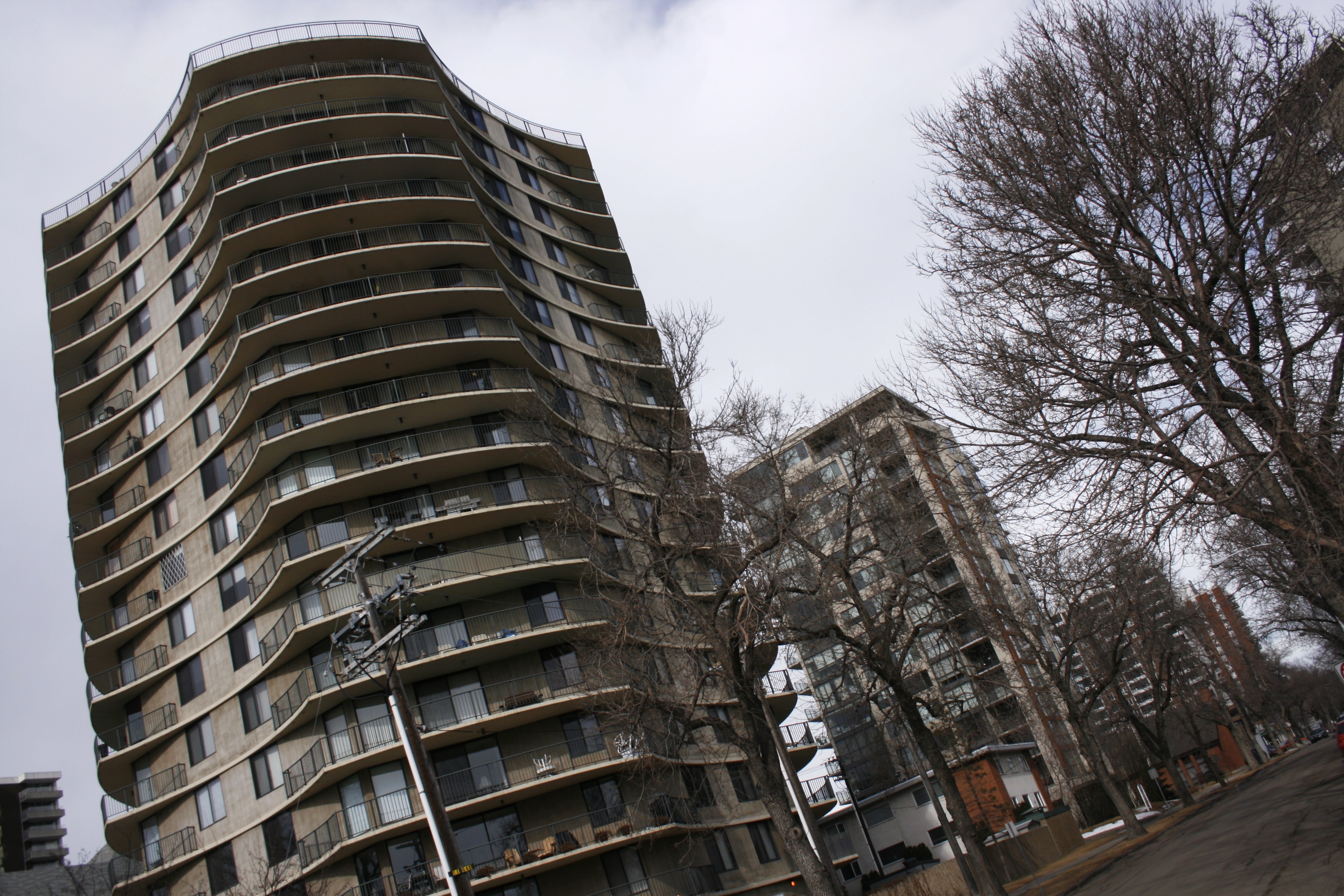
If downtown Edmonton feels big and a tiniest bit unfriendly, the area around the university campus is a really quaint and cozy place. There are some high apartment buildings, but mostly the area is made up of small residence houses and a few businesses here and there, everything built in different styles. Taking an evening walk through the quiet streets here is a really nice experience.

Chapter 45: A two-dimensional tour of Edmonton

I’m a very easily satisfied tourist. Give me a map, and I’ll find things to do for several days. With my free of charge tourist map I walked around downtown Edmonton, visited museums and checked out the most prominent landmarks. No guide needed. I’m a true geographer that way.

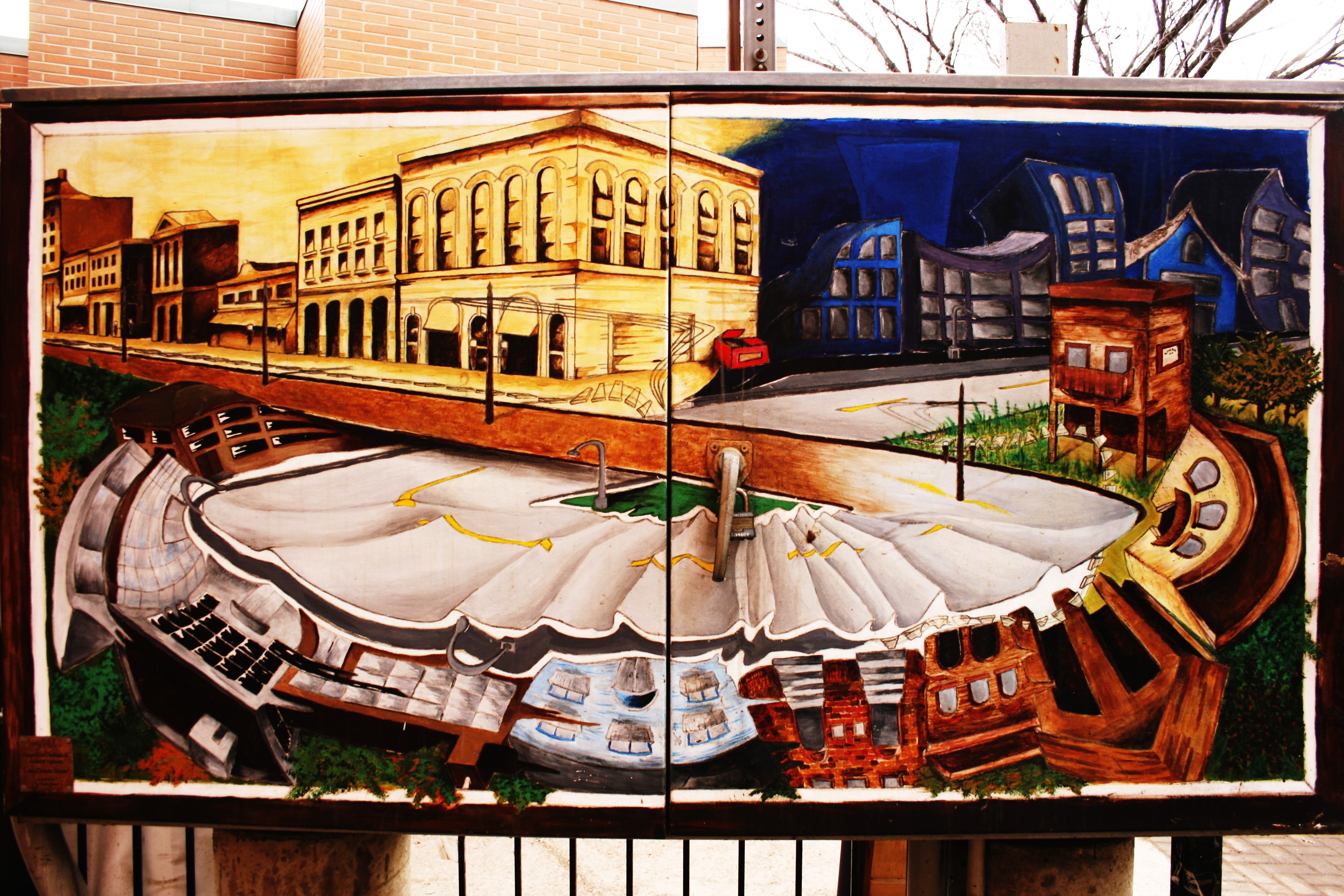
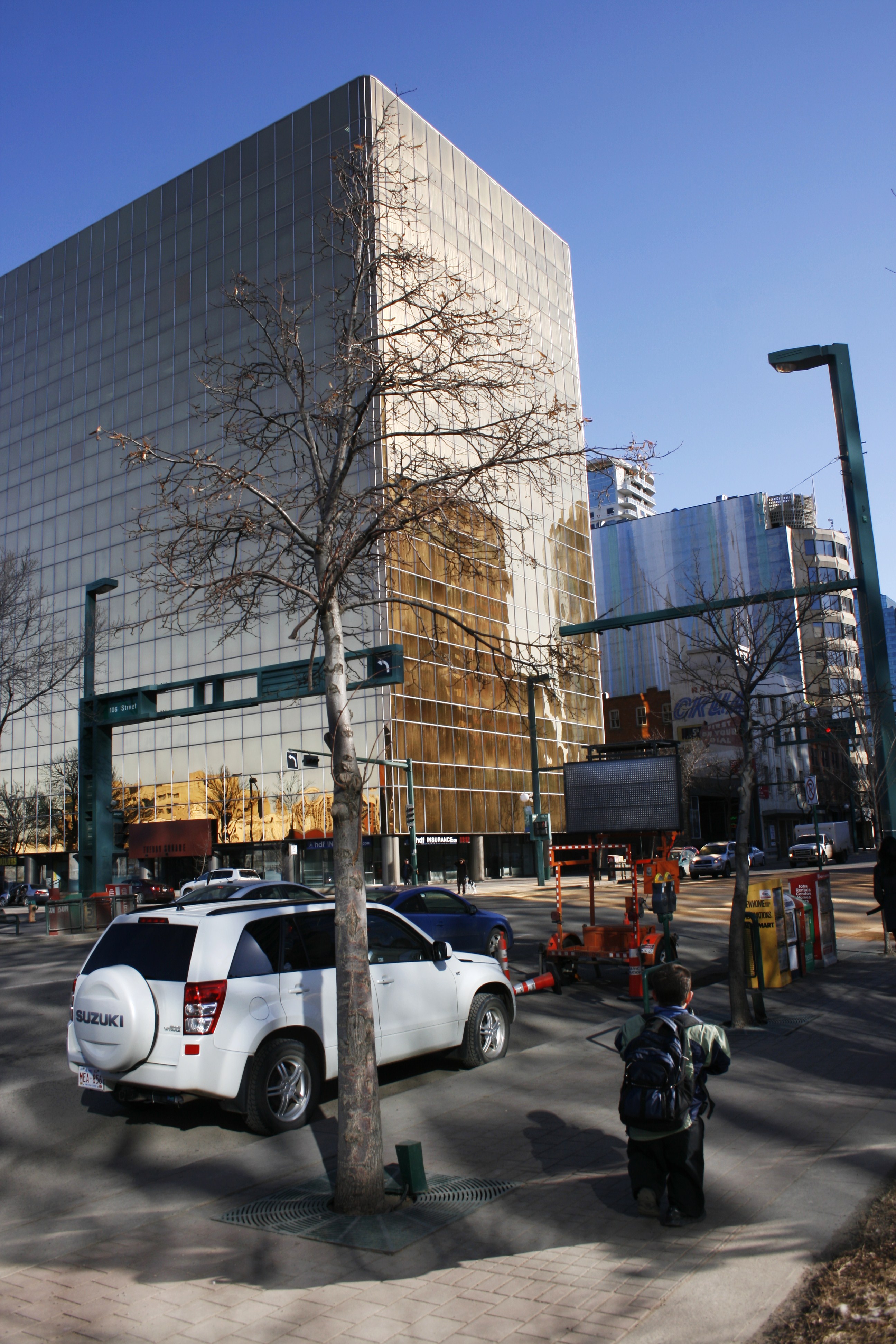
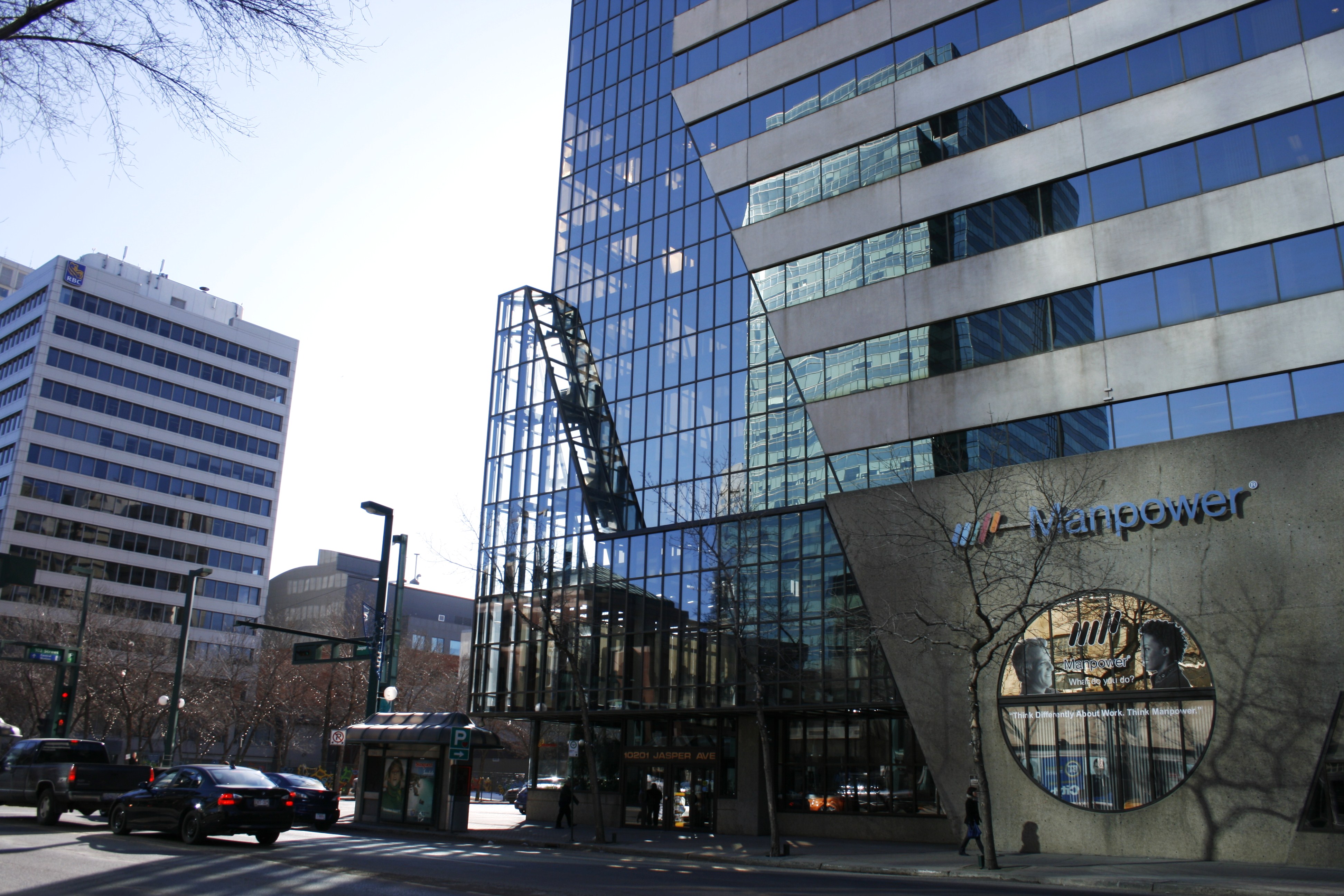
The architecture in Edmonton isn’t like anything I’ve seen before. In my opinion, it’s a strange combination of tastelessness and a rough kind of charm that I can’t decide if I like or dislike. But, as with anything new and unexpected, it intrigues me.

 Imagine, they have Manpower in Canada too. I still get the text messages from my old employer. It feels homey, somehow, but I guess I should e-mail them and ask them to take me off the texting list.

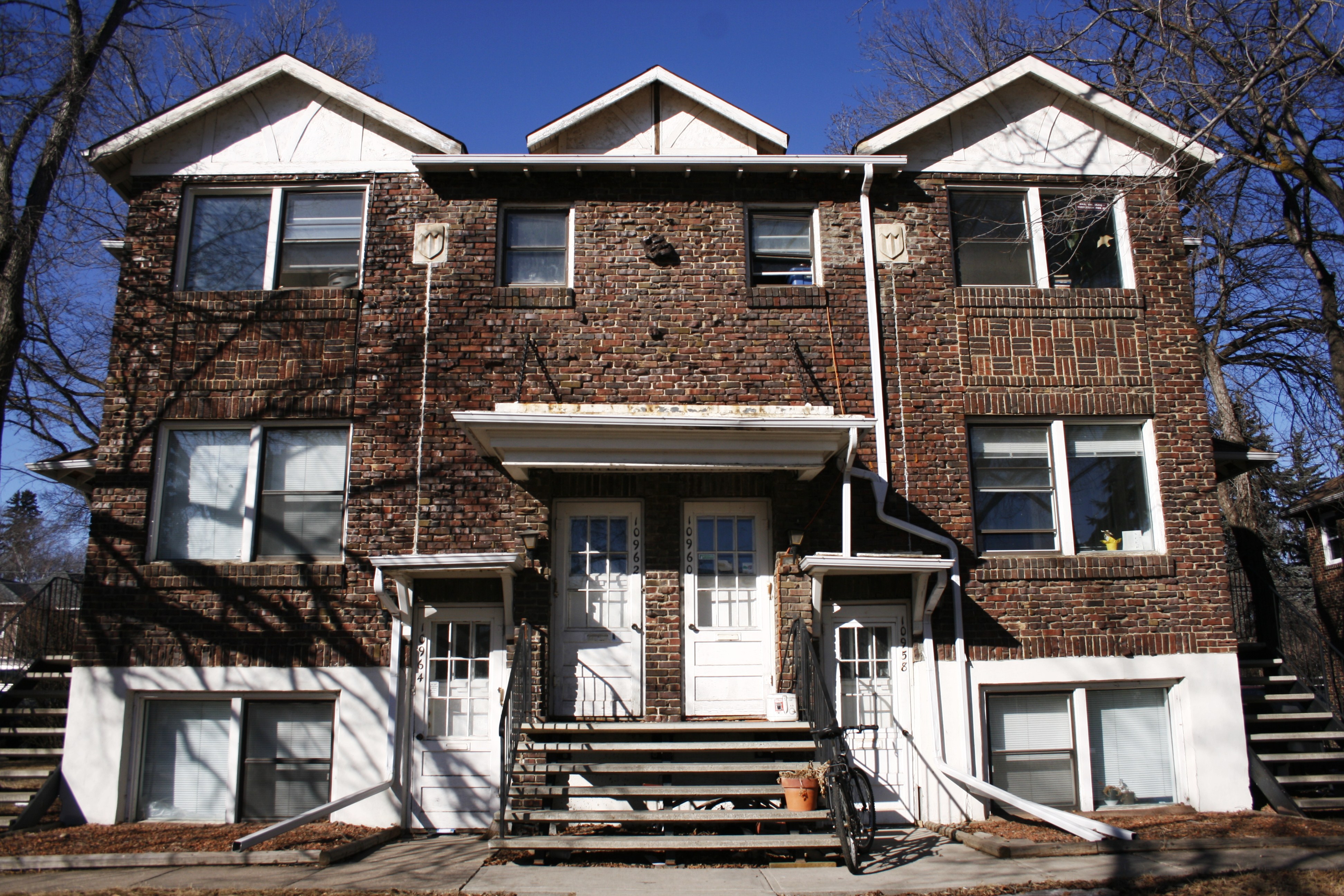
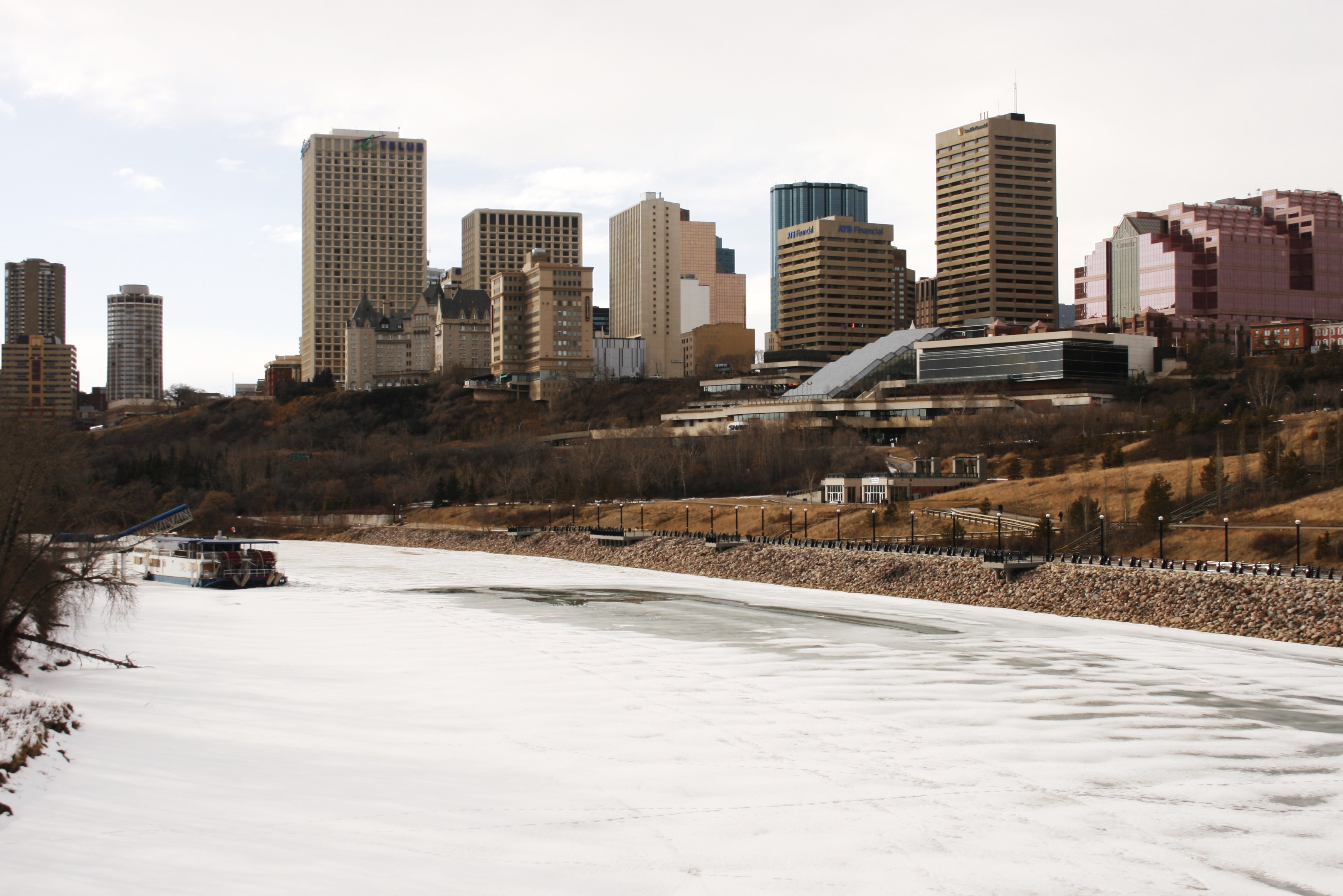
The city center is made up of skyskrapers, but only a ten-twenty minute walk in either direction, the residential houses start. And this is where the strange begins. It’s as if they couldn’t decide. Either build high, colossal apartment buildings, or keep the small, quaint single family houses. Instead, there is a little bit of both and in a way, it makes a walk through central Edmonton a lot more interesting.

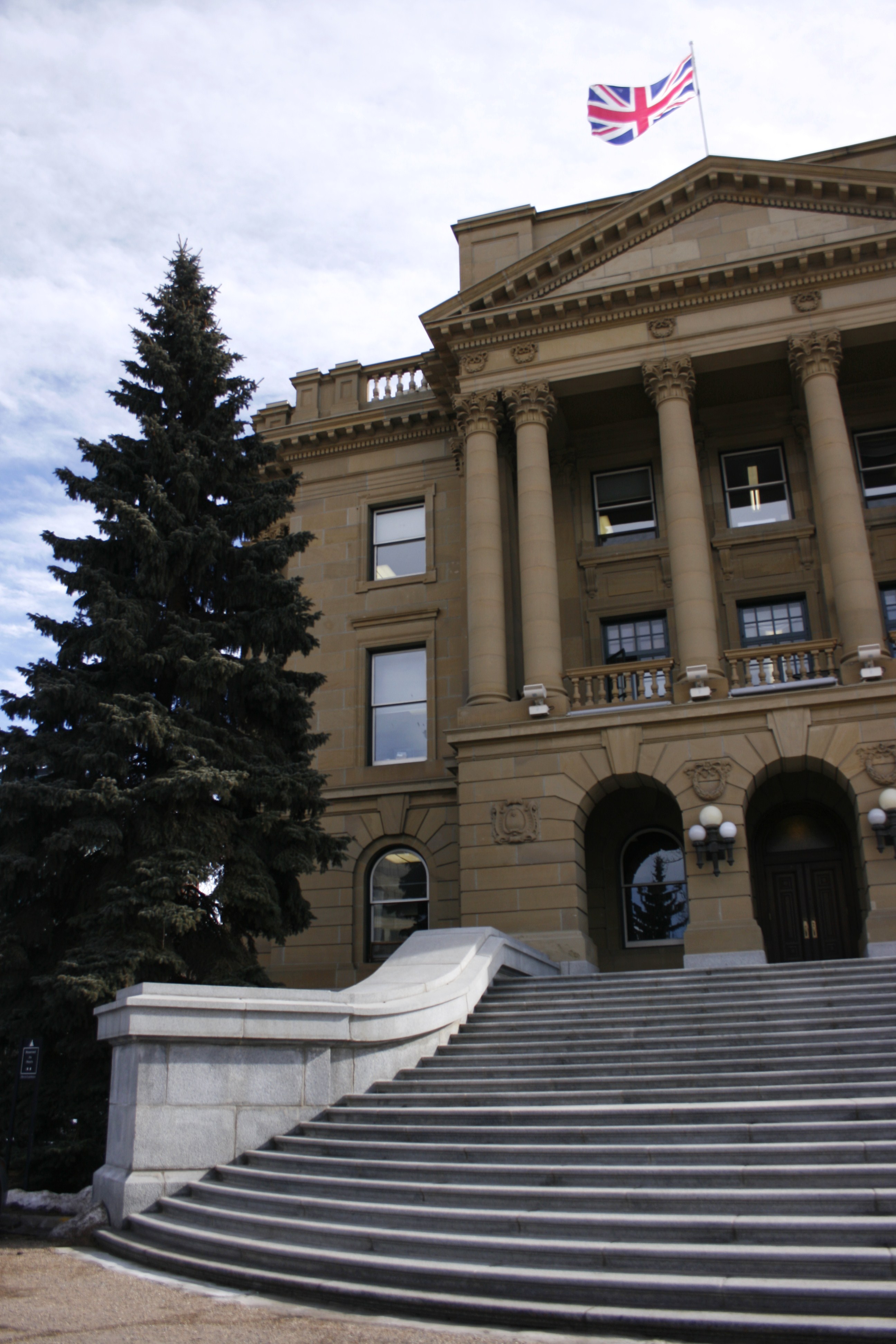
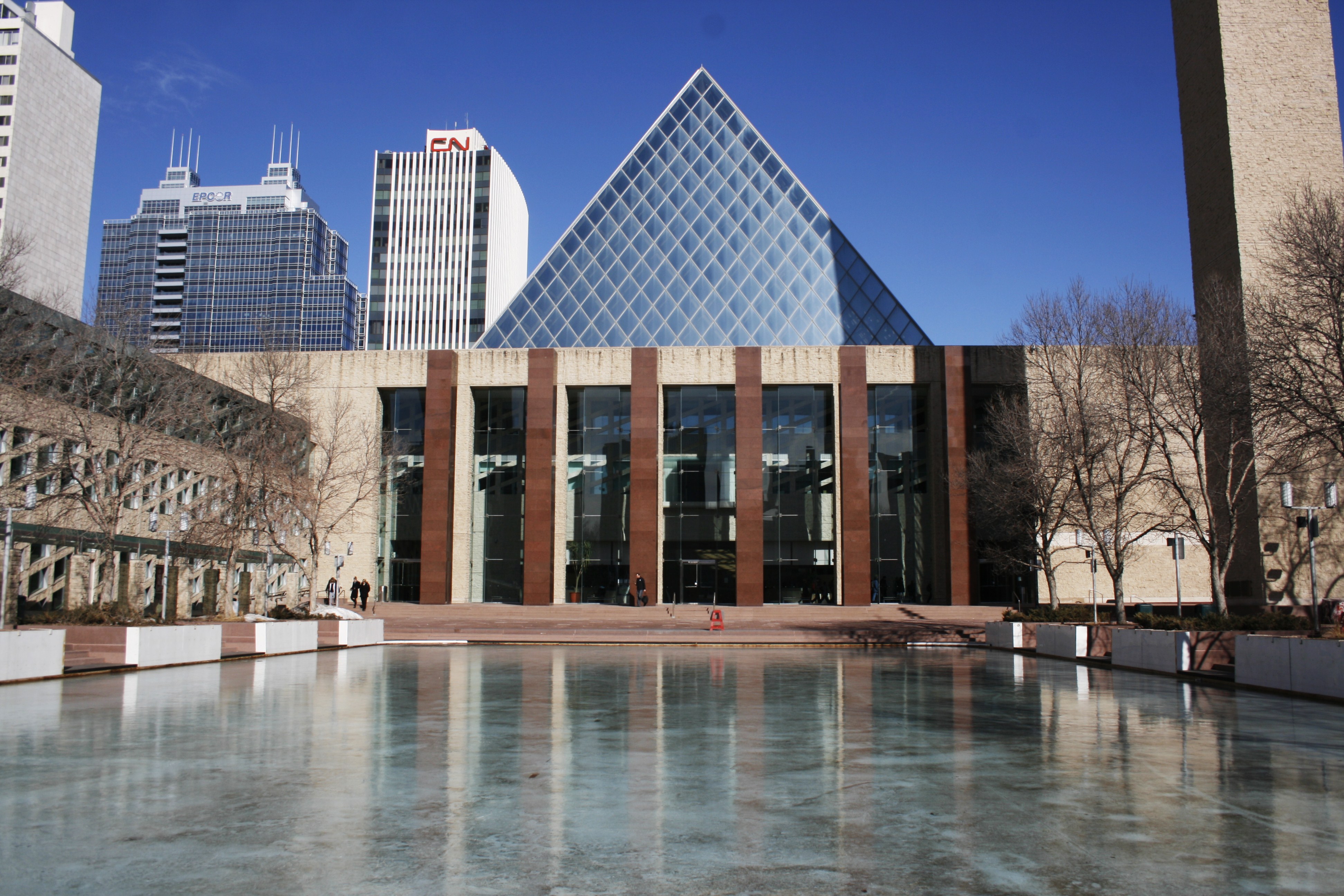
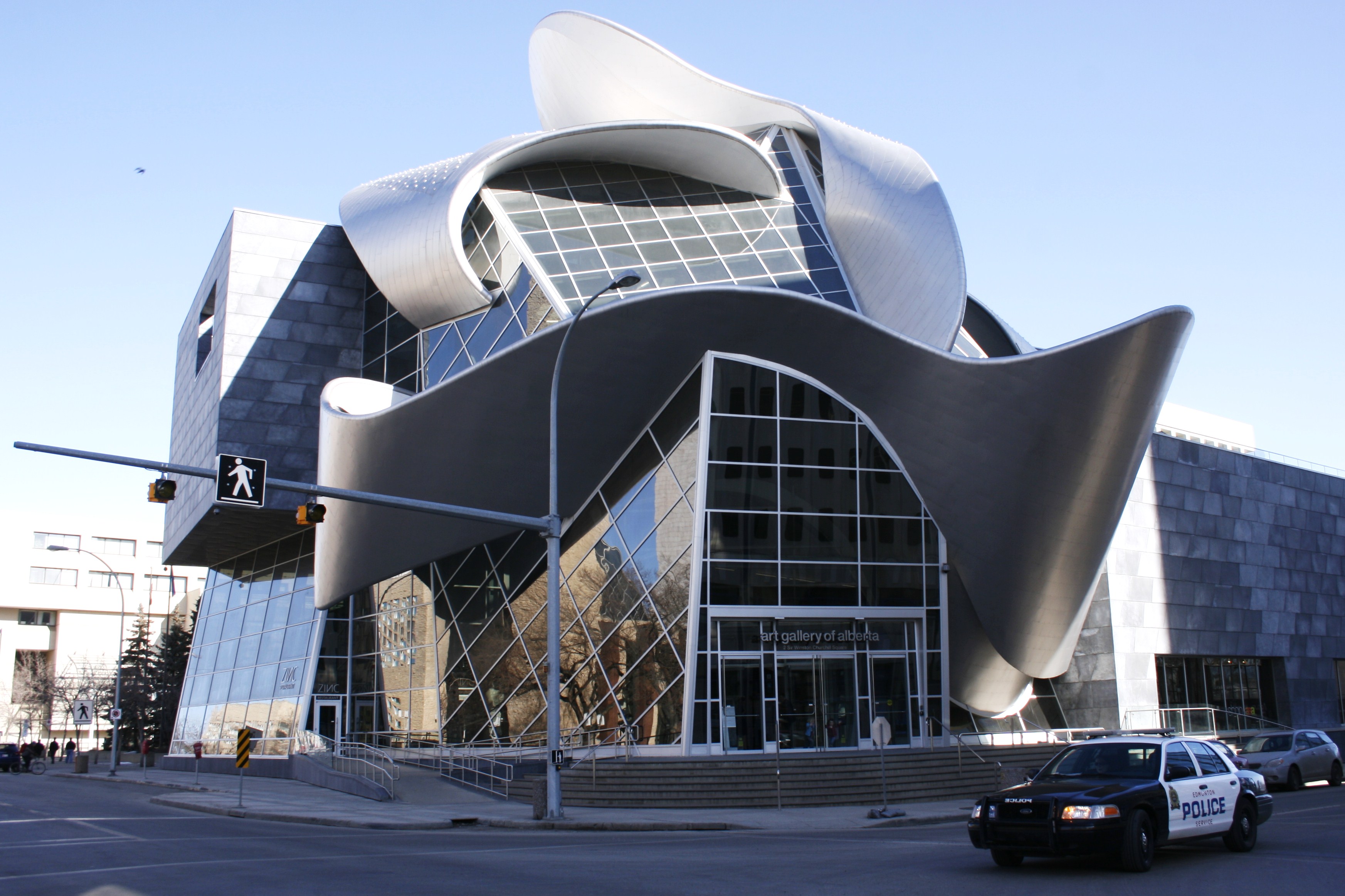
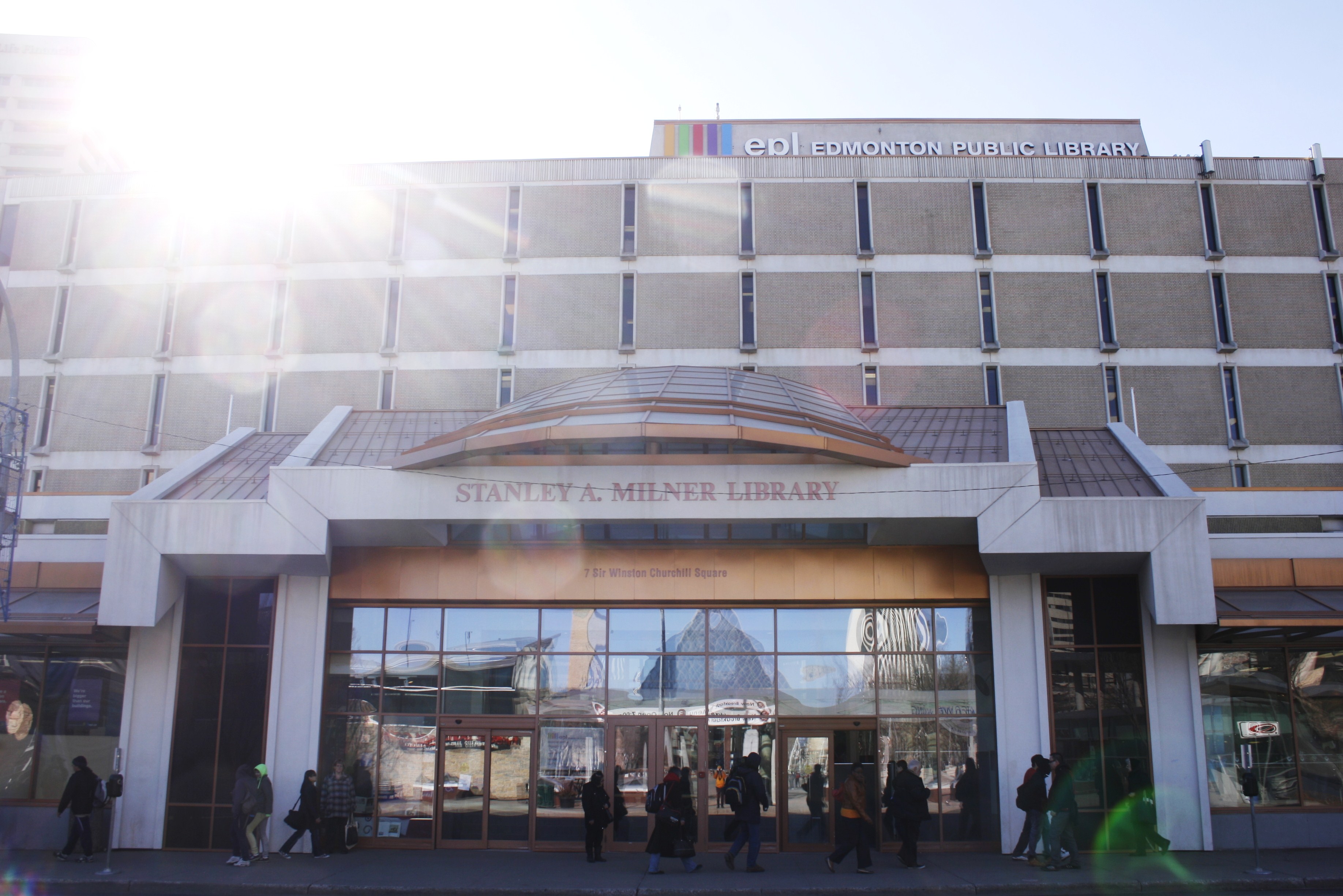
Otherwise, there are the typical important buildings, the Legislature, City Hall, the Art Gallery and the Public Library. Nothing really exceptional, but kind of nice all the same.

The impressive Legislature building, with both the Canadian and the UK flag waving from the roof.

City Hall.

The recently built Art Gallery of Alberta. The one crazy building in the city.

The Public Library of Edmonton was nothing special, the outside mostly looking lika a box and the inside being mostly brown and gray and with a ceiling so low it felt as if the books could crash down on you at any time.
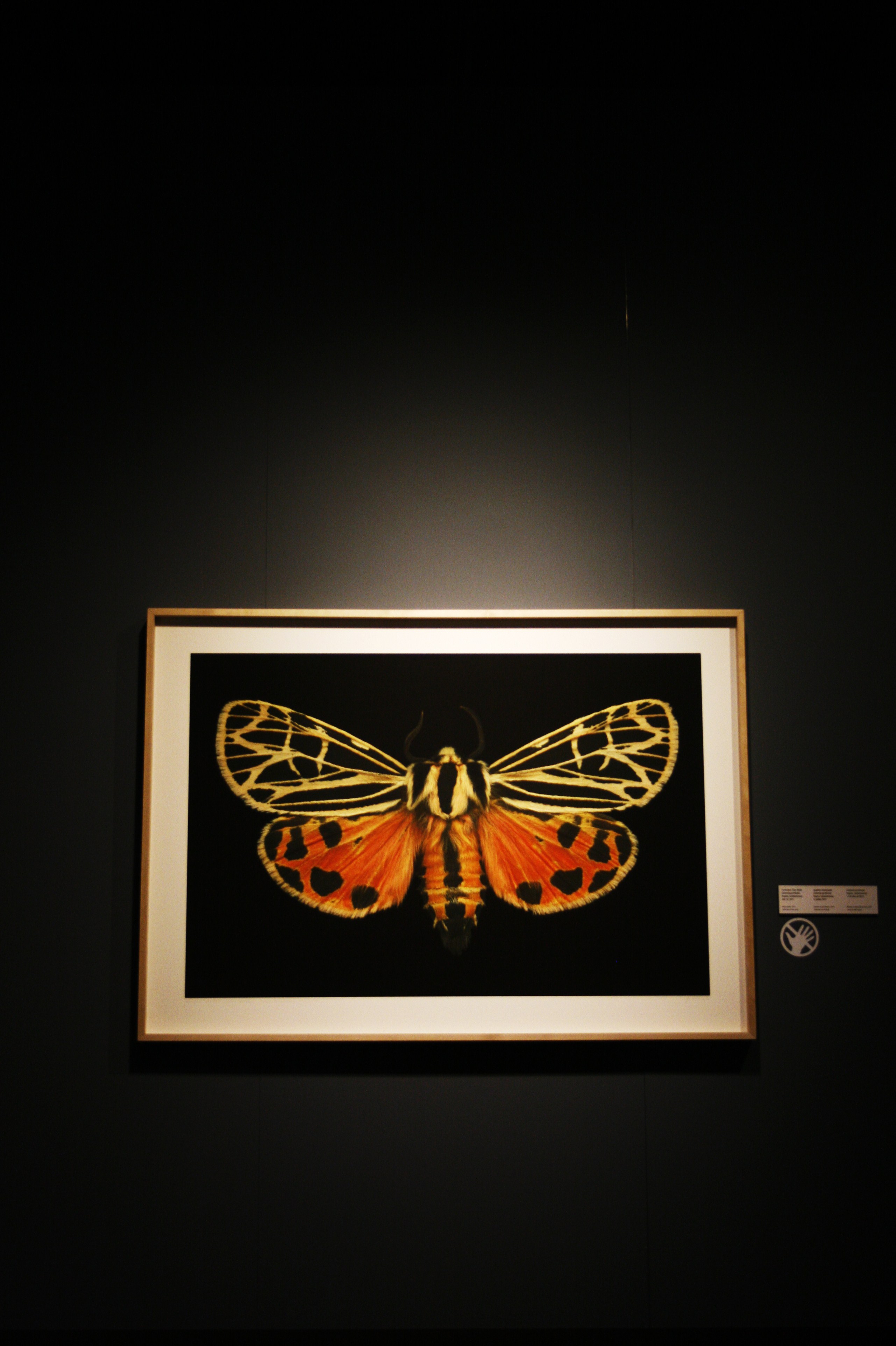
The Royal Alberta Museum was also quite small, with an exhibition of Albertan animals, one of the history of the aboriginals of Alberta and a few stones and skeletons in a tiny natural history section. But they also had a feature exhibit with photos of moths. Such beautiful, hairy creatures. Wonderful pictures. Great show.

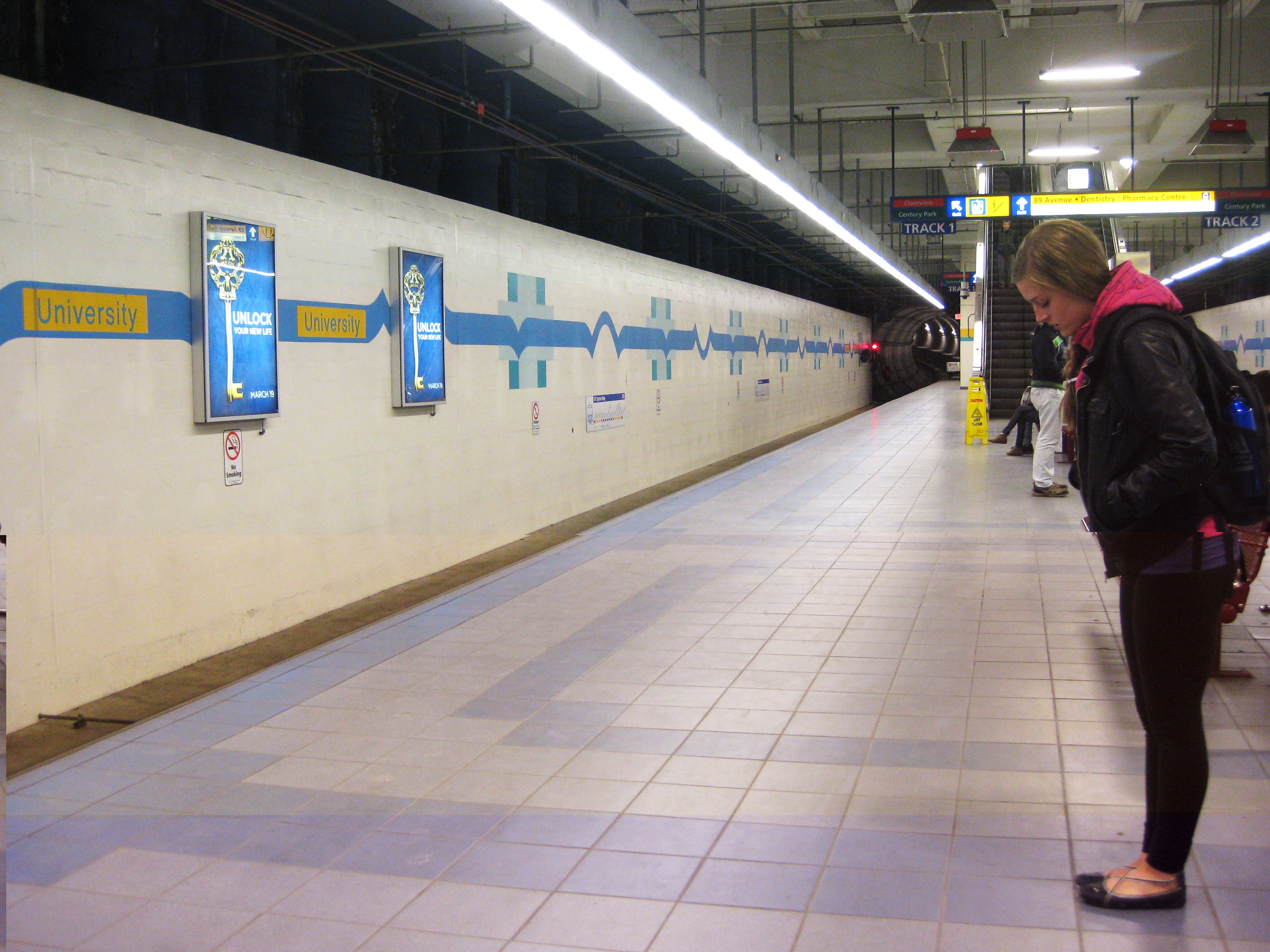
My love for public transport, especially subway trains, didn’t really get to flourish in Edmonton. The LTR consists of one line with 15 stations – not much room for adventure.

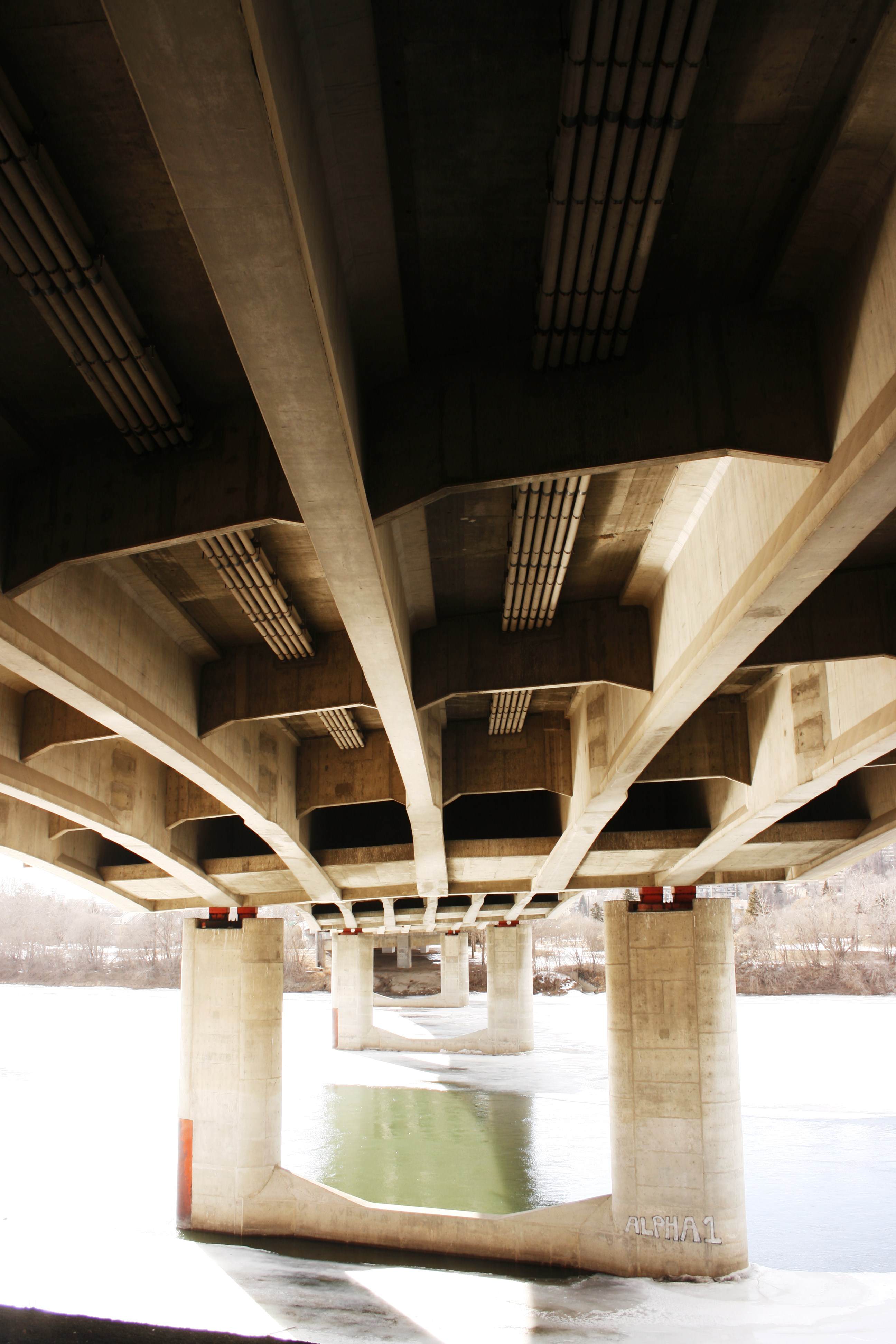
One of all the bridges crossing the North Saskatchewan River, the beautifully meandering river that separates downton Edmonton in the north from the University and Old Strathcona in the south.

Already before I arrived in Edmonton, Frida had warned me that there wasn’t very much to do there. But I had no problem finding things to occupy my time with during my eight day stay in Edmonton.

Chapter 44: The night habits of Canadians

On Thursday night, we went to a real Canadian sports bar called Hudsons. Thursday is the MBA night, for the Master of Business and Administration students, and since quite a few of Frida’s friends are MBAs, they go to Hudsons together almost every Thursday.

I have no experience of sports bars at all, so for me the night felt new and exotic. But I guess that Hudsons is more or less like a typical sports bar anywhere in North America or Europe. The lighting was sparse, the walls had wooden panelling and frames with sport motives and old Albertan tourism posters, and the customers sat on high wooden chairs by high wooden tables drinking large amounts of beer. And on the walls, every three meters or so, there were widescreen TVs showing ice hockey or wrestling. Genuinely macho sports fit for a real Canadian sports bar.

But as for my very personal experience, it mostly consisted of two things. Firstly, Canadians apparently don’t dress up. I had put on some lipstick, a red skirt and made my hair, an outfit that I’ve actually worn to school in Stockholm several times and still I wasn’t the most dressed up person on campus. But here, among the guys with ice hockey shirts and girls in jeans, some people actually stared at me and more than once I was asked why I was so dressed up.

Secondly, Canadians don’t dance. They played music that made my feet start twiching, but when I started to move a little to the music by the bar, one of Frida’s friends looked at me and asked “What, are you dancing?” as if that was more or less the strangest thing that he had seen that night. So I mastered myself and found a table with a group of people to talk to.

But, it was a really nice night, actually, despite my overdressedness and the dance-unfriendly environment. I was told I look Russian (probably by a person who doesn’t know the difference between Russians and Finns), I got to discuss the Euro crisis with an MBA and was later told by another MBA that my very unromantic view of marriage and love was due to my divorced parents. I think that, with a little more practice, I could have learned to fit in perfectly among the real Canadians and their exchange student friends. I might even have been able to restrain from my bright red lipstick, the only make-up I ever care to wear.

Chapter 42: At the conservatory

Thursday afternoon: I’m sitting in the temperate pyramid greenhouse at the Muttart Conservatory, Edmonton’s botanical garden. It’s slightly cold, but with my Peruvian alpaca sweater I won’t freeze. The smell in here is heavenly, a combination of pine and herbs and the early blooming daffodils.

It’s not big, the conservatory, with four greenhouse pyramids: the arid, the tropical, the temperate and the feature (today holding an exhibit of the teddy bears having a picnic), but its pretty. The smells and the sound of running water in both the temperate and tropical pyramids have such a soothing influence on me, I could sit here for hours. After having taken the whole tour through all the pyramids, I sat down next to a blooming banana plant in the tropical pyramid and caught up with some writing. When my hands started to tremble from low blood sugar, I went out to eat the small lunch of boiled eggs, an apple and a carrot that I had taken with me, and then ended up here again, in the temperate pyramid.

_MG_1379

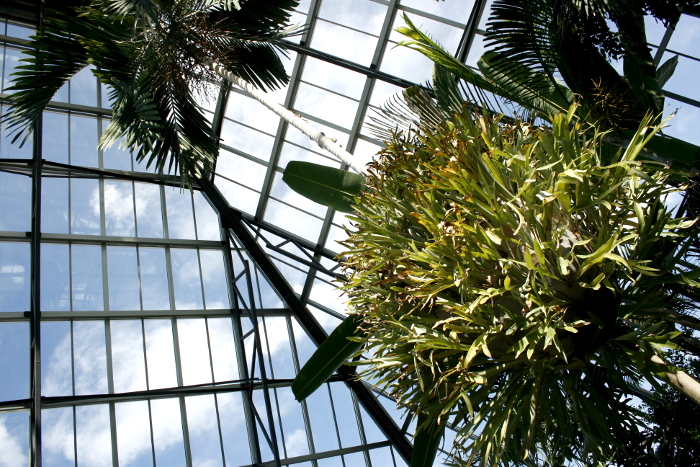
An elk’s-horn fern growing on an Alexandra palm in the tropical pyramid. An excellent specimen of an epiphyte.

I think I could enjoy having a garden. My Finnish grandmother was an amazing gardener, and the memories I have of all the flowers in her garden when I came there every summer as a child border on fantastical. The lilies and roses and poppies that simply flowed over in her flower beds. But it’s a lot of work, keeping a garden, and to be honest, what I enjoy the most is just sitting like this, breathing, taking in all the calming shades of green.

It was in my grandmother’s garden that I started writing my only finished novel manuscript at nineteen, and I can’t count all the short stories that have been produced there before that. I write well in a well-tended garden. Maybe I should start making a habit of going to the botanical garden at Stockholm University, the Bergianska, when I return. As a way to get my thoughts straight. I don’t do yoga – I watch trees.

_MG_1295

Chapter 41: Elin’s mission – On the 151

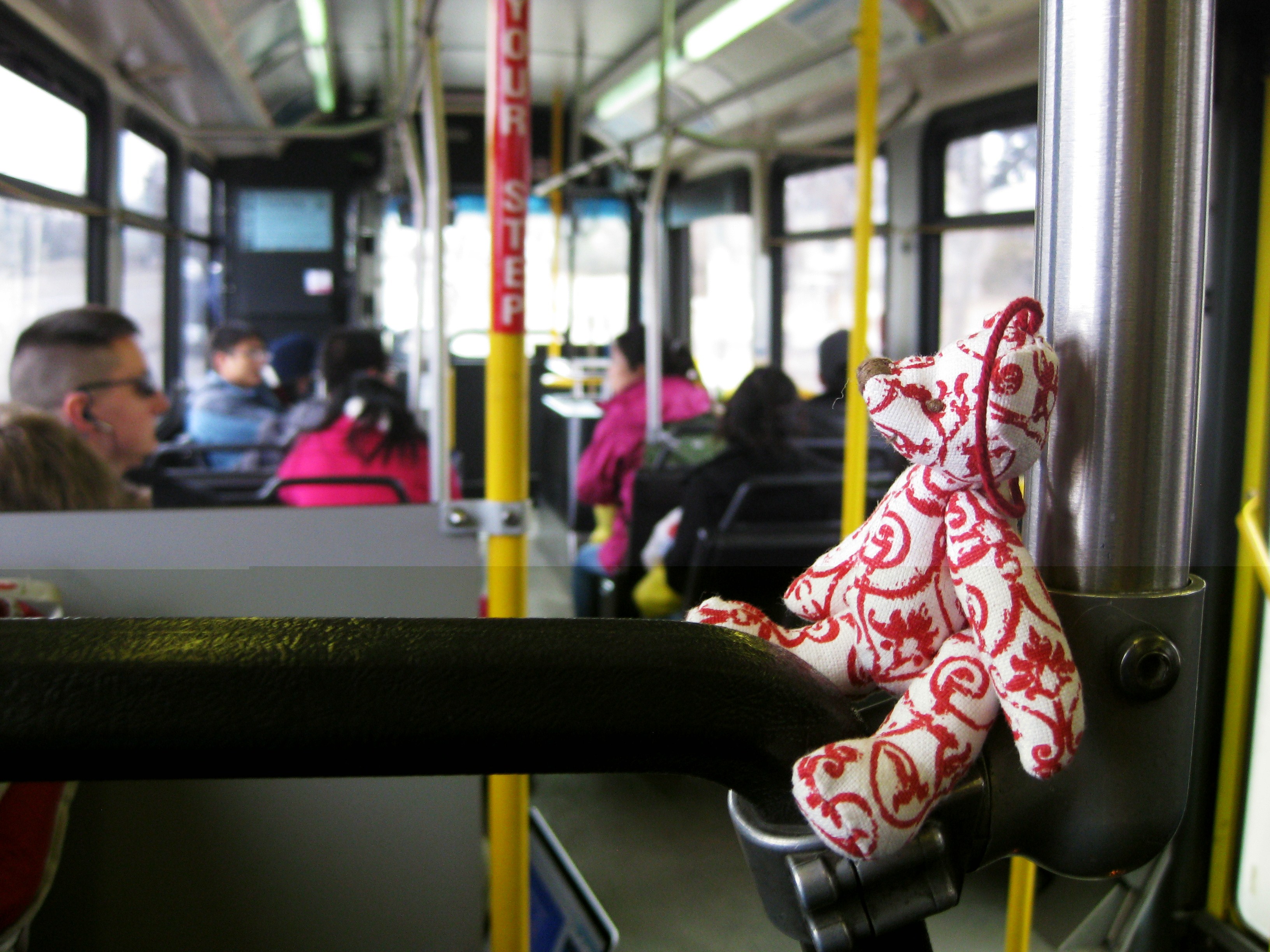
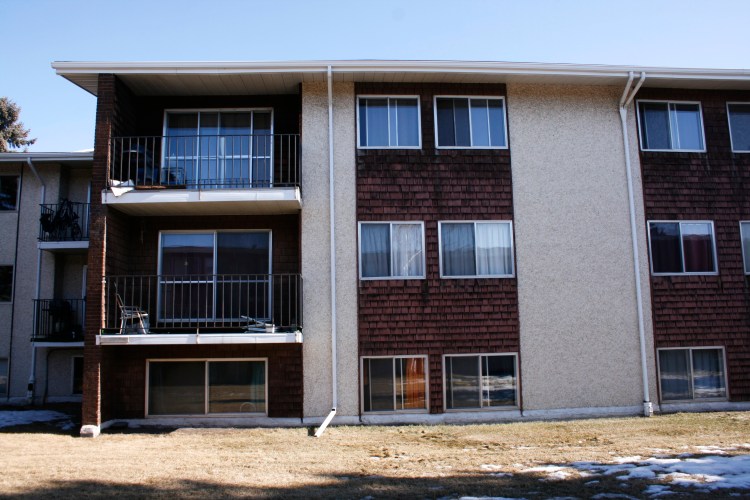
On Monday, I went to the tourist information center in Edmonton. There, I talked to a really nice guy who told me that if I wanted to see some typical Canadian suburban architecture, I should take a tour with the 151 bus. You see, before I left home, Elin gave me the mission to go somewhere unexpected, like a random suburb, to do a similar tour as the ones I did in Stockholm a couple of years ago (if you want to see the result of those excursions, check out the Att lära känna en stad page above). So, on Wednesday, I crossed the North Saskatchewan River and took the 151 bound north.

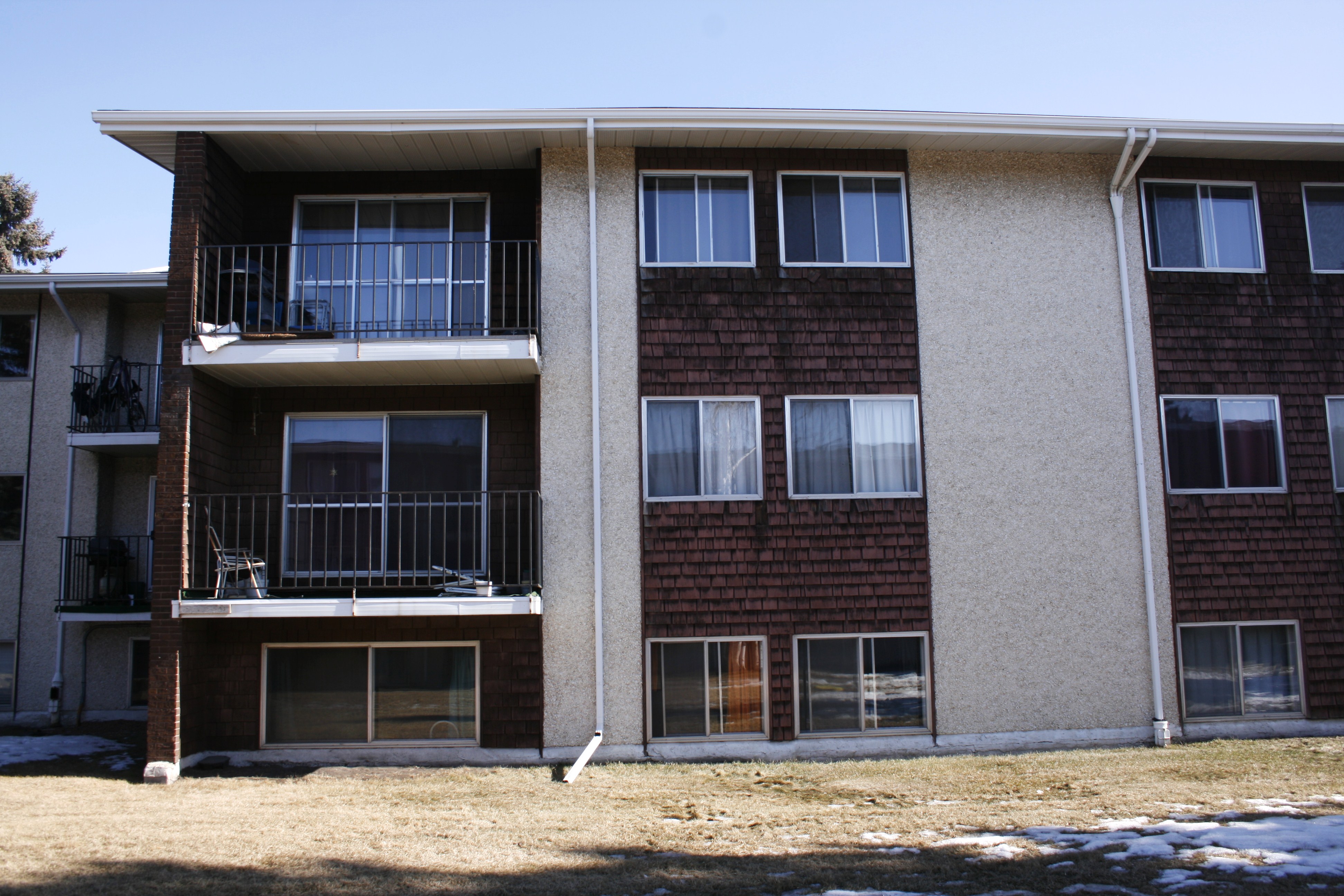
It is fascinating, how evidently different the city planning is here, compared to how most European cities look. I remember it from the introductory course in human geography, that in North America, the cities often consist of a city center with skyskrapers and office buildings. Then there are the apartment houses, usually quite run down, where the not so very rich live. Surrounding this are smaller residence areas and industries, and then finally the real all-American suburbs, with neat houses in rows and huge hubs with supermarkets and drive-through restaurants.
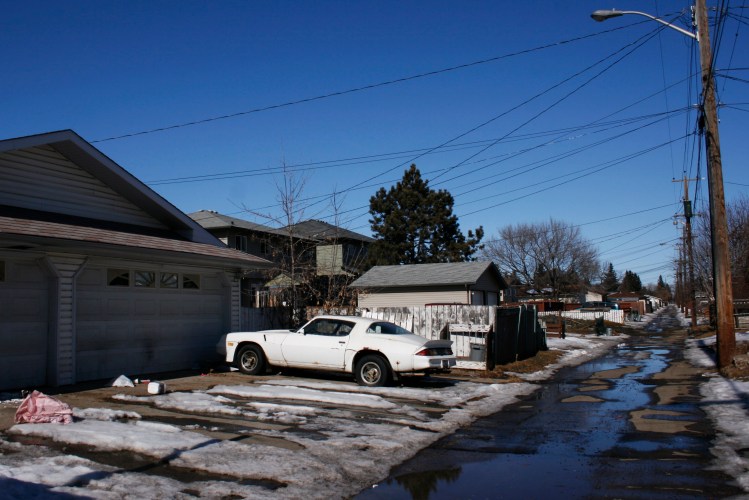
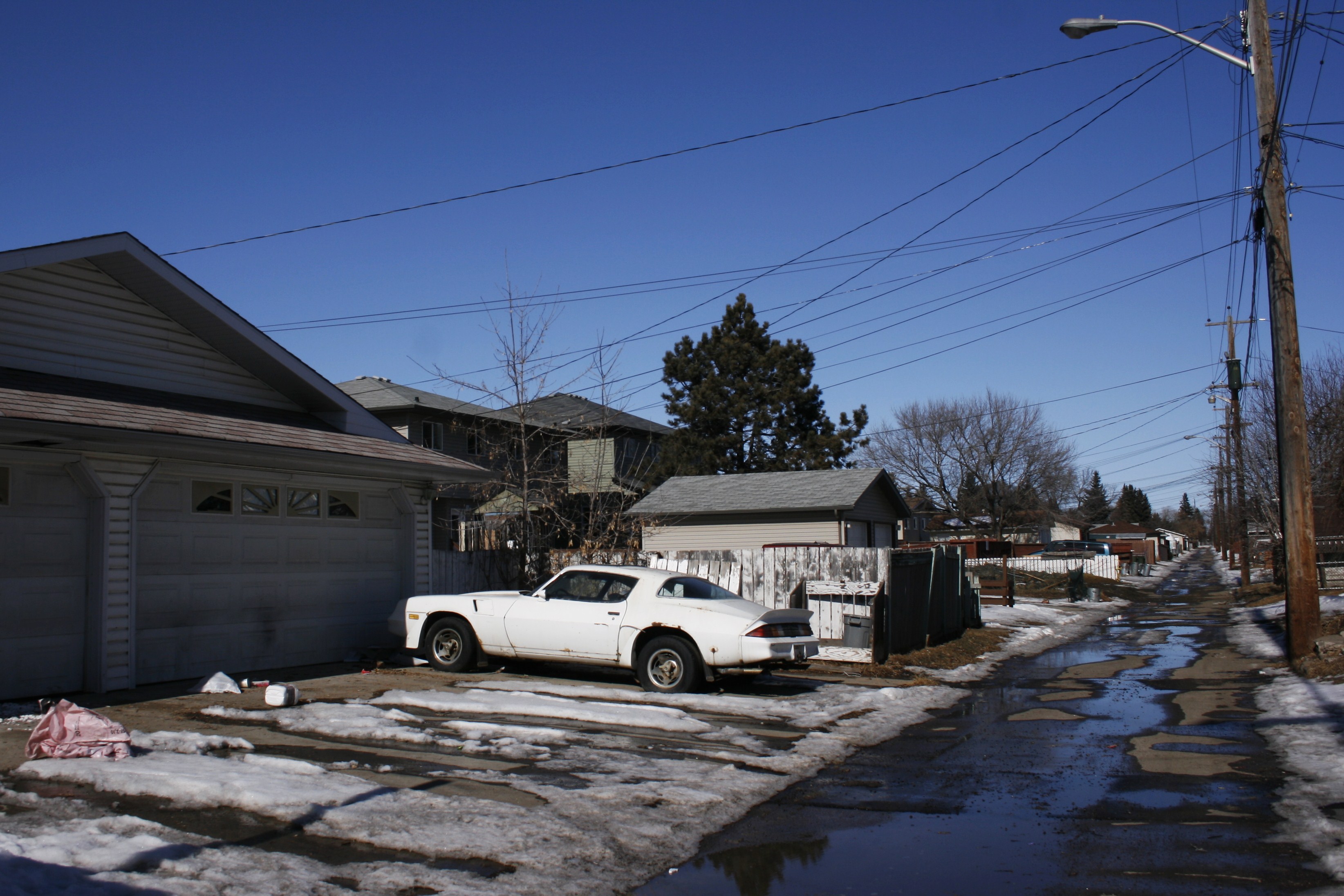
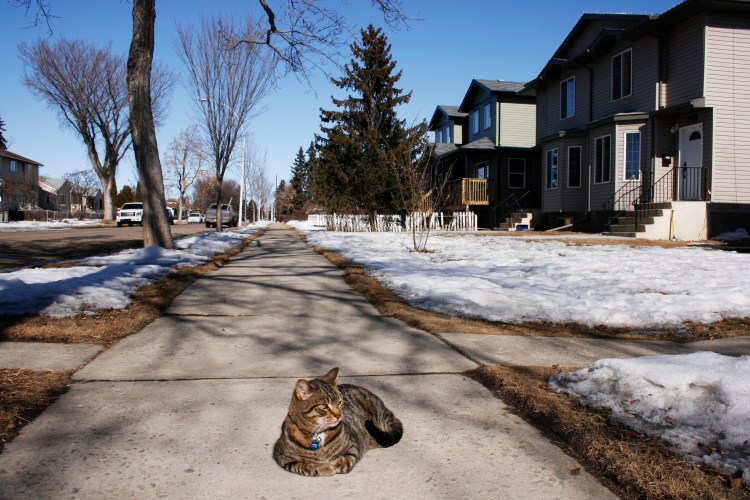
And this is exactly how it is in Edmonton too. The bus took me from the city center, past small industries and then continued on to an area with small, one family houses. I jumped off the bus here, to take a look around. The houses were all built differently, some quite run down, with the paint falling off, while others were really pretty. Some were made of brick, but most were made of wood, and they all had the tiniest piece of a garden in front. I met a cat, lying lazily on the pavement in the sun, but otherwise the area was quite deserted.
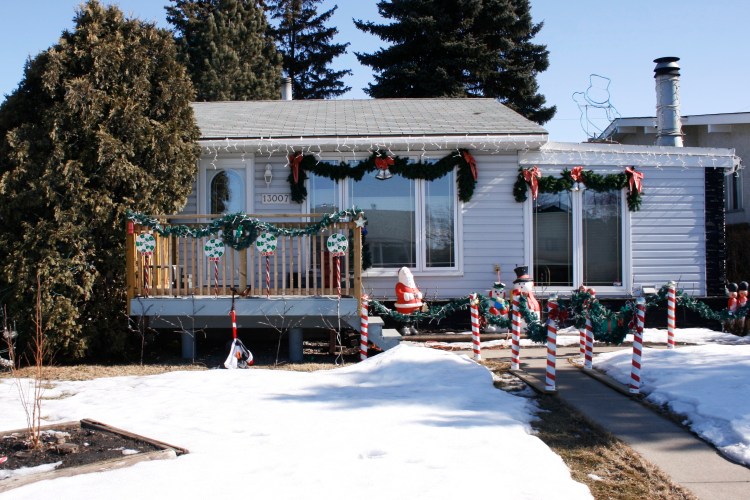
I followed the 151 route on foot, and eventually arrived at a huge supermarket hub, with food stores and gas stations and drive-through restaurants. I bought a Subway veggie sandwich for lunch (it’s amazing, they taste exactly the same as in Sweden. I guess that’s the whole point with these fast food chains – it’s the concept of familiarity) and continued on my mission.
The next stop on the 151 was a newly built suburb. The map I had didn’t have the names of the residencial areas marked out, only the street names. And since the street names in Edmonton are all numbered, they don’t really trigger the imagination. I had been walking on 129,132 and 137 Avenue, from 117 to 127 Street, but here I finally reached a street with a proper name. Cumberland Road cut through the perfect grid system and encircled this neat, fresh, quiet neighbourhood. The houses were built out of wood, so new they seemed to be taken straight from a catalogue, all of them slightly different but still resembling each other so much in form and type that I could hardly tell them apart. Maybe it was only the freshness of the place, but I found the area so lacking in personality that it almost scared me. There were some cars driving through, but no people walking about and there was no trees at all. The houses only barely had space for a couple of potted plants on their front porch, otherwise there was only wide driveways up to wide garage doors. Some houses looked like an ordinary villa, fit for one family, while some were so huge (but still packed snugly inbetween it’s neighbours) they could have fit my entire Finnish family, with uncles and cousins and dogs and all. Still, I think this entire area was made up by single family homes and the residents were supposed to stay indoors, alternately take the car to their outdoor activities.
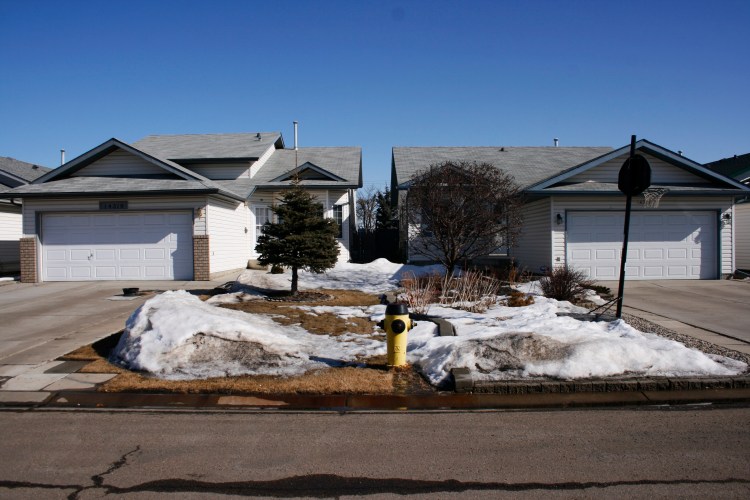
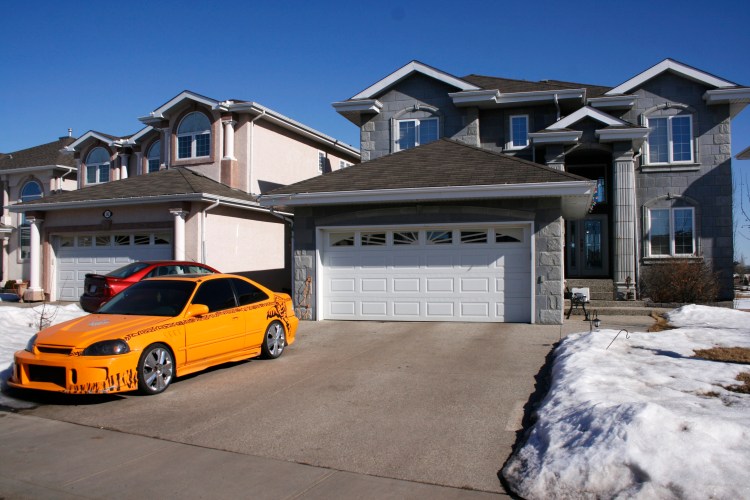
I think that this is the kind of place that is alluded to when American pop culture makes fun of conservative, close-minded Suburbia. It is so different from the suburbs we have in Stockholm, where different areas are separated by forests and outcrops of rock and parks. Of course, Edmonton is in the middle of the prairie where growing trees is quite a tricky business, but still, there was something off with the architecture and planning itself too. This was so obviously built not to inspire, but to show off and be effective. The houses were so big, but still the place felt cramped and it was so large – the houses just went on and on and on and really, I would have prefered to live in one of those small, rundown houses from the first part of my walk than in any of these impersonal giants, any day. Here, there was no room to breathe.

So I left Cumberland Road and continued east, through areas with smaller houses with more personality, bought a few Timbits (doughnutlike rolls that are sold at the Canadian equivalent of Starbuck’s, Tim Horton’s) and then ended up taking the bus at Castle Downs back to the University.
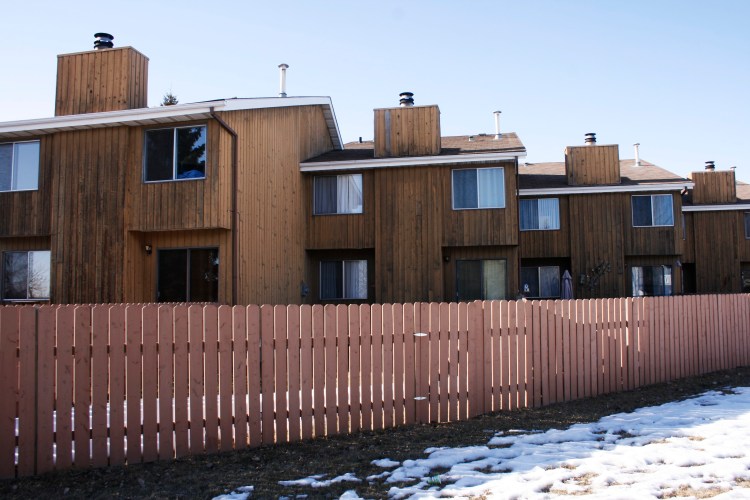
I had a really nice day. The sun was shining, and as long as I kept moving, the characteristic Edmontonian wind didn’t bother me. But it scared me a little, this kind of city planning, and I wonder what kind of people that these suburbs produce. Because, as the geographer I am, I’m convinced that our surroundings, the places where we spend our lives, affect the way we develop as human beings and make up an important part of our personalities. They can both open and limit our way of thinking. I’m afraid that this factory made architecture and large-scale city planning might close up our minds and make us less imaginative. Especially if the our neighbours also resemble us too much. I would never want to live in a place like that. I need space, and trees, and to be surprised.