Swedish ethnobotany (vi)

26

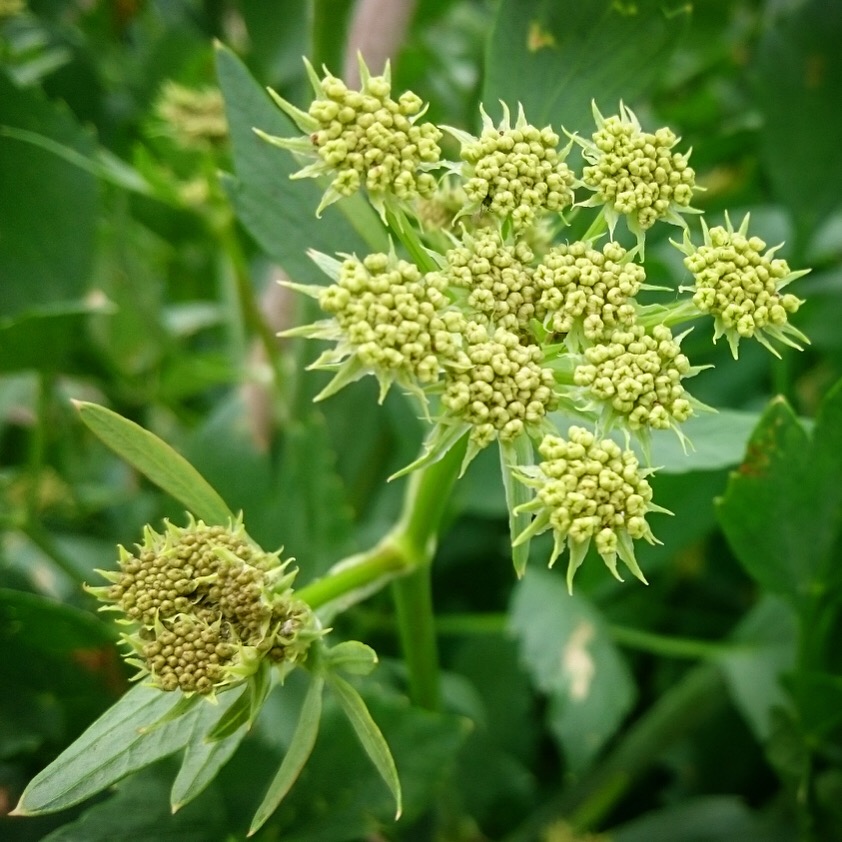
[Lovage / Libbsticka (S) / Levisticum officinale] Lovage was believed to be an aphrodisiac, and was also planted around the house to protect against witches, rats and mice. To this day, it is still used in cooking for its taste-enhancing capacity. For example, it is one of the ingredients in many brands of dried broth cubes.

Photo: Lovage in the herb garden in Bergianska trädgården, June 2016. Posted on Instagram July 3, 2020.

Swedish ethnobotany (v)

25

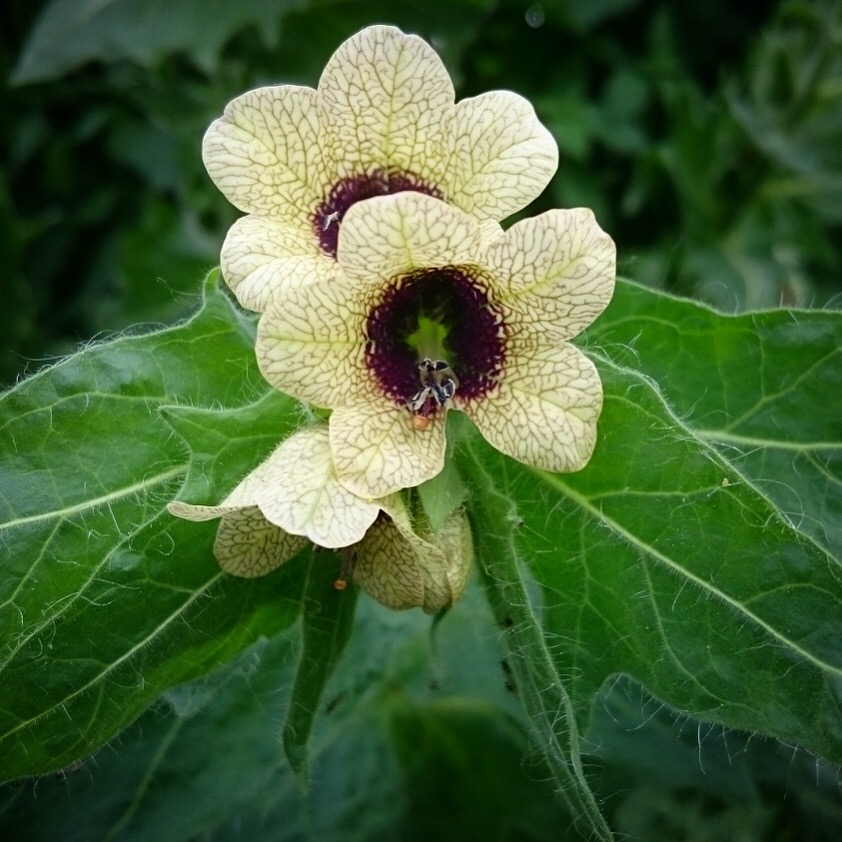
[Henbane / Bolmört (S) / Hyoscyamus niger] Henbane was a witch plant and used during medieval times to poison enemies. It was believed to be used in flying salve that witches put on their brooms before flying to dance with the devil. In small doses, it could also be given to hens, turning them drowsy and quiet, making it possible to steal them without being noticed (which is where the English name comes from). It is a hallucinogen and poisonous.

Photo: Henbane in the herb garden in Bergianska trädgården, June 2016. Posted on Instagram July 3, 2020.

Swedish ethnobotany (iv)

24

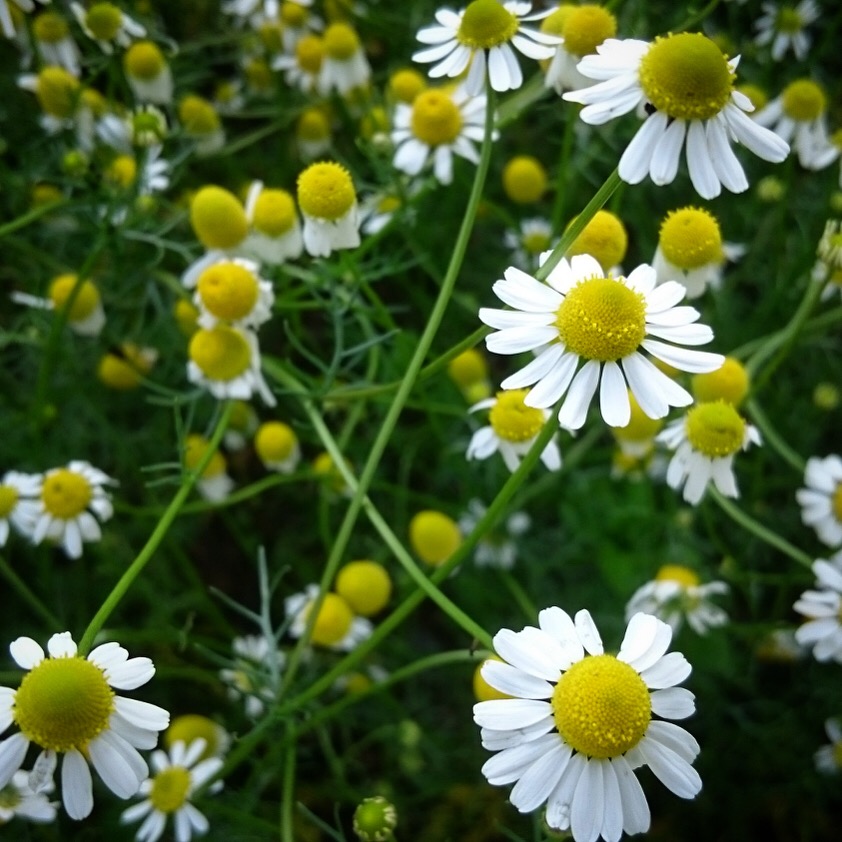
[Chamomile / Kamomill (S) / Matricaria chamomilla] Chamomile was believed to be a heal-all herb. In ancient Egypt, it was dedicated to the sun. It was brought to Sweden, like many other herbs, by monks during the Middle Ages, but is now growing wild in meadows all over the southern half of the country. It was seen as a woman’s herb, believed to be good for mothers. It can relieve pain, is anti-convulsant and calming, and is good to drink in tea.

Photo: Chamomile in the herb garden in Bergianska trädgården, June 2016. Posted on Instagram July 2, 2020.

Swedish ethnobotany (iii)

23

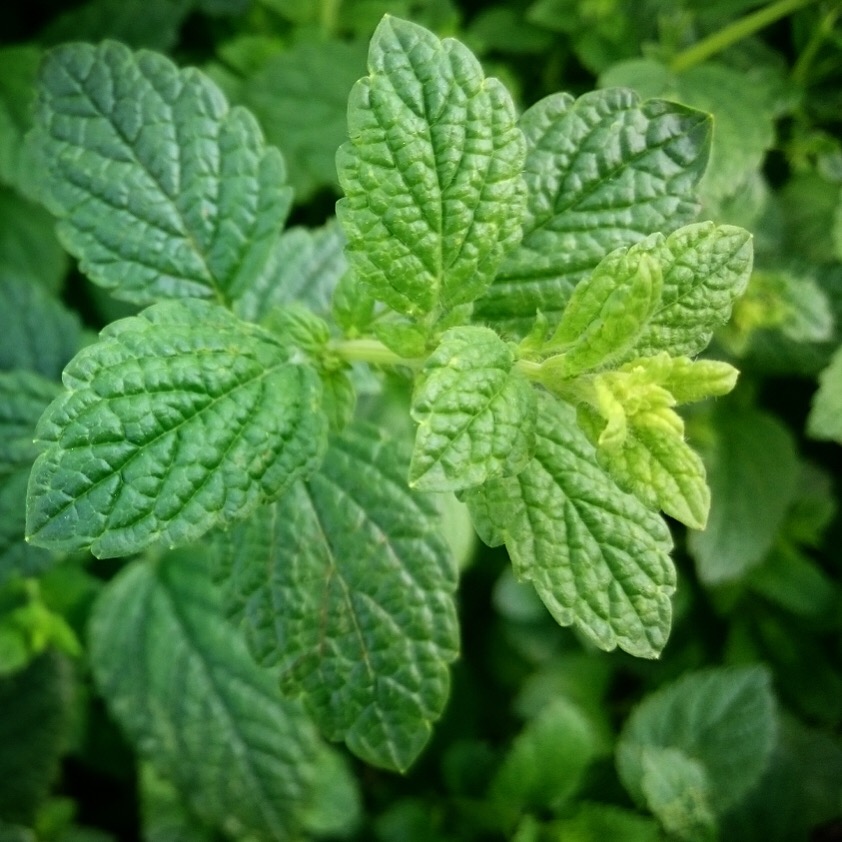
[Lemon balm / Citronmeliss (S) / Melissa officinalis] Lemon balm was believed to protect against illnesses and to keep your body healthy in general. It was also seen as a love herb – if wine was spiced with lemon balm and then given to your loved one, it would evoke love in them. It has a calming, relaxing effect.

Photo: Lemon balm in the herb garden in Bergianska trädgården, June 2016. Posted on Instagram July 2, 2020.

Swedish ethnobotany (ii)

22

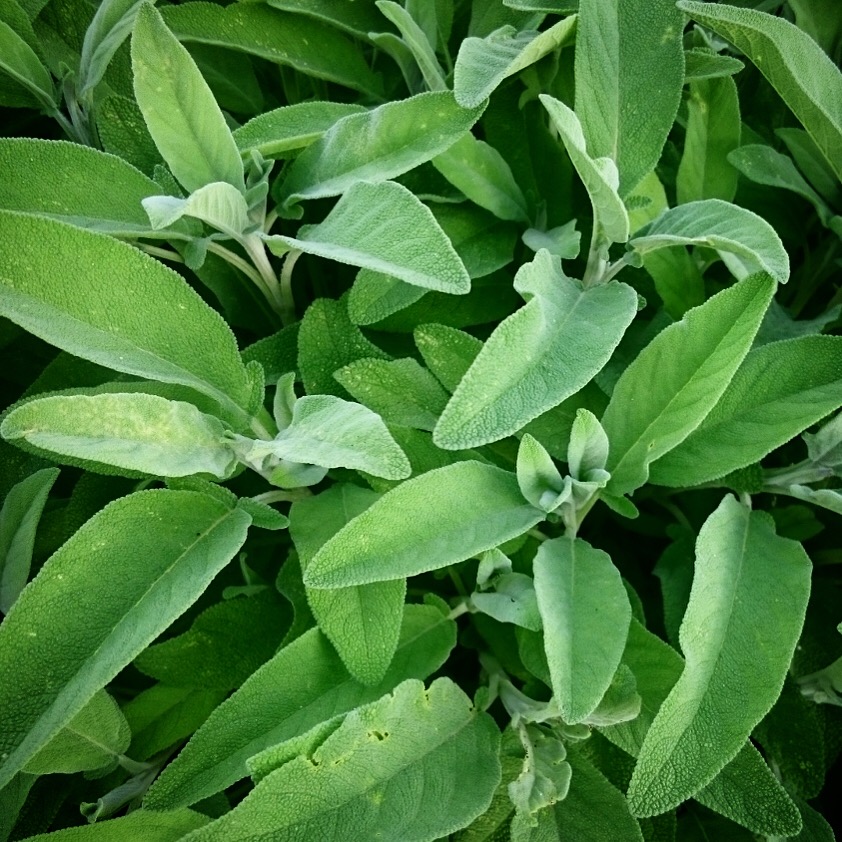
[Common sage / Kryddsalvia (S) / Salvia officinalis] In the past, sage was believed to be one of the most potent herbs. It was dried and put into small bags that could be hung over the bed or put into the mattress, or turned into incense, and it would protect you and your home from bad spirits. It is good against colds, but just as with thyme, it should be avoided by pregnant women.

Photo: Common sage in the herb garden in Bergianska trädgården, June 2016. Posted on Instagram July 1, 2020.

Swedish ethnobotany (i)

21

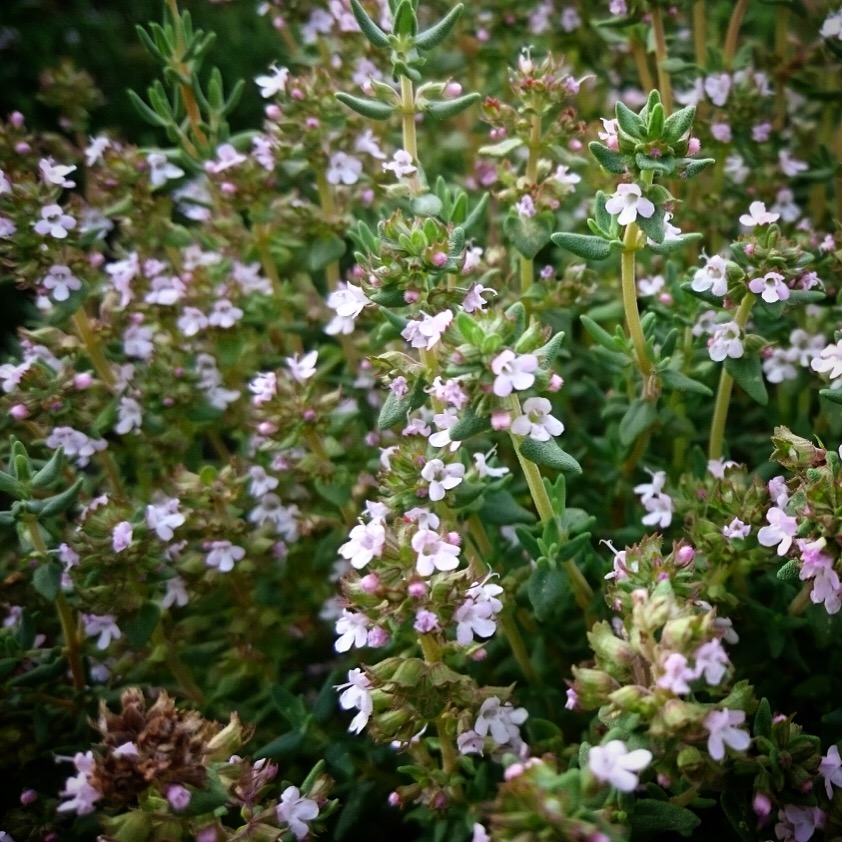
[Garden thyme / Kryddtimjan (S) / Thymus vulgaris] Many herbs came to Sweden through monks from the European continent, and were first grown in monastery gardens, before spreading to the general public. So is the case with thyme, originally coming from the Mediterranean. Thyme was believed to give strength and courage, for example when using it to spice wine or putting in poultices. Young women would stitch a branch of thyme into a scarf and give to their loved one before he started his journey to Jerusalem during the crusades. It was also the herb of fertility goddesses, like Aphrodite, Freya or Virgin Mary, and having it in the bed when giving birth would protect both mother and child from any evil. It is antiseptic and good against colds, but can be harmful to fetuses and shouldn’t be consumed when pregnant.

Photo: Garden thyme in the herb garden in Bergianska trädgården, June 2016. Posted on Instagram July 1, 2020.

Swedish ethnobotany (intro)

20

The Bergius botanic garden in Stockholm has very knowledgeable and passionate staff, who regularly organize topical guided tours in the garden. These days, those tours have all been postponed, so I choose to reminisce, while waiting for organized non-virtual edification to start up again. Some years ago, a couple of days before Midsummer, I went to a tour of the herb garden titled “Magical Midsummer”. It was a wonderful way to get a history lesson, walking around in the garden and hearing about the powers people at different times have thought certain plants possess. Particularly fitting was to have this tour on the day of the summer solstice, because traditionally people believed that Midsummer was a particularly magical time when the potency of these plants was at its highest. And there is something to that, as the botanist and gardener holding the tour explained. Midsummer is usually the peak of flowering season for most herbs, meaning that the active substances in them are at their strongest.

Photo: The herb garden in Bergianska trädgården, Stockholm, June 2019. Posted on Instagram July 1, 2020.

silence

19

It’s been a while. Not because anything in particular happened. During a spring and summer like this, things happening could definitely be a possibility. Expected, even. But no. For me, age seems to come with an ever-growing deficiency of prompt follow-through. A new exciting idea must have distracted me. I have been busy with home-based projects. Building stuff, planting, sowing and weeding. Designing, knitting and crocheting new things to wear. Making lists of things to do. Of course, in addition to working (a little too little) on my thesis. I’ve only been to the office twice since the beginning of March. On one of those visits, I took the chance to stroll through the botanic garden. It was in full June bloom.

Photo: Bergianska trädgården, Stockholm, June 2020. Posted on Instagram June 30, 2020.

Glasgow (i)

18

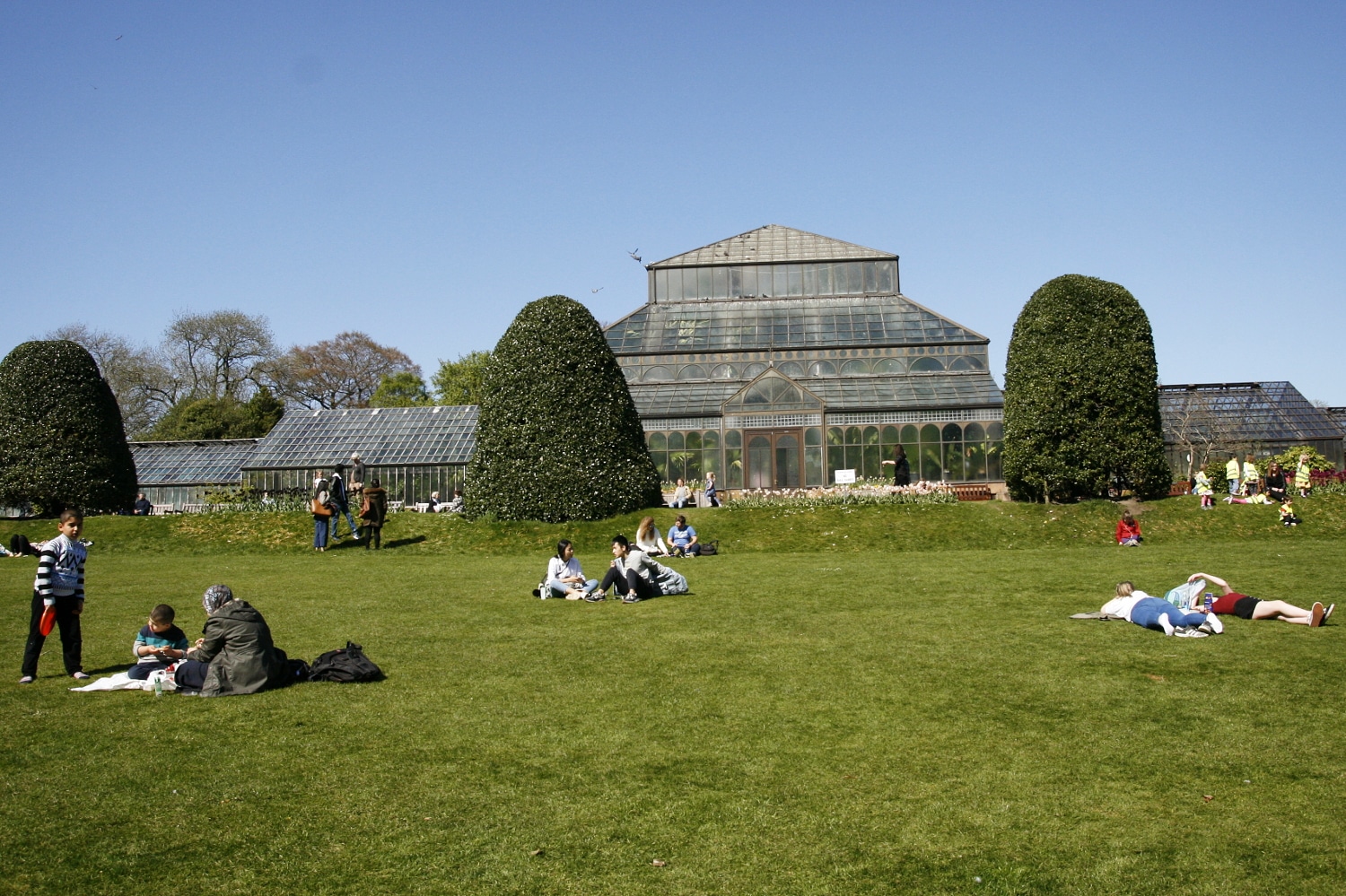
Glasgow Botanic Gardens have ha familial feel to them. As if, first, it’s a place where Glaswegians come to spend time together, on the lawns or on the benches that are placed everywhere. Second, it’s a botanic garden. So when I say I LOVE IT, I mean it for different reasons than for Edinburgh, or Kew, or Phoenix. The Glasgow garden is friendly, just like the city, and there’s an approachability.

Photo: Glasgow Botanic Gardens, Scotland, May 2017. Posted on Instagram May 1, 2020.

Bergius (iii)

17

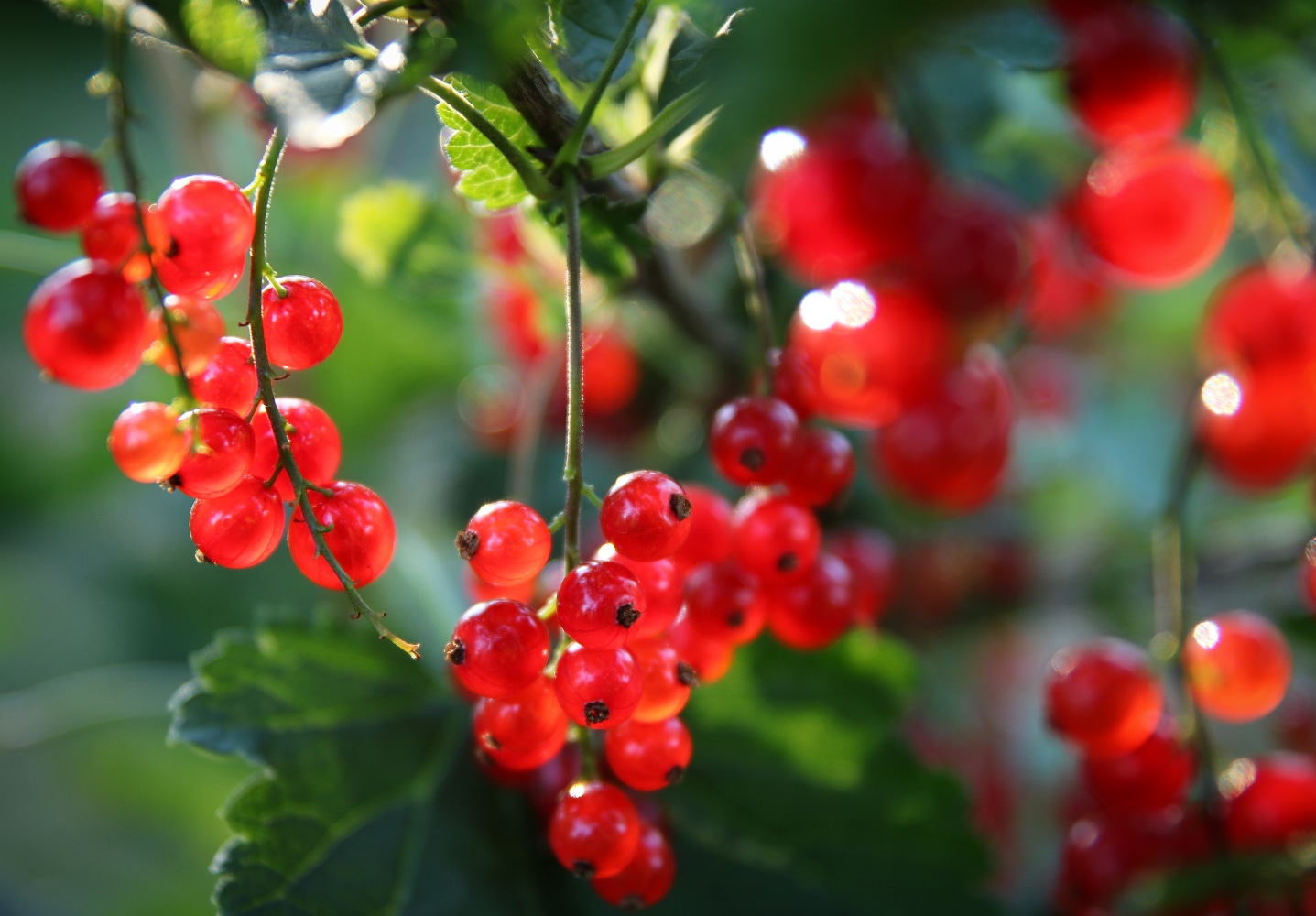
The separation of the “wild” and the “unnatural” has a long history, but became all the rage among the nineteenth century naturalists and conservationists. This is also a time when many botanic gardens where established, which is why I think it is so rare to find sections with cultivated, non-ornamental plants in botanic gardens. But by leaving these species out, a really important part of ecology education gets lots. The thousands of years of biodiversity development driven by human need and ingenuity, a diversity that is now fast being lost to agricultural monocultures. Botanic gardens are places where biocultural diversity could be celebrated and taught, but that is an opportunity and calling that many botanic gardens have missed. In Bergius botanic garden, though, there are tens of different varieties of strawberries, currants, apples, kale, tomatoes, potatoes, herbs. I think it is wonderful, what they have done in the orchards, vegetable and herb gardens. Stockholm University really has a botanic garden to be proud of.

Photo: Red currants in Bergianska trädgården, Stockholm, July 2018. Posted on Instagram April 29, 2020.