Vienna (i)

37

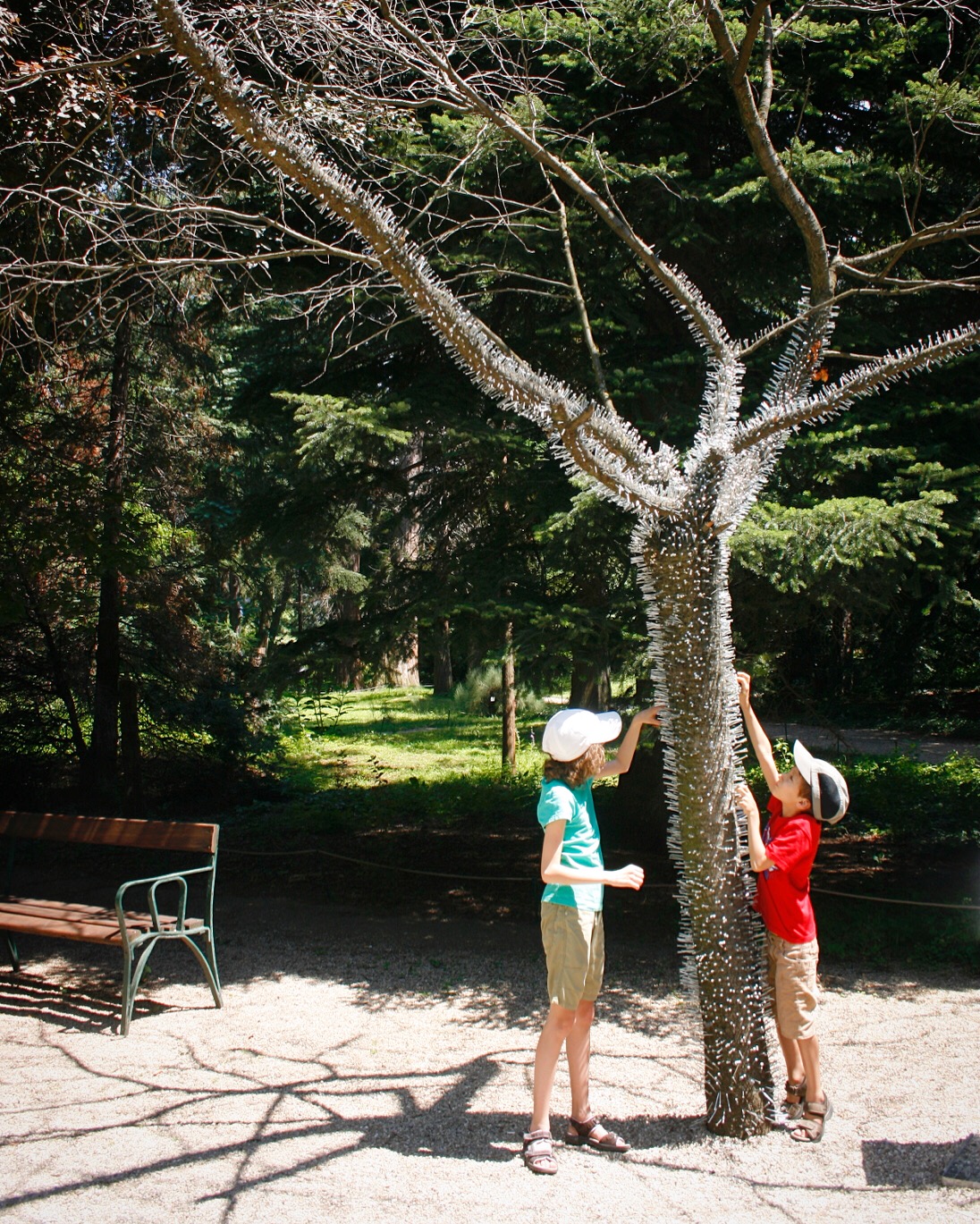
I have a fuzzy memory of reading that every nail in this tree in the Botanic Garden of the University of Vienna was nailed there by different writers, as good luck or inspiration. But I can’t find my notes from that day. So, I might just have made it up. Still, it was pretty cool: the porcupine tree. The botanic garden is literally just next door to the Belvedere garden. The Belvedere palace is an impressive art museum, among others displaying “The Kiss” by Gustav Klimt. Naturally, this is a top destination for visitors to Vienna, and its open, symmetrical French-style garden was busy on the sunny July day in 2013 when I visited. But few seemed to find their way through the inconspicuous gate in the fence between the gardens. In the quiet and shade of the botanic garden, the plants and trees had been allowed to grow freely. Almost too freely. The garden felt like a place that had been left to take care of itself. Barely visible in the lushness of the overgrown flowerbeds, lively shrubs and trees, people were sitting on benches, eating lunch and talking. It didn’t impress me, the garden. Still, it was nice to walk around there, in the shade from the big trees, such a huge contrast from the completely open, boastful discipline of the Belvedere.

Photo: Botanischer Garten der Universität Wien, Austria, July 2013. Posted on Instagram July 15, 2020.
Göttingen (i)

36

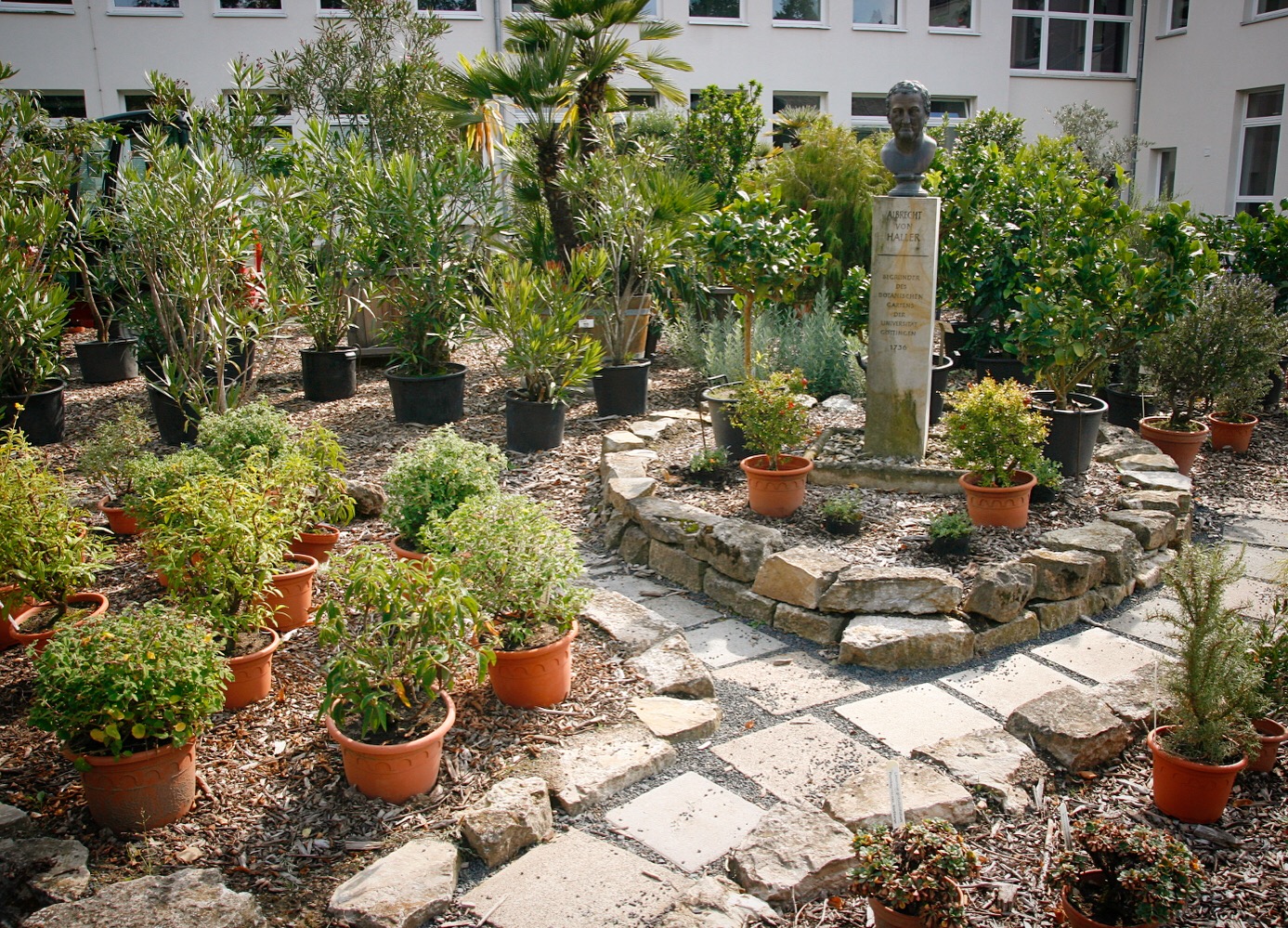
Göttingen has three botanic gardens: the historic one in the city center and two others, situated outside the city close to one of the university campuses. When I visited in 2017, my friend Esther told me that the university doesn’t want to manage the old garden, since no research to speak of is conducted there any longer – instead, it wants the city to take over the management of it. Arguing that it’s a historic landmark. However, the city is reluctant to take over. Getting back to my recent musings of nature words and fostering feelings of care for the ecosystems of Earth, this got me thinking. A botanic garden is also a place to educate people about botany and ecology. Especially one as beautiful as the old botanic garden in Göttingen holds the potential to both inspire and educate. Most cities fund museums, there to educate  about history, art and technology. A botanic garden is an outdoor museum, and therefore part of a city’s mission to offer opportunities for learning. I haven’t been back to Göttingen since, so I don’t know what happened with the management. But I really hope the historic garden is being taken care of as lovingly as when I visited. It was a truly beautiful place.

Photo: Alter Botanischer Garten in Göttingen, Germany, September 2017. Posted on Instagram July 12, 2020.

Zürich (i)

35

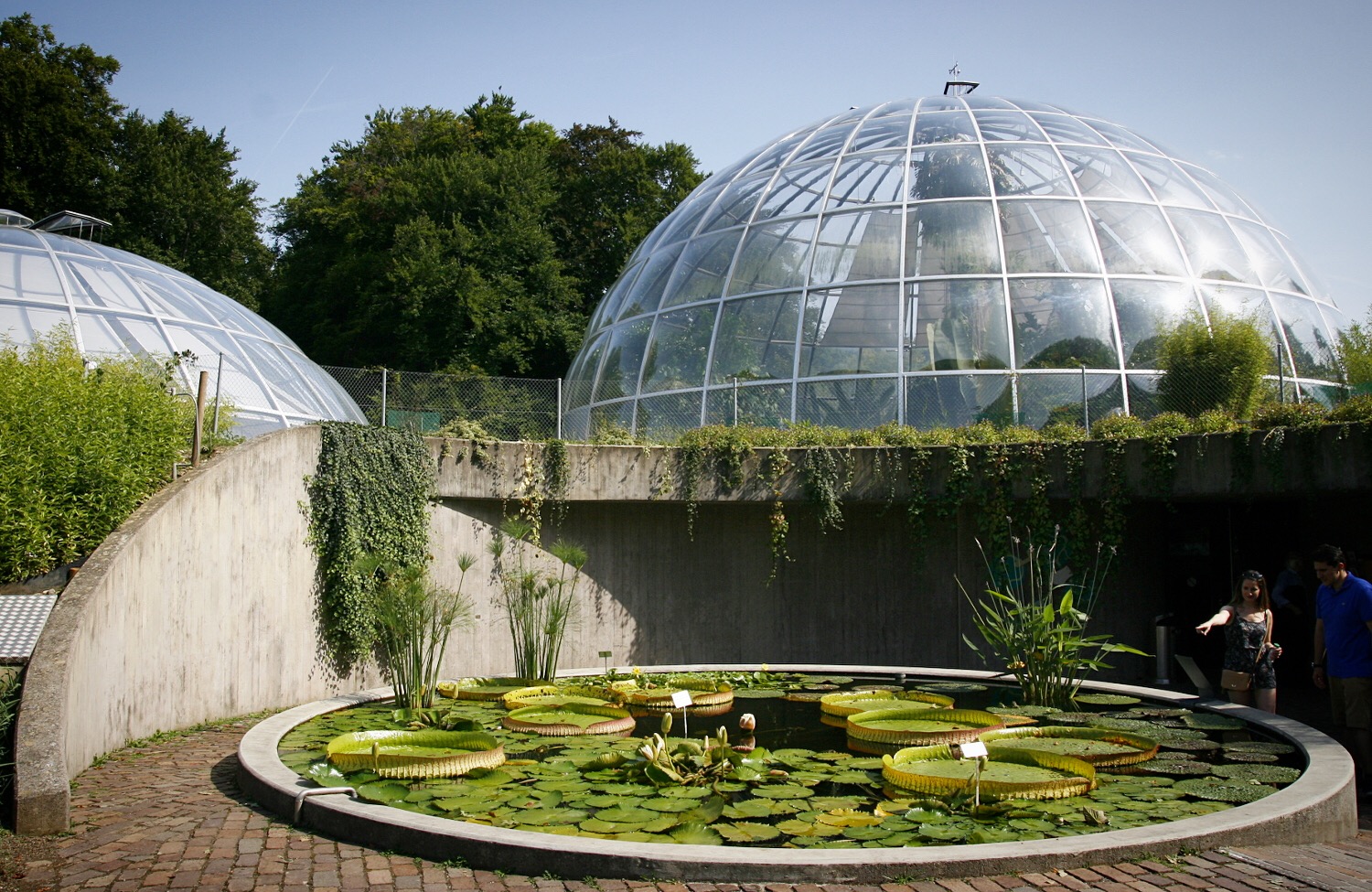
I think the botanic garden in Zürich is a good place to learn care. It is small, but well kept, with winding trails across the hills and through the groves of beeches and lime-trees. The dome-shaped greenhouses were both architecturally interesting and intensely lush inside. A really nice hidden corner of Zürich. Yet another commendable botanic garden to expand the parts of the world I care about.

Photo: The spherical greenhouses in Botanischer Garten der Universität Zürich, Switzerland, August 2017. Posted on Instagram July 11, 2020.

words of botany (i & ii)

33 & 34

I’ve been trying to figure it out. Where this interest comes from. My obsession with botanic gardens. I’d like to say there’s something profound about it – but maybe it’s just a type of collection. I come from a family of collectors, list-makers and chroniclers. I tick gardens off my list and I write about them. That simple satisfaction. But I’m not sure. Maybe there’s something more. Like this thing about naming. I’ve read a couple of articles lately about how people are losing their literacy of nature. Words to name species and landscape features are disappearing from dictionaries and people’s vocabularies. I read an article by George Monbiot about the significance of words – that we construct our world with language and that how and what we choose to name limits what we care and can take action for.

I believe in the magic of words. I believe that most people care deeply – but that care mainly arises for things we know and have experienced. A nameless tree in the temperate rain forests of the Pacific Northwest or an anonymous succulent in the Atacama desert might be too abstract  for many people to take action for. And this is where the botanic gardens can come in. A place to learn the names of exotic and strange species, be seduced by their colors and sense their scents in the air. Experiences that can inspire a little bit more care for faraway ecosystems in people who otherwise would be obliviously disconnected from them. Maybe.

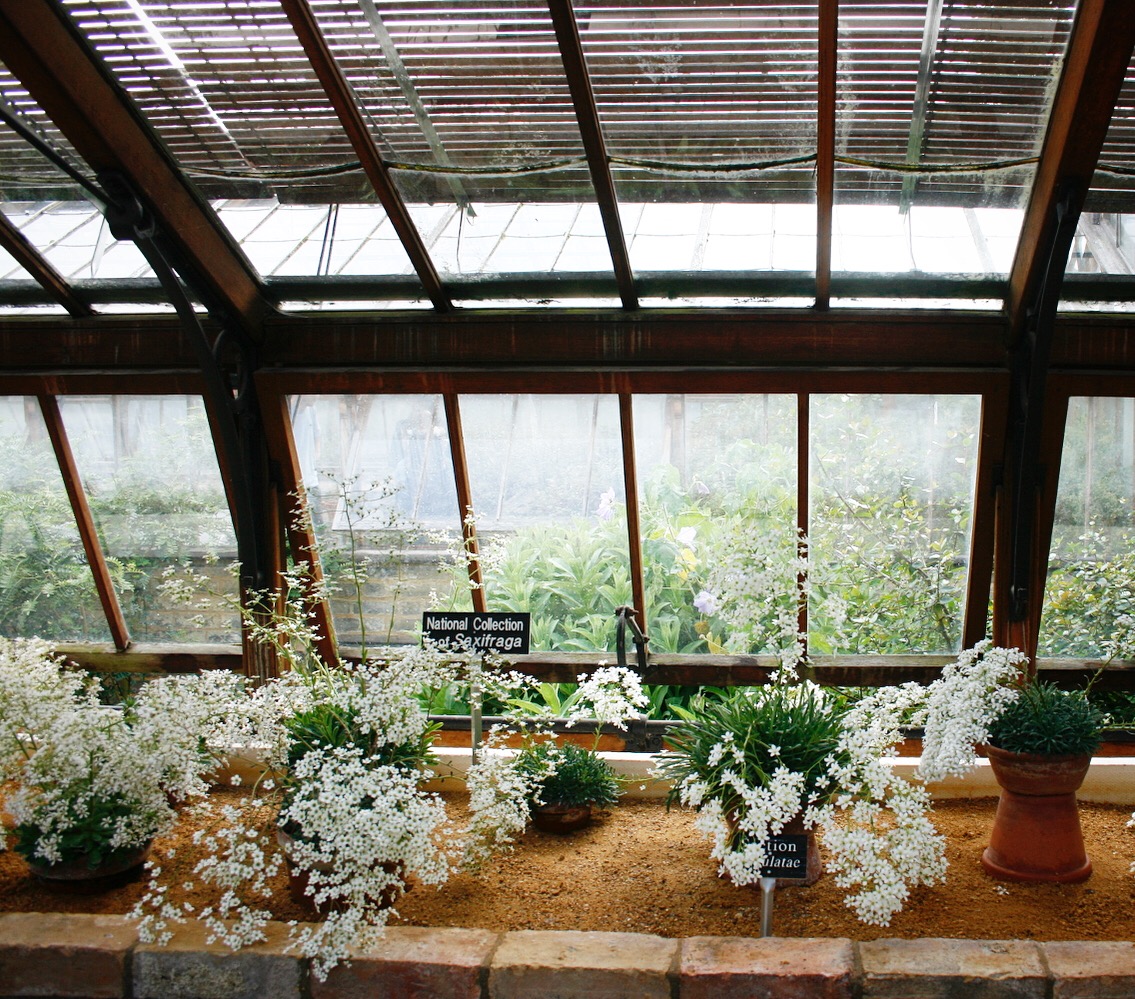
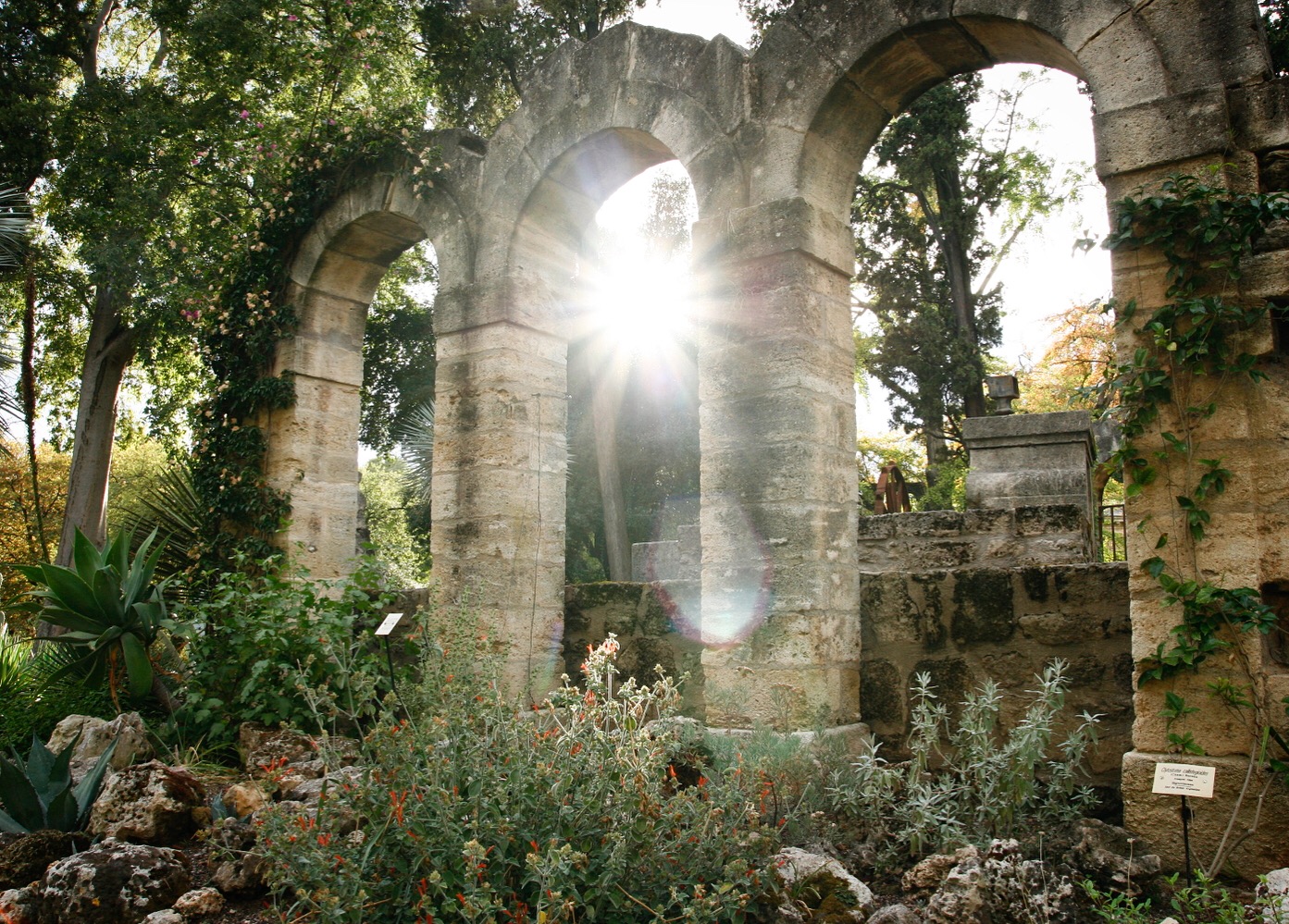
Photo: 1. Saxifraga collection in a greenhouse in Cambridge University Botanic Garden, England, June 2013. 2. My friend Maija in one of the greenhouses in Kew Royal Botanic Gardens, London, June 2013. Posted on Instagram July 10, 2020.

Cambridge (i)

32

It’s midsummer’s eve 2013 and I’m sitting in a little hidden corner of the limestone garden in the Cambridge University Botanic Garden, a bench with a seat shaped like a half circle, sheltered by high rock walls covered in purple flowers on three sides. The bees seem to love the purple flowers, because the air is filled with the hum of their wings. The sun is shining behind a thin veil of clouds and the temperature is of that pressing kind, like as if it’s awaiting thunder. Abbie, the friend I’m visiting in Cambridge, told me yesterday that this feeling is common here, but that the thunder never comes. Must be tiring, the constant wait for a release that never comes. It is calm here, in the garden. Birds are singing and the grass is still a little wet from the rain earlier today. There’s just something about this place. When it comes to gardens, the British do know what they are doing.

Photo: Cambridge University Botanic Garden, England, June 2013. Posted on Instagram July 9, 2020.

balcony gardening (ii)

31

From the notebook, late May: “Opening the balcony door this morning, I founda a thin layer of a cream-colored dust on the leaves of the tomato plants. It stuck to my bare feet, felt like flour between my toes. And looking up, at the crown of the pine, my tree friend, eating spot for squirrels and the marauding blue tit, a sudden gust of morning breeze caught a cream-colored cloud from the pine flowers. A haze in my eyes. A surprised giggle from my lips at the thought, reminiscent of the teenager I never really was, that I’m breathing in pine tree spunk.”

Photo: A cone from another pine tree, in Kew Royal Botanic Gardens, London, June 2013. Posted on Instagram July 8, 2020.

Montpellier (i)

30

Narrow streets and cheese are definitely some of the most enjoyable things with Montpellier – but, not surprisingly, what I liked the most about this university town when I visited in 2016 was the botanic garden. Jardin des Plantes was established in 1593, making it the oldest botanic garden in France. It is a green oasis in the otherwise quite vegetation-poor inner city. Not very big, but lush, intimate, full of hidden paths and benches to sit and enjoy the greenery from, small architectural details perfectly blending in with the vegetation. Romantic.

Photo: Jardin des Plantes de Montpellier, France, September 2016. Posted on Instagram July 7, 2020.

balcony gardening (i)

29

For the first time in my life, I live in a home where I alone am responsible. To be honest, I think it has gone to my head. All the possibilities for making stuff!

Included in this home is a balcony. In March, I started planting seeds. And I got so excited, I might have gone a bit overboard with the planting. Because, seedlings grow into plants. And suddenly, you can’t fit into your own balcony. But then, in mid-spring, I started getting visits from a blue tit. At first, I saw it from my kitchen window while drinking my morning tea. It landed on the espalier I had built from scrap pieces of wood, its blue feathers contrasting so beautifully with the rust-red paint. And I thought: How lovely! Small birds can also enjoy my balcony. But then I saw what it was there to do. It jumped from the espalier to my tomato plants, and started peeling off the skin of the stems. Long segments of fibre, peeled right off. And from the tomato plants, it flew on to the sage, starting to bite off pieces of the stems of the leaves. Not the leaves themselves! The stems, effectively leaving the leaves to slowly shrivel up from reduced water circulation. I had to go out on the balcony to scare it away.

But the next morning, it was there again, peeling off skin from my balcony plants. The marauding blue tit. Probably collecting fibers for its nest. It became a morning ritual, standing in the kitchen window, looking for the bird to appear – trying to prevent it from piece by piece peeling away at my home-owner’s omnipotence. 

By early June, the marauding blue tit stopped coming by. I guess it was done building its nest. And my tomato plants survived. Their stems are a bit crooked and thicker in the places that were peeled, but they still started flowering and are now heavy with green baby tomatoes. So things worked out. And I have a new balcony frenemy.

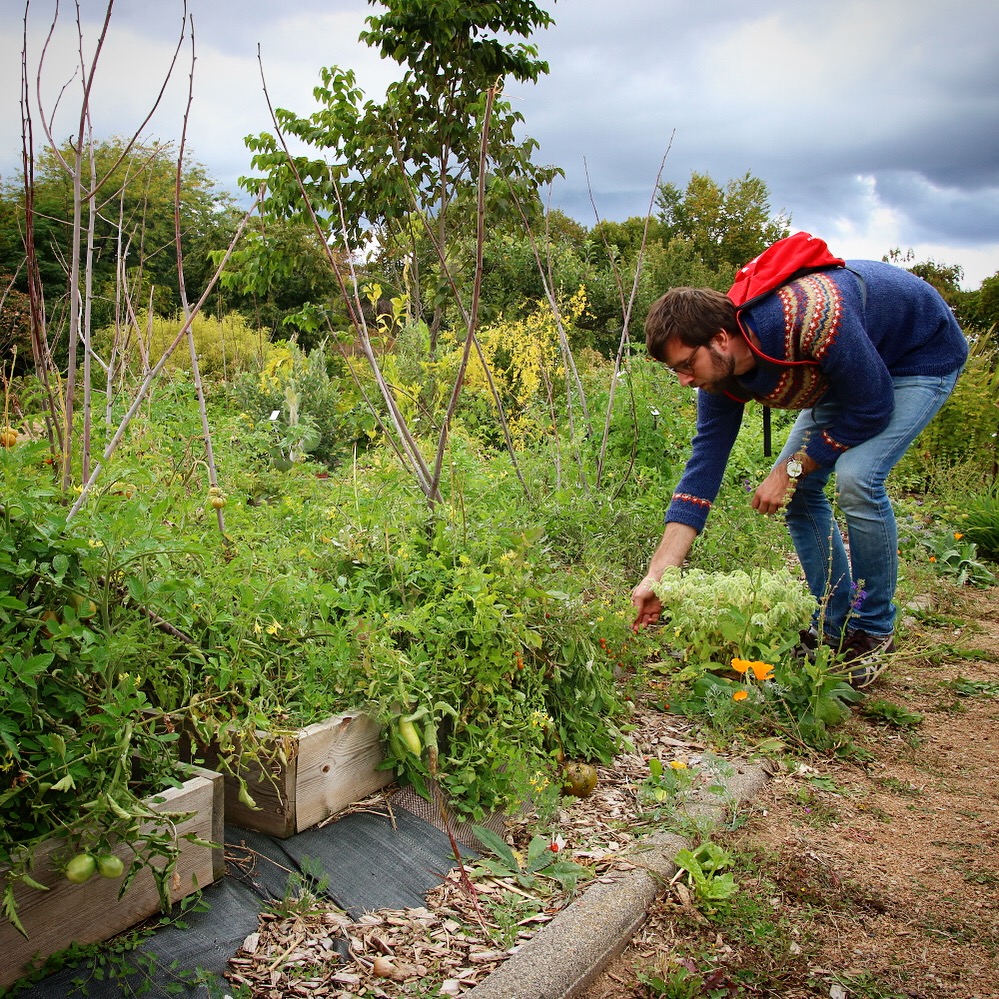
Photo: My friend David (in a lovely jumper made by me) picking tiny berry tomatoes in Jardin botanique de la Charme in Clermont-Ferrand, France, October 2018. Posted on Instagram July 6, 2020.

Swedish ethnobotany (viii)

28

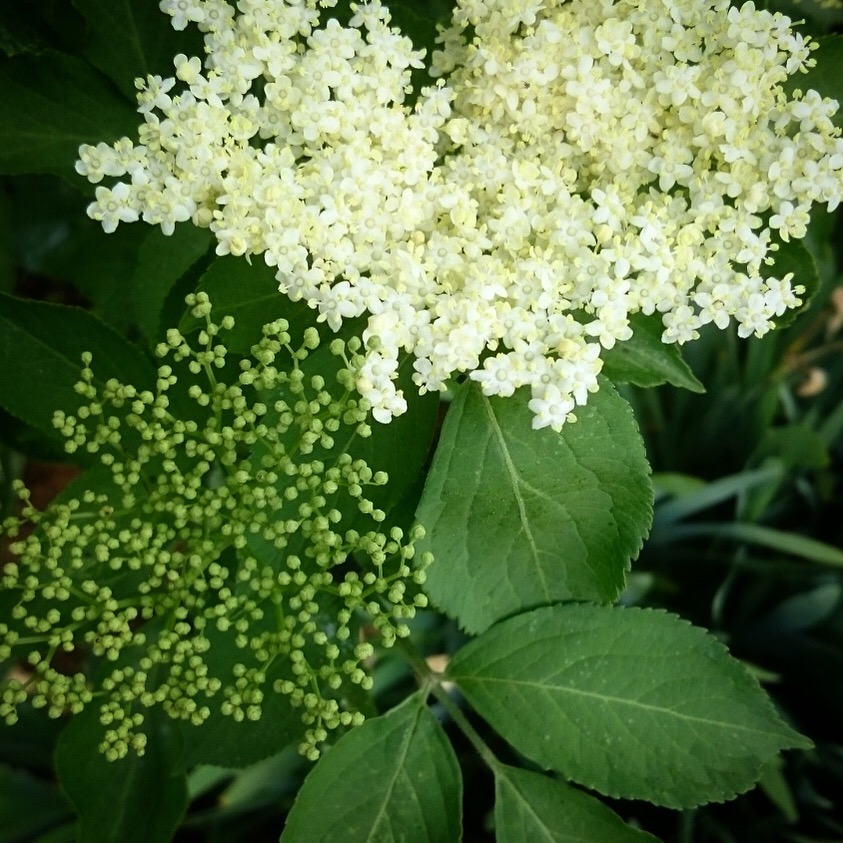
[Elder / Fläder (S) / Sambucus nigra] Elder was Freya’s (Nordic tradition) and Holda’s (Germanic tradition) plant, and it was the protective tree of households and women’s crafts. It guarded against witches and other evil magic, and was often planted around the house for protection – although the potency of the tree became strongest if it was allowed to self-germinate. However, one should be careful, because killing the protective elder of a house could lead to a family member dying, and even when harvesting flowers or berries one had to offer something to the spirit of the tree in return. In addition to protecting the family of a house, it also protected the animals, and the leaves could be put under the saddle of a horse to scare off harmful insects. Elder flowers and berries can be made into juice (delicious!!), and tea made from the berries can also help when you have a cold by increasing perspiration and urination.

Photo: Elder flowers in the herb garden in Bergianska trädgården, June 2016. Posted on Instagram July 5, 2020.

Swedish ethnobotany (vii)

27

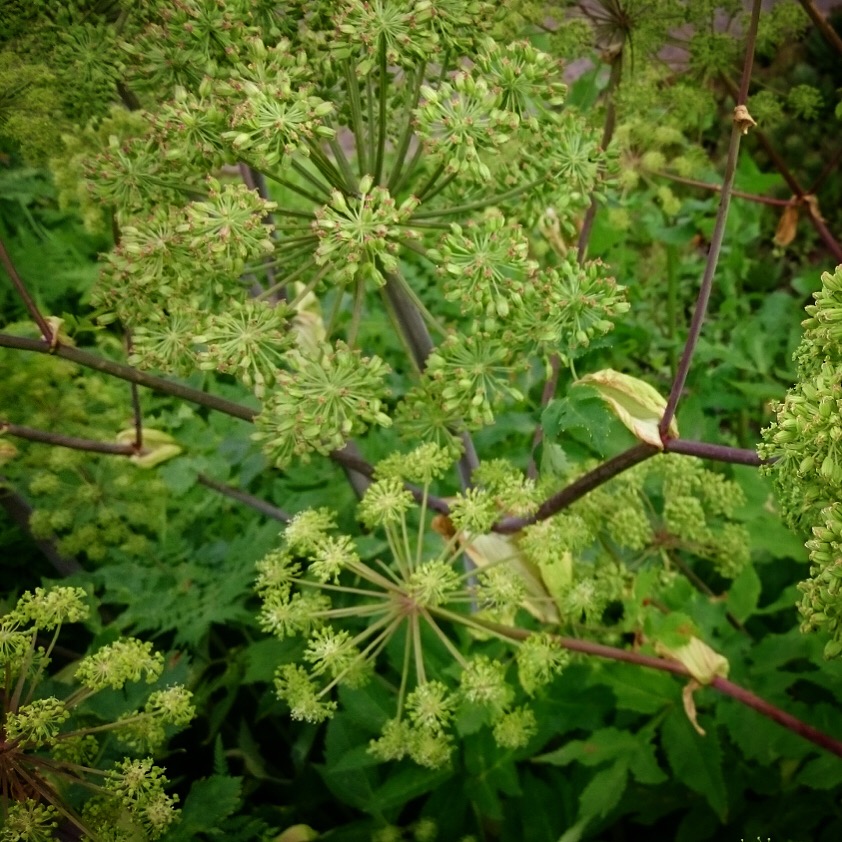
[Norwegian angelica / Fjällkvanne (S) / Angelica archangelica] The story tells that during the Black Plague in medieval Europe, a monk in a Swedish monastery had a dream. In this dream, an archangel came to him and said that the Norwegian angelica wards off all evil, and that he should use it to cure the plague. It is one of the few medicinal plants that originates from Scandinavia and was exported to continental Europe, mainly during the Middle Ages when the dried and pulverized roots of the angelica were believed to cure the plague. It was also believed to protect against other, more supernatural evils. It grows wild in many parts of Scandinavia, and is still used to flavor some foods and alcoholic drinks.

Photo: Norwegian angelica in the herb garden in Bergianska trädgården, June 2016. Posted on Instagram July 4, 2020.