Chapter 258: My new best friend, the dog

June and July: The dogs at Time Out Farms got me warmed up, but it was the four dogs at Duckworth Farm that finalized my total change of heart. Especially the beautiful little lady dog Troubles.
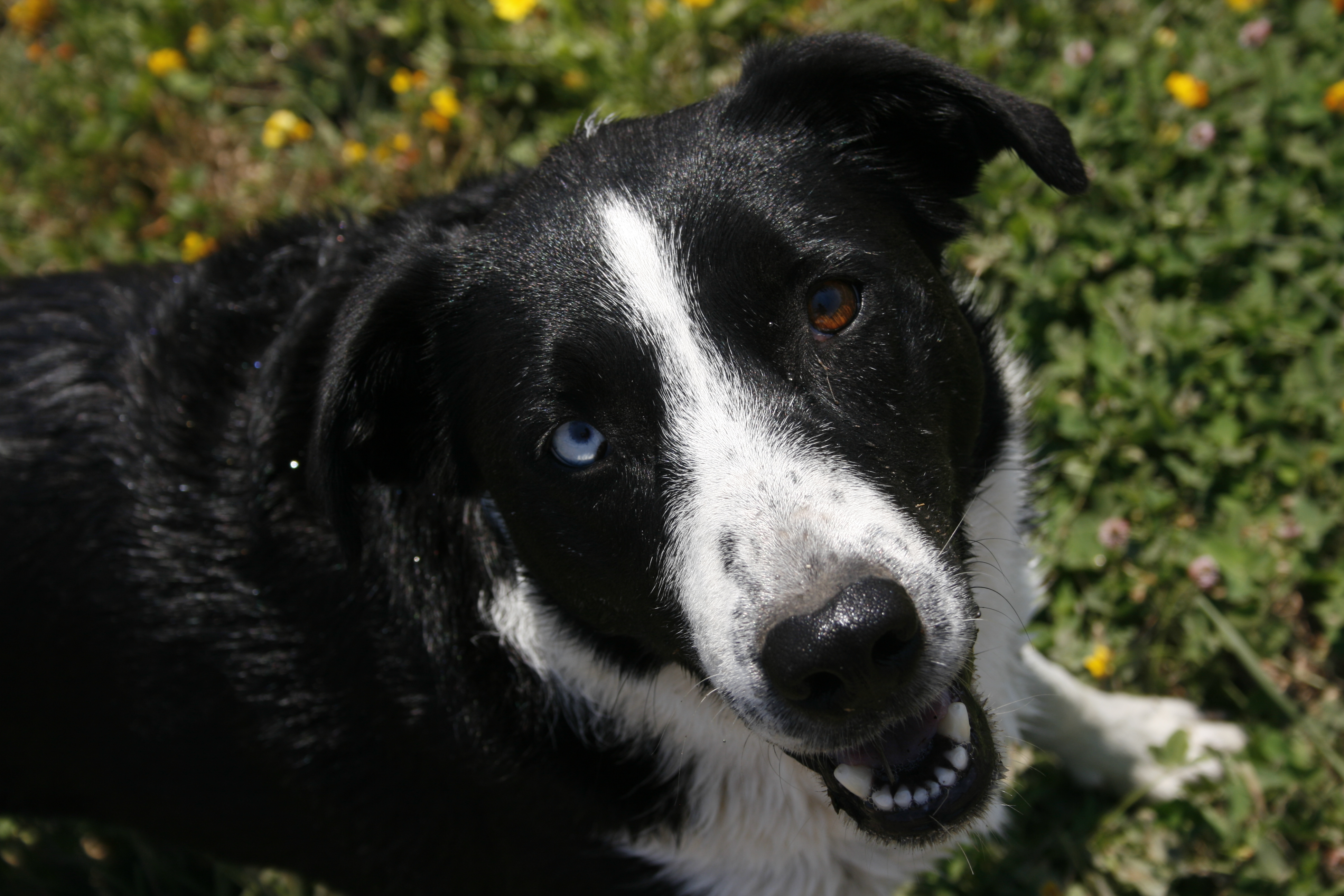
 

I’ve never really had anything against dogs, I’ve just always prefered horses. I felt that they had so much more integrity, and seeing as that is something I have a need for myself too, I just felt more connected with horses. But living so close with dogs during my months at the farms has made me see the strength in these small, tail wagging creatures. Not that my regard for horses has weakened, they have just had to share that elevated position with the dogs now. Dogs are so honest and happy, and their love is so pure. They don’t care about all those petty things that are so important for humans. As long as you are nice to the dog, play with it and scratch it behind its ears, it will love you and be happy to see you.
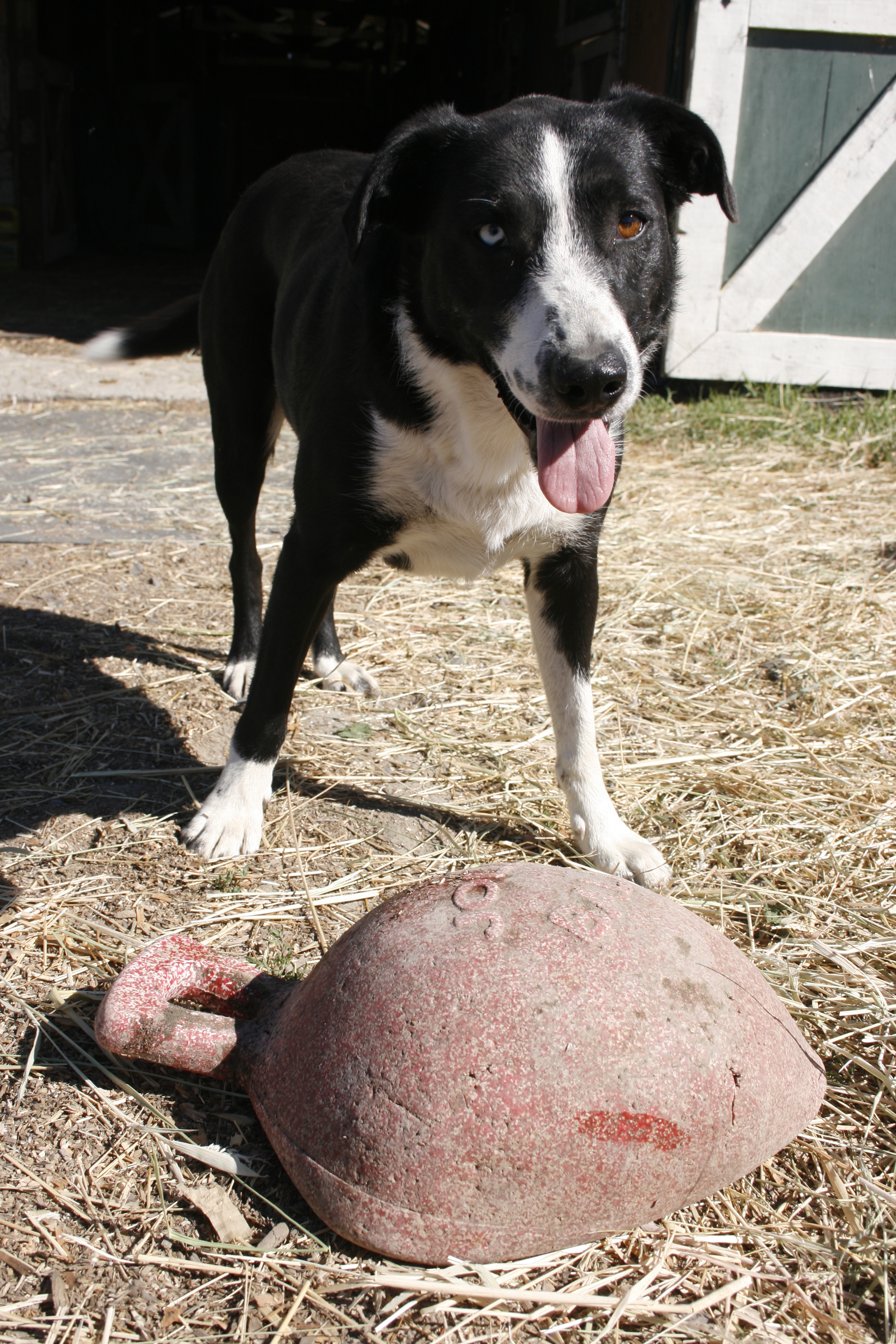
And Troubles, she was the most considerate and sweet dog I’ve ever met. She loved playing catch, she carried sticks or this horse toy around and would drop it at my feet whenever she found me standing idly somewhere. And she never got tired of running after those sticks and balls. She also loved swimming, and often jumped into the pond when we were there. Even when I was weeding in the blueberry field, she would run up to me and drop a stick by my feet, or just sit down right next to me and lean into me so that I just had to start cuddle her. Oh, I miss her bubbling elation and happiness. When winter comes, god knows I may be in dire need of some of that energy when the sun never rises and the exams and papers are weighing me down.
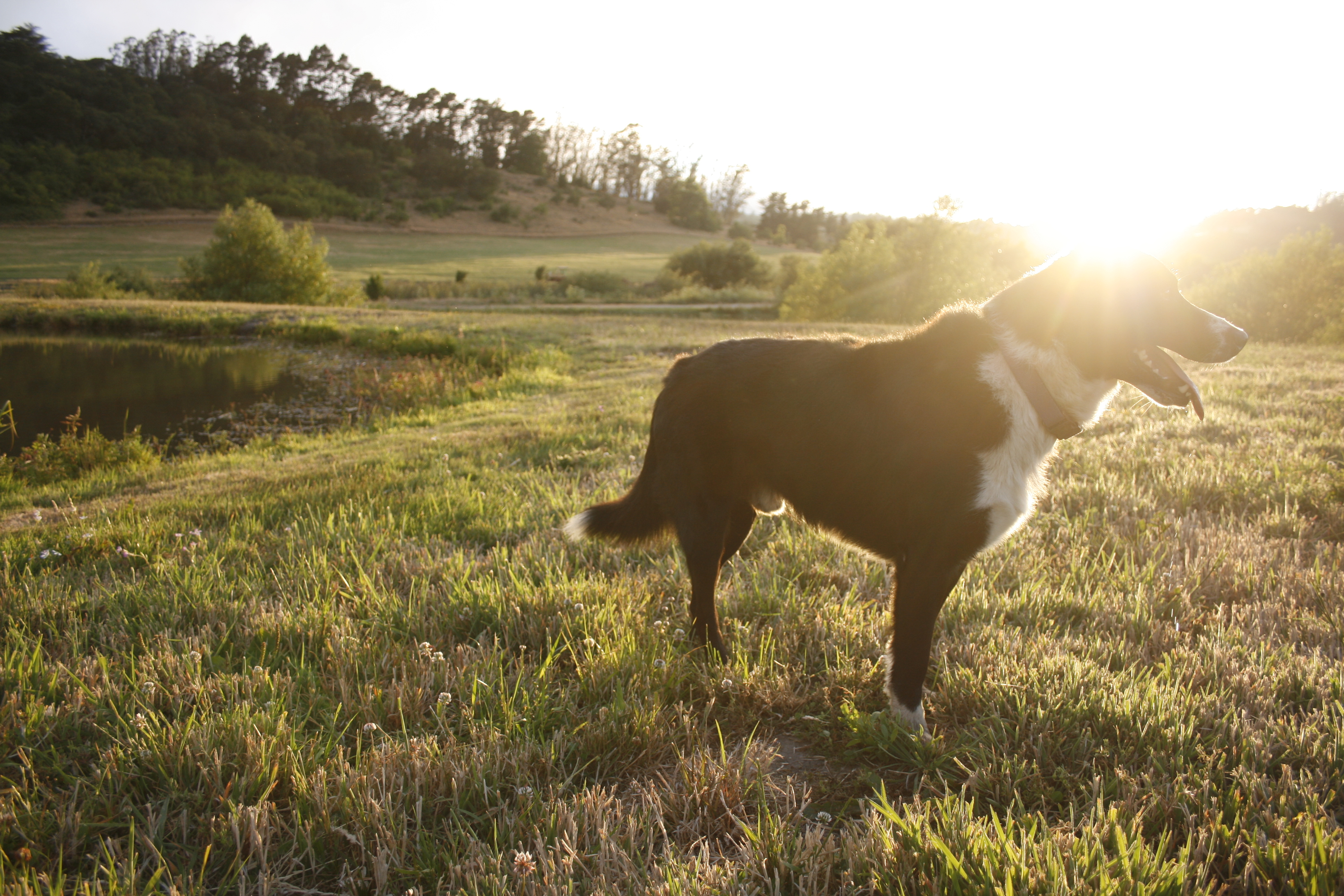
Troubles’ brother Pax in the setting sun down by the pond. He was also an extremely charming dog. Unlike Troubles, he didn’t like water, and every time we went swimming in the pond, he would run around on the edges of the pond, yelping and barking for us to come back out of the water. A couple of times, when I had been under the surface too long in his opinion, he even jumped in and swam out to me. It was so endearing, Pax the life guard dog.

Oh, now there are few things I would want more than to have a dog. But I also know that the city is no place for a dog, not for the kind of dog and the kind of life I would want to give that dog. A dog wants to run free, and have a task, a job to do. Pax and Troubles were never as happy as when they were sent out to go get the runaway geese or gather the cows. So that dog of mine will have to wait, until I have a job for it to do. In the meantime, I’ll have to make do with other people’s dogs. Kirke’s Zorro, for example.
Chapter 257: The San Francisco Gay Pride festival

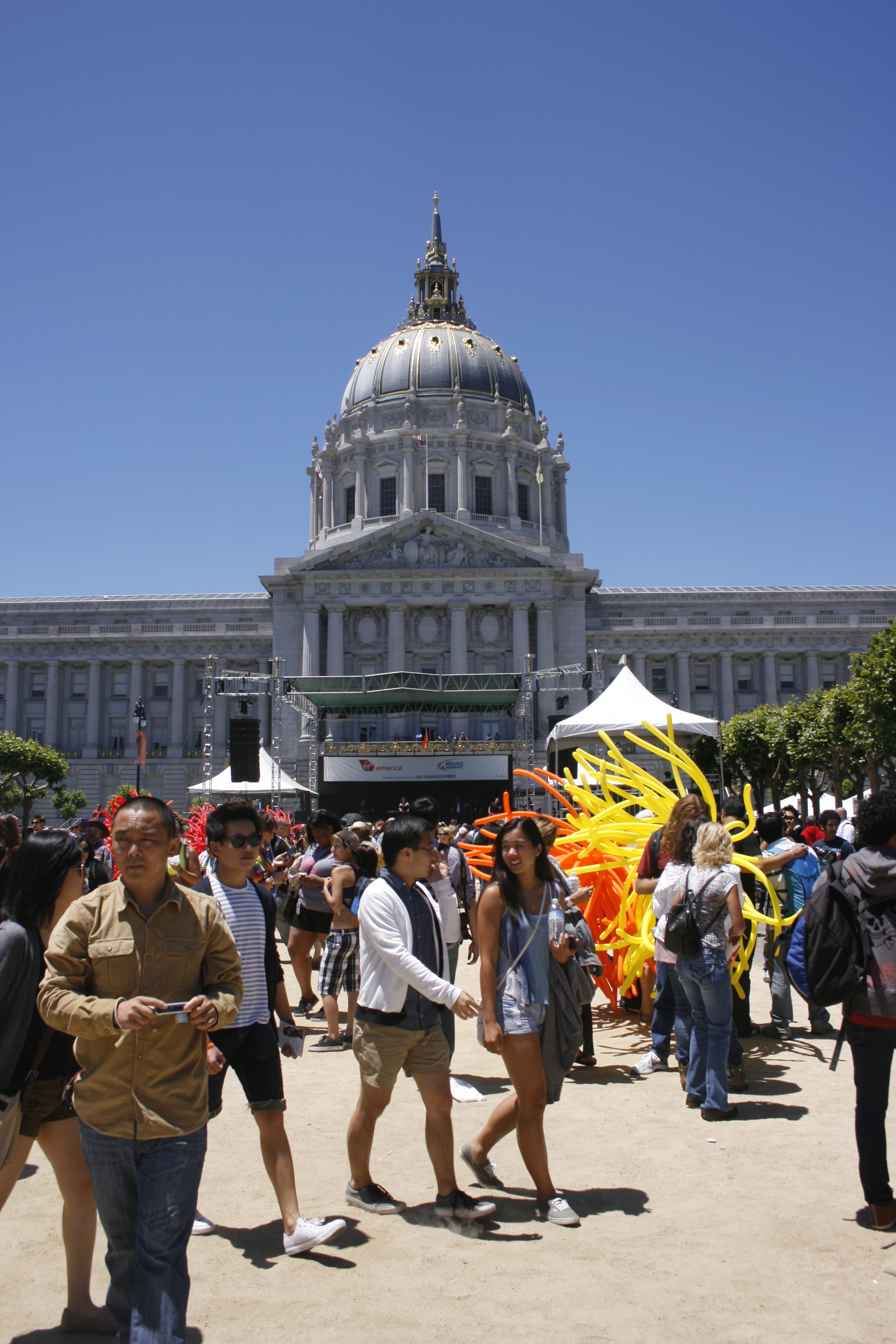
22-24/6: I had barely had time to settle down at Duckworth Farm before I left again. Because, on Friday morning at breakfast, Lorri told us that this weekend was the Gay Pride weekend in San Francisco and one thing lead to another and somehow we ended up deciding to go to San Francisco for the weekend, me, Sarah, Shanley and Tallulah.


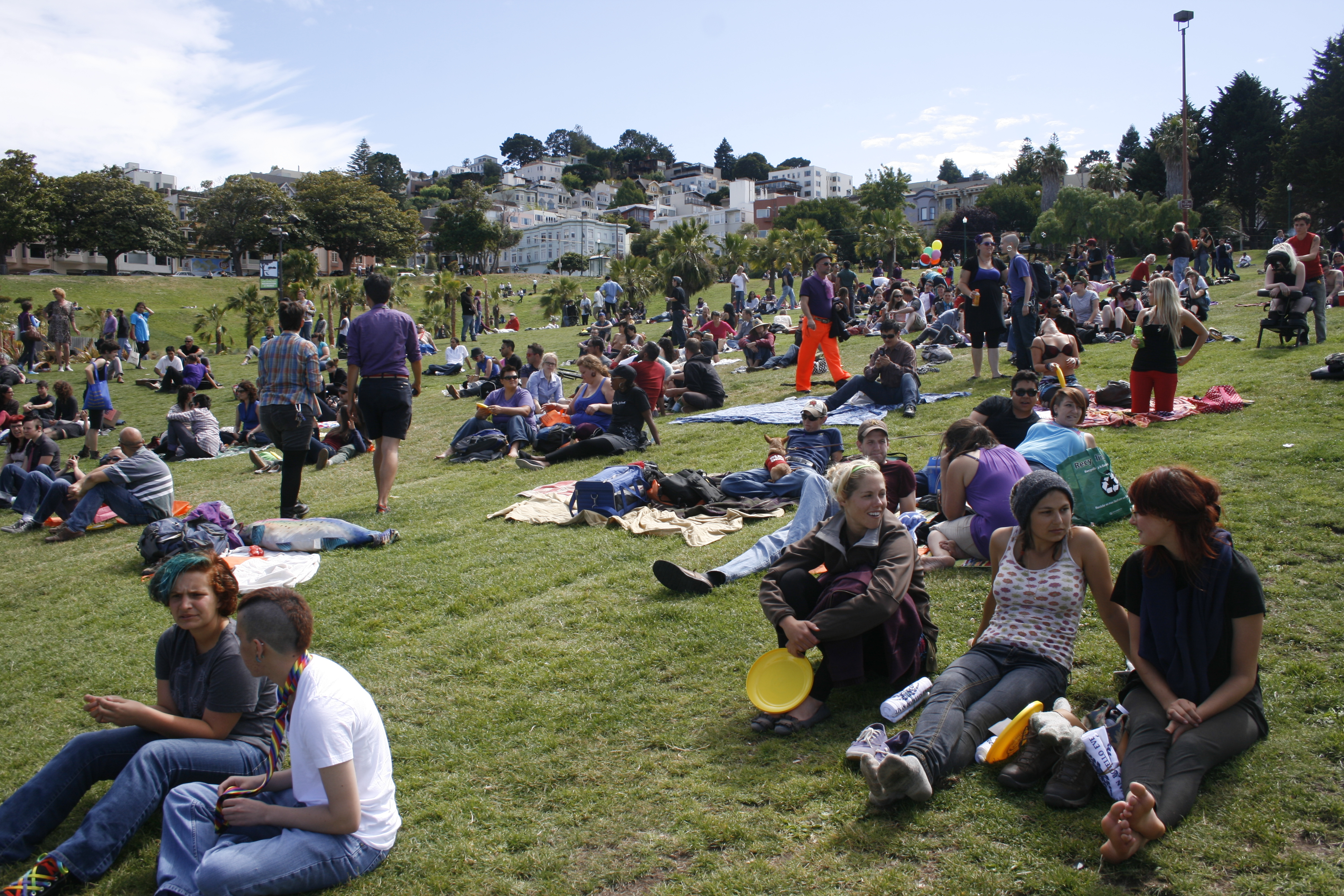
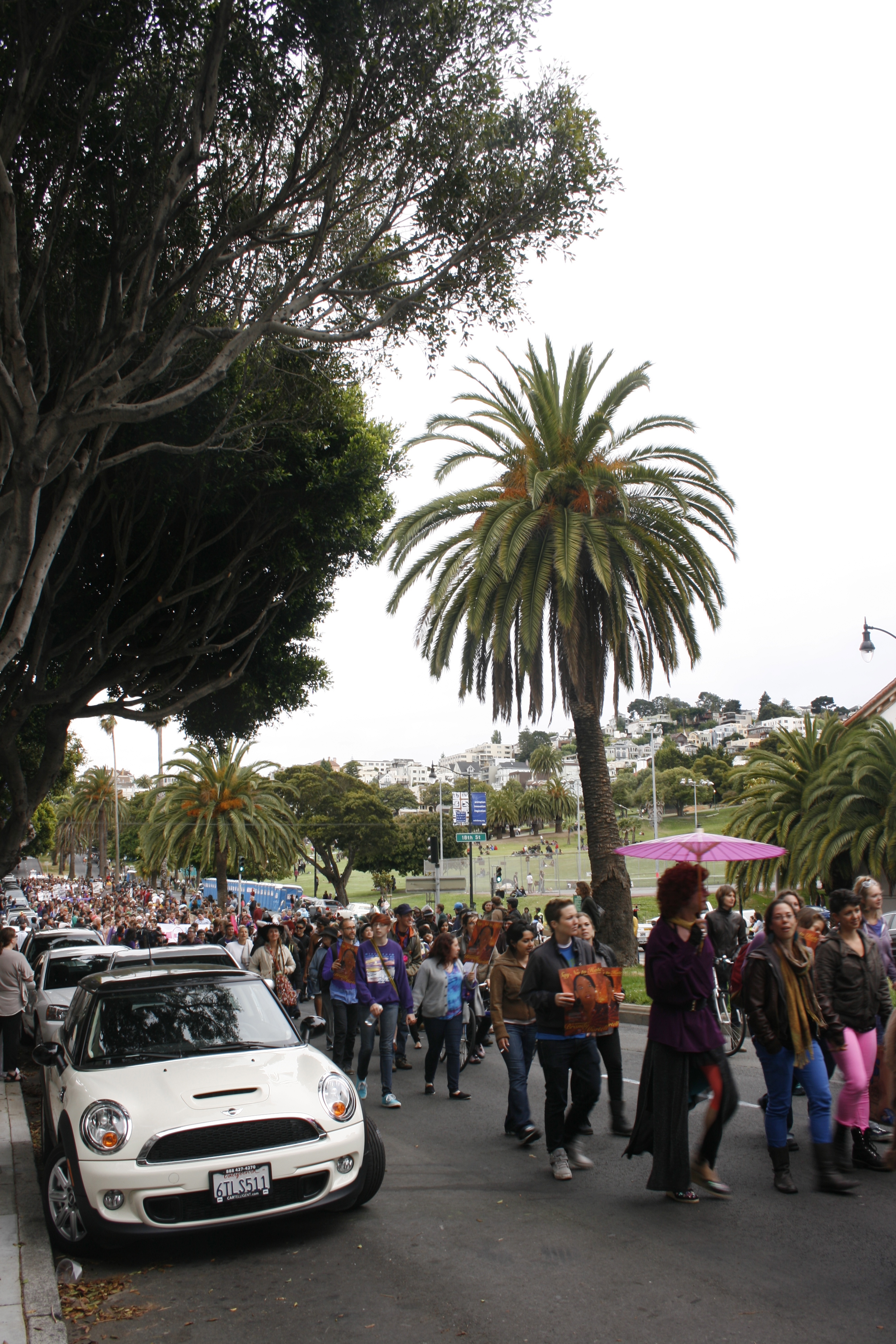
Friday afternoon meant the Transgender manifestation in Dolores Park. But really, it didn’t look that different from what it did any other sunny afternoon.


But it was nice, listening to the speeches and sharing all this peppyness.


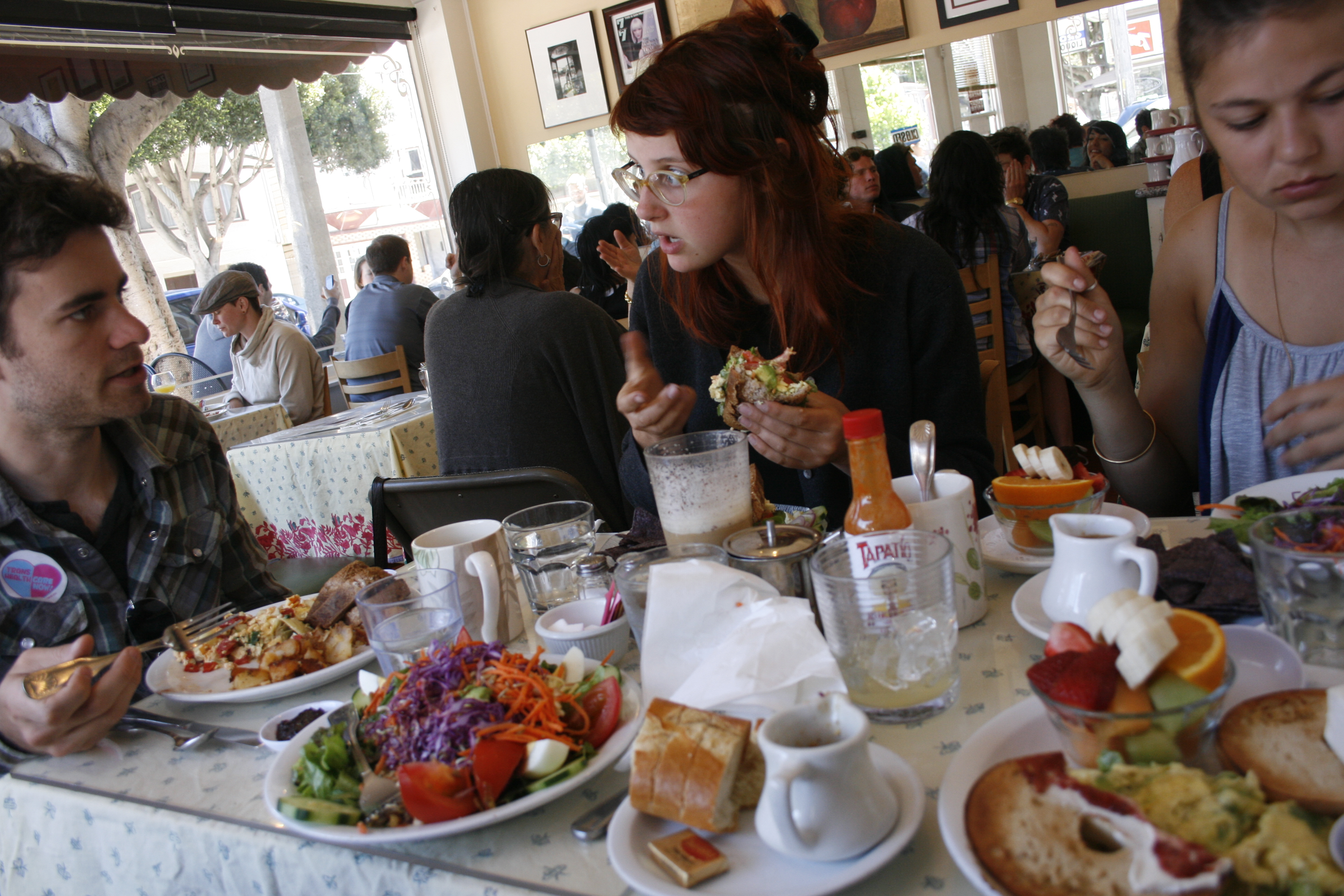
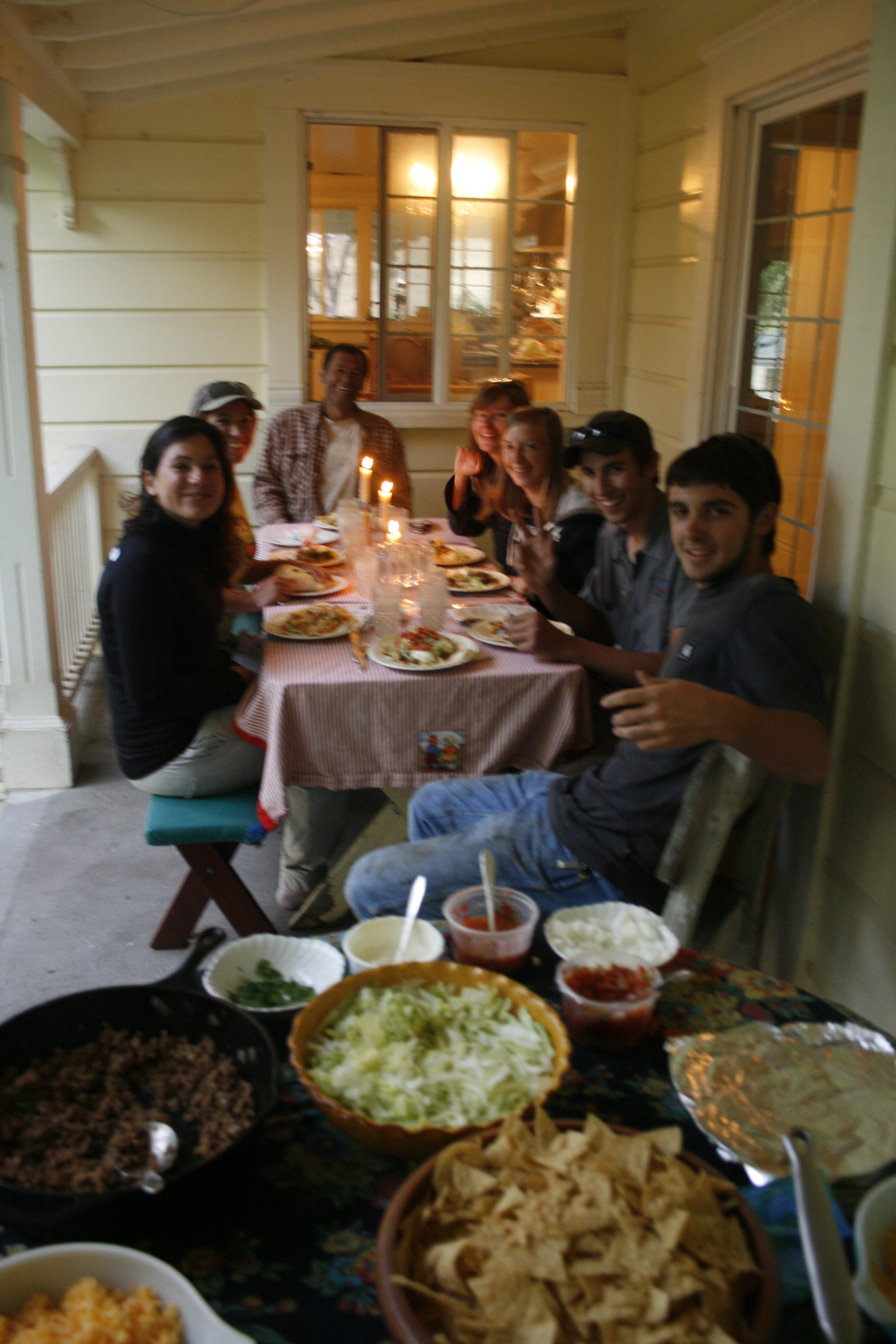
We stayed with Sarah and her boyfriend Derek for the weekend, and on Saturday morning we walked down to this cute little café that Derek had read about. It turned out to have a delicious and colourful brunch. So, we had philosophical, transgender discussions over a king’s feast (to quote Shanley).

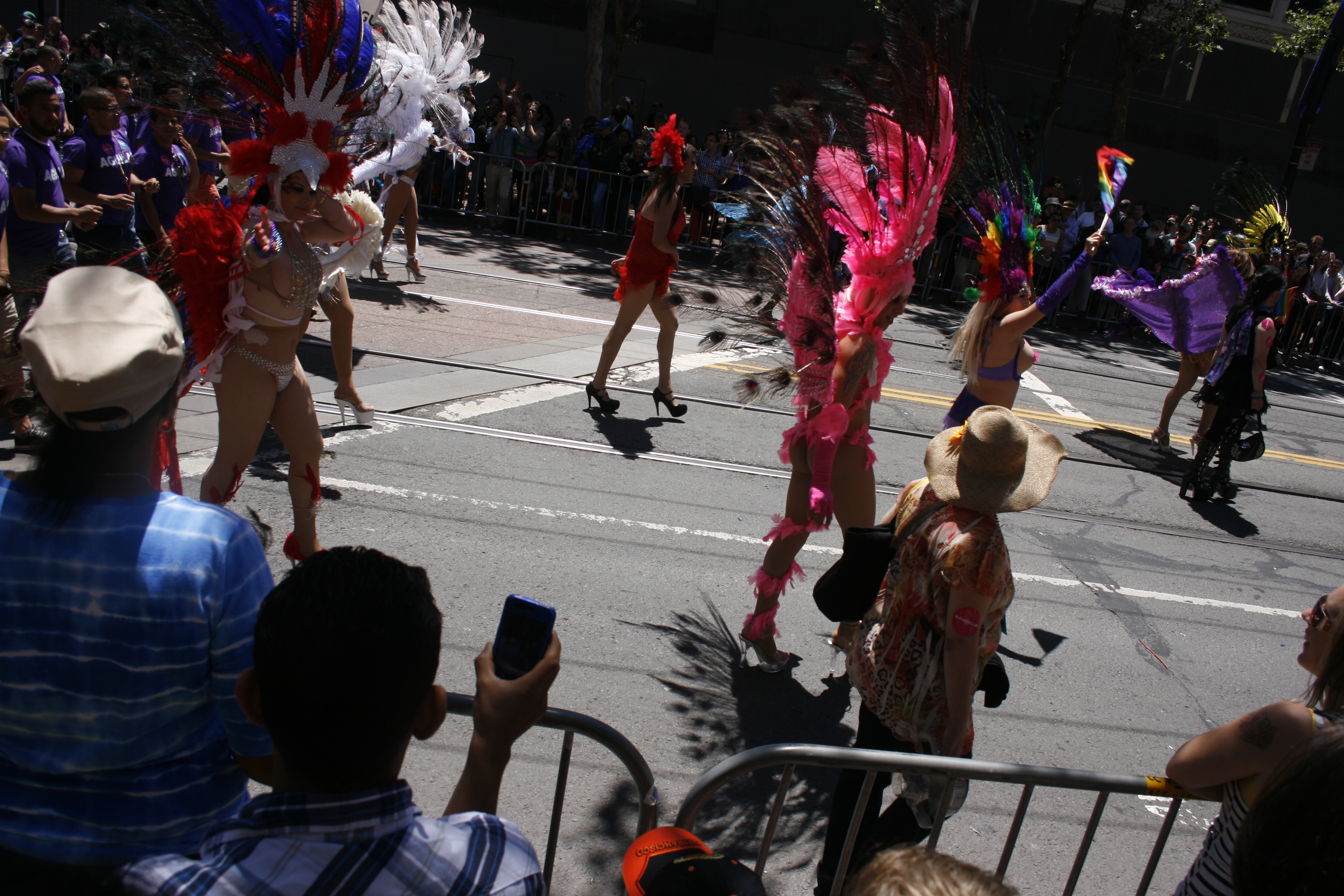
Saturday night was a big block party in Castro, the gay district in San Francisco. We went, we saw, and we left. There was simply far too much people. But I got to see some tall beauties in glitter and huge feather crowns, some really drunk teenagers and far more naked men than I would’ve cared to do.
 

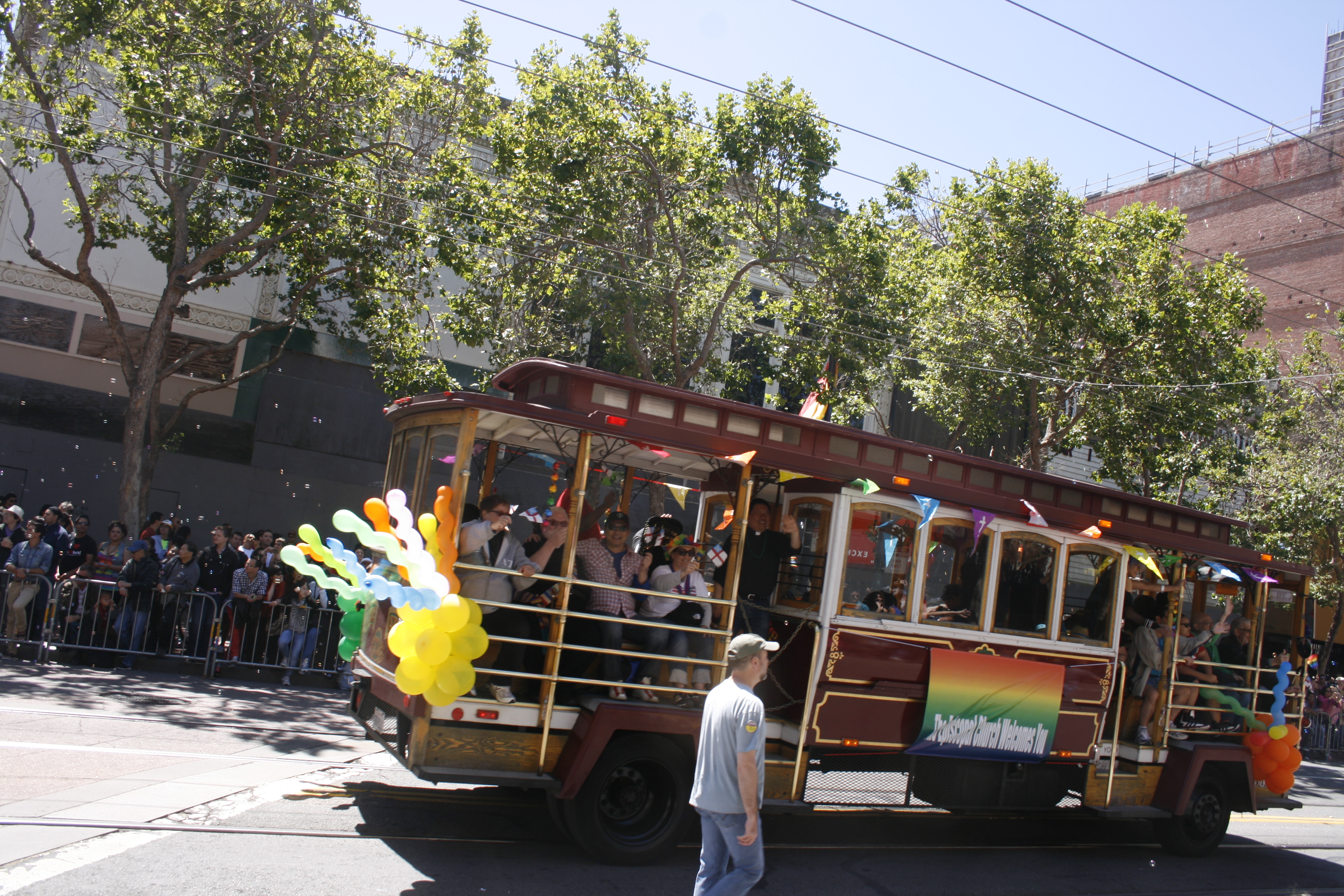
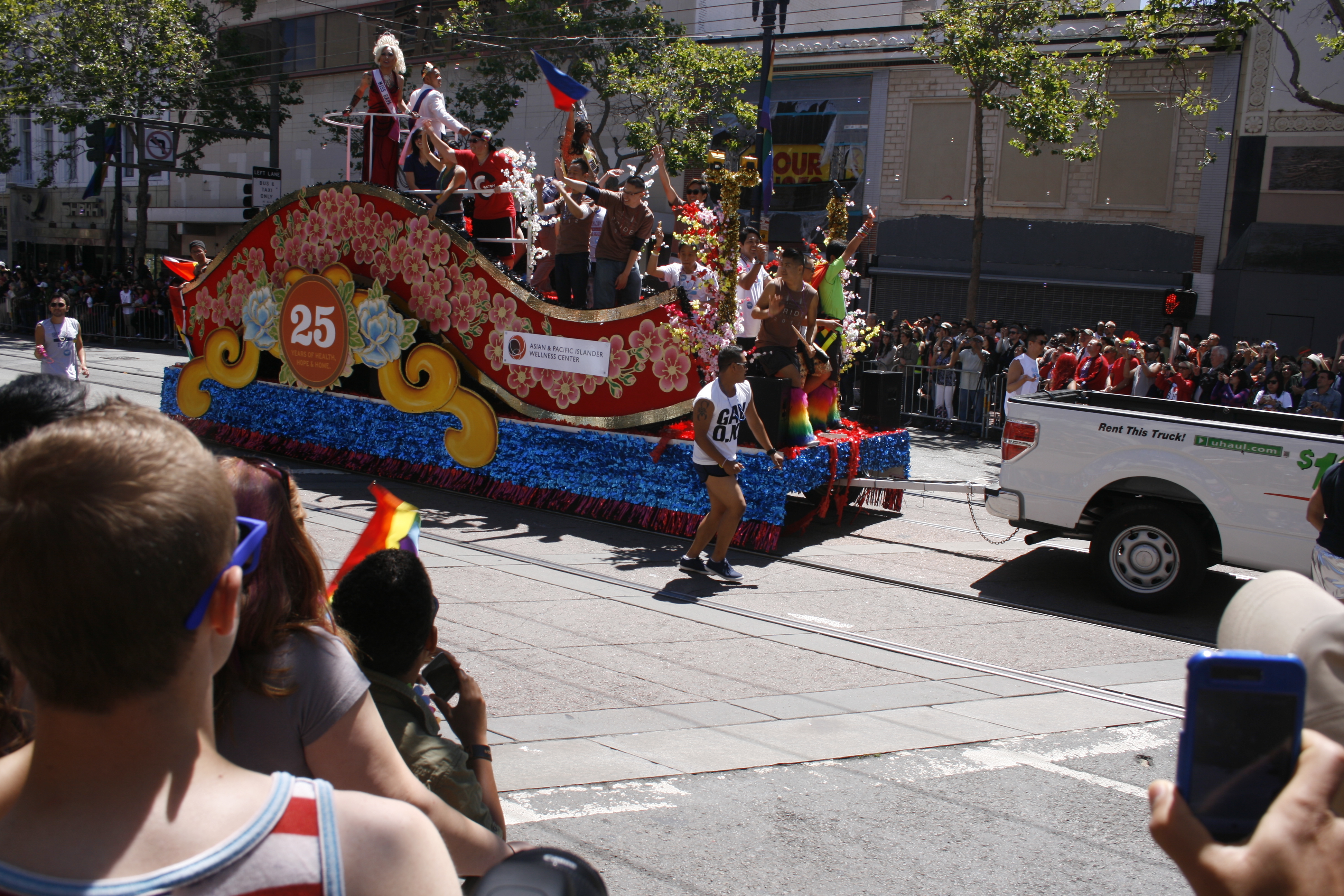
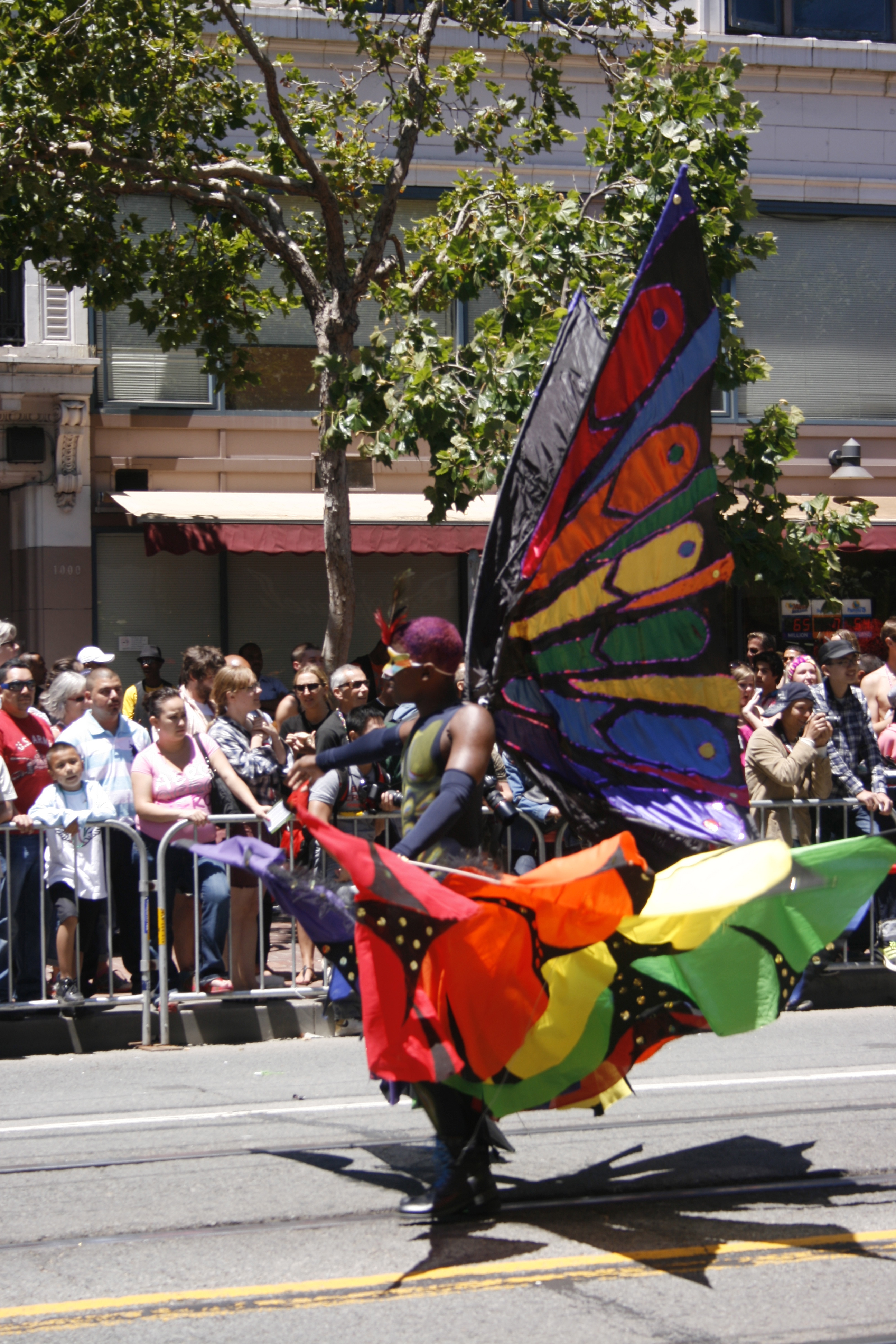
Sunday meant the actual parade, and I was expecting something spectacular. San Francisco, the gayest city in the world, should by all calculations have the most amazing gay pride parade in the world too. But no. It was a huge disappointment.


Mostly, it was just politicians in old convertibles and other very un-gay organisations that wanted to show their support and get goodwill. Almost no floats, or dancing, or feathers and glitter.


It was like a pale shadow compared to, say, the parades in Bolivia during carnival season. Even the Stockholm Gay Pride parade felt bigger – but then, I might just remember it wrong.


But I guess, in a way, San Francisco has its gay pride festival year round, especially on the streets of Castro. And there is always a festival celebrating something in the city, so why put all the energy into one event. This was just one of many street parties in this hilly city. With the exception that to this event, more tourists seemed to attend than actual gay people. (Not that I claim to know what gay people look like, I’m well aware that a gay person’s appearence can vary just as much as people in general. I’m just saying that a majority of the attendees looked kind of like me, with cameras around their neck and maps in their pockets. It felt more like a show for an audience than a way to build confidence in the gay community. But I might be wrong.)
 

So, when Sunday evening came, we all climbed into Sarah’s car and returned to the farm, ready for another week of weeding and picking.

Chapter 257: Sebastopol

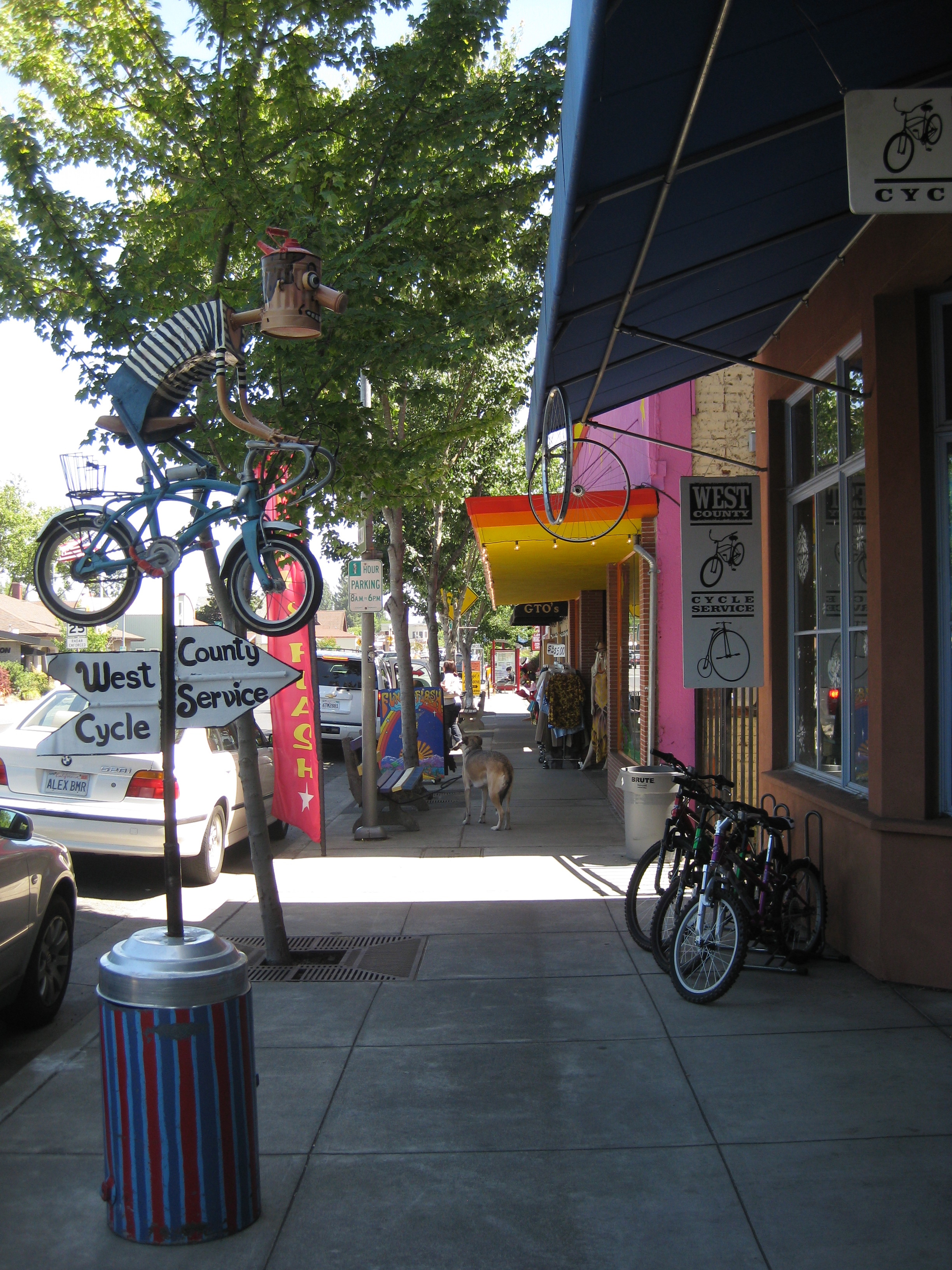
June and July: In the afternoons, on Saturdays when we only had to do stable chores, or on Sundays when we had no work at all, we sometimes biked into Sebastopol, the closest town to Duckworth Farm. It’s a pretty special place, even by Northern Californian standards.


It’s a place where old hippies and retired professors from Berkley (two things generally don’t exclude each other) live. The small streets are lined by quaint low buildings with herb pharmacies, mate cafés and bookstores selling crystals and books about meditation. For America, it’s an uncommonly walkable town, where you actually see people strolling around as if walking was a worthwhile activity in itself.
 

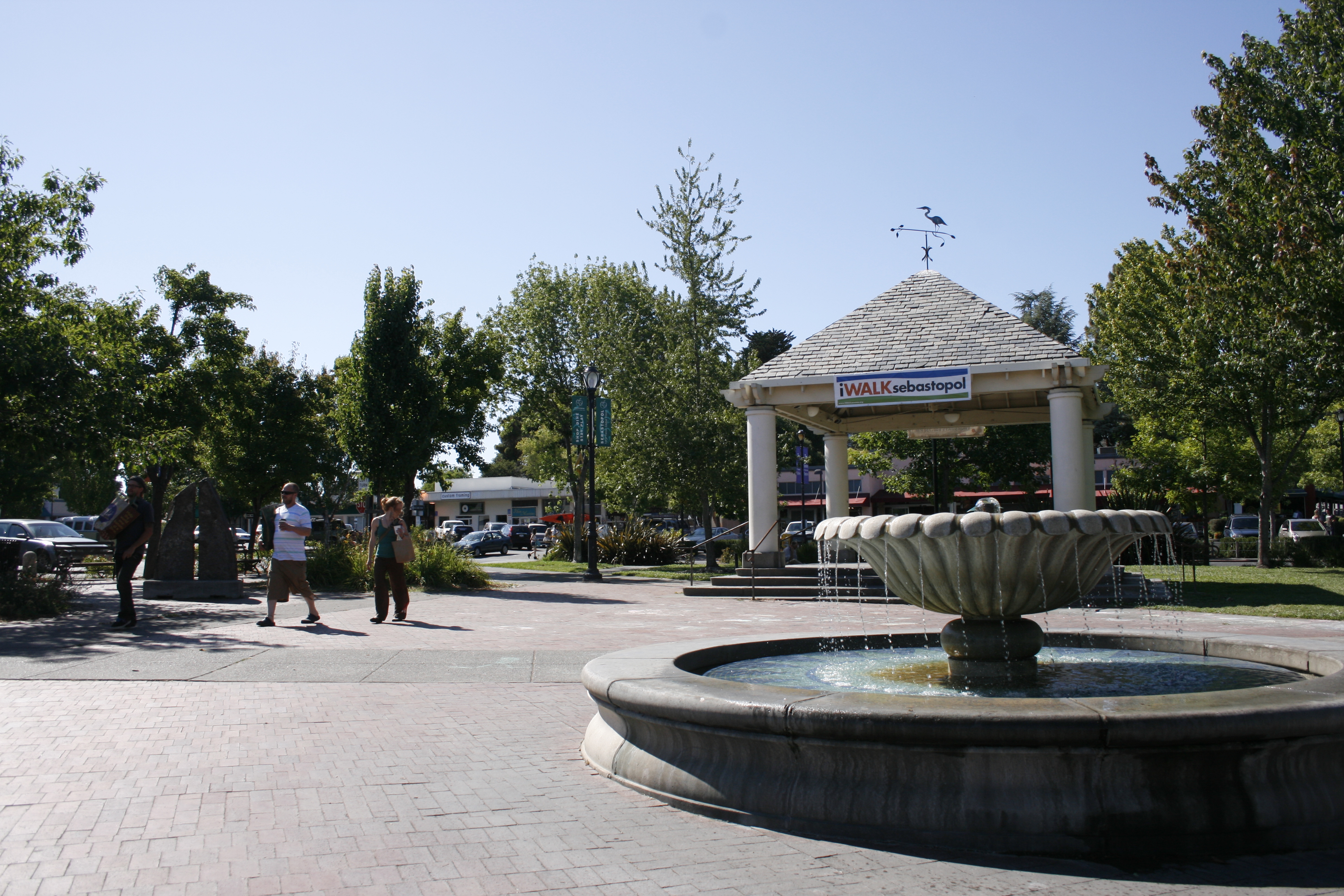
Shanley, one of the other wwoofers, said that Sebastopol felt European. Her being American and me European, I don’t fully agree with her, but I definitely see her point. It did have that kind of small town charm, with the town square with the fountain in the middle, all the trees lining the streets and the small scale-edness that you rarely get in the land of Walmart and McDonald’s.


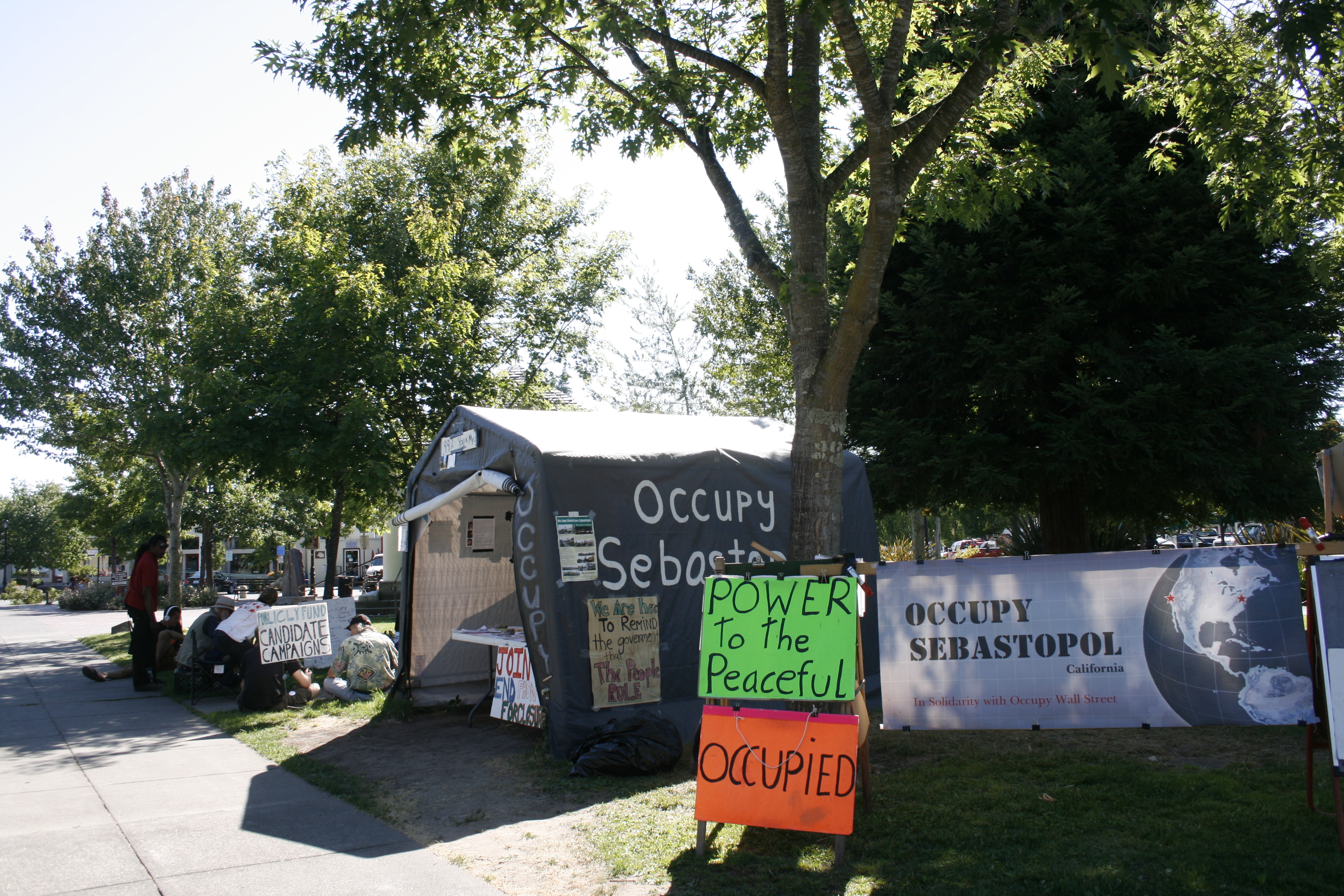
And the politics also made Sebastopol special. The local government has a Green Party majority, something that is extremely rare in the US. And as if to make it clear to everyone just how alternative Sebastopol is, they still have a Occupy Sebastopol tent in one corner of the town square. Here, people in dreadlocks and tie dyed t-shirts gather on the weekends to discuss and play guitar.


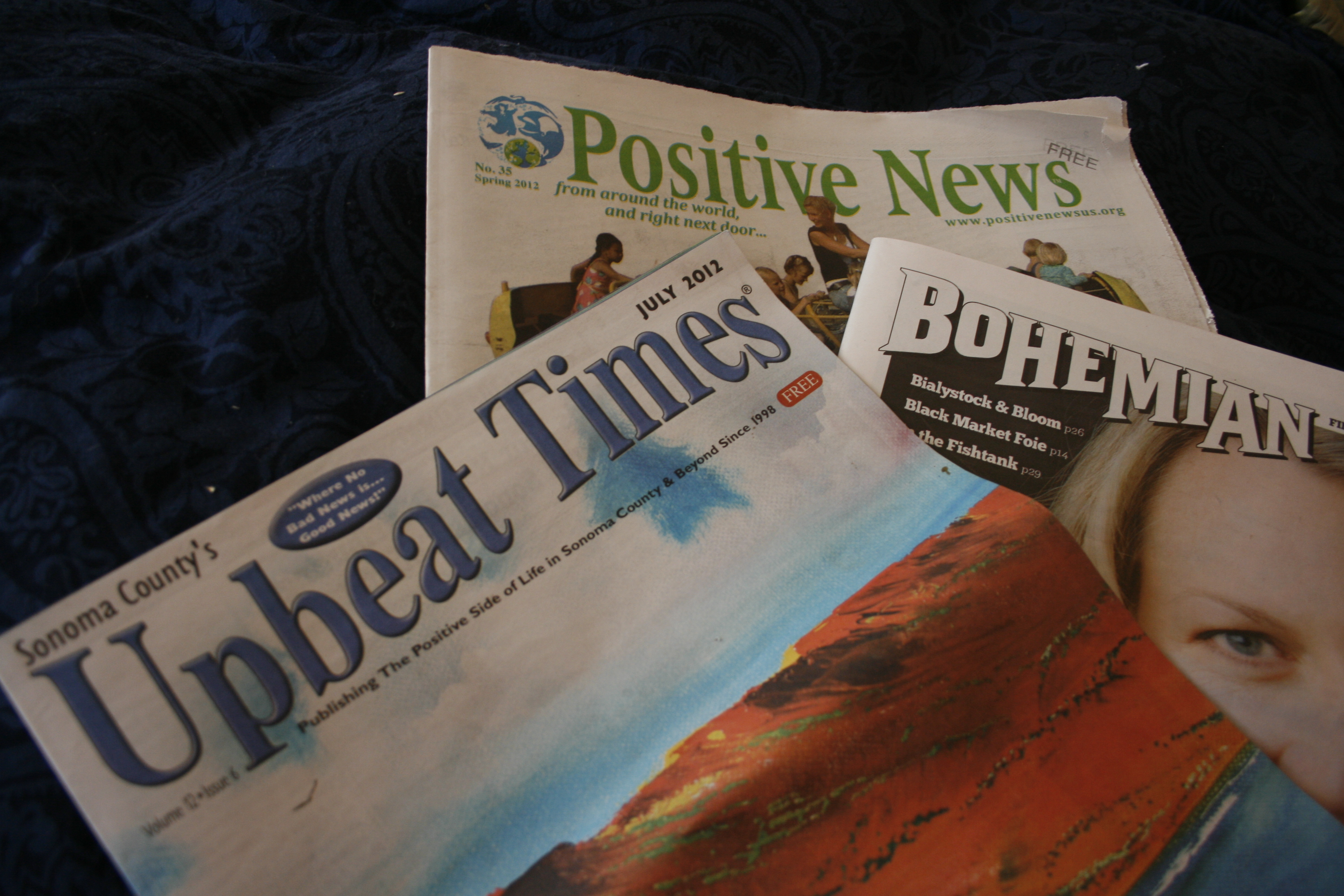
Even the free newspapers in the coffee shops were different, with names like Upbeat Times, Positive News and Bohemian. It felt refreshing and nice for a change.


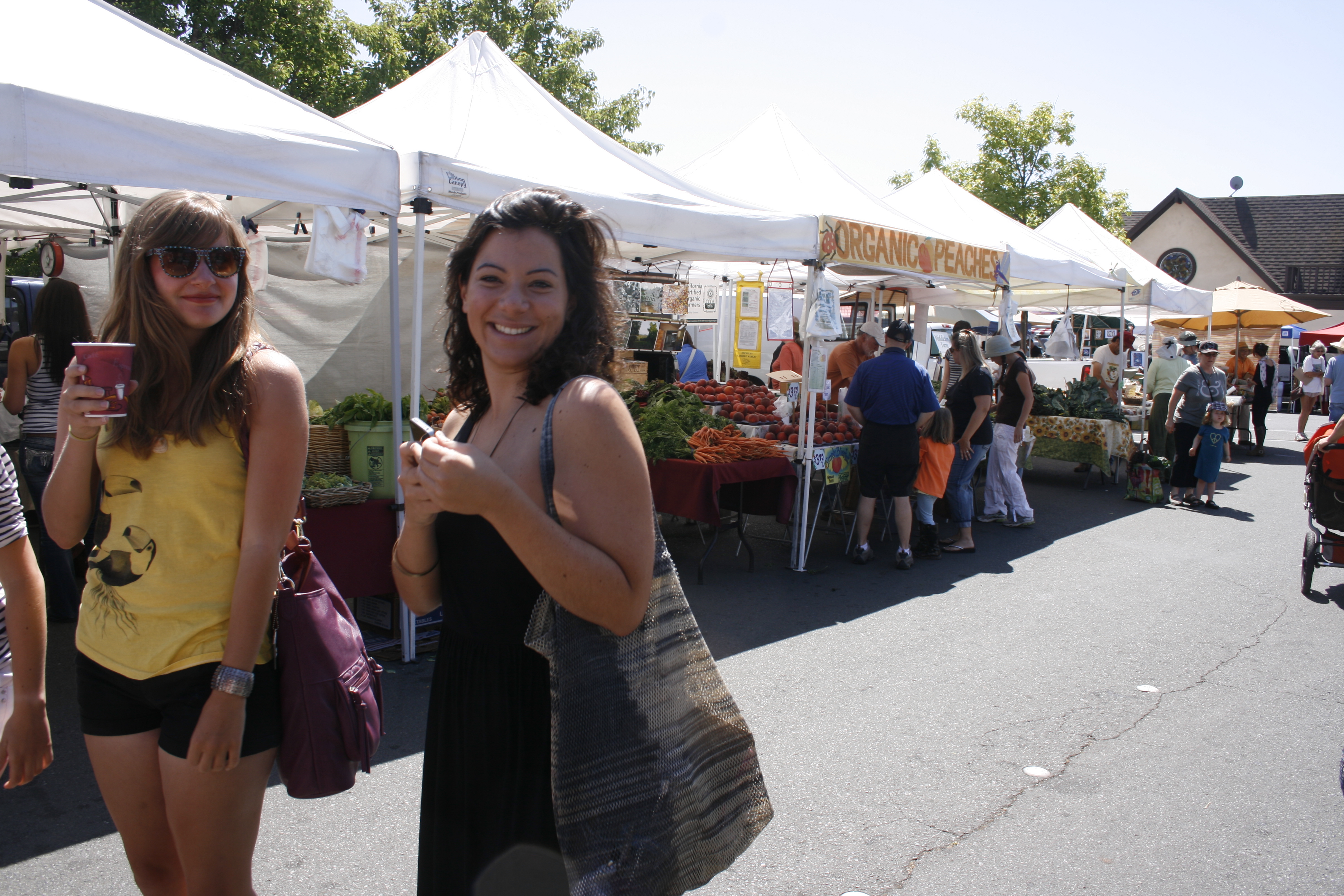
On Sundays, they had a Farmer’s Market where farmers sold the very locally produced plums and strawberries, blackberries, carrots and olive oil. But you could also find shirts with screen prints and artisan jewlery, Indian food and home-made, organic popsicles, and in the middle of the town square, a band played some kind of country blues. I think Abbie and Sandra, my fellow wwoofers, enjoyed the market as much as me.

Yeah, Sebastopol is a really special place. I liked it alot.

Chapter 256: The days if berry picking

June and July: Yeah, so, my main task as a wwoofer at Duckworth Farm was working in the blueberry field. When I told people back home about this, they got a little confused. Is it really possible to grow blueberries? Don’t they just grow in the wild? Well, these weren’t our small, wild Scandinavian blueberries. These were the big American ones, that are whiteish inside and pop when you eat them. And if you compare, I would say that one wild blueberry and one American blueberry holds about as much flavour, but the second is at least three times as big as the first. Still, I learned to really like them. They were amazing, Lorri’s blueberries.

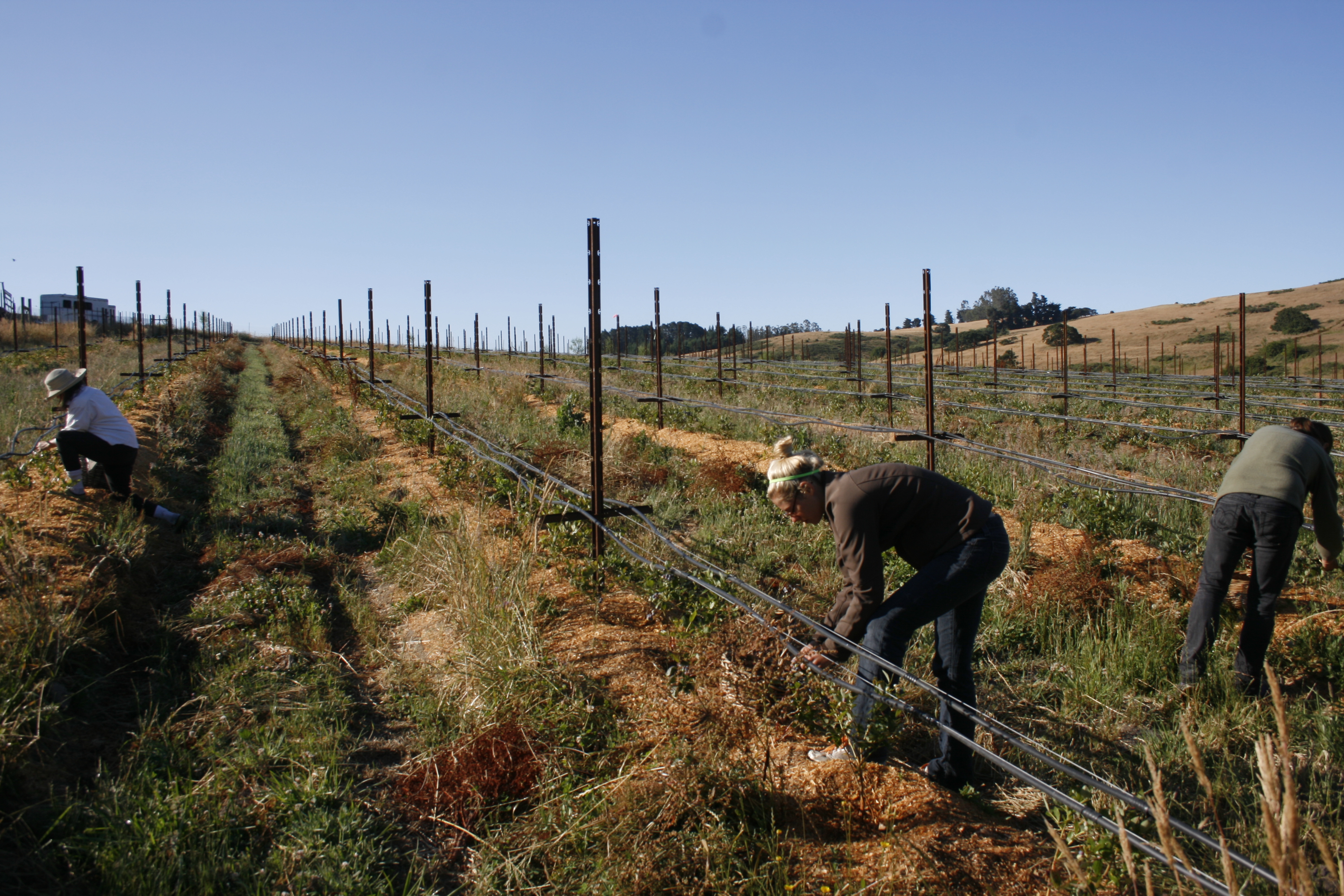
The blueberries were a pretty new thing on the farm. The small bushes, planted in long, drip irrigated rows in the big blueberry field, were only three years old and won’t be fully mature for atleast another five years. But then they will be so big that Lorri’ll have to prune them so that she won’t have to pick blueberries on ladders. Wouldn’t that be a sight, picking blueberries on ladders?

Being me, I of course asked a lot of questions, and Lorri was happy to answer. She had really worked hard to find the perfect crop for her farm. She had a slightly acid soil, and thanks to a very shallow artesian aquifer, she had a lot of water. But the acidity made cultivating things tricky, and so did the cold, misty micro climate in the valley. Well, finally she found the blueberries. You see, blueberries like it when it’s cold. Normally, they don’t like it as far south as California, but thanks to the very special climate conditions right here, combined with the acid soil, the blueberry bushes were as happy as they could ever be. Because, blueberries are not like most crops. Blueberries want it acid, and they want it cold and wet. Duckworth Farm was the perfect place for blueberries.

And that’s how it should be done. Instead of adding tons of chemicals and stuff to the soil and on the crops to make them grow, you should choose to grow crops in places where the natural conditions already make it a perfect place. That’s how we create sustainable agriculture. That kind of thinking is what the world so desperately needs. Listening to Lorri talking about soils and cultivars and using nature itself to get rid of pests was so inspiring. I wish the world had more farmers like her.

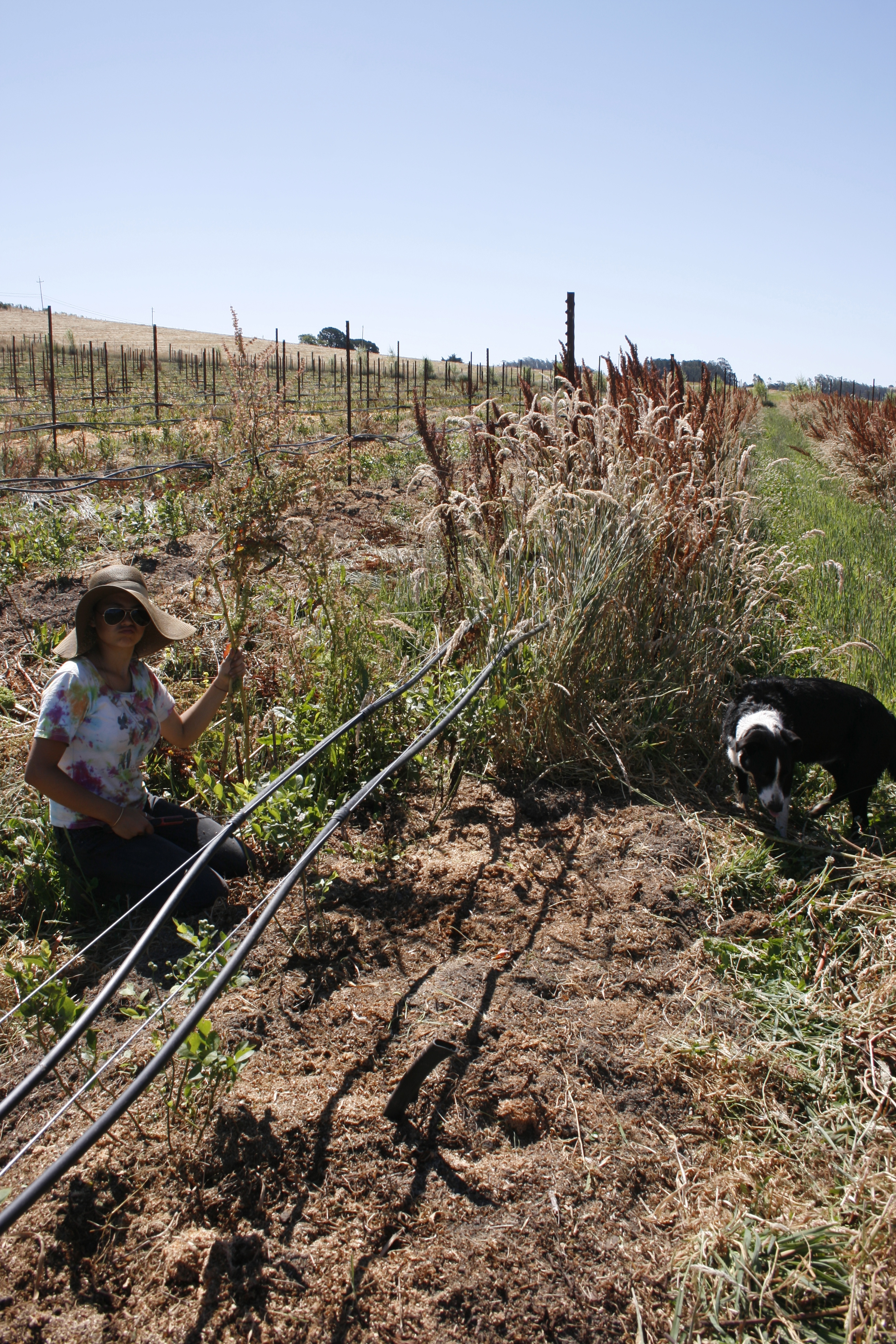
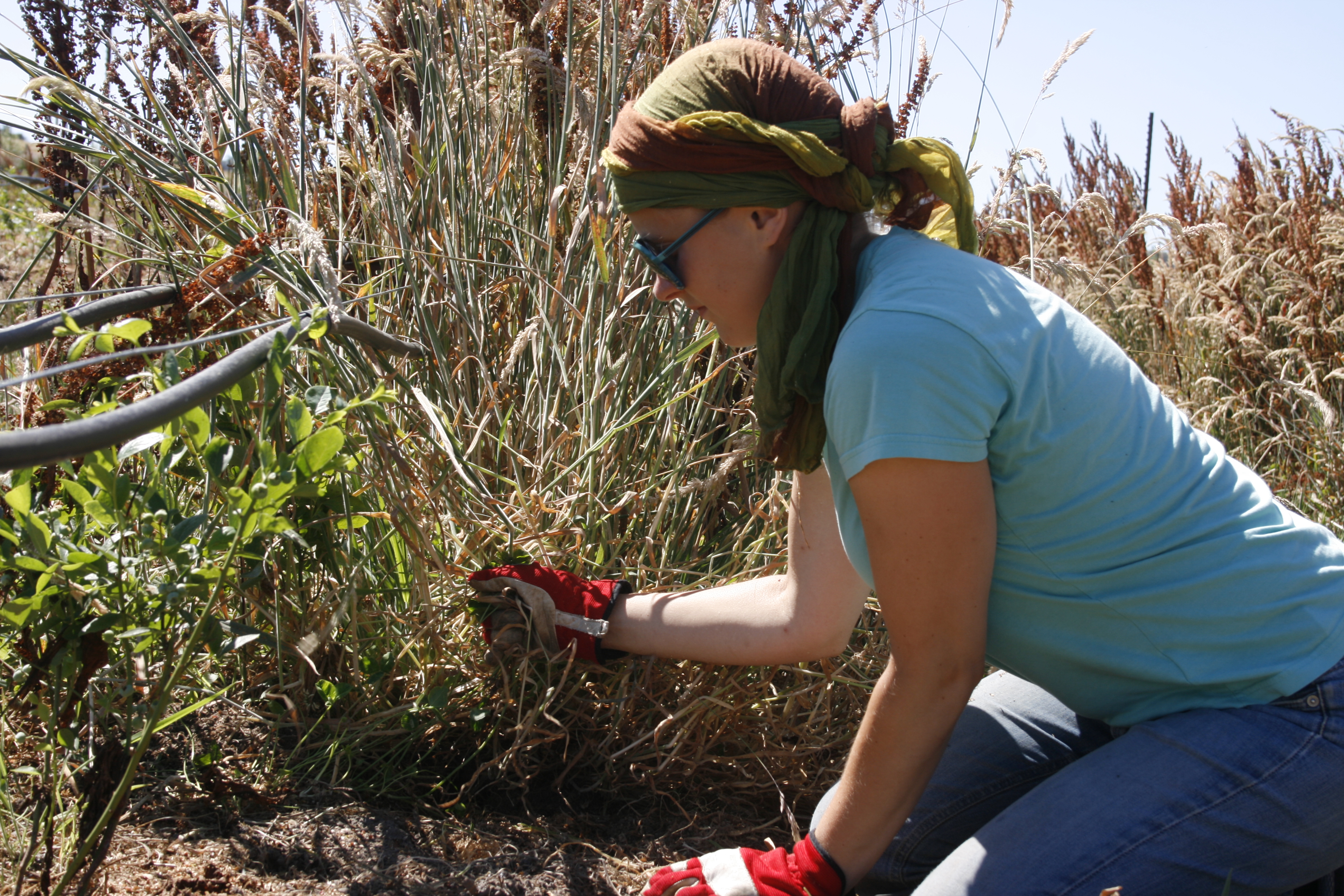
Most days in the field, we weeded. Lorri said that she had been told that she wouldn’t be able to grow organic blueberries for the first five years, because the weeds would kill her. And looking at those thick tufts of grass and thistles, it wasn’t hard to imagine how a less determined farmer than Lorri might yield to the powers of pesticides. But not her. Instead, she invented new ways of weeding. So, with huge pruning knives, we ruthlessly cut everything down. Here my fellow wwoofer Tallulah sits with the crazy-ass-grass that grew so thick and made us all sticky and itchy, together with Troubles, always around to help when one of the mouselike gophers put out is ugly head from its hole in the ground.

Me and the crazy-ass-grass. After the row was weeded, someone would take the tractor and cover the soil with wood shavings. In that way, the weed roots in the soil wouldn’t get any sun, and most likely die, or atleast not grow as fast as before. A good solution for the organic blueberry farmer.

Every third day was picking day. As you see, these bushes were still pretty small, but that didn’t prevent them from bearing huge amounts of berries. And I turned out to be quite a natural at blueberry picking. In the end, I was even faster than Lorri. Well, I’ve never been any good at taking brakes. I always work until I collapse.

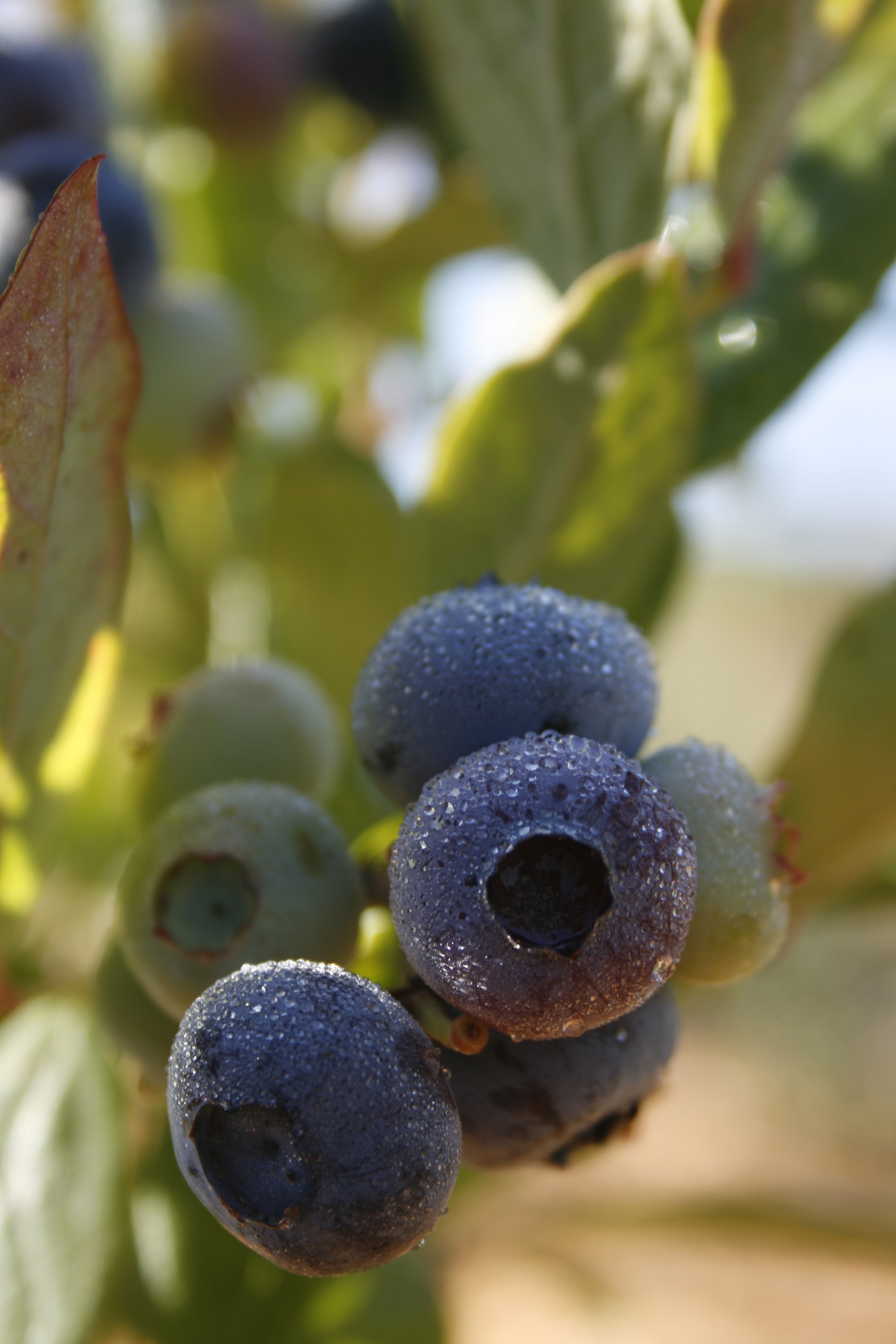
And they sure were beautiful, the blueberries, in the morning dew.

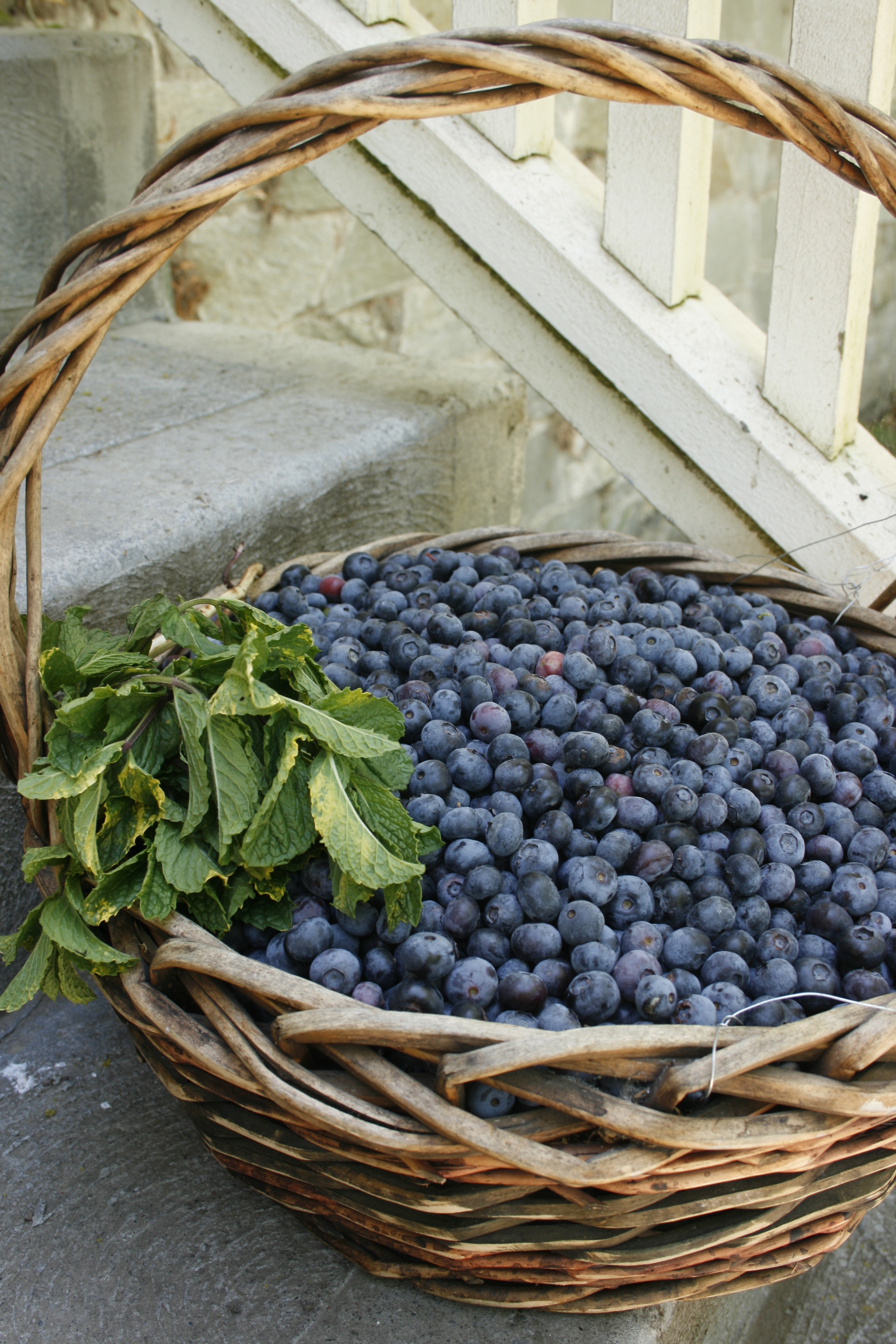
So, when the entire field was picked, we returned with our overfull baskets up to the house and it was time to start sorting.

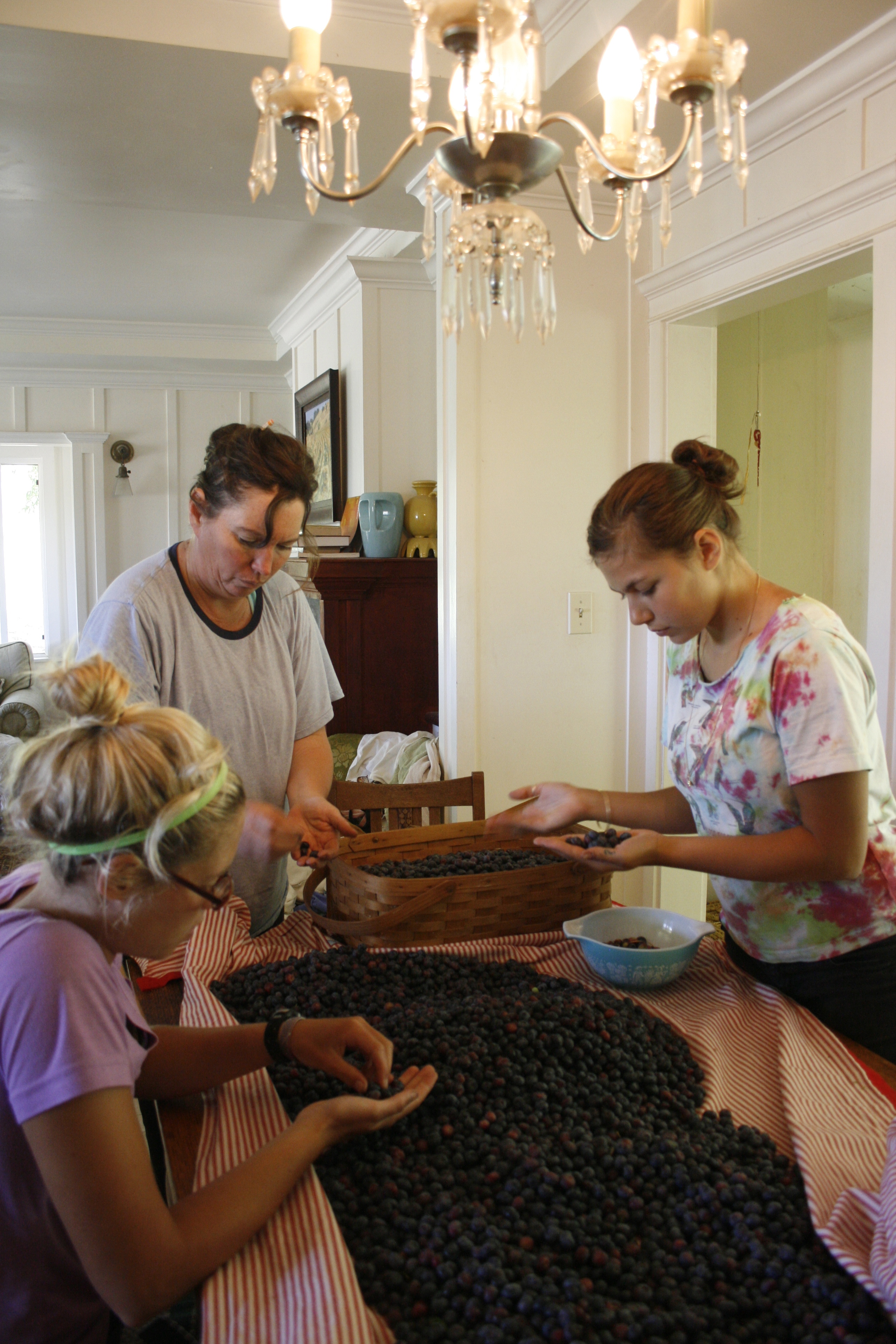
That mountain of blueberries, covering the entire kitchen table, was incredible. I’ve never seen that many blueberries in one place at the same time, and I’m pretty sure I never will see it again. Here, we picked out the not really ripe berries, the tart ones that we later would use in pies and biscuits, and the really big and beautiful ones that Lorri would put on top of the baskets of berries that she later would deliver to the culinary school and different bakeries. Because, being a successful farmer is not only about growing a high quality crop, it’s also about knowing how to present and sell.

Oh, I’ve learned so much about blueberries. I wish I had a piece of land here, back home, where I could put this new knowledge to good use. Well, that’ll have to wait a while. I have atleast two university degrees to earn first.

Chapter 255: Life at Duckworth Farm

June and July: After Hanna left to go back to Sweden, I took the bus across the Golden Gate Bridge and went to the city of Sebastopol, Sonoma County, to wwoof at Duckworth Farm.

Duckworth Farm is a small, family run farm that grows organic hay and organic blueberries as it’s main business. They also grow other berries, fruits and vegetables and keep animals for private use. When I arrived, they had just baled their first cut of hay for the season, and there were bales of rough, golden hay in huge piles everywhere on the farm. But the blueberry field was were I spent most of my working hours together with the other wwoofers, the farmer Lorri and her daughters Snazzy and Lauren.

The days started at fifteen minutes to seven, so that we could make it out to the stables in time for the morning stable chores at seven. Almost every morning was misty, cold and raw.

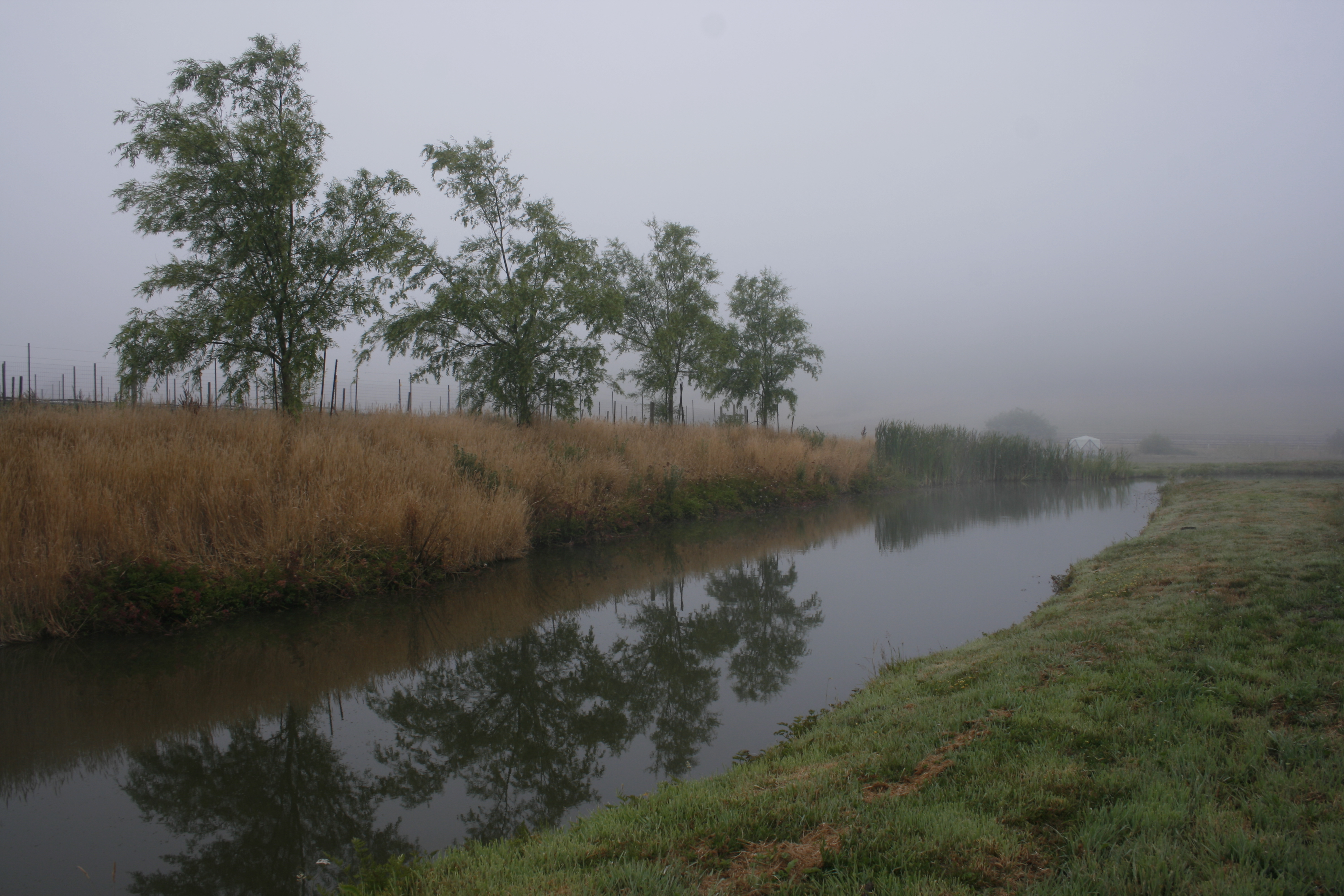
They had a very special micro climate in the small valley where Duckworth Farm was situated. The weather was very much affected by the Pacific and the exchange of air between land and ocean. In the mornings, the mist covered everything like a thick blanket. At around ten thirty, the sun had made the mist disappear, and we got a couple of hours of heat. Then, at about two or three, the wind started blowing, first just like a slight breeze, then more fiercely, until around seven, when the wind had made it cold again and you really needed something with long sleeves when going outside. And this happened almost every day. Sometimes, the sun was shining in the morning, and other days the wind didn’t become that bad in the evening – but most of the time, it was the exact same cycle, over and over. And all this due to the differences in heat capacity between soil and rock on the one hand, and water on the other. I find it fascinating.

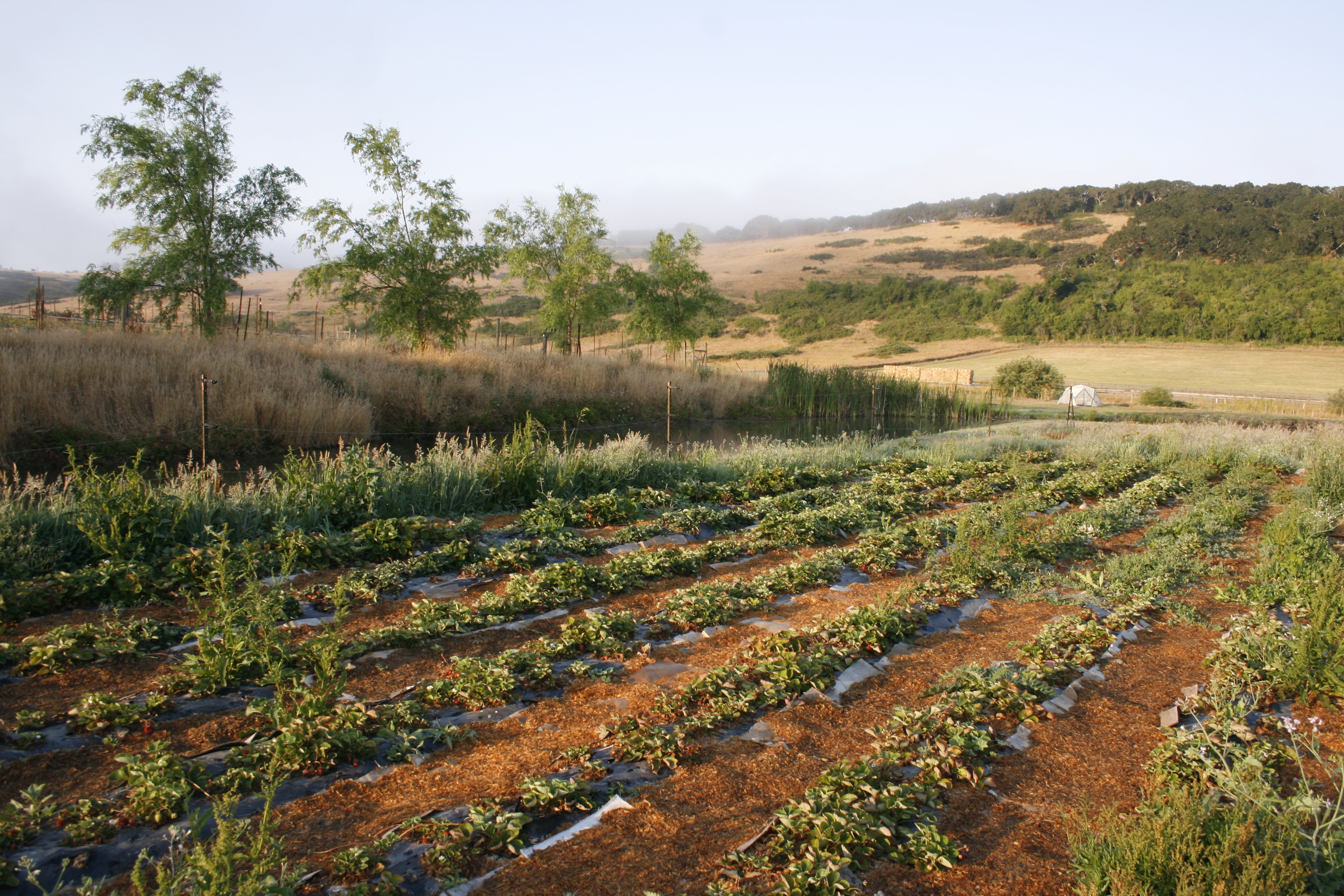
I made it into a habit to get out a couple of minutes before seven every morning, so that I could walk up to the strawberry patch and have a couple of fresh, morning chilled strawberries before the day started for real. It woke me up and filled me with that sweetness that made my skin tingle, and made me feel like I was ready for the new day, despite the mist and cold.

The Duckworths had ten horses and a donkey in their stable, and they all had to be let out into the fields and paddocks in the morning, and then we had to clean the stables and fill up the waters and give them new hay. This usually took about an hour, and us being so many (three to four wwoofers and one of the Duckworth girls) it didn’t really feel like that hard work.


So, at around eight, we all walked up to the main house. I slept in a cozy room in one of the barns together with another wwoofer, but we had all our meals up in the main house with Lorri. Sometimes she made blueberry pancakes for us, and sometimes American biscuits or blueberry pie – but mostly we ate oatmeal porrige or cereals or scrambled eggs. Then, at nine, we picked up our hats and scarves and sunglasses and waterbottles, put on thick layers of sunscreen on our noses and our arms, and walked up to the blueberry field.

Some days we picked berries, others we weeded. By noon, Lorri usually called it a day and we were free to do whatever we wanted.


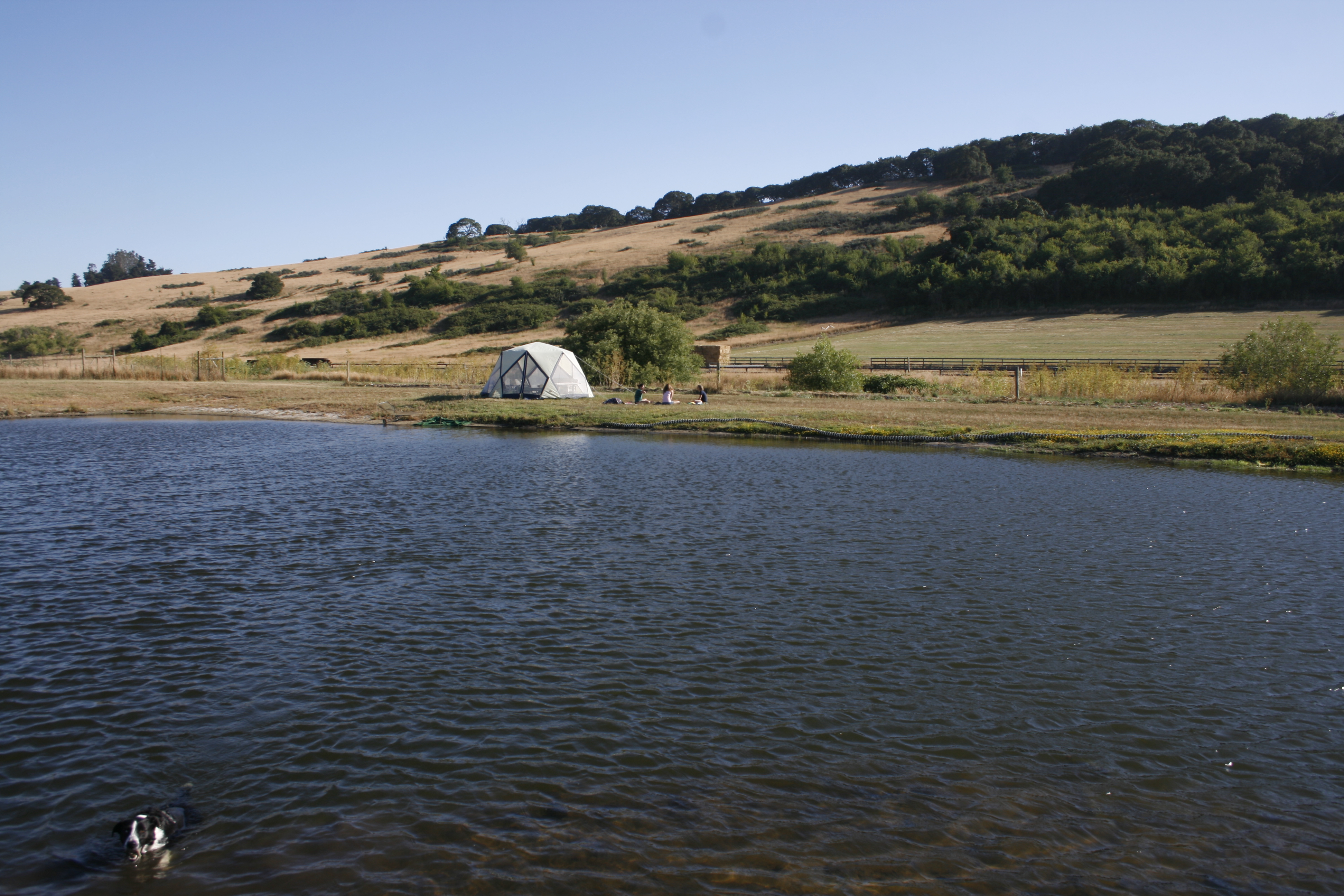
Almost every day, that meant going down to the big pond to swim, play catch with the dogs and read. The water was refreshingly cold. I could’ve spent all of my days by that water, reading and swimming, but by threeish the wind had usually become too strong and chilly for it to be really comfortable to stay. So we returned to our rooms and read some more, or took a nap. Some days Lorri taught us how to bake and cook different things in her beautiful kitchen. Other days we took the bicycles and biked for thirty minutes into Sebastopol, where it always, without fail, was atleast five degrees warmer than at the farm. Sebastopol was in another valley, not at all as affected by the ocean air.


Sometime between seven and nine, depending on when Lorri’s husband Oscar came back from work, we had dinner. Lorri liked cooking and she did it well, so despite my huge appetite I never had to go hungry at the farm.

Then, at last, at ten thirty I crashed into bed and slept like a log, every single night of my stay at Duckworth Farm. It was a great place and I had a great time. Northern California is one of those really wonderful places on earth, there’s just no point denying it.


Chapter 254: There is nothing like a night out in San Francisco

16/6: On Saturday night, we decided to go out dancing. It ended up being a night with so many turns and twists that I’ve never could’ve anticipated, and I learned that in San Francisco anything can happen.

I’m not going to tell the whole story of this night, because that would just be too long. Instead, let me give you some bits and pieces, a taste. A list of sorts, of this surreal night in San Francisco.

I danced salsa with a latino guy at a place called the Makeout Room. The dancefloor was crowded and sweaty, and I don’t really know how to dance salsa. I’m far too Swedish in my movements and mentality. But he was the best of leads and twirled me around like I knew what I was doing. Later, at two when the bar closed (because that’s what they do in San Francisco, bars close at two), out on the street, the salsa guy told me he was a PhD student at the university. I think he was from Mexico.

Morgan, Eric’s cousin, kept on telling me that I should move to San Francisco. The salsa guy told me that too. Every other person I met said: “San Francisco is awesome. You should move here!” And now that I think about it, not a single person that I met in San Francisco was born there. All of them had moved there later in life, they had all chosen to be there. This is where all the cool and hip and original people want to live. So maybe it isn’t that strange that everyone’s go-to comment when they meet someone they think would fit in is “You should move here”. I choose to take it as a compliment.

Or the not the slightest bit legal club we ended up at, after all the legal bars had closed, where the dancing was even rougher, the tequila was just toxic and the customers were everything from middleaged Mexicans to dentistry students from Indonesia. There, a voluptuous latina tried to pick me up and a worn looking surfer guy told me that he was starting a non-profit with the money he had made from growing medical marijuana, that he had a big sail boat that he was going to sail down to the Carribean with, and would I like to come with him to see it.

And I couldn’t help laughing, a lot, at everything. I just couldn’t stop.

The day after, we didn’t have the energy to walk any further than to Dolores Park, where we enjoyed some hard cider in the Sunday sun/mist. Note my beautifully red nose, my souvenir from the baseball game, and the paper bags around our bottles. You see, it’s illegal to drink alcohol in public places in San Francisco, but the police doesn’t have the right to search your bag. So, as long as you carry the bottle in a paper bag, and say you’re drinking juice if asked, you can have whatever you want in that bottle. Ah, the laws to protect people’s integrities. Americans are funny.

And San Francisco is completely crazy.

Chapter 253: Being a tourist in San Francisco

June: Since Eric and most of his friends worked in bars and restaurants, their hours mostly meant being up all night and sleeping all day. Well, that wouldn’t do for Hanna and me. We wanted to see San Francisco by daylight too. So, we ignored our sleep deprivation and went out into the city to explore.

In Hanna I had definitely found a likeminded tourist. Travelling with a friend is more complicated than it might seem at first – something that I’ve realised during my North America travels. Not that I’ve had any really negative experiences, I’ve just had to adapt to situations I didn’t expect.

I’ve learned that my kind of travelling is intense and time consuming. I’m like a long-distance runner, who can walk around in a new city, visit museums and watch houses and people for hours at an end. I usually try to start before ten, and I rarely return to wherever it is I’m sleeping before dark. I even forget to eat sometimes. I just get so absorbed by all the new things around me, and I want to see everything. It’s touristing at it’s most intense.

I think I have it from travelling with my dad growing up. For most of my childhood, he was the travel editor of one of the biggest newspapers in Sweden. I went all over the planet with him, trying out hotels and beaches and desserts for the readers back home. What this journalistic traveling taught me, was to be well prepared, read alot, and how to try out everything. Travelling with dad was no holiday, he was working and had to do all the things that might interest the Swedish readers. So even now, when I’ve been here and there by myself, I still have this feeling that I need to know, that I need to see. I can’t just skip. And I like being well prepared, and having these intensley long days while visiting a new city or mountain or island. I’ve just had to realise that not everyone can or feels like keeping up with my speed.

But Hanna is like a long-distance runner too. She needs to eat more often than me, but in most other aspects we’re compatible. I like trees and hiking more than her, and she likes shopping more than me – but by travelling together we both got the chance to do and see things that we probably wouldn’t’ve if we had been travelling separately. And she has no problem handling my long days, as long as she gets a good nights sleep once in a while – exactly like me! I’ve known Hanna since I was seven, but I’ve never really travelled with her. And I might have been slightly nervous about how our roadtrip would turn out, back in February when we decided that she would come and join me in Seattle for three weeks in June, but that wouldn’t’ve been necessary. Our weeks together turned out to be a great success, and our days in San Francisco became the crowning of our journey together.

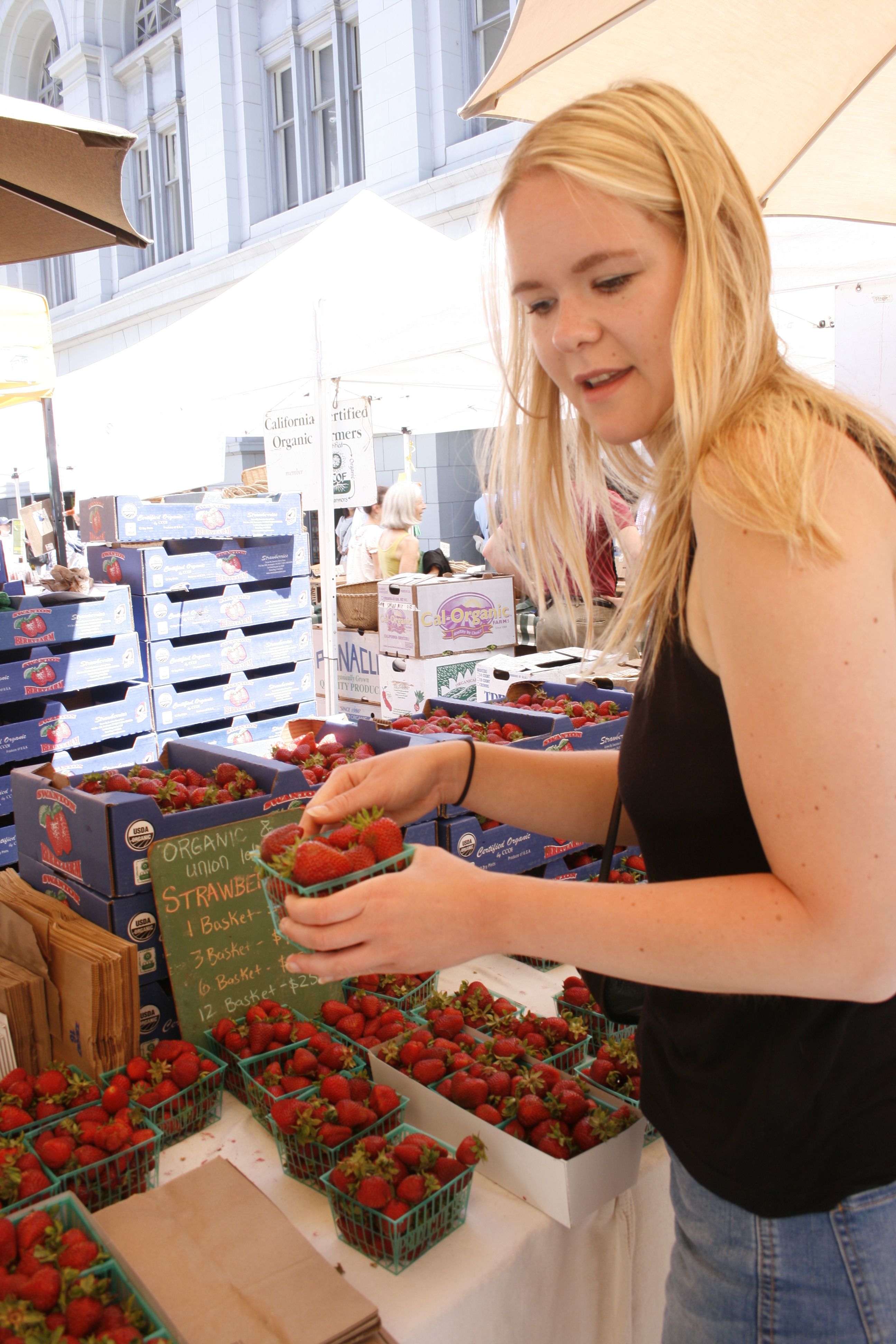
We bought strawberries, peaches and plums at the Farmer’s Market at the Ferry Building.

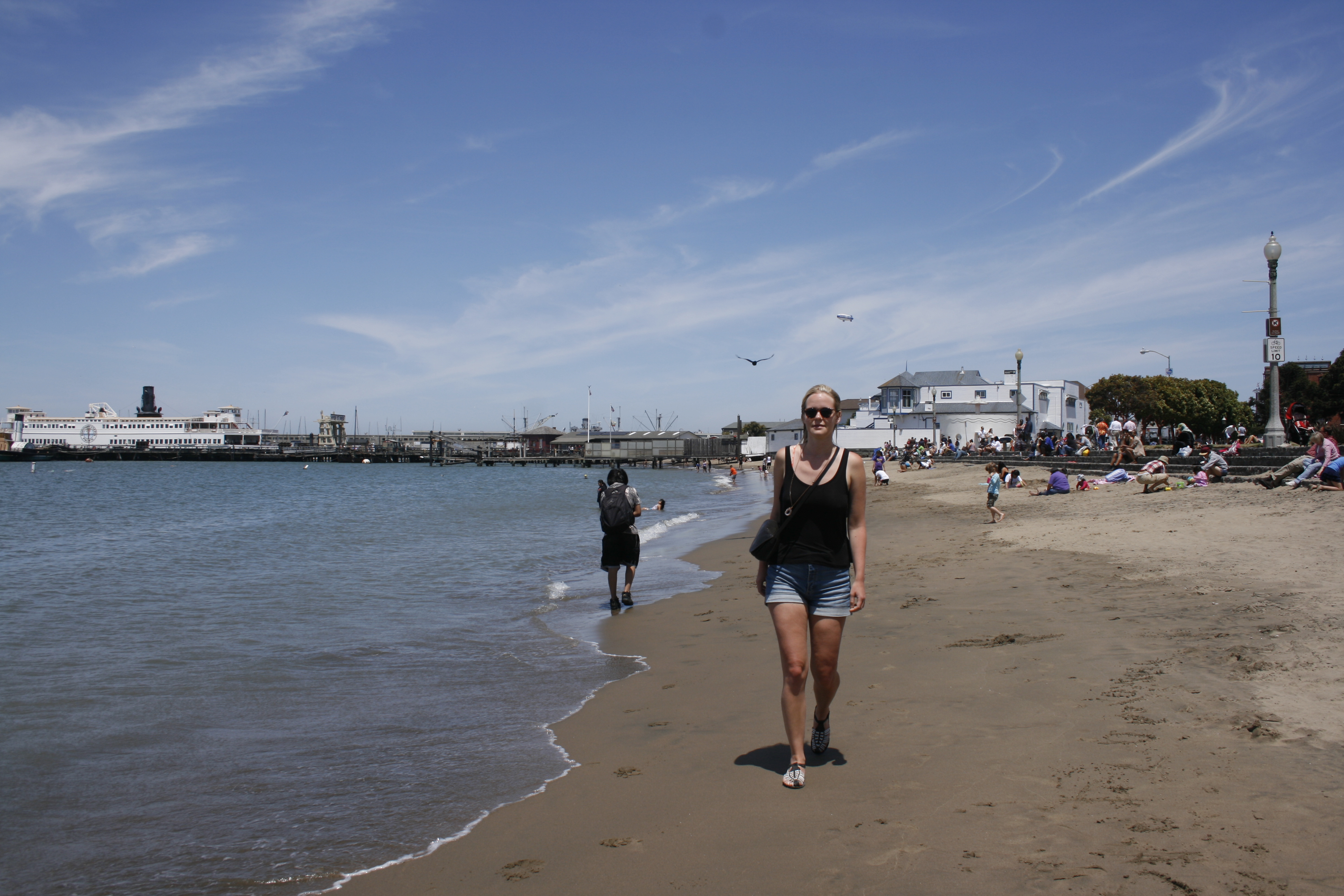
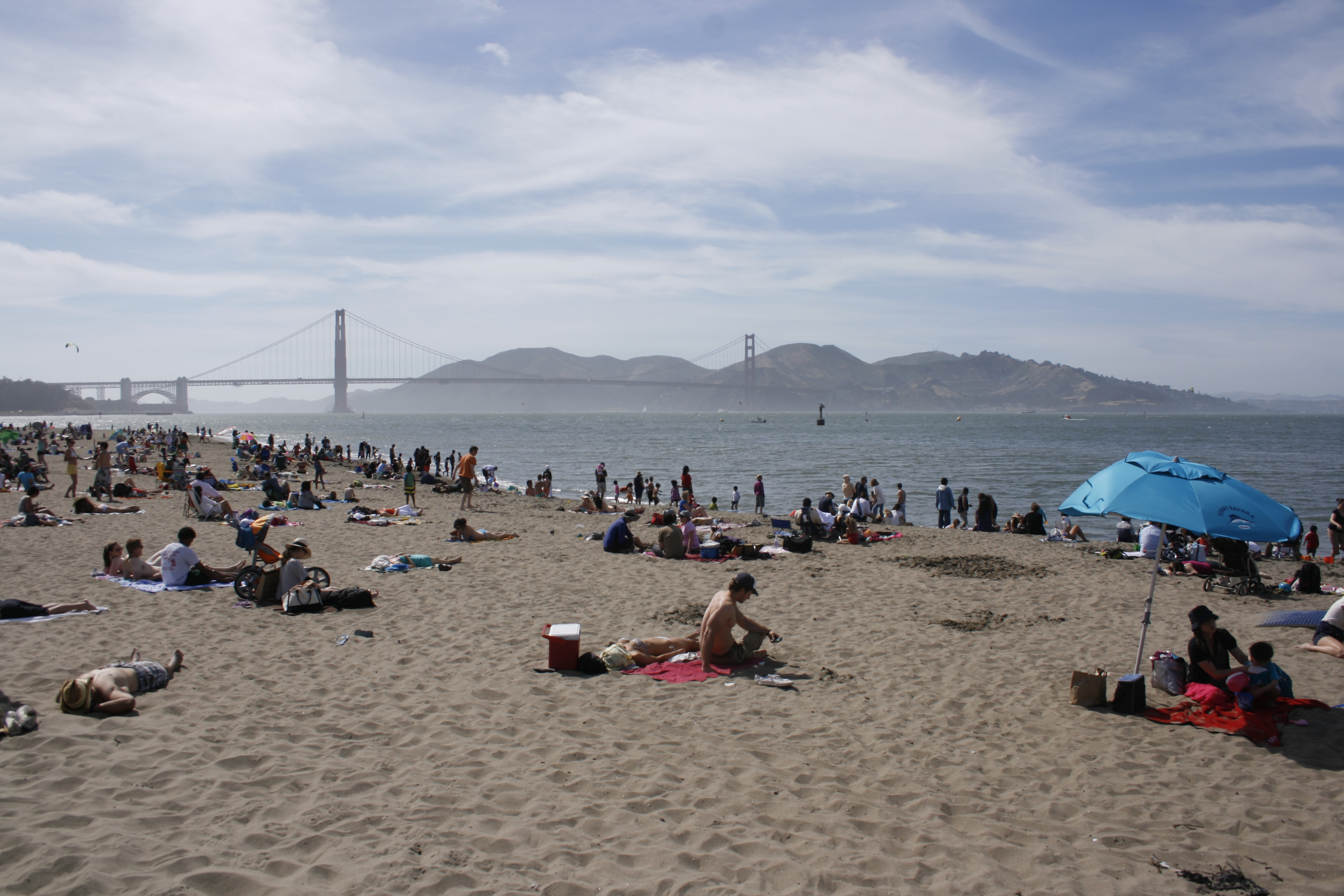
There are beaches a short walk from Fisherman’s Wharf. The water is freezing and they are crowded on sunny days, but still. Beaches.

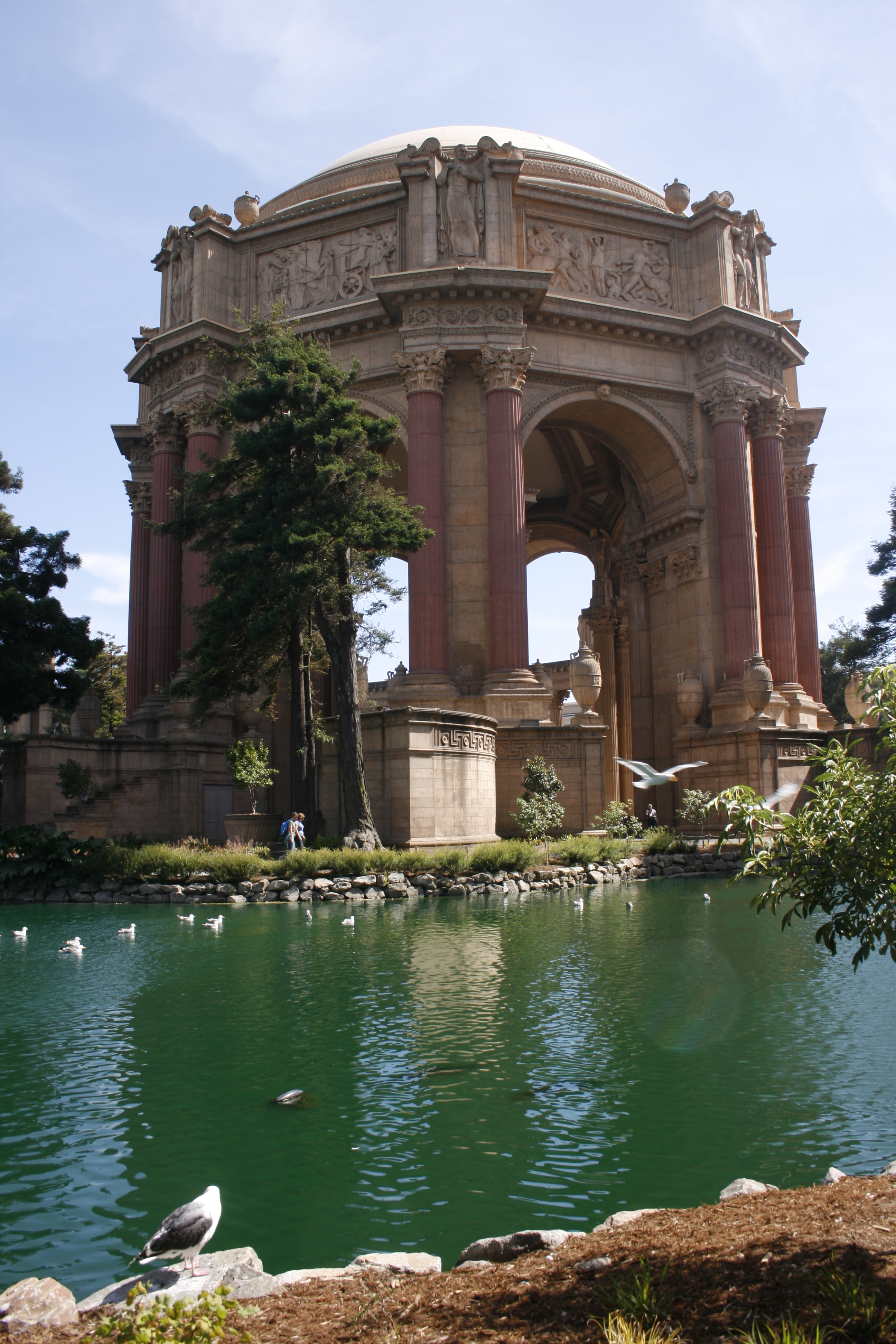
The Palace of Fine Arts. Completely fake, not old at all (few buildings are in this part of the world), but still pretty.

I would say that’s a pretty awesome view, from this beach in the Golden Gate Recreation Area.

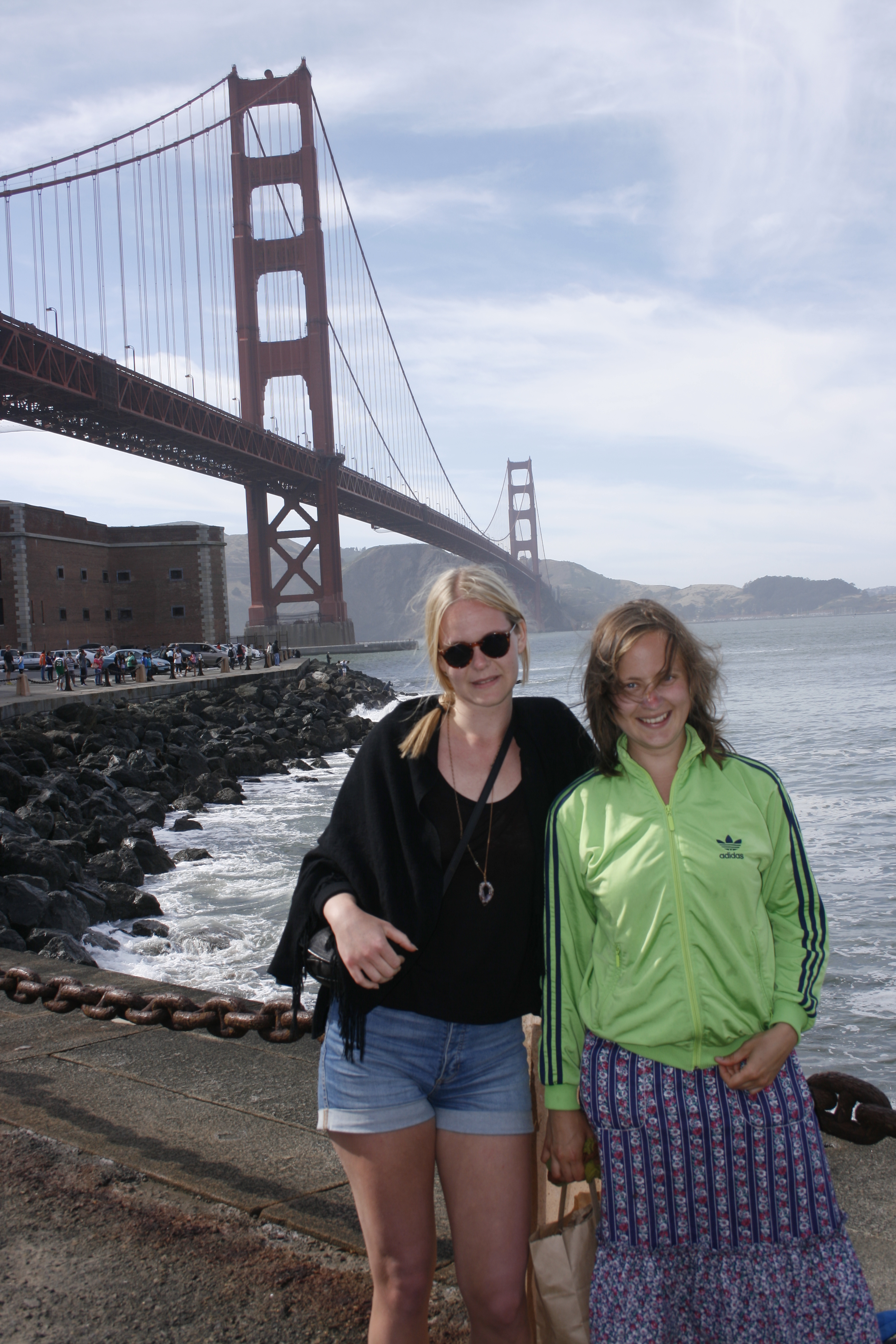
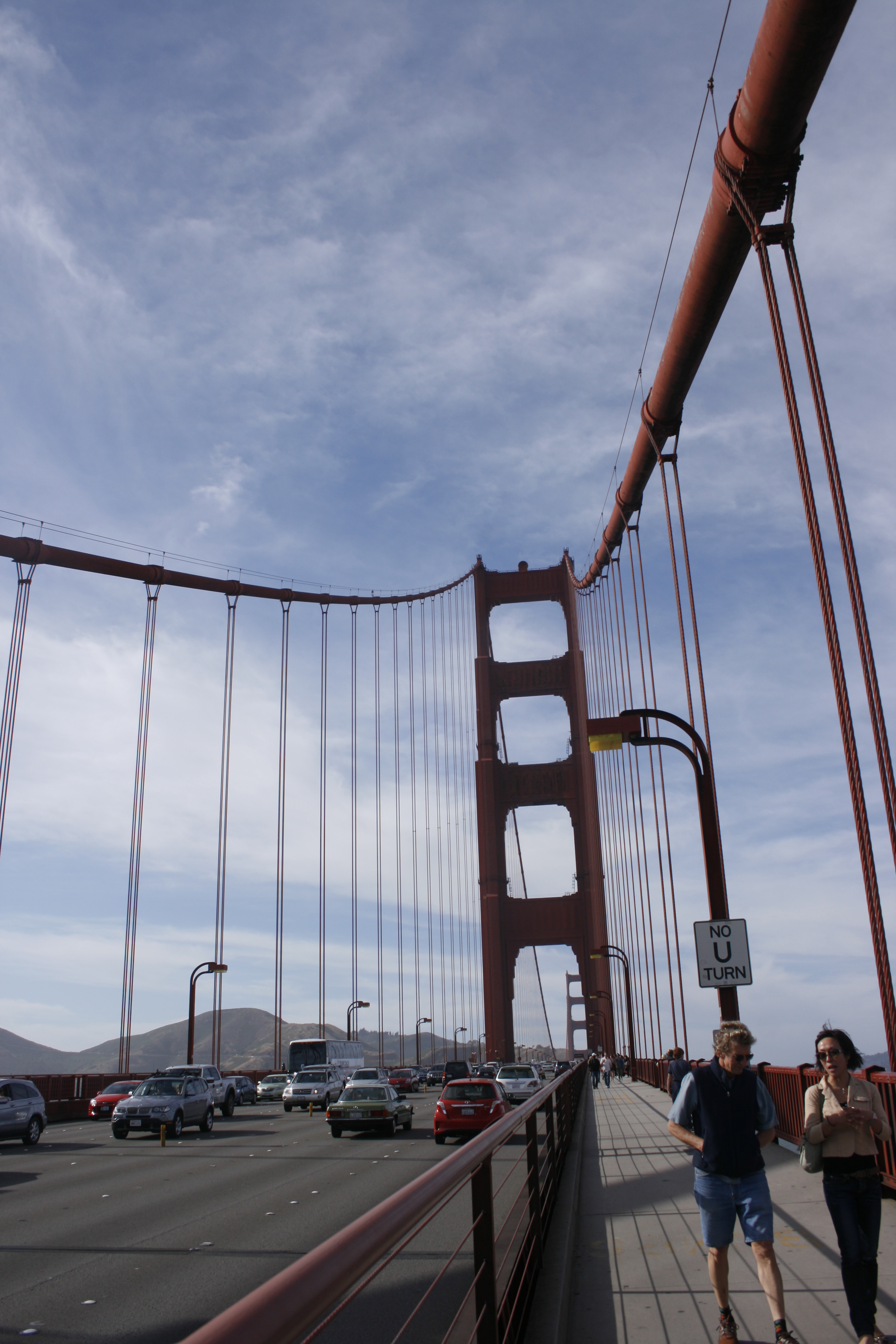
And there we are, master travellers, in front of what might be the most famous bridge in the world. Golden Gate Bridge. So, just because, I’ll give you some more of it:

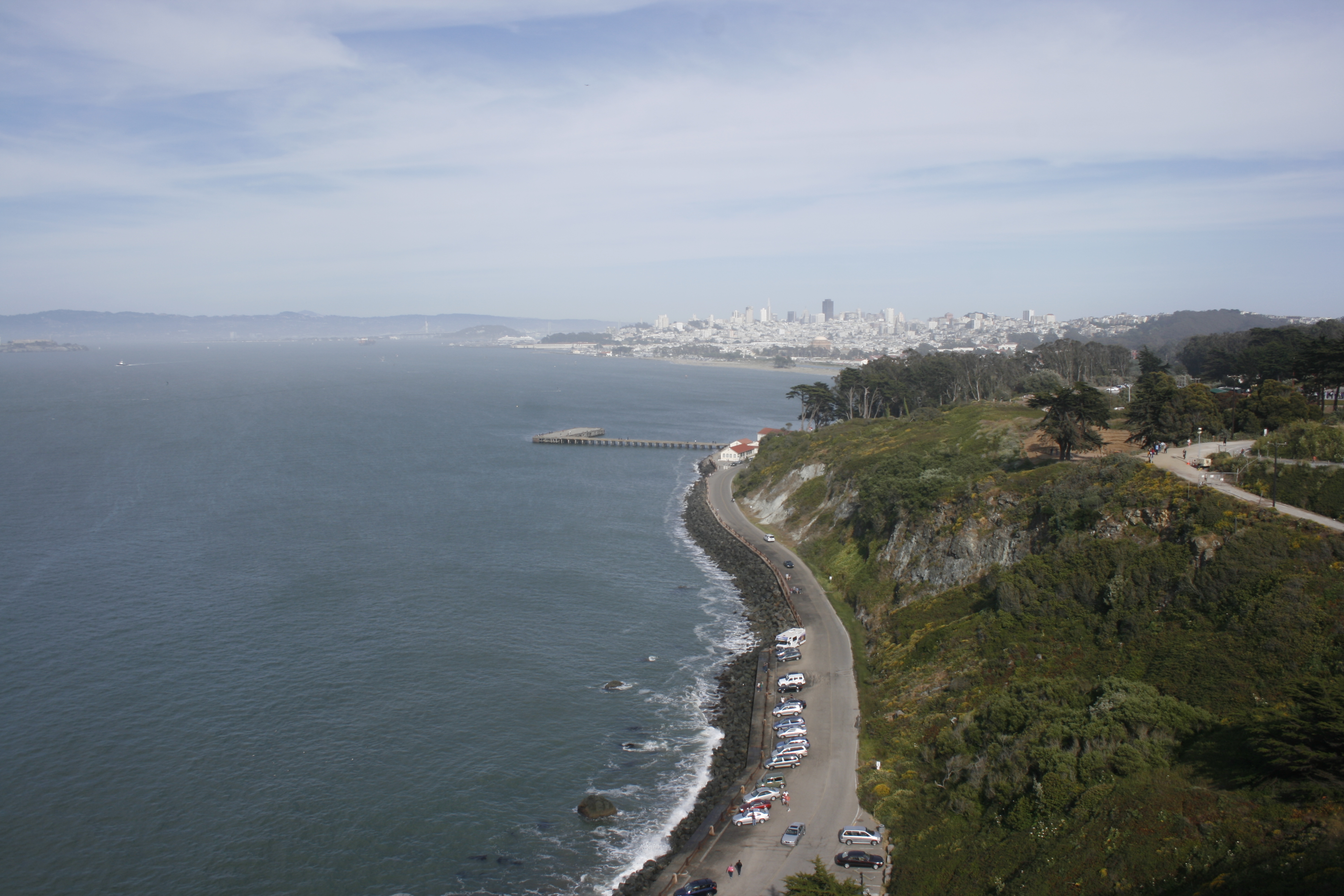
The view of San Francisco from the Golden Gate Bridge.

So yes, San Francisco is a beautiful city, and being a tourist there is a joy and a privilege. But to be honest, it was not the sights that made the city so special. What made the deepest impression on me were the things we did and saw away from the tourist crowds. That’s where the San Francisco treasures were, and luckily, I had Hanna with me who was willing to explore them with me.

Chapter 252: The all-American pastime

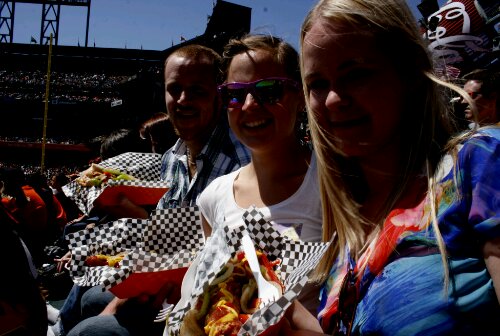
14/6: Our first night in San Francisco, Eric asked Hanna and me if we wanted to go to a baseball game the next day. This got Hanna all excited. Her brother is really into baseball, and he would be so jealous if she went to a real baseball game in the US. As for me, my philosophy while travelling is to say yes to everything, in the name of experience. So, the next morning, we packed our water bottles and sunglasses and took the underground downtown to the San Francisco Giants stadium.

image

When I hear sport events at big stadiums, I think crazy people screaming and fighting in the stands. That’s how soccer games are in Sweden. Imagine my surprise when we arrived at the stadium, found our seats and sat down to watch the game, and the people around us were behaving all civil and relaxed. It was as if people came there to spend time together as much as to watch the game.

And the game itself also seemed very relaxed. There was rushes of intense action, alternated with no action at all, and once Eric and his friend Tom had explained the rules to us, I had no problem following the game.

Unfortunately, the San Francisco Giants lost. But the audience didn’t really seem to mind. This was part of some kind of championship and this particular game didn’t really matter. Instead, people seemed to see this as a nice way to enjoy the sunny Thursday afternoon. I found it very enjoyable too.

So, we got to eat a hot dog at a real baseball game. If that isn’t a genuine American experience, I don’t know what is.

image

(I didn’t only get a real American experience at the baseball stadium, though. I also managed to burn my nose really really bad. So, the rest of my stay in San Francisco, I walked around looking like a clown. It is dangerous, the Californian sun.)

Chapter 251: The Californian Viking

June: In San Francisco, Hanna and I stayed with Eric, the Californian Viking. Or, so atleast he claims himself. That was the first thing he told me when we first met. Him being a viking, due to his Scandinavian heritage. And sure, he does looks like one: tall and big and red haired. But loud in an extremely American way, and manly in a way that I rarely meet in my everyday life back home, among academics and Stockholm media workers and middle-class wannabe intellectuals and artists. So how on earth did we end up staying with this Californian viking for a week in San Francisco? That requires a little walk down memory lane.

Three years ago, while on my South America trip, I happened to go to Cusco together with Jonna. You go to Cusco to visit Machu Picchu, and that we did, a rainy Easter Saturday. After that, the plan was for Jonna to go on to Lima, where she would catch a flight to New York, while I was to go back to Natalia in La Paz. Well, things don’t always turn out the way you plan. Jonna got on the Lima bus safe and sound, no problem. But when I returned to the bus terminal a couple of hours later, I was told that no busses were leaving that night. The farmers of the Peruvian Andes were on strike and throwing stones at all the busses. The bus drivers refused to leave the terminal. Well, I could do nothing else but return to the hostel and wait for the stirke to end.

I ended up waiting for four days. I was twenty-one and an experienced traveller, but to be honest I had never been by myself in a strange country like this before. Adding to that the uncertainty of when I would be able to leave, it left me more or less in a panic.

To my enormous luck, I happened to stay at a big backpacker’s hostel in Cusco, called Loki, full of easy-going, social travellers from all around the world. And, for some reason, most of them seemed to find the bald Swedish girl intriguing (I had just shaved my head, and people couldn’t seem to get enough of discussing my new hairdo), and then when I returned from the bus terminal, stranded and alone, quite a few of them took pity on me and made sure I never had to be by myself unless I wanted to.

Well, obviously, Eric was one of those who took me under his wings. And being loud and American and extremely charismatic, he always had a group of people around him, and he was always the center of attention. Me, on the other hand, rarely said anything back then, not feeling entirely comfortable with the English and all the strangers and my general situation. But Eric made sure to include me anyway, and for those four days, I felt as if I was adopted by this loud American, his sister and his friend Luis. I blame the hair – or rather, lack of hair. (And sure enough, one night in San Francisco, Eric told me that what caught his attention back in Cusco was my radical haircut. Maybe I should keep my hair like that all the time.) Anyway, those four completely unplanned days in Cusco turned out to be my first encounter with the generosity of backpackers.

So, when I knew I was going to San Francisco, I naturally sent a message to Eric through Facebook, to see if he had some suggestions as to what we should do there. He answered with inviting us to stay on his couches for as long as we wanted. So there we go. That’s the story of how Hanna and I ended up staying on a couch in the Mission District in San Francisco with a red-headed Californian Viking.

image

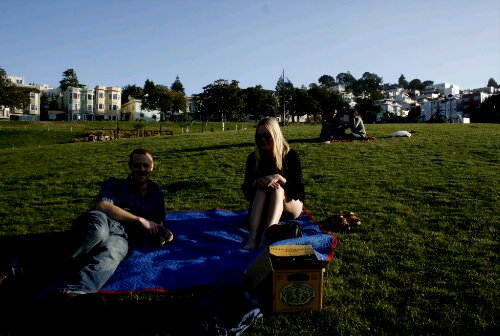
The first thing he did, after dropping off our bags, was to take us to Dolores Park with a blanket and a case of San Francisco beer to enjoy the evening sun and watch all the dogs. After that, he took us to eat the best tacos in San Francisco (really, THE BEST), and then to have drinks at the bar where he works, a really fancy place called Beretta. And that was only the first night. It was obvious that Eric loved San Francisco and that he wanted to show all it’s best and coolest sides to us. Hanna and I had a great time, and it was definitely partly due to Eric’s excellent efforts as a host.

Seriously, sleeping on people’s couches is the best way to travel.

image

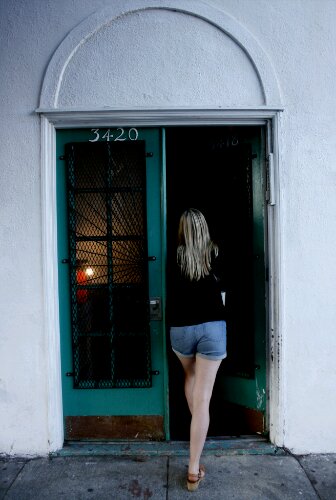
Hanna, entering Eric’s apartment building on 19th and Mission.

Chapter 250: Home

It’s been a week now, since I arrived in Stockholm again after five months of travel. It felt odd, the first day, speaking Swedish and being around all these familiar places. But surprisingly fast I got used to everything and I even started feeling like I’d never been away at all. That scared me. That I felt like everything was the same, even though I knew so much had happened. I was afraid that I would forget.

Luckily, I still have about a month and a half of stories to tell, from my trip, and all the photos that I want to publish. I won’t have as much time as I originally thought, since the archive turned out to want me back full time right away (and I feel like I can’t say no to the money), but I’ll write as much as I can. In the evenings, if I’m not too tired. If only just to remember, myself.