Chapter 298: Arriving in Santa Barbara

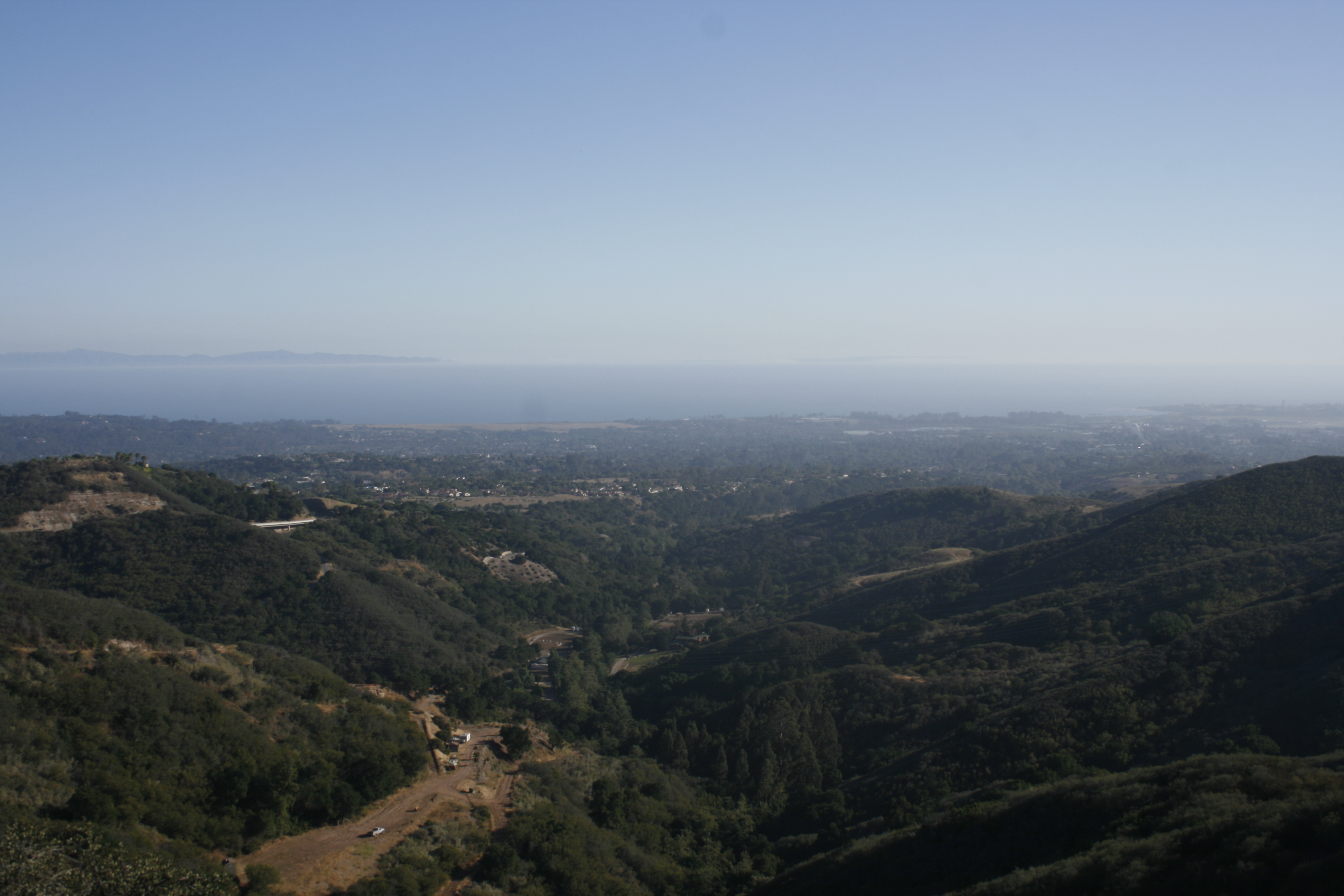
21/7: Crossing the last of the Santa Ynez Mountains, we were met by the view of Santa Barbara.


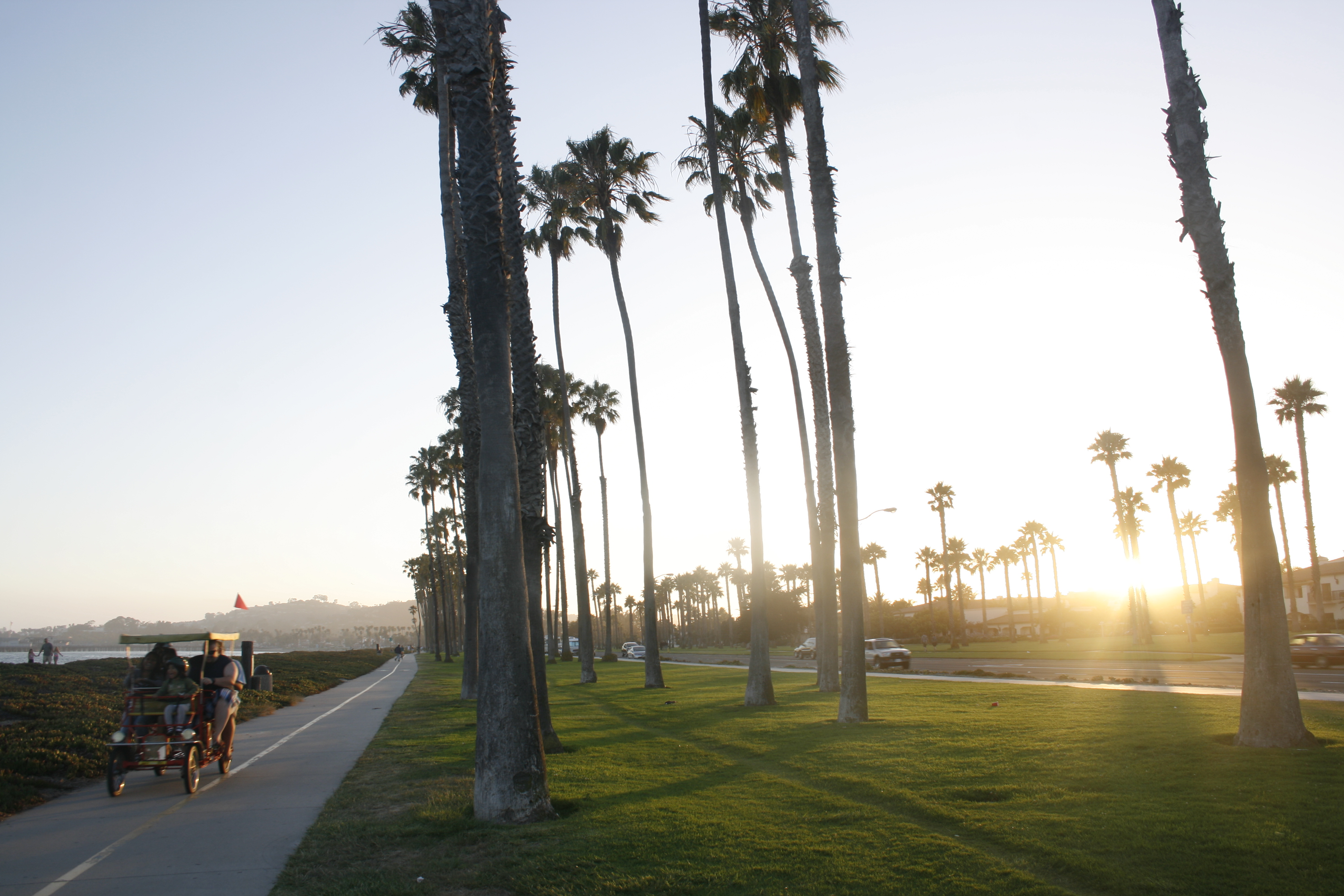
We made it down to the beach before the sun set. Apart from the beach facing south, and therefore not having the sun set in the ocean, my first impression of Santa Barbara was that of a typical southern Californian beach resort. Tourists, plam trees lining wide boulevards and sand.


But I guess the Spanish influenced architecture made it pretty special, after all.

Chapter 297: Los Olivos

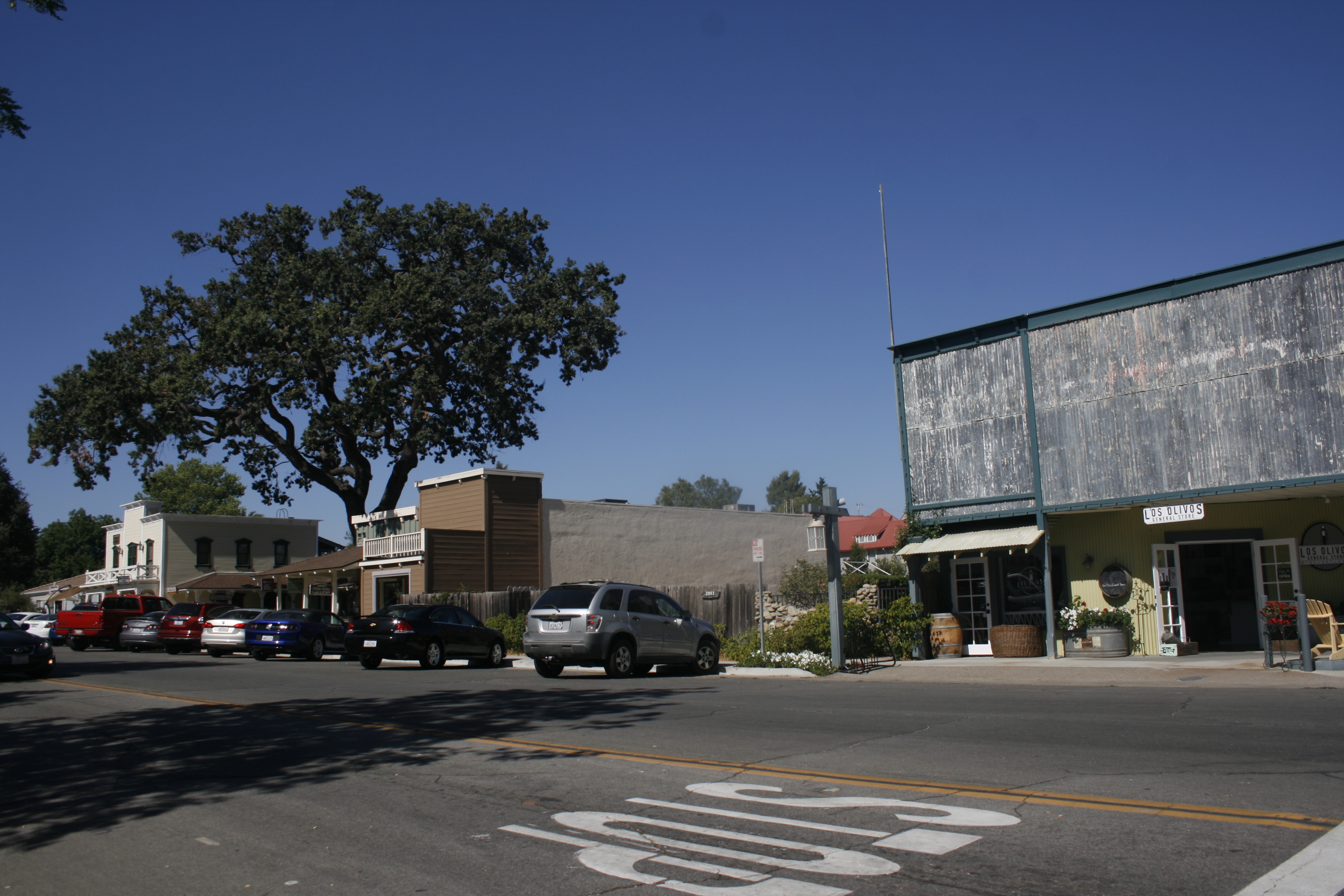
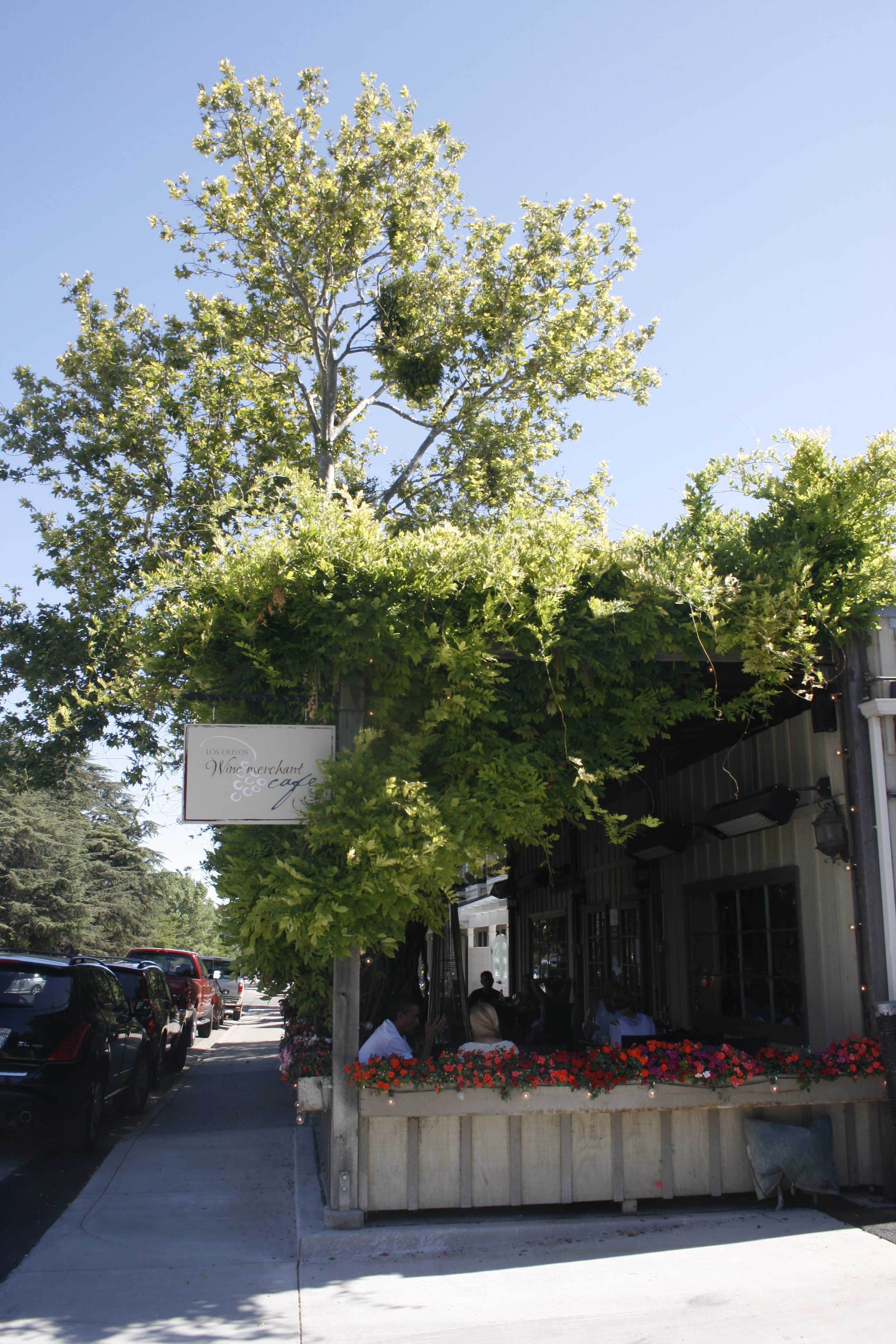
21/7: Los Olivos is a small town in the middle of the rolling vineyard hills in the Santa Ynes Valley, just north of Santa Barbara. The main street is lined with wine tasting rooms, art galleries and exclusive restaurants. In mom’s fancy guidebook, they recommended one of the restaurants there. So, we tried it out.


Los Olivos Wine Merchant Cafe.


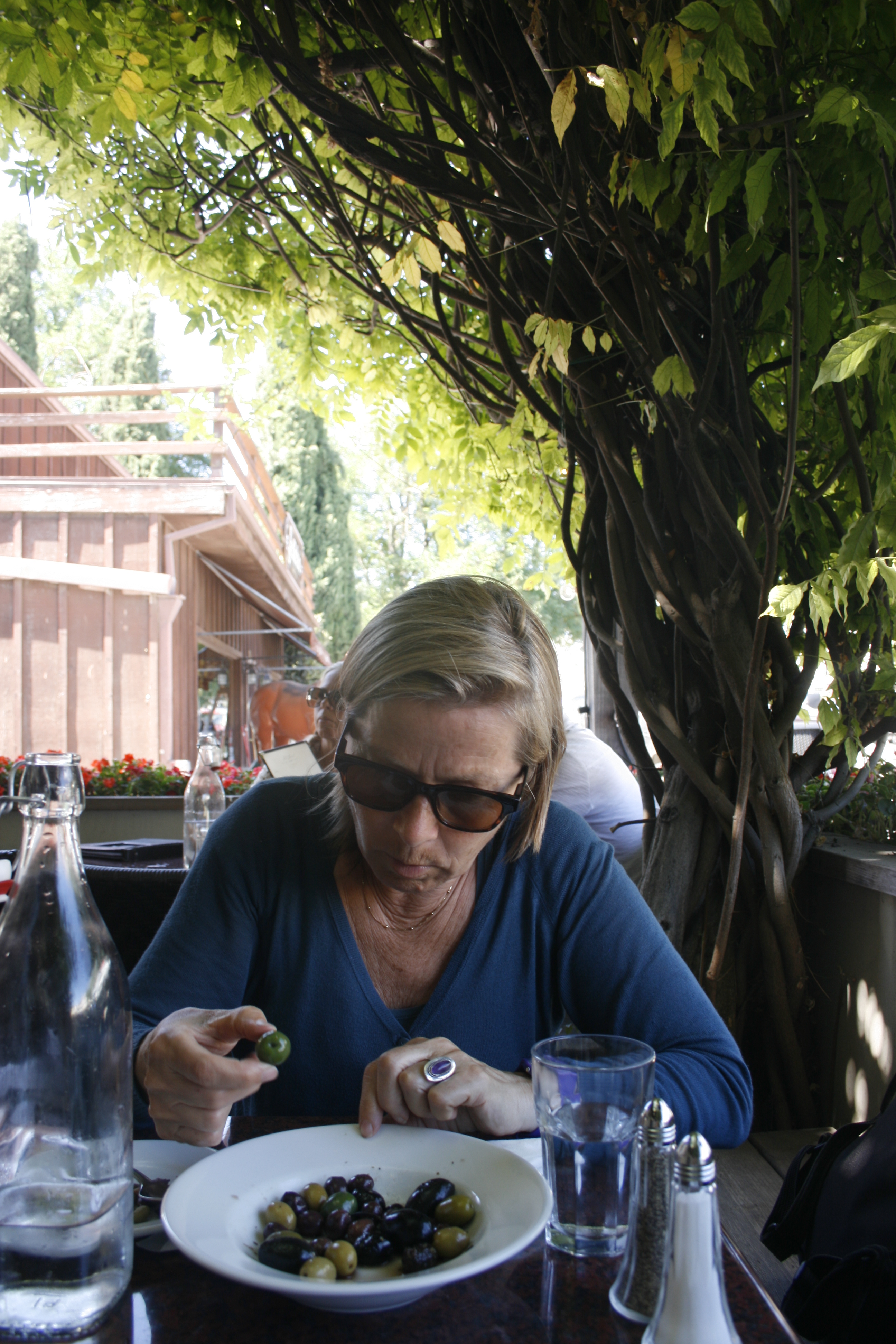
The olive plate was exquisite. Who knew there were so many different kinds of olives? Not me, even though I barely can count the number of times I’ve been to Greece on the fingers of both my hands.

We also had a sallad with a delicious raspberry dressing and a pretty strange, but still good pizza.


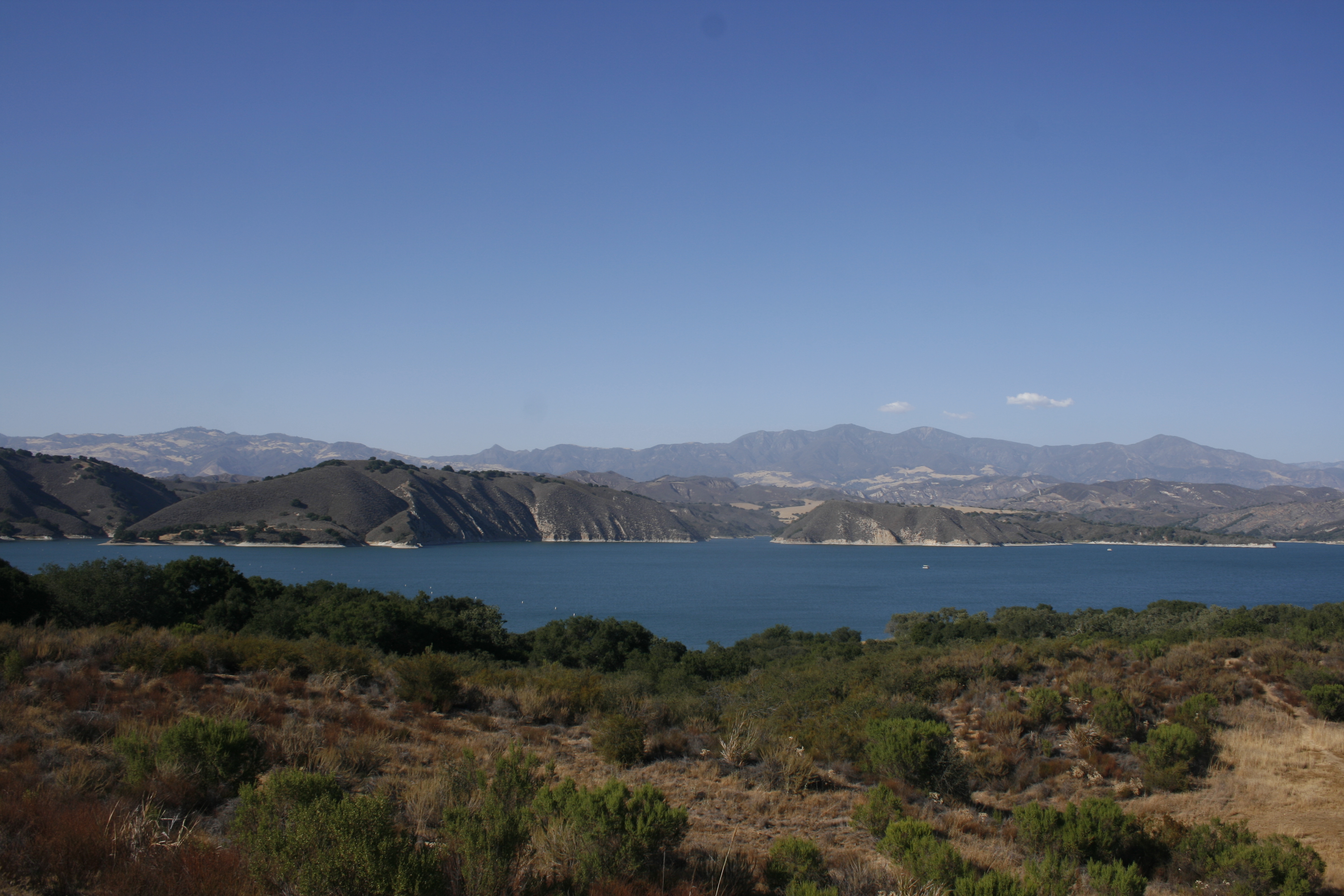
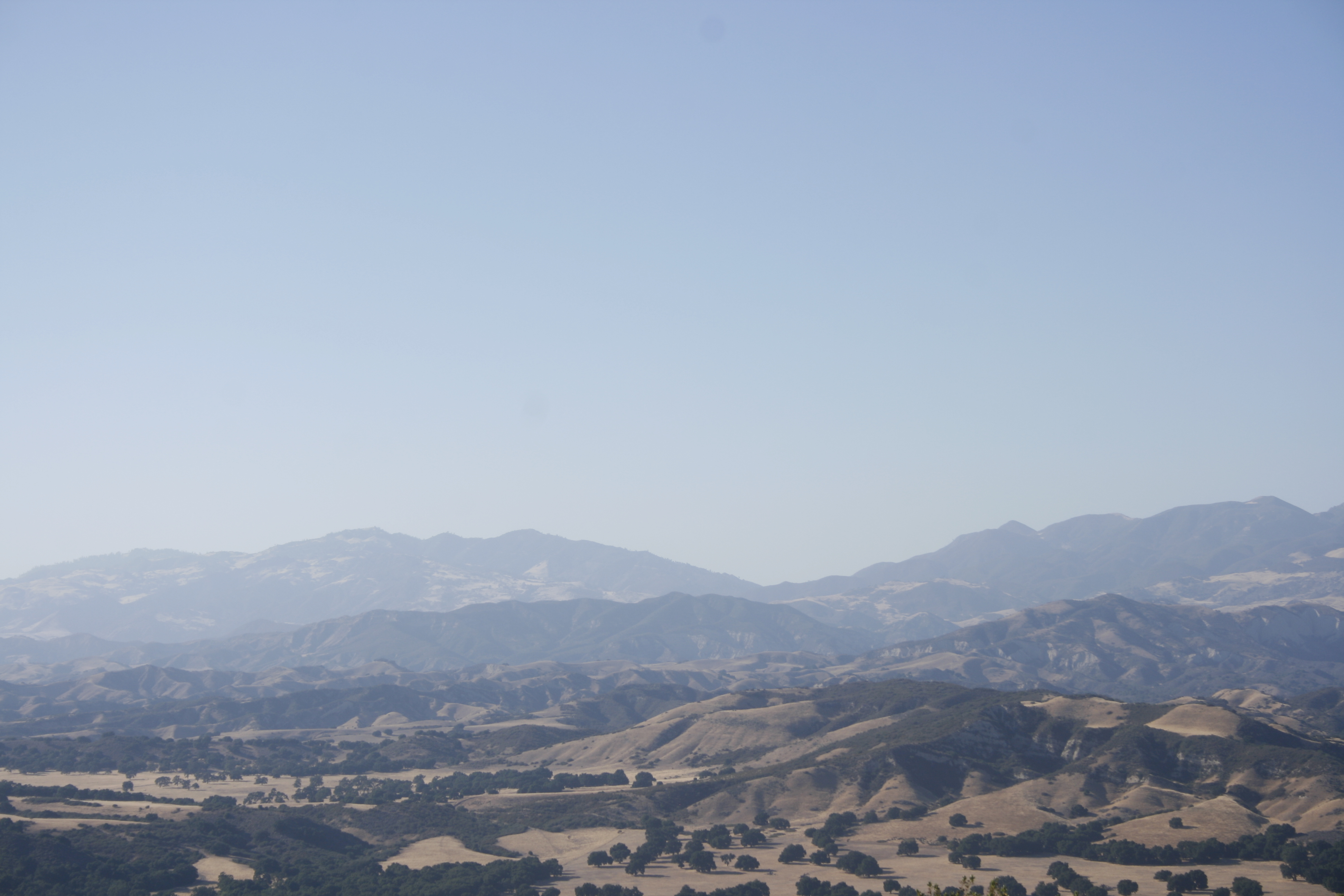
On the road from Los Olivos to Santa Barbara, clumbing the small Santa Ynes Mountains that makes a natural border between the coast and the agricultural lands inland, we came upon the artificial Lake Cachuma. A reservoir, but pretty non the less. And the scenery around it was incredible.

Chapter 296: Pismo Beach & Gaudalupe

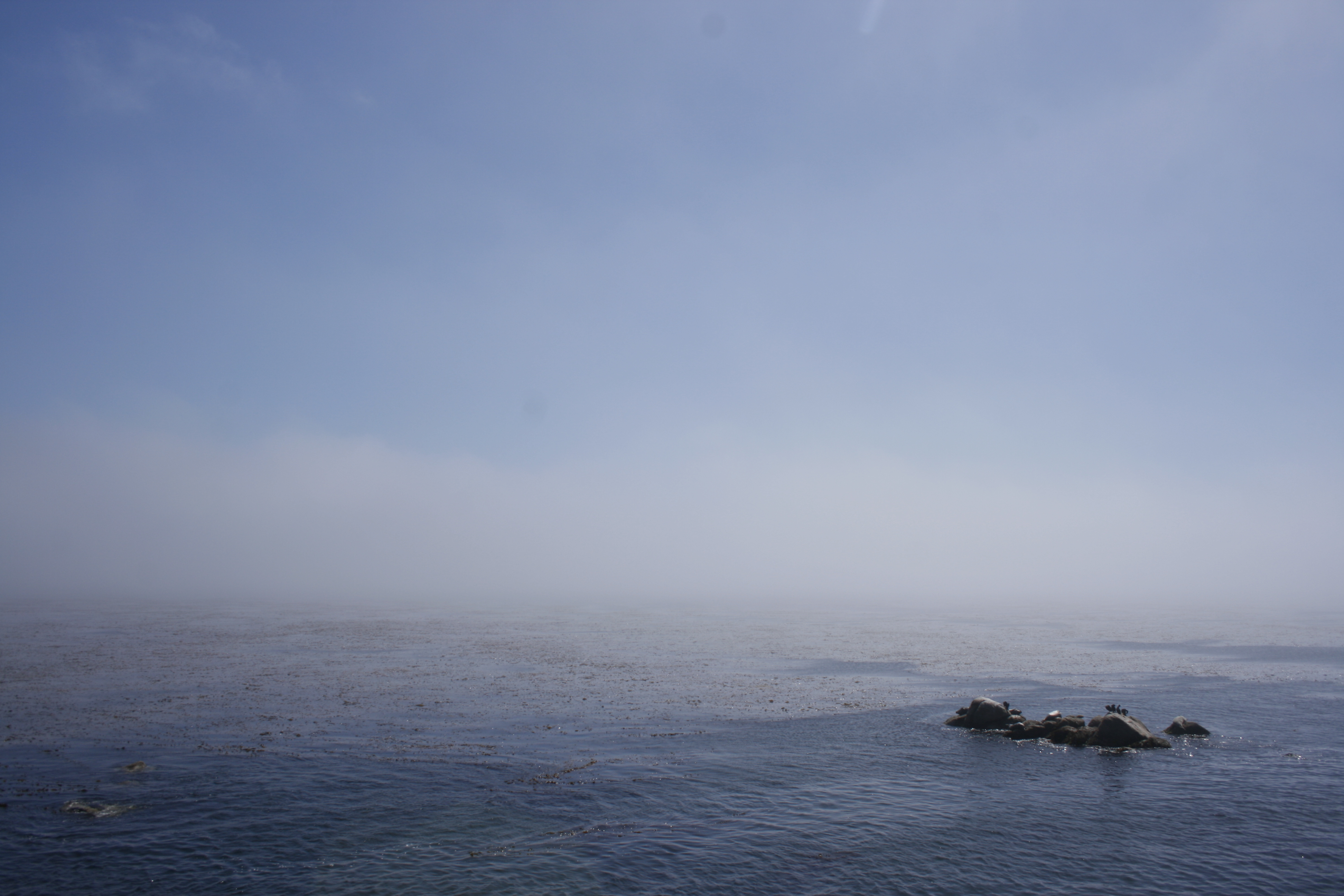
21/7: When we woke up in San Luis Obispo, the sun was shining, so mom wanted to go to the beach. But, when we arrivied in Pismo Beach, the mist had rolled in form the ocean and only the crazy surfers dared venture into the water.


So we continued on our way, into the Lompoc Valley. According to mom’s guidebook, this was supposed to be an exceptionally scenic route through a valley of farms. Well, I didn’t see it. Maybe Sonoma spoiled me. This place was just flat.


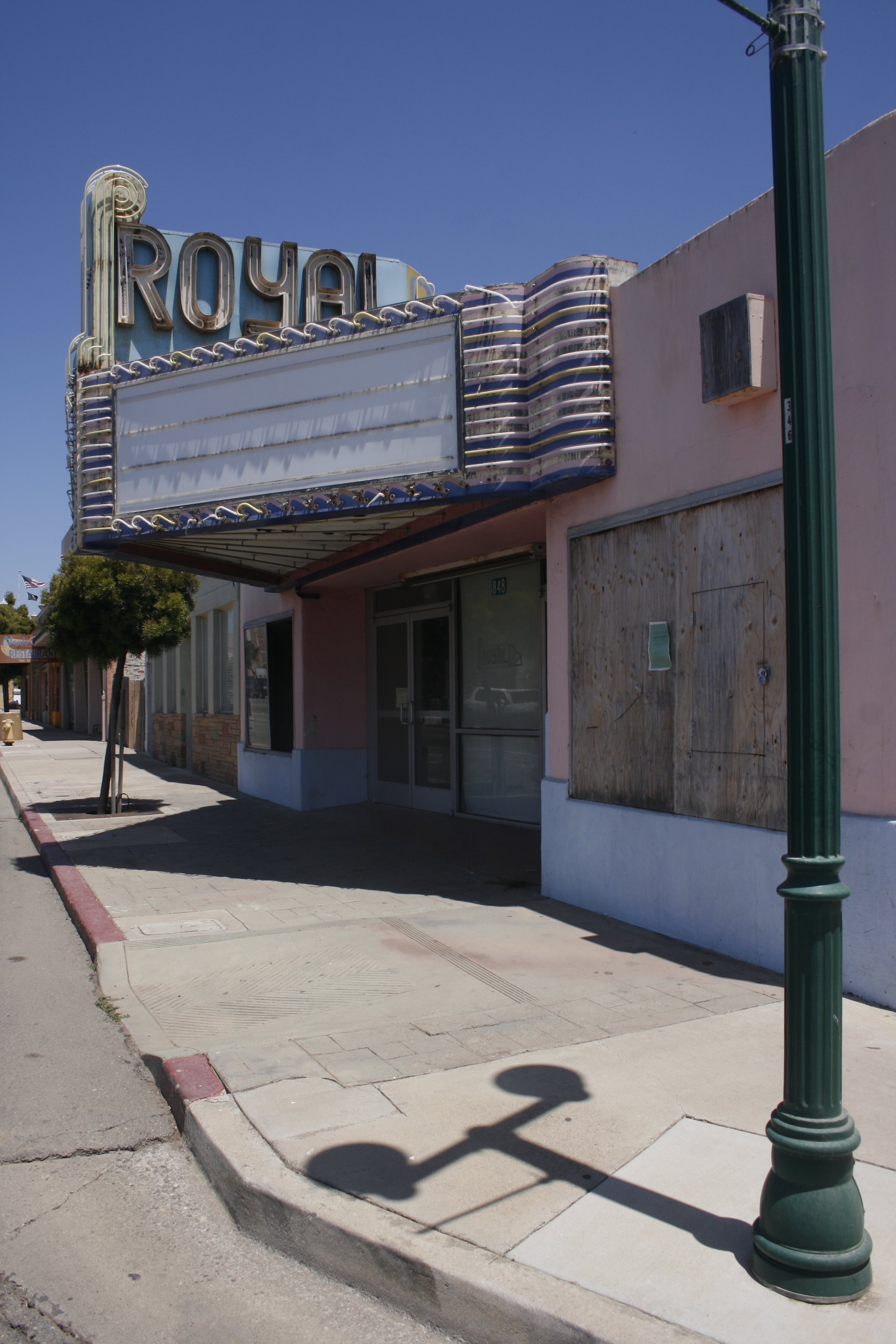
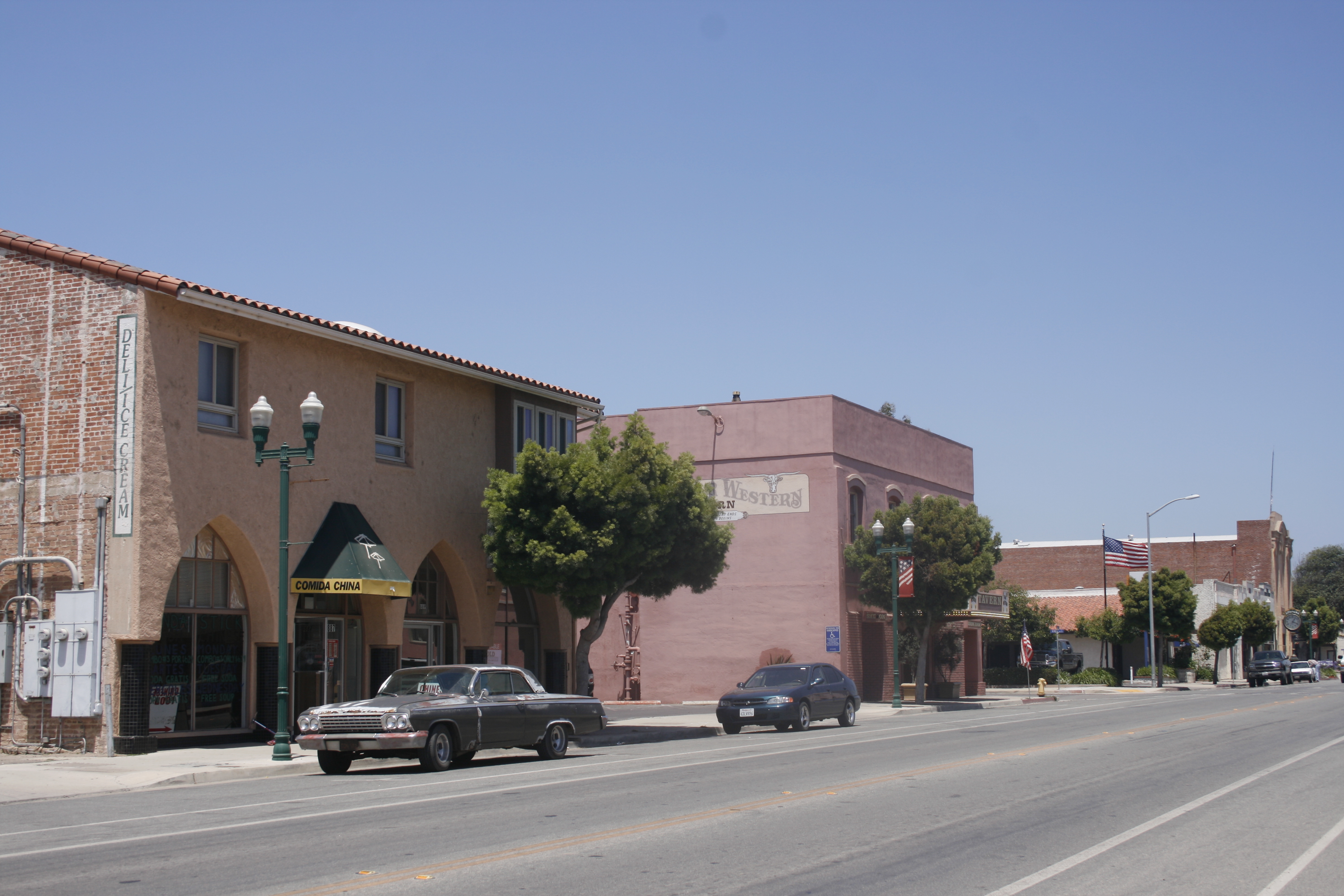
In the middle of this flatness, we drove through Gaudalupe. A strange place. Quiet and kind of deserted. The old movie theater was closed, and the Chinese restaurant was called Comida China. Yeah, odd.

Chapter 295: For the aspiring hydrologist

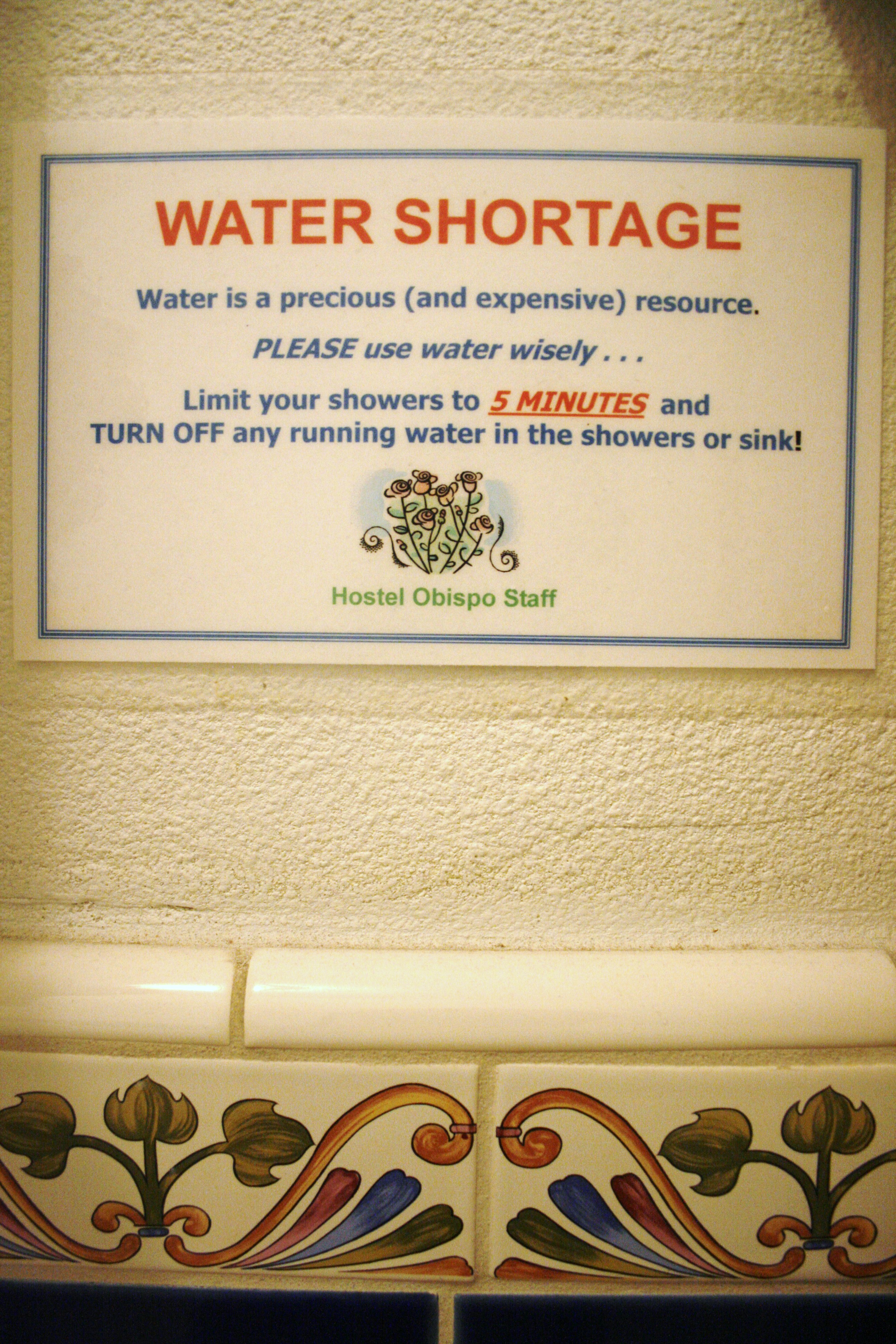
At several hostels that we stayed at in California, they had signs urging us to use as little water as possible.

At the hostel in Moterrey, they had special coins that you fed into the shower, each coin worth one minute of water. When checking in, every person got four coins. It was not that we weren’t allowed to shower more, just that if we ran out, we had to go get the additional coins from the reception. This extra effort it took to get the long showers probably made at least a couple of people take shorter showers than usual. As for me, I’m not big on long showers. I just want to get them over and done with.
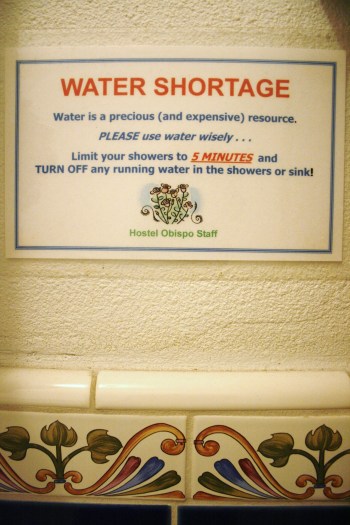
 

At the hostel in San Luis Obispo, they had signs too. And in the morning, the sink in the kitchen held two big tubs of water, one with soap in it and one without. All breakfast dishes were to be washed in them, instead of every single person washing their plate and cup under running water.

This made me happy, and it made me think about the research a couple of my classmates did in Namibia. While me and Elin were investigating the water availability in Kuisebmond, the poorest neighbourhood in Walvis Bay, Maja and Petrus were interviewing hotel owners and toursits in Swakopmund about their water shortage awareness. Their results weren’t very uplifting. Tourists are an exceptionally wasteful lot. But here, in California, at least a couple of hostels has tried to make the industry a bit more eco friendly. It warms my aspiring hyrdologist heart.
Chapter 294: Driving down Highway 1

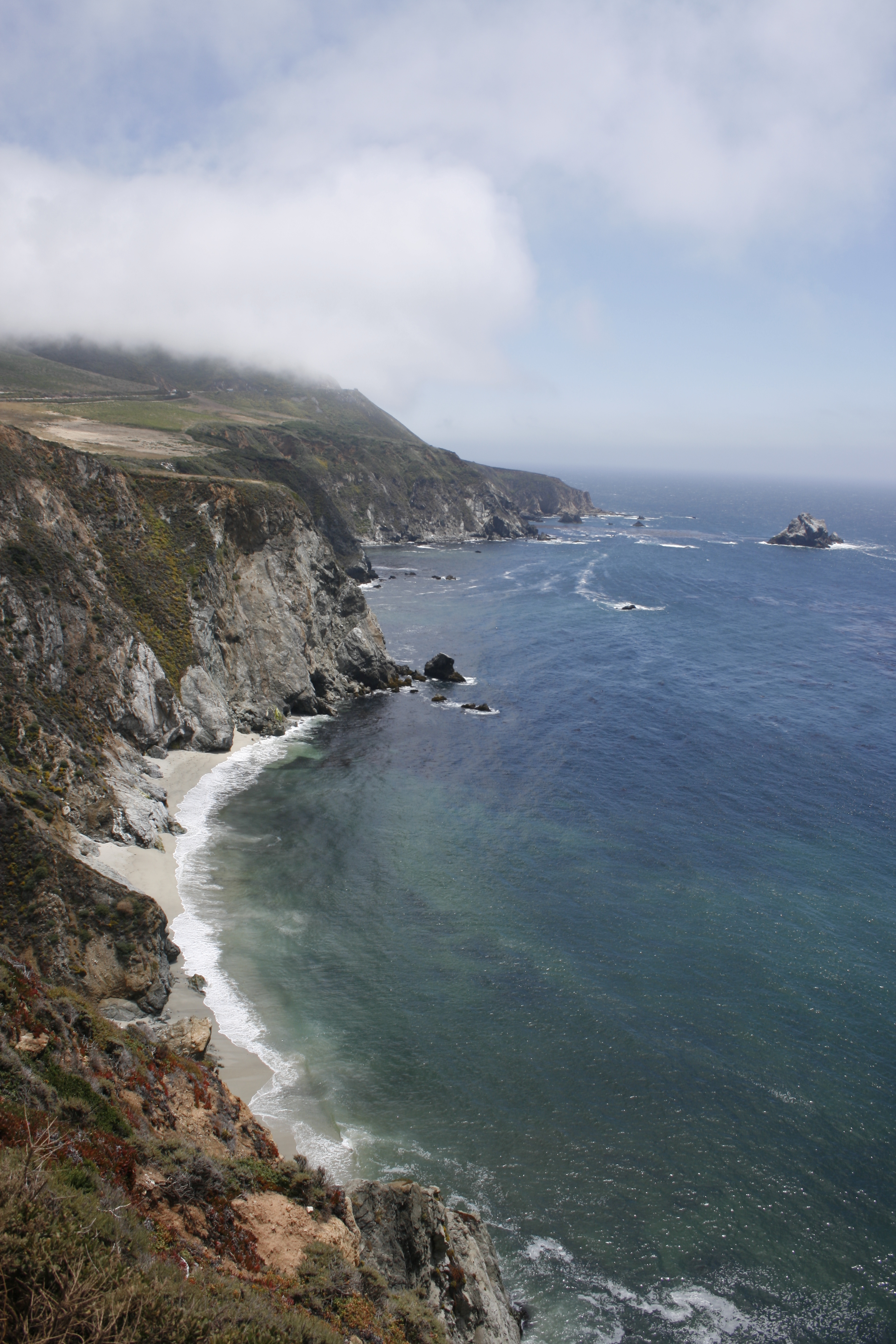
20/7: Highway 1 starts north of San Francisco and runs past Los Angeles, but what people usually mean when they talk about Highway 1 is the narrow stretch of road built on the high cliffs starting south of Monterey and ending north of San Luis Obispo. Big Sur. It’s famous. And now I really understand why.


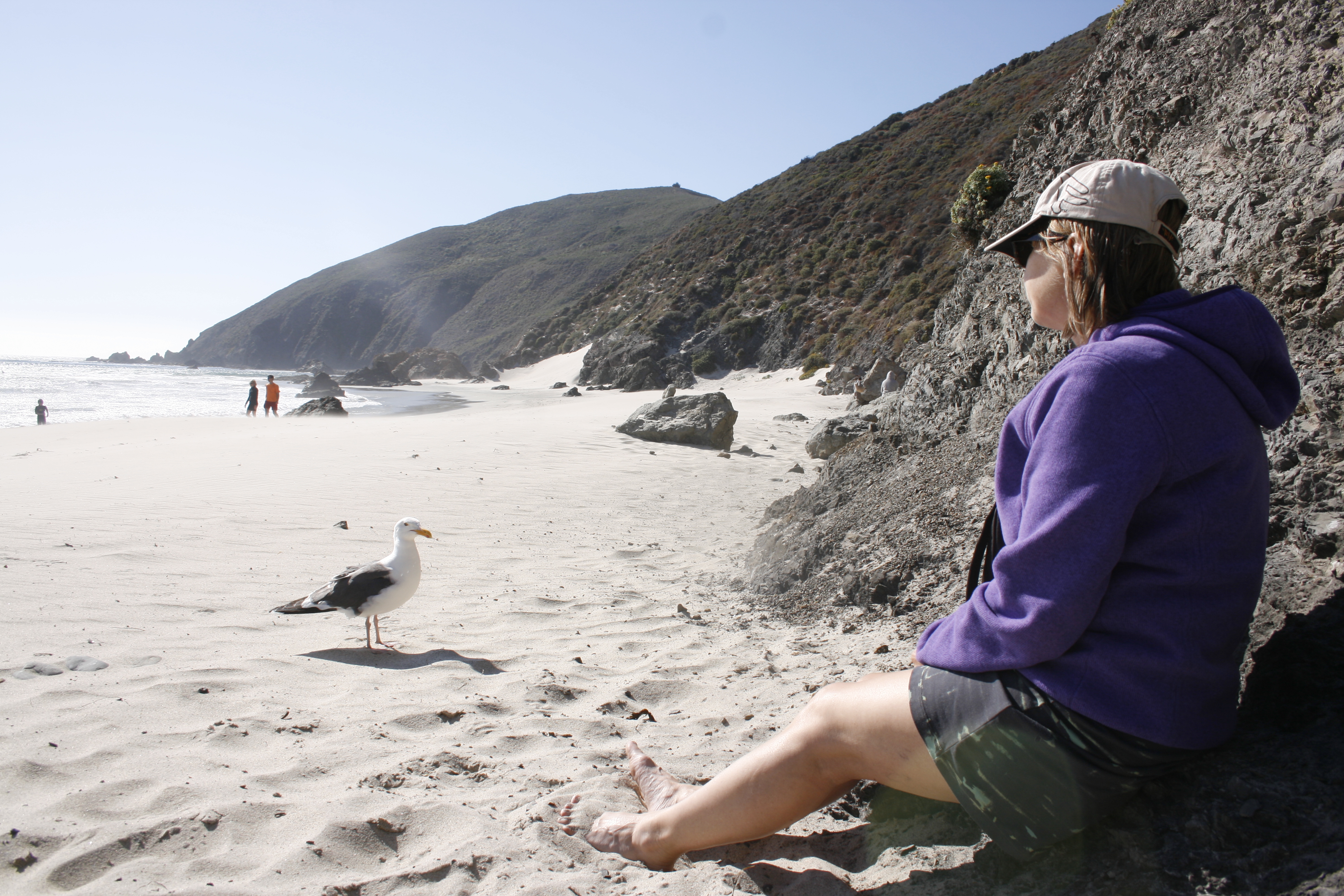
Pfeiffer Beach in Big Sur, one of all the parks and reserves along this strech of Highway 1. Sarah said this was the most beautiful beach she’s ever been to in the United States. And it sure was nice. Here, we took a break from the driving and ate some organic blueberry shortbread.


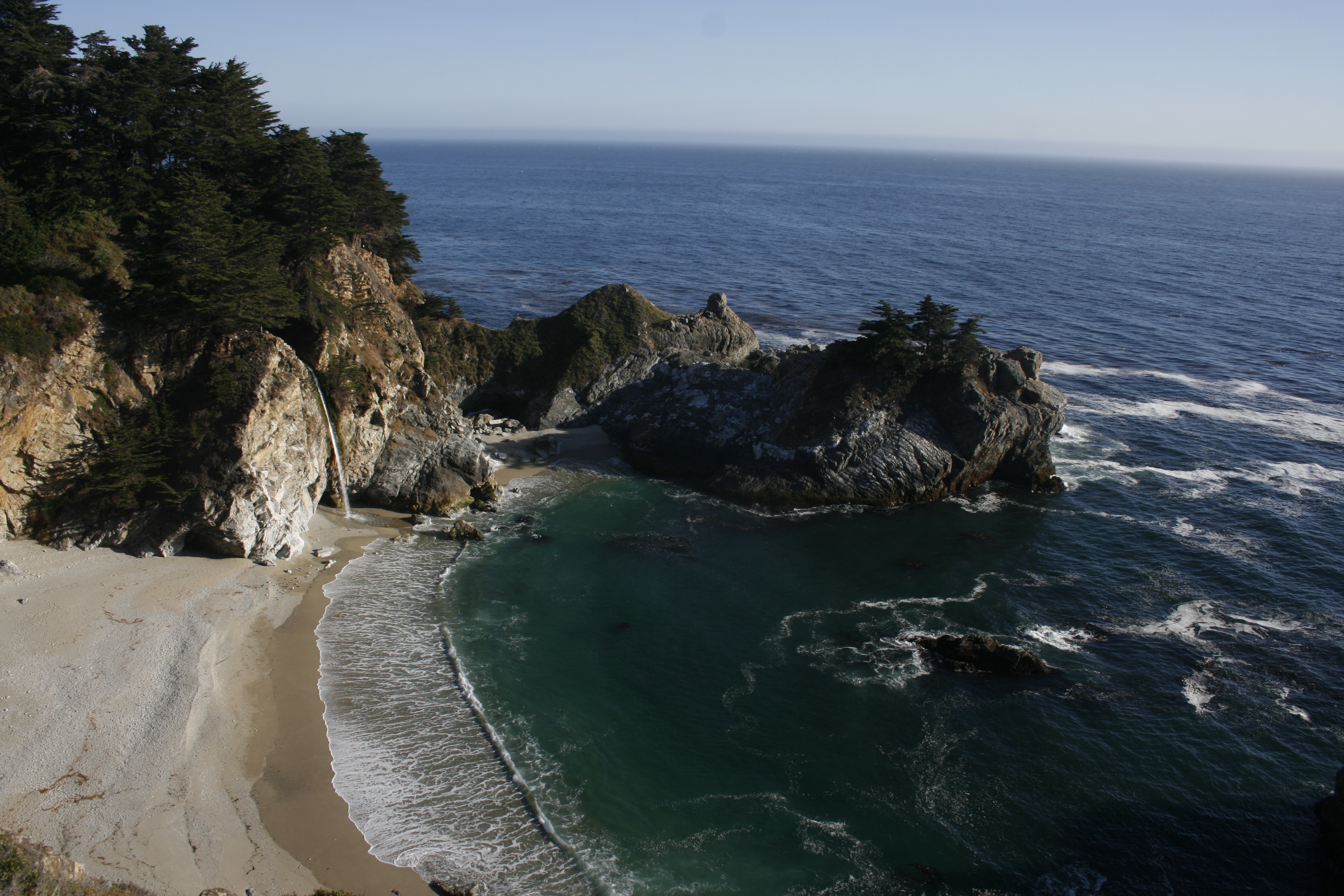
Julia Pfeiffer Park. The only waterfall in California that flows straight into the ocean. Imagine this as your living room window view. That was actually what it was, the terrace from where this picture was taken, built by an heiress and then donated to the public as a State park in her will. The house has been torn down now, but the terrace is still there, for every eager tourist to hike to.


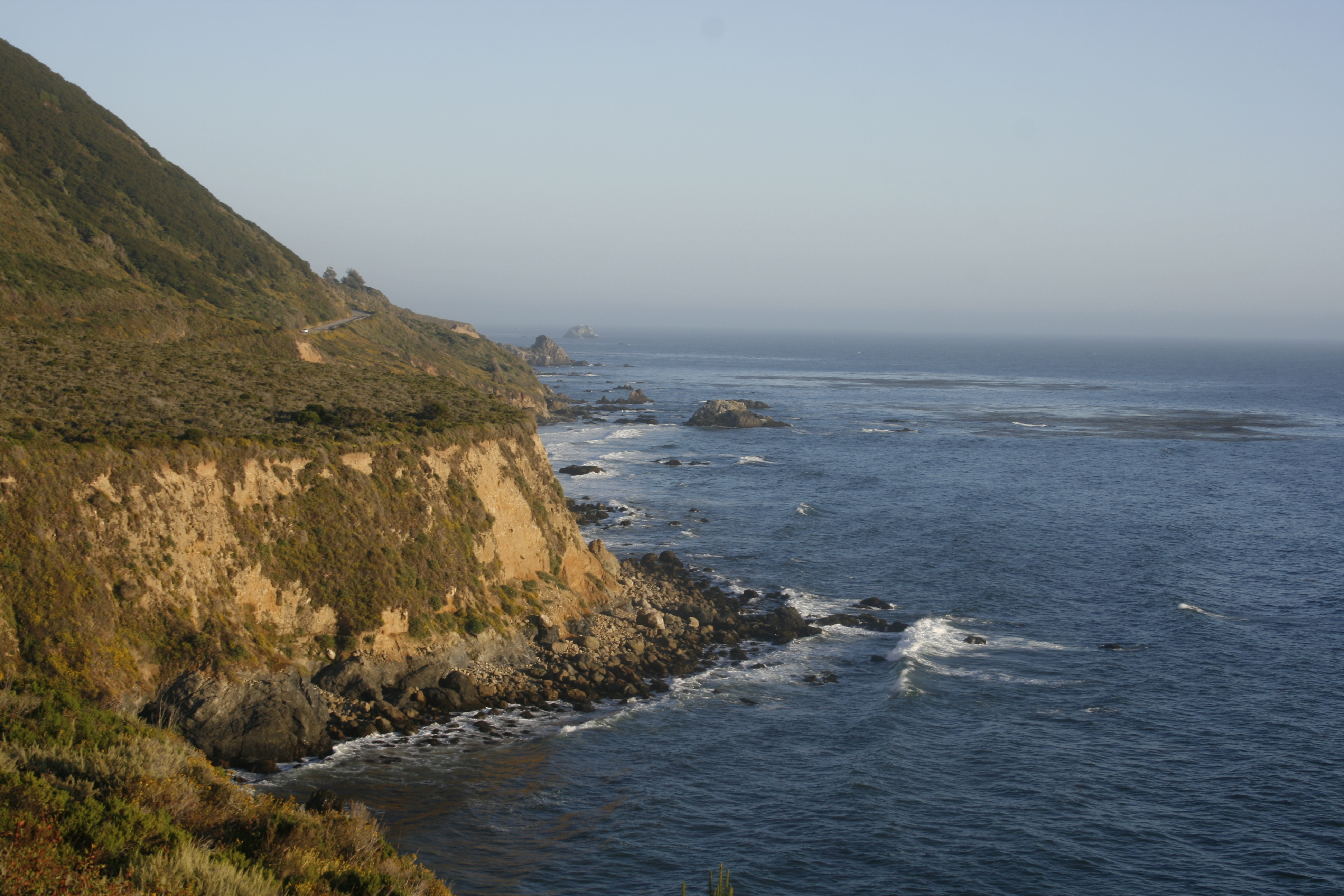
The driving along Highway 1 required a very concentrated driving. No letting the scenery distract you. Because that could become fatal.


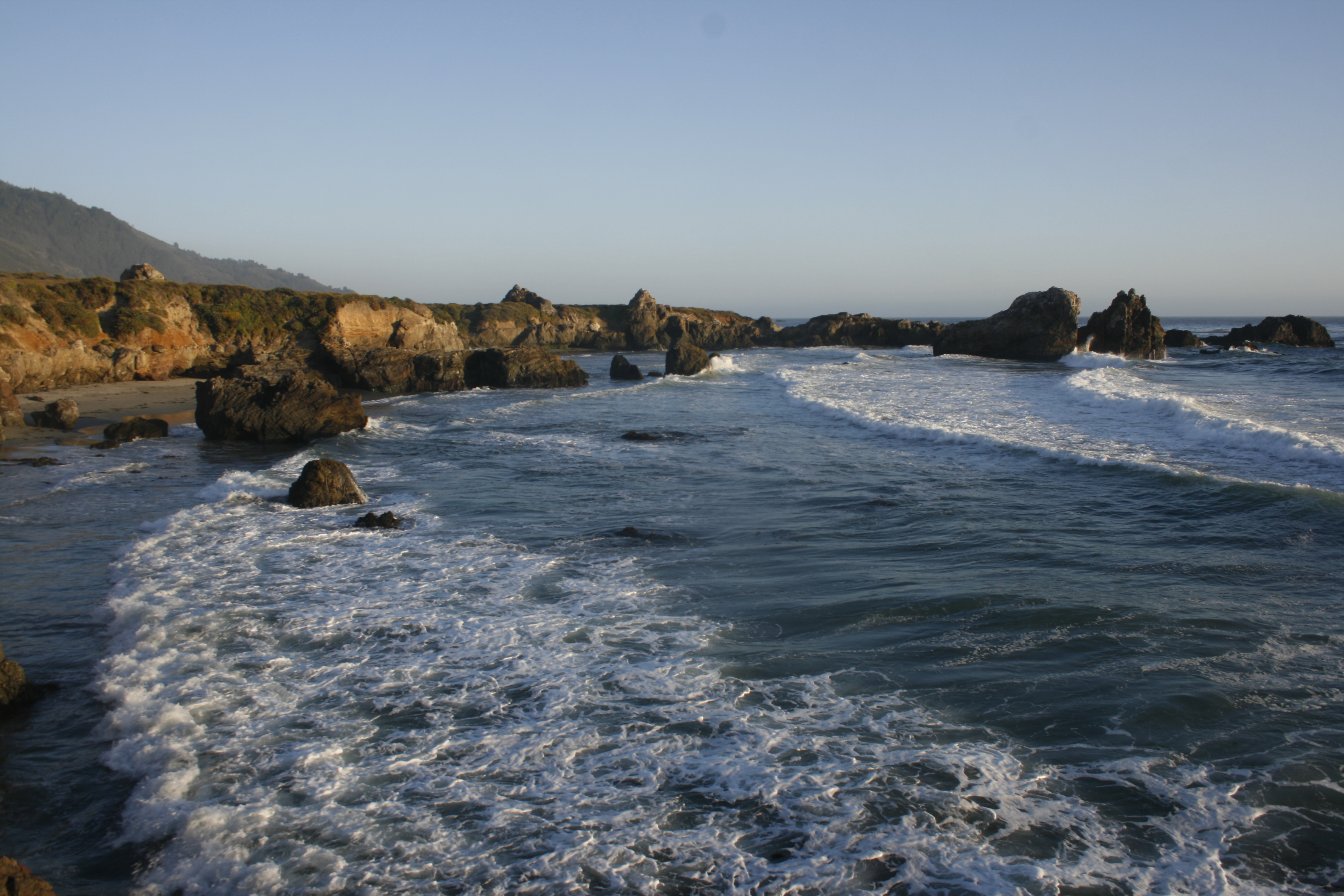
The hidden beach. The one I found after forcing the thicket by the road. The sun going down. Beautiful.

Chapter 293: Monterey

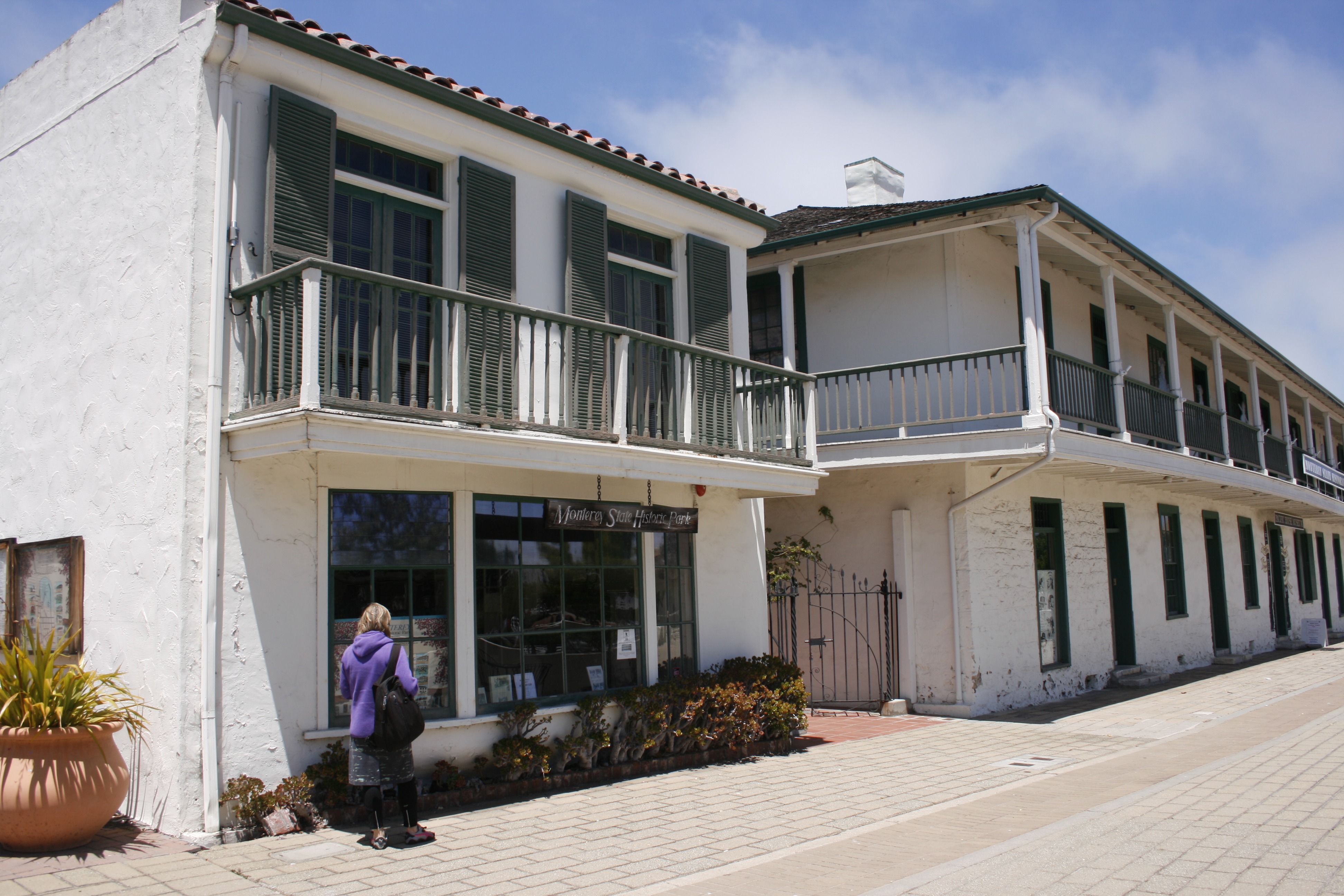
20/7: The historic center of Monterey was built by the Spannish – and it does look kind of like a Zorro movie. That is, the architecture reminds of the old Mexican style. I guess. I wouldn’t know. I’ve never been to neither Mexico nor southern Spain.


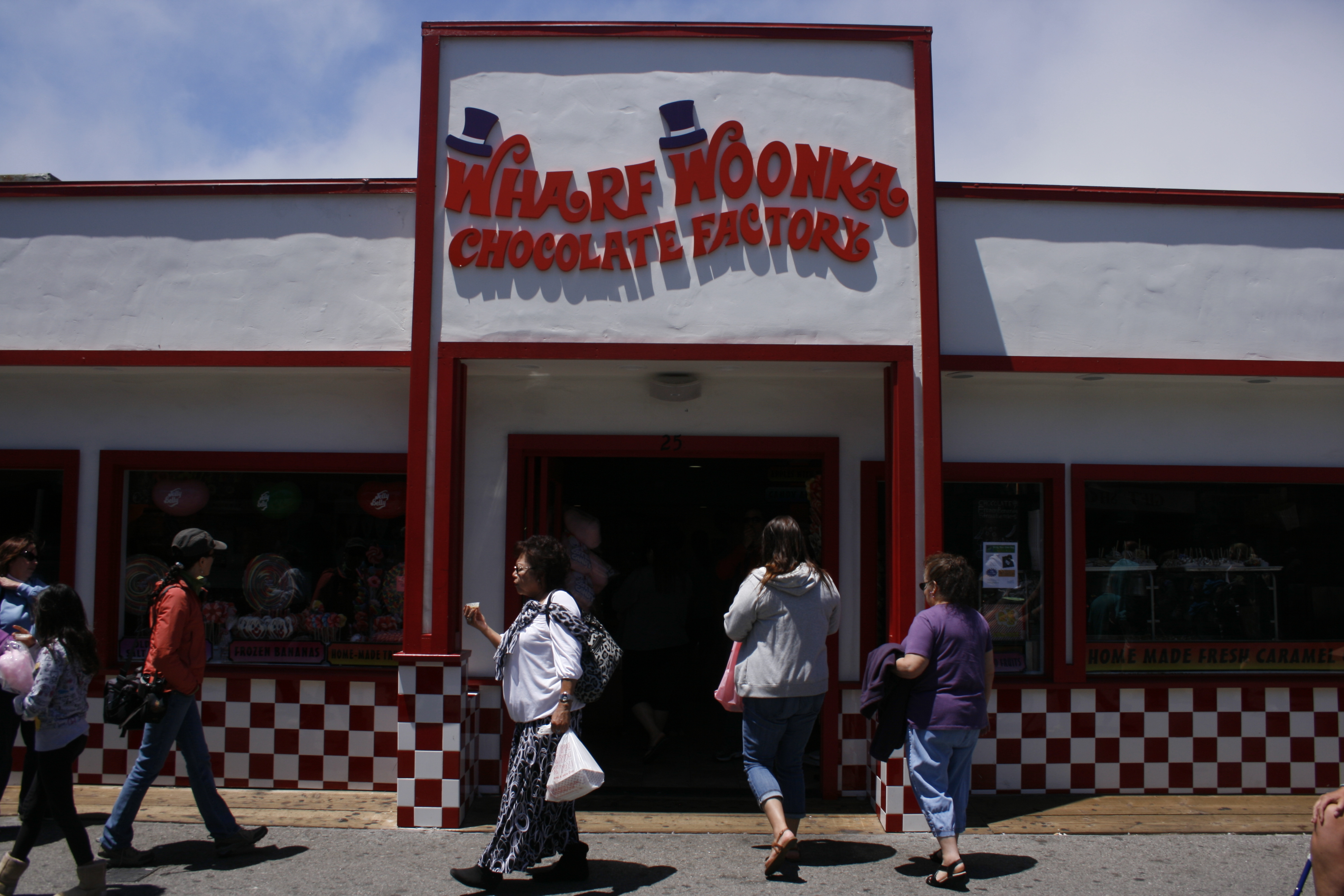
It was pretty, but also thick with tourists and I just feel that a place should atleast have a little bit of both. Natives and tourists. No, excepting the aquarium, Monterey did not impress me.

Chapter 292: Monterey Aquarium

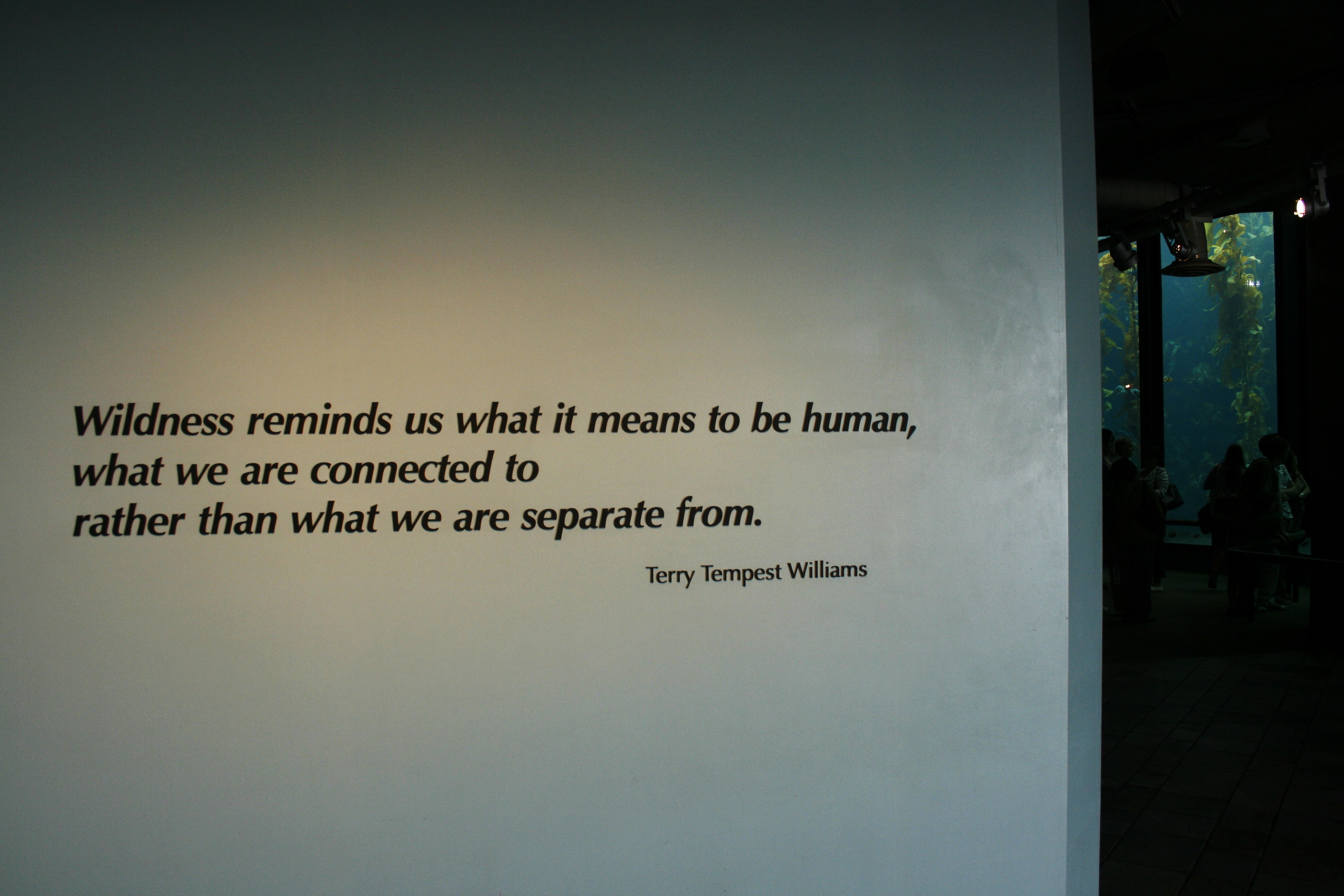
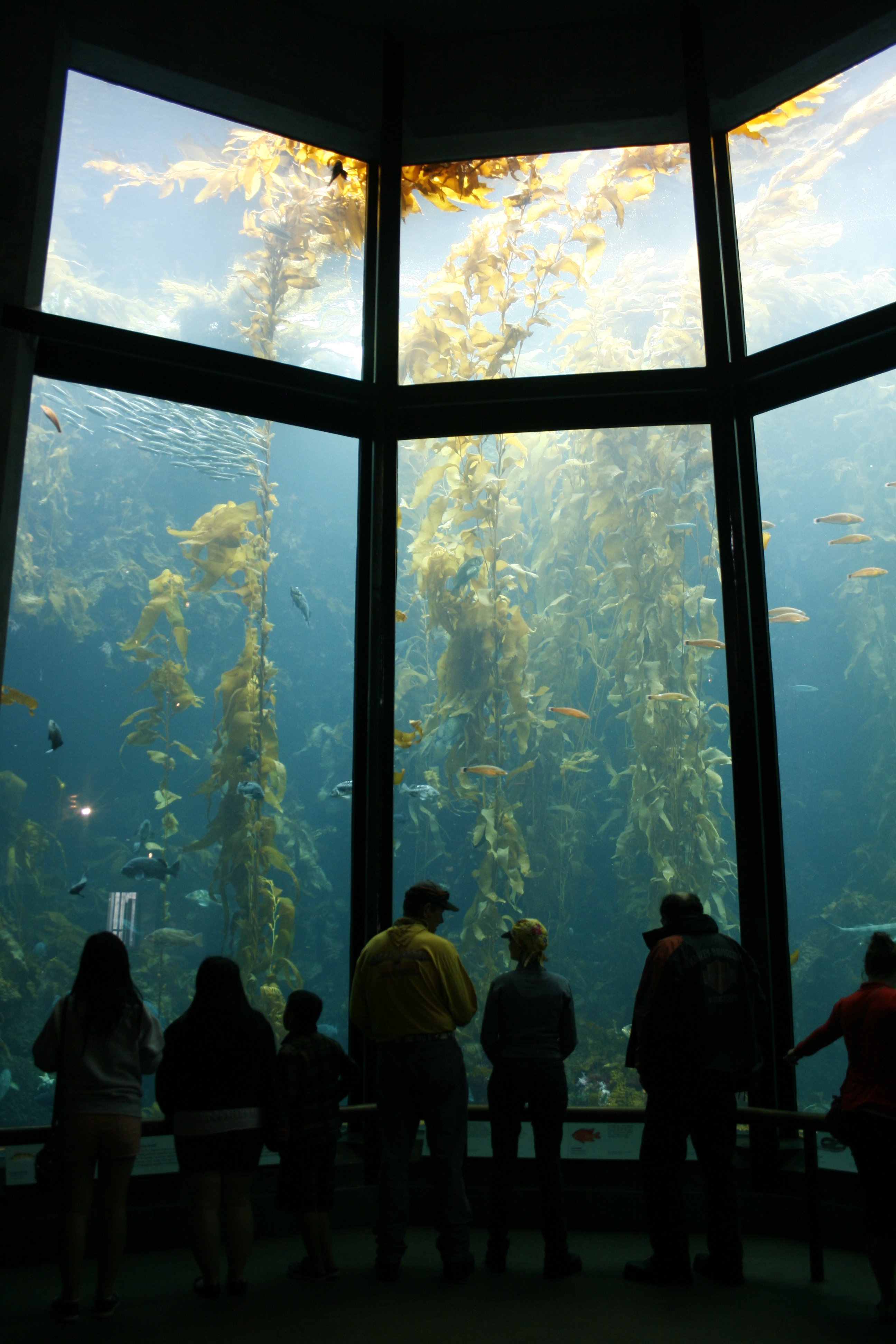
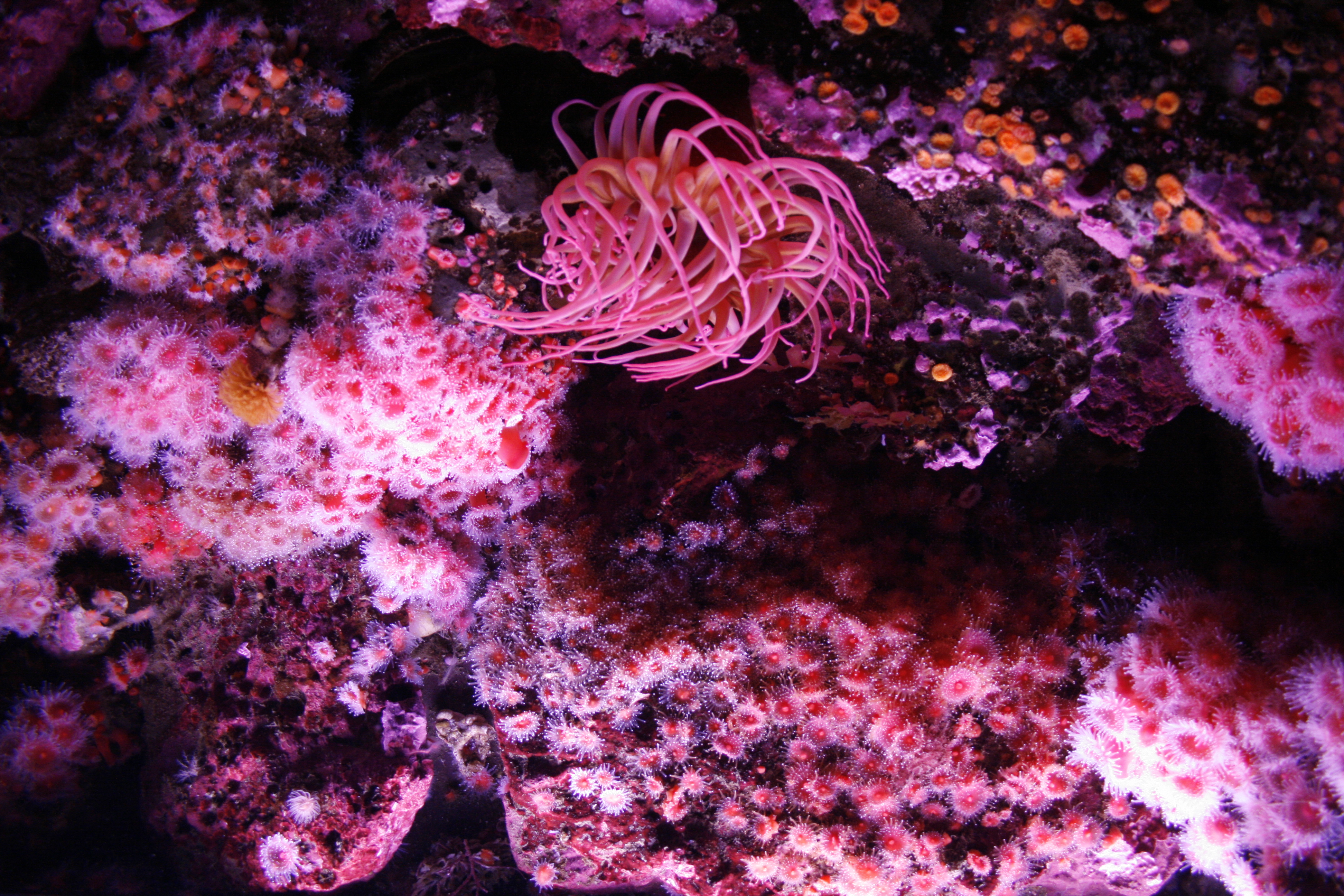
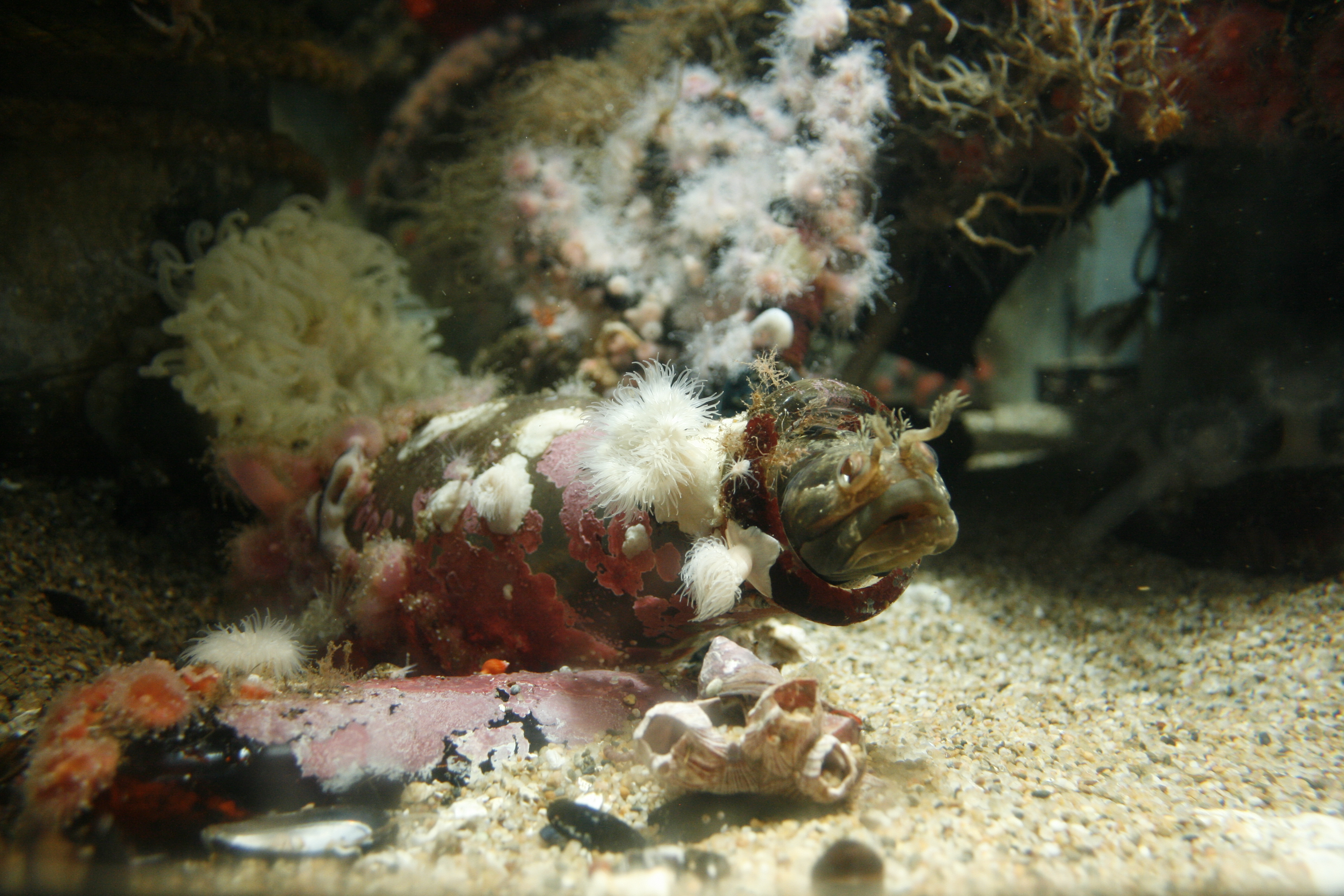
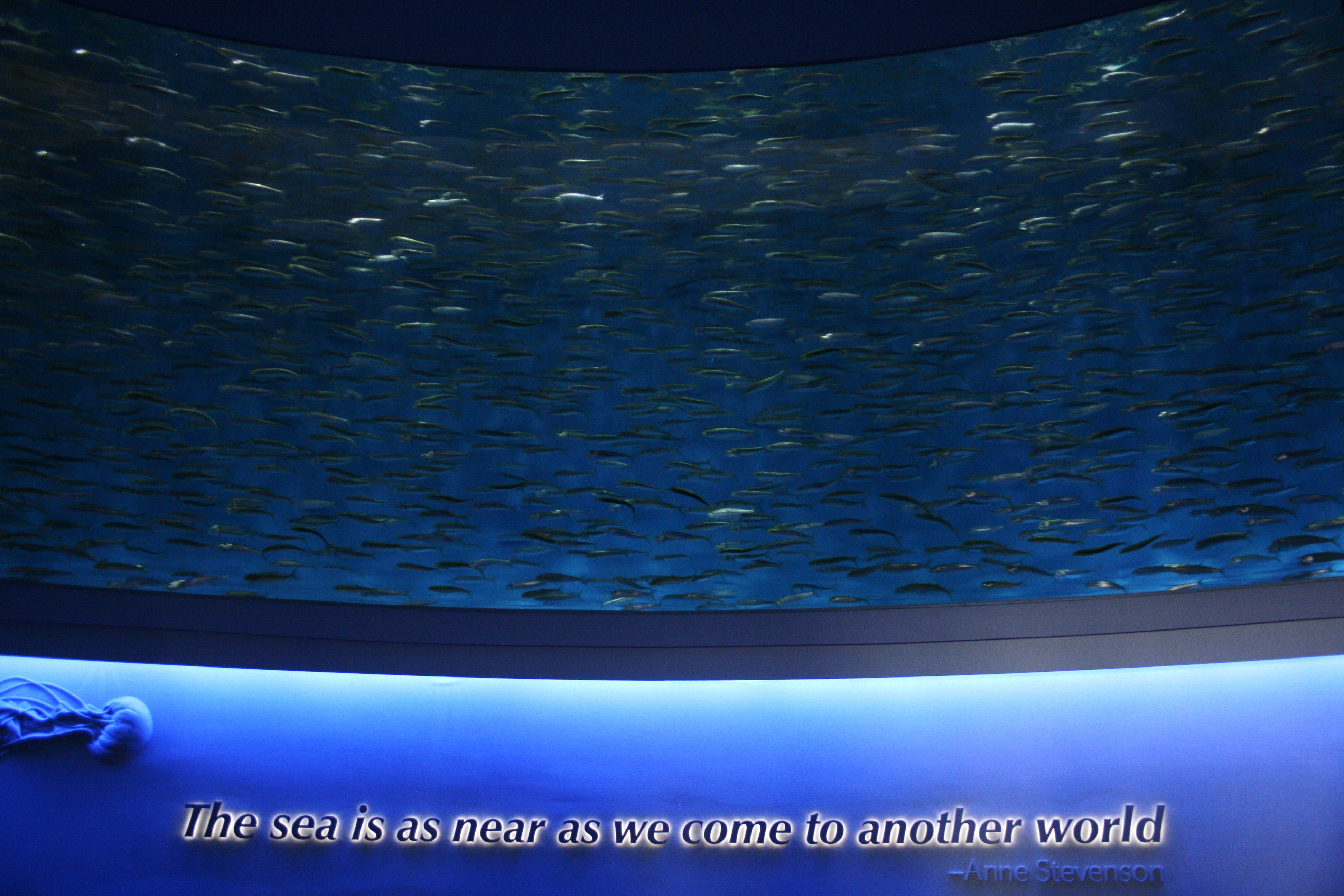
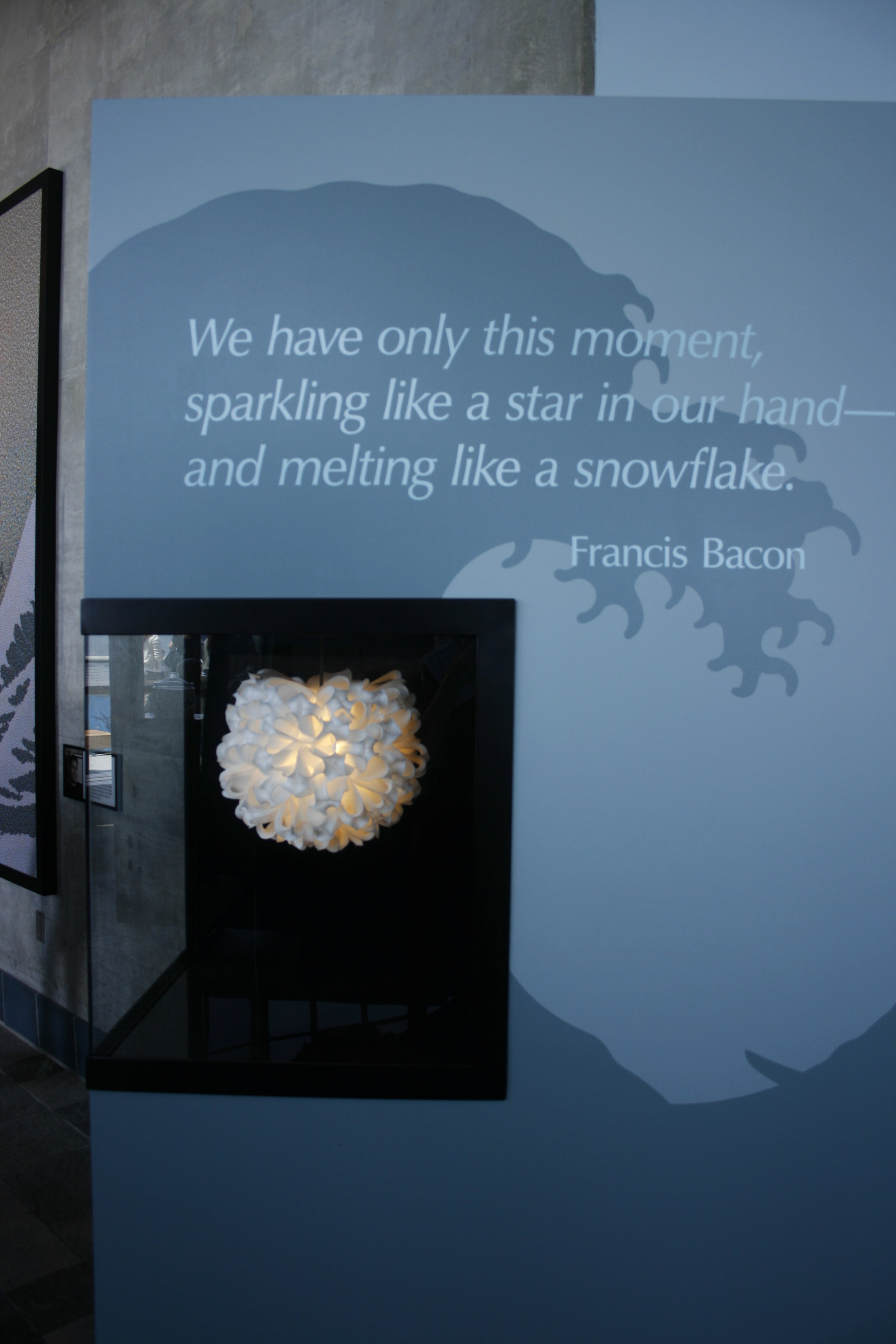
20/7: Monterey used to be an industrial town, built around the fisheries and the fish canning factory. The cannery has been closed for a long time now, but in it’s place an aquarium has been built. The most impressive aquarium that I’ve ever visited.


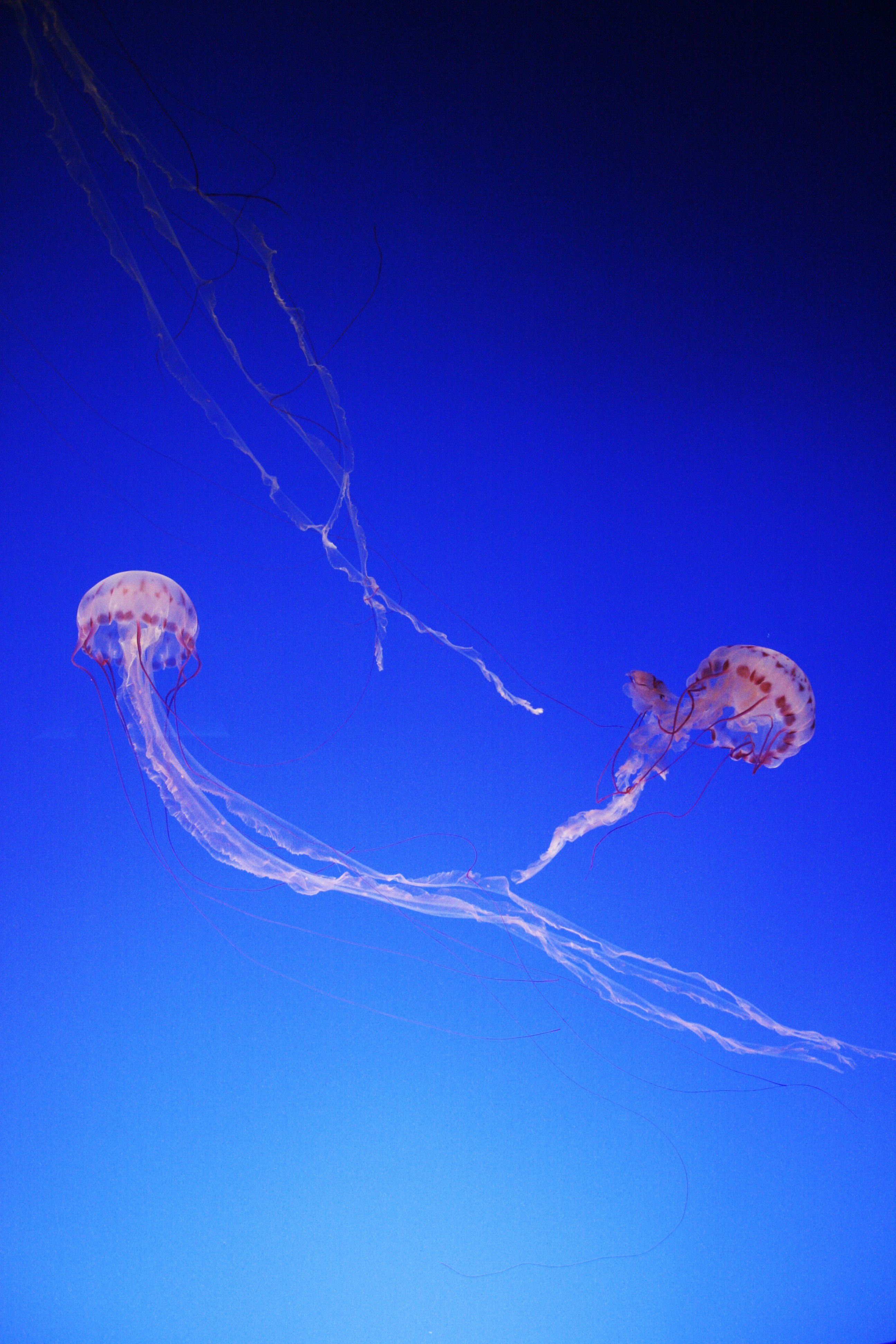
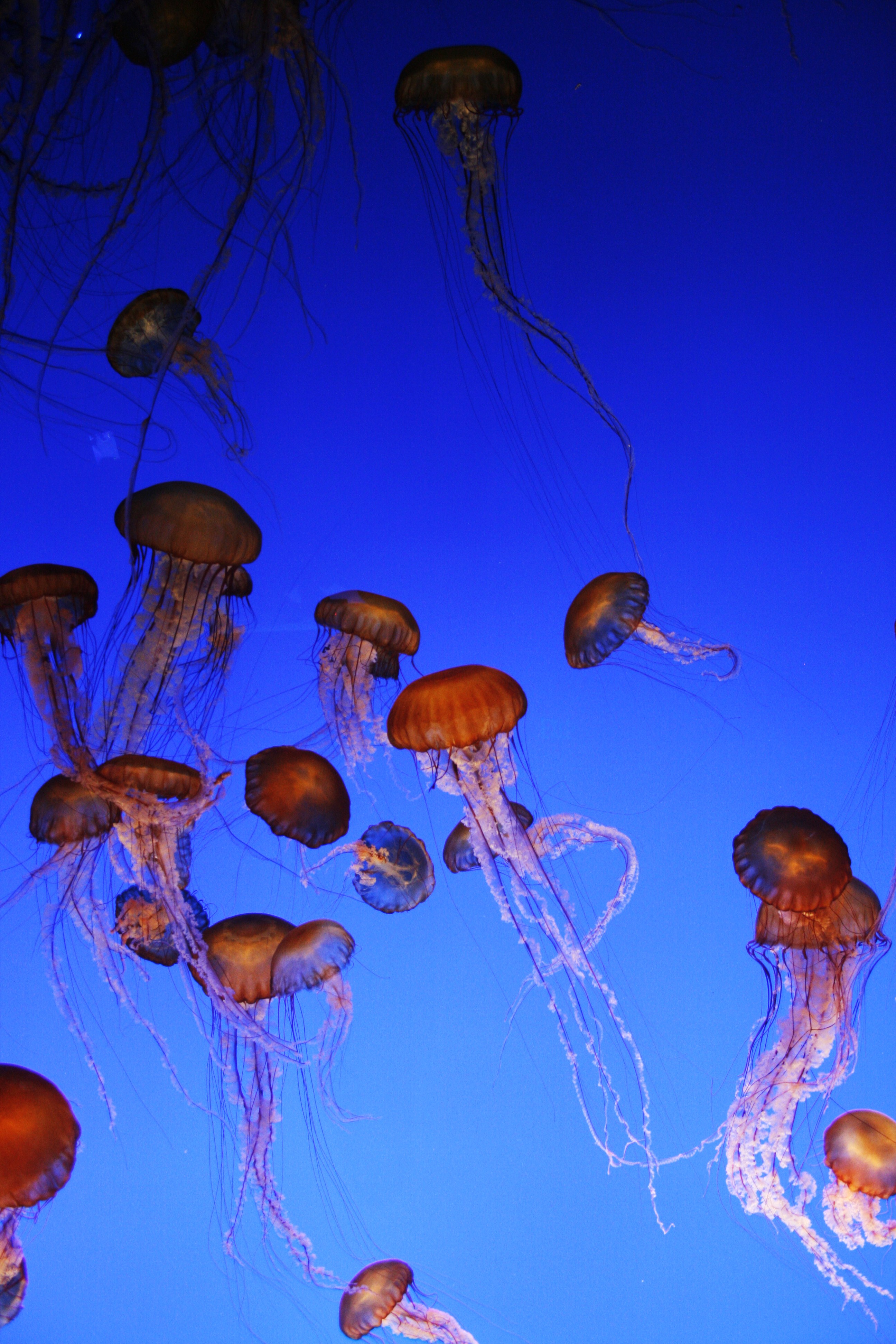
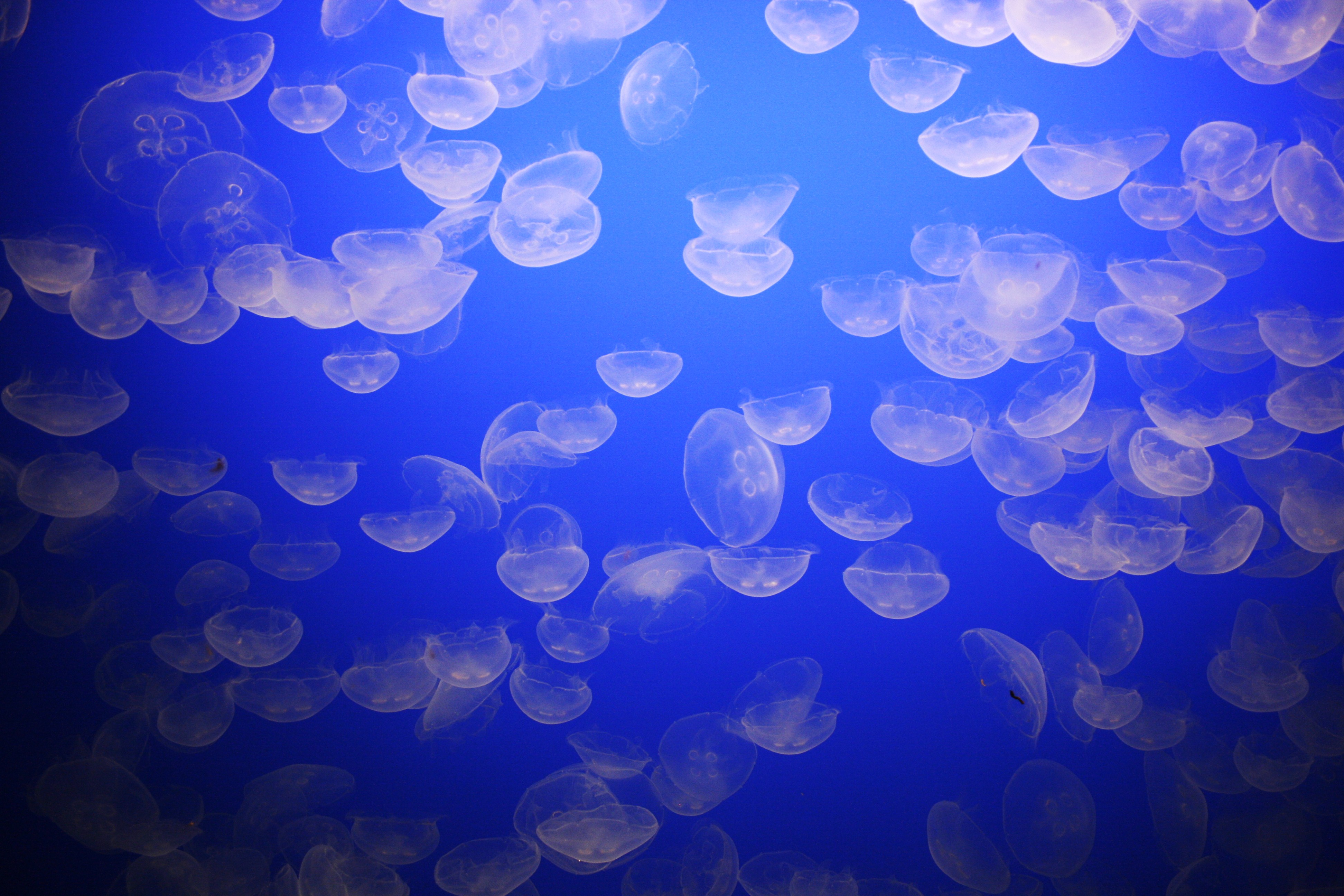
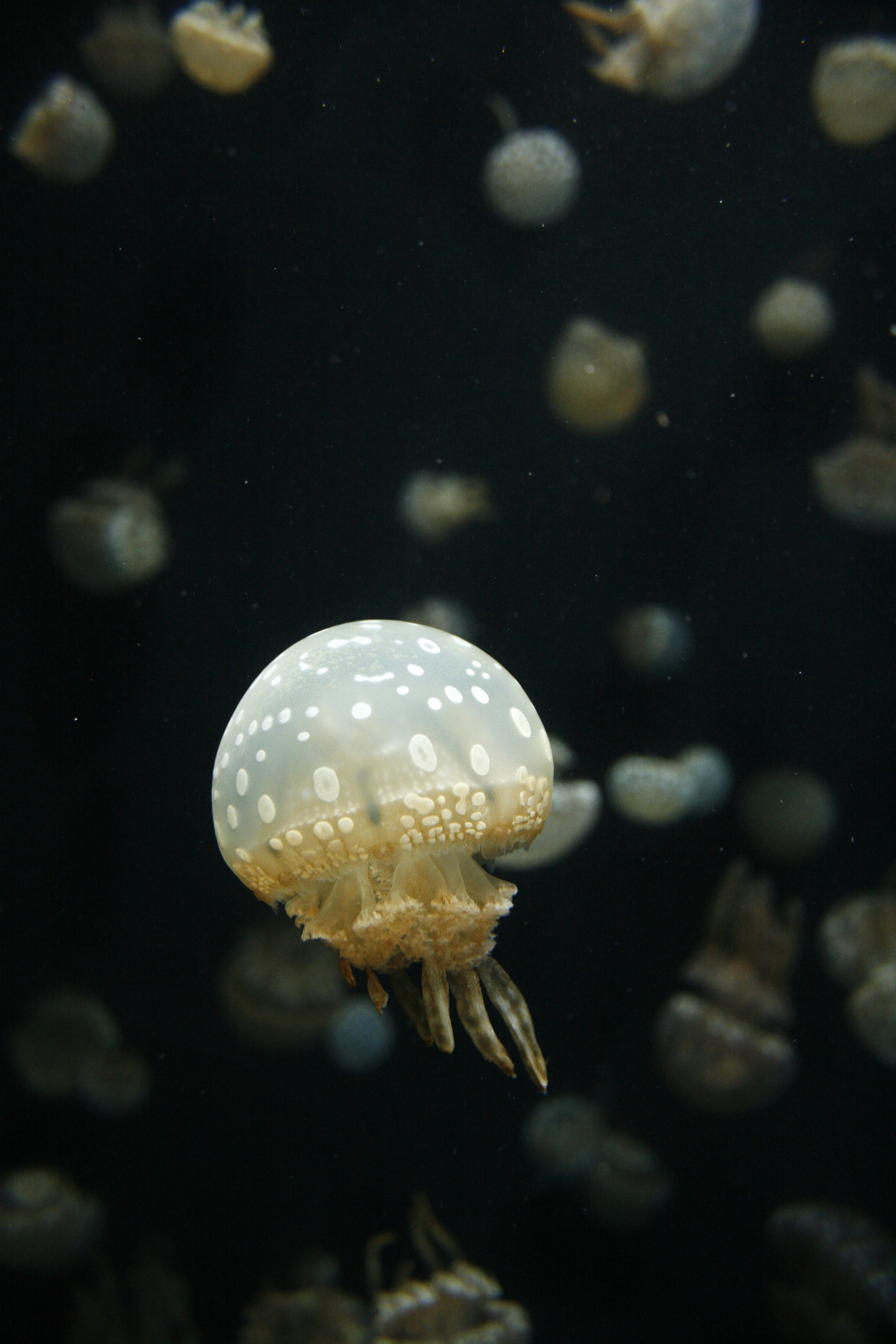
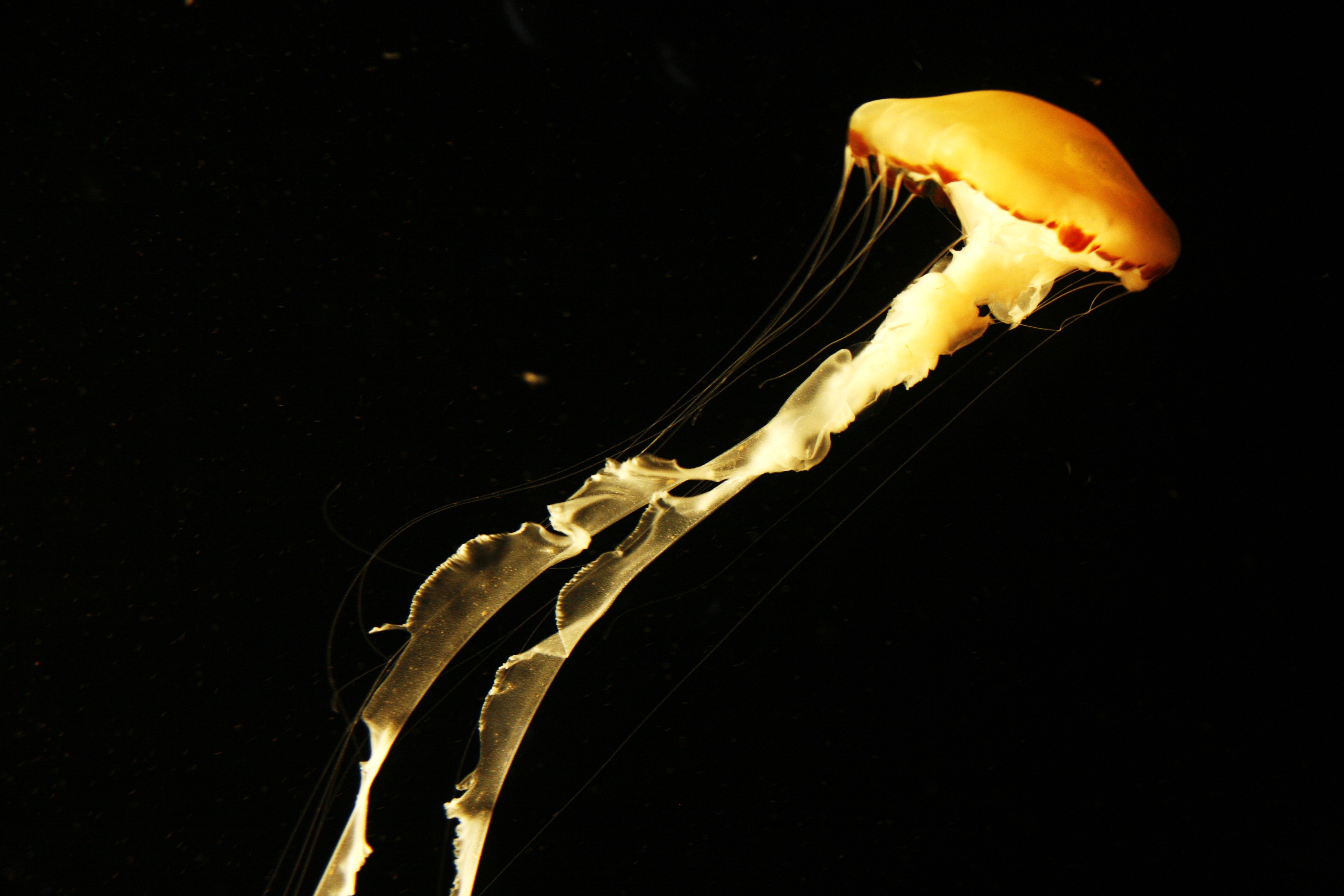
They had a special exhibit with jellyfish. Ah, such beautiful but, oh, so dispicable creatures.


It’s a wonder, how these creatures have come to be. Such beauty. But also deadly danger. This jellyfish is extremely poisonous. How the world is full of contradictions.


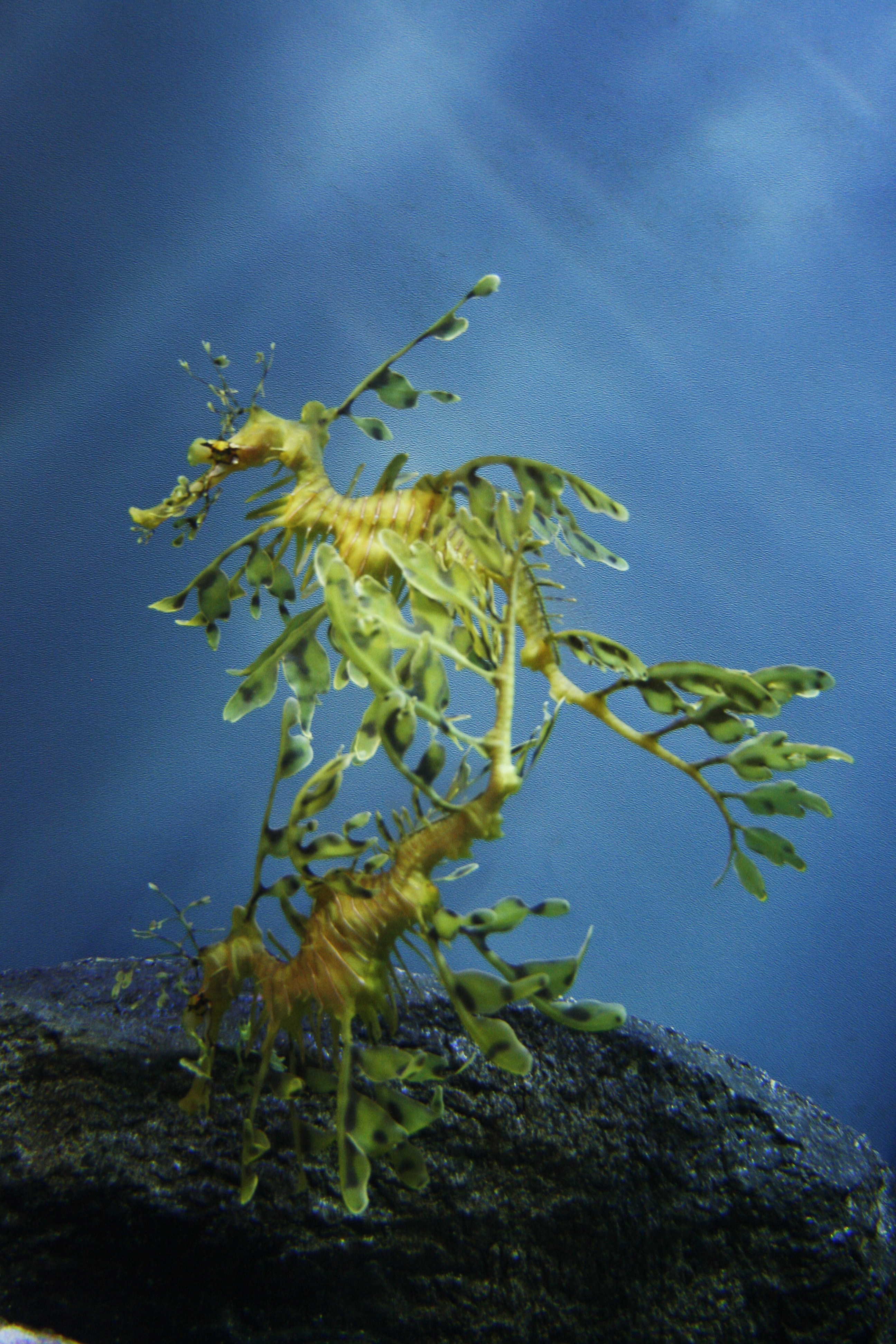
Is it two sea horses, or is it just an oddly shaped plant?


Mom and me were at the aquarium at then, when it opened, and got some time to walk around the place without too much people – but by noon the place was so crowded that it got almost impossible to get close enought to any of the displays to see anything. It felt like a relief to leave and get out into the sunshine.

But, despite the crowds, the Monterey Aquarium was an amazing place. Well worth the high entrance fee.

Chapter 291: My last rainier cherries

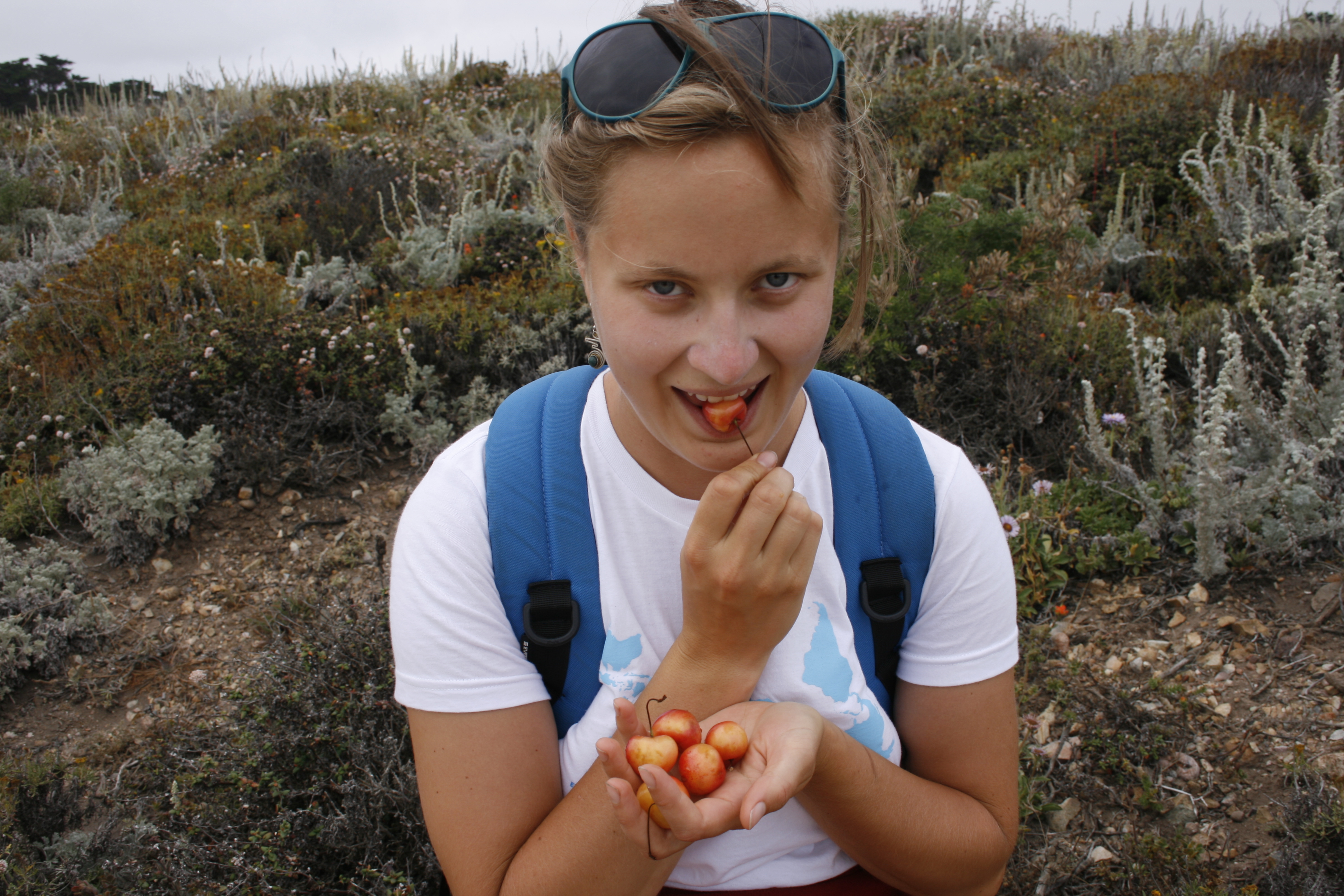
19/7: High up on a cliff in Point Lobos State Natural Reserve, looking out over the ocean, I had my last rainier cherries. These yellow and red berries that don’t look ripe, but are so sweet and refreshing and not at all as heavy as the other, deep red kind. We ate so many cherries, me and Hanna, on our road trip. Every chance we got, whenever there was a sign by the road saying CHERRIES, we stopped and bought some more. When remembering Hanna’s and my roadtrip from Portland to San Francisco, I will always feel the taste of cherries in my mouth.

There are not as many fruit stands along Highway 1 as there was up in southern Oregon and in Central Valley California, but we happened upon one just outside of Santa Cruz, and there I bought a bag of rainiers.

I’ve never seen them sold in Sweden, the yellow-and-red cherries. The risk is, these were the last rainiers I will have had for a long long time.

Chapter 290: Carmel-By-The-Sea

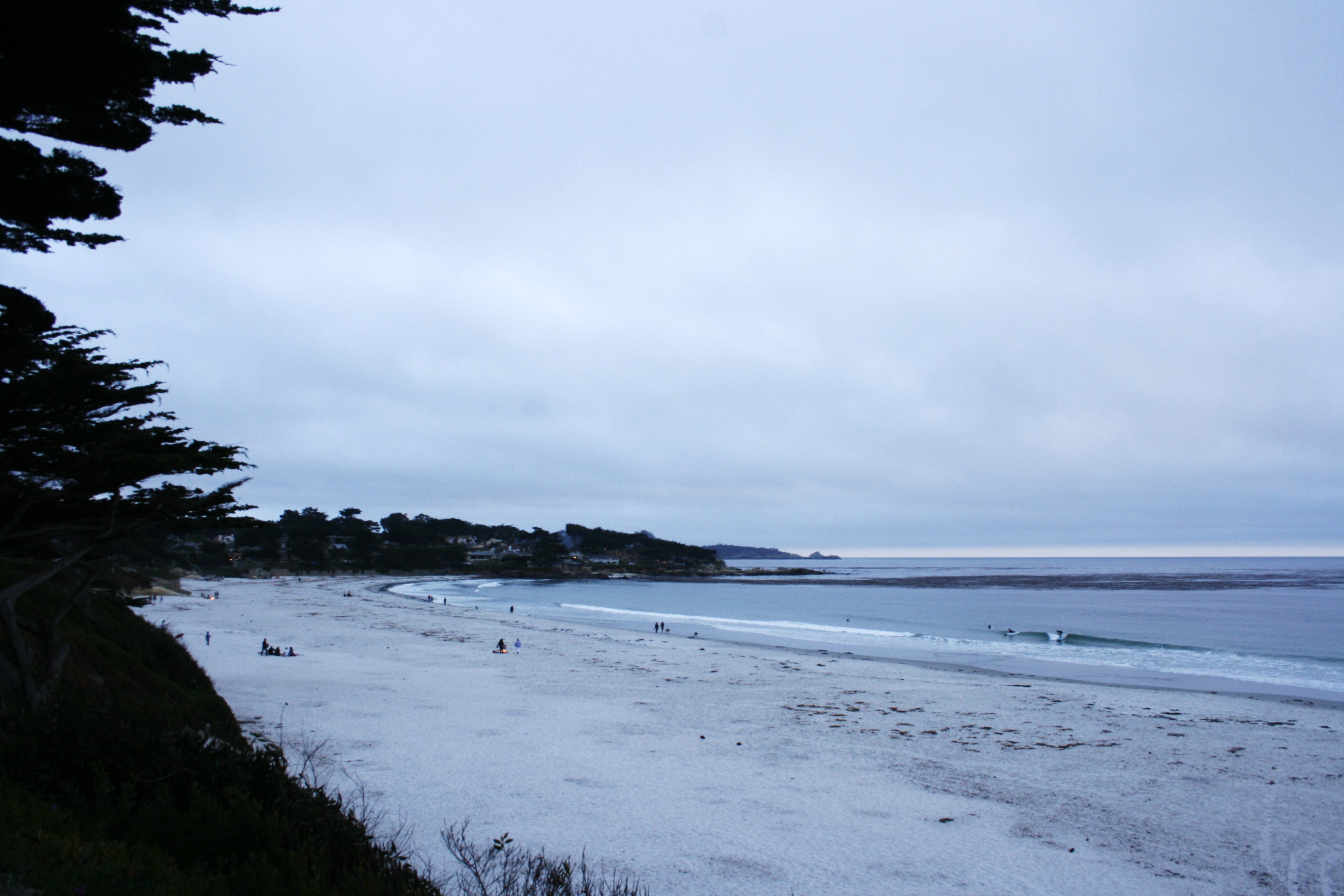
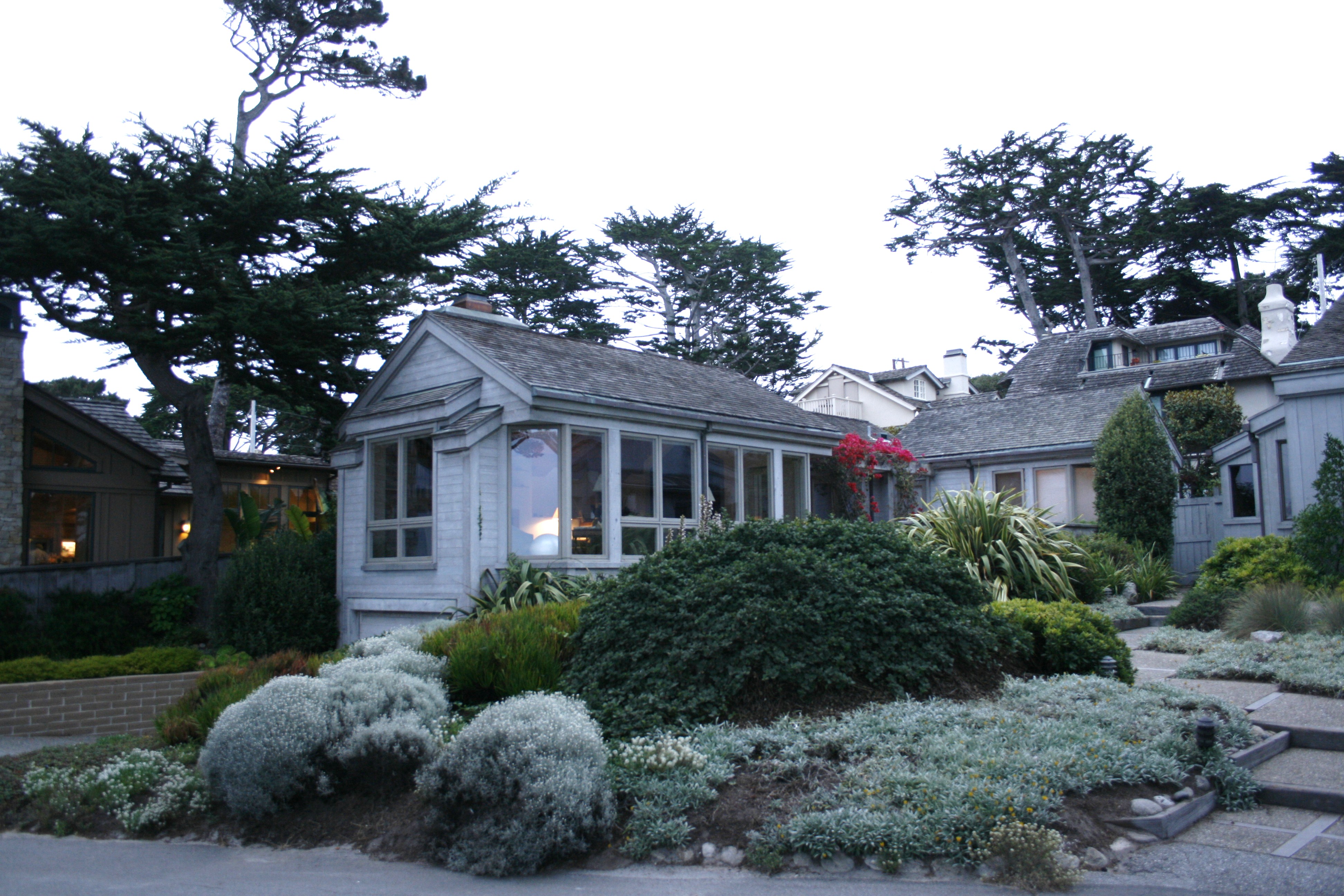
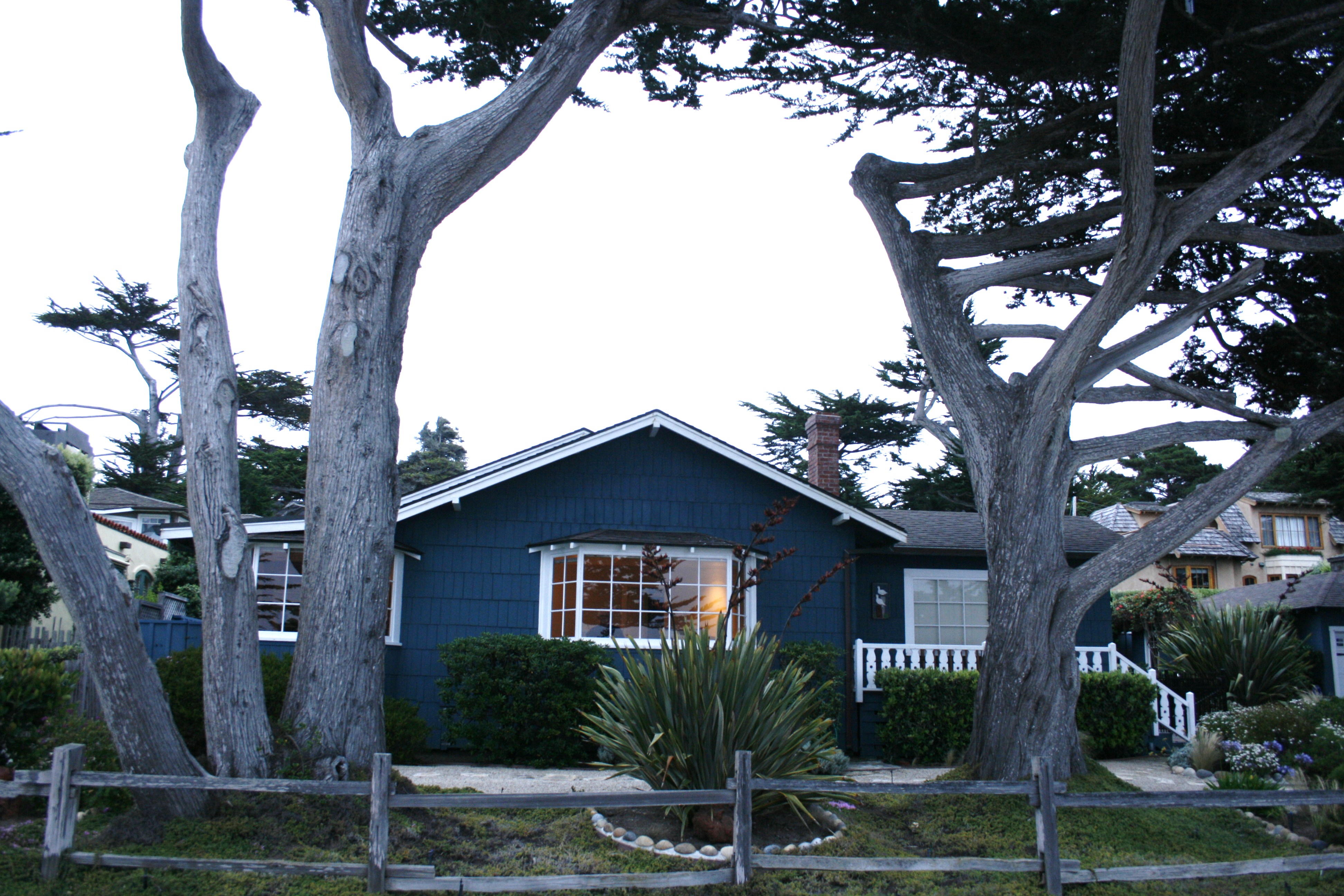
19/7: At one end of the 17 Mile Drive lies the little beach community Carmel-By-The-Sea. Odd place. The houses are built so close to each other, it’s as if the huddle together to be safe from the winter storms – but the houses in themselves are big and shiny and the place reeks of money. For some reason, it made me think of Aguas Calientes, the last small town before steep climb up to Machu Picchu in Peru. Not only were they both very densely built, but there was also an air of artificiality about it. It didn’t feel organic, despite all the trees and flowers. It felt so much man made, even more so than the center of a multi million city. Cities have their own eco systems and logics. This was just something inbetween.


But the beach was pretty. I’ll grant them that.

Chapter 289: 17 Mile Drive

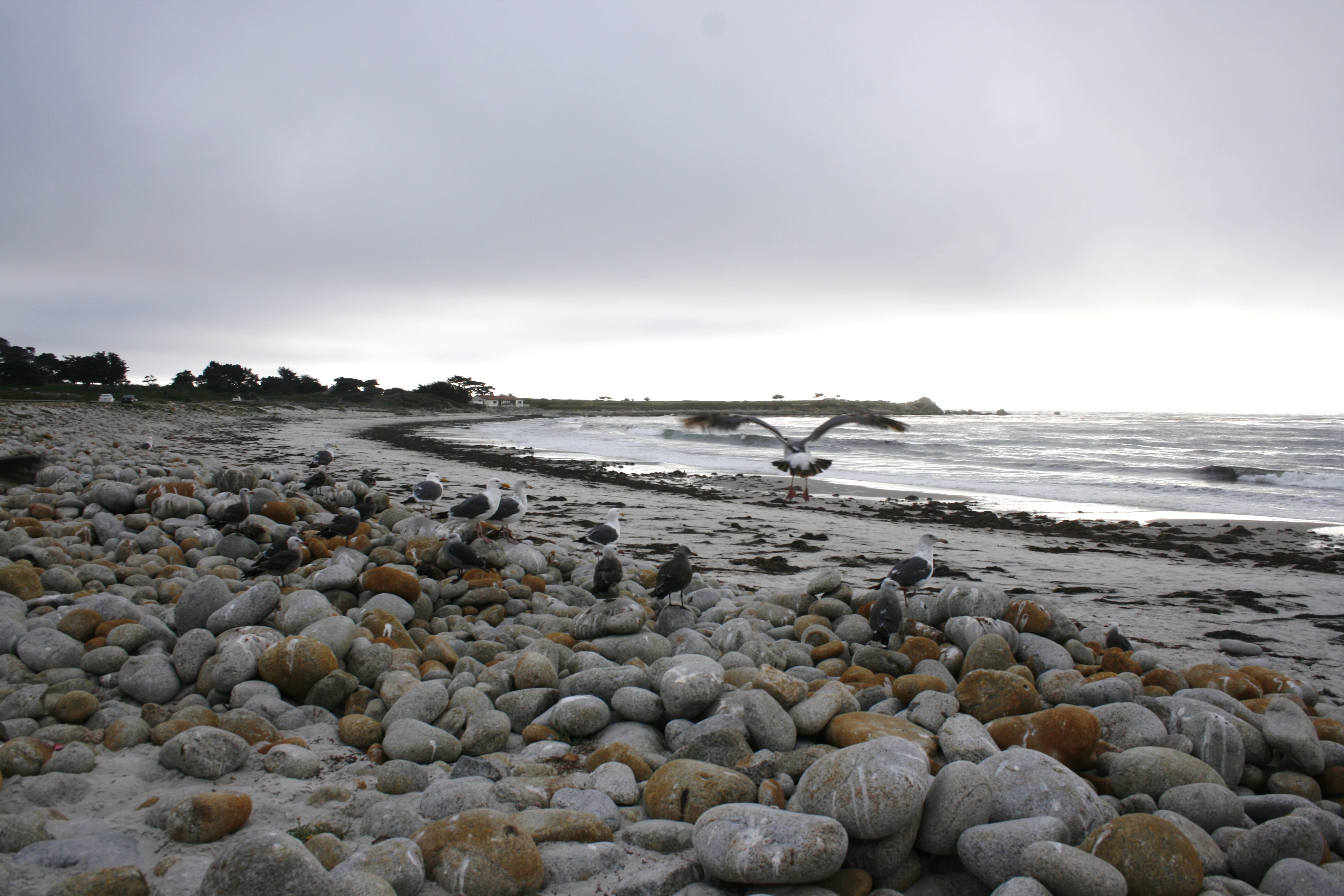
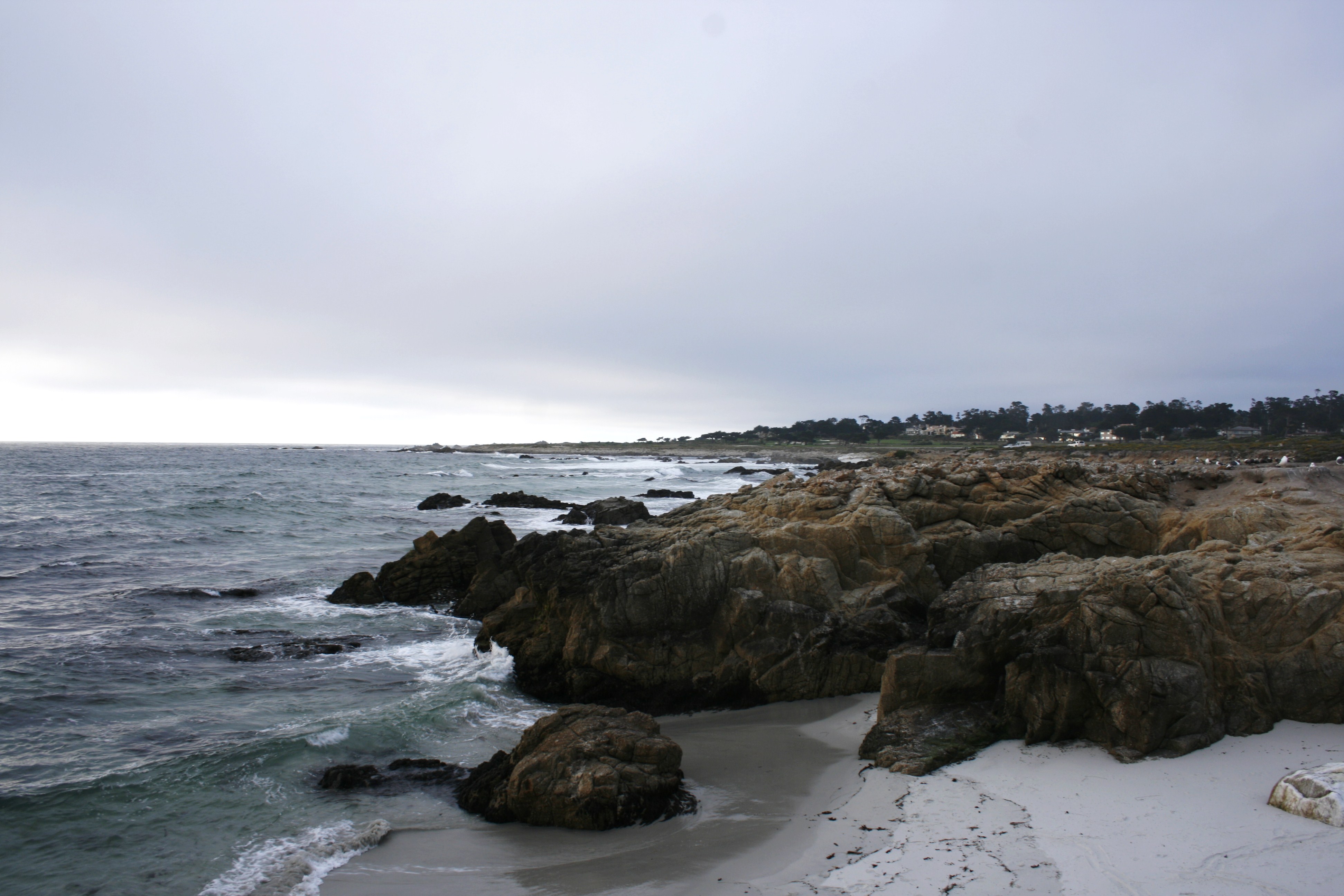
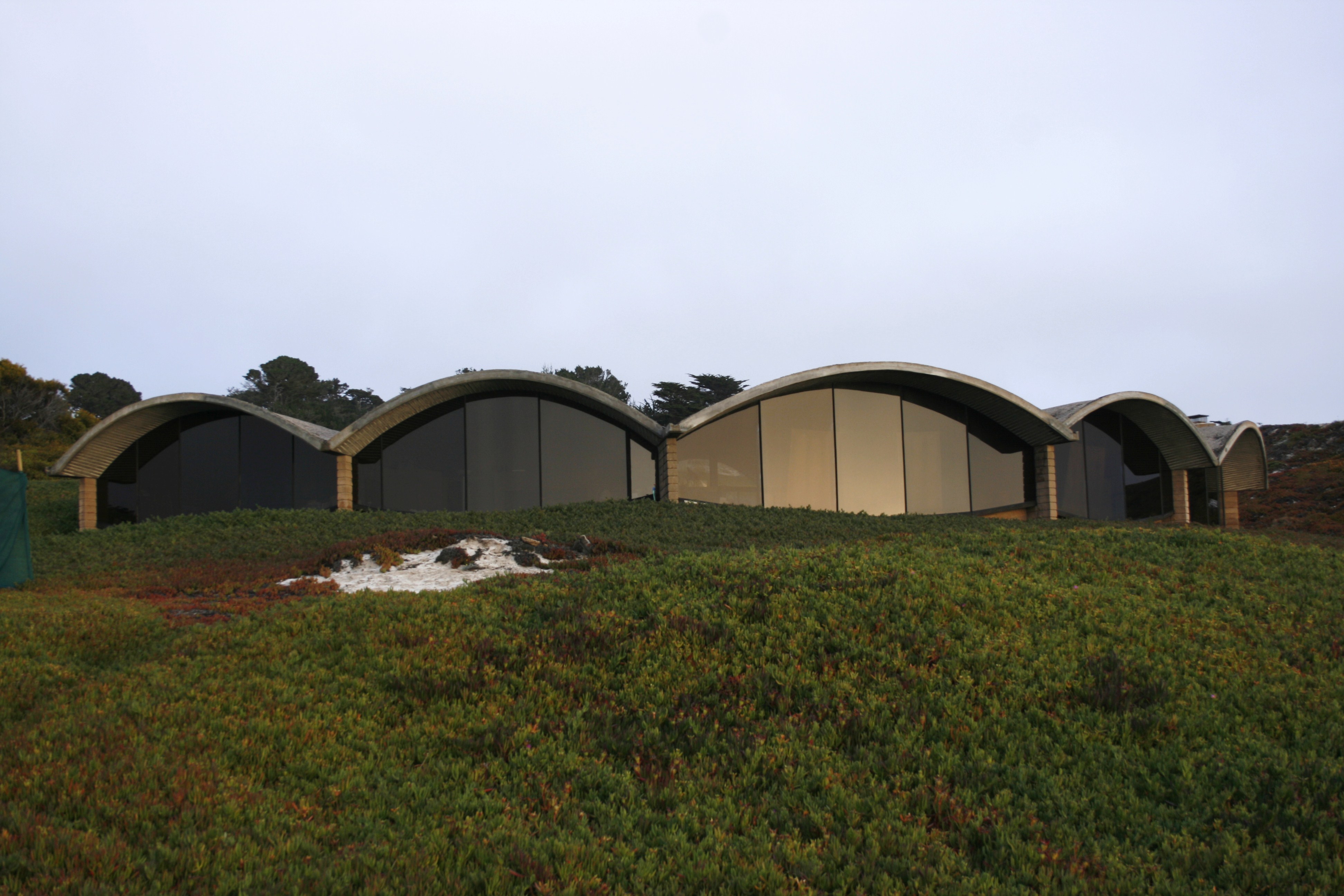
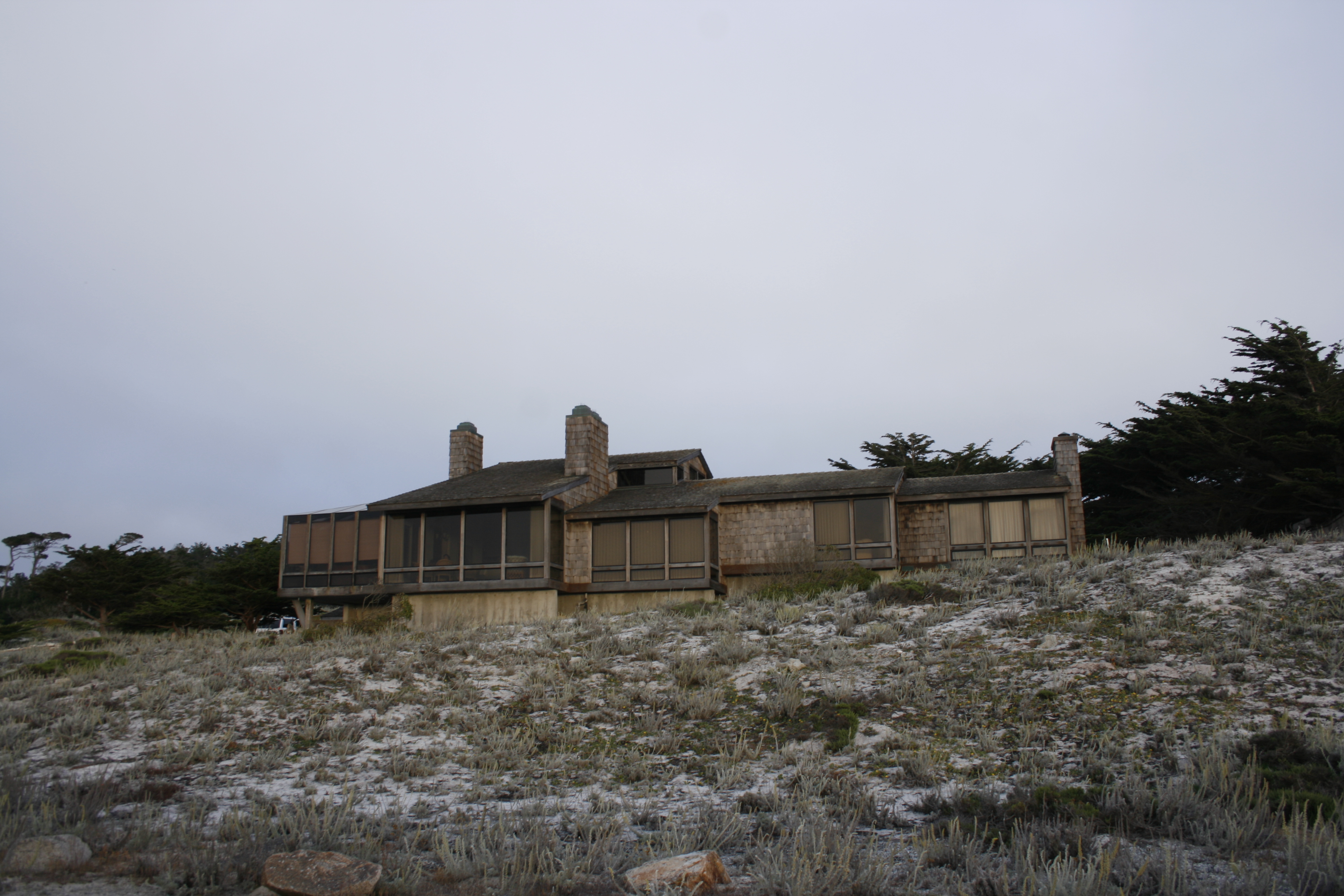
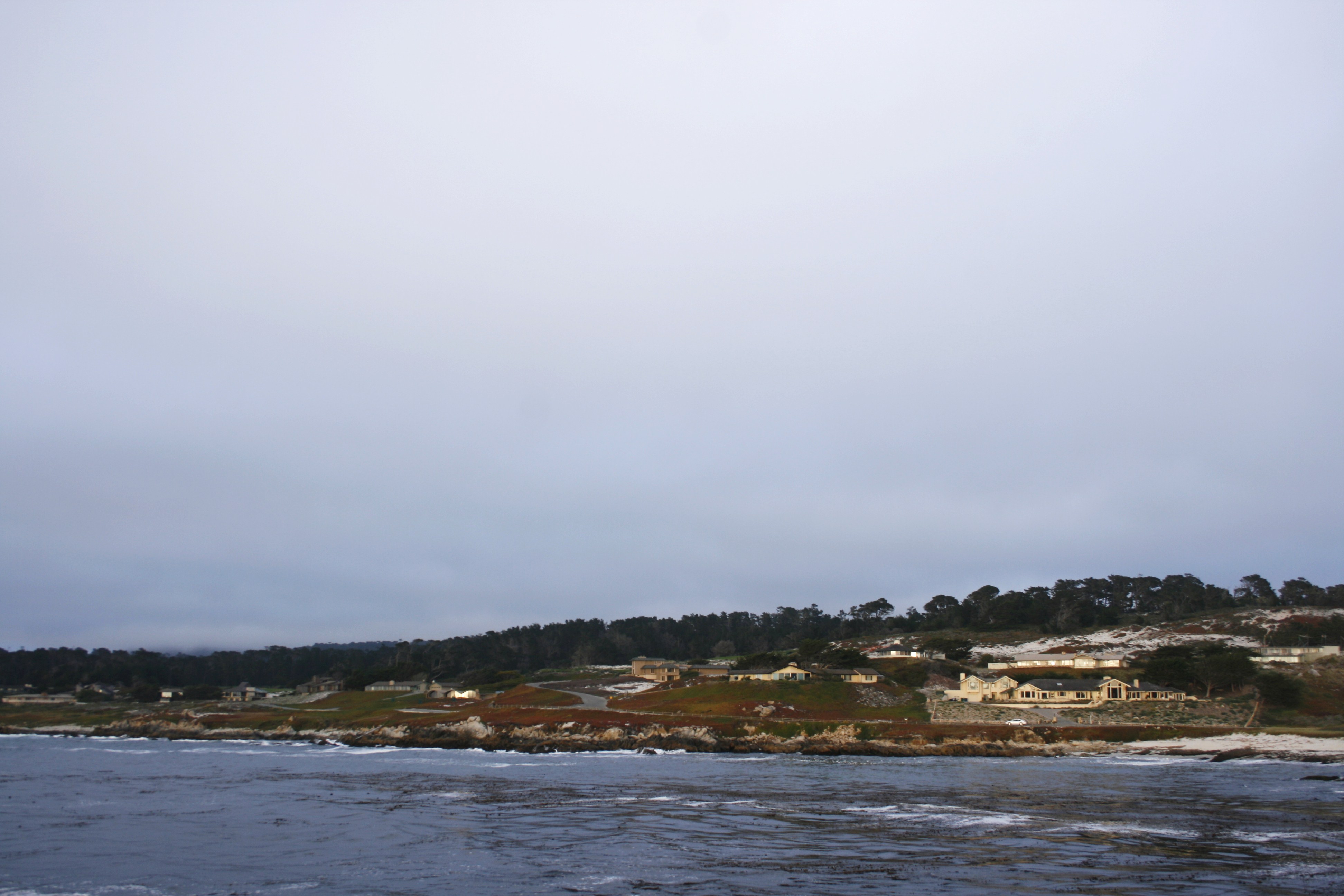
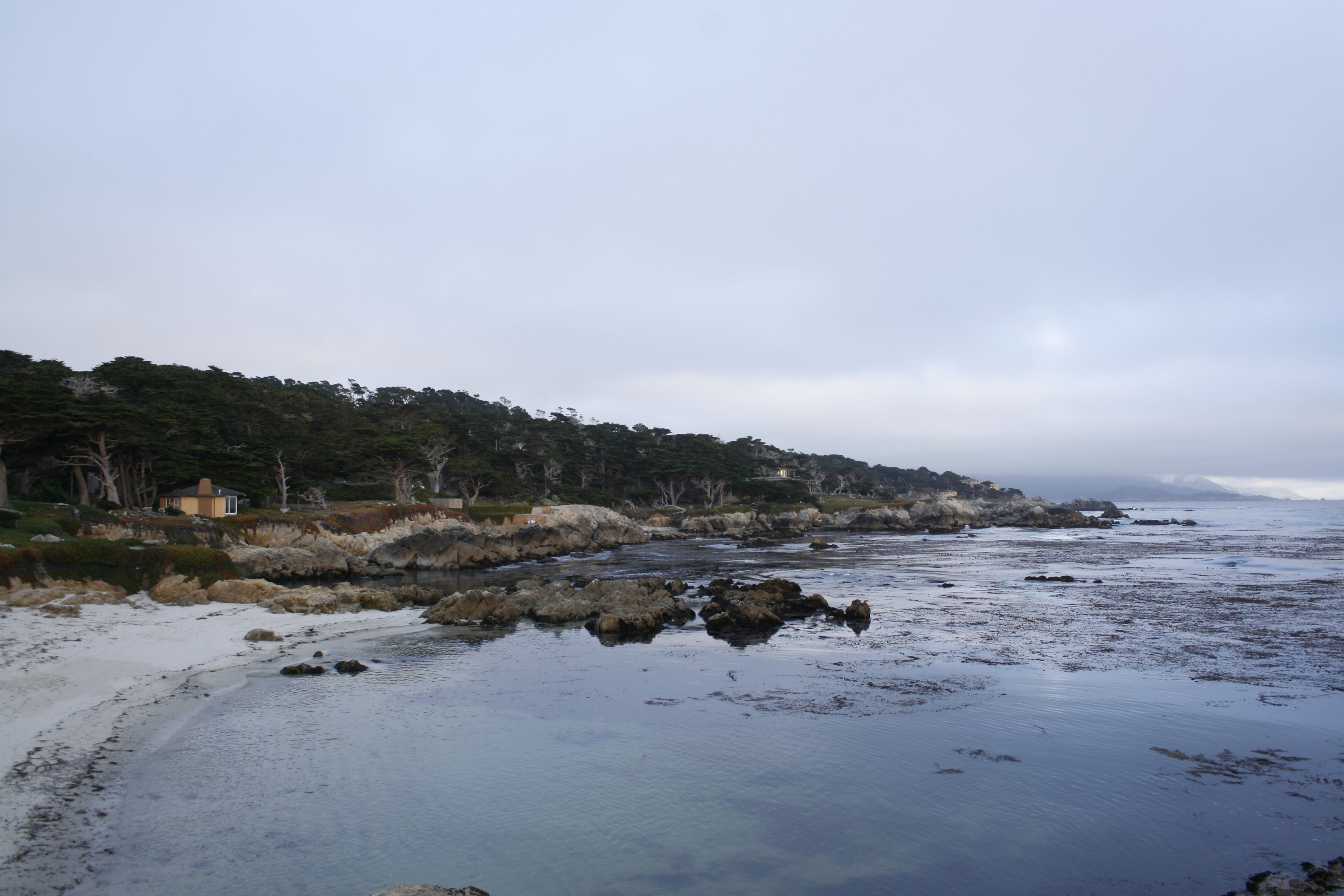
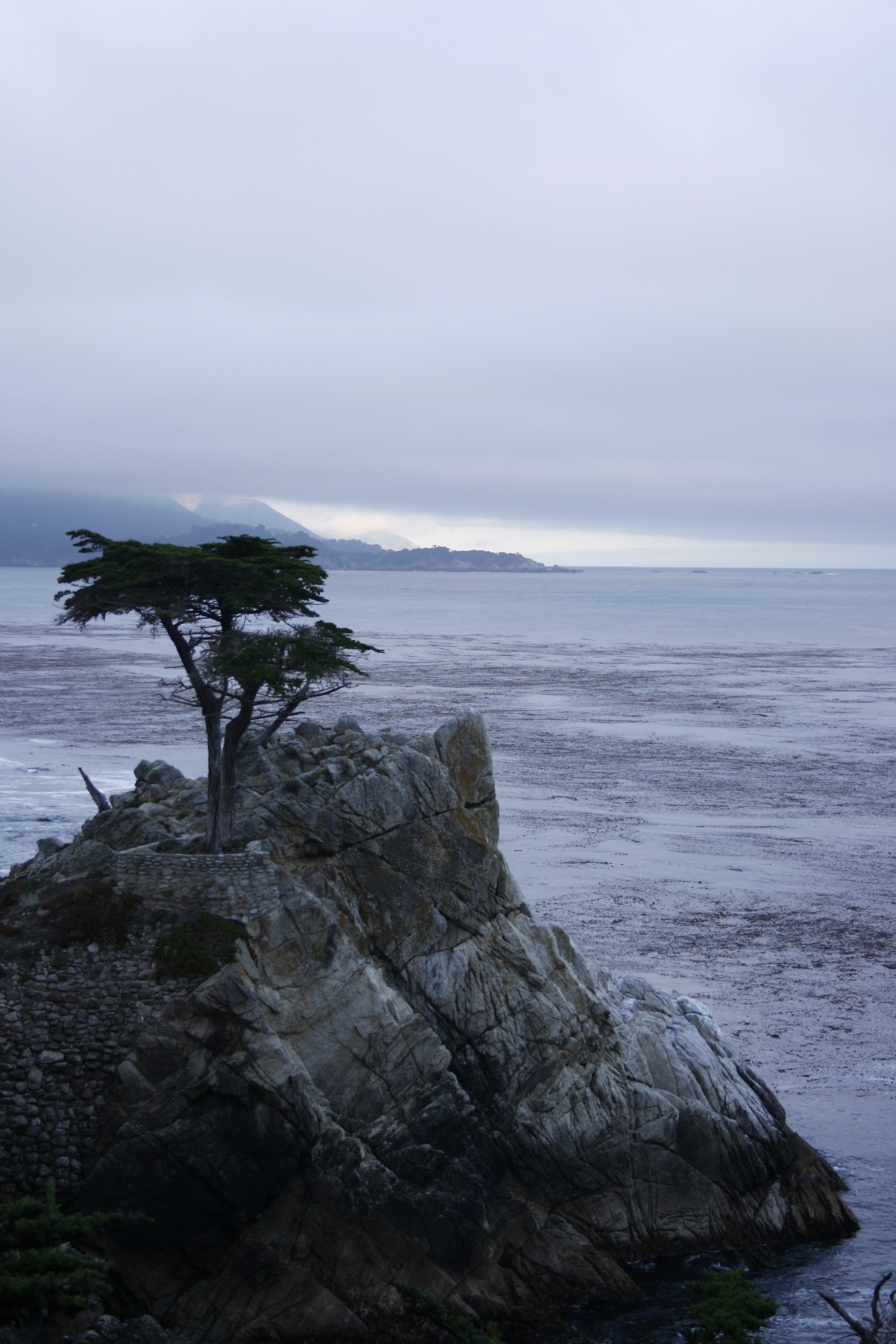
19/7: Just south of Monterey Bay a piece of land juts out into the Pacific. It’s rugged and the strong ocean winds make the trees grow low, but the dramatic scenery has made it the perfect spot for really rich people with a longing for the wild to build their architectually experimental houses. There is one road running in a loop around the sort-of headland, most of the way just by the oceans edge. And the rich people have, as rich people tend to do, realized it’s potential as a cash cow. They charge money for visitors to enter the road, and call it the 17 Mile Drive. It’s become a tourist attraction, and mom, having read about it in her fancy guide book, wanted to see it.


Sure, it was beautiful. I’ve always loved cliffs and the ocean. But worth the ten dollar per car entrance fee? The money didn’t even go to protecting the rare nature of the area, like it would in a national or state park. It went right into the pockets of the already rich. It felt pretty much like a tourist trap.