Lund (i)

48

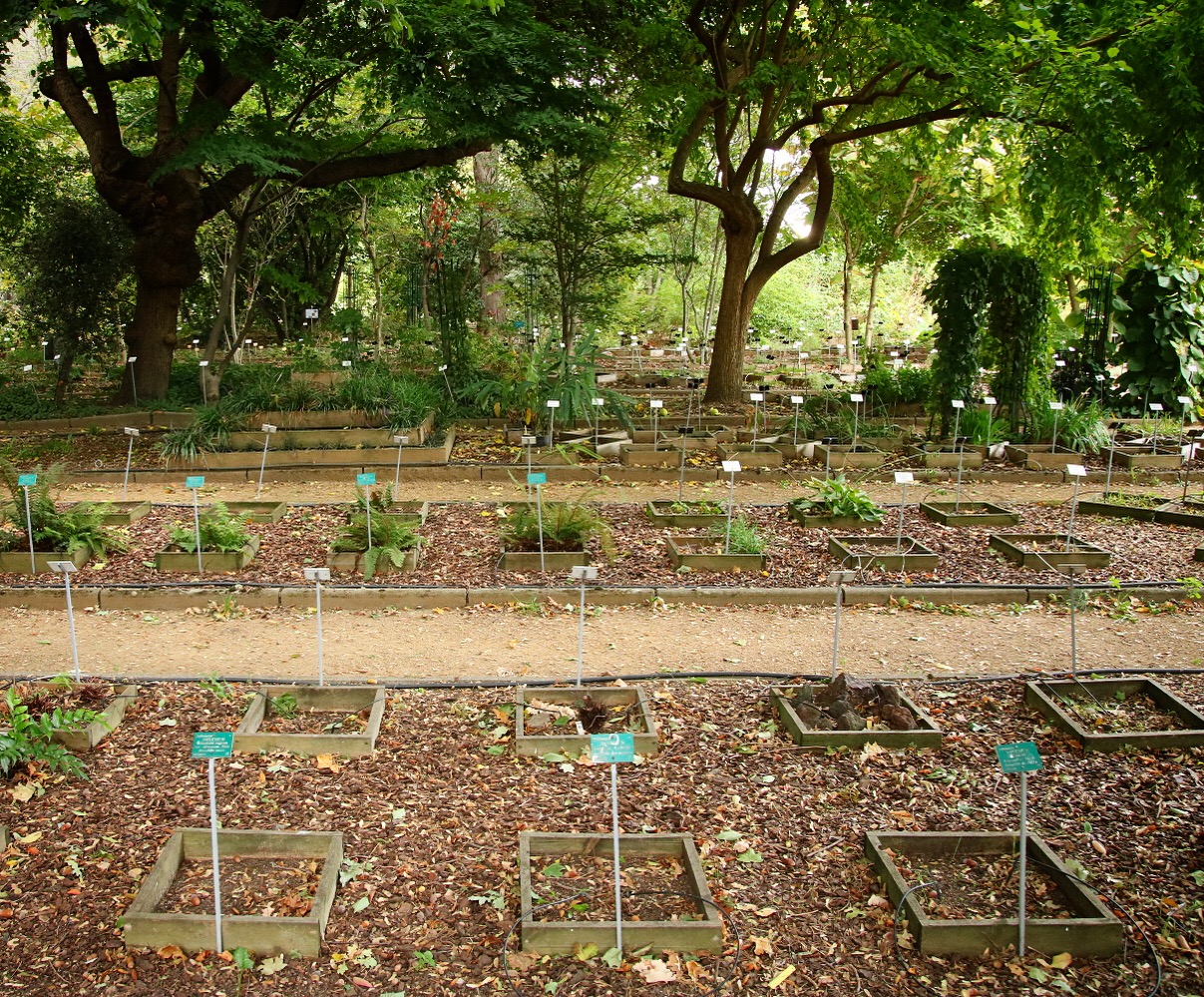
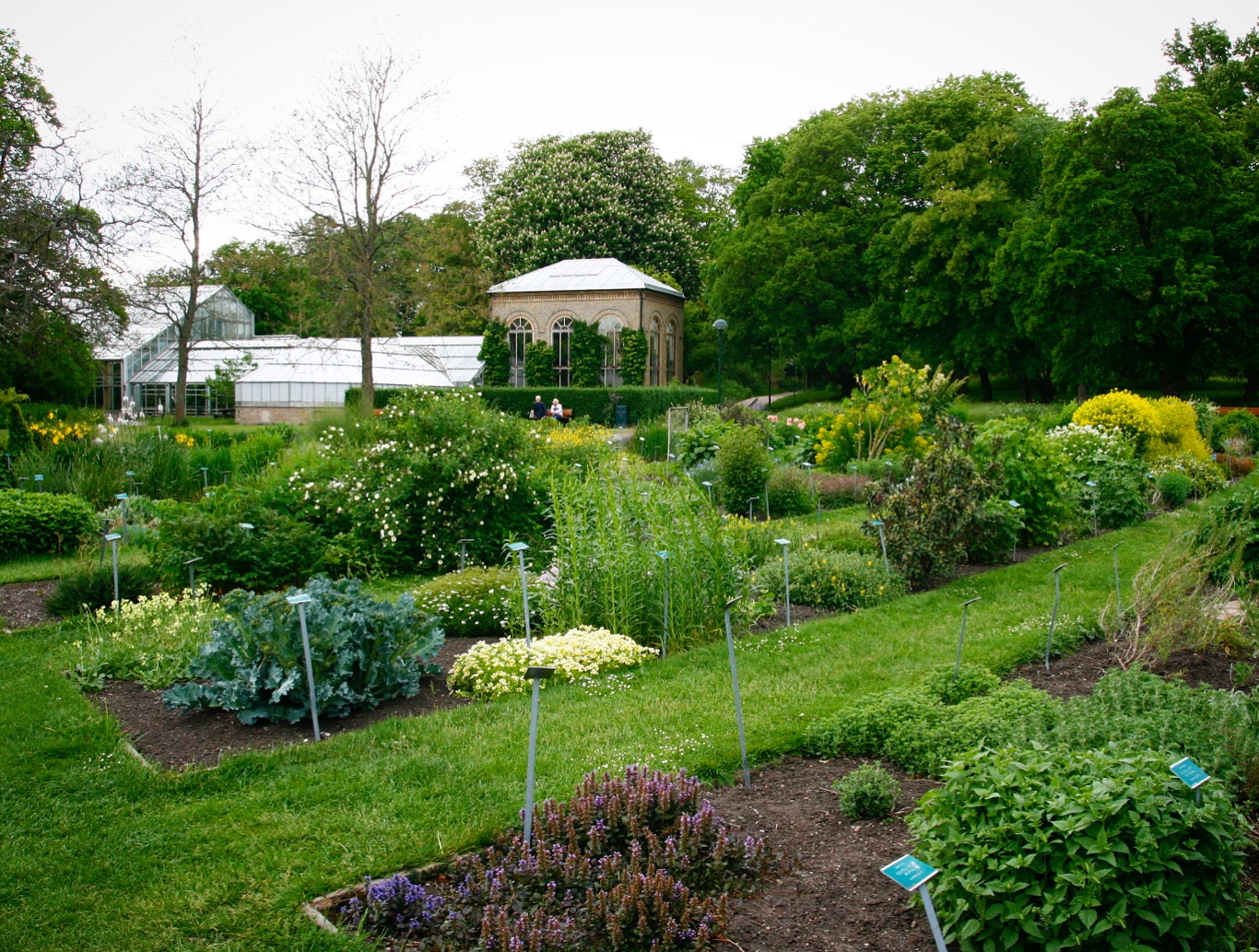
It is rather small, the botanic garden in Lund. Situated behind a solid brick wall on the outskirts of the old town, it is like a green little universe of its own. The high, old trees shelter the garden from the noises outside, and it is easy to forget you are in the second oldest university town in Sweden once you’ve entered through the gates. It was late May when I visited in 2017, and summer was just about to arrive. I ate strawberries and chocolate under a northern red oak, strolled through the beech and linden groves, the width of the trunks revealing the great age of the garden. It has been in its current location since 1862, after being relocated from the spot where it was originally established in 1690. The beds of herbs behind the greenhouses reminiscing of a fully-stocked medicinal garden.

(Thinking: Elin Wägner probably visited here here, strolled on these same paths, next to the same, but much younger trees. She was born in Lund. Lived and traveled all over Sweden and Europe throughout her life – but was finally returned to Lund, buried at the North Cemetery.)

Photo: Botaniska trädgården vid Lunds Universitet, Sweden, May 2017. Posted on Instagram August 14, 2020.

Elin

47

I listened to another biography, while tending to the sprouting kale in my allotment garden. Elin Wägner (1882-1949), an early Swedish feminist, journalist and author, environmentalist, educator and outspoken pacifist during the world wars. She wrote about how our industries and our burgeoning consumption were degrading ecosystems, decades before it became a an issue on the political agenda. Wägner was worried about people losing touch with our food systems, with the clothes that we wear and things that we use. That the knowledge of the hand would soon be dead. She had a cottage built in the rural Småland, with a garden and room for a loom, she was interested in organic farming and argued for the benefits of handcrafting. That everyone should learn some. That through being a producer, of food or clothes or other use items, we are also able to be more knowledgeable and responsible consumers. And that our knowledge and demand for good quality also has to encompass a demand for good living and working conditions for the craftspeople and workers producing the things that we buy.

I have read some of her novels before, but I must pick up a couple of her non-fiction books too. Particularly “Alarm Clock” / “Väckarklocka” (1941), one of her last books and where she formulates her environmentalist ideas. Some days, being reminded that I have joined a movement with a long history, that I stand on the shoulders of many brilliant environmentalist thinkers of the past, feels nice. On other days, it feels heavy. Wägner started writing in the very beginning of the 1900s, and she died seventy years ago. However, her ideas appear progressive and radical even today – but still, very much in line with the kind of research I and my colleagues are doing. Change can be so slow. Or, put a different way, ideas have to be shared at the right time, for people to wake up to them. Wägner sounded the alarm clock, but was half a century ahead of her time.

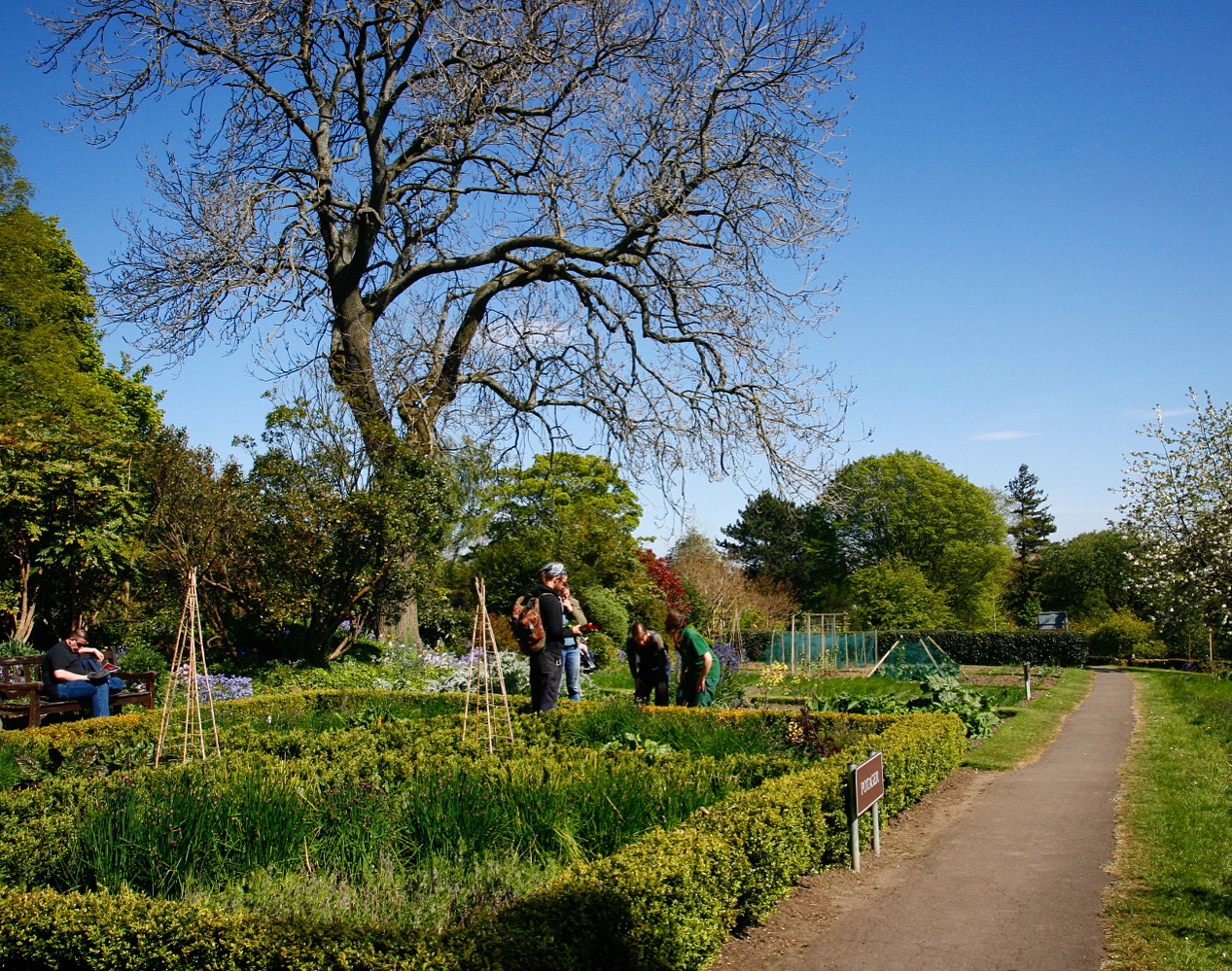
Photo: People learning how to grow stuff, in Glasgow Botanic Gardens, Scotland, May 2017. Posted on Instagram August 13, 2020.

Wanås (i)

46

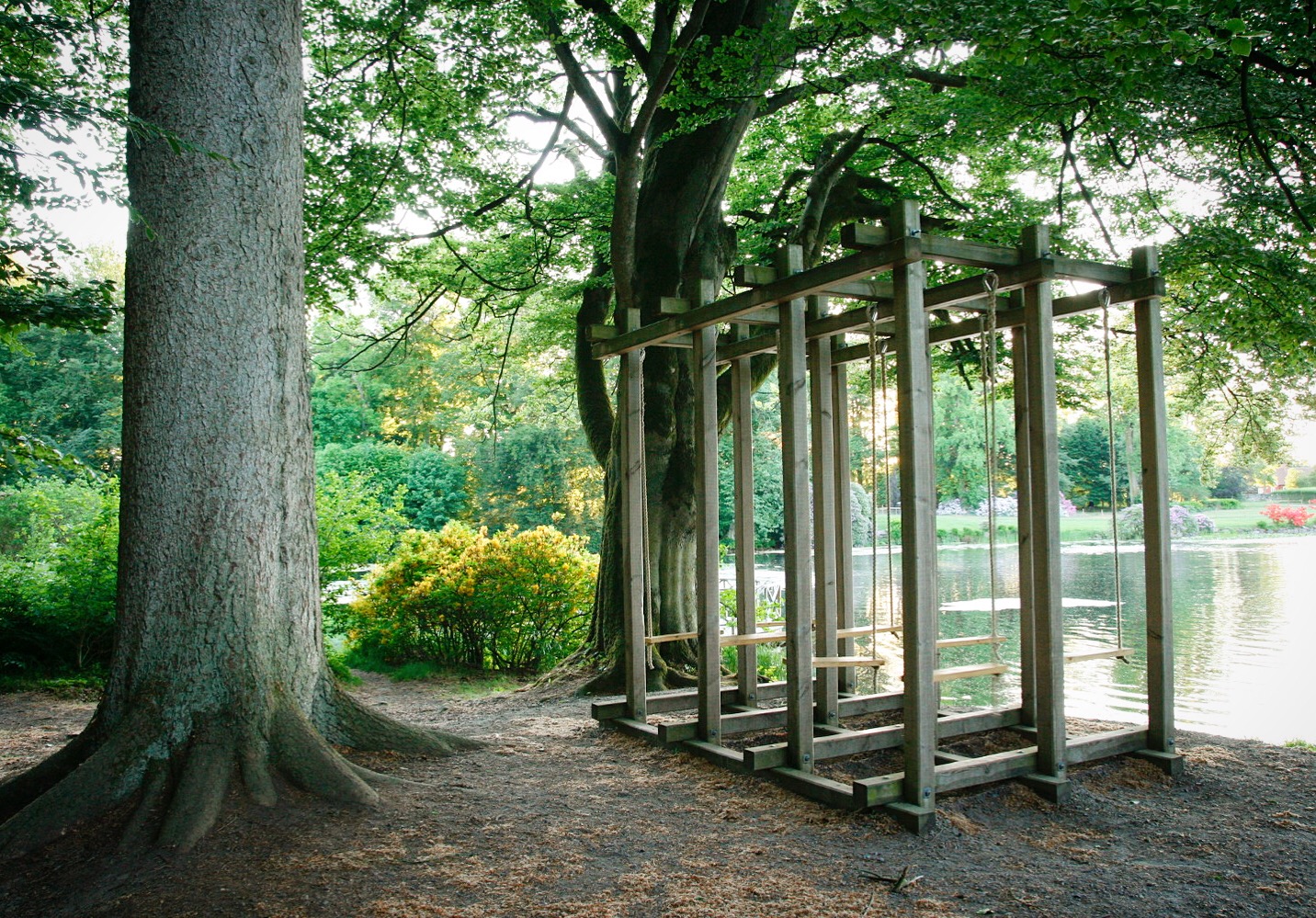
Strictly speaking not a botanic garden, but I can be generous in my definitions. Smack in the middle of the study area for my PhD project, in the municipality of Östra Göinge, lies the castle Wanås. It has a history stretching back into the 15th century and the castle played an important role in the wars between Sweden and Denmark during the 16th and 17th centuries. The current castle, which was built in the early 18th century, is still a private home, but the groves of oak and beech that cover the old castle grounds have been turned into an outdoor art exhibition. A place where nature, history and art meet, as they’ve phrased it on their website. And I really like the way they’ve done it. How the curators and artists really have taken advantage of and respected this old, historical place, with the massive trees, and managed to keep the integrity of the old groves while at the same time challenging our ideas of what a forest is and what art is by making the sculptures and installations blend into the landscape. It is surprising, and really exciting to explore. I’m not always a big fan of modern art, but here, as an aesthetically challenging walk in the woods, I really enjoyed it.

Photo: Wanås Konst & Slott, Östra Göinge, Sweden, May 2017. Posted on Instagram August 12, 2020.

belonging on Earth

45

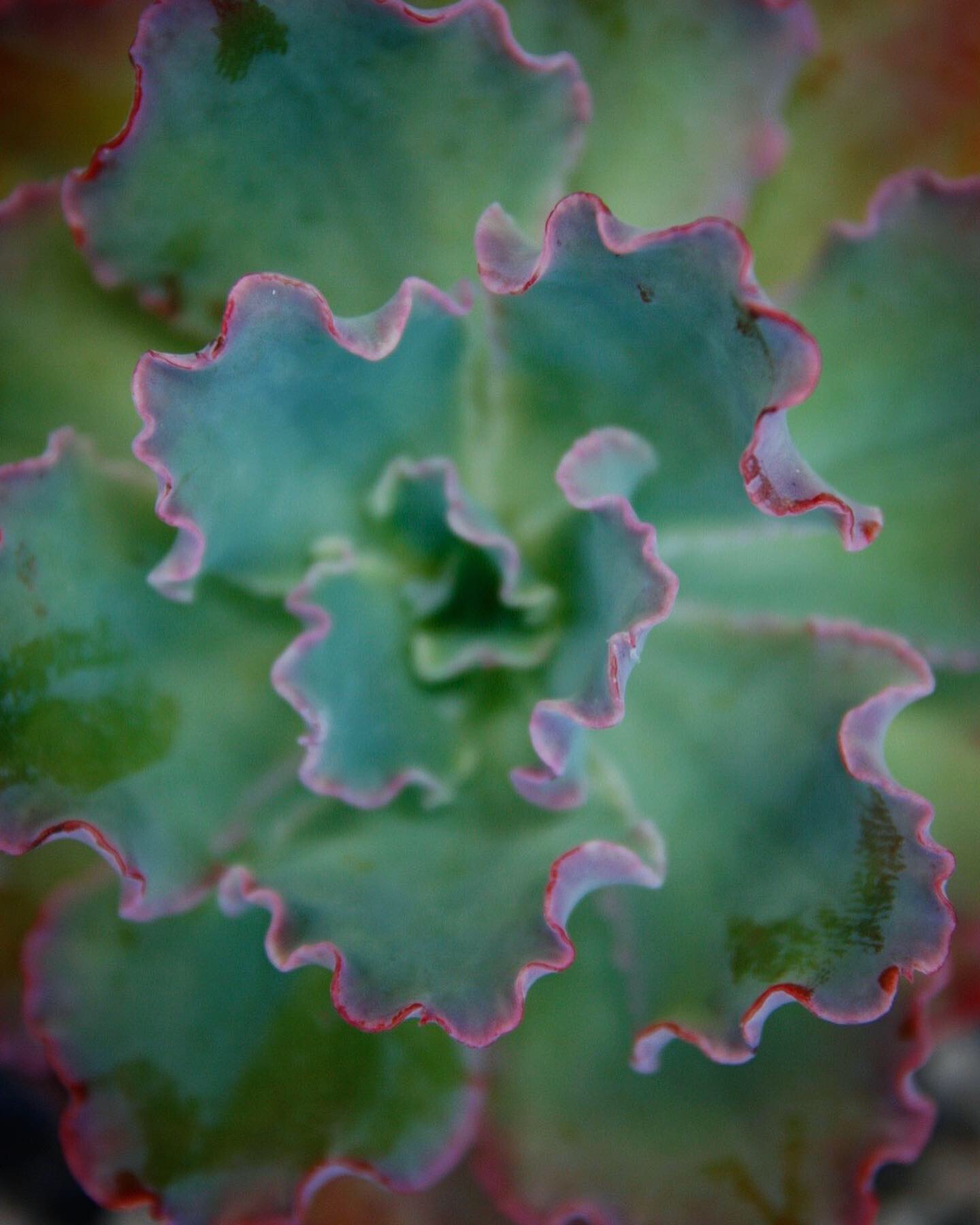
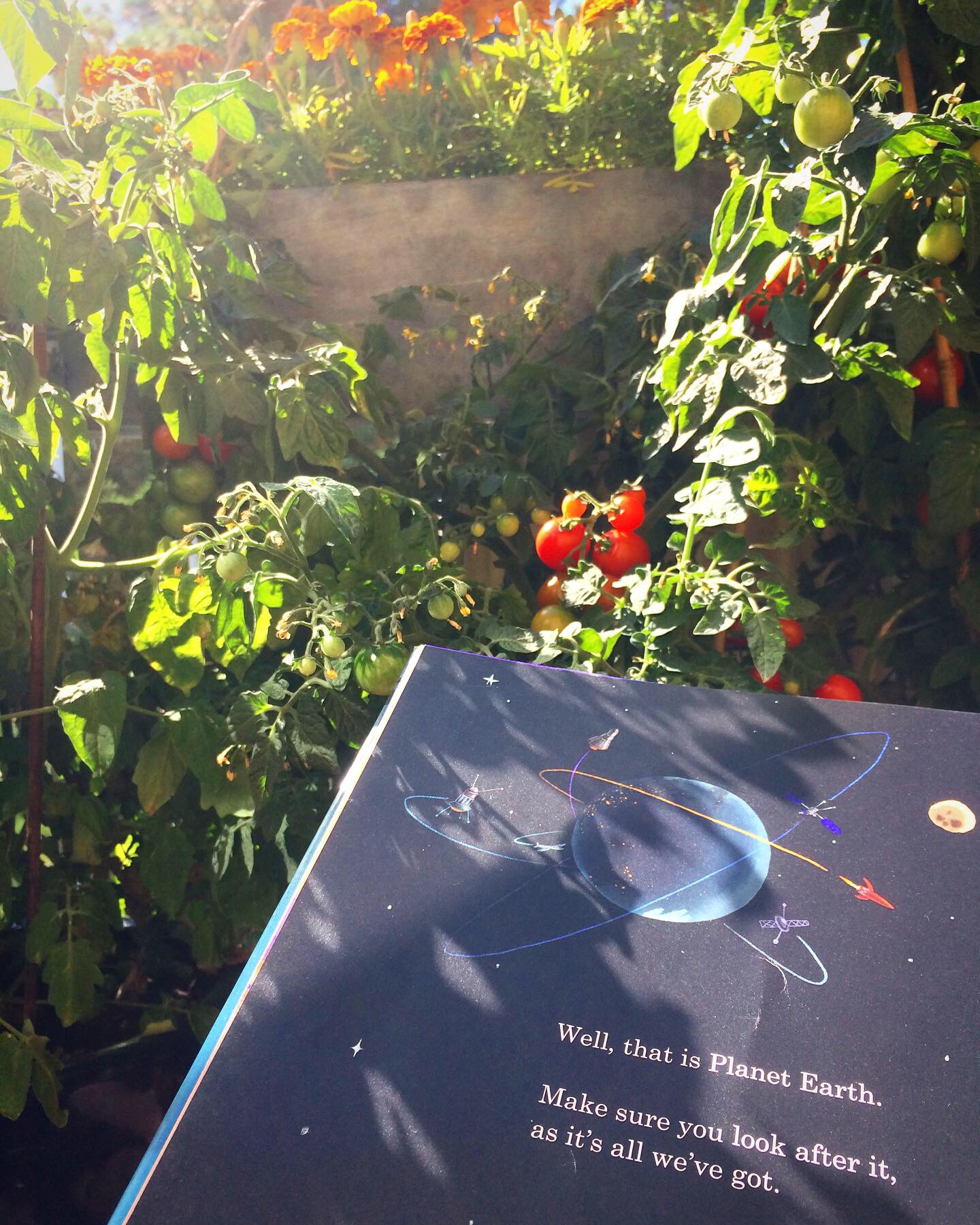
I seem drawn to simplicity this summer. Specifically, children’s books. I’m listening to recordings of Tove Jansson’s Moomin stories and today I read “Here We Are: Notes for Living on Planet Earth” by Oliver Jeffers. These beautiful drawings of Earth and people, words about diversity and kindness, me in the suddenly-arrived August heat, sweating, breathing in the rough, tickly smell in my balcony tomato plant jungle. It is written to a baby, and even if it’s mostly about Earth as a planet in the universe, we need to place ourselves somewhere. Earth is this story that we create together. Where the story is set is a great place to start – even for someone like me, more prone to Earth-ward musings than contemplations about Space. It was a lovely read. Another story of Earth is the evolution of life, and how remnants of this history is still around. To remind us. In one of the greenhouses, in the massive greenhouse complex at the Meise botanic garden, they had planted remnants of this past, curated a walk through the evolutionary history of Earth. There was something so appealing with this sensory lesson, the smell and feel of the air among the ferns, palm trees and succulents that found their form and stuck with it.

Photo: 1. Succulent in Plantentuin Meise / Jardin Botanique Meise, Brussels, Belgium, September 2017, 2. View of my balcony, August 2020. Posted on Instagram August 11, 2020.

Oaxaca (ii)

44

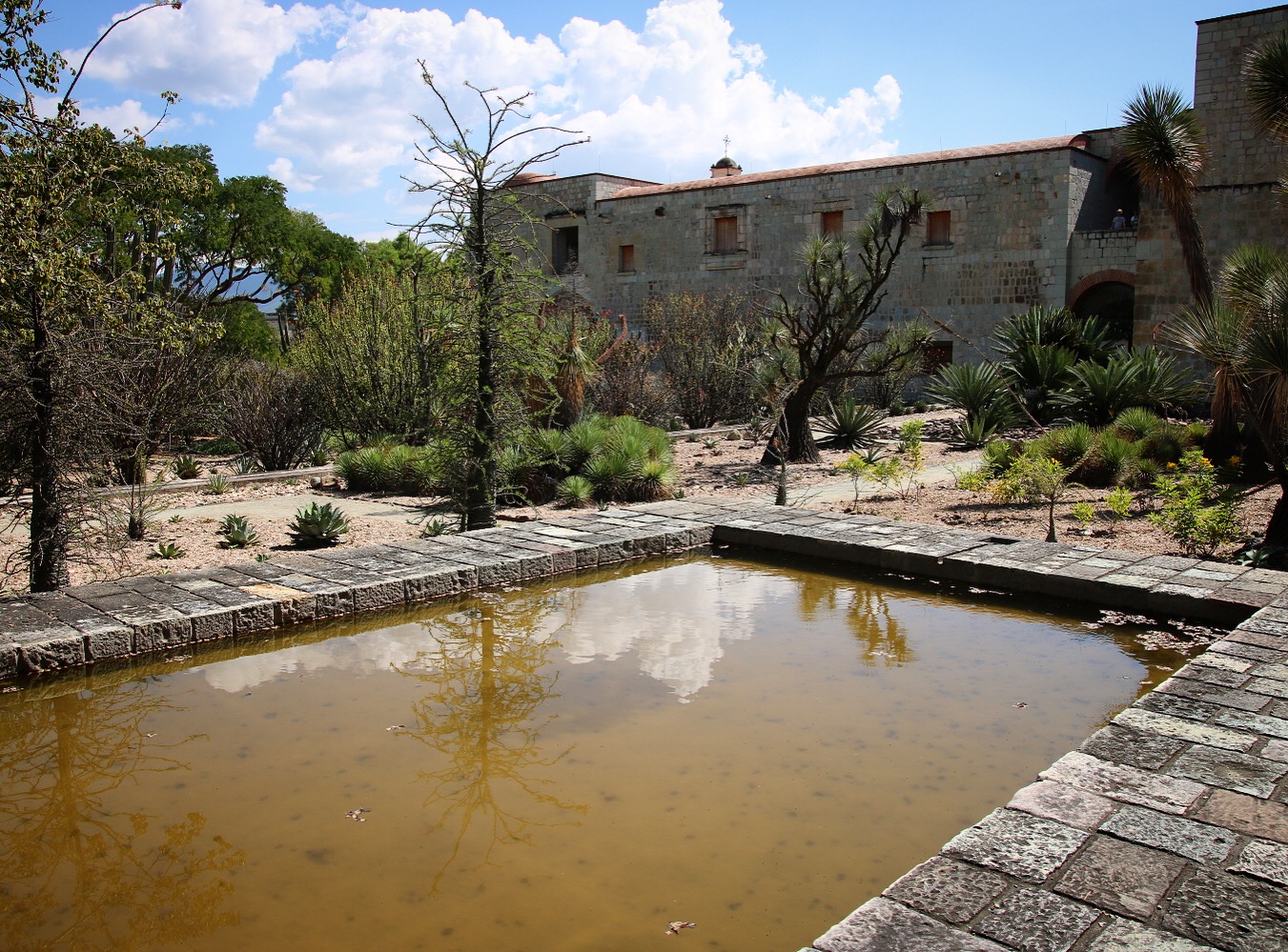
The ethnobotanical garden in Oaxaca lies in the former monastery gardens, the beds separated by a grid of narrow gravel paths and surrounded by the high monastery stone walls. It was originally part of the 17th century monastery grounds, and it wasn’t opened as an ethnobotanic garden until 1998. The surrounding buildings, the former Santo Domingo monastery, now houses the Museum of Cultures of Oaxaca. The museum systematically displays its extensive collection of artefacts and through its windows one can see the dense greenery in the ethnobotanic garden and beyond the city all the way to the mountain tops in the horizon. The garden and the museum together offer an intense crash course in the fascinating social-ecological history of Oaxaca.

Photo: Jardín Ethnobotánico de Oaxaca, Mexico, November 2017. Posted on Instagram August 6, 2020.

marigolds

42 & 43

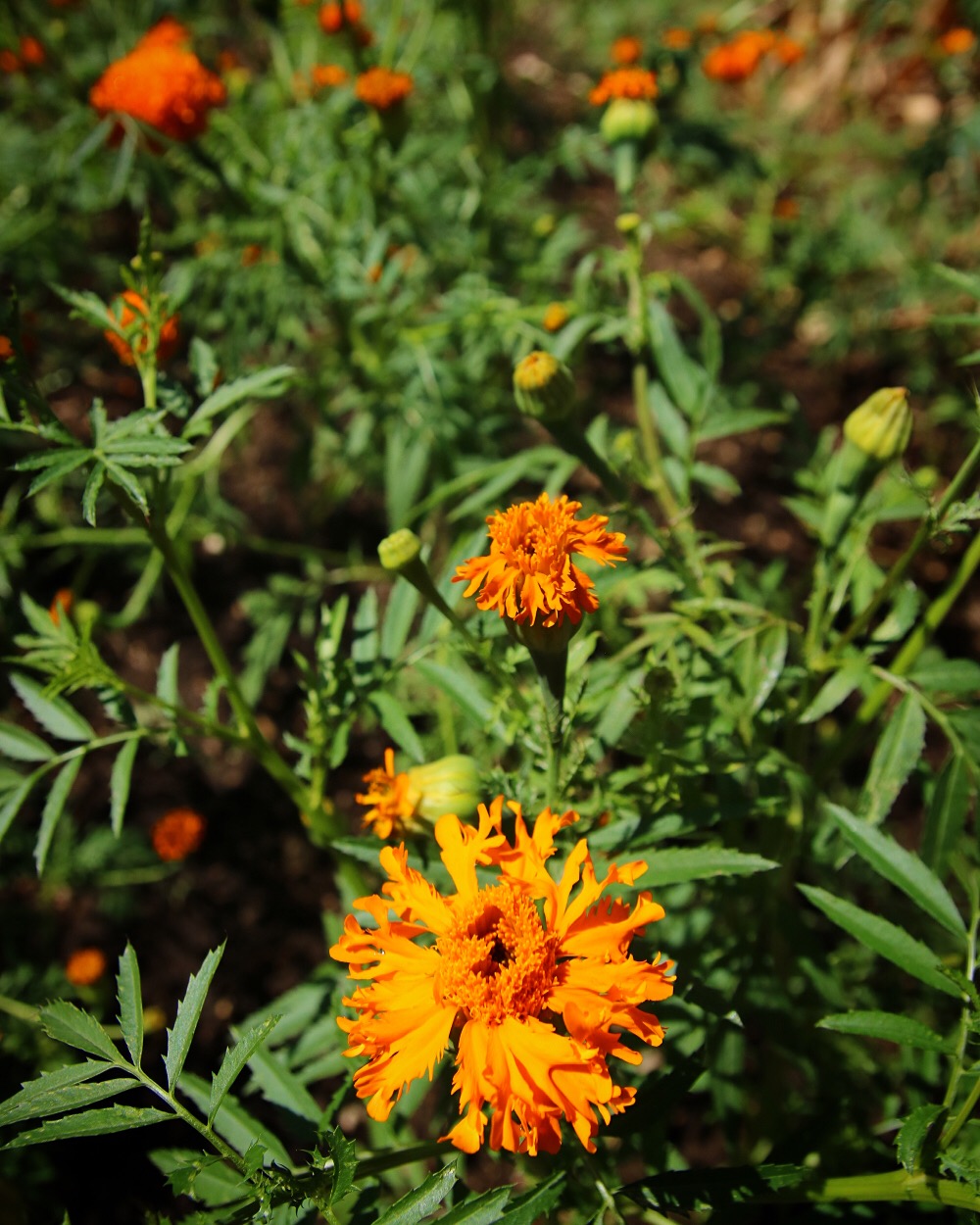
How we change through life fascinates me. Tastes, for example. Some change happens with active practice, like learning to love smelly cheese or wine. Other change surprises you. Growing up, I never liked marigolds. This orange flower, so common in ornamental flowerbeds, I thought they looked stiff, they smelled disgusting. Were just too orange.

And then I went to Oaxaca to attend the PECS conference. It was a tumultuous time in my life, I had worked myself too hard, the world seemed disjointed, people around me didn’t make sense to my muddled mind, I was exhausted. An absolutely awful travel companion. And so I arrive in the middle of the Día de los Muertos celebrations, to this beautiful old city all covered in marigolds. The traditional Mexican flower of the dead. The smell of them followed me around, spreading from the adorned doorway arches and enormous flower-covered altars placed all over town. Everything orange, purple and laden with bread and painted skulls.

And then the PECS conference started. And it can’t only have been the content of the conference, it must also have been the state I was in. Exhausted, confused, in the very beginning of my PhD, completely open to this beautiful place all covered in marigolds. But. I can see so much of what is now taking shape in my PhD thesis, trace it back to ideas I was inspired to from sessions at the conference, mescal-infused conversations with fellow attendees during mingles and in the evening. It was a defining moment, drenched in the taste of mescal and smell of marigolds. The three years since have been a journey to see how those ideas have unfolded and evolved.

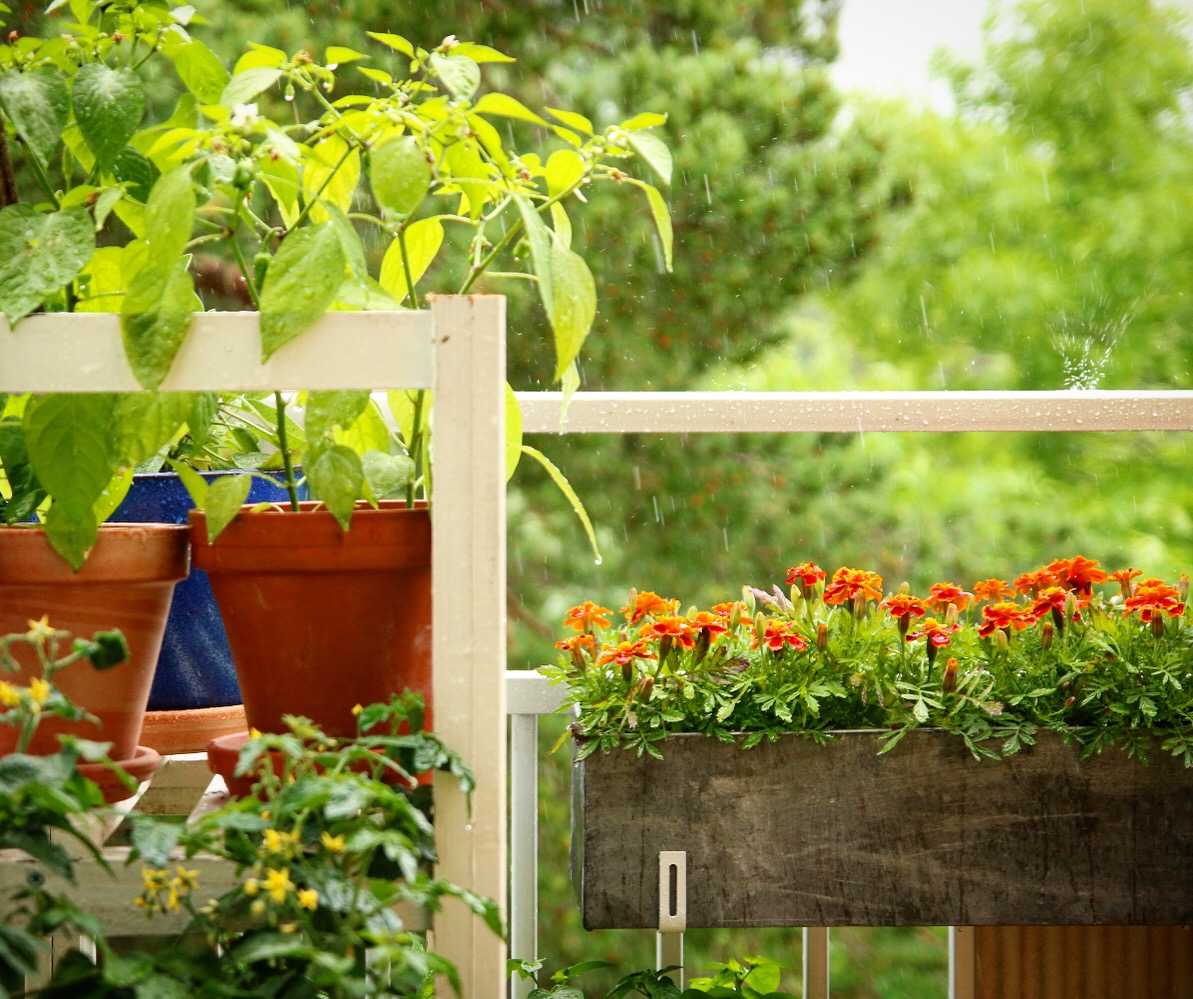
Since then, I love marigolds. I even love the way they smell, sweet, itchy. In March, I planted so many seeds, carefully tended to the growing seedlings in my living room window, next to the aspiring tomato plants and chilis. Now, they live on my lush balcony. They give me a sense of joy, the tableau they create through the open balcony door when I sit in my knitting and reading chair. Especially when it rains. The sound of the heavy summer drops on the roof, the smell of moist soil, the intensity of greens, bright chili leaves, darker tomato, the bluish tint of the pine needles just beyond, and then brighter again, in the ash tree. Purple-gray shades on the clouds. And in the middle, orange, creating a contrast so deliciously seductive, the marigolds. I can’t get enough. And there I am, changed.

Photo: 1. Bed of marigolds in Jardín Ethnobotánico de Oaxaca, Mexico, November 2017, 2. View of my balcony in rain, Stockholm, July 2020. Posted on Instagram August 5, 2020.
the wild & the tame

41

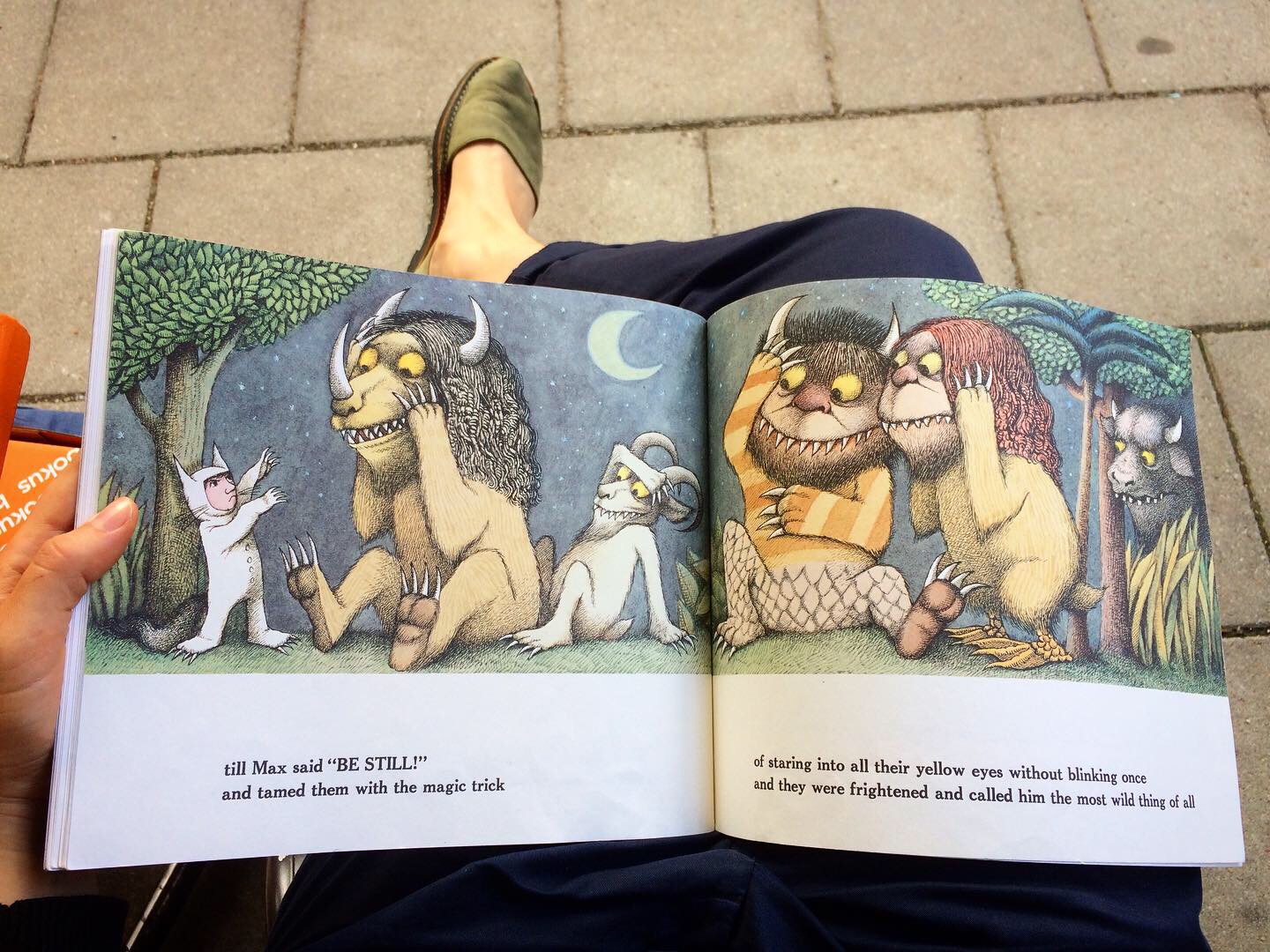
The sun is shining again and I walk down to the center square in my neighborhood, I pick up books from the library and buy strawberries. Outside the local bakery, I sit down with a cappuccino and one of their wonderful, rich cardamom buns. I read the old children’s book “Where the wild things are” by Maurice Sendak, he tells: “the wild things /…/ roared their terrible roars and gnashed their terrible teeth and rolled their terrible eyes and showed their terrible claws till Max said ‘BE STILL!’ and tamed them with the magic trick of staring into all their yellow eyes without blinking once and they were frightened and called him the most wild thing of all”.

And, being me, I think: I’ve thought about this, about gardens, about how to be. I have had people tell me they don’t like botanic gardens, because gardens are tame, restrictive. They prefer wilderness. But wild is not untouched by humans. Wild can be looking something in the eye and seeing it for what it is. And giving it space to be. A gardener tending to the unpredictable. A person looking at the world and moving with it, without giving up on the wild, the wonderful in their own wandering mind. Its strength, weaving it into the fabric of the world. This can be practiced in a garden.

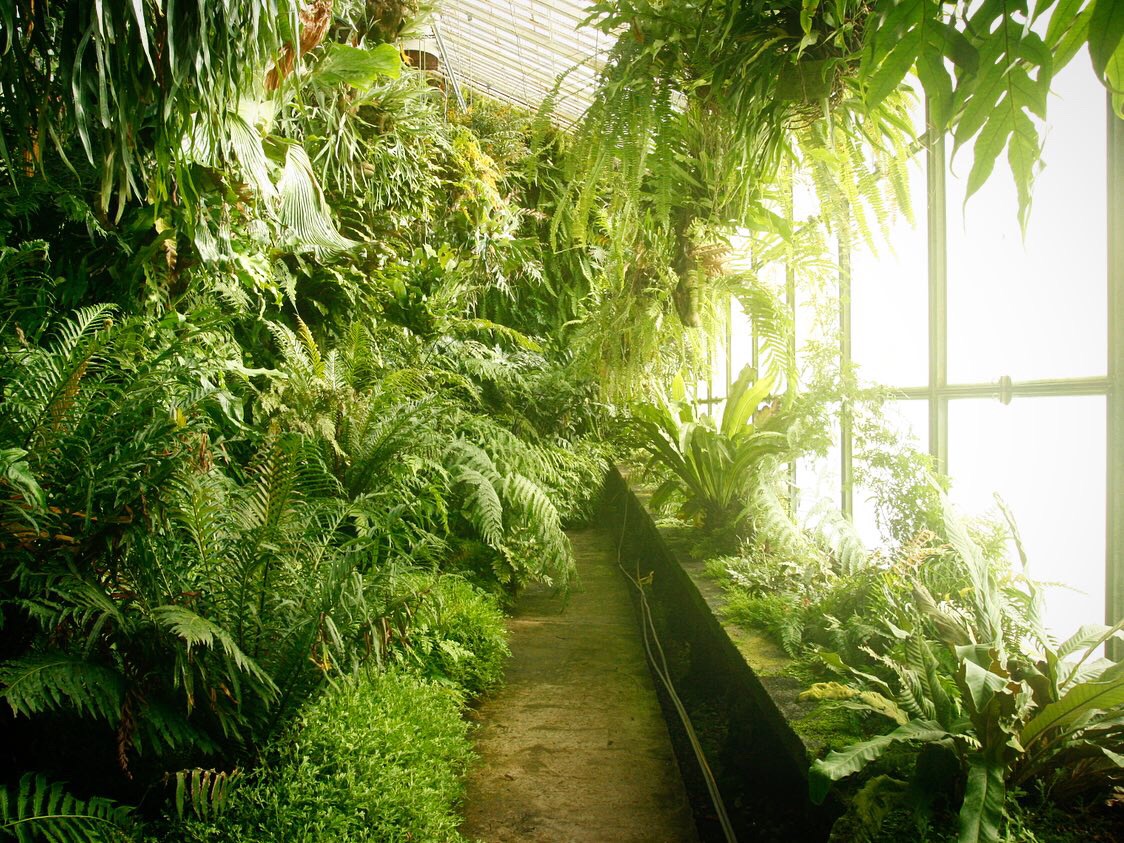
Like the greenhouses in the historic botanic garden in Göttingen. Ferns that have been tended into microcosms of untamed greenery, a jungle in central Germany.

Photo: Alter Botanischer Garten in Göttingen, Germany, September 2017. Posted on Instagram August 2, 2020.

Meise (i)

40

Half an hour or so with a commuter bus from central Brussels lies the Meise botanic garden. It is BIG. Impressive. Covering 92 hectares of land, it can not be fully seen in a day. When I visited in 2017, I could have spent several days there, wandering around in the groves and thematic gardens. There was a traditional, convent-style garden in full autumn bloom, inhabited by bright butterflies. Another garden had only medicinal plants, with small signs explaining what the plants have been used for. And a modern, globe-covering complex of large greenhouses.

Photo: Plantentuin Meise / Jardin Botanique Meise, Brussels, Belgium, September 2017. Posted on Instagram July 23, 2020.

books & idols

39

My dad just published a book. In an interview, when asked what she will read this summer, Annika Norlin answered: “I will definitely read the Olle Adolphson biography by Jan Malmborg”. My dad’s book. Annika is Hello Saferide and Säkert!, her lyrics are little stories, smart and sad and funny, she has been my favorite songwriter since I was a teenager. Olle, the musician in the biography, is my dad’s favorite songwriter. His songs are also stories, sad and beautiful and contradictory, like life. This summer, I will read “Jag ser allt du gör”, a collection of short stories by Annika. And so, lives re-connect and meander through this contradictory existence. In “Trubbel”, the song that gave the biography its title, Olle sings about a relationship, infidelity, contrasts a beautiful summer in full bloom outside with his own garden, where “it’s scrubby and overgrown, ugly and neglected, and just as hopelessly dull and gray as in my heart”. A little like the feeling I got from the botanic garden in Clermont-Ferrand, a forgotten nook, wistfully almost-remembering past days of love and care.

Photo: Jardin botanique de la Charme in Clermont-Ferrand, France, October 2018. Posted on Instagram July 22, 2020.

Zagreb (i)

38

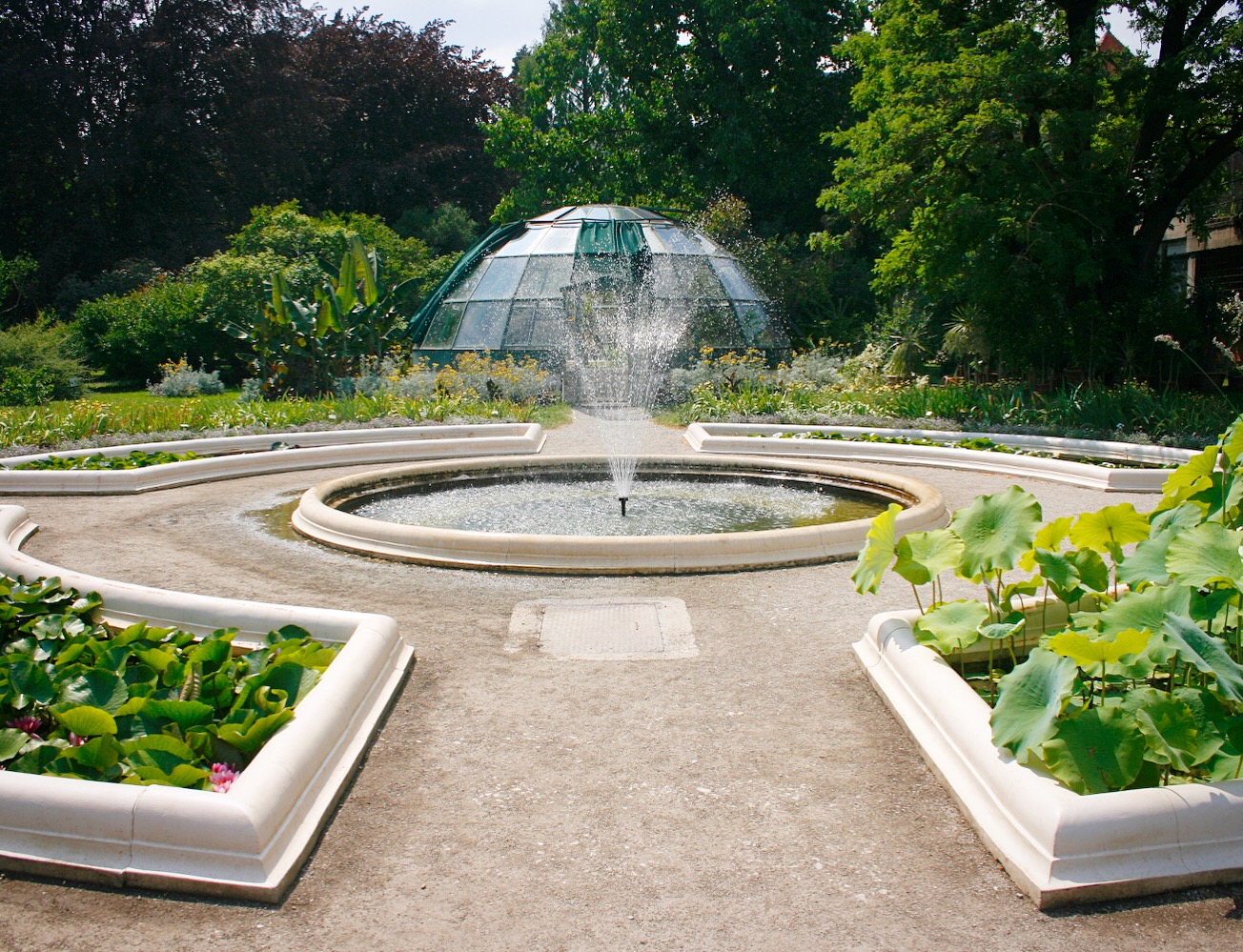
Right next to the railway tracks lies Zagreb Botanical Garden. It is a small garden and not particularly well organized, but it didn’t have an entrance fee. In the afternoon one of my days in Zagreb in 2013, the air turned clammy by a heavy summer rain, a walk among the water lily pools and ironwood trees was perfect.

Photo: Botanički vrt u Zagrebu, Zagreb, Croatia, July 2013. Posted on Instagram July 22, 2020.