I started this blog almost one and a half years ago, and gave it the title Geographies of belonging. I liked the idea of it being called geographies something, since I’m a geography student, and I was going traveling. My thought was that I would write slightly philosophical texts about traveling and how different things can make you feel you belong or not. That it might not always be about the place on the map, but more abstract, spacial details.
However, I ended up just writing a straight, conventional travel log, and in the end mostly just publishing pictures and then writing small texts about them. Not very philosophical at all. I prioritized other things, I suppose, and had so many actual stories that I wanted to tell that I didn’t have any time to dive into the deeper stuff. Which is fine, my parents were happy and I have an amazing archive whenever I feel like being nostalgic.
But in a sense, this exploration of different ways to belong didn’t end by me returning to Sweden. I spent a couple of weeks in Stockholm, working at the Tax Agency, going to the summer cottage in the weekends – but then I moved again, this time to Uppsala.
And I’ve been thinking. There are many different ways to belong and feeling like you fit in. In Uppsala, I never really felt comfortable, as a student and at the university. I felt too old to be part of all the getting-to-know-each-other-activities, usually involving huge amounts of alcohol, in the beginning of the semester, but I didn’t really fit with all the older students either. They already had their circles of friends, and all their crazy Uppsala stories. At times, the nation and student club life in Uppsala felt like a cult, which the lone wolf in me couldn’t appreciate. I guess the peace and conflict studies not being as exciting as I had thought didn’t really help, either.
But there were other things too. That I liked the size of the city, being able to take the bike everywhere. Being close to the friends that I already knew but hadn’t met regularly for a long time because they had moved to Uppsala. Already during my first week in my new, wonderful subletted apartment, Hannes came by on a whim and I cooked him pasta and mushroom sauce and we watched Scrubs. And a couple of days later, Frida and Marita, back from their years abroad, came over for some apple pie – or was it soup? All those frequent visits made the place feel like home in no time, and in the apartment, among the apple trees in Kåbo, on my bike along Dag Hammarskjölds väg, studying at the Geocenter just two blocks from my house, running with Svante in the Stadsskogen forest, I felt I belonged.
I still think of that apartment sometimes, and miss it. It smelled so wonderfully of apples.
But, to get back to North America, I got that strong feeling of belonging a couple of times there too. The trip started so well in Edmonton, with Frida in I-House. I was so wholly embraced by all Frida’s friends – and even random people in the house that had no special connection to Frida. There, I wasn’t a guest. I was a new and interesting, albeit short-term resident. I’ve always seen myself as a person who isn’t really comfortable among strangers, one who’s conversations are unimaginative and stiff until I’ve gotten to know a person a little bit better. Well, this turned out to be completely wrong in I-House, University of Edmonton. (Sure, I still get these spells when I feel completely wrong and don’t know what to say in big social gatherings, but at least now I know I have it in me, and that the other stuff is only nerves.)
That’s why arriving at Time Out Farms became such a shock. I don’t think it really had to have ended up that way, not really, I loved the work with the horses and Diane, the owner, was just lovely, once I got to know her a little bit better. But she left the farm with Willie just a couple of days after I arrived to go to their cottage in the mountains for a week, and I was left at the mercy of the three German 21-year-old wwoofers that I just couldn’t get along with. I felt so strongly that they found me annoying, maybe due to my previous horse knowledge, strange and so extremely boring. They were this tightly knit gang and I didn’t fit in, no-one spoke to me directly about it but during our mornings working in the stables they talked German with each other and I felt like they were saying bad things about me all the time, second-guessing my work. I wouldn’t smoke weed with them and I preferred grooming the horses in the afternoons instead of sunbathing behind the main house or taking the car to the mall.
Then Diane came back and I met Jay, wonderful, amazing Jay – and he introduced me to Portia, one of the most intriguing horse individuals I’ve ever known. I got to ride a couple of horses a day and help Jay with the training, which was so amazing – but it also meant me spending almost no time in the house except for meal-times and lying exhausted on a couch in the evenings, reading Anna Karenina. Being so singled out for the riding did not make me more popular among the Germans, and I never really felt I could relax at the farm except for when I was in the roundpen with Jay.
The second farm, Whiskey Creek, was a completely different story. I was the only wwoofer there for almost my entire stay, and Lori, the farmer, might be one of the most generous people I’ve ever met. Already on my first day, I felt that she trusted me. She told me what to do on the farm, but never checked up on me, and she let me come up with routines that fit me. She took me to the movies and she let me tag along on a reggae concert, took me to dinner and movie night at her friend’s house and let me borrow her car to go see big trees and waterfalls. And the whole atmosphere of the place, I felt rooted and calm there, and it was like I filled a space, a puzzle piece that wasn’t really missing, but that blended in perfectly with everything else.
And the cities that I liked the best on my trip were Seattle and San Francisco. In Seattle, I couchsurfed with Miles, this low-key, music loving guy with the most amazing apartment and a way of being that made my fluttering, newly hatched couchsurfer heart just calm down, as if staying with a stranger was no big deal at all. And in San Francisco, everyone told me that I should move there.
Looking back on all these events, I realize what really makes something feel like a place I belong, are the people. The routines of a place, and if there’s room for me to grow, of course – but mostly, if there are people there that don’t question. People that think I’m interesting, and let me take my time.
Belonging isn’t about a place. It’s about a way of being, in relation to others.
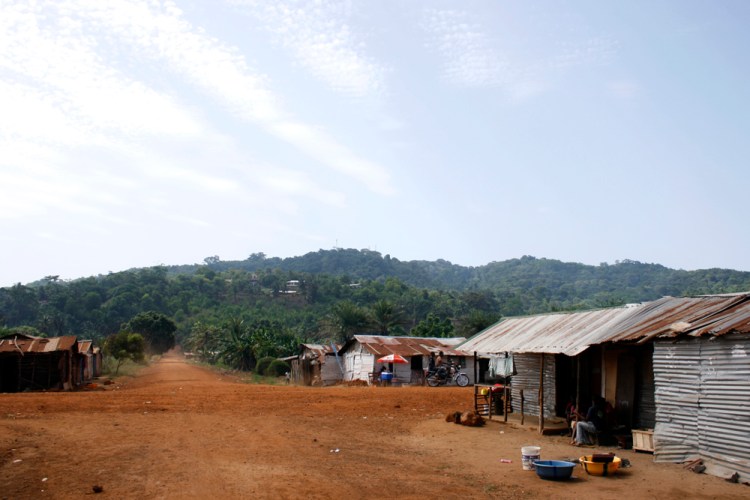
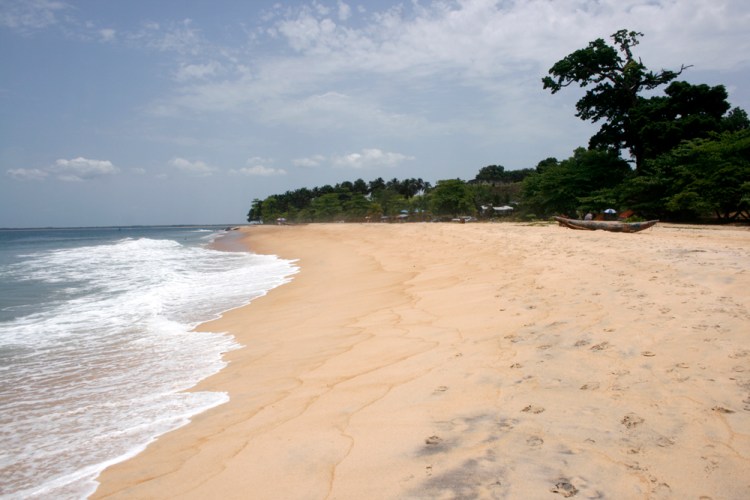 This is where the big and important people from Monrovia come to get away. Naturally, this became our first day trip with mom, Hanna and Morris.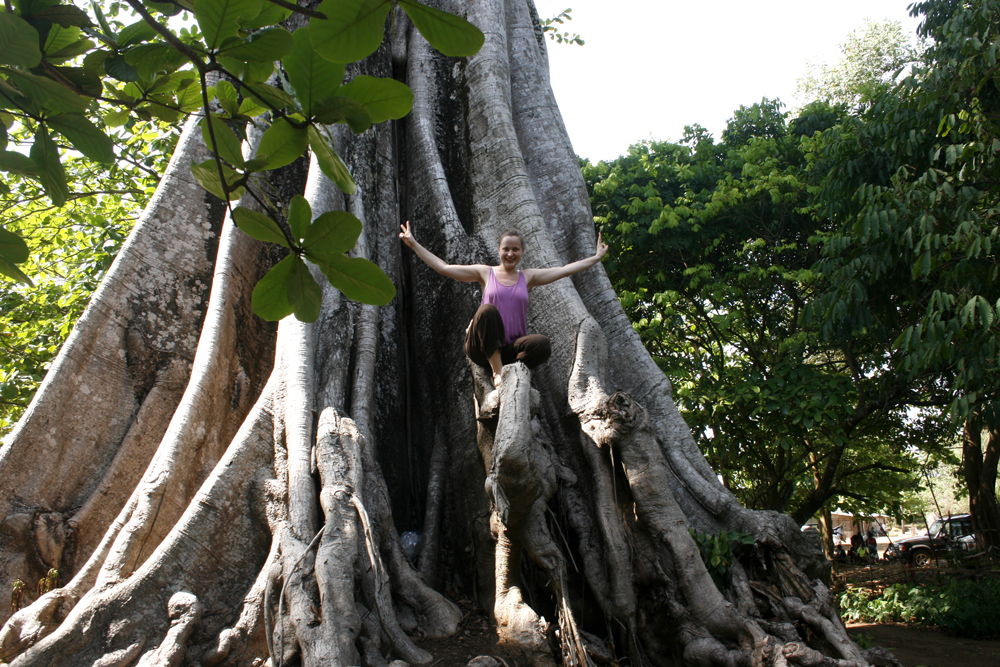
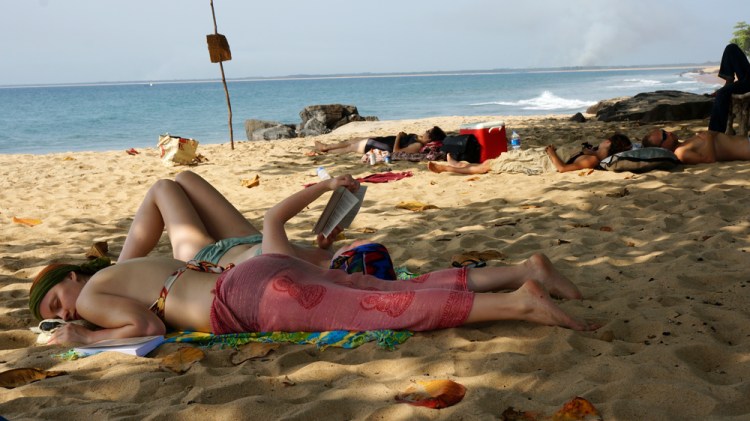 They claim to have the best surfing waves in West Africa on this beach. I don’t really know anything about surfing, but they sure seemed exceptionally good for surfing. There were both beginner tourists on surfing lessons and semi-pro local boys taking advantage of the super long waves. Even I got persuaded to try some surfing, with the help of one of the local boys. Mostly, I just twirled around in the middle of the wave, being tugged behind the board. However, I managed to get up on one wave, lying on the board, and god. The rush! Like flying on the ocean! Now I understand the thing about surfing. I want to do it again!
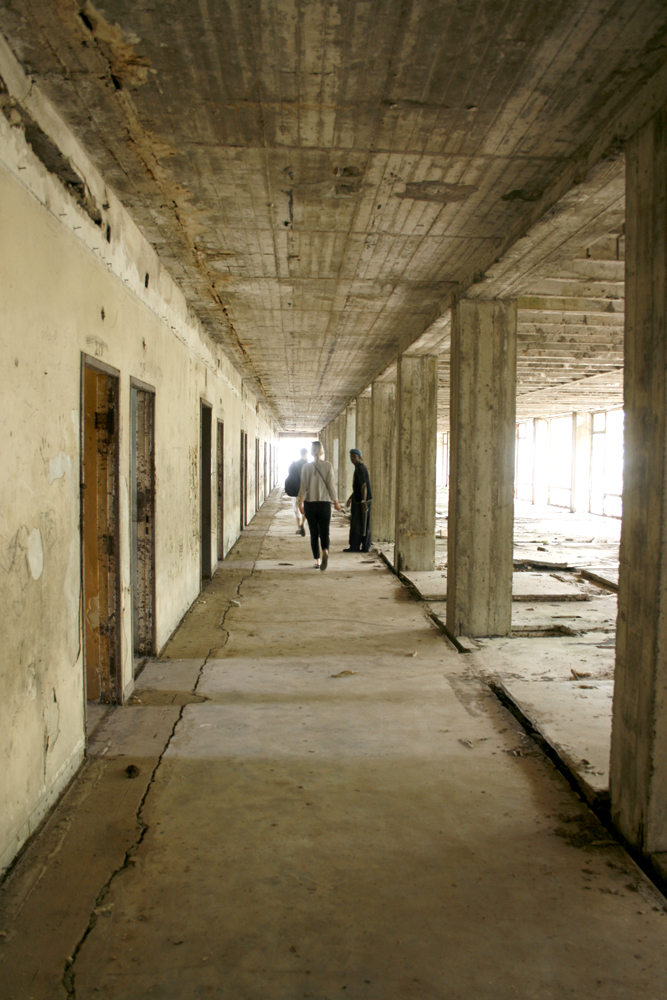
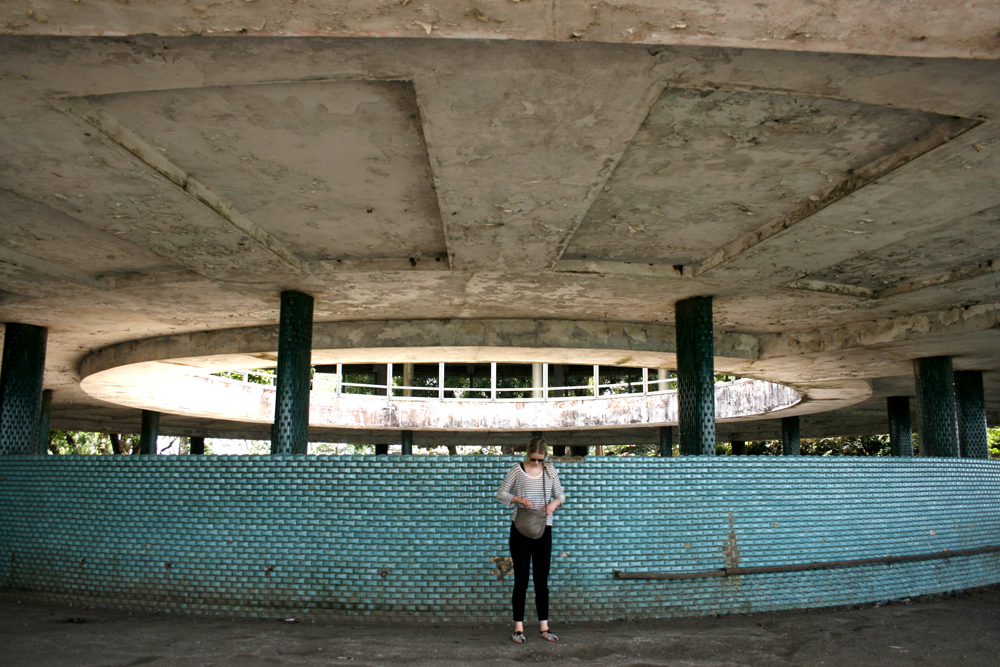
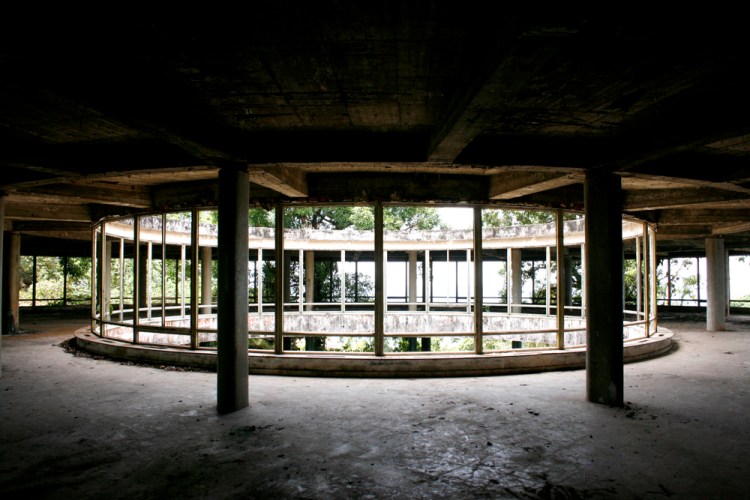 The first thing that you meet when entering the hotel is this. It’s not hard to imagine the once upon a time splendor of this place.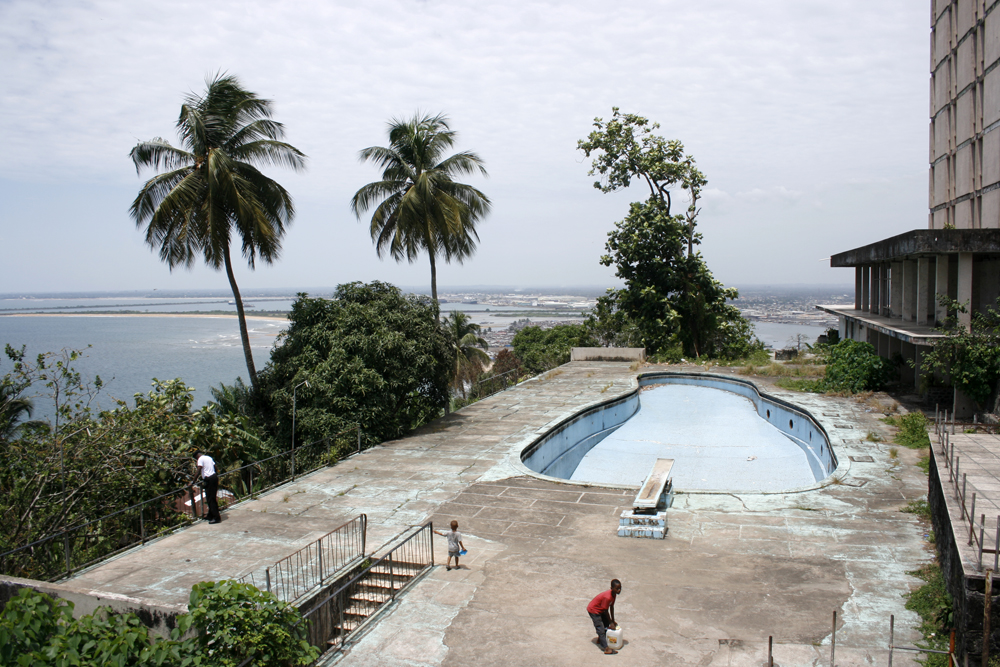


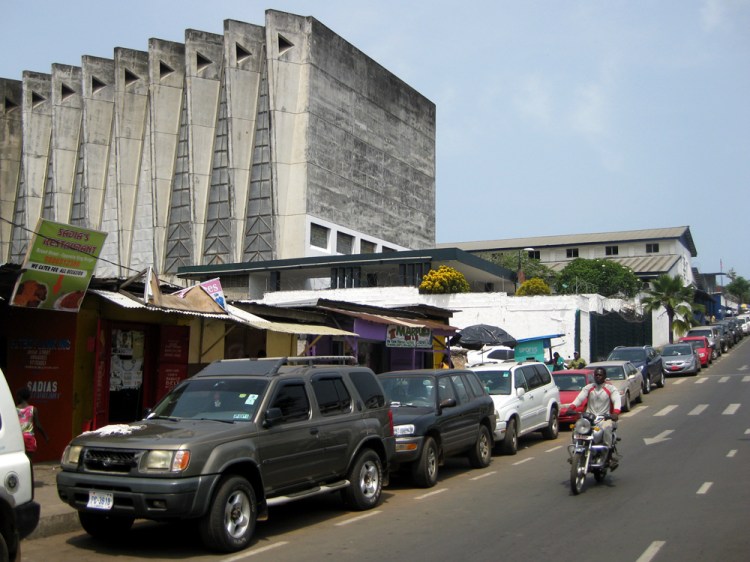
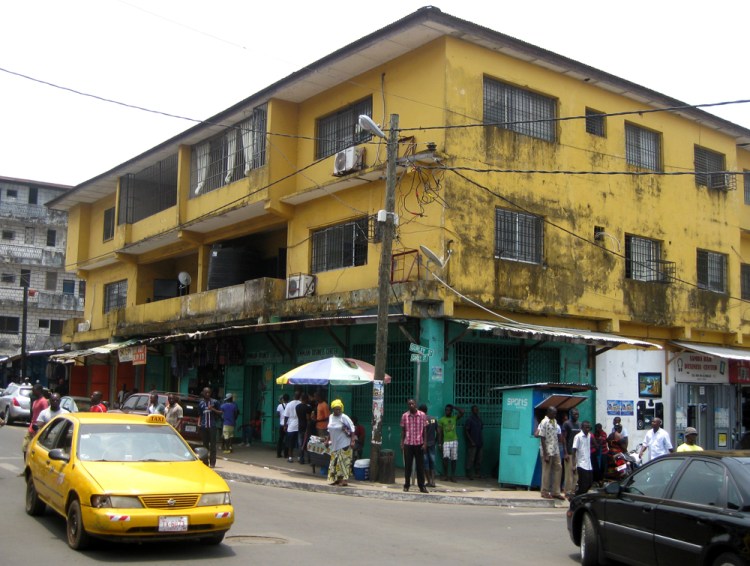
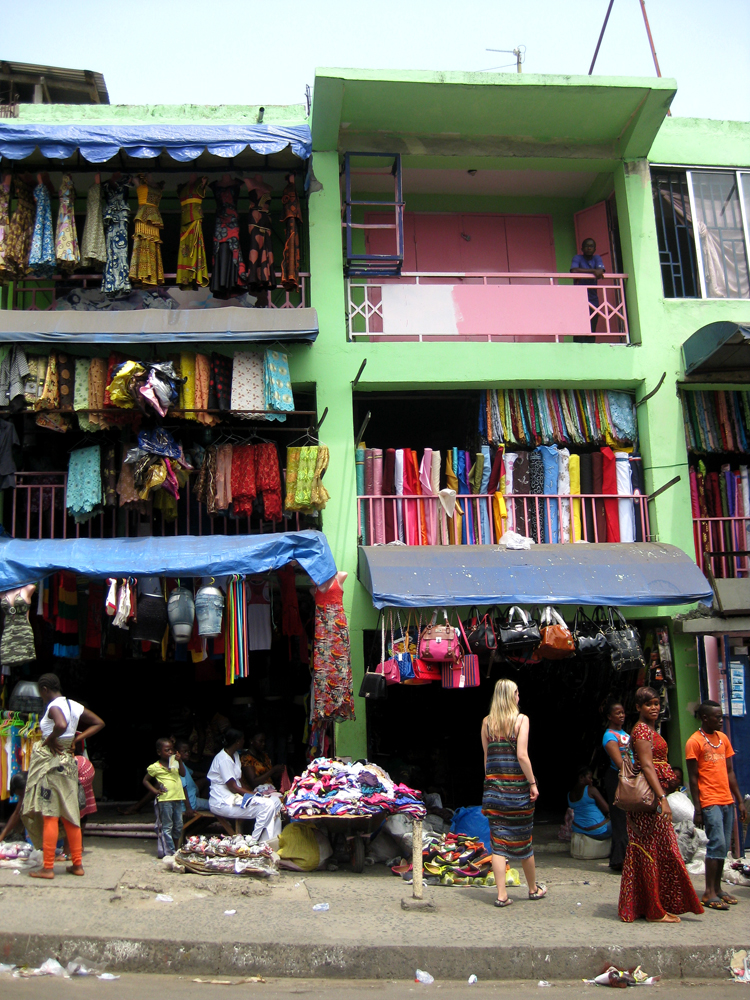 Shopping there is an experience in itself. And for Hanna and me, all the colorful fabrics from Nigeria and Côte d’Ivore and China made our heads spin. I bought far too much and now I don’t know what I’m supposed to do with all that fabric.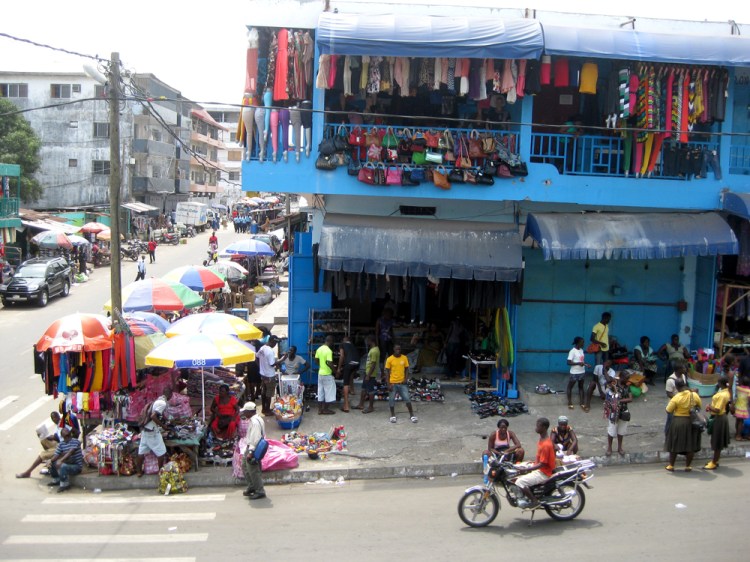
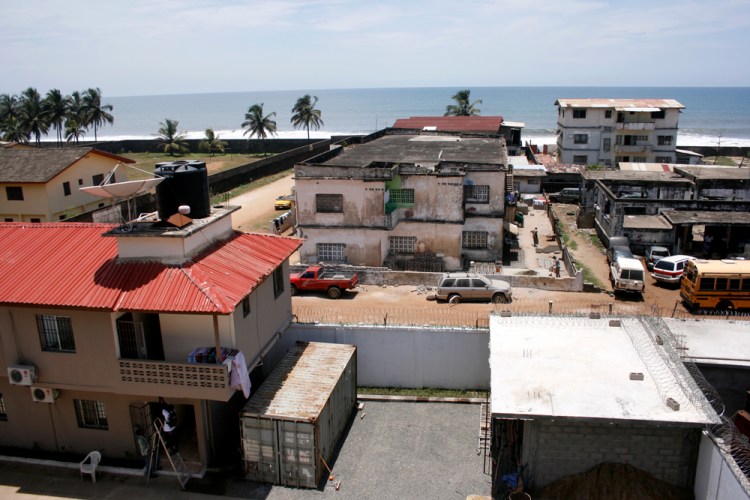 In Sinkor, an area by the beach just east of downtown, all the houses are surrounded by high walls with barbed wire on top. This is where the expats live. The contrast between the roomy and air conditioned apartments and the bumpy mud road outside the gate is almost comical.
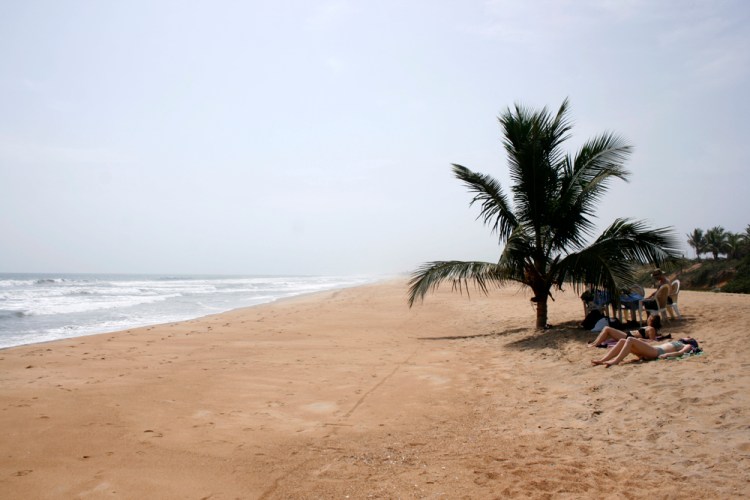 But only 45 minutes in crazy motorcycle traffic from downtown Monrovia, you have Silver Beach. The waves are too big for proper swimming, but the palm trees and the desertedness of it all still makes it feel like something taken from a travel magazine. And they serve delicious fish, maybe the best I’ve ever had. Barracuda fresh from the ocean to the fire onto the plate. Incredible.
 Katja Malmborg