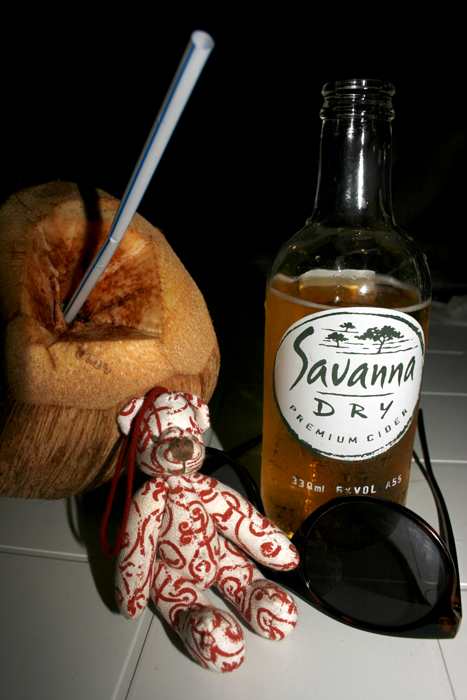
Mr. P with his two favorite drinks.
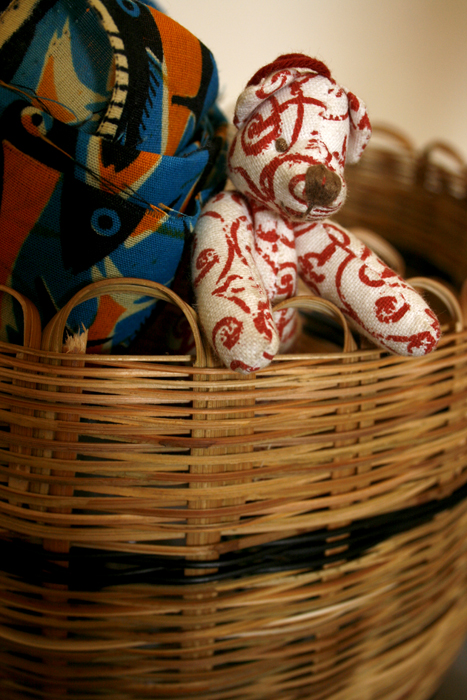
Mr. P with some Liberian shopping.

Mr. P doing some palm tree climbing in Harper.
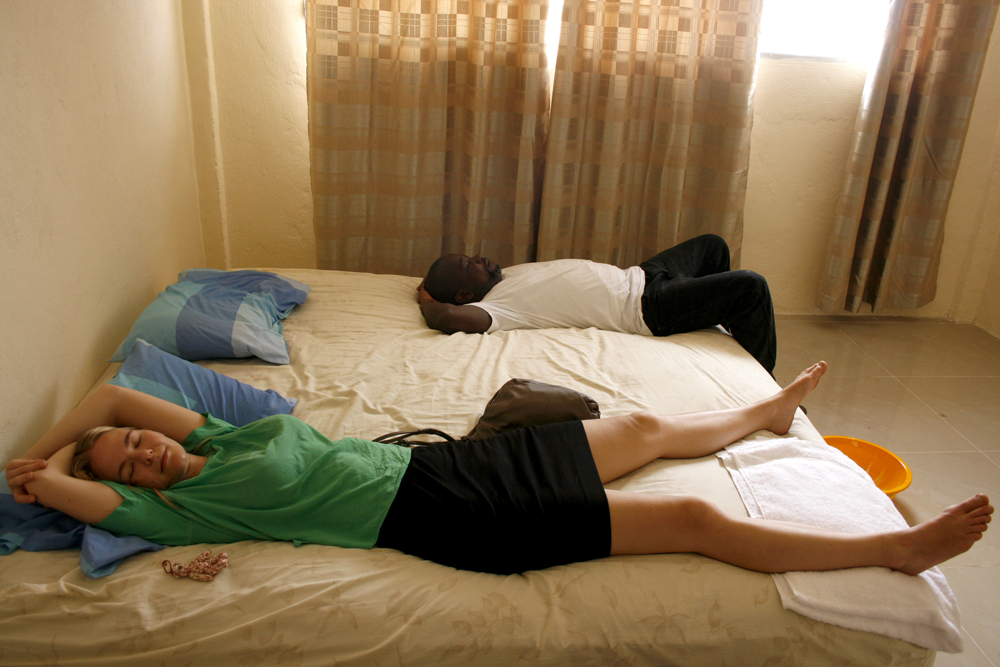 Mr. P with Hanna and Morris, exhausted during the tail end of our road trip.
Mr. P with his two favorite drinks.
Mr. P with some Liberian shopping.
Mr. P doing some palm tree climbing in Harper.
Mr. P with Hanna and Morris, exhausted during the tail end of our road trip.
When it was decided that I would go to Liberia to visit my mom, I went online to the Stockholm University library catalogue and searched for books about Liberia. Excepting a big number of older litterature, from the days when Sweden had a considerable mining business going on down there, there was only one book in the library for me to borrow. Charles Tayor and Liberia by Colin M. Waugh. My plan was to finish it before I left, but ended up bringing it along and then finishing it more than a month later, several weeks after having come back to Sweden again.
It was a good book though. Liberia has an interesting modern history, to begin with quite different from most other Sub-Sahara African countries. Because, stricktly speaking, it never really became a colony to any of the big European powers. Instead, it started as a place where freed second or third generation slaves from North America came in the first half of the 1800’s and settled in a search for their ‘motherland’. What happened, though, was in many ways similar to what happened in many other African countries, only now it was the freed slaves from North America that became the lords, while the native population became marginalized and not allowed to enjoy the spoils of the development in the country.
The reason why the freed slaves could manage the settlement and final subjucation of the native population was that they had the support of both the United States government and England. The US, because the freed slaves (among them were illigitamate children of the plantation owners that simply were too embarassing to keep around) were starting to become a little too big of a power factor in the South, and England because they themselves hadn’t seriously started to colonize in this part of Africa yet, so they saw no use in antagonizing the US by claiming what became Liberia for themselves.
Well, so went the years, the freed slaves (locally called Americo-Liberians or Congos, depending on who you ask) became rich from rubber and iron and built big mansions by their plantations, while most of the native population stayed poor and were not allowed to take part in this economic development. Liberia was a republic, the first in Africa, but the only active party was the True Whig Party, with roots among the very first slave settlers in Liberia. The relationship with the United States was always strong and especially when the Cold War got going, the US found the very west-friendly state of Liberia useful in a region where most colonies were becoming independent and starting to lean more and more toward the east.
However, during the middle of the 20th century, while the liberation movements were strong all over colonized Africa, some of this African nationalism also spread to Liberia. And who knows, maybe the transition from a marginalizing one party state into a working democracy had gone smoothly if it had been left on its own in that crucial time in history. It’s impossible to say. Liberia was the richest country in West Africa and by far the most stable.
But, once the Liberian government had started showing its interests in seeking other African allies rather than helping the US, developments took place that strongly suggested that forces within the US government wanted a change in power in Liberia. The unrest, that already existed among the marginalized tribes in Liberia, was further fueled by support from abroad and in 1980, there was a military coup in Liberia. The president and several ministers were killed, shot standing in a line in front of a group of invited journalists from all over the world.
One of the leaders of the military coup, a man called Doe, became president. He was all for the US and promised that as soon as the country was stable again, he would give up his power and open up for democratic elections. Well, that didn’t happen. Still, for a very long time the US and most other countries in the world with the power to intervene just turned a blind eye to Does dictator behaviour, his persecution of other tribes than his own and governmental nepotism and favoritism.
However, eventually it became too much, the power started to go to Doe’s head and he made decisions that weren’t that well suited with the US’s interests. The US felt the need to get rid of him too. So, maybe not proven but still very likely, powers within the US government started supporting opposition groups within Liberia. These eventually became rebel groups that started gathering forces to overthrow the Doe regime. One of these rebel groups was led by Charles Taylor, who later would become one of the worst war criminals, responsible for more human suffering than any other person in West Africa in modern times.
So, starting from the first insurgent attack launched from Côte d’Ivore in 1989, the civil war began. Atrocities were commited both by the Doe regime and the insurgents, the looting was extensive, child soldiers were recruited, almost no part of the country was left untouched. And there are those who claim, among them Colin M. Waugh, that there were many times in the early parts of this conflict that a peace deal could have been brokered, if only the right motivations been present. Such as the definite pressure from the US. The plan was not for a war, but for a quick and forceful overthrow. However, now that the Cold War was over, the US didn’t see the need to support its alliances in Africa as much anymore, and all peace talks ended up crashing. There were periods of calm in between the fighting, and Charles Taylor even managed to win a by most international observers deemed pretty fair and open election and be president for a while, before a new group of insurgents attacked and the war started all over again.
Eventually, in 2003, Charles Taylor had to flee the country and after some time in Nigeria, was turned in to the IPCC in 2006 to stand trial for the war crimes he committed while his rebel group and allied local insurgents were active in the Sierra Leonean diamond fields. He was convicted of 11 charges of war crimes and crimes against humanity in 2012. Now, Liberia has a democratically chosen president, a Nobel Peace Prize laureate, and it seems like things are finally going in the right direction in again.
However, the devastation of the war is visible everywhere, even though the peace deal was signed ten years ago. The country is full of majestic ruins, left by the Americo-Liberians during the war. Their owners have stayed whereever they went, mostly to the US, and now some of the ruins are inhabited by squatters. Some are just empty.
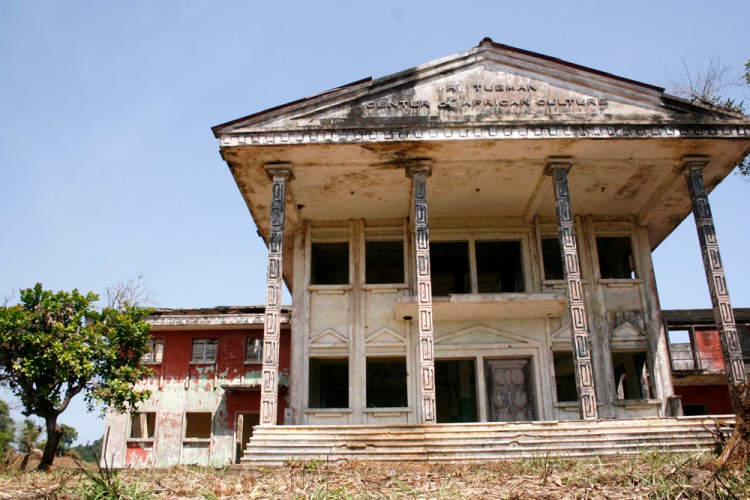 Ruin in Robertsport above, Harper below.
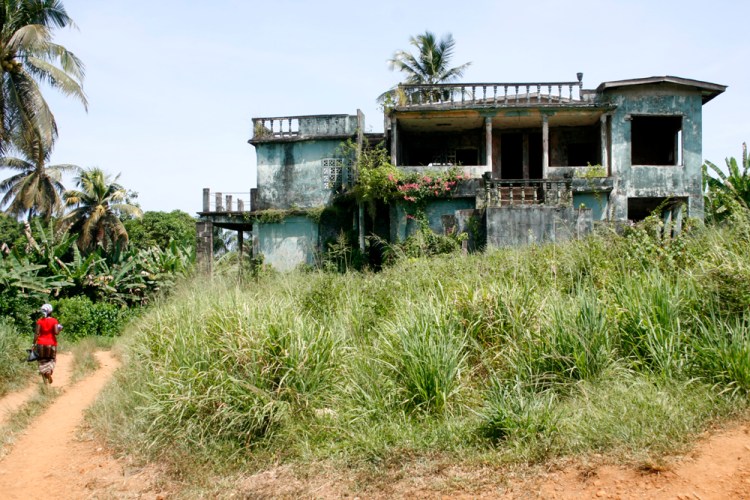 For me, there is something aesthetically intriguing with these ruins, and I couldn’t stop taking photos of them. This fascination is, however, mingled with guilt. Because, all these run down houses are a very concrete manifestation of the devastation that can be caused in a small country when it becomes a pawn in someone else’s game.
Of course it is making it too simple, just blaming everything on the interventions of the US, and of course individuals such as Doe and Charles Taylor were monsters in their own right, but still. It makes me so angry, when these big powers play their game without taking responsibility.
Liberia was a rich country, is a rich country, all the rubber tree plantations and the iron ore and the old mansions is evidence of that. But then someone big and powerful came and said that it wasn’t developing in the right direction – and chaos was let in.
Oh, yes, I know, I know! It’s wrong to make simplifications like that. But sometimes blaming someone makes confronting all that misery just a little bit easier to handle. And also, hope easier to muster. Because, then you could say it wasn’t Liberia. It was everyone else.
Our final destination on the road trip was Harper, the easternmost harbor town in Liberia, situated in the county Maryland. It is a beautiful place. And it used to be really rich, and even its own state for a brief period back in the 1850’s. Its former splendor is visible everywhere.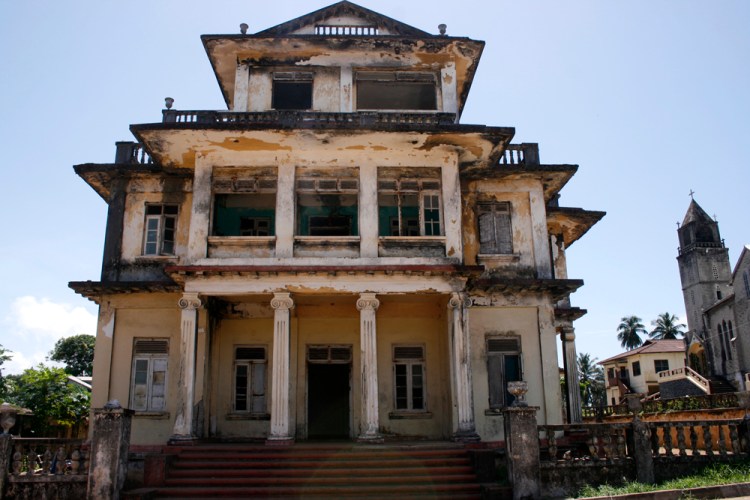
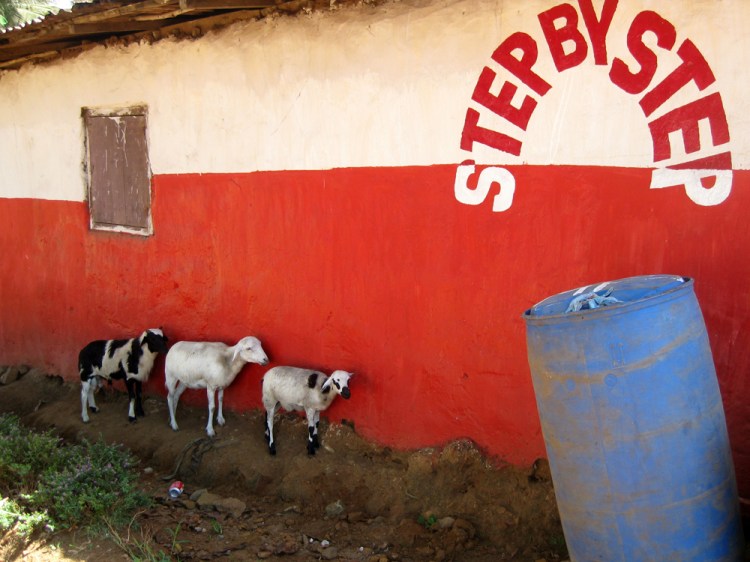 Not even the goats can handle the midday sun.

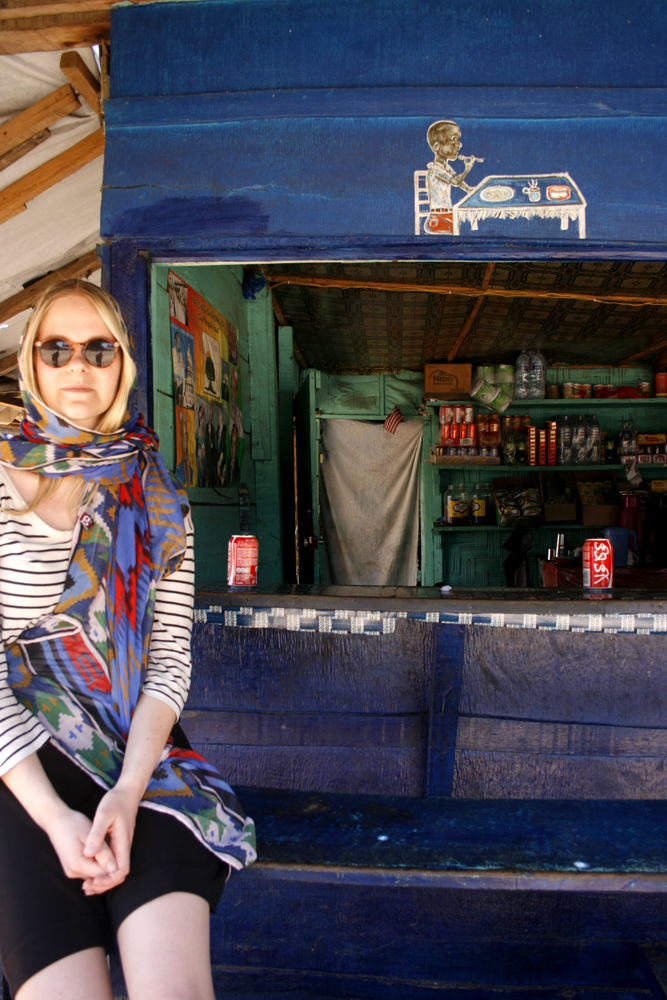 Hanna at one of the local tea shops, taking shelter from the aggressive heat of the tropical sun. A coke in the shade is just what you need after wandering about Harper in the middle of the day.
(And look, all cokes in Liberia are Lebanese! Isn’t it interesting, how the Lebanese have decided to come do business in Liberia. As if they’ve mixed up the names of the two countries, like Sweden and Switzerland.) Harper shopping.
 An old cotton tree in downtown Harper. These trees are considered holy, sometimes thought to contain the souls of the old inhabitants of a village or town. It’s impressive, visible from almost anywhere in downtown Harper, high and huge, standing on a hill.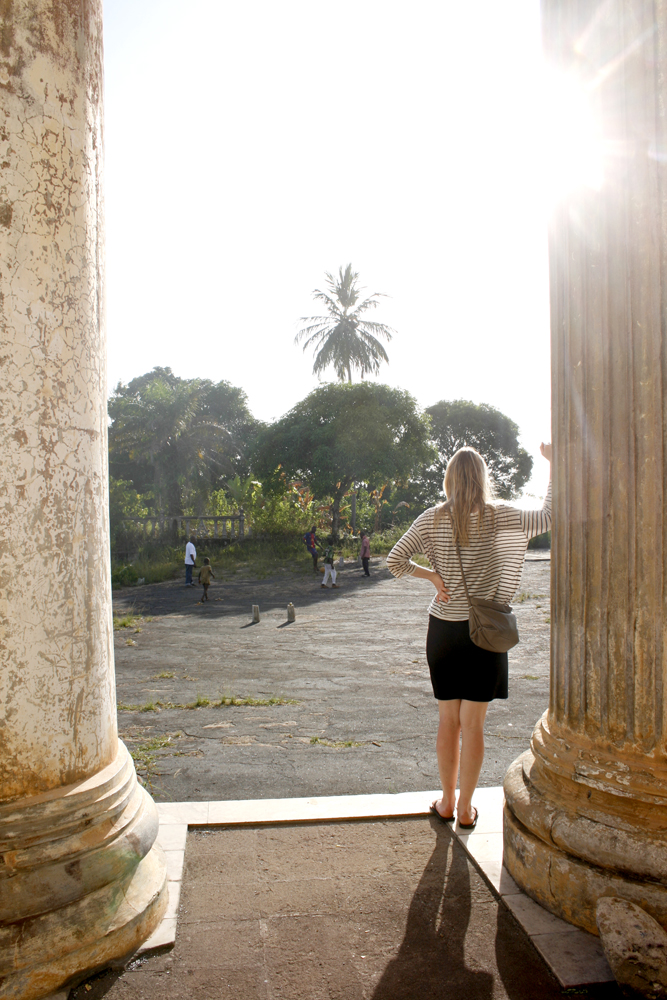
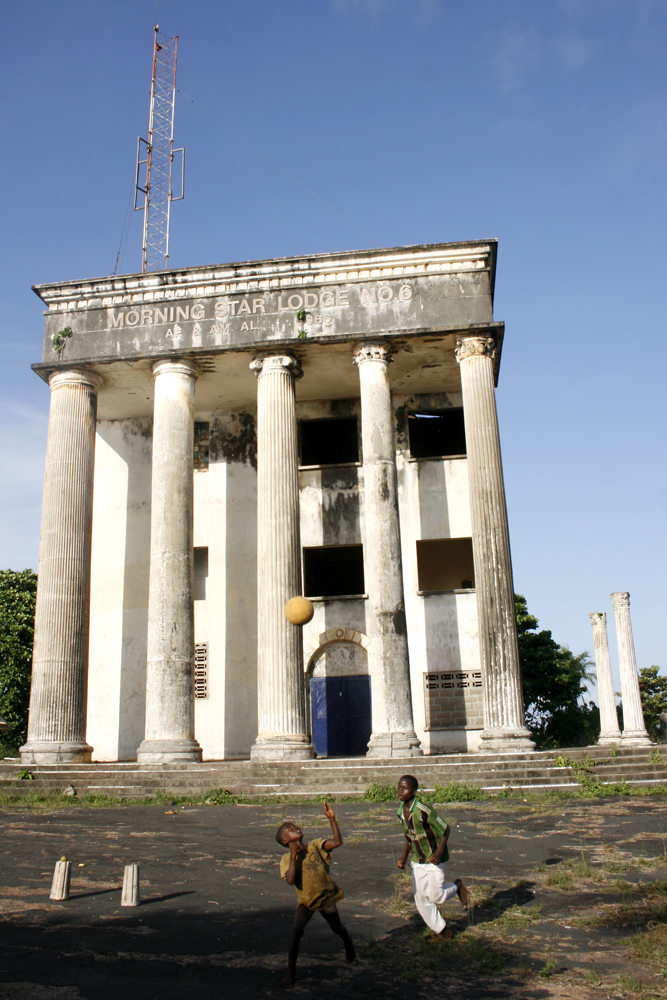 Most Liberians are, for some reason, FC Barcelona fans. However, just outside of this shot is a boy in a Ibrahimovic shirt. Morris played some ball with them, while Hanna and I took photos of the odd architectural specimen behind them, nowadays used as a place for public meetings.
 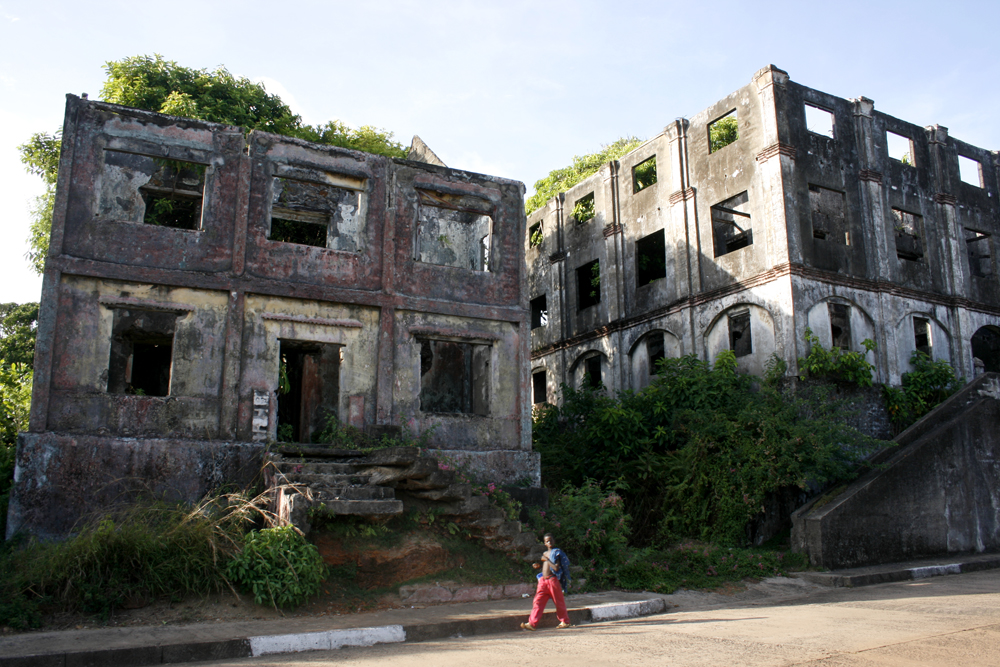 Most people with the funds to leave, fled Harper during the civil war. Afterwards, some did not come back. Therefore, there are many abandoned and run down houses all over.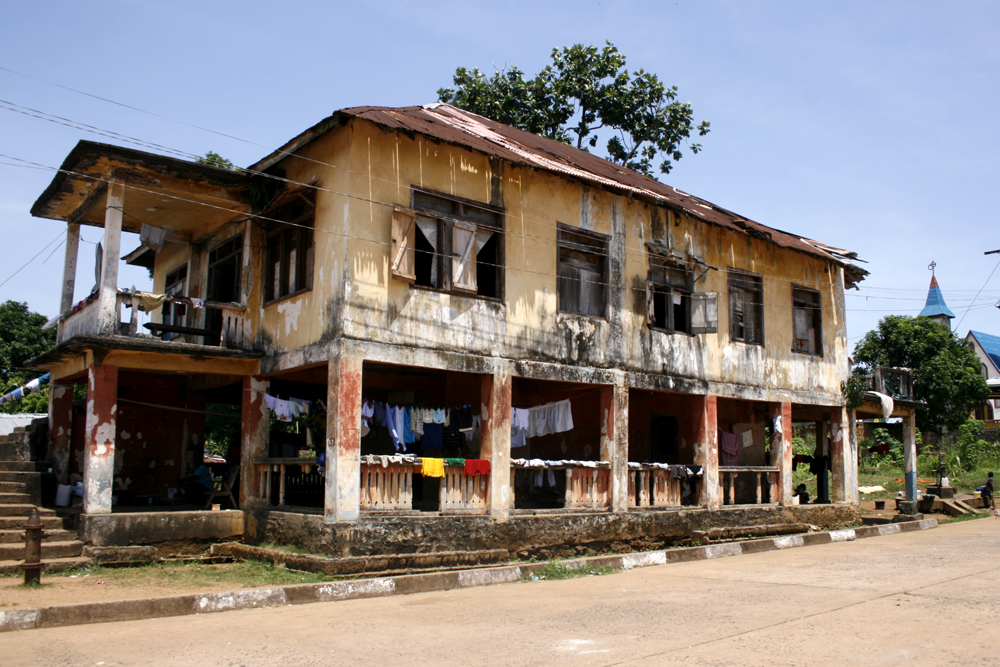
 The cemetery in Harper.
 Messi, the Liberians’ favorite football hero.

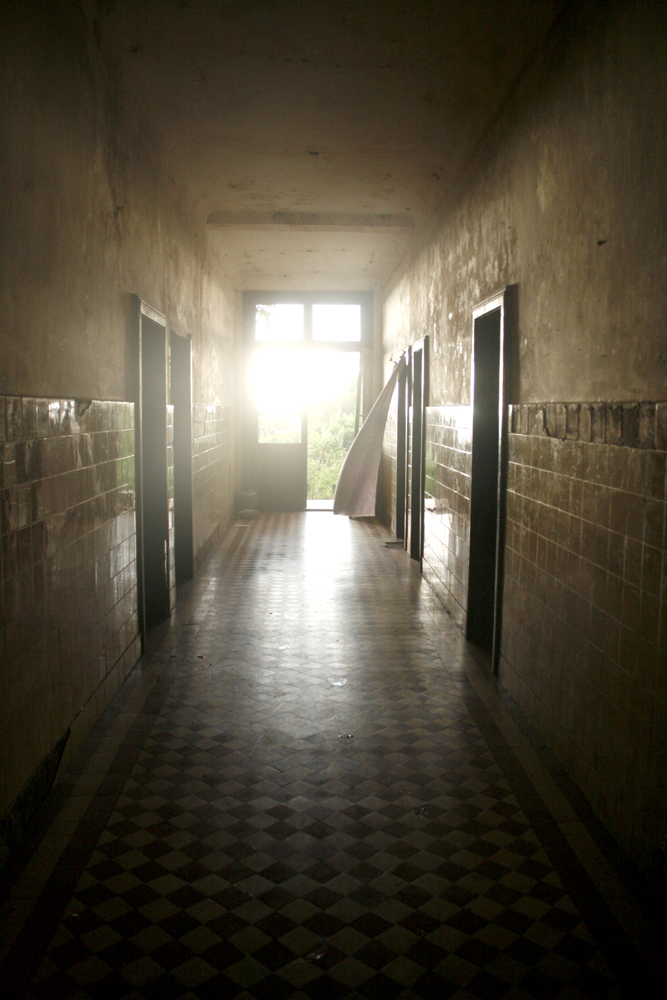
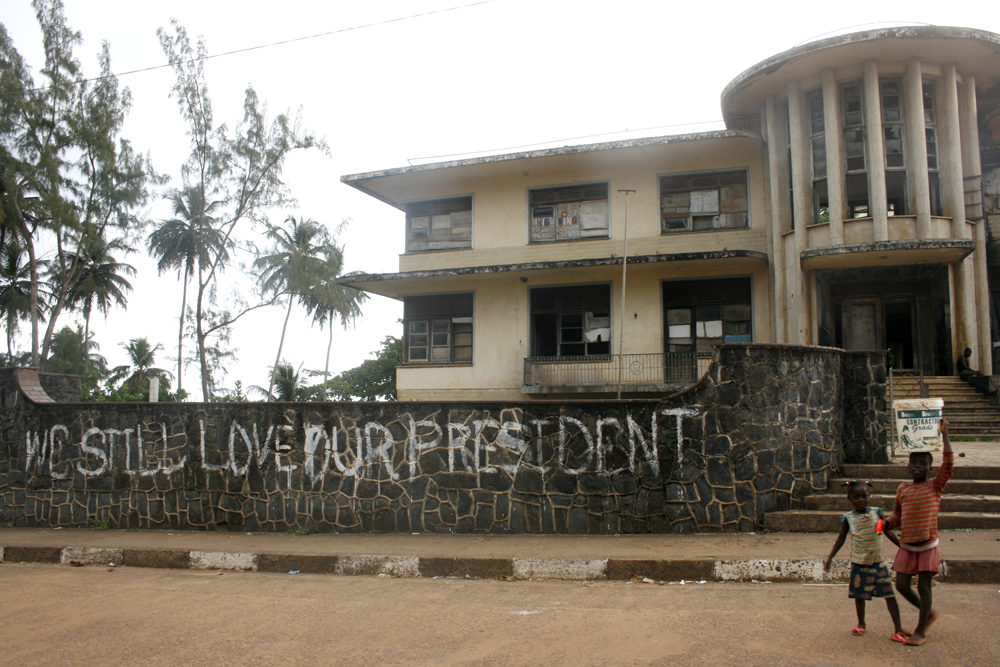 Harper was the birth place of William Tubman, the longest serving president in Liberian history. He became president in 1944 and served until his death in 1971. His Italian style mansion is still left in the outskirts of Harper, but its in dire need of some attention. For some reason, the heirs of Tubman don’t deem it worth to keep the place up, but neither do they want to sell. So it just stands there, falling apart, with squatters sleeping on the marble floors.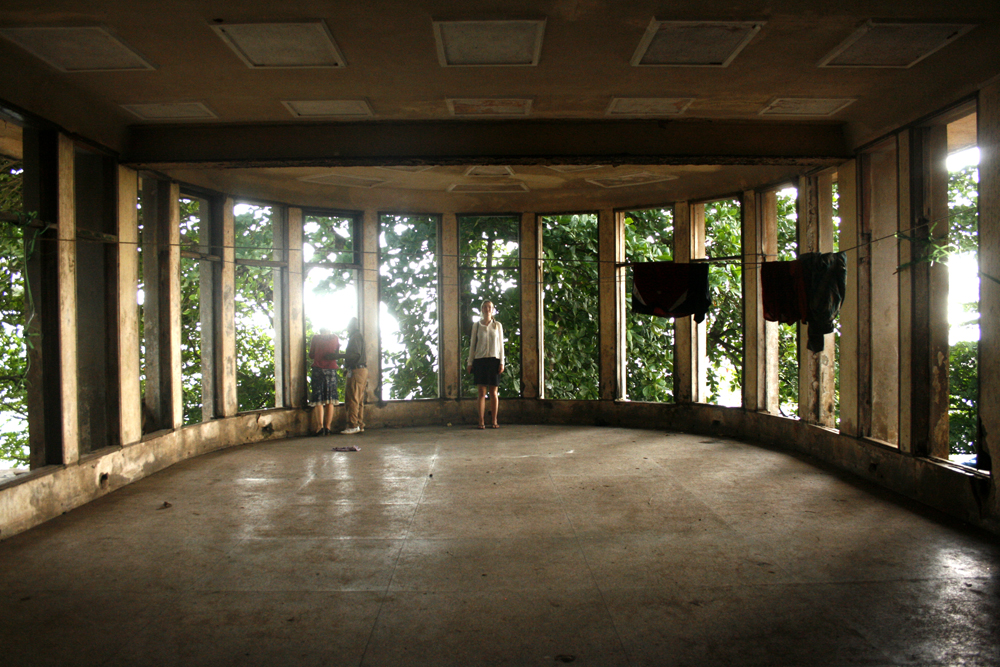
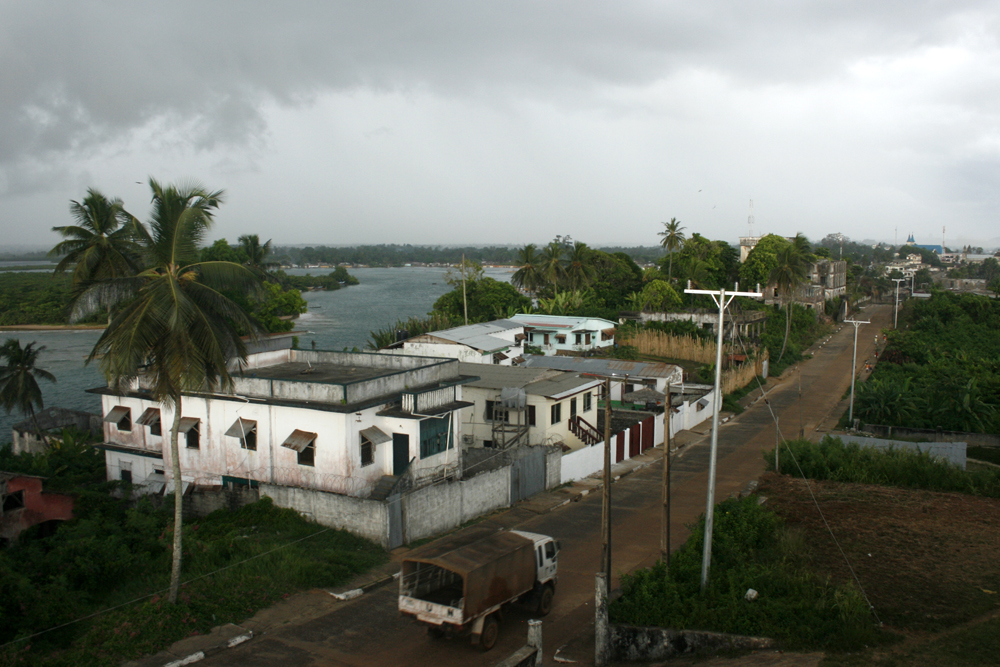 The view from the President’s Mansion’s roof terrace. The road into town, and a thunder storm building up over the Hoffman River.
Day one: Sleeping late. Meeting the two new couchsurfers at the subway station. Taking them on a short tour of Skarpnäck. Going to a park, lying in the grass, reading, the sun shining as if it was summer already. Going into town, buying my interrail ticket for June-July: Europe, here I come. Meeting up with Natalia, going with her to a graduation gift Joshua Radin concert. Sweating in the tiny club room, close, intense, fragile, him on the stage so close that I could have touched him. Sharing this with Natalia, the love. Afterwards, taking a beer with her, Cecilia, Isak and the two couchsurfers on Hornstull.
Day two: Waking up with a book, without the ache of guilt in my stomach. Playing some guitar, clearing the floor in my room, bringing out Lina’s sewing machine. Mending two pairs of trousers and one of two holes in my Kånken backpack. Possibly braking the sewing machine. Frustration, heavy rain, a long conversation with Hannes to calm down. The re-realization that some people just simply get me. It doesn’t have to be a fight. I just have to find the right. Writing on the blog. Plans of a bath with some more books. Dinner to Pride and Prejudice.
Sometimes, life is simply enough.
Everywhere we went in Liberia, we met children. Happy, curious, always asking: “Picture? Take a picture!”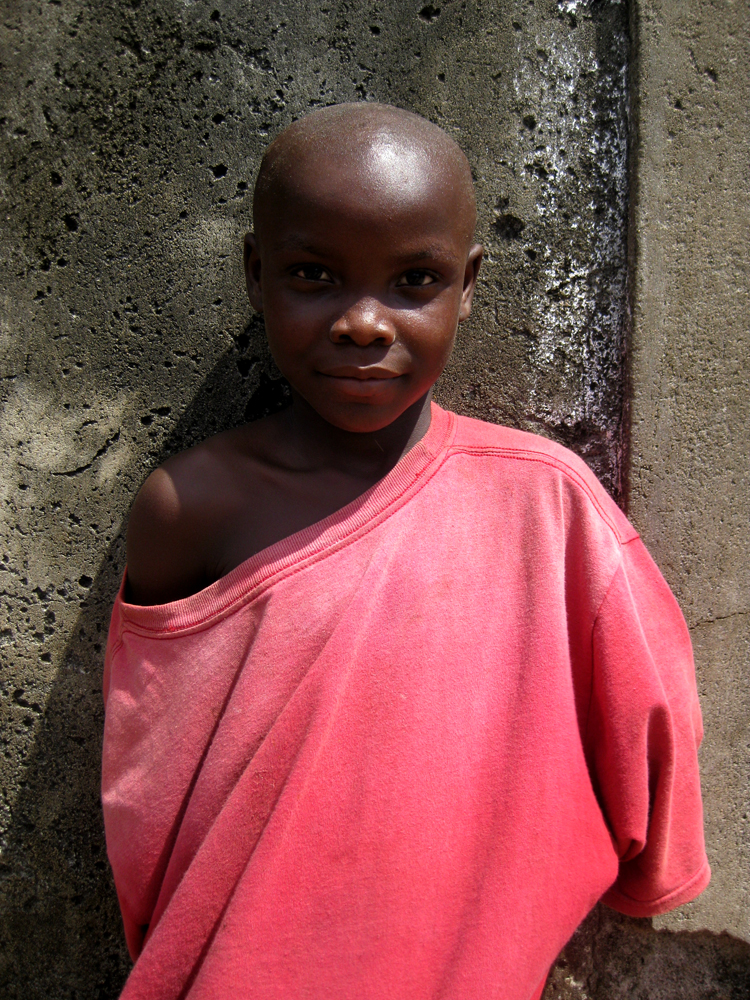
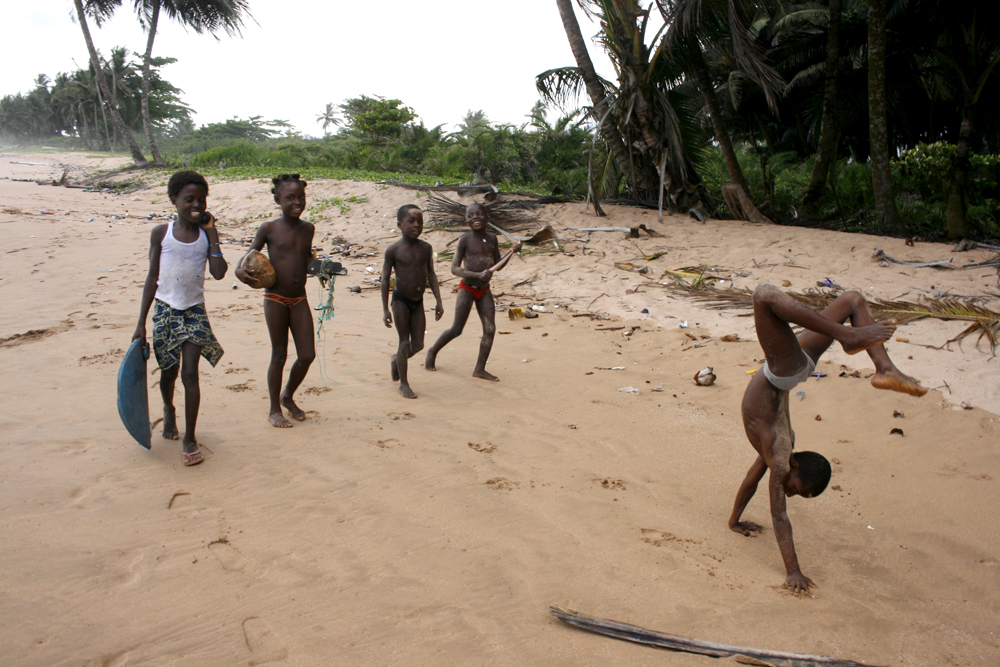
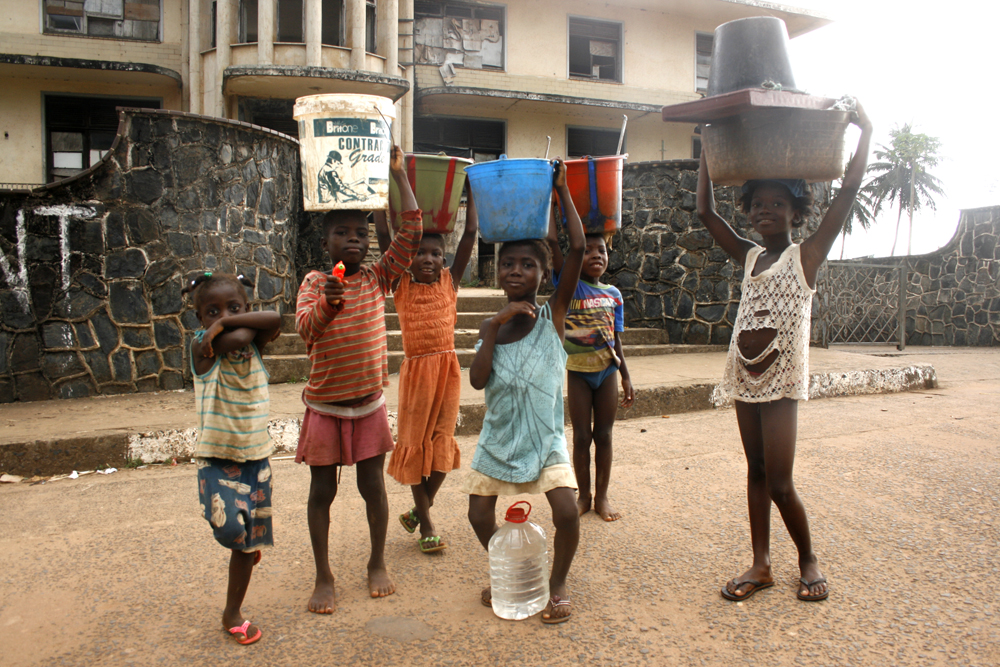
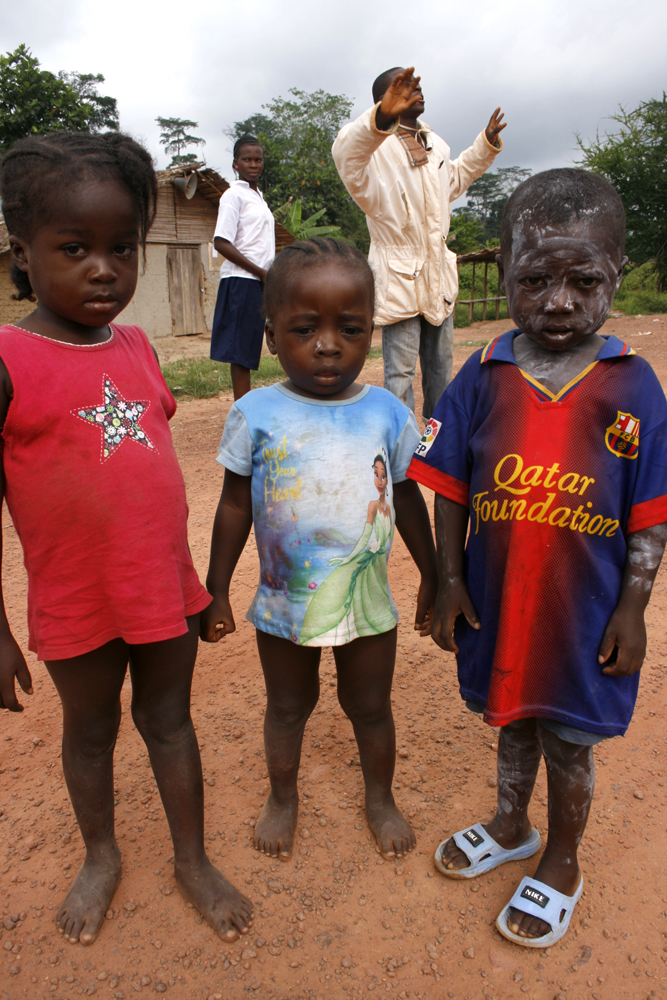
 Sometimes their excitement verged on violence, but what do you do? I am not capable of saying no to children.
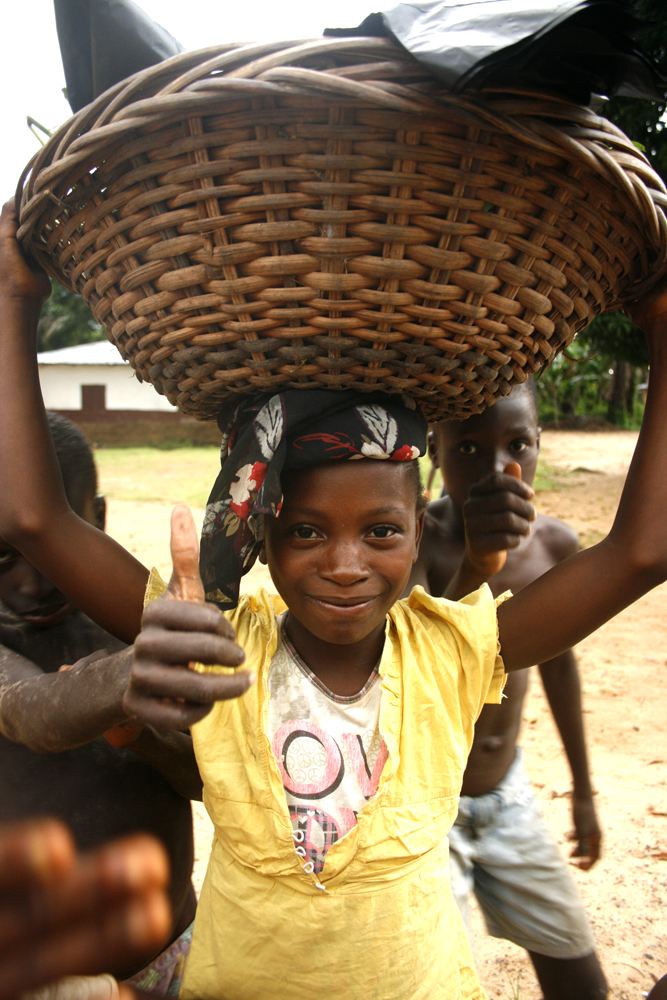 This is the future of the nation, the souls without war traumas to weigh them down. This is where the new Liberia can begin.
Liberia used to be part of the great West African rainforest. And then man came. Now, the rainforest covers patches in between the oil palms and rubber trees. Halfway between Monrovia and Robertsport, there are huge, newly planted oil palm plantations. And of course it’s the prerogative of the Liberian government to make money off of the resources they have. Palm oil is a growing industry and the palms grow like weeds in Liberia. This is where they originally came from, after all.
We met this Finnish couple that worked for an Indonesian palm oil company at a pool party, and the woman went on a rant about how the western media are writing all these lies about how the palm oil companies are stealing land from ordinary people and destroying primary rainforests and blah blah blah. She said that all locals get compensated for the land they give up and that all real rainforest is protected. And they wouldn’t want to acquire the concessions on them anyway. The land that they plant with oil palms is already cultivated and not wild at all.
Well, that might all be true. We heard stories, from other sources, about villages that had gotten good incomes for letting palm oil companies come and start cultivating their land. But for me, as a geographer, the big problem isn’t the social injustice (even if that is definitely present and really serious too). The problem with oil palm plantations is the same as with any monoculture: biodiversity. What so many people don’t understand is how essential biodiversity is for our own survival. Especially now that climate change is putting an extra strain on all ecosystems all over the world. We need make sure that there is such a big pool of genes within every essential species that there will be individuals that can survive changes in precipitation, temperature and extreme weather.
What we should not do, in ANY way, is to make us even more vulnerable by planting entire countries with one single crop, and then use pesticides to kill all other vegetation and wildlife that fights to survive on the edges. That is just another way to sign the death sentence of our own species.
I could go on. My thesis connects to biodiversity issues, I have lived and breathed sustainable agriculture and resilience and biodiversity and food production for two months. But let me get back to the Liberian rainforest. That was, after all, what this post was supposed to be about. 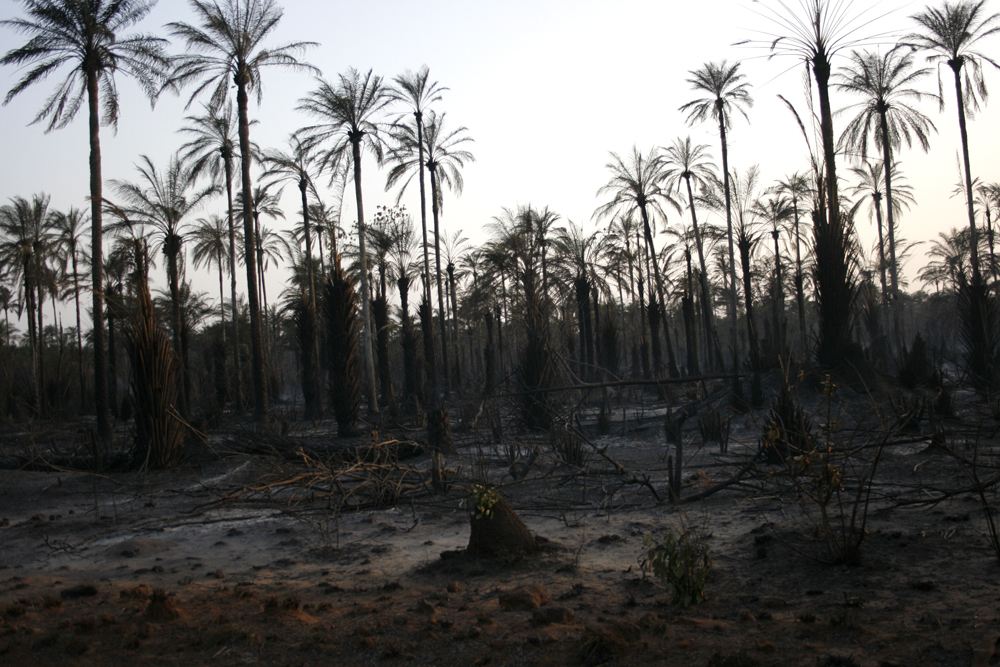 They still use slash and burn farming practices in Liberia. During our visit to Robertsport, just before the rainy season started, the air was heavy with smoke.
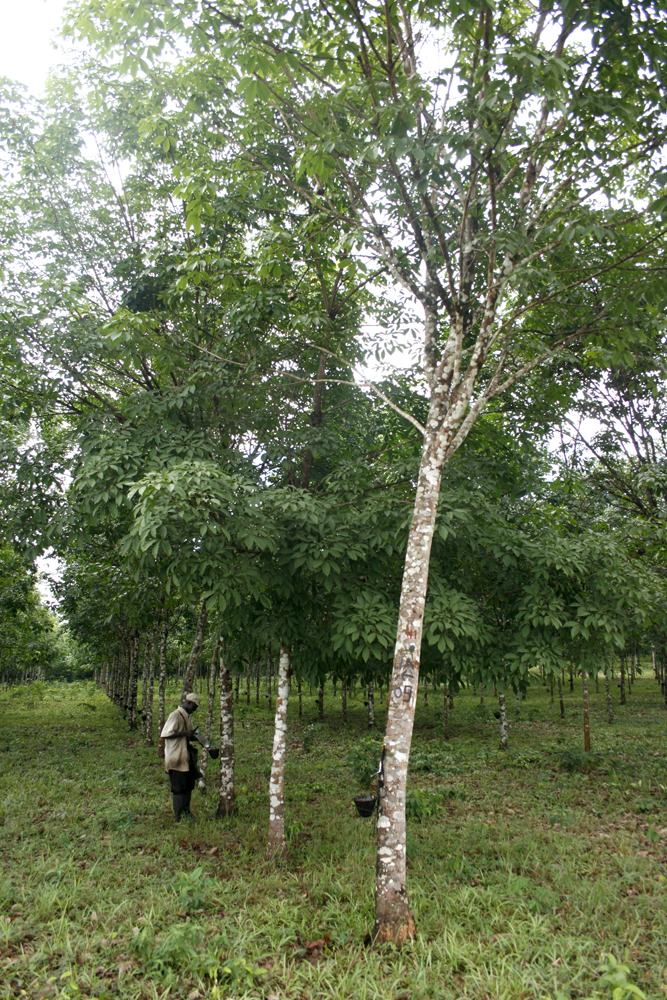 The palm oil industry is a pretty resent in the Liberian context. What they got rich on, back when Liberia was the only independent state in West Africa, was iron and rubber. And the rubber is still big. The rubber trees are everywhere. And there are still people getting rich on it. And others that work the fields. Just as anywhere in the world.
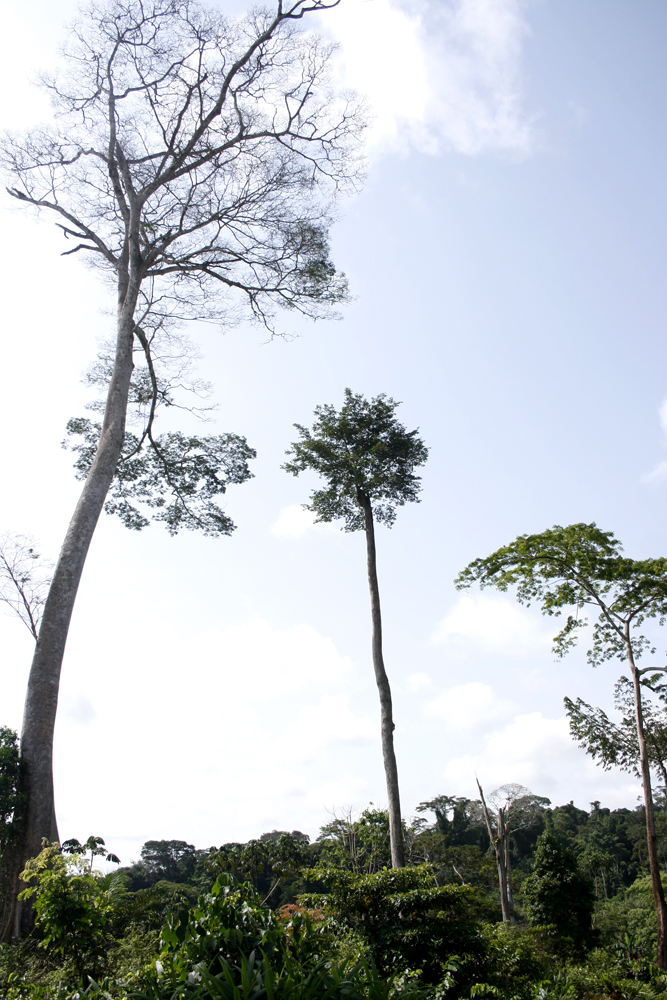 But driving from Zwedru to Harper, we traveled on the edge of what is left of the Liberian rainforest. These odd huge trees sticking up from the thicket tells about the former height and glory of the rainforest, before the trees were cut down. Just another thing that was left as a big open wound in Liberia. Rebel wars are never good for the forests and wildlife of a country.
 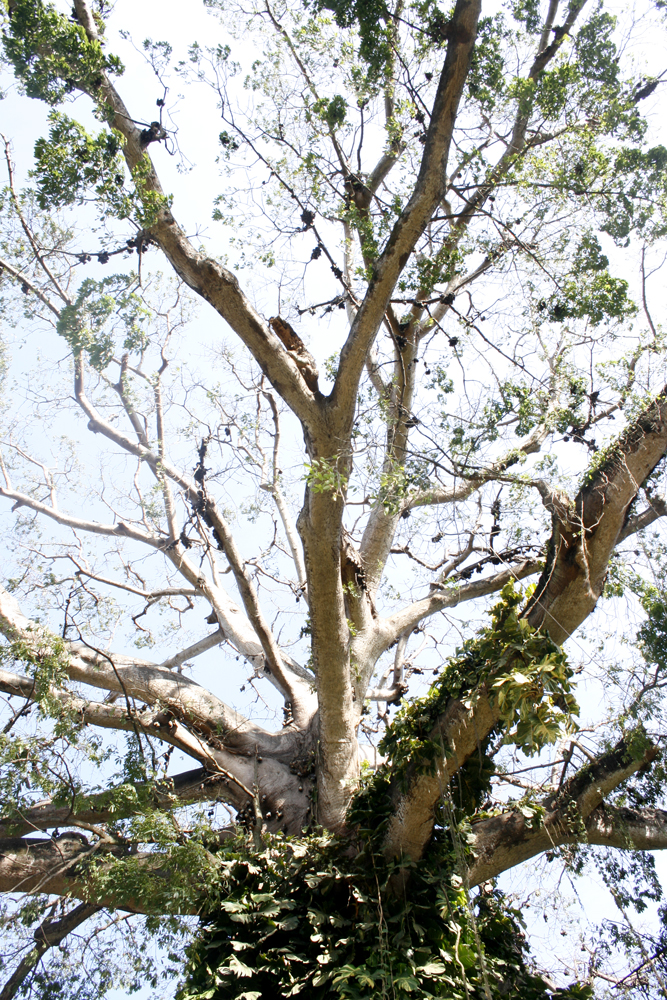 The crown of a mature cotton tree.
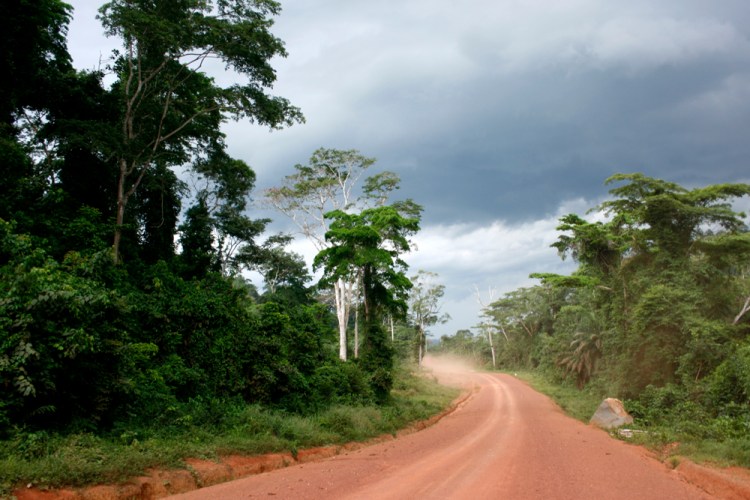 On the threshold of the rainy season.
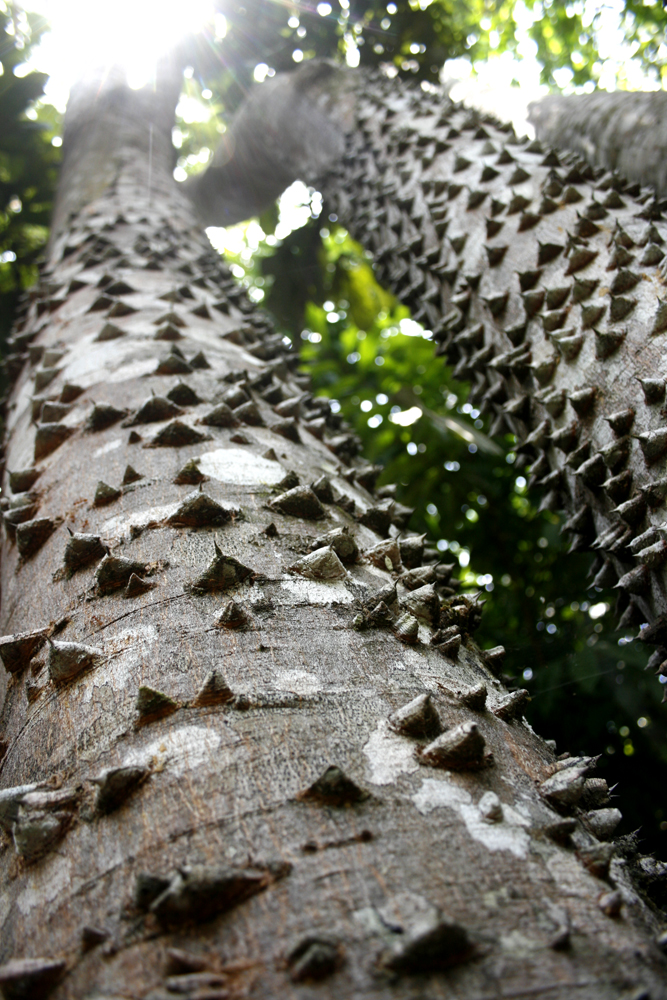 A baby cotton tree with well developed defense mechanisms.
 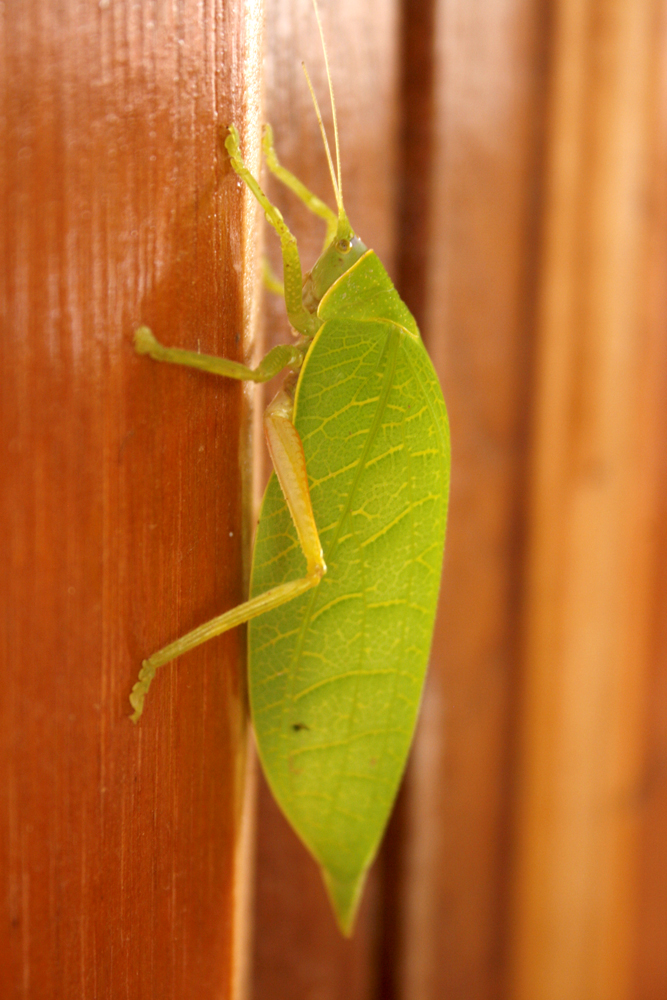 Wildlife spotting in the rainforest.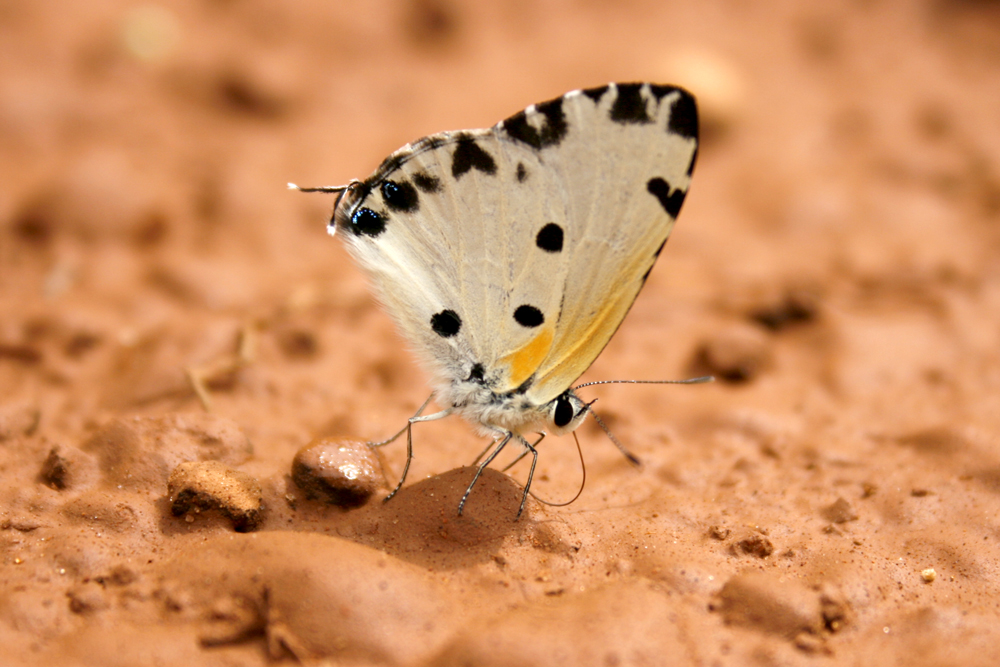
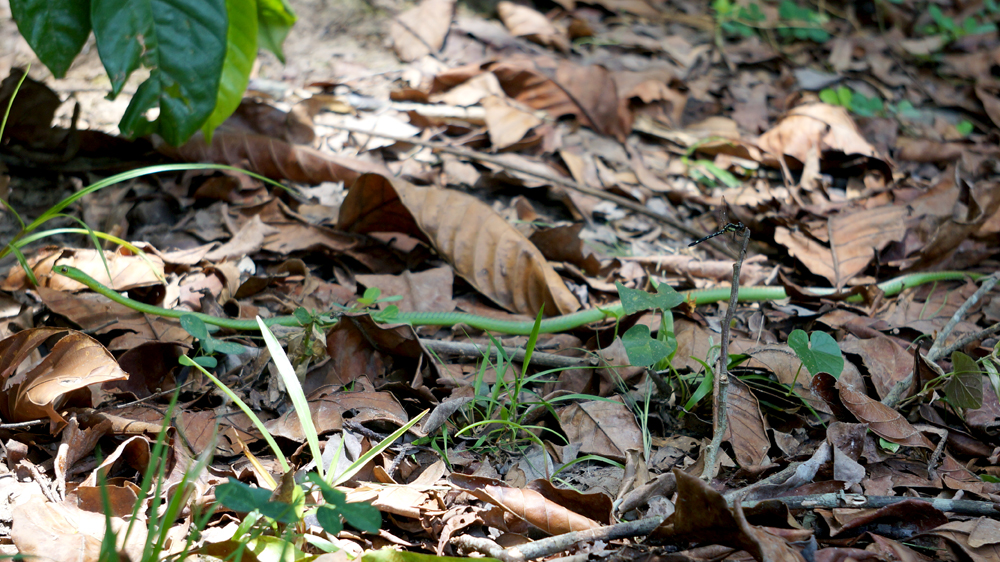 During a little brake in the driving, Hanna and I wandered into a little grove by the rest stop. Suddenly, just a meter from where we were standing, the leaves started to rustle. This bright green snake had fallen down from a tree and was now lying completely still by our feet. It was so tiny, and beautiful in almost an artificial way. However, when we got back to the car and described the snake to our Liberian travel companions, they told us that it probably was a super venomous snake whose bite kills you. Strange feeling, being so close to something potentially deadly.
(I’ve been searching the internet, and concluded that this snake might have been a baby Western green mamba. Lives in trees. Is bright green. The venom kills you within four hours if left untreated. Seriously!)  The only national park in Liberia. Not accessible in the least. This is as far as we got: the edge of the park. From here, it’s hiking straight into the wilderness. Unfortunately, there was no time. Next time, hopefully.
I just sent my bachelors thesis to my supervisor and my examiner. I’m exhausted and it doesn’t feel real. What am I to do now?
On our second day in Liberia, mom went to a meeting with a deputy minister and came back with a change of plans for our visit. She said that she had been invited to go to Harper, the easternmost coastal town in Liberia, with the deputy minister and that we were welcome to come along. So, just like that, we were packing for a six day long roadtrip through Liberia.
And it’s exactly like I read back in 2010, the regional geography course: there are few proper roads connecting coastal towns and cities in West Africa. All roads lead from the natural resources in the inland to the closest harbor. Therefore, getting from a coastal town to another requires a long detour inland. Not good for effective transportation, but wonderful for sightseeing.
A road from Monrovia in the west to Harper in the east is being planned, but as of now, we had to go almost all the way to the Guinean border, and then go back in a loop towards the coast along the Côte d’Ivoreian border. Combining that with the day trip to Robertsport by the Sierra Leonean border means that me and Hanna got to see almost all of Liberia. Such an uncommon but incredible opportunity. Because, Liberia is not really the most backpacker-friendly country, so to say. You need to know people. Traveling with government officials is such a luxury!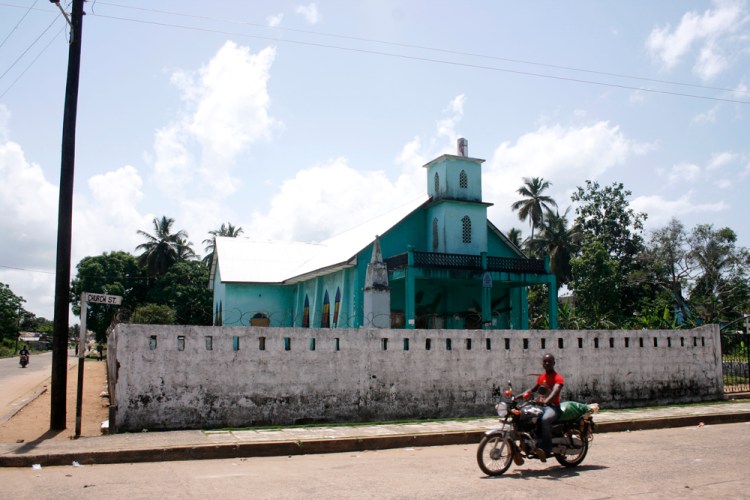 Church in Buchanan, a harbor town just east of Monrovia.
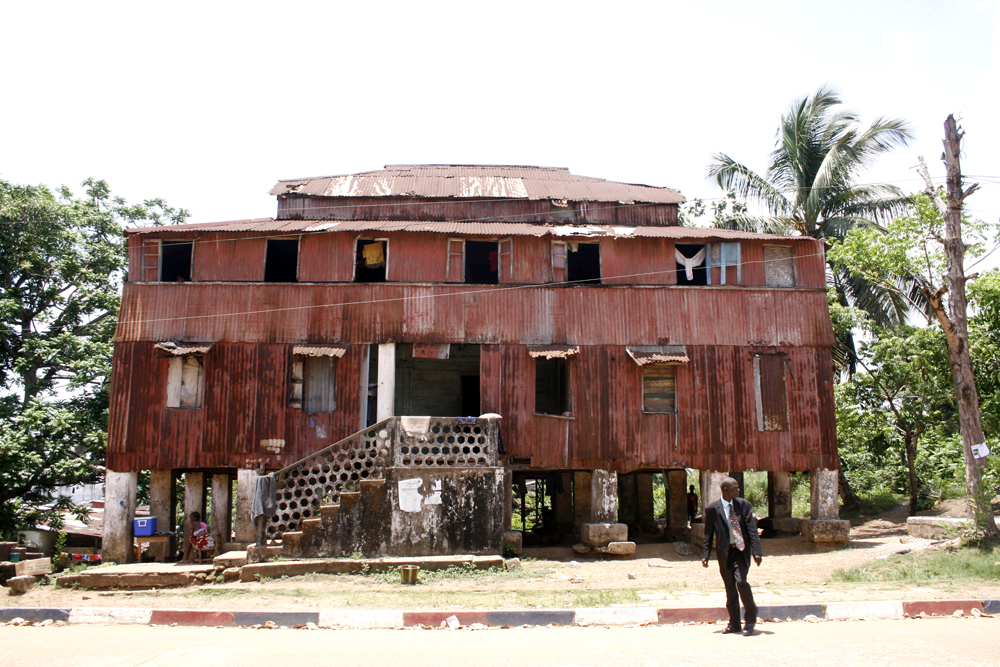 Buchanan. The influence from the American South is obvious everywhere.
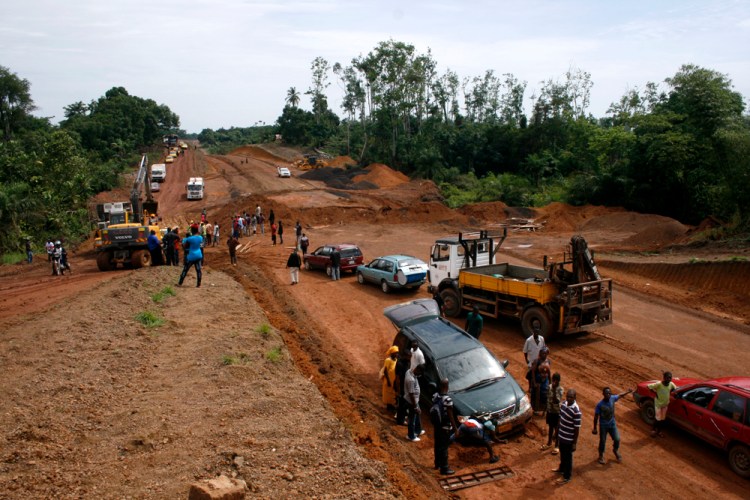 The Chinese are building a road between Monrovia and Ganta.
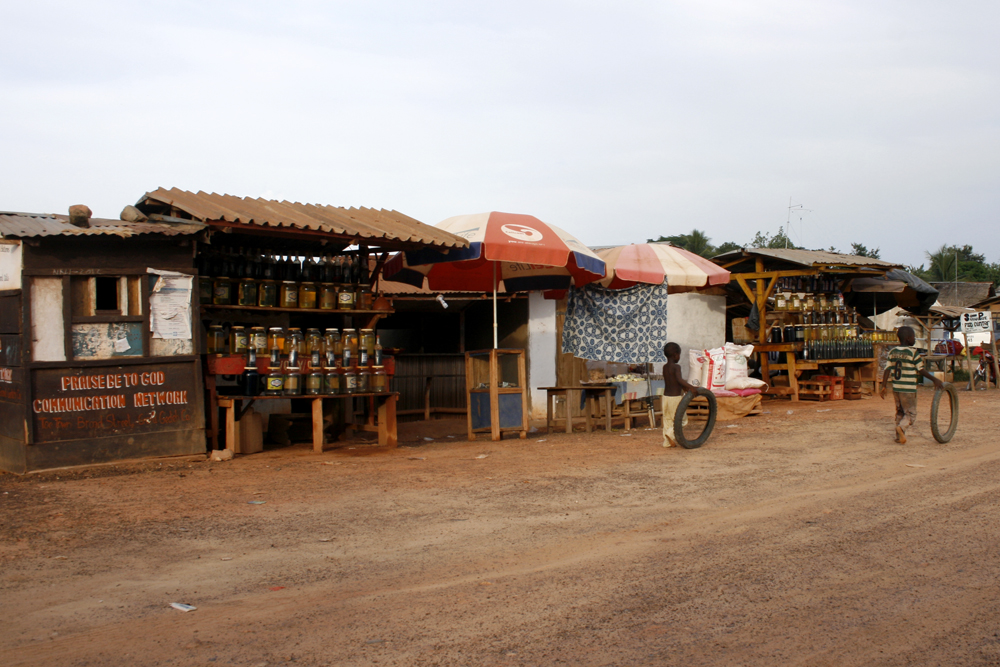 Broad street, Toe Town.
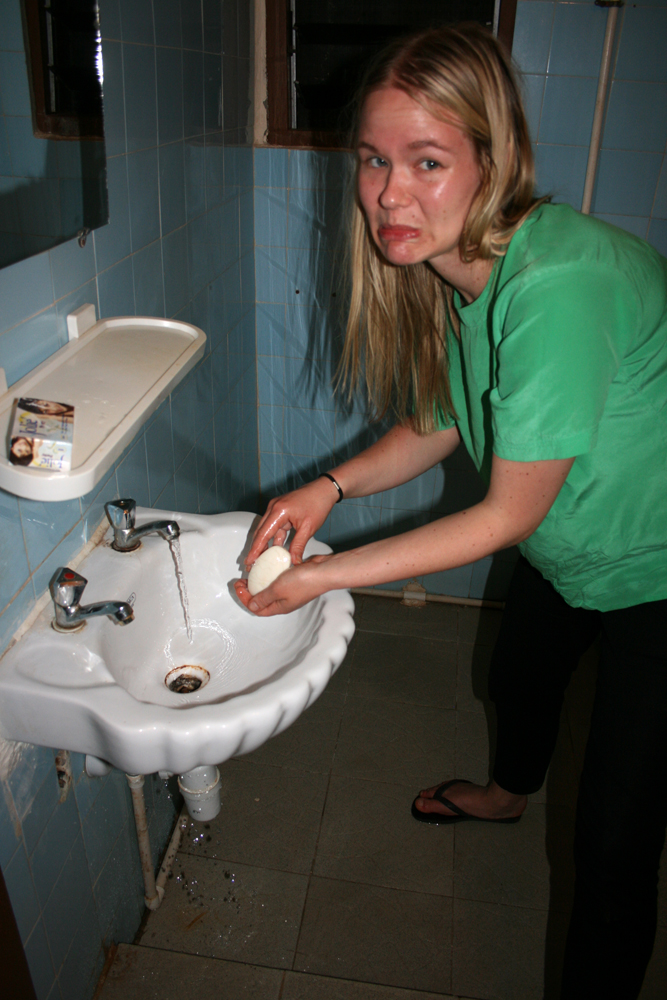 Hanna using the recycled soap in our Zwedru hotel.
 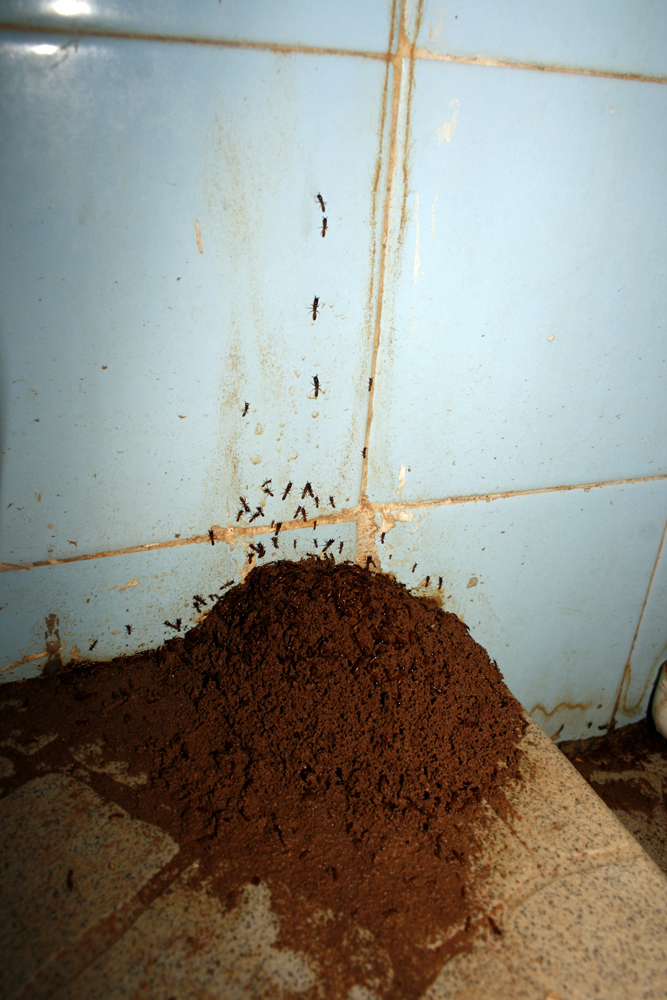 We were not the only ones using the bathroom. However, the was a working air conditioner and a sturdy mosquito net above our comfortable bed. Watching My So-Called Life on my tablet made for a great nightcap.
 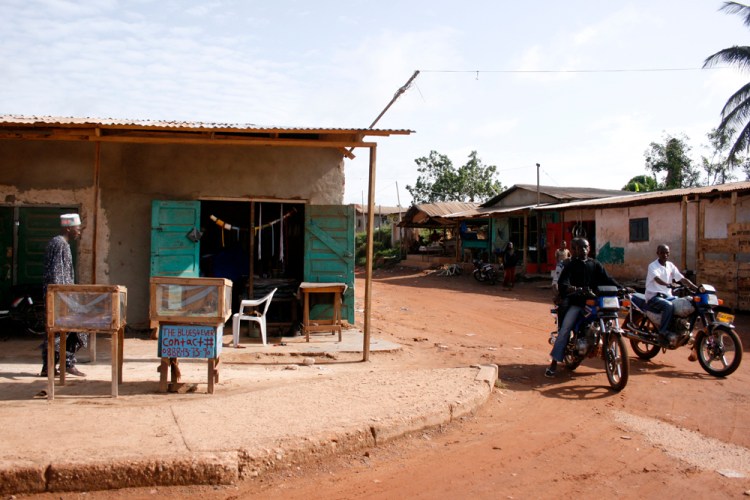 Morning traffic in Zwedru.
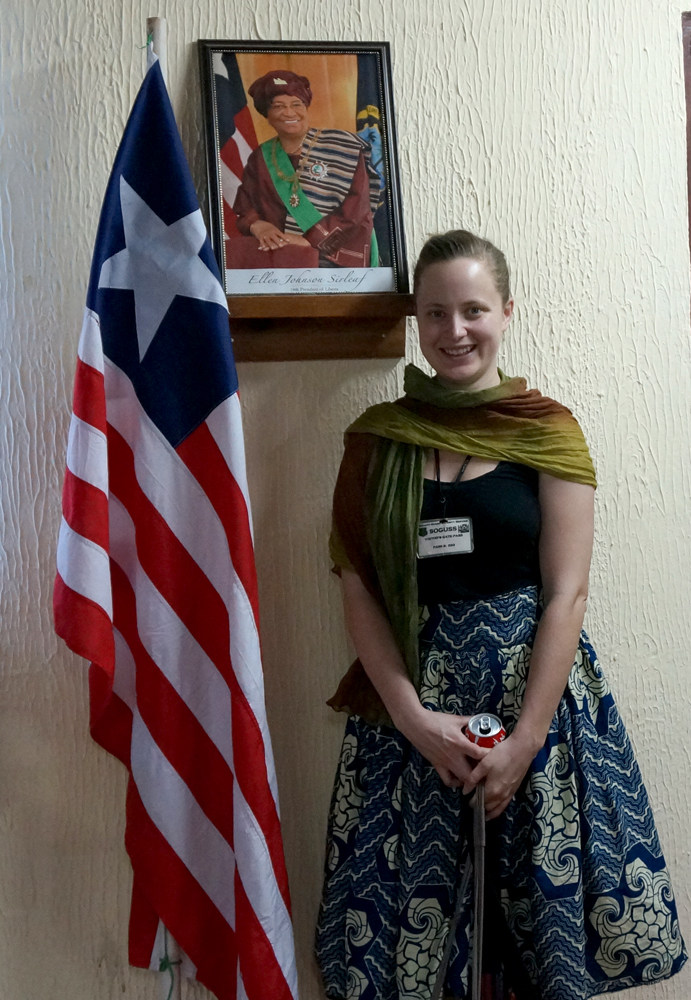 We visited a mine outside Zwedru. There, I got to pose with the portrait of president Ellen.
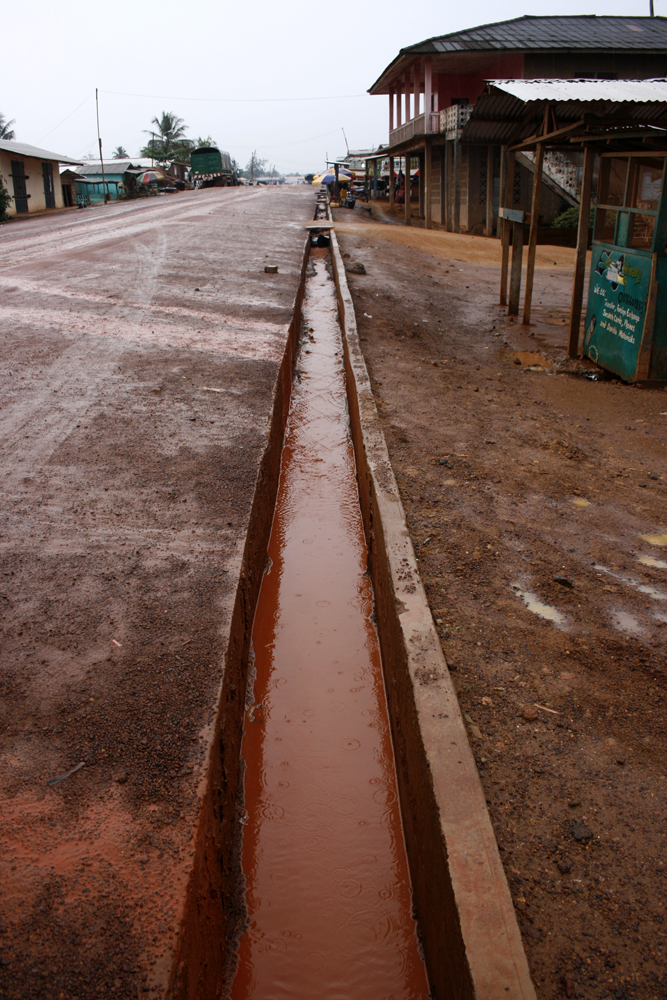 Some way outside Pleebo, it started pouring down. Serious, buckets of water. And the men at the bar where we stopped to visit the restroom started teasing me for letting Morris walk me from the car with an umbrella. Well, of course I had to show them that I wasn’t such a prude. I’m Scandinavian, used to weather! So I stepped out in the rain and started dancing, the red mud splashing around my flip-flop feet and leaving red dots on my new Liberian skirt.
Oh, how the men in the bar laughed. In a warm, appreciative way. The satisfaction of refuting people’s prejudices!
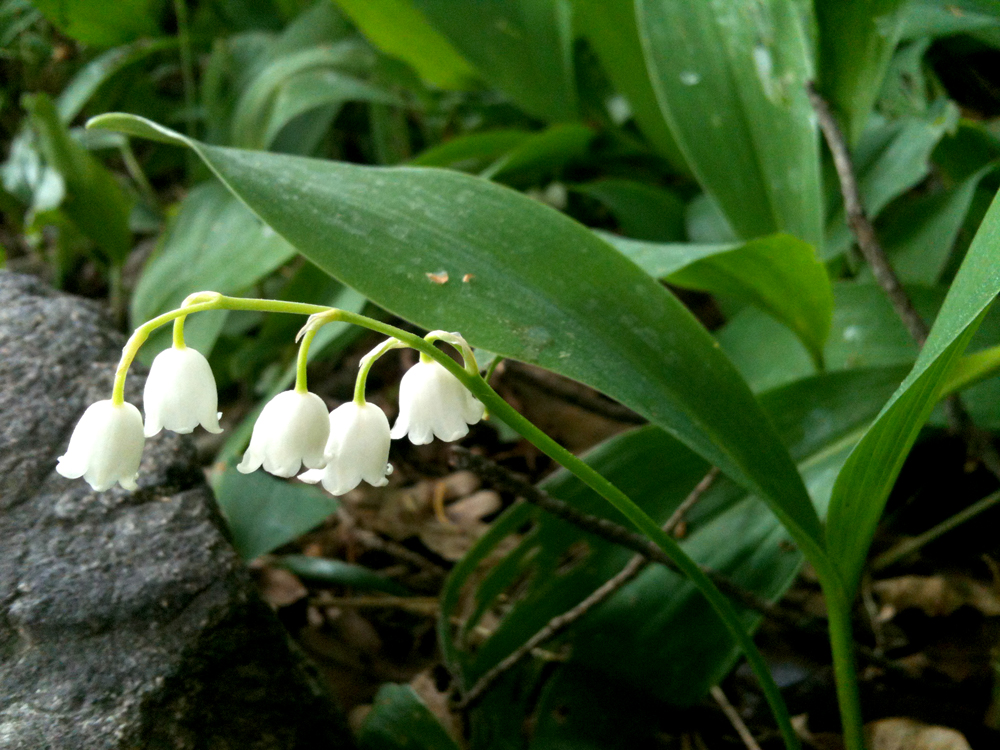 And now, the lilies of the valley have opened. My morning runs are immersed in a heavenly smell.
I just finished Our Tragic Universe by Scarlett Thomas. It’s a book about how random the world can be, that things don’t always make sense and that life lacks the kind of logical arc and progression of events that stories usually have. It was really good, actually.
It was centered around this middle-aged author who is trying to write a novel. During the course of the book, she breaks up with her boyfriend and moves into a small fisherman’s cottage right on the beach. And she settles in there, with her dog and her books and her research, spends her days writing and taking the dog for long walks on the beach, and in the evenings she knits socks in front of the fire, drinking beer and sometimes playing the guitar or cooking rhubarb jam.
For me, that seems like the most perfect way of living. Is there something wrong with me? I’m only 25, after all.
Well, maybe I wouldn’t want to live like that now. But in the future. With a dog. And an endless supply of rhubarb.

 Katja Malmborg