grandma Anna-Liisa

59

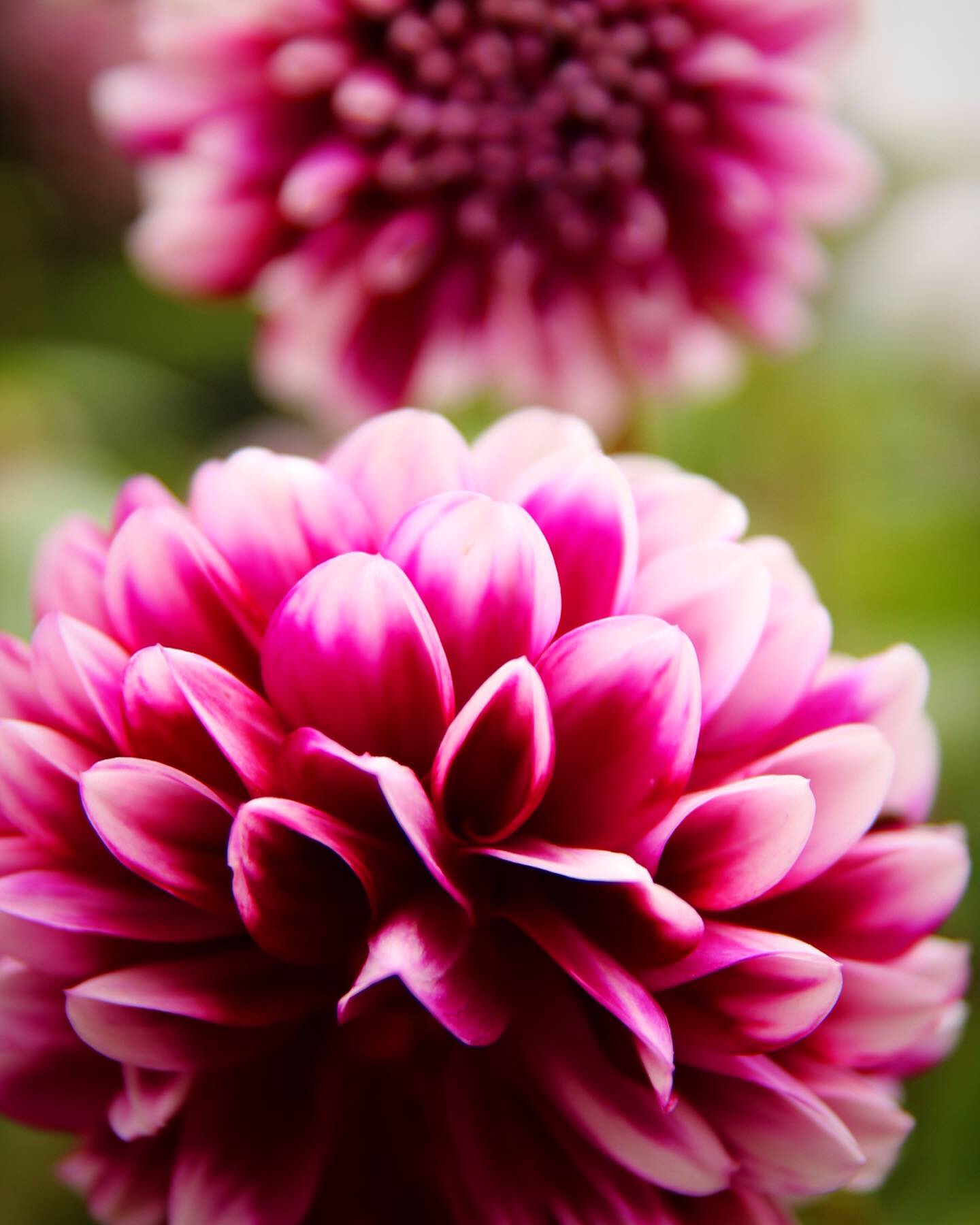
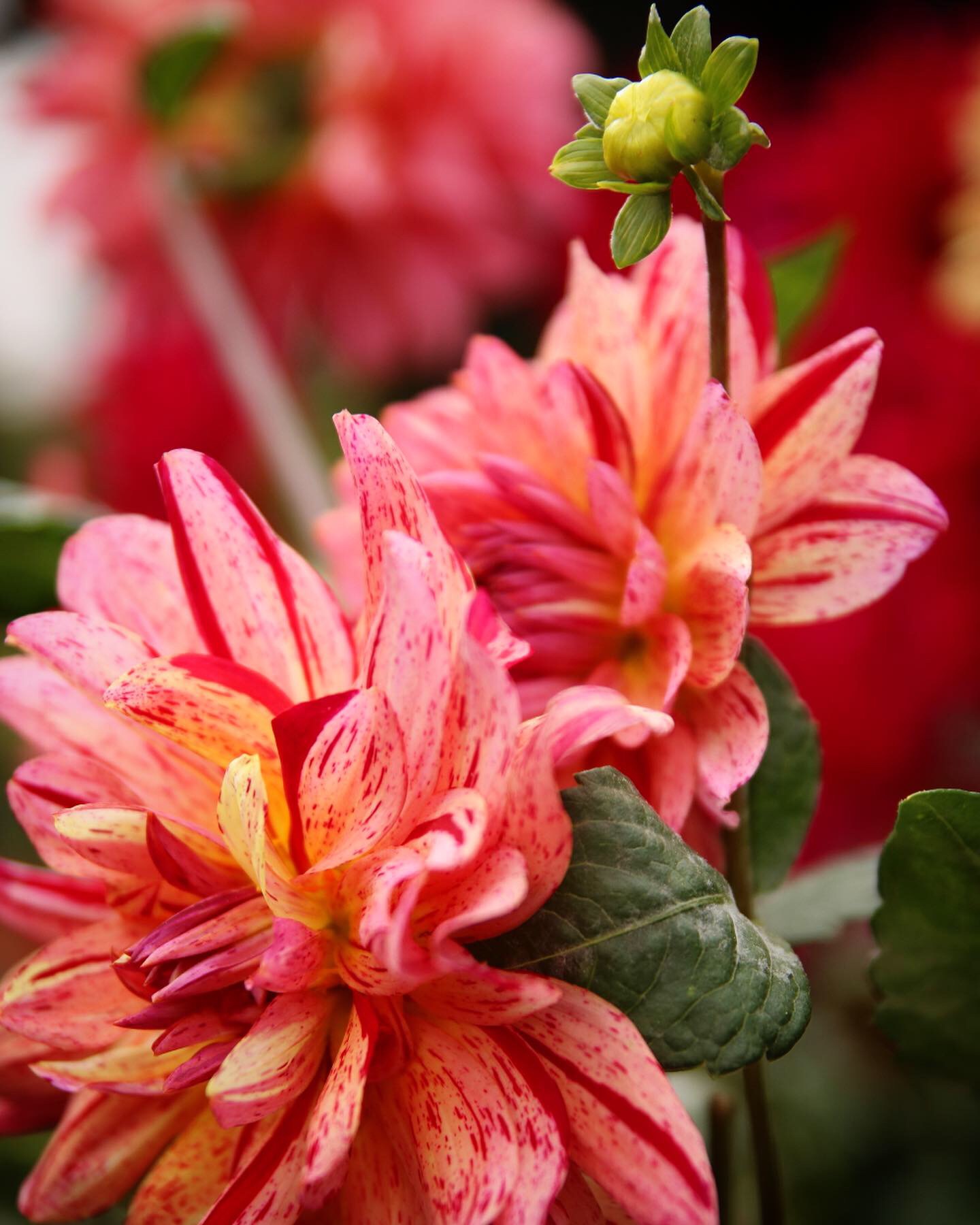
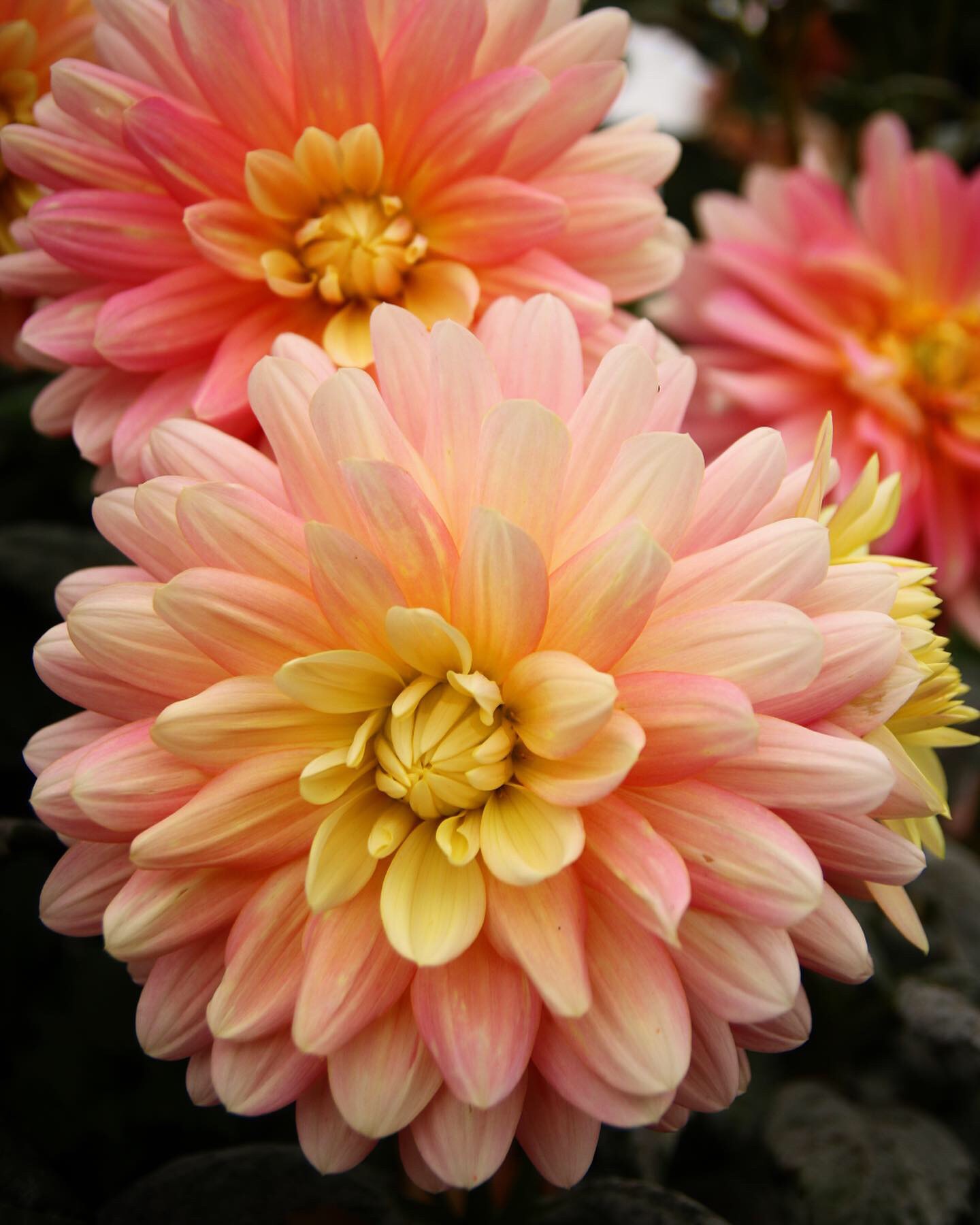
My grandmother loved her dahlias. Her garden was gorgeous, for the vegetables and berries, but also flowers, tended to with so much skill, joy and love up until her last summer in life. And I think the dahlias were her favorites in the flower beds – digging up the roots every autumn, keeping them snug and above freezing in pots filling the entire glass verandah over winter and then planting them again in spring. Whenever mom and I were headed to visit grandpa’s grave, she would give us a generous bouquet of white and deep purple dahlias to decorate it with. In her last ten years, she had trouble walking long distances and couldn’t get to the grave very often, but I think she felt like she was there, at the grave, in spirit through the dahlias that she had so lovingly tended to.

To make a long story short, during the last couple of years of botanic garden visits I have felt particularly drawn to the dahlias. I think there might be a very sentimental reason for it.

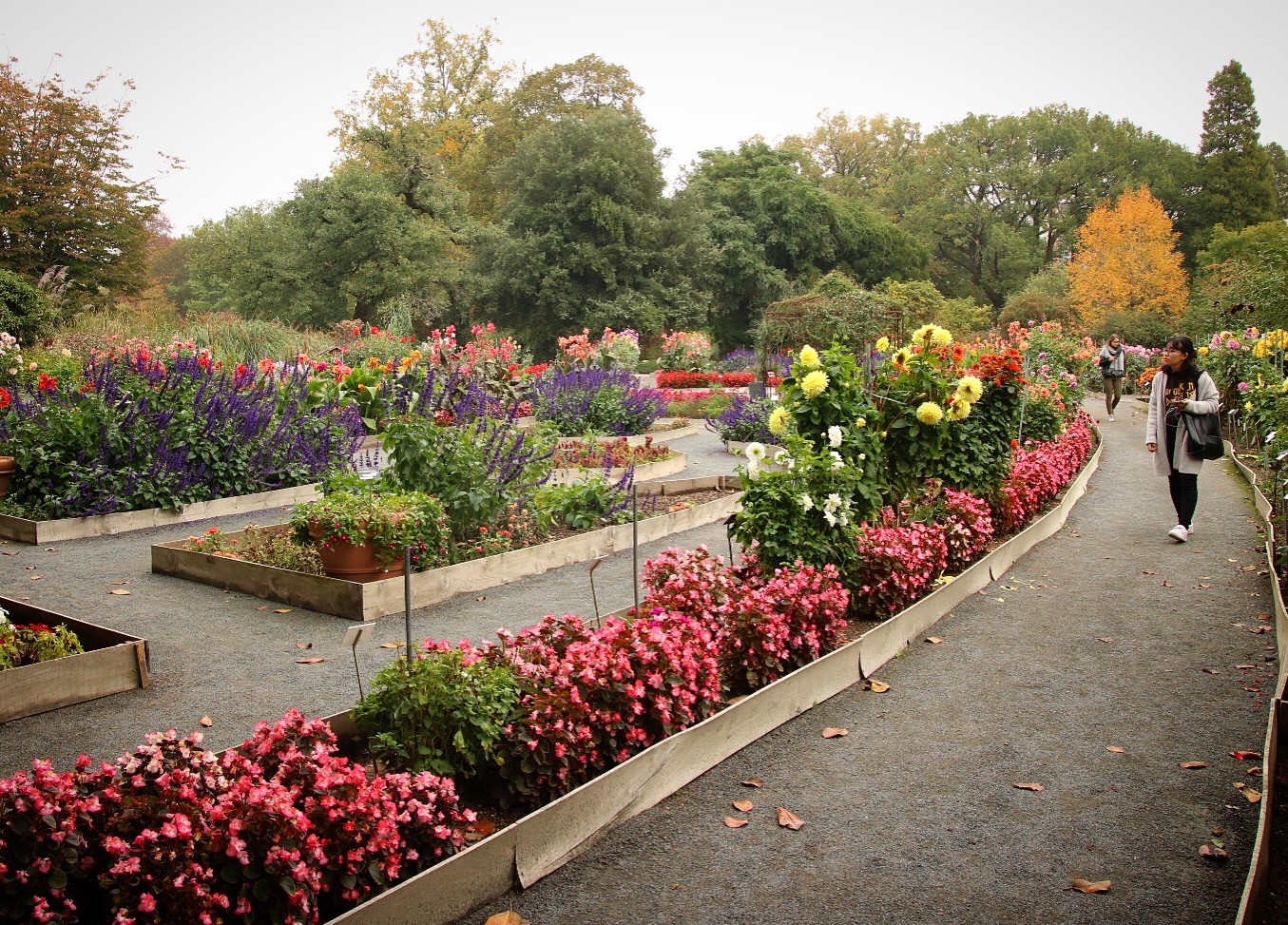
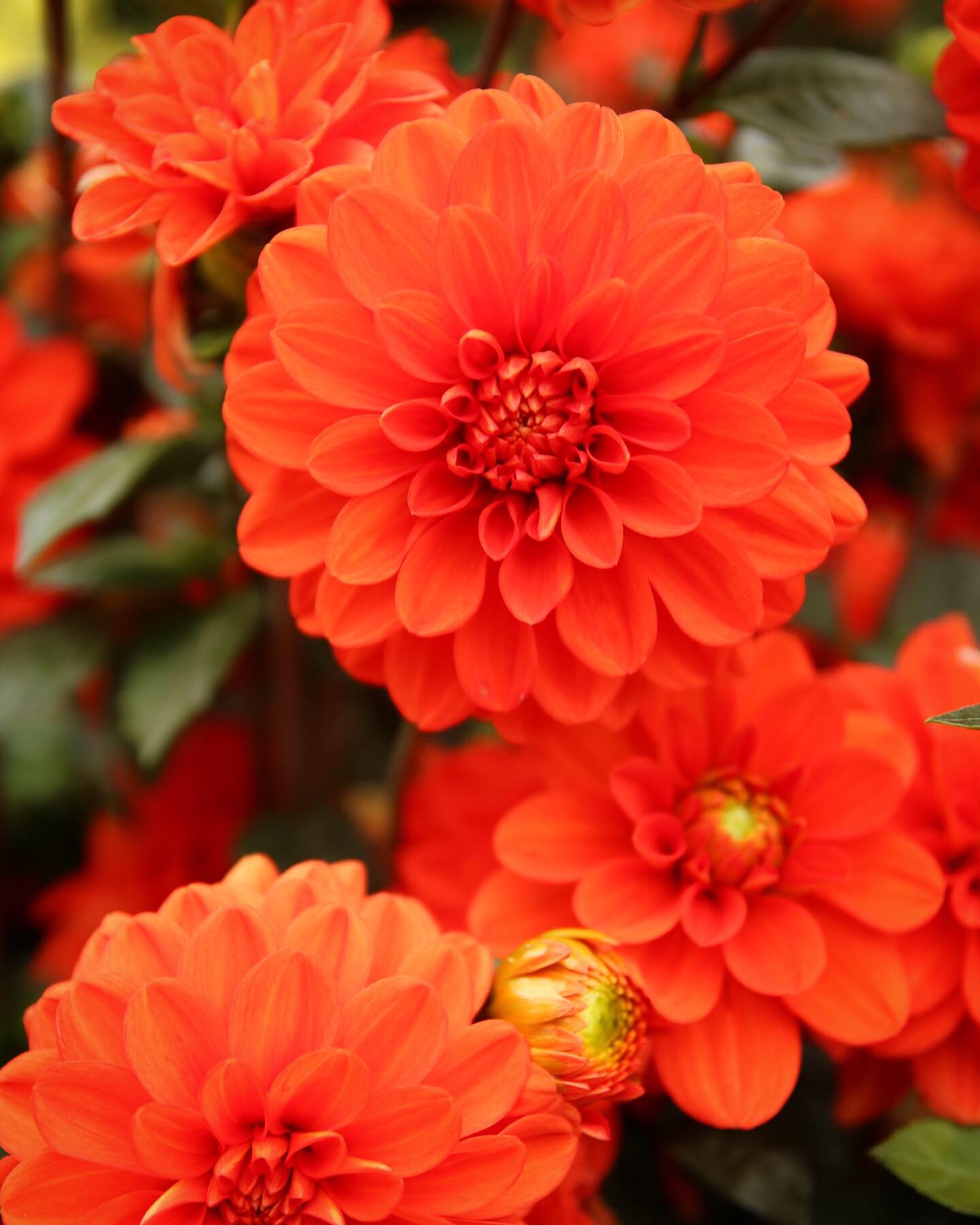
Photo: Every shade of petals in the incredible dahlia garden in Jardin botanique du Parc de la Tête d’Or, Lyon, France, October 2018. Posted on Instagram October 4, 2020.

Lyon (ii)

58

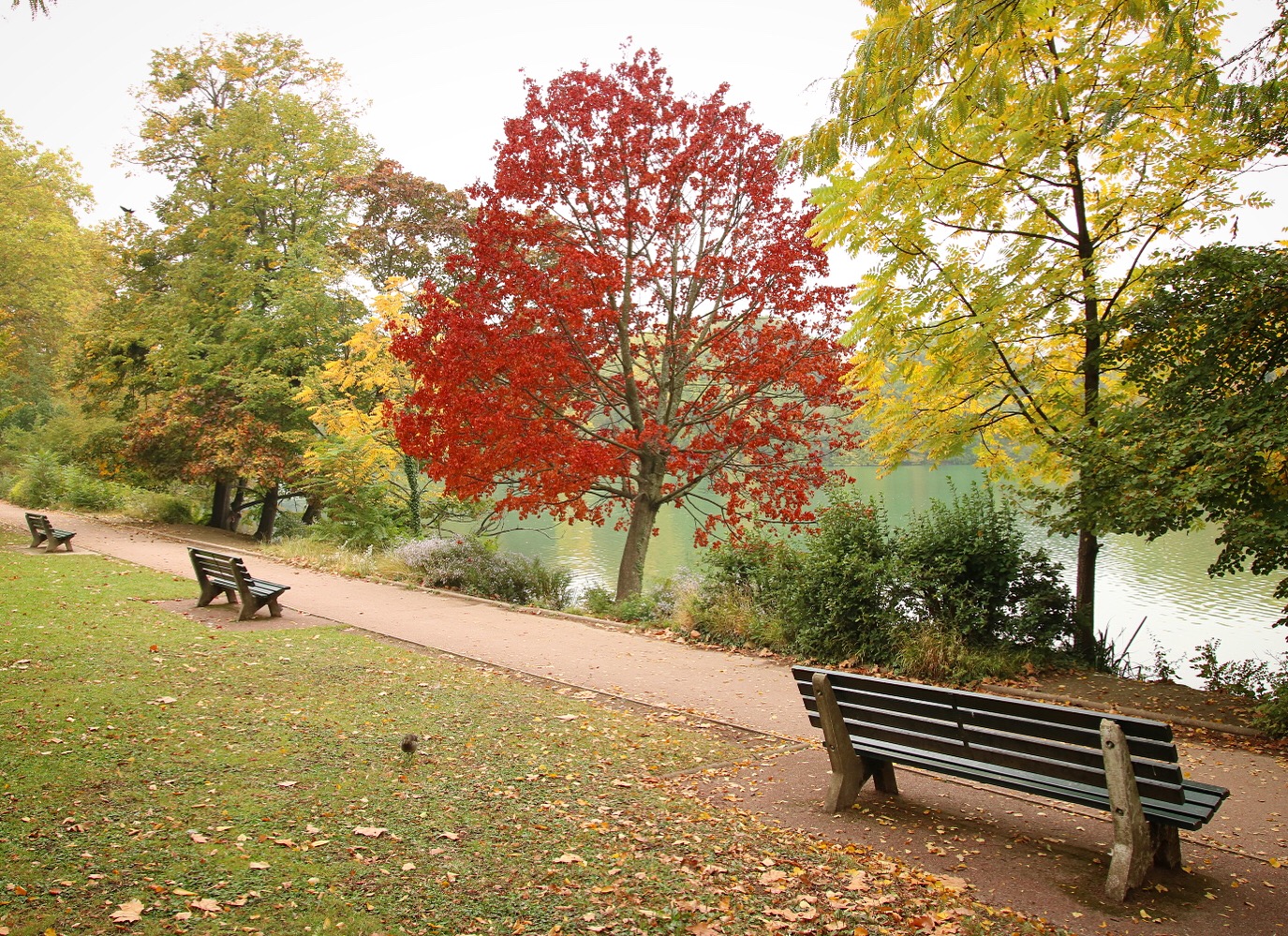
The botanic garden in Lyon has a variety of greenhouses and, on the day of my visit, a beautifully still lake, yes. But what really took my breath away: The most impressive display of dahlias that I have ever seen. The color of those flowers! I had a thing for dahlias that summer, 2018, there were beds of these voluptuous flowers of Mexican origin in both the Bergius garden in Stockholm and in Visby – but nothing beats this extravagance. It was overwhelming.

Photo: Jardin botanique du Parc de la Tête d’Or, Lyon, France, October 2018. Posted on Instagram October 2, 2020.

Visby (i)

57

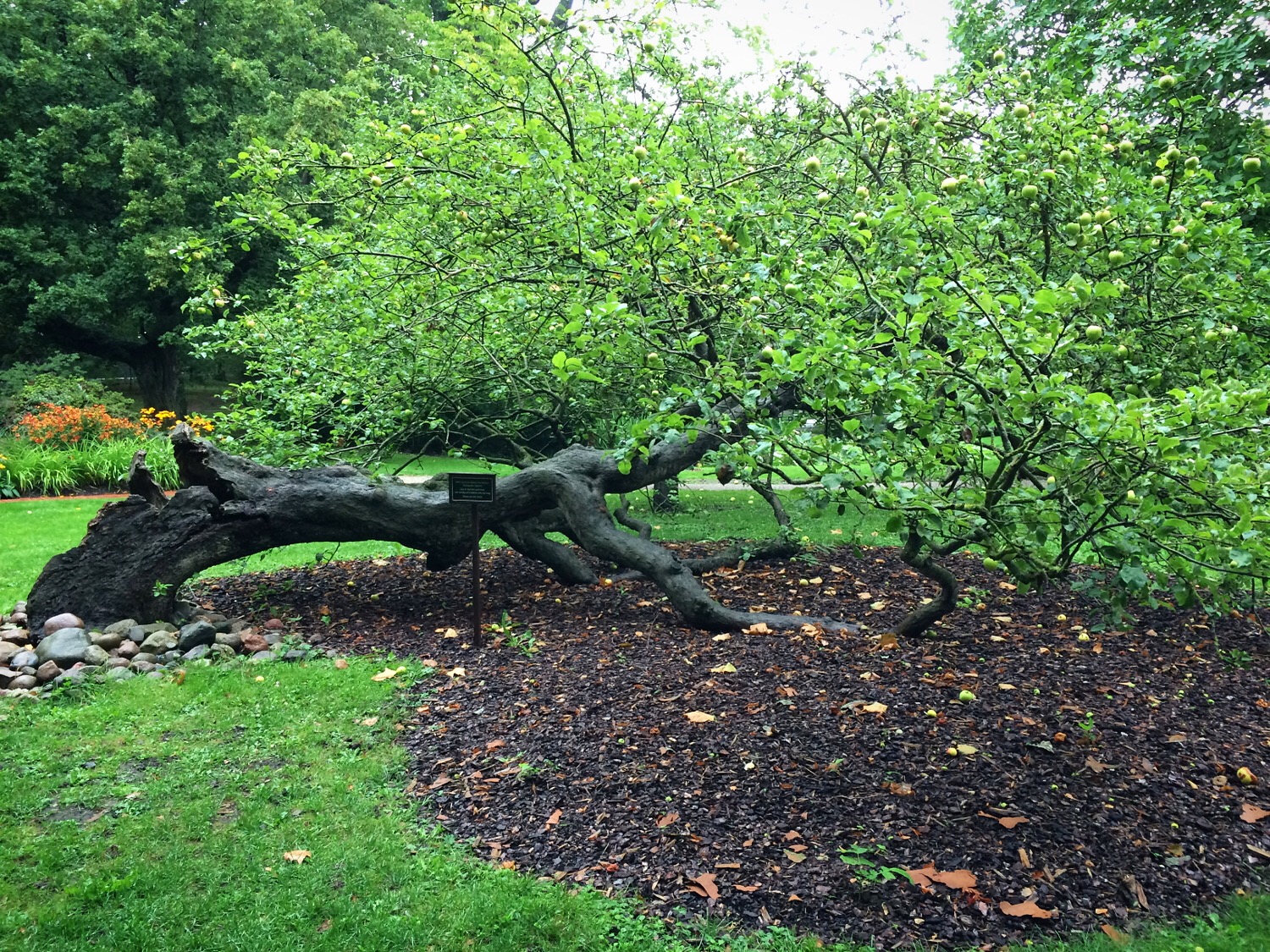
Perched between the low medieval buildings of old Visby and the steel-grey Baltic lies a tiny botanic garden. For being so small, though, it manages to accommodate a great number of different plants. Cared for by the association DBW (De Badande Wännerna = the bathing friends), it has been situated here since 1855. Already at the entrance, I am greeted by two massive plane trees. A bit further in, an ancient apple tree is leaning leisurely on the ground (again with these old old trees…) – and already here, it is easy to forget the dense town of timber walls and cobble-stone streets outside the garden walls. The greenery being so lush and protective.

Photo: The Botanical Garden of the Bathing Friends in Visby, Sweden, September 2018. Posted on Instagram October 1, 2020.

all the rivers

56

A while back, I read “All the rivers” by Dorit Rabinyan. It is a novel, the bittersweet love story of an Israeli translator and a Palestinian artist who meet in New York and fall head over heels for each other. Despite the thick walls put up between them by the history and present of their respective families, nations and religions. The story is so convincingly told, from the perspective of the Israeli woman, that I, too, fall for the sensitive, curious Palestinian man.

Their story may be a maze of navigating between moments of tension caused not by themselves, but by family and history – but they also meet in profound moments of a shared sickness for the landscape of home. In a long, cold, snowy New York winter, they share memories of the hills by the eastern Mediterranean. The dry smell of soil and herbs, the warm breeze from the sea, the light of the unforgiving midday sun, its rosy caress when it sets. So many of their experiences in that landscape diverge, memories of access and being shut out, of violence and alienation. But also: The connection felt in sharing these intimate, sensory expressions of a place, in smell, touch, taste, sound, sight, how rooted these sensations are in both of their bodies.

It is a lovely, and fascinating, and difficult book to read. It has stayed with me, long after I put it down, with a lingering ache in my chest.

Photo: Sun through the needles in Jardí Botànic de Barcelona, Catalonia, Spain, October 2018. Posted on Instagram September 28, 2020.

Zürich (ii)

55

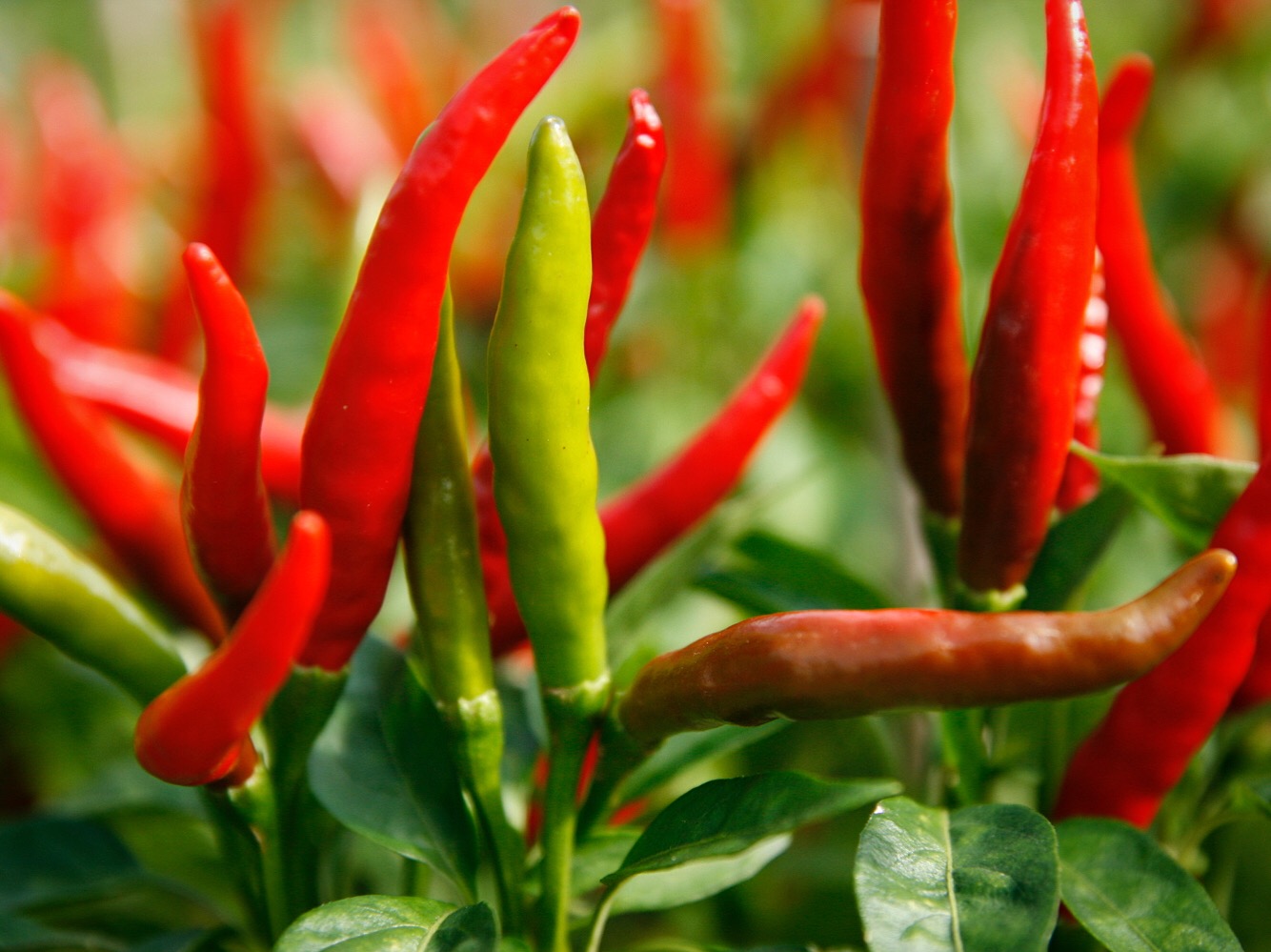
On the grass next to the pond in the botanic garden in Zürich, they had made a neat little arrangement with chili fruits when I visited in 2017. Then, I had no idea chilis could come in so many different shapes and colors. Beautiful – but dangerous!

(Today, though, the fruits on the double rows of chili plants by my living room window are catching the evening sun on their shiny skin, red and yellow, orange, green and purple. Enough to make my eyes water and me feel the bite of the summer sun in my throat for every meal of the coming long, dark winter season.)

Photo: Chili display in Botanischer Garten der Universität Zürich, Switzerland, August 2017. Posted on Instagram September 26, 2020.

weathers

54

Waking up yesterday morning, the world was covered in mist. Living on the third floor on the top of a small hill, I stood in my kitchen window and saw the southern suburbs of Stockholm gradually softening their corners and eventually disappear, the mist slowly turning orange from the rising sun.

After lunch, the skies were blue and I took Megan’s thesis to read it on the balcony. With no wind, I could comfortably sit there with a glass of ice tea, surrounded by my still-fruit-bearing tomato plants. My balcony has its own little micro climate.

At dusk, I took my daily run through the woods, where the maples are starting to get red edges but the oaks are still green. That soft, calming smell of moist, decaying leaves and early autumn.

And now, Friday morning, a milkiness to the blue sky, watching the yellowing top of the ash turn golden as the sun slowly reached over the roof of my house.

I love this time of year. Early autumn. It has all the colours. A crispness to the light. Flowers, still, the marigolds and nasturtiums are blooming bright orange on my balcony. The smell of apples.

It makes me think of one beautiful, misty morning in Lyon, their botanic garden, the softened edges of the trees around the lake and the most incredible dahlia display I have ever seen. If you ever end up with a couple of hours to spare between changing trains in Lyon, as I did, you have to walk up to the botanic garden. It is gorgeous.

Photo: Jardin botanique du Parc de la Tête d’Or, Lyon, France, October 2018. Posted on Instagram September 25, 2020.

cognition (i & ii)

52 & 53

In August, while weeding among the kale on the allotment garden, I listened to a radio essay about hiking. The journalist referred to a cognitive science researcher who had said that research indicates that our ability for abstract thinking increases in places with open vistas, like mountains or by the ocean. As if the depth of the visible landscape can help us access a deeper way of thinking, give perspective.

This made me sense to be, crouching as I was with my hands deep in the dirt. Digging up roots of dandelions and field bindweeds in this densely green, close allotment garden forced me to keep my mind on exactly what was in front of me. Literally. Breaking the clay-rich clods of earth to get as much of the roots out as possible, not harming the worms and bugs that were turned up in the process, avoiding being stung by the fire ants that had made their nests in the soft, moist vegetable beds. My thoughts given a narrow, targeted focus.

While mountains and coast lines that open up to the ocean and the sky, they always make me think of our existence and the universe. And then, I sing. Not even really as a choice, the songs just come. As if the awareness of our place in the universe is intertwined with music in my mind.


So, cognitive science research indicates that open landscapes like mountains and the ocean increases our ability for abstract thinking. But how about trees?

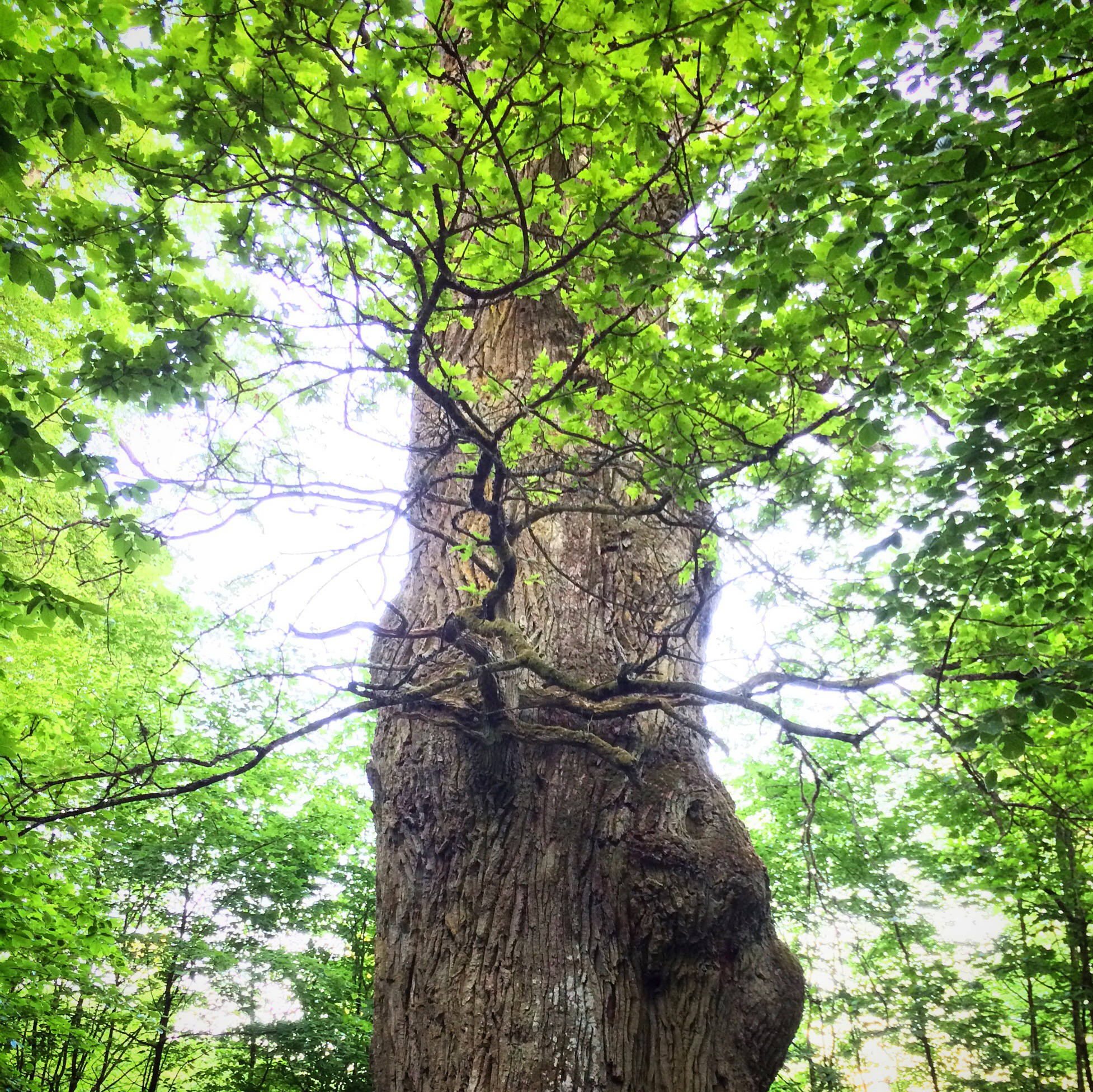
I’m currently interviewing private forest owners about places on their forest properties that they feel particularly attached to. I’ve asked them to photograph the places, and then use the photos in the interviews to explain what it is with these places that they particularly care about. I’m not done with the interviews and I haven’t started analyzing the material yet – but I can already say that easily more than half of the forest owners have chosen to photograph either one particularly old tree, or an old growth grove. When explaining why, they bring up how these old trees make them feel connected to history, to the people who lived here before, who chose to tend to these trees and leave them standing. And how they feel a responsibility to maintain that legacy, today and for future Earthlings, human and otherwise.

The open landscapes of the mountains and the sea-side coast may in our minds unlock widened perspectives in space – but old trees, in the southern Swedish cultural landscapes manifested in centuries old oaks and pines, can open our minds to deeper perspectives in time. To the past, and into the future.

The realization that we’re only here for a breath of time, and then we’re gone.

Photo: 1. Kale in the kitchen garden at Bergianska trädgården, Stockholm, June 2020; 2. The Snapphane oak, more than 600 years old, at Wanås Konst & Slott, in the middle of my study area in southern Sweden, May 2017. Posted on Instagram September 20 & 22, 2020.

Bergius (iv)

51

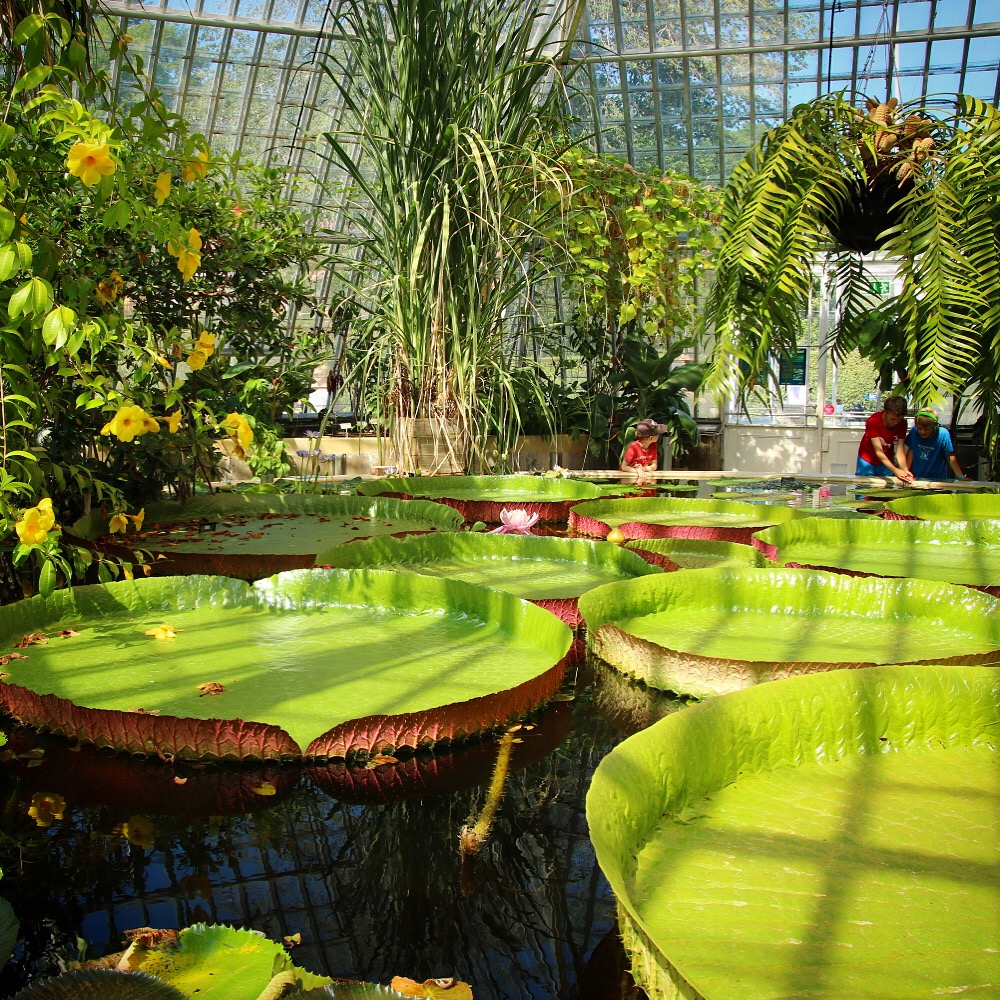
During the summer months, the small Victoria greenhouse down by the water in the Bergius Botanic Garden is also open. It is tiny, completely taken up by a circular pool with Victoria water lilies, and a small selection of other tropical plants surrounding it. It is really pretty.

Photo: Inside the Victoria greenhouse in Bergianska trädgården, July 2018. Posted on Instagram August 24, 2020.

balcony gardening (iii)

50

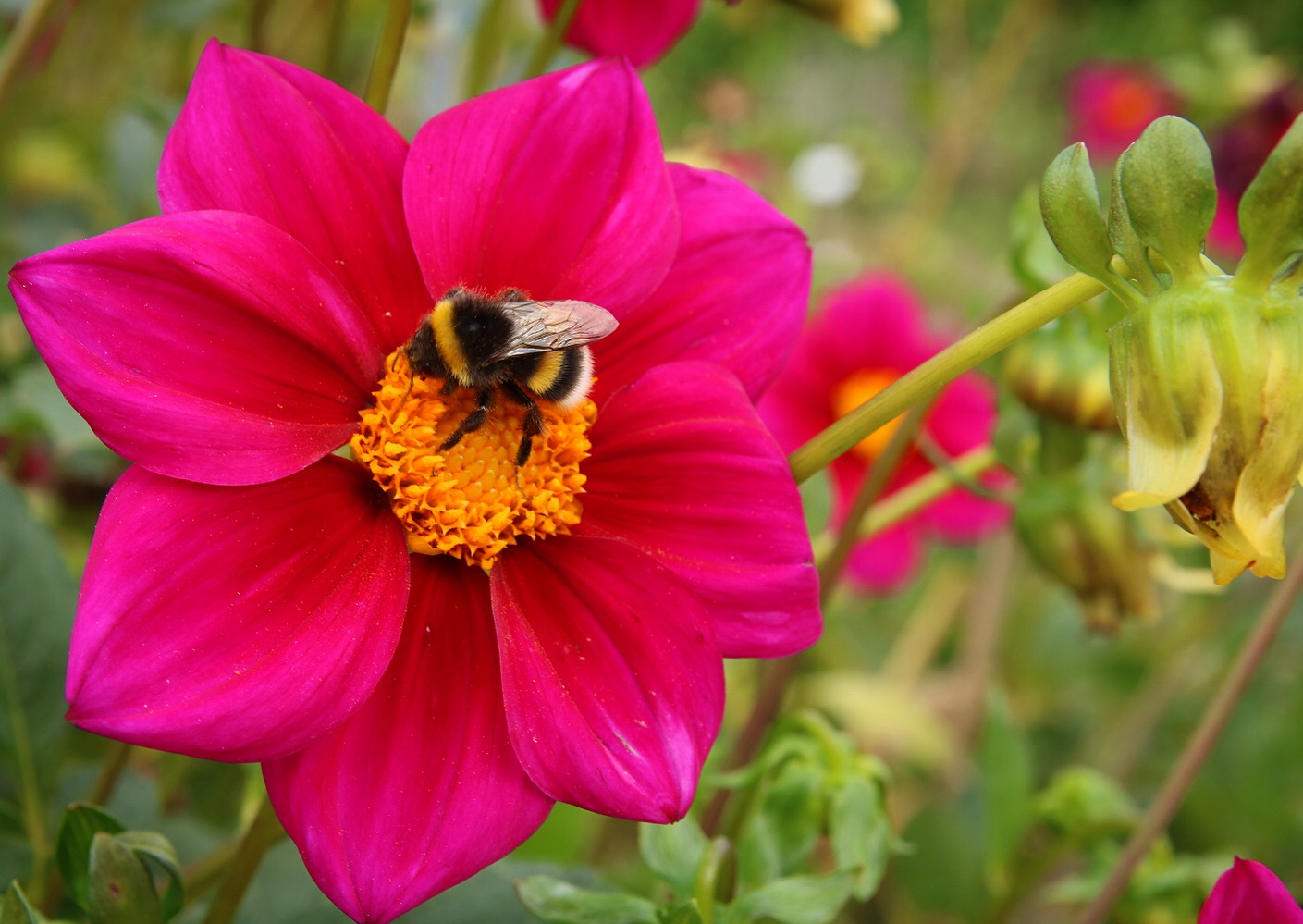
It makes me so happy to see the bees and the butterflies fly from flower to flower on my balcony. The marigolds are still in bloom, and through the kitchen window I can see the cucumber plants, covered in yellow flowers, climbing up against the espalier. And the insects find their way up to my third floor balcony, its flowers and the plate of water that I’ve left out there for them in this very dry August we’re having. The marauding tit from the spring hasn’t come back since June and only a couple of times have I seen the squirrel that used to hang out in my neighbor pine tree every morning last autumn. But I have the butterflies and the bees now. 

Photo: Bee on a dahlia in Jardin botanique de la Charme in Clermont-Ferrand, France, October 2018. Posted on Instagram August 23, 2020.

Barcelona (i)

49

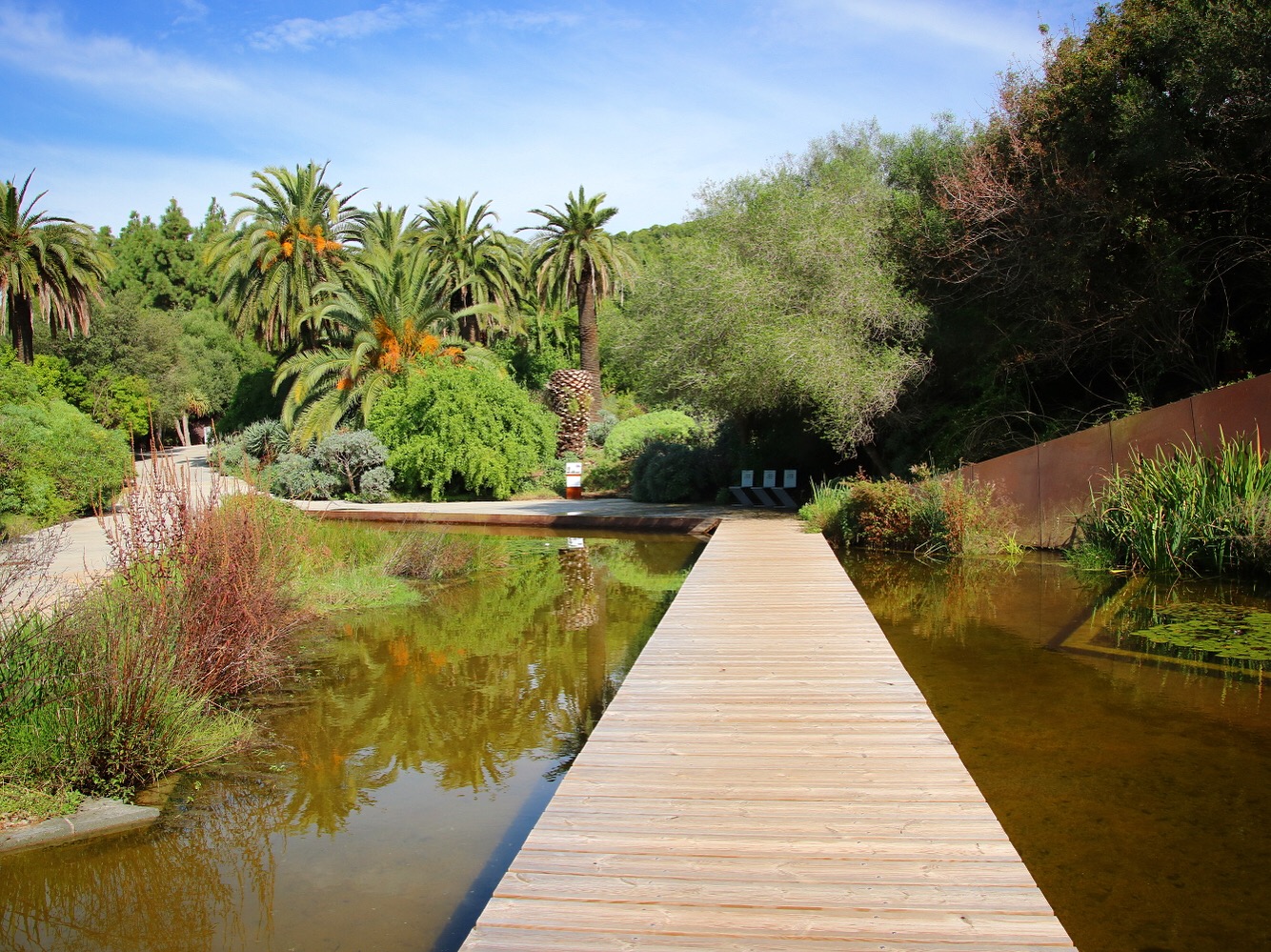
The Botanical Garden of Barcelona might be the most unique botanic garden I’ve ever been to. Among the stadiums from the Summer Olympic Games of 1992 on Montjuïc hill, the botanic garden takes up 14 hectares of hilly terrain. It was established in 1999 and is dedicated to cultivating and displaying plants and ecosystems from the areas around the globe with Mediterranean climate. In the different sections, plants are grown from the western and eastern Mediterranean, Australia, Chile, California, South Africa and the Canary Islands.

This in itself is already impressive, the extent of their plant collection and how they’ve succeeded in making the highly-managed botanic plantations look so self-evolved and untamed. But the physical design of the garden, the structures that create the vegetated terraces, the concrete paths that take the visitors on a world tour of Mediterranean ecosystems, basically, the architecture in itself is also something to behold. The sharp corners and hard surfaces of the concrete and rusted iron takes a little bit getting used to, and might not be for everyone – but I was mesmerized. Here, they had taken the idea of garden architecture and landscaping, and run with it, making something completely their own. But maybe I shouldn’t be surprised, the garden being in Barcelona. After all, that city has plenty of interesting and provoking architecture to boast about.

Photo: Jardí Botànic de Barcelona, Catalonia, Spain, October 2018. Posted on Instagram August 16, 2020.