92
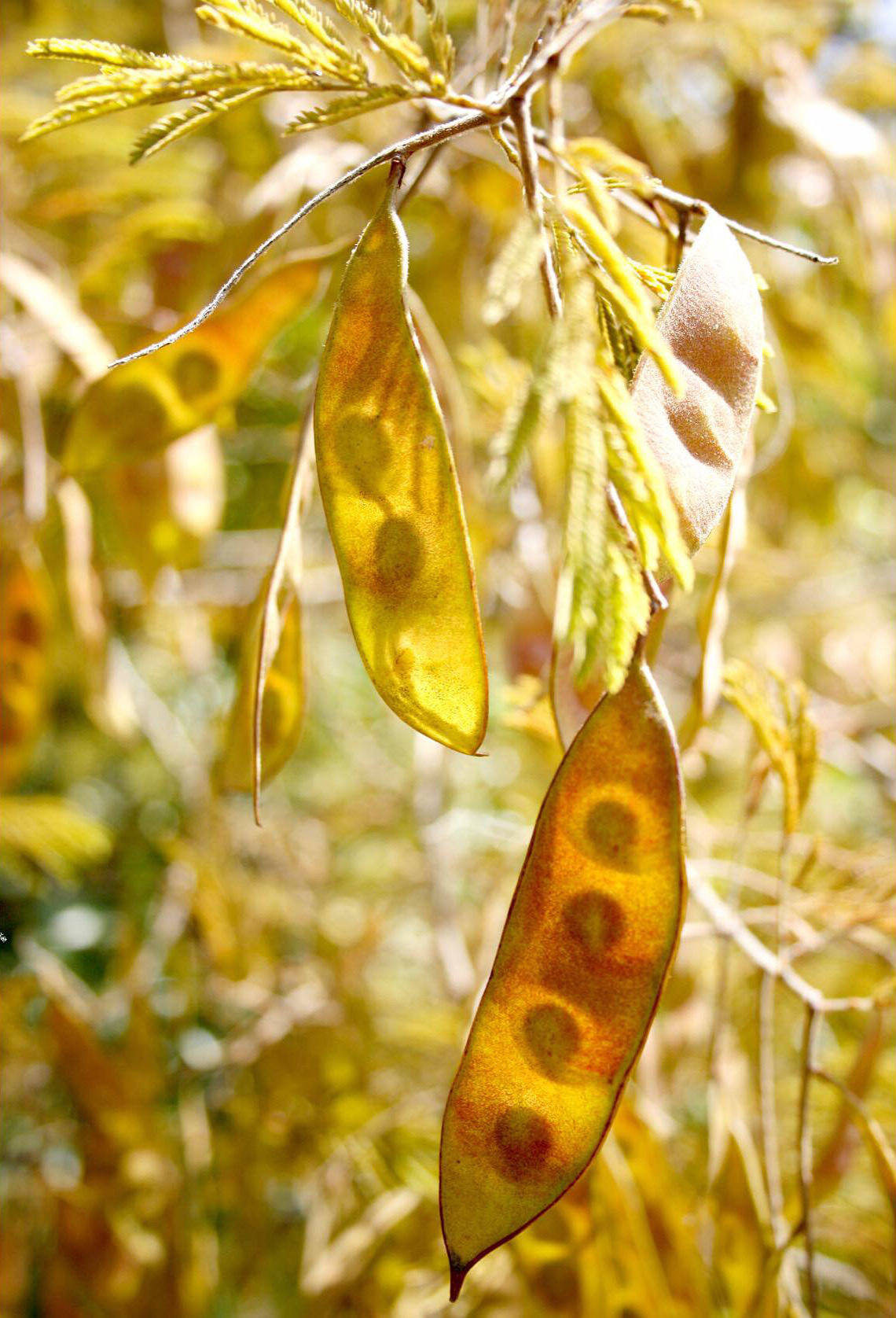
The kanga tree (Acacia macrostachya)* is a plant of great cultural and spiritual importance in Burkina Faso. It often grows in sacred groves and cannot be harvested or cut down there. The groves are seen as the place where ancestors of people in a village reside and are therefore protected. Kanga trees growing outside sacred groves can be harvested. The seeds of these trees are collected and used in sauces and cooked like lentils.
For my master’s, I conducted fieldwork in thirteen villages. All of them had at least one sacred grove, so densely vegetated that walking through them would have been almost impossible, had we been allowed to do so. I didn’t try, of course. When coming across one during my transect walks, we went around. Later, when I worked on my satellite image maps, the sacred groves presented as outlier areas compared to the rest of the landscape in all analyses that measured proxies for biomass. Due to their protected status, the sacred groves host much more vegetation than any other patches in the landscape.
The groves are protected because they are sacred. I’m not an anthropologist and don’t know enough about local beliefs and traditions to be able to say anything about the origins of this practice, and what has kept it alive. So, I don’t know the full picture. But as an anecdote like this, for someone like me who studies sustainability in landscapes, the sacred groves in northern Burkina Faso are interesting. An example of how maintaining a traditional religious practice seems to also benefit biodiversity.
*All plant names in this series of posts are the local Moore names, with the scientific and/or English names in brackets.
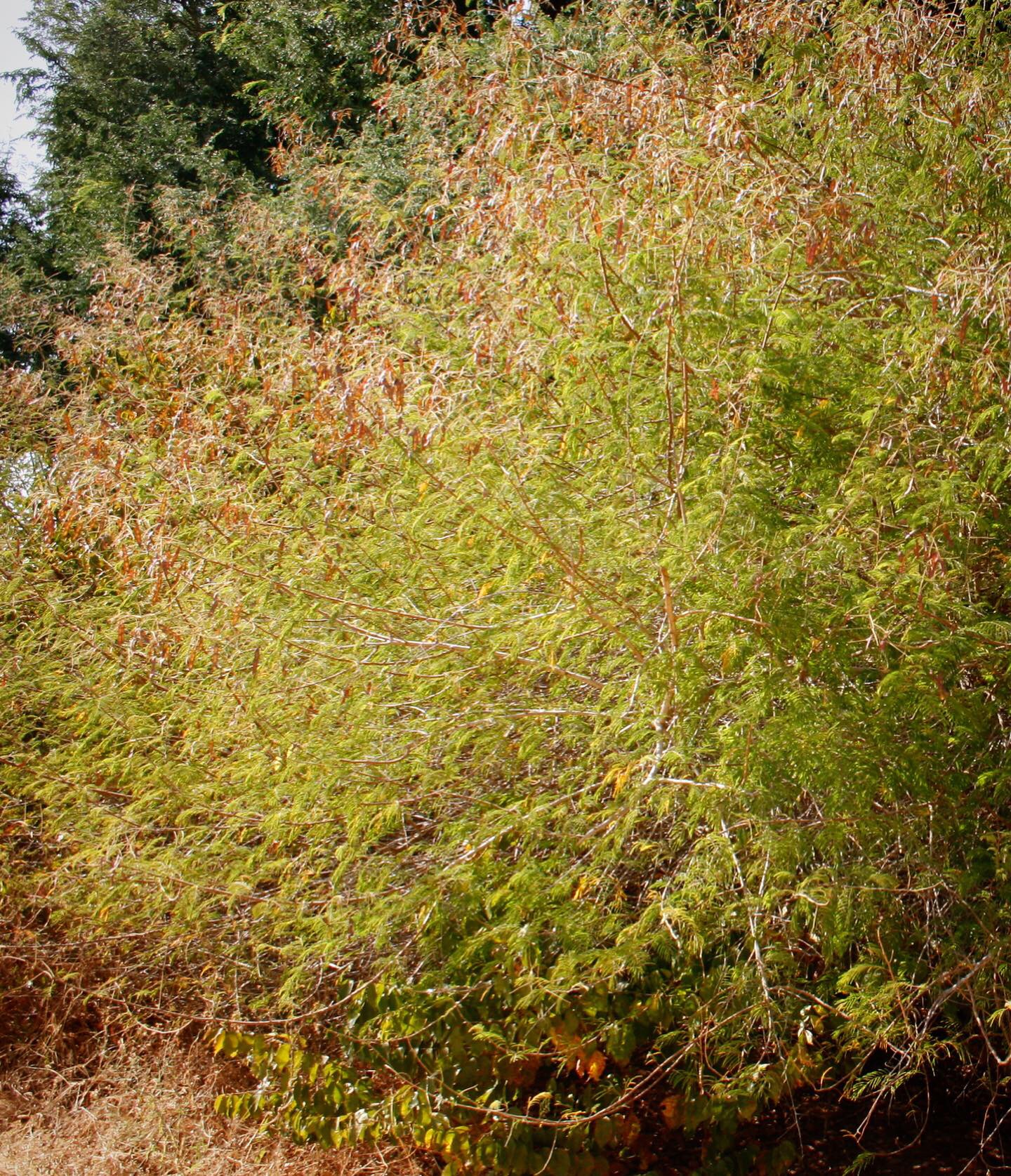
Photo: Pods of the kanga & a small kanga tree in a village south of Ouahigouya, October 2014. Posted on Instagram January 15, 2021.
 Katja Malmborg