88
To start off this new year, I want to do something a little bit different. Over Christmas break, I’ve been thinking about traveling. What it has done with me. Six years ago, I returned home from my first visit to Burkina Faso in West Africa. I had been there for almost three months, doing fieldwork for my master’s thesis. Those months had a profound impact on my life, both to my subsequent career choices and on me as a person. Putting myself in those expected (and some very unexpected) challenging situations was like taking a crash course in what drives and limits me (and how to push those boundaries). The experiences reverberated in me for years to come. Even now, six years later, I can find traces of that journey laced into things I do.
I wanted to write something about that time, about some of the things I learned there. The people I met. And maybe, also, as a way to turn over a new leaf. Following 2020, the strangest year the world has seen during my lifetime. Our way of life has been shaken to the core, and I don’t think it will be possible to go back. We have to look for new ways of being. But in doing that, I’ve felt an even stronger need to remember. To connect the forward-looking with the past. Honoring old insights. My own, acquired during past journeys, and in a more general sense: the knowledge of others, from years of experience and practice, of generations past.
So. Remembering a past journey. In this series of posts, I have gone back to old notes made during fieldwork in West Africa many years ago. Here, I will tell a story about a landscape and some of the people living there, through the lens of ethnobotany.
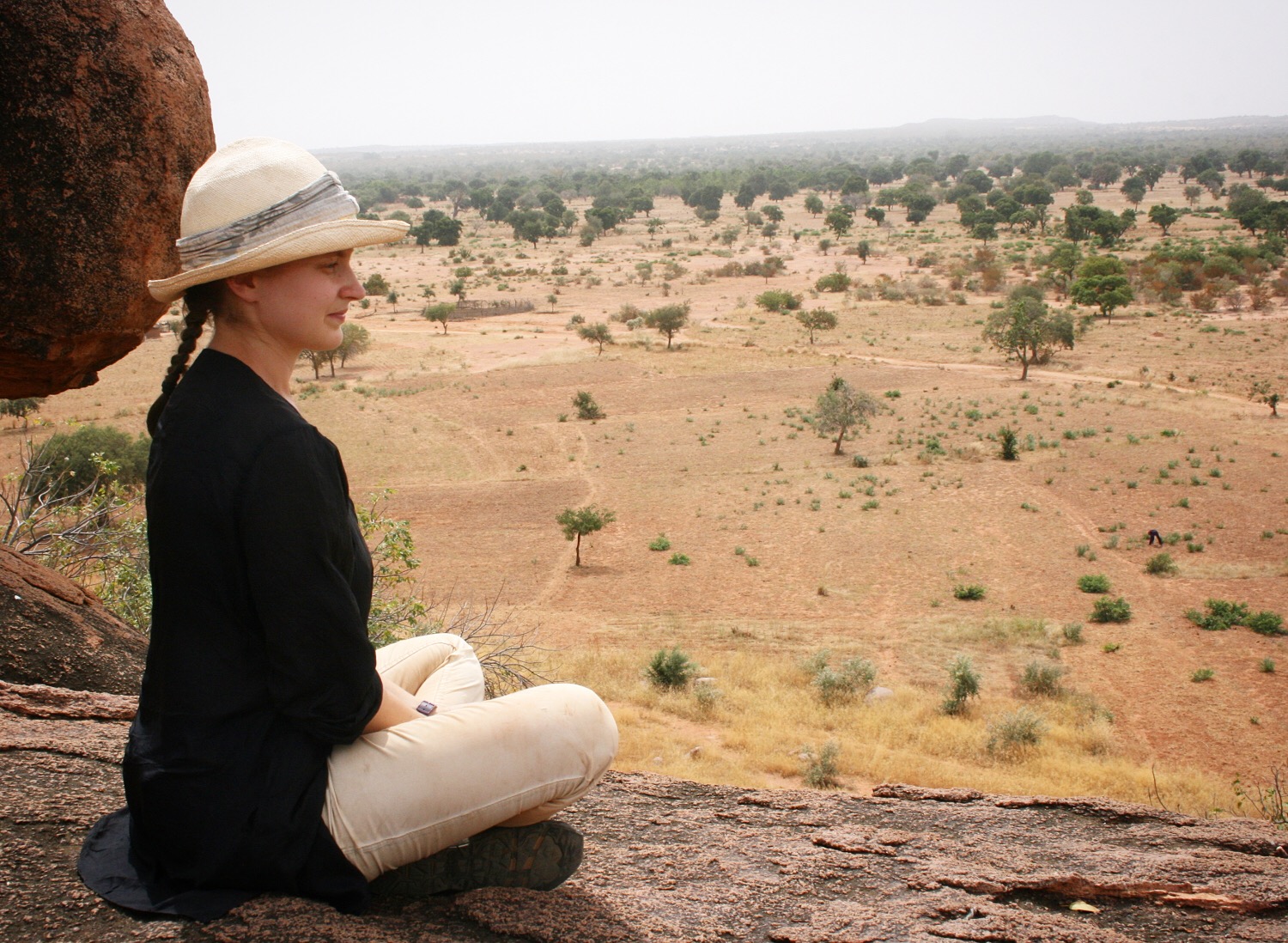
Photo: In thought after fieldwork, in a village west of Ouahigouya, November 2014. Photo taken by Elli. Posted on Instagram January 9, 2021.
 Katja Malmborg