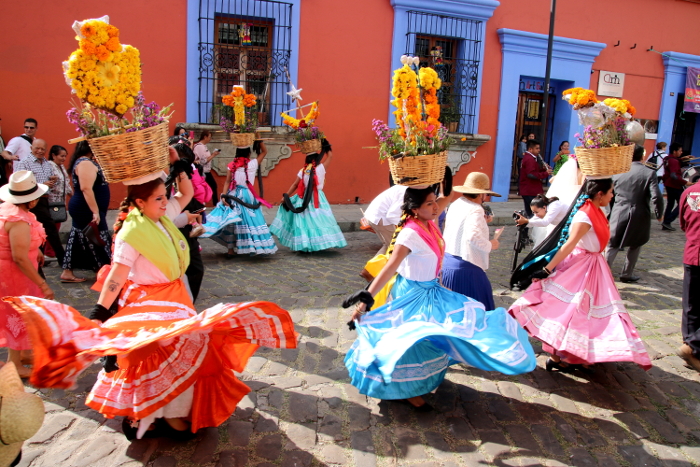
To wrap up about the PECS conference in Oaxaca, let me just tell you a little bit about a part of the research presented there that really speaks to me on an emotional level. It is research about stories.
We are a storytelling species.


(This is so true for me! Anyone who has known me for even the shortest amount of time knows that I have a tendency to turn everything into a story. For some, it might seem like I never get to the point – but Jessica, my roommate, so nicely told me once that she’s learned that this isn’t true. In the beginning, she would get impatient with me, but now she knows that if she just leans back and lets me do my thing, I will get to the point in the end. And that most of the time, I even manage to weave all threads I threw out into something meaningful in the end. So yes. Storytelling species.)
We favor emotions over facts. To make any real change happen, you’ve got to understand what makes people tick. People have different worldviews and the more people you bring in, the more conflict you will have – but if handled right, this conflict can be turned into a constructive process, where everyone’s voices are heard, and solutions turn into more than just one plus one equals two.


But, as I also go into in the previous post, these kinds of messy, diverse processes require neutral places and platforms to occur, and learning processes that foster dialogue. Everyone participating needs time to think, to understand oneself, but also to fully appreciate the other’s potential, create a shared meaning. Letting things take time. And for this dialogue, and because we are a storytelling species, we should use artifacts, symbols and rituals as part of these processes. Symbols and rituals give meaning.
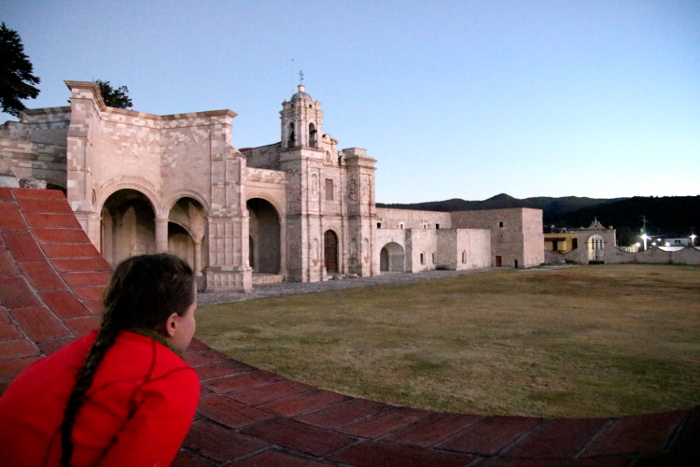
Elena Bennett, one of the keynotes speakers at the conference, proposed a new kind of science for the Anthropocene, working directly with communities. She said she felt done with cataloguing all our problems. Understanding the anatomy of them is important, of course, but now we also need to create hope. Highlight where positive things are happening. And she suggested storytelling a powerful tool, a way of sense-making for achieving hope. In practice, in her case, this means using different scenario exercises together with communities to build shared positive visions of the future.

Yes, we are a storytelling species. And the role of science should not only be to point out all of our flaws. It should also use our passion, our emotions, inspiration and sense of fun to build hope and meaning.
That was the second conference of the Programme of Ecosystem Change and Society.
 Katja Malmborg