Almost every session I went to at the PECS conference gave me something new to think about, and I took a lot of notes also from the sessions I was not assigned to blog about. They’re all a jumble now, both notes and impressions, and I can’t really trace them back to a specific session anymore. But, I’d like to write down some of these half-baked thoughts anyway. Mainly because I’d like to get back to them when there is more time and mental space to develop them into fully-baked idea meringues and chocolate chip cookies and whatever else they might turn into. So here are now two final composite posts about the second conference of the Programme of Ecosystem Change and Society.
Many of the sessions I went to revolved around different aspects of transdisciplinary science. Partly because that is one of the common themes of PECS research, so the sessions about it were naturally many, but also because it is one of the main building blocks of my PhD project. I gravitated toward those sessions. Sustainability science, which is the discipline I am getting my PhD in, is all about figuring out solutions for complex problems. That is, problems where the causes are not really clear, where there might be many different interests competing, where ethical considerations make decision-making complicated and where it is hard to predict what any solution you choose to go for actually will lead to. In those kinds of situations, traditional disciplines aren’t enough to guide you.
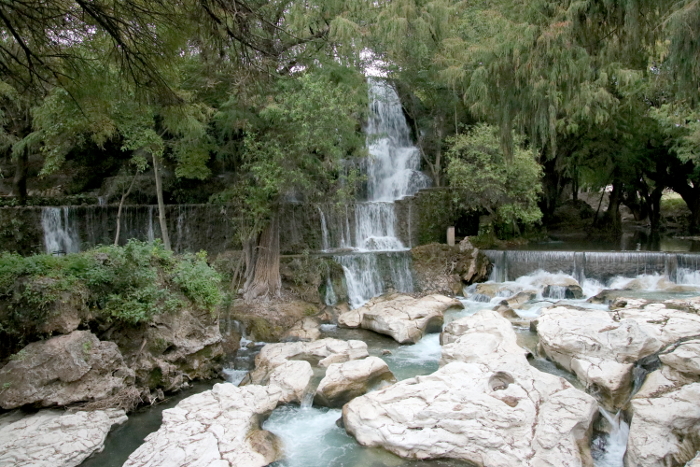
This is where the complementarity of different knowledge systems becomes really valuable: The hydrologist might know how a generic river should behave based on the aggregated knowledge from controlled experiments and statistics. However, no river is The River, average in all its behavior. Here, the long-term and practical knowledge of someone living by or working around the river in question can contribute with experience of how this particular river behaves. However, due to the different ways and settings in which these knowledge systems develop and learning occurs, it is sometimes really difficult to communicate between them. Sustainability science needs to not only develop methods for combining different kinds of data, but also ways how to exercise true dialogue between individuals and between knowledge systems. Be transdisciplinary. Equality, empathy and openness is essential, and the willingness to learn from each other. We need to exercise epistemological agility (an academic term that I’ll get back to at some later point).
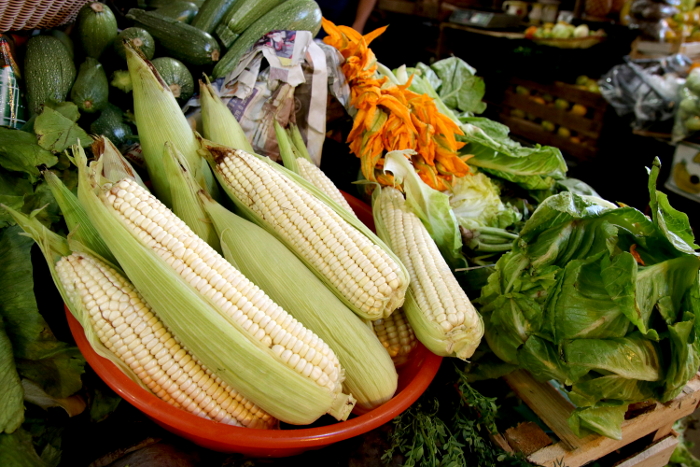
Sometimes, talking is not enough. Translating between knowledge systems can require boundary objects – things or practices that people have a shared understanding for and can connect over. Like food or music. Inviting inspiration and creativity into the knowledge-generating process. Understanding the complexity of a problem can also be really hard, especially if you’ve been trained in a more narrow, cause-and-effect type of discipline. And also making people with the power to make decisions understand the importance of perceiving the problems as complex, and not just simply solvable through some engineering fixes, can be really challenging. In those situations, fostering complexity thinking in the research process can be done by using key assets, for example water, to help stakeholders see the connection between for example hydrology, infrastructure, economy and society. And as a researcher in a transdisciplinary process, one should be the broker, identify tension points and blockages, “false” conflicts and mitigate between narratives.

Oh, god. This turned into a really dense post. Maybe it’s completely unintelligible. If that’s the case, I apologize. But I will definitely write more about these, and other related, ideas and perspectives from transdisciplinary science in the coming years. Several of them, I’m already exploring myself in my own research. So even if you didn’t really follow, but think you might find it interesting, I’ve got so much more in store. The PECS conference in Oaxaca was truly a treasure chest of inspiration for me and my PhD project.
 Katja Malmborg