I am preparing for a writing workshop with the communications team at SRC. How to write a popular science feature. We were given a list of reference pieces to read, stories about bilingualism, de-extinction, water goddesses, and really old trees. Long and very long articles where science, the lives of extraordinary people and snapshots of the writer’s own journey have been expertly molded into appealing stories. I love this kind of writing.
The idea is that all the participants in the workshop should pitch a story to the recently launched online magazine Rethink. And it’s not like I don’t have ideas, not like I don’t know anything – but to make a story intriguing and eye-opening, it needs to cover scales. The big picture and the detail, a moment to illustrate how large processes come together and affect our lives. As a young researcher, I’m entrenched in the detail. I could tell you hundreds of stories from fieldwork. I could show you figures and maps. I’ve got one scientific paper in review, and another about to be written – and this is the result of two and a half years of hard work. For one of those meandering science features, one needs to include the perspectives of several papers, maybe books, and interviews with experts.
The realization is daunting. What do I really know? Not enough to tell the big picture story of my case studies, that’s for sure. I would have to spend days reading up on everything else, all the important things that fall just outside my narrow research focus, and therefore hasn’t been read. The feeling gets stronger, the further I get into my research career. I’m a PhD student now, and I’ve never felt as ignorant.
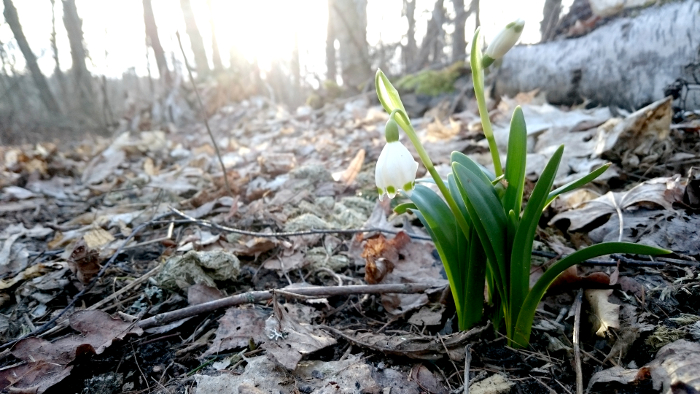
But spring is here. Flowers, splashes of color among the brown leaves on the ground. The sun suddenly warm again. We’re heading toward lighter times.
 Katja Malmborg