Strictly speaking, Bobiri isn’t a village. It was, however, the last stop on our craft village tour. It is a nature reserve and a butterfly sanctuary. Unfortunately, it was the wrong season now to see any butterflies, but there were plenty of humongous rainforest trees.
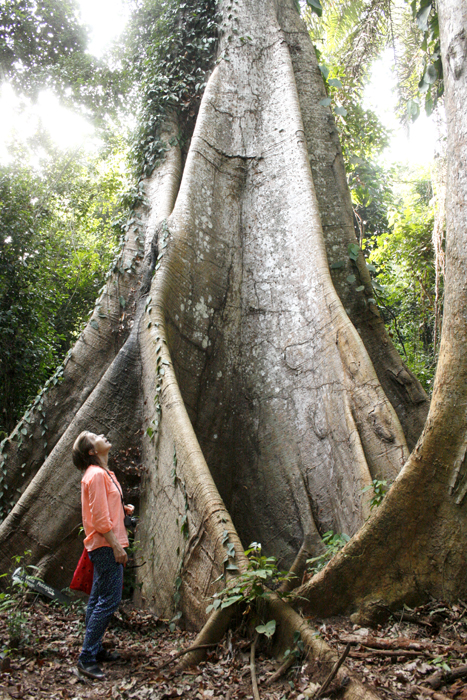
After all the noise and the bustle in and around Kumasi, getting to this quiet, calm and cool place was certainly like coming to a sanctuary. Everything so green, calming for the eyes. A place of rest.
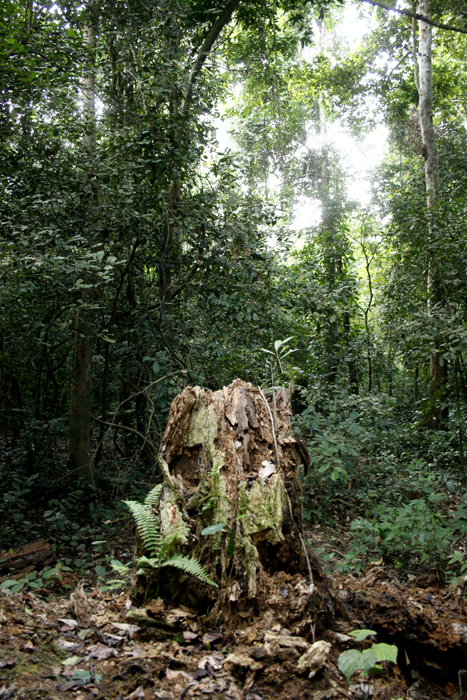
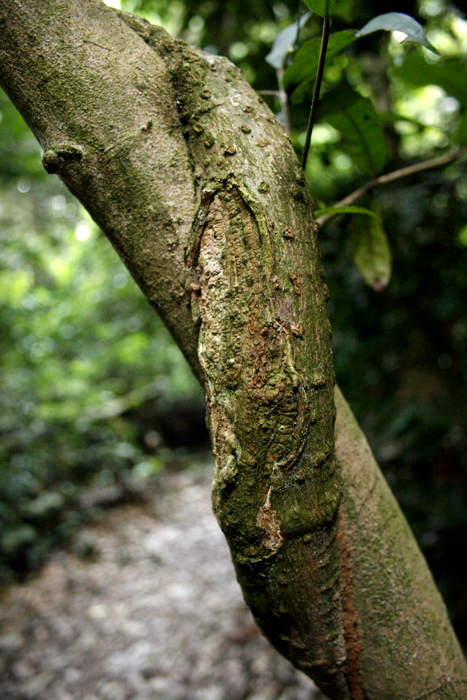
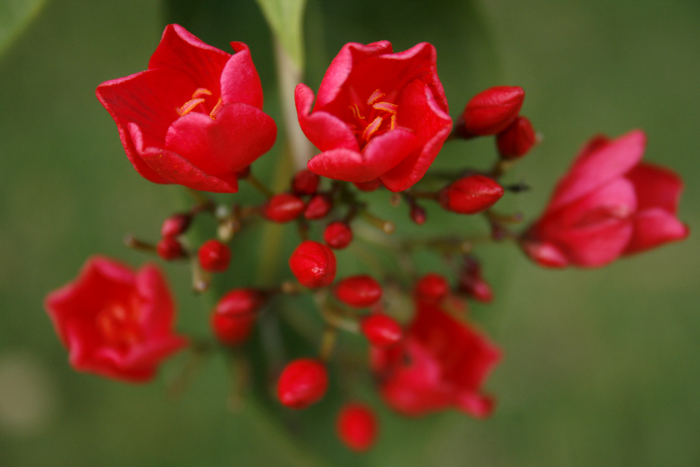
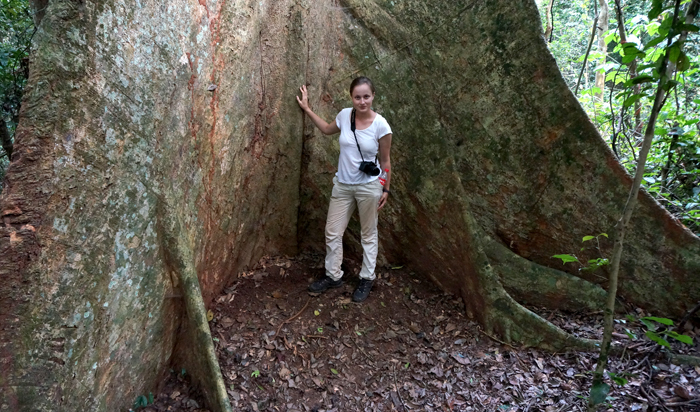
You know how I love trees. Well, this was the high point of my Kumasi visit.
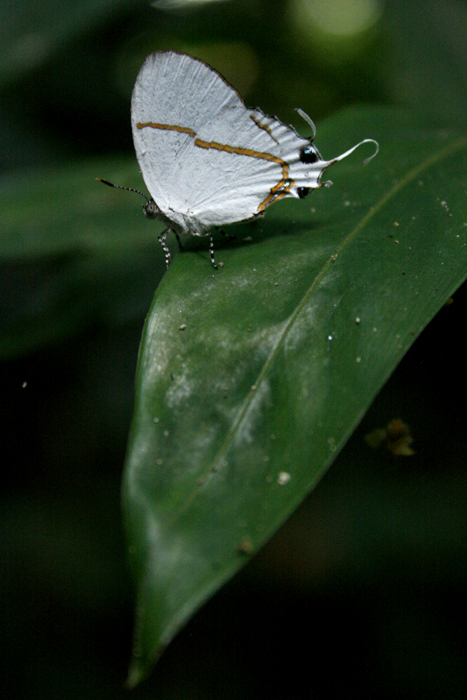
And we even got to see a butterfly in the end. It was tiny, but prettily white and it sat so still on the leaf for me, as if it wanted to be photographed.
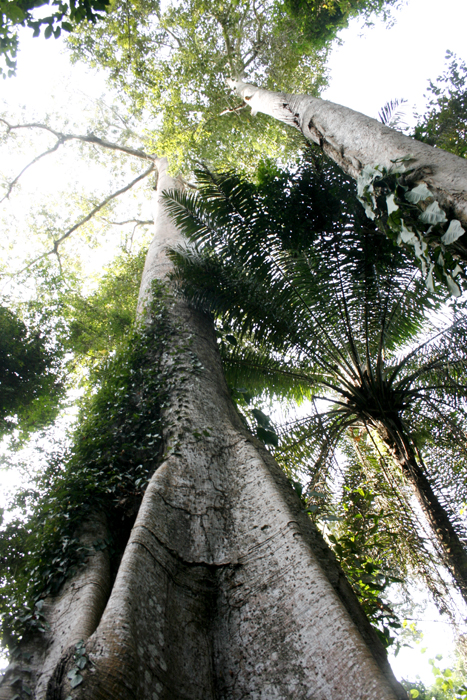
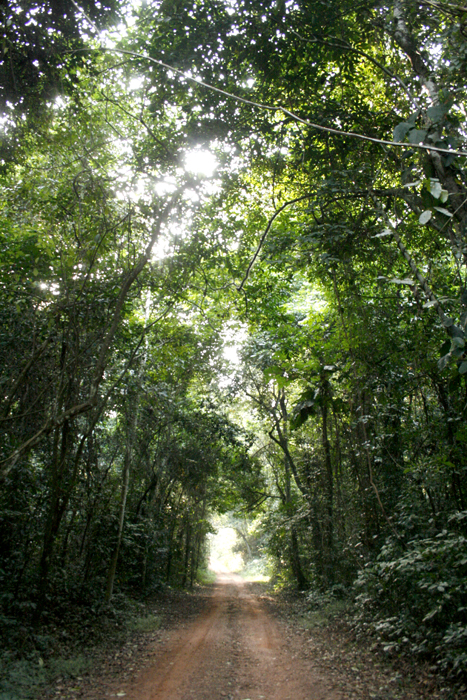
Sitting in the car on the narrow road back from the sanctuary, watching the wall of high trees and dense undergrowth pass by, I thought about the extreme difference between this place, and the villages where I had worked in Ouahigouya. There, the colors mostly brown, with a splash of olive here and there, and the sun so bright it could burn your eyes out. Here, every shade of green you could imagine, and the shadows keeping all the mysical creatures of the rainforest just out of your sight. It’s fascinating, the steep gradient from north to south here in West Africa – that the climate and vegetation differs so much, while the societies were so similar. Of course there are many differences between the Mossi and the Asante cultures, but from my European perspective, the similarities still seemed to dominate. Despite this extreme variance in landscape.
Also, on a more personal level, it felt significant, almost as an illustration of the long and very eventful journey that had taken me from the Sahelian semi-desert to the Ghana rainforest. I’ve seen so much, experienced so much, and I do not yet know how to make sense of it all.
 Katja Malmborg