The hike up to Tarfala Research Station was tough. 23 kilometers, mostly uphill on a tilly hiking trail, is not something you do in a jiffy. My feet are sore, in a different, more acute way than the soreness that I got after four weeks of sightseeing in Europe. My toes hurt whenever they accidentally touch something, maybe my shoes are too small. They shouldn’t be, they didn’t feel like it when I bought them – but different rules apply in the Swedish wilderness.
When the bus finally arrived at the Nikkaluokta tourist station on Thursday afternoon, I found a group of students from my department that were also on their way to Tarfala. We spent the afternoon sitting on the grass in the sunshine, playing quiz games and commenting on the attire and backpacks of the hikers arriving and leaving for the Kebnekaise trail, while waiting for our teacher to arrive.
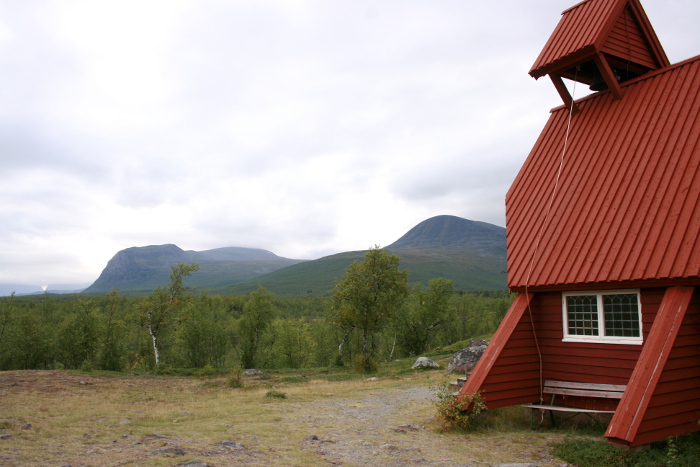
The chapel up on the hill by the Nikkaluokta tourist station, overlooking the valley that leads up to Kebnekaise. A beautiful place to build a chapel on – it very much reminded me of the tiny chapel that Vladimiro showed us up in the Arizona highlands on our way from Phoenix to Grand Canyon. They were both surrounded by birches, and blessed with an incredible view.
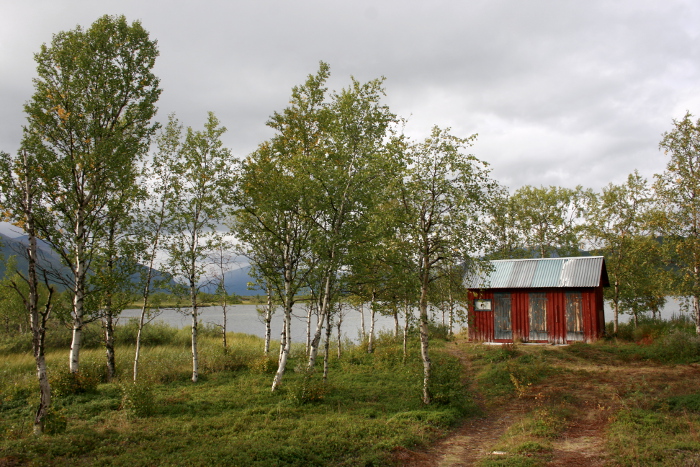
We spent the night in Nikkaluokta in very rustic, but comfortable cottages that looked exactly like they had been found in 19th century rural Sweden. No running water and the bathroom facilites were in separate shed by lake Paittasjärvi.
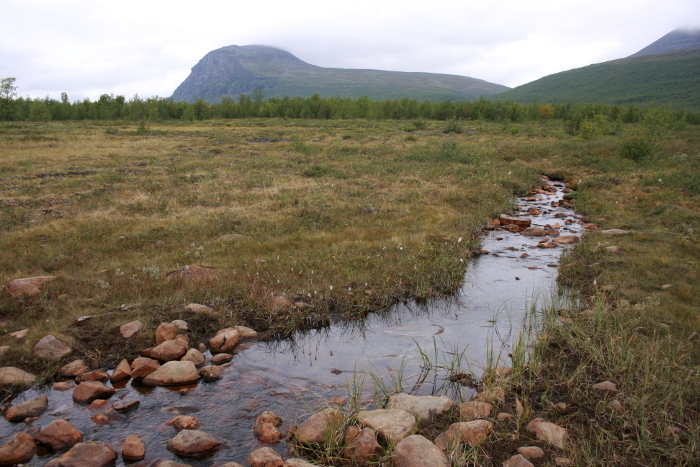
At nine on Friday morning, we left Nikkaluokta. The first stretch of the trail went through pretty flat terrain in a dense but low birch forest in Laddju valley. There were blueberries growing everywhere. Occasionally, the trees gave way to rivers, lakes and small wetlands.
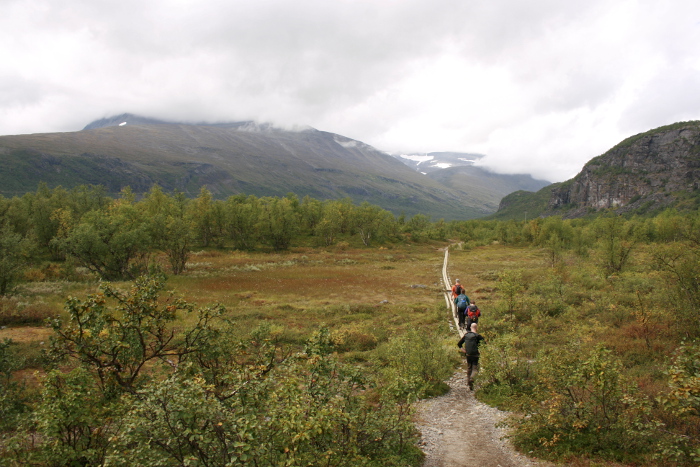
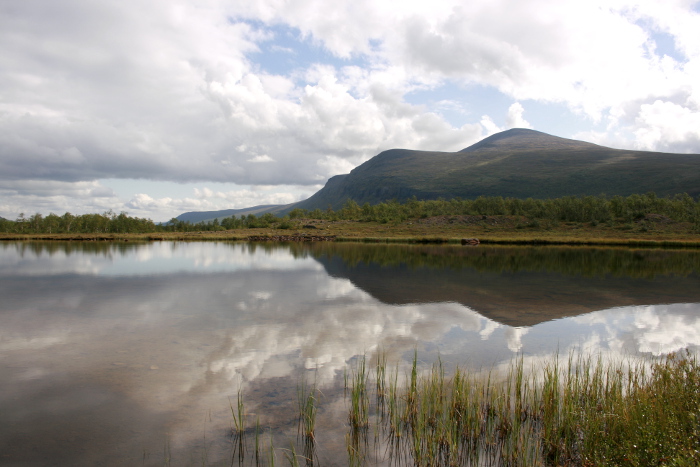
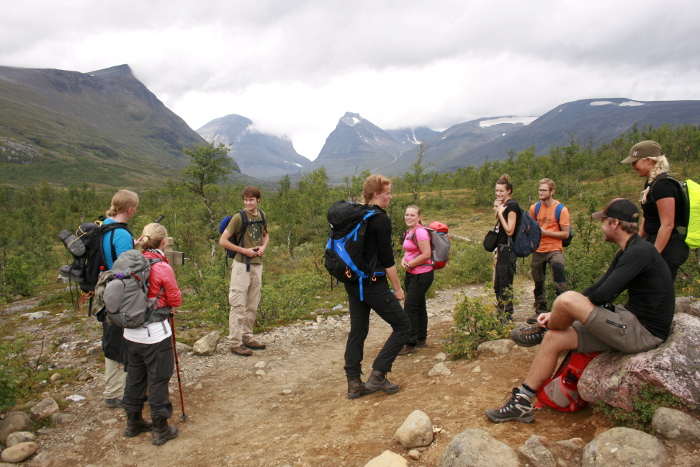
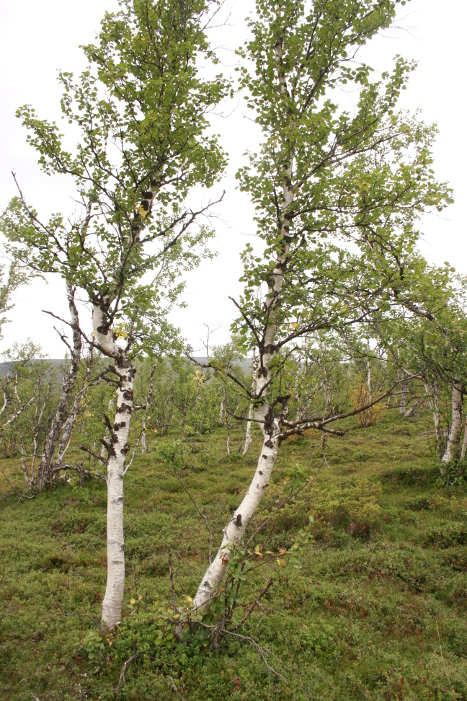
A short rest. When we got higher up into the valley, the birches were standing further and further apart. The trail got more rocky, tougher on the thighs.
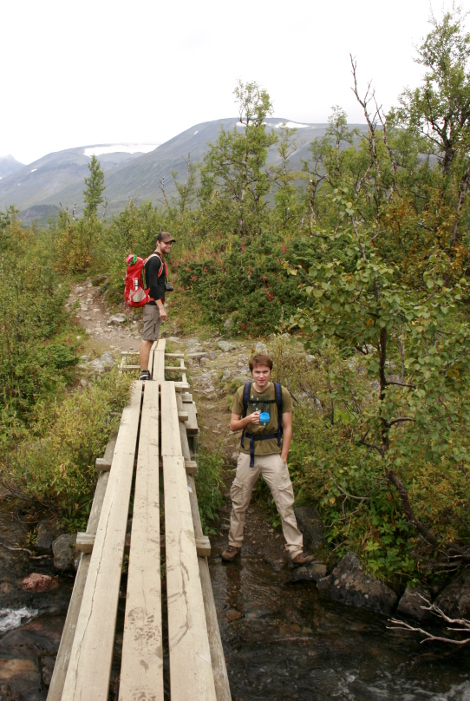
Water break, Christoffer drinking the refreshingly chilly river water.
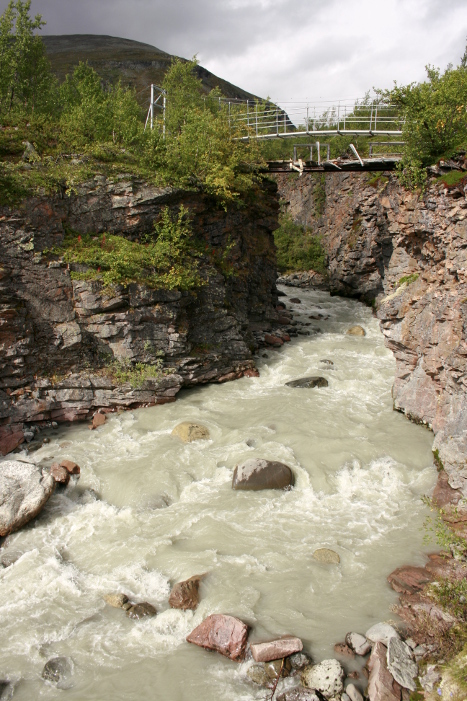
The bridge crossing the small canyon in the Tarfala river, where we ate our lunch. This is where we left the comfortably wide, glacier eroded valley we had been walking in for five hours, and started heading up following the Tarfala river into the Tarfala valley.
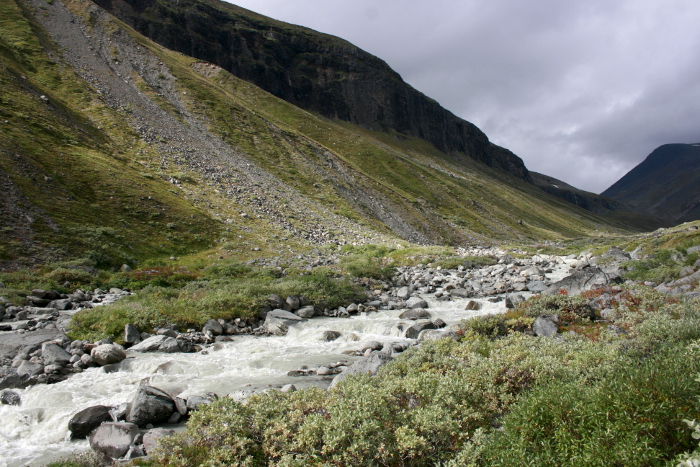
The Tarfala valley, not U-shaped, glacier eroded like the previous one, but a V-shaped river valley. Not completely logical, since the latest ice age ice sheet covered this valley as well as the previous one – maybe the ice was frozen to the bottom here, preserving the old landforms. One of the geomorphological mysteries. Up here, the trees couldn’t grow anymore – but the occasional blueberry could still be seen in the shelter between the blocks. Mostly, though, the vegetation consisted of mosses, lichen and small flowers.
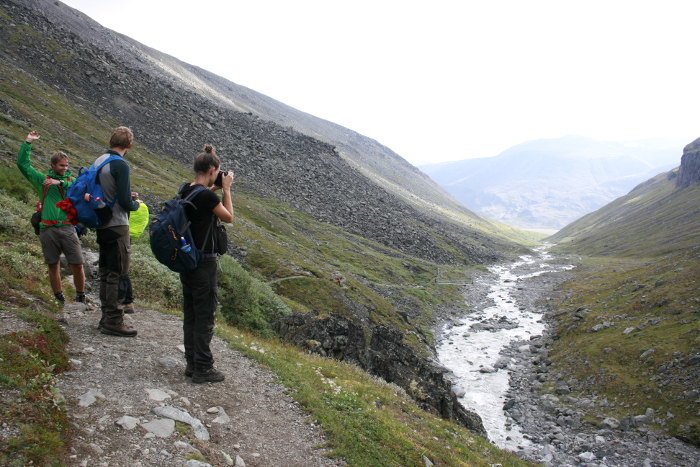
Photo break. The trail here was barely a trail, running up and down block fields and moraines. Managing to balance on the blocks that covered the trail was almost impossible, with the sore feet and exhausted thighs that I had managed to get after six hours of walking. For a while, I was not sure if I would manage to make it all the way to the station.
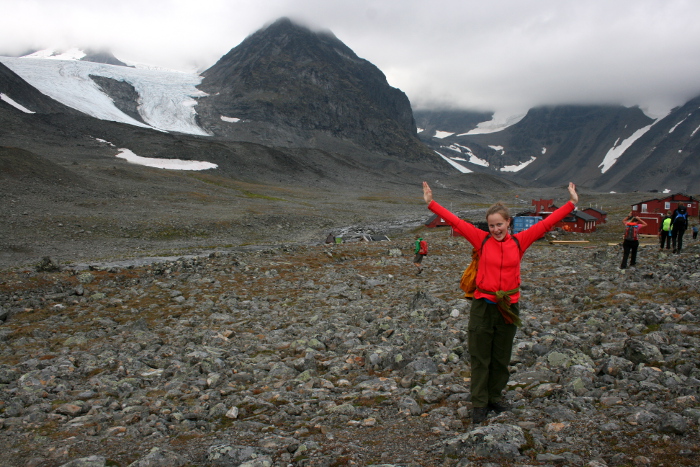
But I did. Happy, after almost seven and a half hours trekking, just when the rain drops were starting to fall on our heads, I climbed the last block ridge and suddenly they were just there – the beautifully red buildings of Tarfala Research Station. The relief my feet felt when I took off my hiking boots, being able to collapse into a comfortable chair in the warm, wood paneled common room of the mess building, lifting my feet off the ground. That feeling is hard to beat.
We had dinner, were introduced to the rest of our teachers and the station staff, and told how to be safe and responsible in this high alpine, glaciated environment. The day was concluded with a visit to the sauna, made perfect by a dip in the river. It was cold but cleansing, the water coming from the summer melting glaciers. After that, the sauna was hot, making my skin tingle and my body soft. Non of the others went into the river, but really, what can you expect. They were all Swedes.
Now, sleep feels like a force of nature, having it’s way with me – let’s see if I’ll be able to get out of bed tomorrow.
 Katja Malmborg