Liberia used to be part of the great West African rainforest. And then man came. Now, the rainforest covers patches in between the oil palms and rubber trees. Halfway between Monrovia and Robertsport, there are huge, newly planted oil palm plantations. And of course it’s the prerogative of the Liberian government to make money off of the resources they have. Palm oil is a growing industry and the palms grow like weeds in Liberia. This is where they originally came from, after all.
We met this Finnish couple that worked for an Indonesian palm oil company at a pool party, and the woman went on a rant about how the western media are writing all these lies about how the palm oil companies are stealing land from ordinary people and destroying primary rainforests and blah blah blah. She said that all locals get compensated for the land they give up and that all real rainforest is protected. And they wouldn’t want to acquire the concessions on them anyway. The land that they plant with oil palms is already cultivated and not wild at all.
Well, that might all be true. We heard stories, from other sources, about villages that had gotten good incomes for letting palm oil companies come and start cultivating their land. But for me, as a geographer, the big problem isn’t the social injustice (even if that is definitely present and really serious too). The problem with oil palm plantations is the same as with any monoculture: biodiversity. What so many people don’t understand is how essential biodiversity is for our own survival. Especially now that climate change is putting an extra strain on all ecosystems all over the world. We need make sure that there is such a big pool of genes within every essential species that there will be individuals that can survive changes in precipitation, temperature and extreme weather.
What we should not do, in ANY way, is to make us even more vulnerable by planting entire countries with one single crop, and then use pesticides to kill all other vegetation and wildlife that fights to survive on the edges. That is just another way to sign the death sentence of our own species.
I could go on. My thesis connects to biodiversity issues, I have lived and breathed sustainable agriculture and resilience and biodiversity and food production for two months. But let me get back to the Liberian rainforest. That was, after all, what this post was supposed to be about. 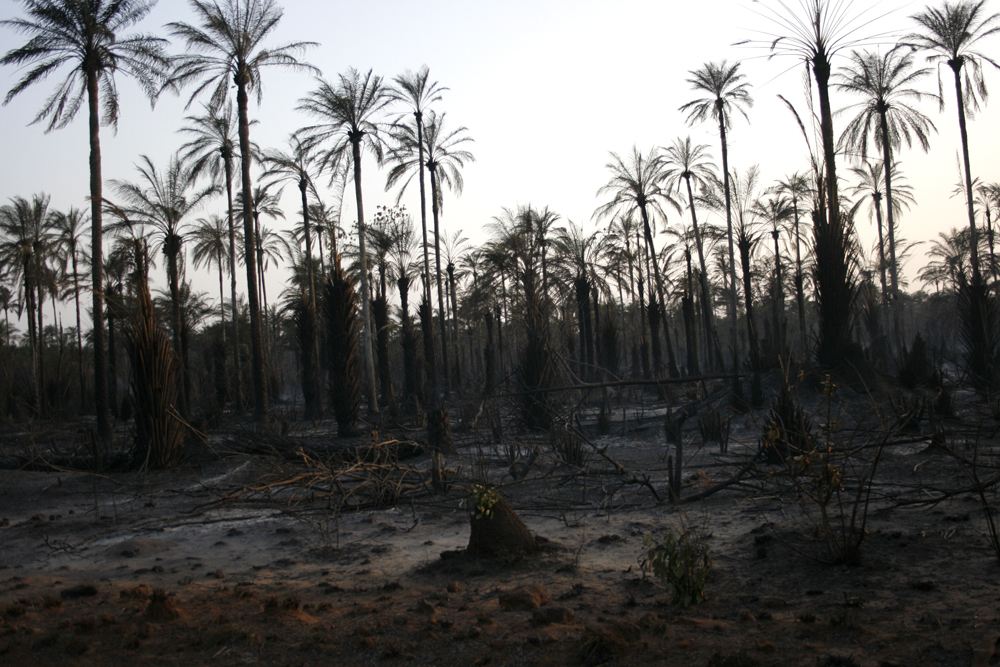 They still use slash and burn farming practices in Liberia. During our visit to Robertsport, just before the rainy season started, the air was heavy with smoke.
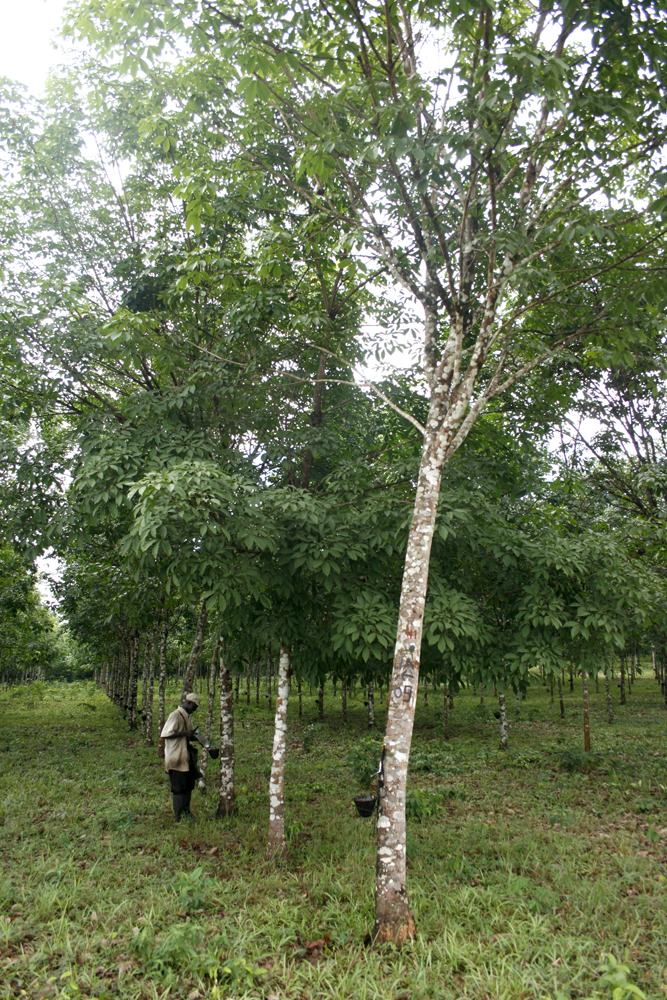 The palm oil industry is a pretty resent in the Liberian context. What they got rich on, back when Liberia was the only independent state in West Africa, was iron and rubber. And the rubber is still big. The rubber trees are everywhere. And there are still people getting rich on it. And others that work the fields. Just as anywhere in the world.
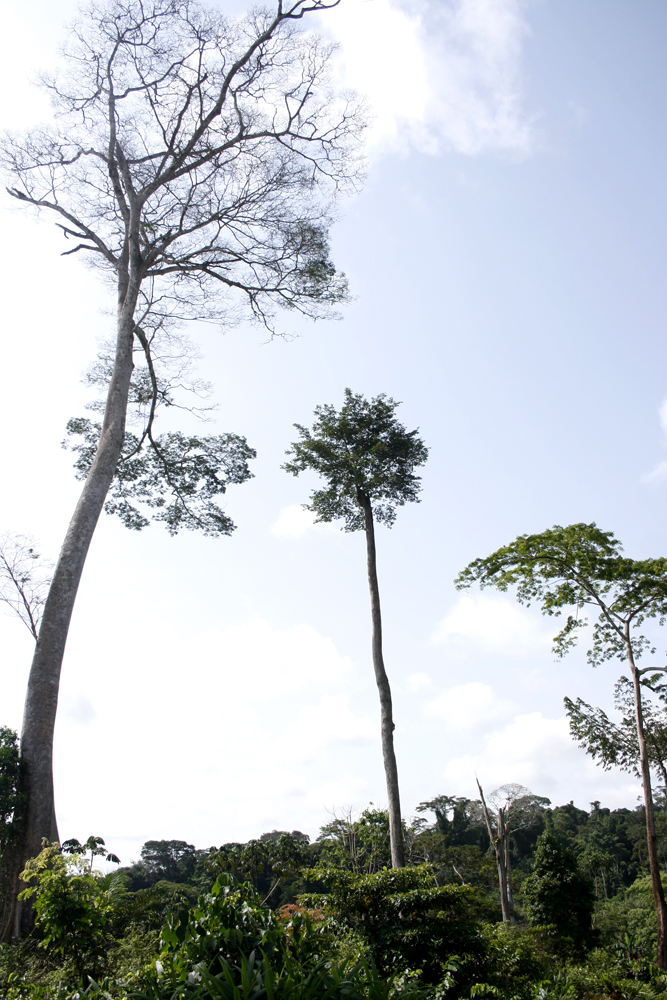 But driving from Zwedru to Harper, we traveled on the edge of what is left of the Liberian rainforest. These odd huge trees sticking up from the thicket tells about the former height and glory of the rainforest, before the trees were cut down. Just another thing that was left as a big open wound in Liberia. Rebel wars are never good for the forests and wildlife of a country.
 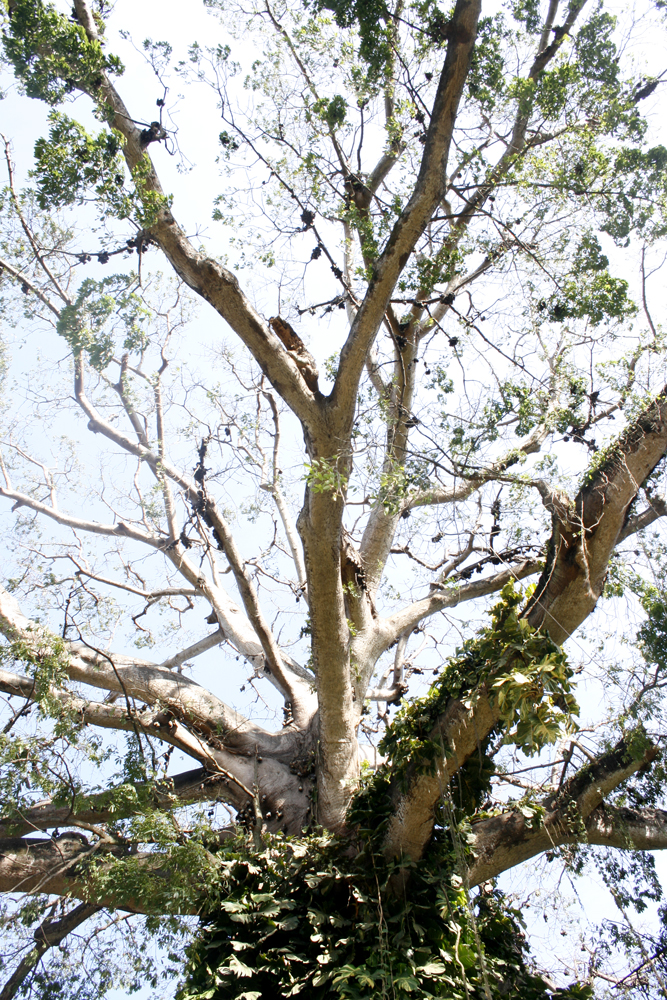 The crown of a mature cotton tree.
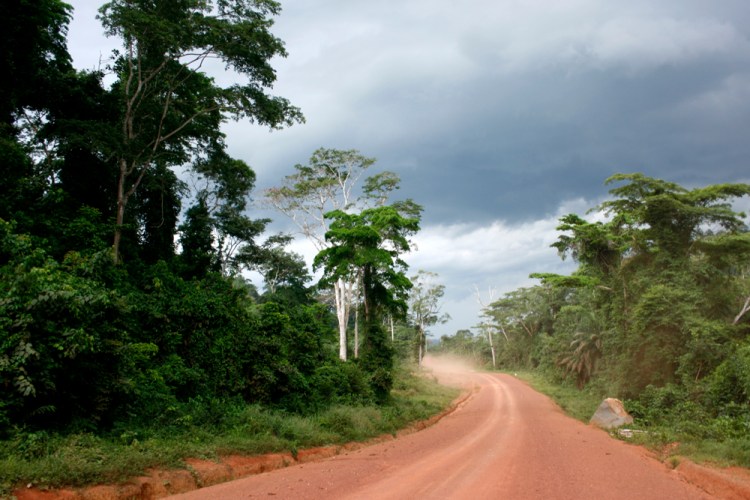 On the threshold of the rainy season.
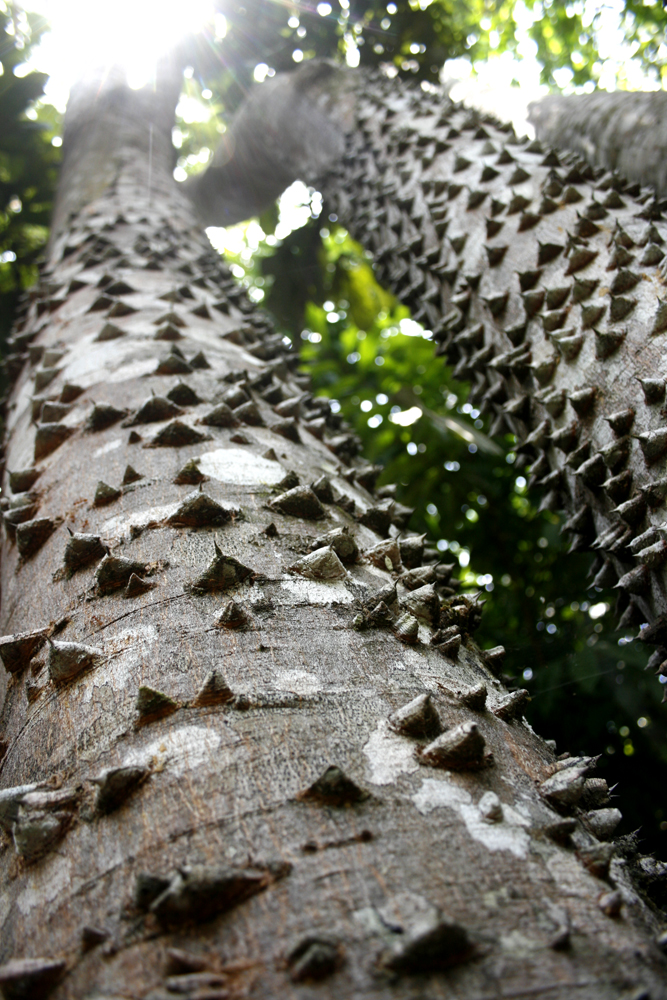 A baby cotton tree with well developed defense mechanisms.
 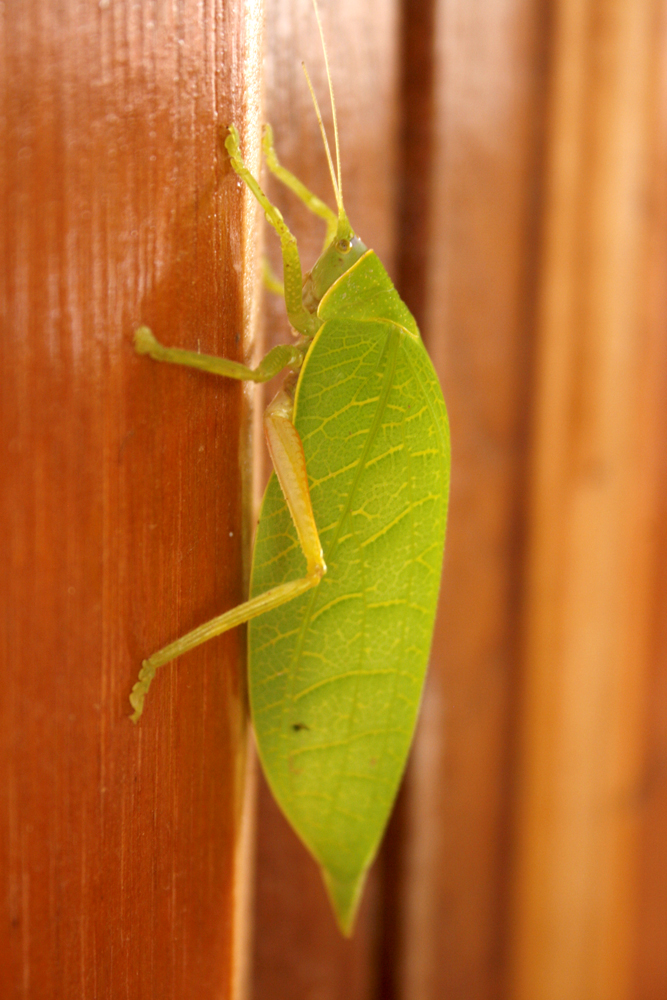 Wildlife spotting in the rainforest.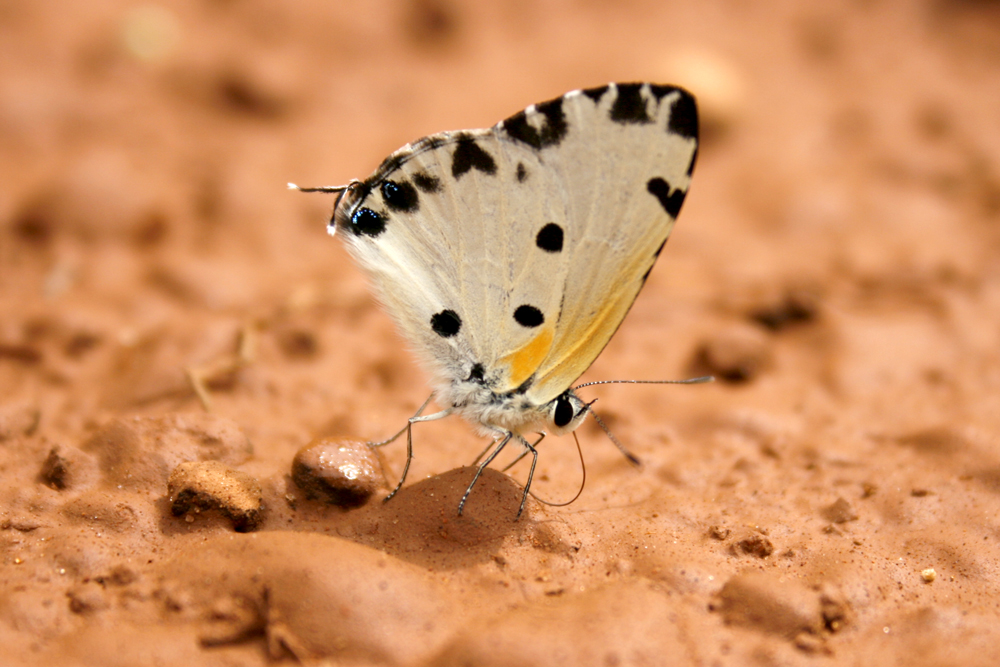
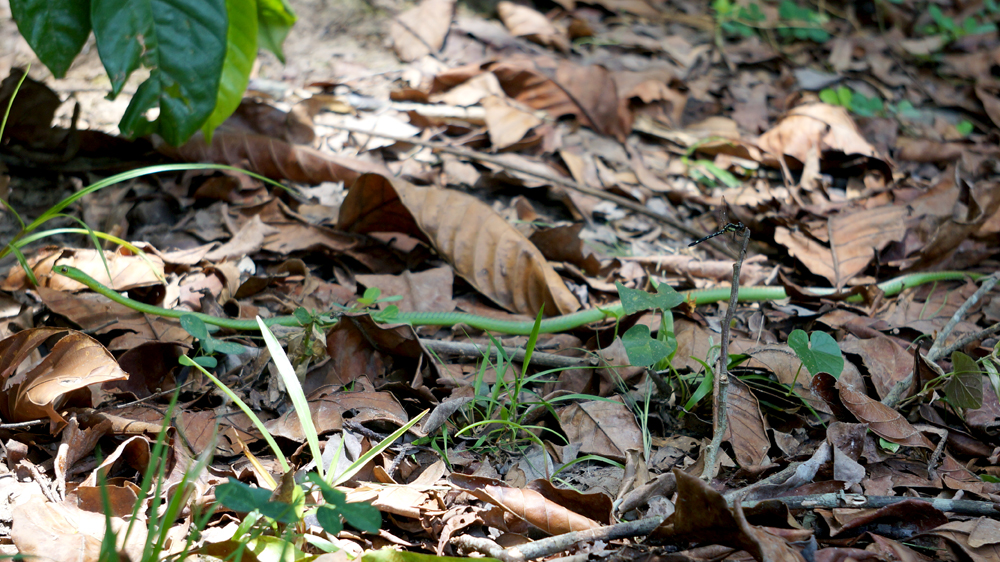 During a little brake in the driving, Hanna and I wandered into a little grove by the rest stop. Suddenly, just a meter from where we were standing, the leaves started to rustle. This bright green snake had fallen down from a tree and was now lying completely still by our feet. It was so tiny, and beautiful in almost an artificial way. However, when we got back to the car and described the snake to our Liberian travel companions, they told us that it probably was a super venomous snake whose bite kills you. Strange feeling, being so close to something potentially deadly.
(I’ve been searching the internet, and concluded that this snake might have been a baby Western green mamba. Lives in trees. Is bright green. The venom kills you within four hours if left untreated. Seriously!)  The only national park in Liberia. Not accessible in the least. This is as far as we got: the edge of the park. From here, it’s hiking straight into the wilderness. Unfortunately, there was no time. Next time, hopefully.
 Katja Malmborg